
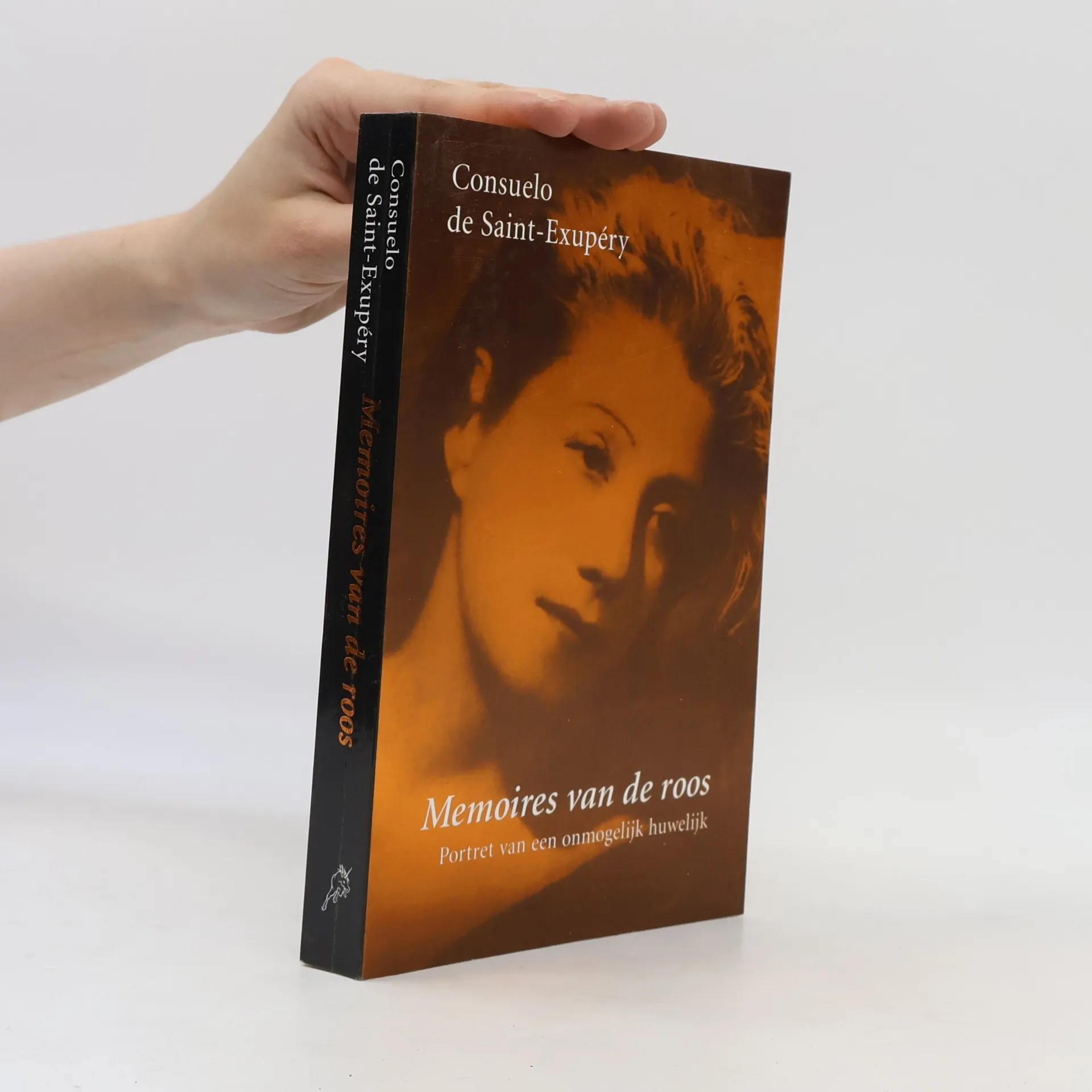
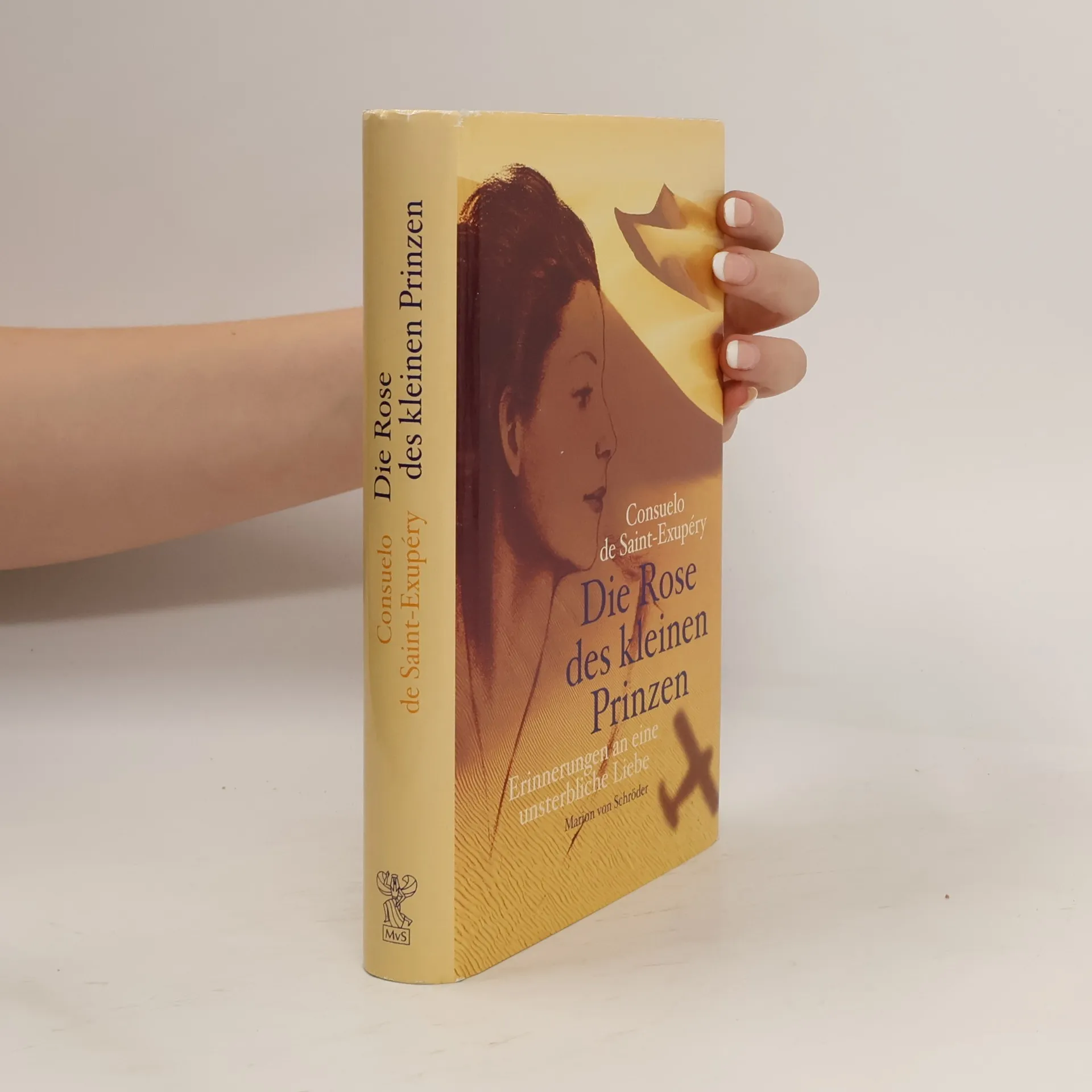

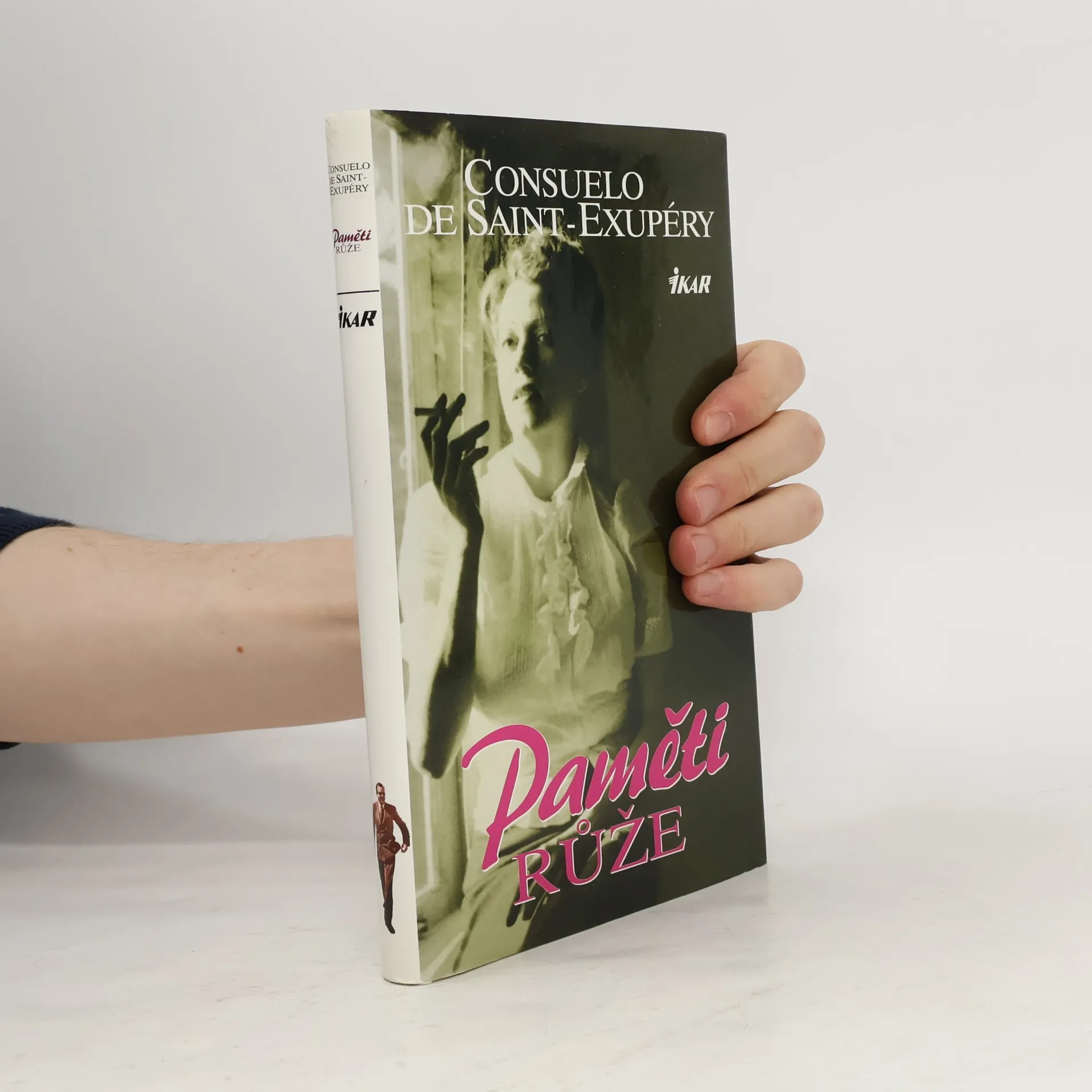
Po více než půlstoletí od záhadného zmizení světoznámého autora Země lidí, Citadely či Malého prince vychází autentická intimní výpověď jeho ženy, rozené vypravěčky. V jejích vzpomínkách ožívá Saint-Exupéry ve své lidské slabosti a velikosti, zbavený aureoly moralistního spisovatele. 29letá Consuelo, v literárních kruzích Paříže přezdívaná "malá sopka ze San Salvadoru", se s letcem Antoinem, autorem tehdy neúspěšné literární prvotiny, seznámila r. 1930. Paměti růže zachycují v temperamentním poetickém vyprávění bouřlivé bohémské soužití výjimečné dvojice, osudovou lásku zmítanou mezi horečnými shledáními a krutými odlukami, úzkostnými obavami o život manžela-letce i okamžiky absolutního štěstí. Sled až neuvěřitelných epizod poodhaluje neznámé okolnosti života spisovatele-pilota.
In the spring of 1944, Antoine de Saint-Exupéry left his wife, Consuelo, to return to the war in Europe. Soon after, he disappeared while flying a reconnaissance mission over occupied France. Neither his plane nor his body was ever found. The Tale of the Rose is Consuelo’s account of their extraordinary marriage. It is a love story about a pilot and his wife, a man who yearned for the stars and the spirited woman who gave him the strength to fulfill his dreams. Consuelo Suncin Sandoval de Gómez and Antoine de Saint-Exupéry met in Buenos Aires in 1930—she a seductive young widow, he a brave pioneer of early aviation, decorated for his acts of heroism in the deserts of North Africa. He was large in his passions, a fierce loner with a childlike appetite for danger. She was frail and voluble, exotic and capricious. Within hours of their first encounter, he knew he would have her as his wife. Their love affair and marriage would take them from Buenos Aires to Paris to Casablanca to New York. It would take them through periods of betrayal and infidelity, pain and intense passion, devastating abandonment and tender, poetic love. Several times in the course of their marriage they would go their separate ways, but always they would return. The Tale of the Rose is the story of a man of extravagant dreams, and of the woman who was his muse, the inspiration for the Little Prince’s beloved rose—unique in all the world—whom he could not live with and could not live without. Written on Long Island in a quiet spell of reconciliation, The Little Prince was Antoine’s greatest gift to the woman he never stopped loving, the only child to emerge from their union. The Tale of the Rose is Consuelo’s reply—the love letter she never could write to her husband—a fable of its own, just as magical, poetic, and tragic as The Little Prince.
"Buenos Aires, septembre 1930. Antoine de Saint-Exupéry, chef d'exploitation de l'Aeroposta Argentina, fait la connaissance de Consuelo Suncin Sandoval, la jeune veuve salvadorienne de l'écrivain Enrique Gómez Carrillo. Après quelques semaines de vie commune en Argentine, ils choisissent de se marier en France auprès de la famille de l'aviateur. Mais la vie conjugale du couple sera un parcours bien chaotique, malgré tout ce qui les réunit - et en premier lieu leur imaginaire commun, peuplé d'étoiles, de petits animaux et de toutes sortes de trésors. L'aventureux "Tonio" attend de son épouse une attention et un réconfort de tous les instants que le tempérament de celle-ci, éprise de liberté et douée d'une irréductible fantaisie, ne peut lui apporter continûment. Mais Antoine et Consuelo ne se délieront jamais de leur alliance, pourtant soumise à des polarités contradictoires. Sacrée à leurs yeux, elle les réunira dans les moments les plus difficiles, jusqu'à New York où l'écrivain se trouve exilé entre 1941 et 1943. Et la promesse réciproque d'un amour inconditionnel leur permettra de supporter, non sans souffrance, l'éloignement et l'inquiétude, lorsque l'engagement militaire de l'écrivain les rendra inévitables - jusqu'à la fin tragique de juillet 1944. Ces années sont aussi celles de l'écriture du Petit Prince - une fable qui illumine, en leur donnant son sens le plus profond, ces lettres souvent déchirantes d'émotion, où alternent la grâce et le désarroi, la défiance et la lumière. Un jeune prince voyageur, une rose et son globe : nous y sommes ! "Il était une fois un enfant qui avait découvert un trésor", écrit Antoine de Saint-Exupéry dans sa première lettre à Consuelo. "Mais ce trésor était trop beau pour un enfant dont les yeux ne savaient pas bien le comprendre ni les bras le contenir. Alors l'enfant devint mélancolique.""--Page 4 de la couverture
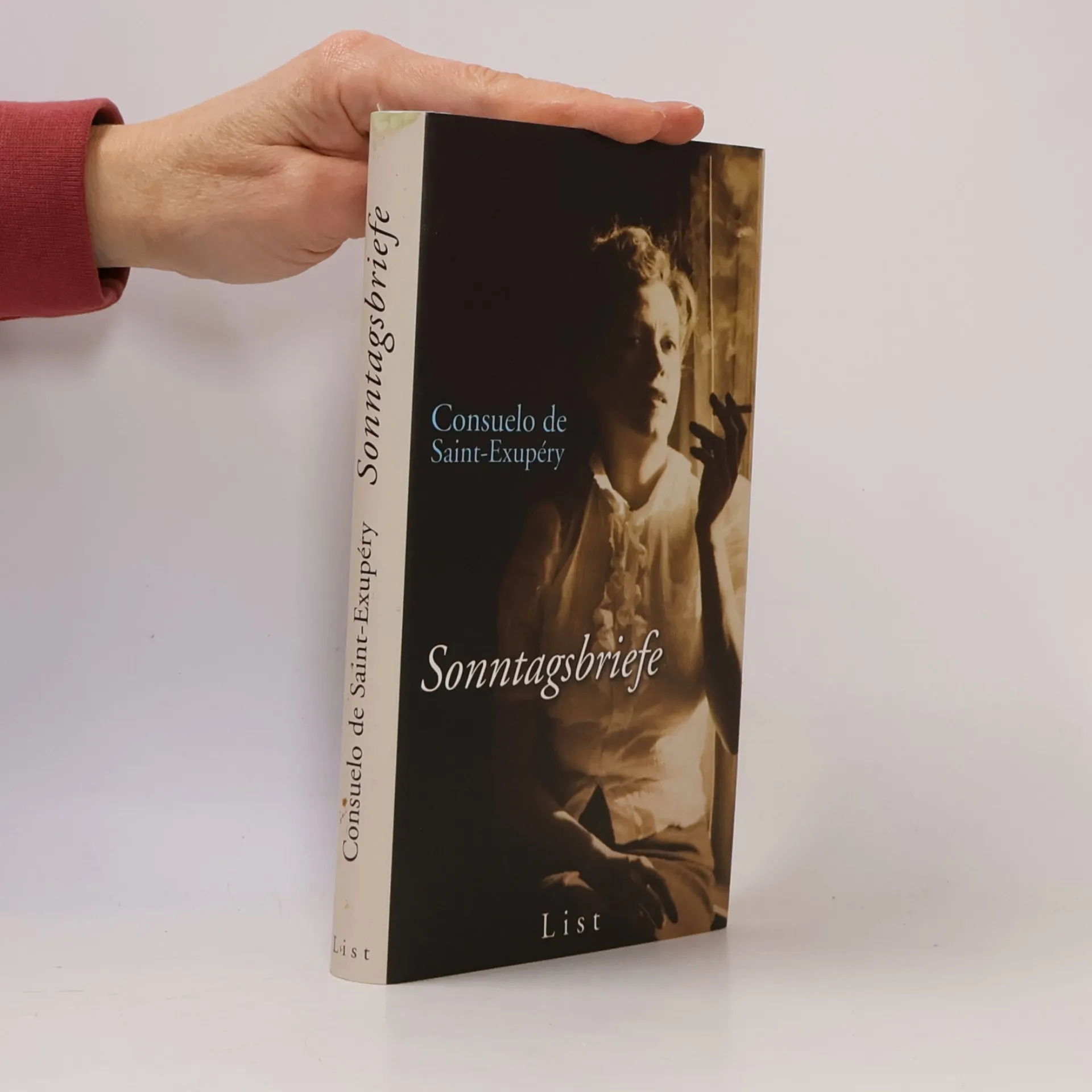
Der Pionier der Lüfte, Antoine de Saint-Exupery, zieht im April 1943 von den USA aus nach Nordafrika in den Krieg. Vor seinem Aufbruch leisten der Autor und seine "Rose" den Schwur, einander niemals zu verlassen - und Consuelo schreibt ihrem "geliebten Mann" jeden Sonntag einen Brief, den sie für ihn aufbewahrt, für später, für seine Rückkehr. Wenn er dann wiederkäme, so ihr Gedanke, würde er sie alle lesen wie ein unendliches Tagebuch der Liebe. Ein langer Gesang von Exil und Verzweiflung, der bewegende Versuch, die verlorene Zeit festzuhalten und zugleich das nicht enden wollende Warten durchzustehen - zu Anfang voller Vertrauen auf seine Rückkehr und dann ängstlich angesichts des Undenkbaren, doch bis zuletzt erfüllt von der unverbrüchlichen Liebe zu jenem Mann, dem ihre "Sonntagsbriefe" gewidmet sind.