Air Power and Arab World 1909-1955
- 84 stránek
- 3 hodiny čtení
Volume 7 of the first and only book-series to cover the operational history of all Arab air forces through the early decades of their existence.


Britský historik se specializací na vojenskou historii středověku, s osobitým zájmem o Blízký východ. Své rozsáhlé znalosti uplatnil v práci pro BBC Arabic a následně jako přednášející světového a islámského umění a architektury. Jeho dílo se zaměřuje na detailní analýzu vojenských konfliktů a jejich kulturního kontextu, čímž čtenářům přináší hlubší porozumění této klíčové éře dějin.

Volume 7 of the first and only book-series to cover the operational history of all Arab air forces through the early decades of their existence.
The years leading up to the Second World War and into its early years saw the Arab countries and their military forces buffeted by forces far beyond their control. Nevertheless, Arab countries which had some independence or autonomy attempted to strengthen their small air forces.
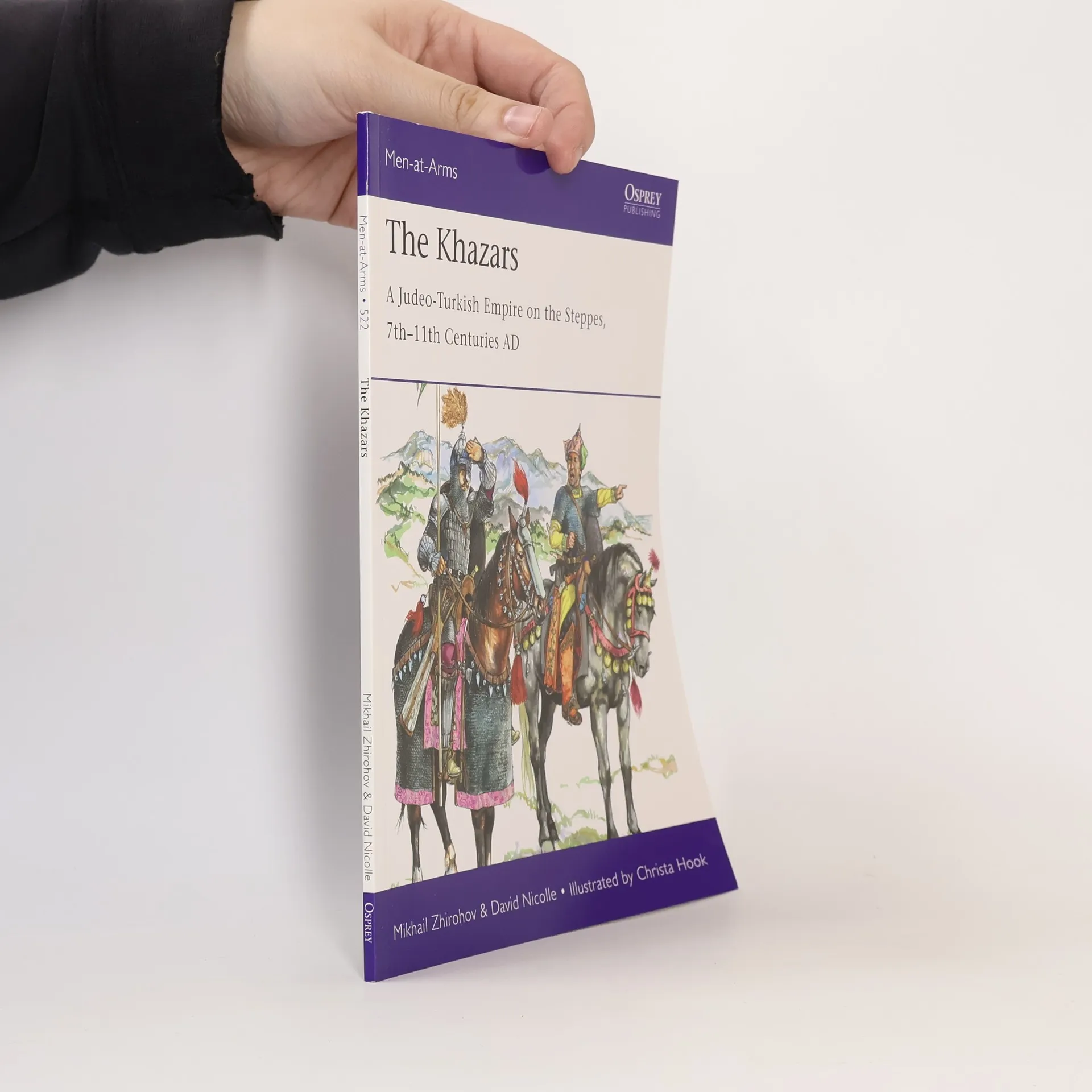
Fully illustrated with detailed color plates, this is a fascinating study into the armies, organization, armor, weapons, and fortifications of the Khazars.The Khazars were one of the most important Turkic peoples in European history, dominating vast areas of southeastern Europe and the western reaches of the Central Asian steppes from the 4th to the 11th centuries AD. They were also unique in that their aristocratic and military elites converted to Judaism, creating what would be territorially the largest Jewish-ruled state in world history. They became significant allies of the Byzantine Empire, blocking the advance of Islam north of the Caucasus Mountains for several hundred years.They also achieved a remarkable level of metal-working technology, and their military elite wore forms of iron plate armor that would not be seen in Western Europe until the 14th century. The Khazar state provided the foundations upon which medieval Russia and modern Ukraine were built.
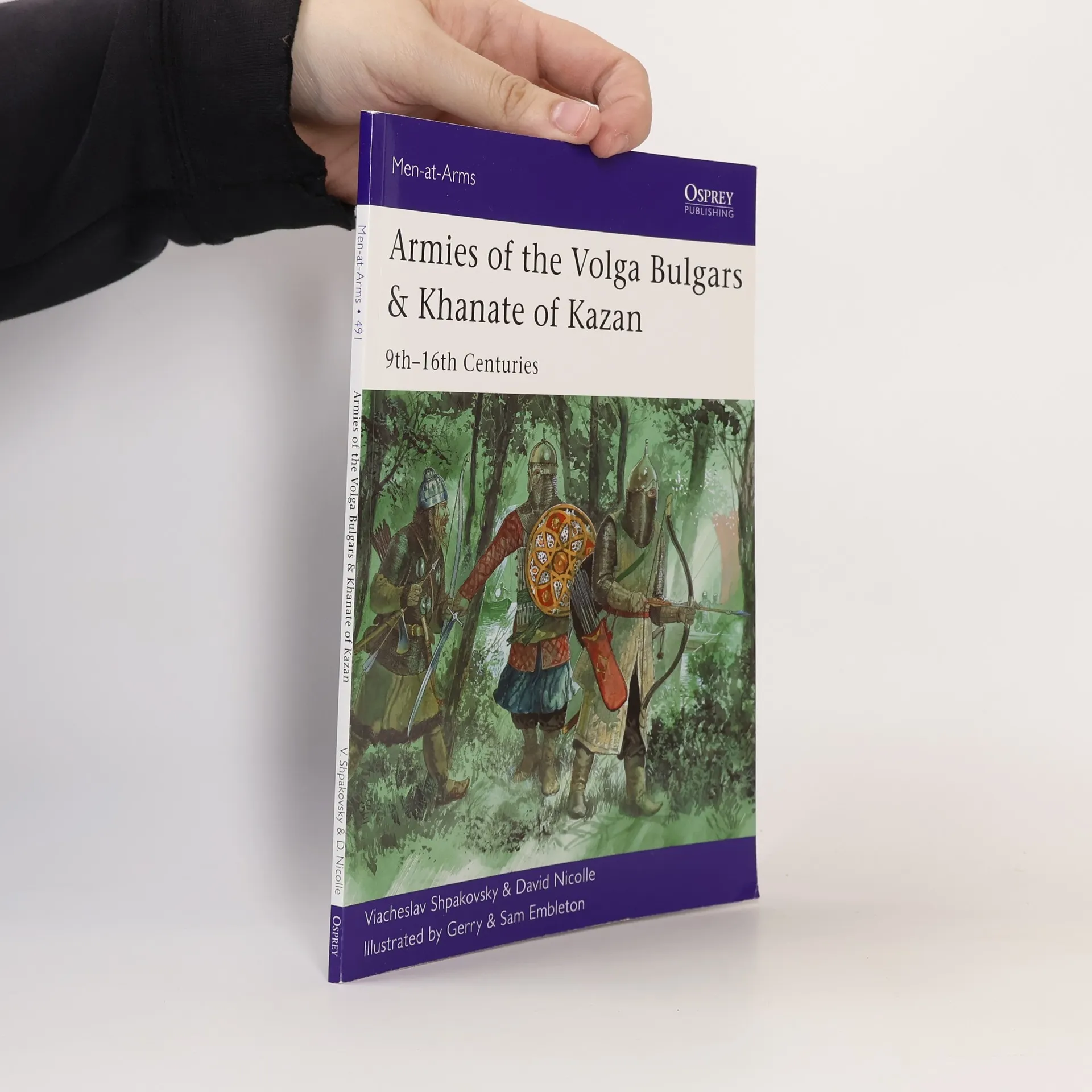
The Bulgars were a Turkic people who established a state north of the Black Sea. Their state fragmented under pressure from the Khazars; one group moved south, but the rest moved north during the 7th and 8th centuries to the basin of the Volga river. This book explores the costumes, armament, armour and fighting methods of the Volga Bulgars.
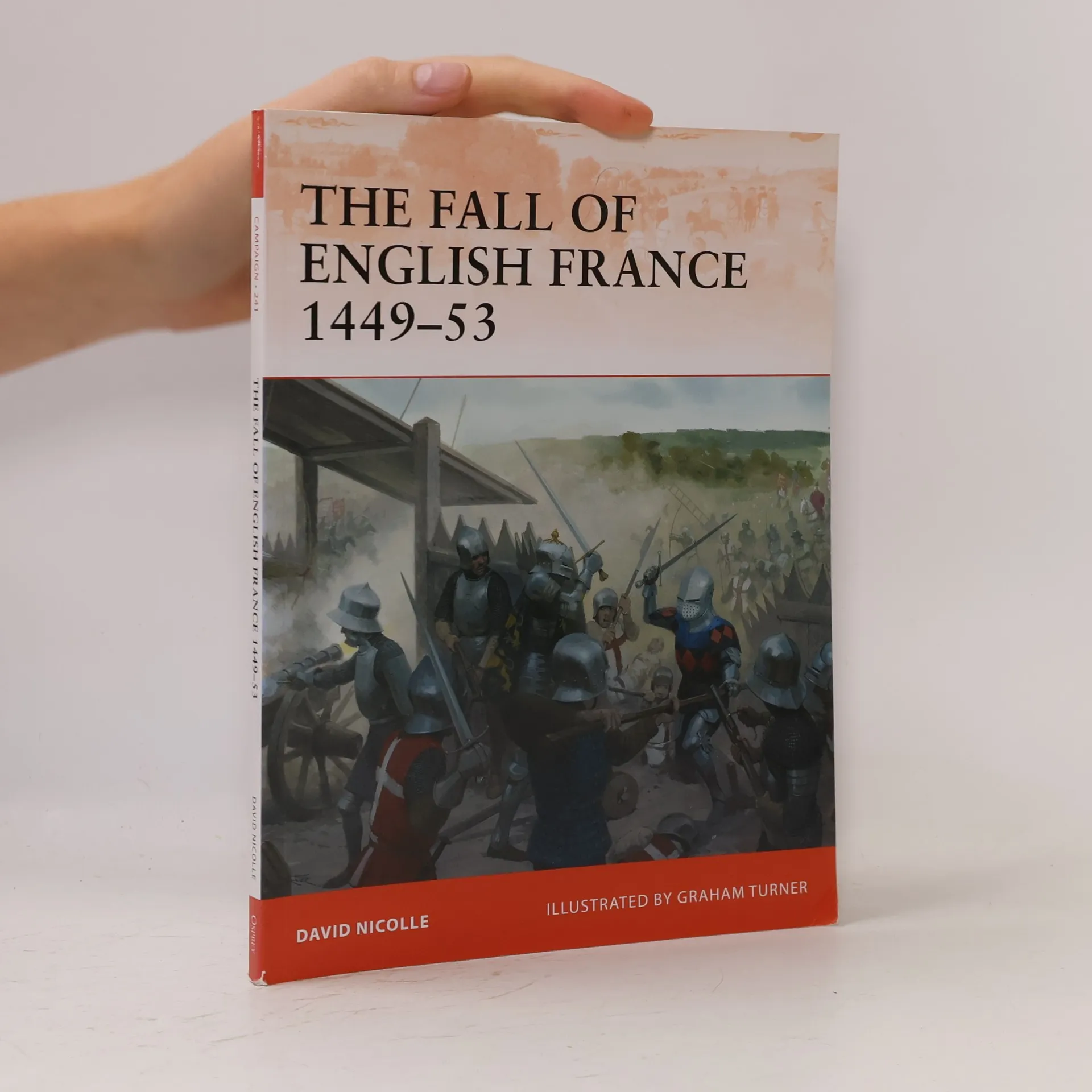
For the overwhelming majority of people outside the French-speaking world the Hundred Years War consisted of a sequence of major English victories, above all Crécy, Poitiers and Agincourt. The only significant victor or 'hero' on the French side was Joan of Arc, and she ended up being burned at the stake. Yet somehow the war ended in a French victory and with England's martial energies being turned against itself in the Wars of the Roses. This book is intended to provide some balance. It will describe the campaign that brought the Hundred Years War to a close, with English possessions being confined to Calais and the Channel Islands. It will also explain how the somewhat unprepossessing and unmartial King Charles VII of France succeeded where his predecessors had failed. The campaign consisted of more than battles, of course, but it was marked by two major victories - at Formigny in 1450 and at Castillon in 1453. Formigny is of special interest because it saw French cavalry defeat English archers, in effect a reversal of Crécy, Poitiers and Agincourt, and could be interpreted as one of the last 'medieval' battles. Castillon is of interest because it was a victory of gunpowder artillery in fixed positions over a traditional medieval assault by mixed infantry and cavalry, and thus could be interpreted as one of the first 'modern' battles.
Helen Nicoll is celebrated for her imaginative storytelling and enchanting characters. Her works often explore themes of adventure, friendship, and the wonders of childhood. With a unique ability to blend whimsy and wisdom, Nicoll crafts narratives that resonate with both young readers and adults. Her writing is marked by rich language and vivid imagery, inviting readers into fantastical worlds filled with memorable lessons and experiences. Each story reflects her deep understanding of the joys and challenges of growing up.
Medieval cavalry tactics: Europe AD 450-1250.
Mog and Owl are hungry, so Meg makes a spell. It goes wrong and they all go to bed without any supper, but Mog and Owl are still hungry...
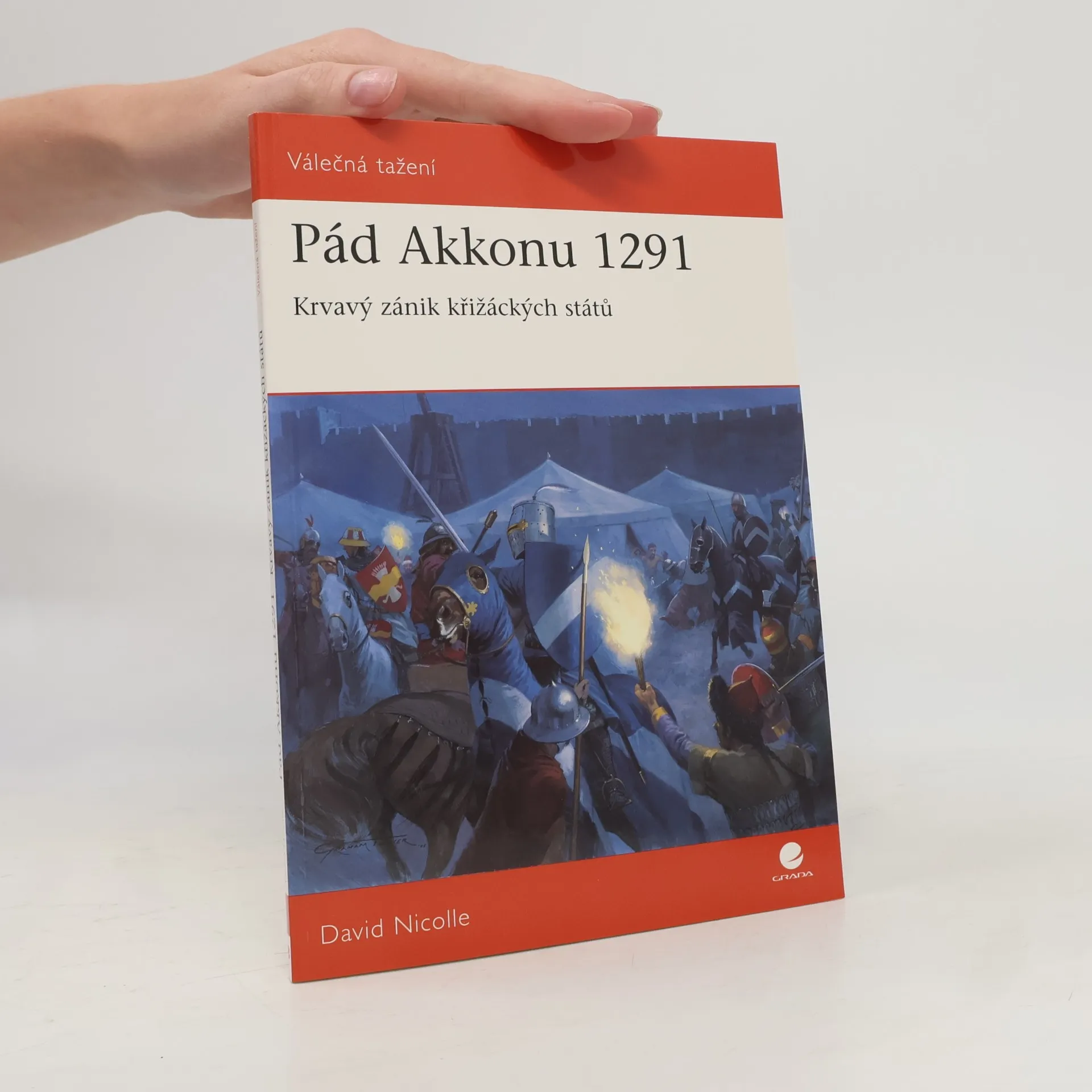
Podtitul: Krvavý zánik křižáckých států Průběh tažení mamlúckých vojsk proti zbytkům křižáckých států na Blízkém východě. Dramatický popis pádu jedné z posledních křesťanských pevností ve Svaté zemi - přístavního města Akkonu (od r. 1187 hlavního města Jeruzalémského království). V úvodní kapitole popisuje autor širší kontext těchto událostí - úsilí západních křesťanů o osvobození Božího hrobu, křížové výpravy, politiku evropských vládců a Svatého stolce, vznik křižáckých států na Blízkém východě, expanzi bojovného islámu a krizi těchto států ve 13. stol. Jádro monografie tvoří popis tažení egyptského sultána proti Akkonu - charakteristiky křesťanských a muslimských vojevůdců, organizace vojsk, válečné plány a strategické postupy, průběh obléhání města (jeho hlavními obránci byli příslušníci křesťanských vojenských řádů) a jeho pád.
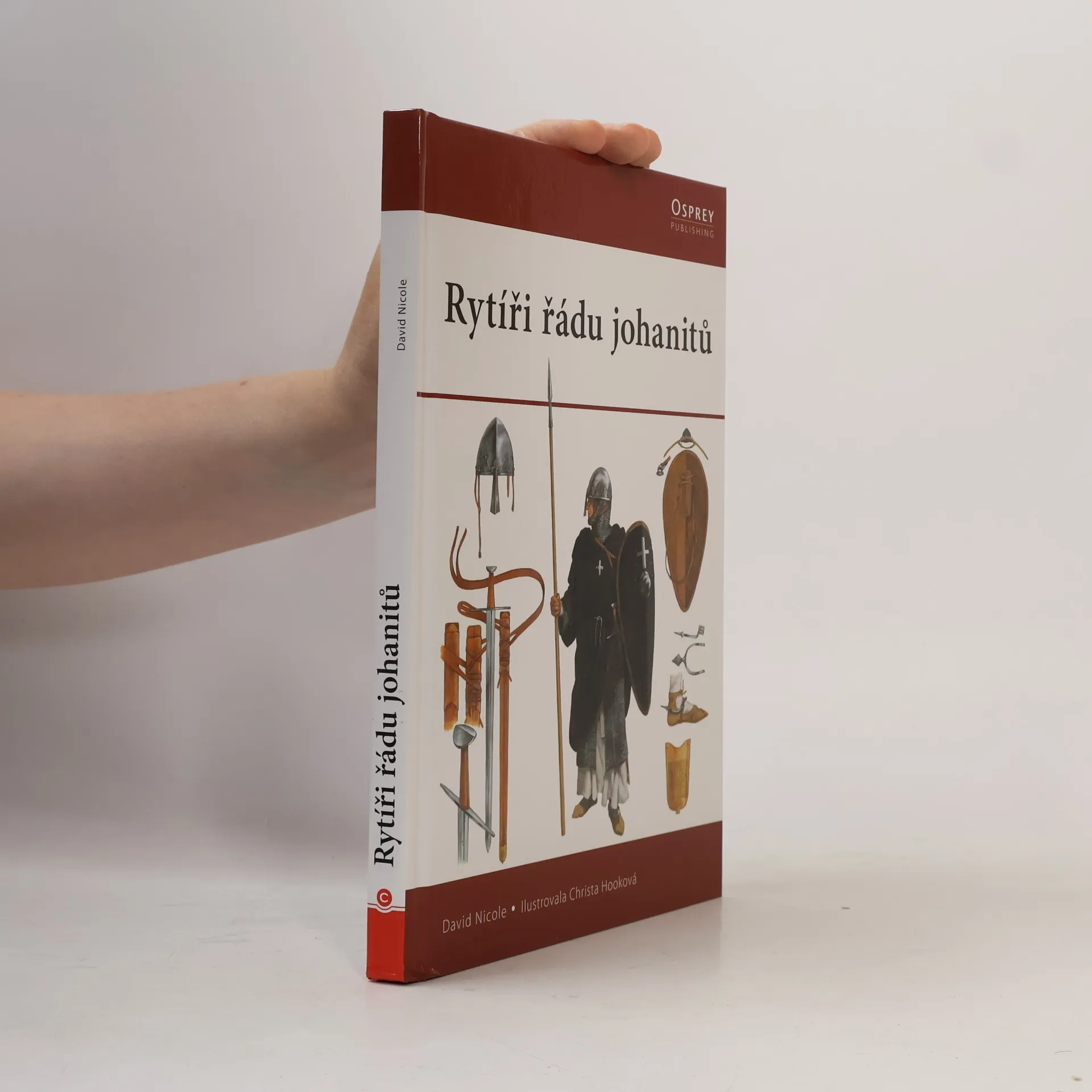
Na rozdíl od svých někdejších rivalů templářů nevznikl řád johanitů jako přímý důsledek první křížové výpravy z roku 1099, ale byl pravděpodobně založen skupinou italských kupců z Amalfi v polovině 11. století. V důsledku křižáckého hnutí se však johanité stali uznávanými odborníky na vojenství protivníka, islámských armád. Tato kniha představuje řád johanitů od jeho vzniku až do doby raného novověku, kdy přesídlil na Maltu. Věnuje se způsobu života johanitského rytíře, jeho zkušenostem a vojenské úloze a nezapomíná ani na politickou a hospodářskou úlohu, jakou řád hrál v křesťanském světě.
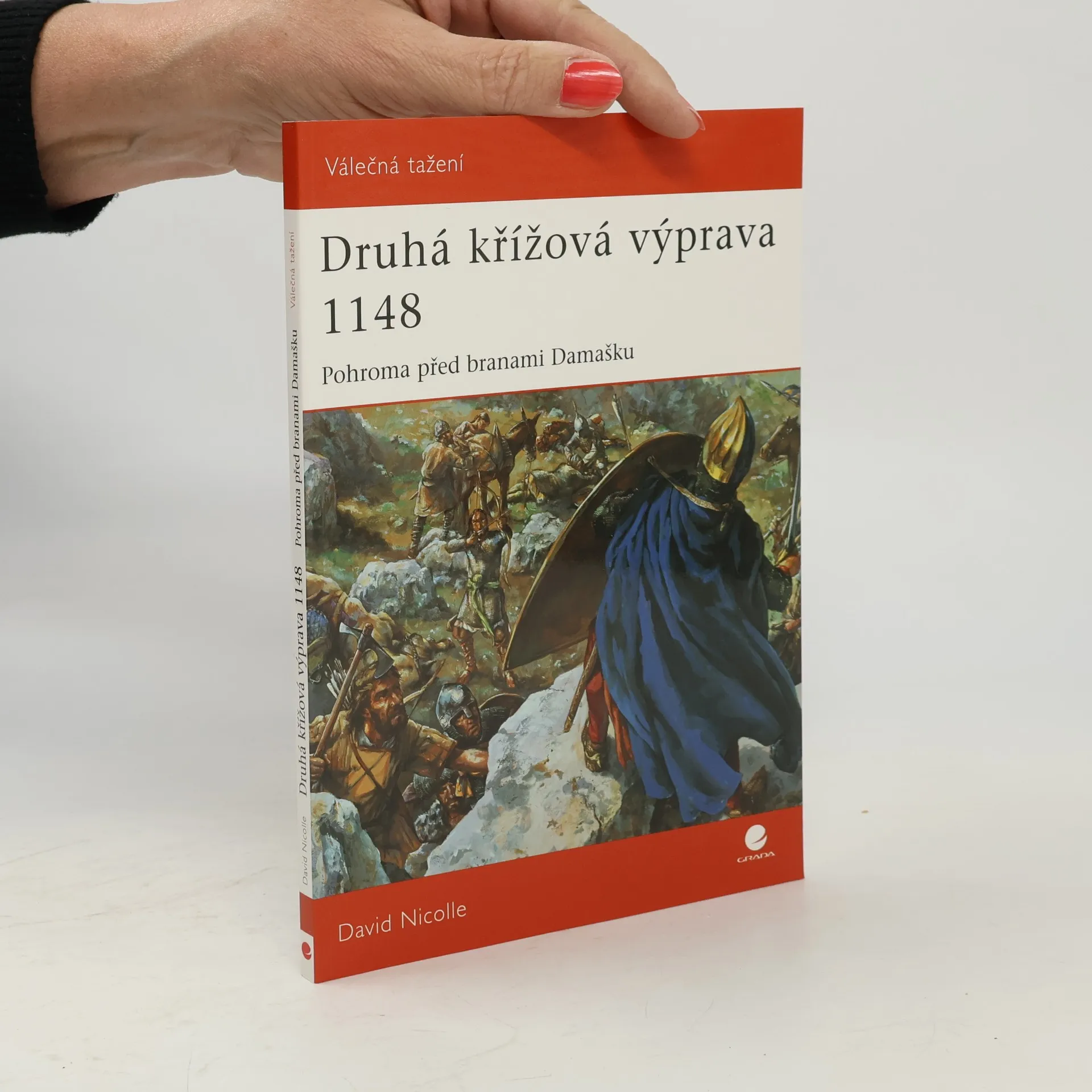
Pohroma před branami Damašku. Další z úspěšných titulů, věnovaných z historického pohledu velice významnému tématu, jímž jsou snahy založit na území Blízkého východu křesťanské státy. Druhá křížová výprava byla první výpravou ve znamení kříže, v jejímž čele stanuli evropští králové, německý Konrád III. a francouzský Ludvík VII., a jíž se zúčastnilo také množství významných evropských feudálů. V barvitém líčení autor představuje nejen hlavní aktéry dění a průběh neúspěšného pokusu dobýt Damašek, hlavní město muslimského státu, které se v dané době snažilo o přátelské vztahy se sousedními křižáckými státy, ale také hlavní rysy islámského vojenství a svět středověkých rytířů, život v arabských státech a na dvorech západních vládců. Neúspěch křižáků je považován za zlomový bod v dějinách křížových výprav.
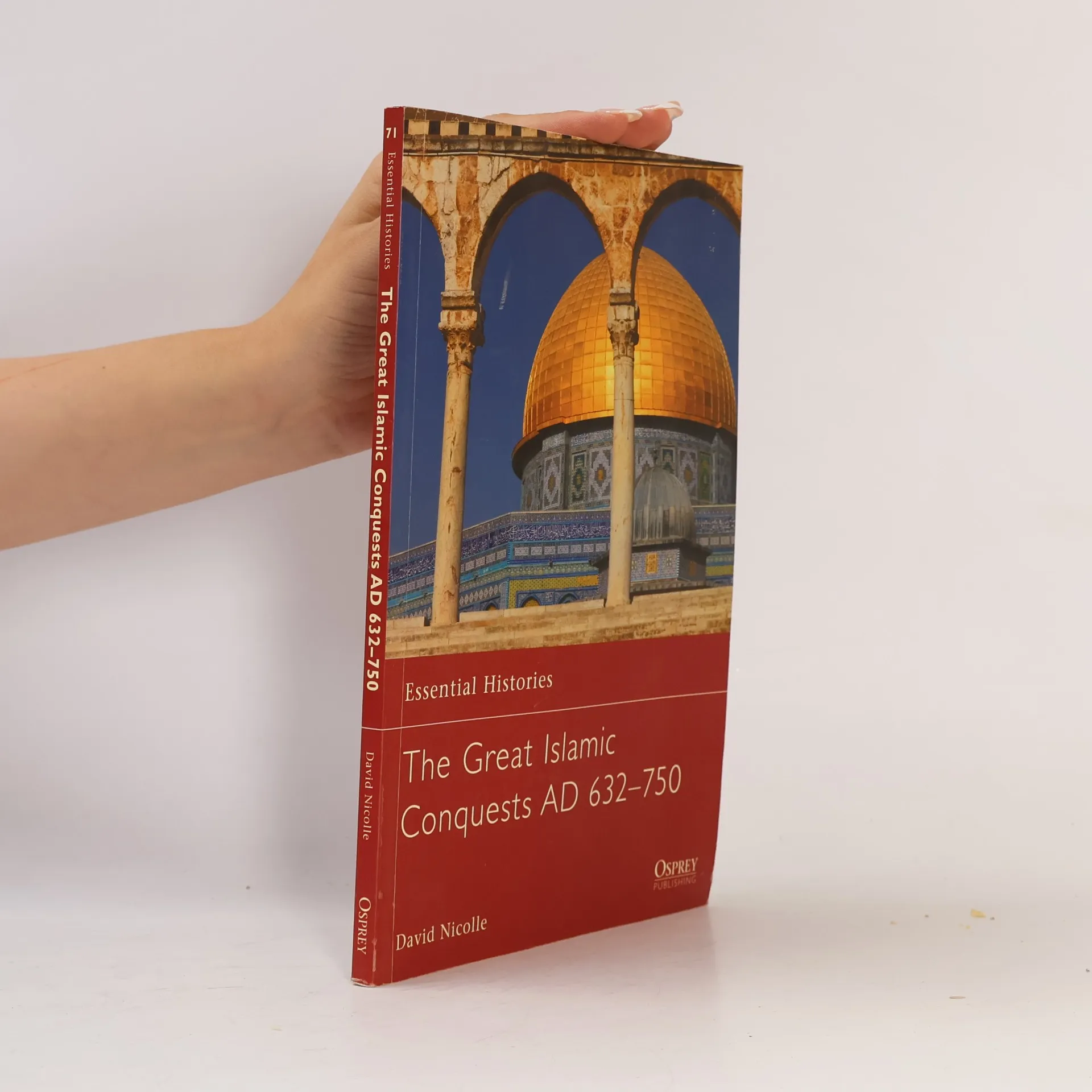
Few, if any, centuries in world history have had such a profound and long-lasting impact as the first hundred years of Islamic history. In this book, David Nicolle, a former member of the BBC's Arabic service, examines the extensive Islamic conquests between 632 and 750 AD. These years saw the religion and culture of Islam, as well as the Arabic language, erupt from the Arabian Peninsula to spread across an area far larger than that of the Roman Empire at its greatest extent. It also saw the abrupt collapse of the Persian Empire, as well as the permanent withdrawal of the Romano-Byzantine Empire and its associated cultures, along with Christianity as a ruling faith, from the Middle East and North Africa.Virtually all the lands "opened" by their armies remain Islamic - and in many cases Arabic-speaking - to this day, in contrast to the often ephemeral achievements of better-known conquerors, such as Alexander the Great and several Roman Caesars, and the effects of this rapid expansion was to shape European affairs for centuries to come.
Die Kreuzritter der christlichen Völker des Abendlandes waren strategisch, religiös und wirtschaftlich motivierte Krieger. In den frühen Kreuzzügen nahmen Männer aller sozialen Schichten und aus ganz Europa das Kreuz auf, um zu kämpfen. Einige aus tiefst religiösen Gründen, andere um den Plagen und der Hungersnot, die in der Zeit grassierten, zu entgehen. Wieder andere waren auf der Suche nach Land oder hofften ein Vermögen zu erbeuten. Die Autoren beschreiben den Hintergrund eines Kreuzritters und das Leben in jener Zeit, machen die Strategie, die Befestigungsanlagen und Wappen der Kriege detailliert, teilweise mit farbigen Abbildungen deutlich und lüftete zumindest einige Geheimnisse dieses grausamen Kapitels des Mittelalters.
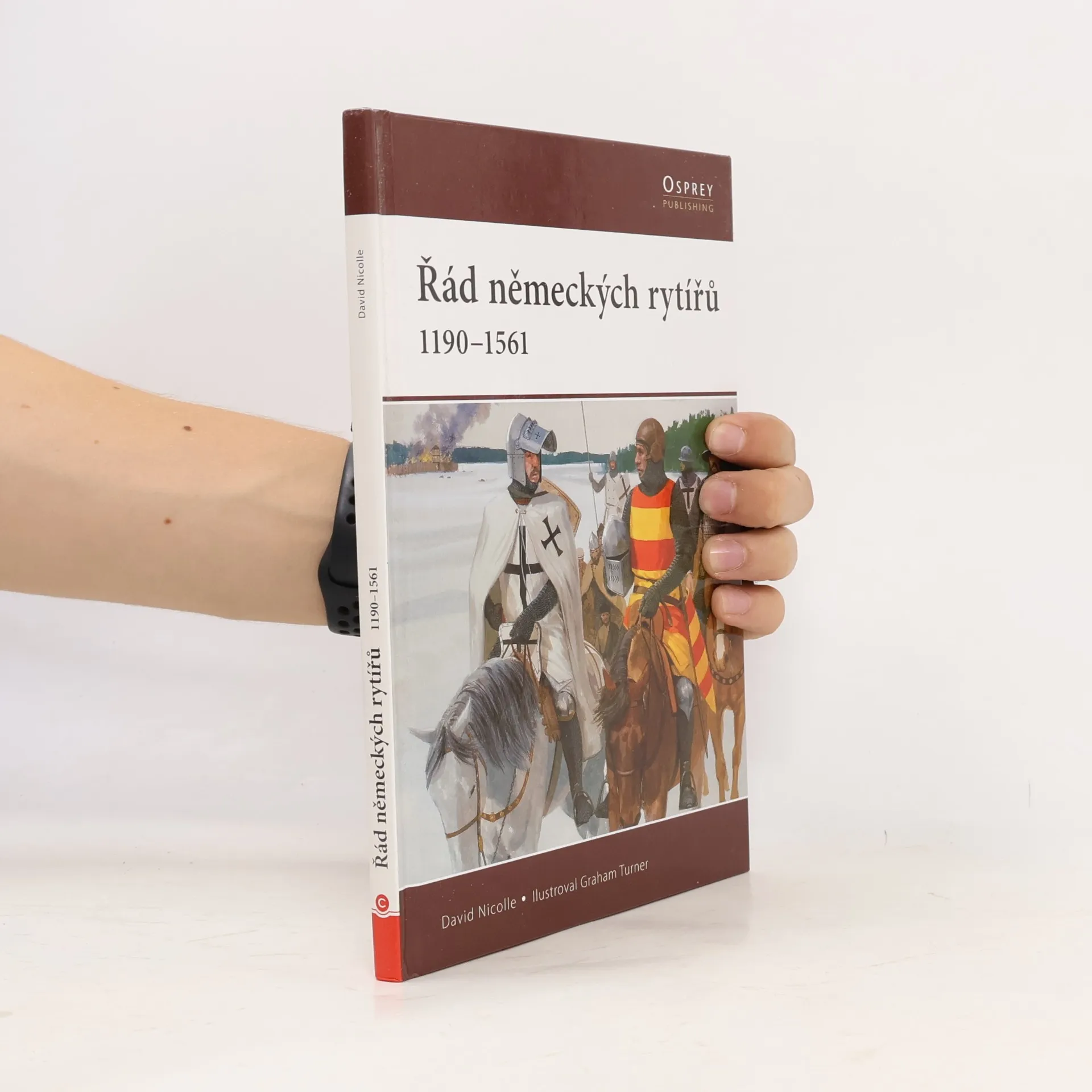
Kniha, bohatá na detailní ilustrace a fotografie, představuje ucelený pohled na rytířský i řeholní řád Německých rytířů.
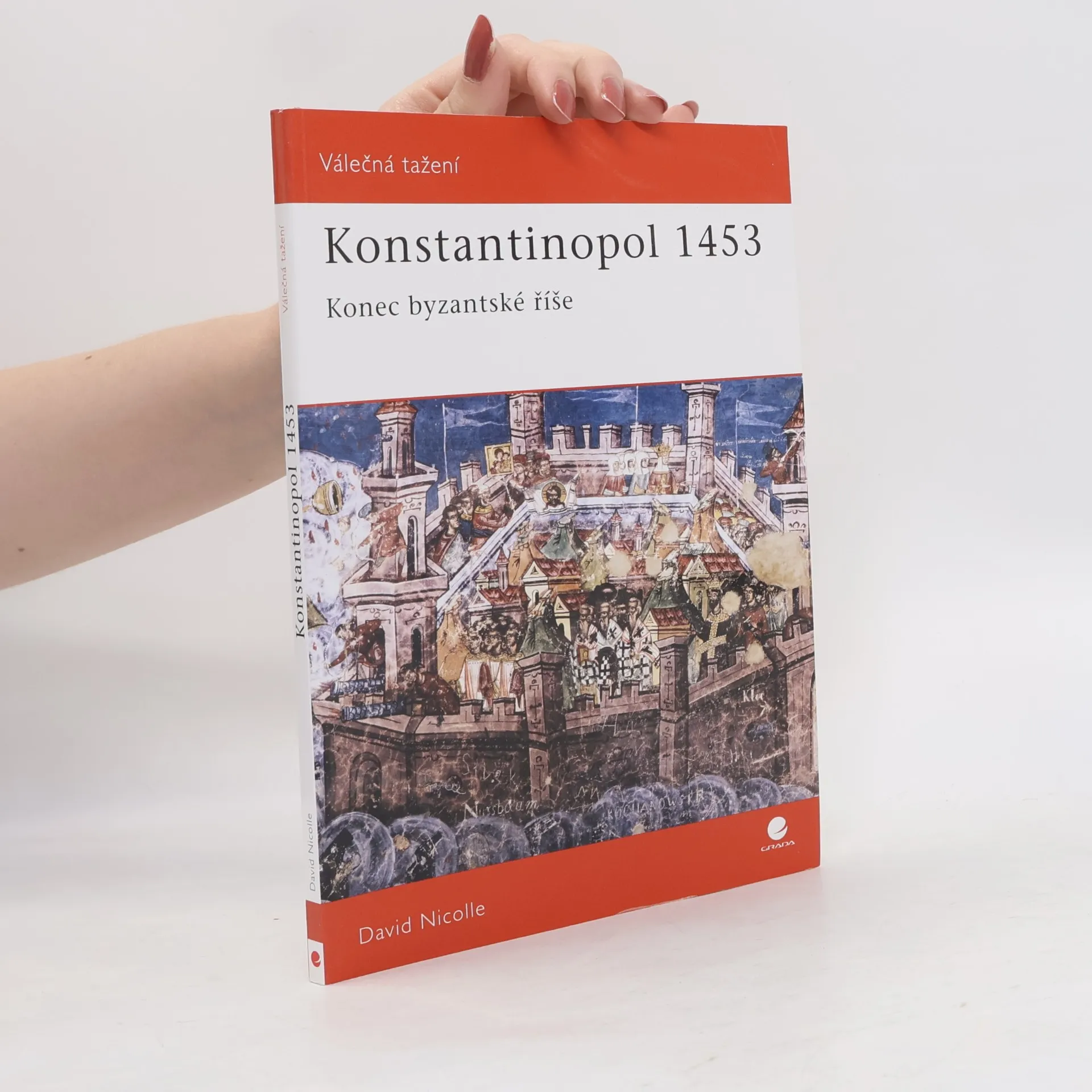
Další publikace z nakladatelství Grada věnovaná oblíbené tematice křížových výprav tentokrát čtenáře zavede před brány hlavního města kdysi mocné byzantské říše. Konstantinopol zde vzdoruje čtyřměsíčnímu obléhání, její snaha se ubránit je však bez výraznější pomoci západní Evropy nakonec marná. Proti poslední křesťanské výspě na Východě stojí osmanský sultán Mehmed II. "Dobyvatel" s armádou o síle 80 000 mužů, doplněnou o mohutná obléhací zařízení, zatímco obránců pod velením císaře Konstantina je pouhých 10 000. Císař Konstantin statečně vzdoruje mohutnému několikahodinovému útoku a je zabit v boji. Podrobné líčení dramatických událostí roku 1453 doprovází velké množství ilustrací a map.
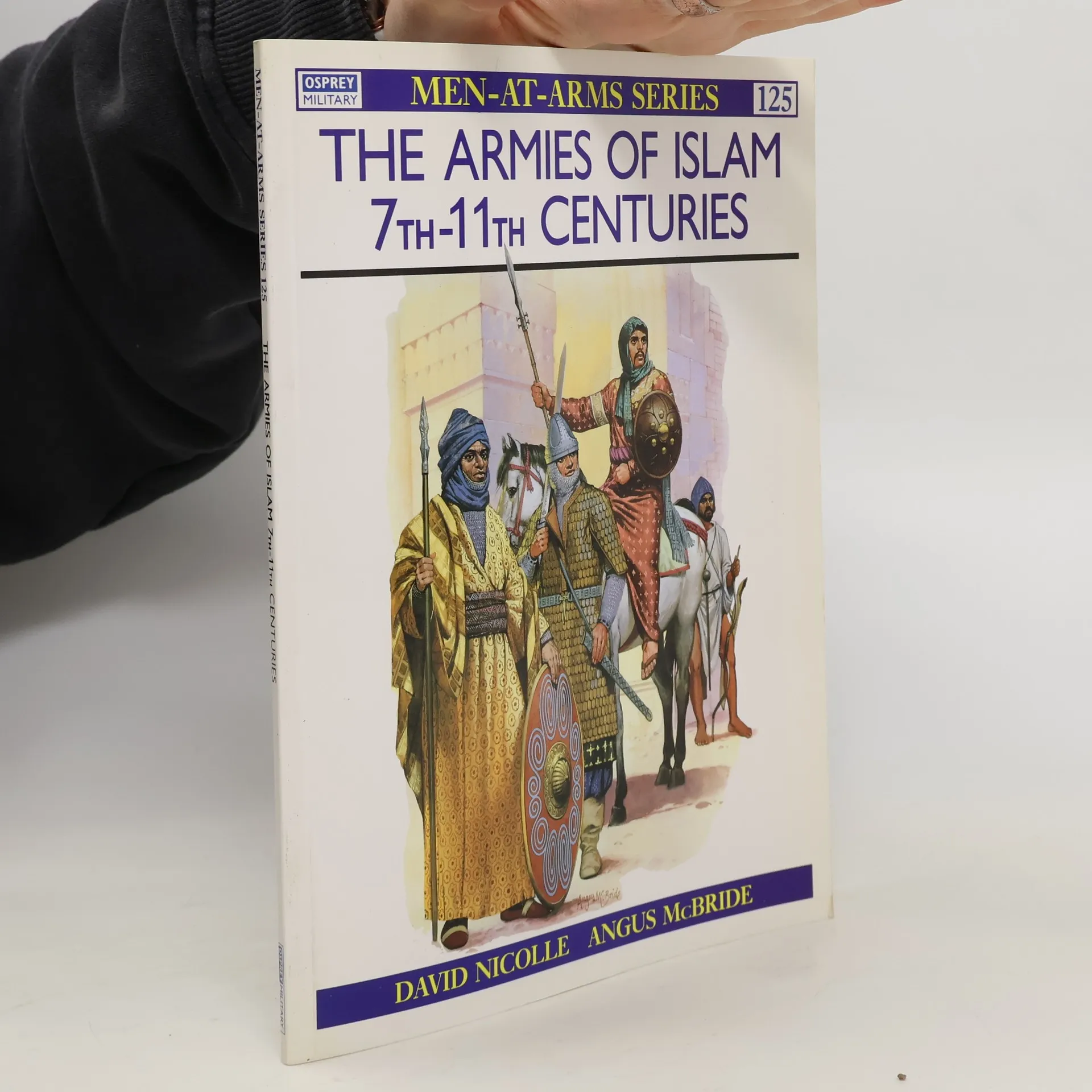
During the Middle Ages, Islam was Christian Europe's only civilized and most troublesome neighbor. The Middle Ages saw almost continual strife between these two distinct cultures. By the time the Frankish Crusaders reached the Middle East at the end of the 11th century, Islam had already incorporated three major races: Arabs, Persians and Turks, each of which contributed different strengths to the armoury of Islam. This title explores the organization, uniforms and equipment of the armies of Islam from the 7th to 11th centuries, backed by illustrations, museum photographs and eight full page color plates by popular Osprey artist Angus McBride.
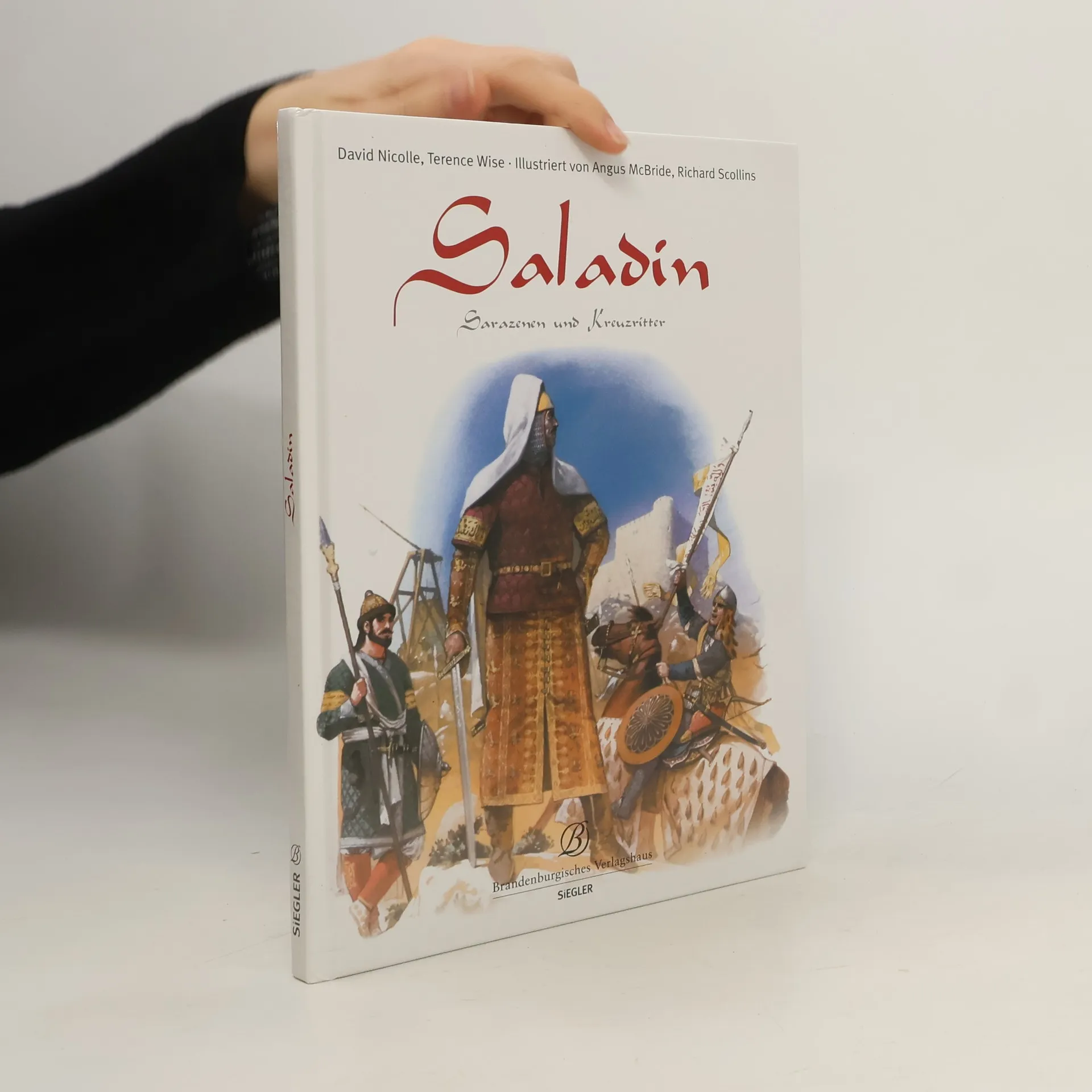
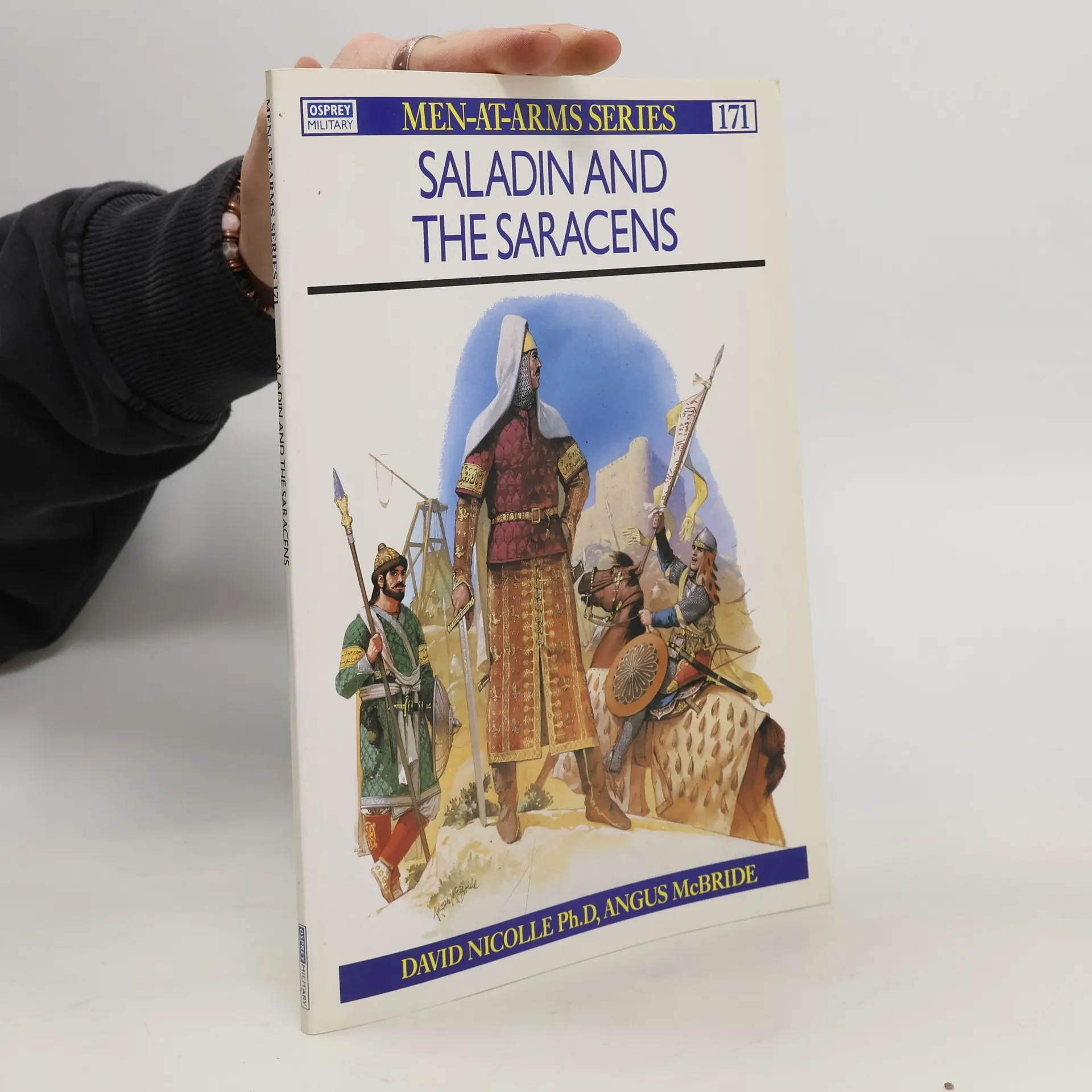
Salah al Din ibn Ayyub, in Europa besser bekannt als Saladin, ist die bekannteste und bedeutenste Einzelperson in der Geschichte der Kreuzzüge. Traditionell als ein ruhiger, tief religiöser und sogar bescheidener Mann beschrieben, war Saladin ein typisches Abbild seiner Zeit und Kultur. Dieser Band zeigt, wie komplex die Gesellschaft der Sarazenen und Ritterschaften und die militärischen Systeme zusammenhingen und zu Niederlage oder Sieg führten.
Der osmanische Staat von 1300 bis zur Gründung der Türkei 1922. Die spannende Geschichte der heutigen Krisenregion Kleinasien und Naher Osten. Politik und Kulturgeschichte anschaulich erzählt. Architektur und Kunsthandwerk in über 250 Karten und Bildern. Ein prächtiger Geschenkband.
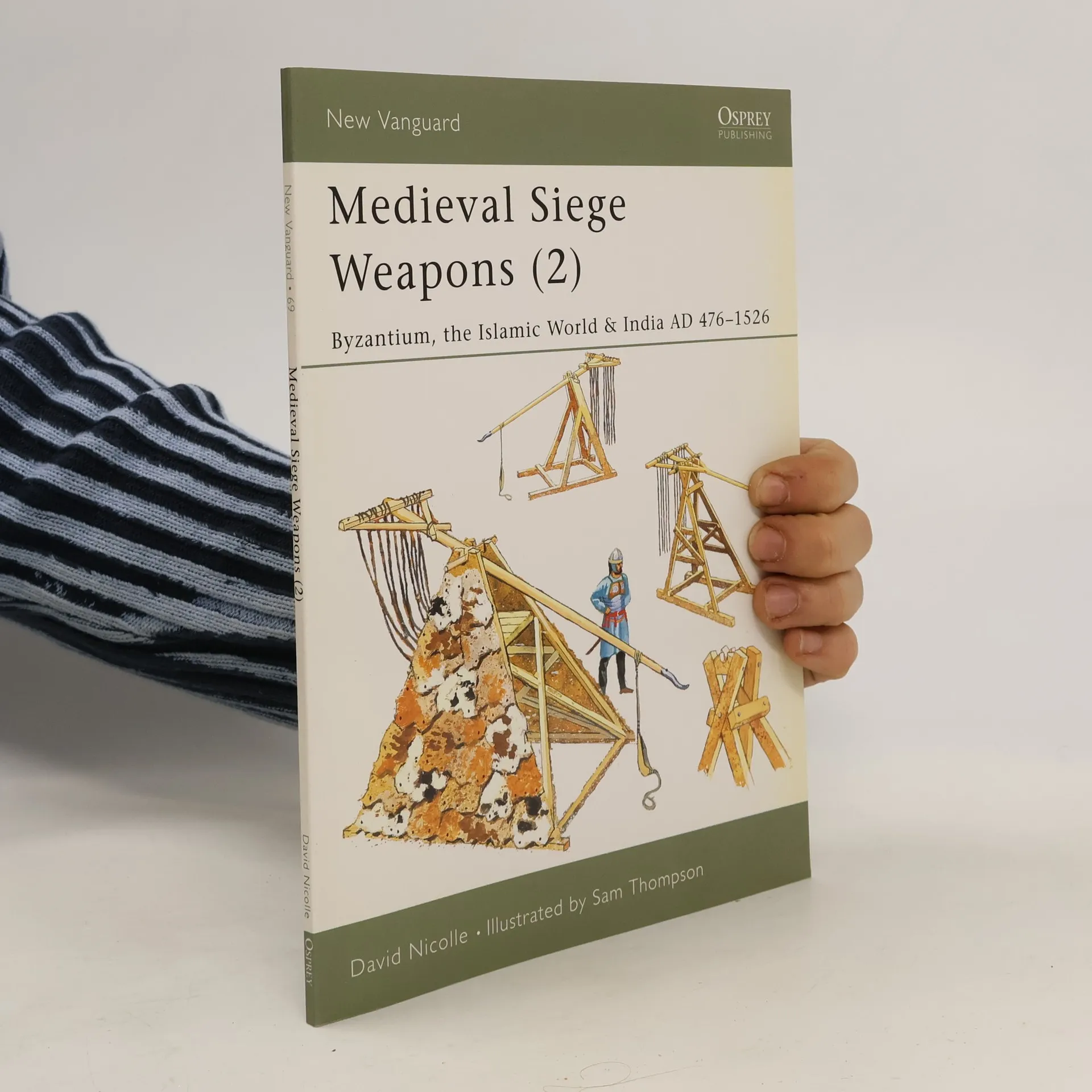
Období středověku je jedním z nejplodnějších v dějinách vojenství, pokud jde o vývoj válečných strojů před nástupem střelného prachu. Tehdy byly zúročeny vojensko-technologické tradice starověku. O tento vývoj se v prvé řadě zasloužily tři civilizace: pozdně římská neboli byzantská říše, islámský svět a později mongolské "světové impérium". Tato knížka pojednává o metacích strojích, o kuších, shazovacích, zápalných a výbušných zbraních, o pracích využívajících tah lidské síly i odstředivou sílu páky se závažím, o raketách. Text doprovází mnoho ilustrací.
Děj knihy nás přivádí na Blízký východ, kam co nevidět dorazí křižácké vojsko, v čele s anglickým králem Richardem Lví Srdce. Jeho cílem je dostat Jeruzalémské království a samotný Jeruzalém z rukou pohanů, konkrétně sultána Saladina, který je dobyl pár let předtím. Představeni jsou hlavní křesťanští i muslimští velitelé, složení obou nepřátelských armád, porovnává se jejich výstroj a výzbroj, způsob financování, strategie vojevůdců a jejich bitevní taktika, a samozřejmě je vylíčen samotný průběh tažení. Autenticitu legendárního střetu krále Richarda s nesmírně schopným Saladinem zvyšují citace z děl kronikářů a samotných účastníků tažení.
This study explores the Teutonic Knights from 1190 to 1561, one of the three prominent Crusading Orders alongside the Templars and Hospitallers. Initially focused on preserving the Crusader States in the Middle East, the knights aimed to reclaim Jerusalem in the name of their faith. Unlike the Templars, who struggled with identity after losing their mainland enclaves in the late thirteenth century, the Teutonic Knights adapted by shifting their focus to the Baltic region. They engaged in the Northern Crusades against pagan Prussians and Lithuanians, and to a lesser extent, Orthodox Christian Russia, thus establishing themselves as a formidable power in north-central Europe. Ironically, their most significant adversaries became their Catholic Polish neighbors, who ultimately undermined the Order's influence in the mid-fifteenth century. Although the Teutonic Knights persisted in present-day Estonia and Latvia for another century, it was merely a shadow of their former strength. This title delves into the rich history of this military and religious order, highlighting the transformative impact of the crusades within Europe and their lasting effects on the continent's future.
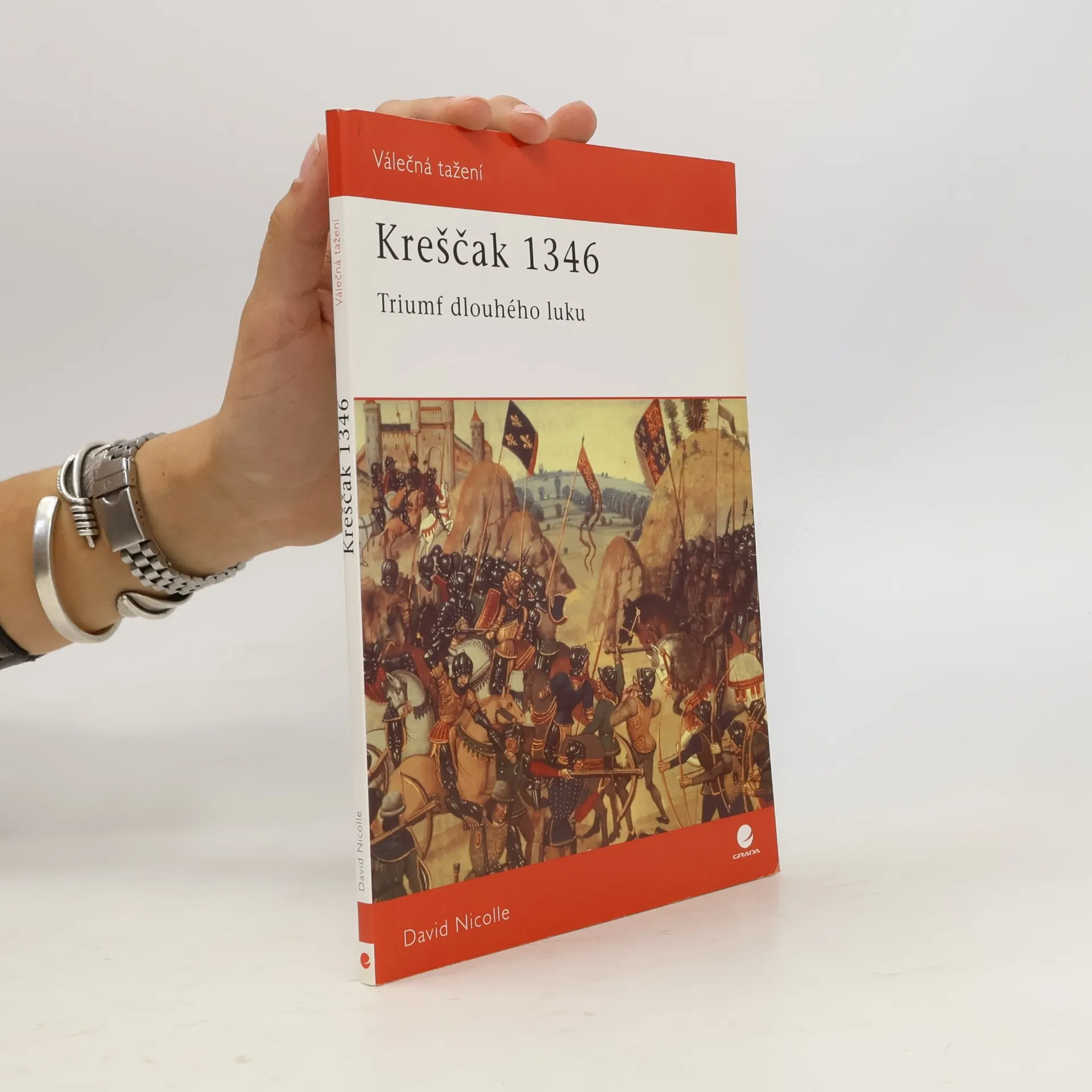
Podrobný popis průběhu a důsledků největší bitvy první fáze stoleté války mezi Francií a Anglií. Politické pozadí konfliktu a mocenské cíle obou znepřátelených států. Stoletá válka jako vyvrcholení bojů mezi francouzským a anglickým panovníkem o dominantní postavení v evropské politice. Popis stavu, organizace, struktury i výzbroje obou armád. Strategické schopnosti jejich velitelů. Podrobný plán anglické invaze a strategie francouzské obrany. Bitva u Kresčaku (plány, mapky, trojrozměrné mapky, ilustrace). Historické bojiště v dnešní době.
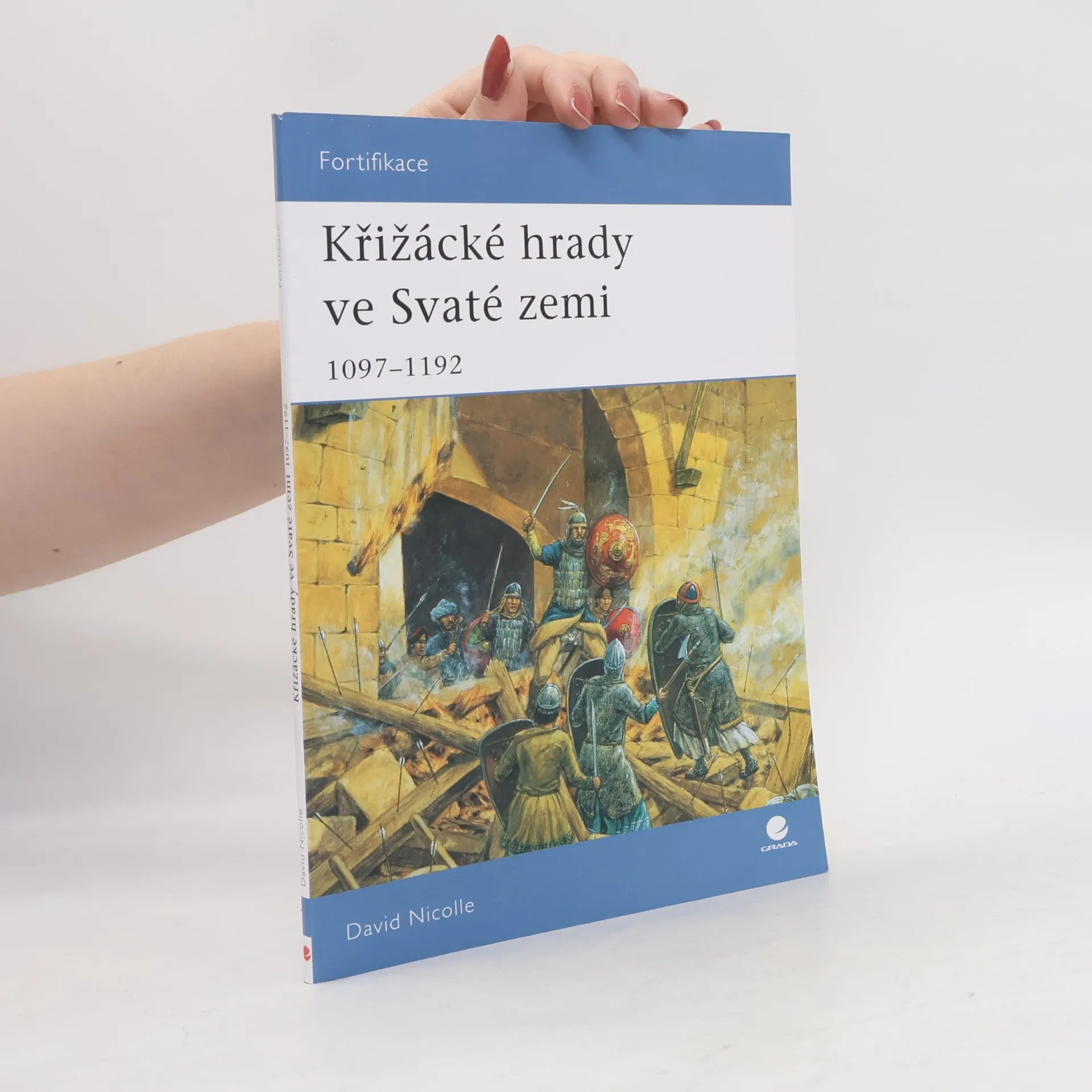
Křižácké hrady vybudované na Blízkém východě v 11. století byly velice impozantní stavby. Charakteristická pro ně byla zcela specifická architektura, i to, že sloužily jako centra náboženského života a současně k běžnému bydlení. Pozoruhodný byl i jejich stavební vývoj, od malých staveb až po obrovské pevnosti, principy obrany, typické znaky. V knize je představen i současný stav některých hradů.
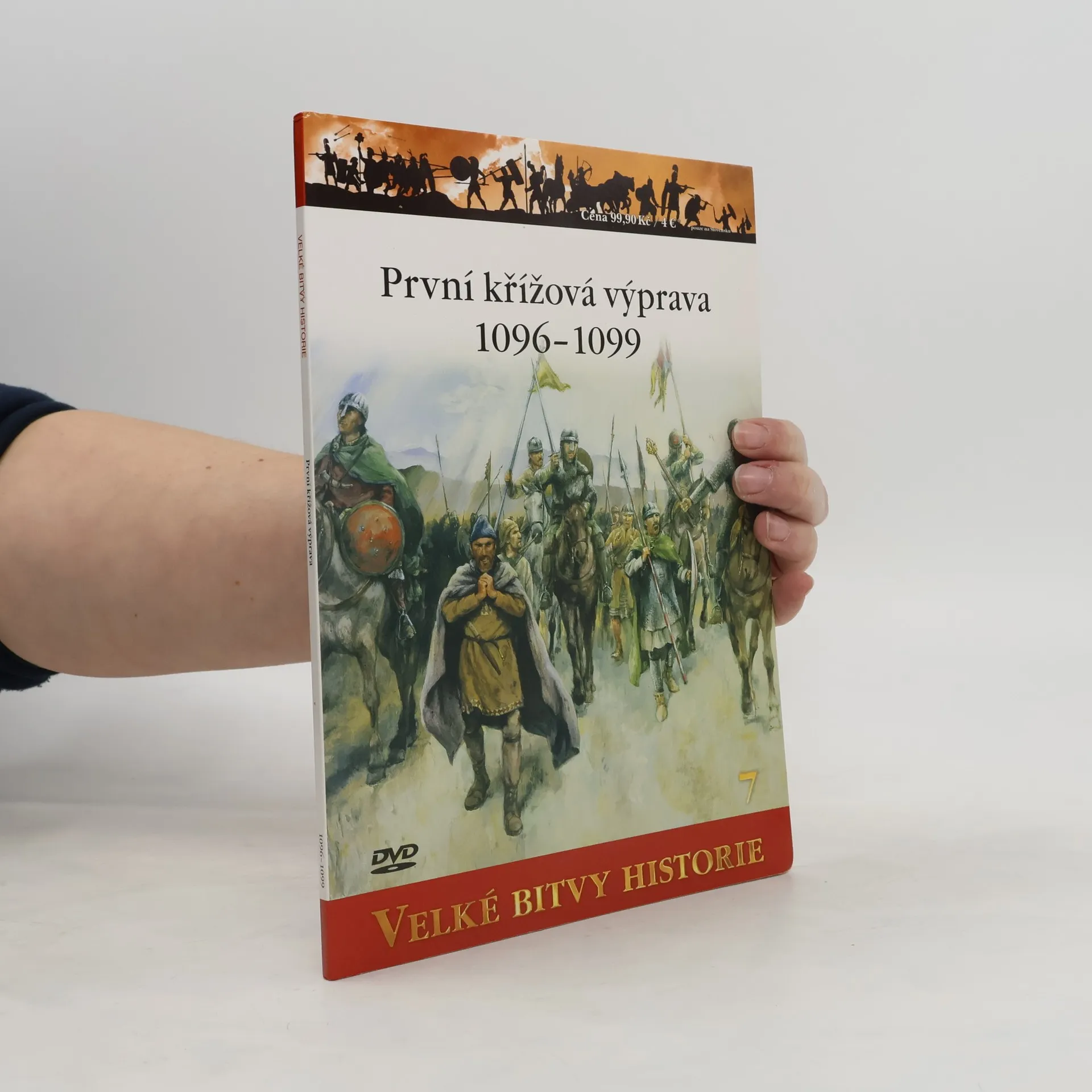
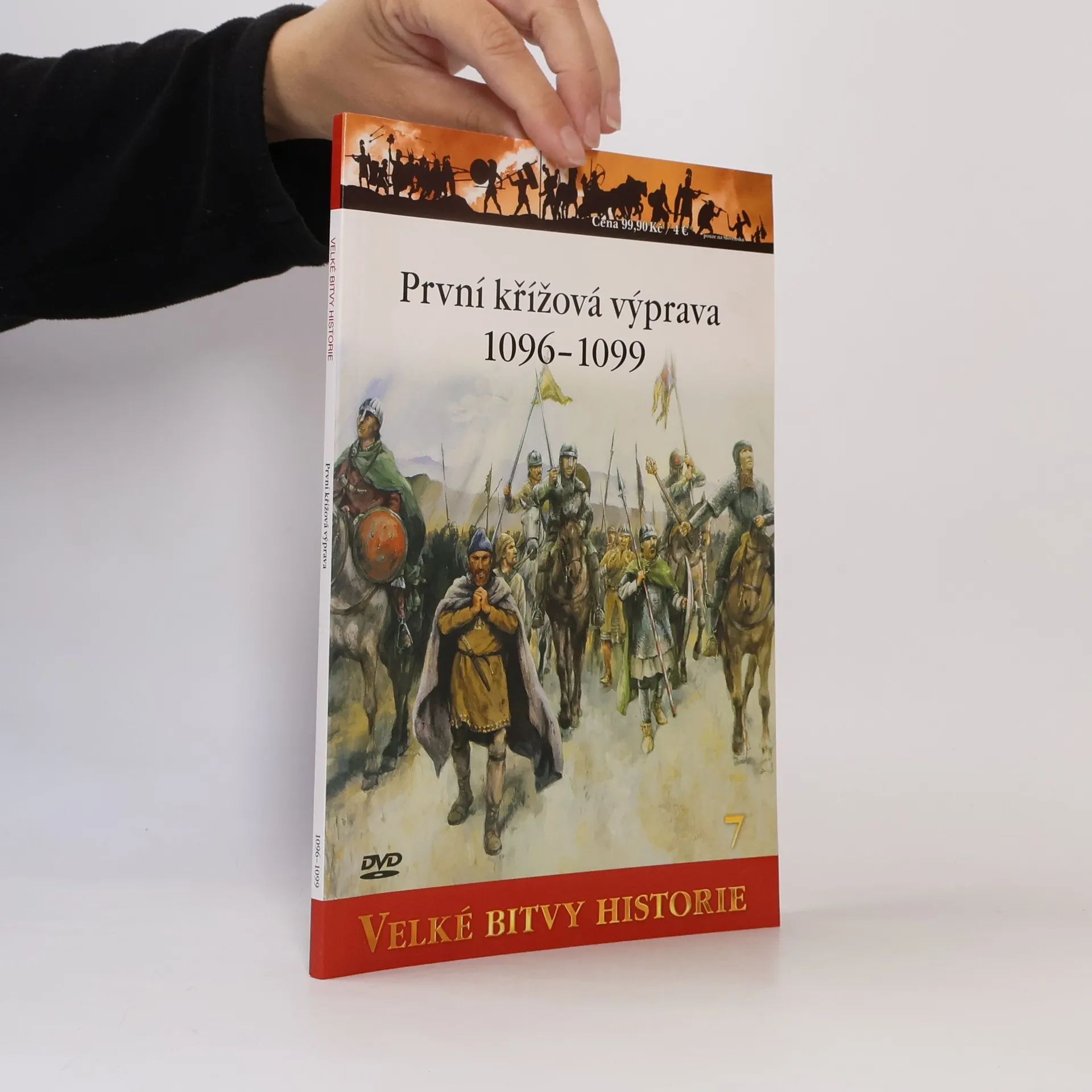
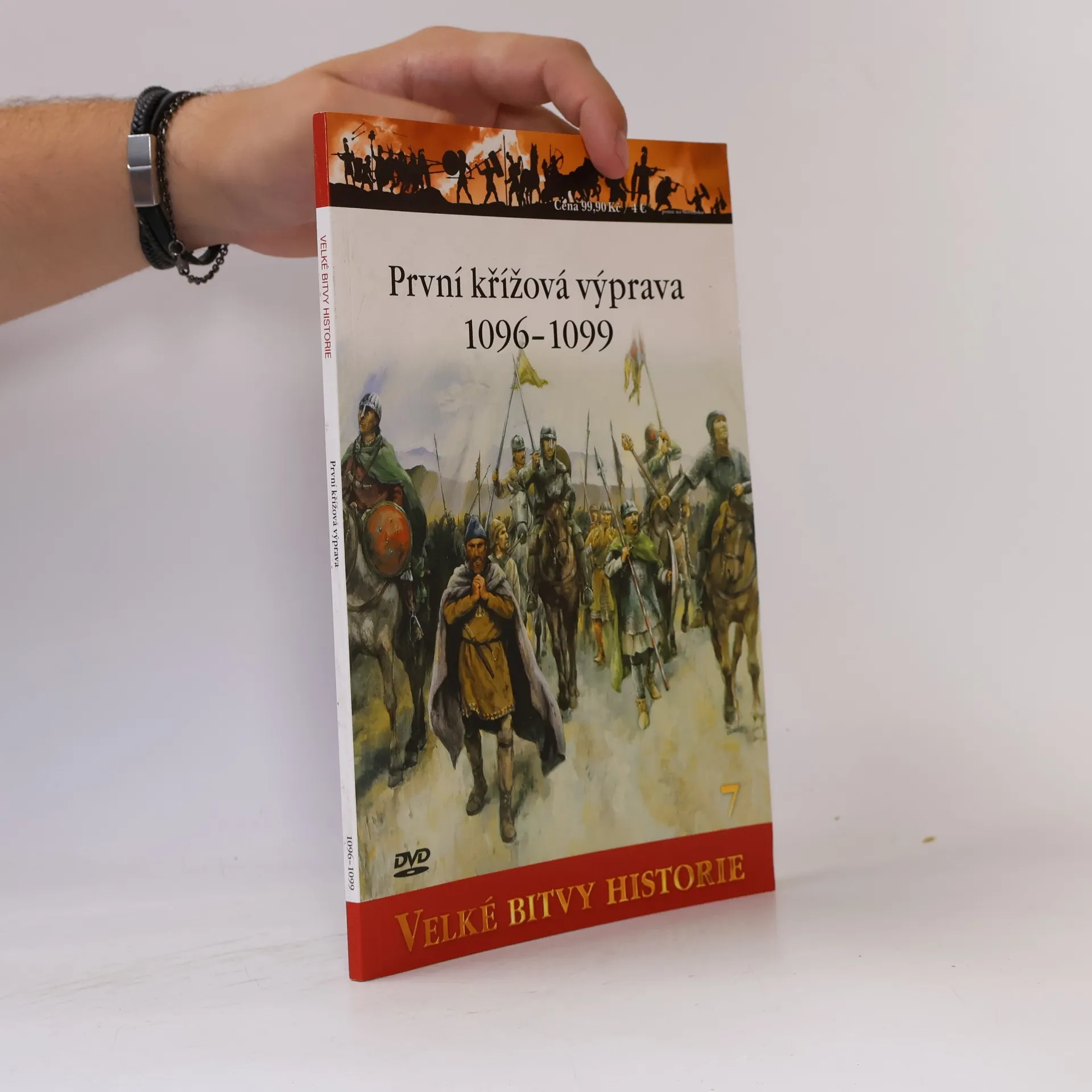
V roce 1095 požádal byzantský císař Alexios I. křesťanské státy západní Evropy o pomoc proti vpádu Turků, kteří se po katastrofické porážce Byzantinců u Mantzikertu v roce 1071 stali pro jeho říši bezprostředním nebezpečím. První křížová výprava, která následovala, sestávala z několika armád „ozbrojených poutníků", pochodujících do Svaté země napříč Evropou. Když vpadli do roztříštěného islámského světa, dosáhli řady zdánlivě zázračných vítězství a dobyli samotný Jeruzalém. Toto první tažení křižáků spustilo dvě stě let trvající nelítostnou válku, jejíž stopy jsou v koloběhu dějin patrné dodnes.
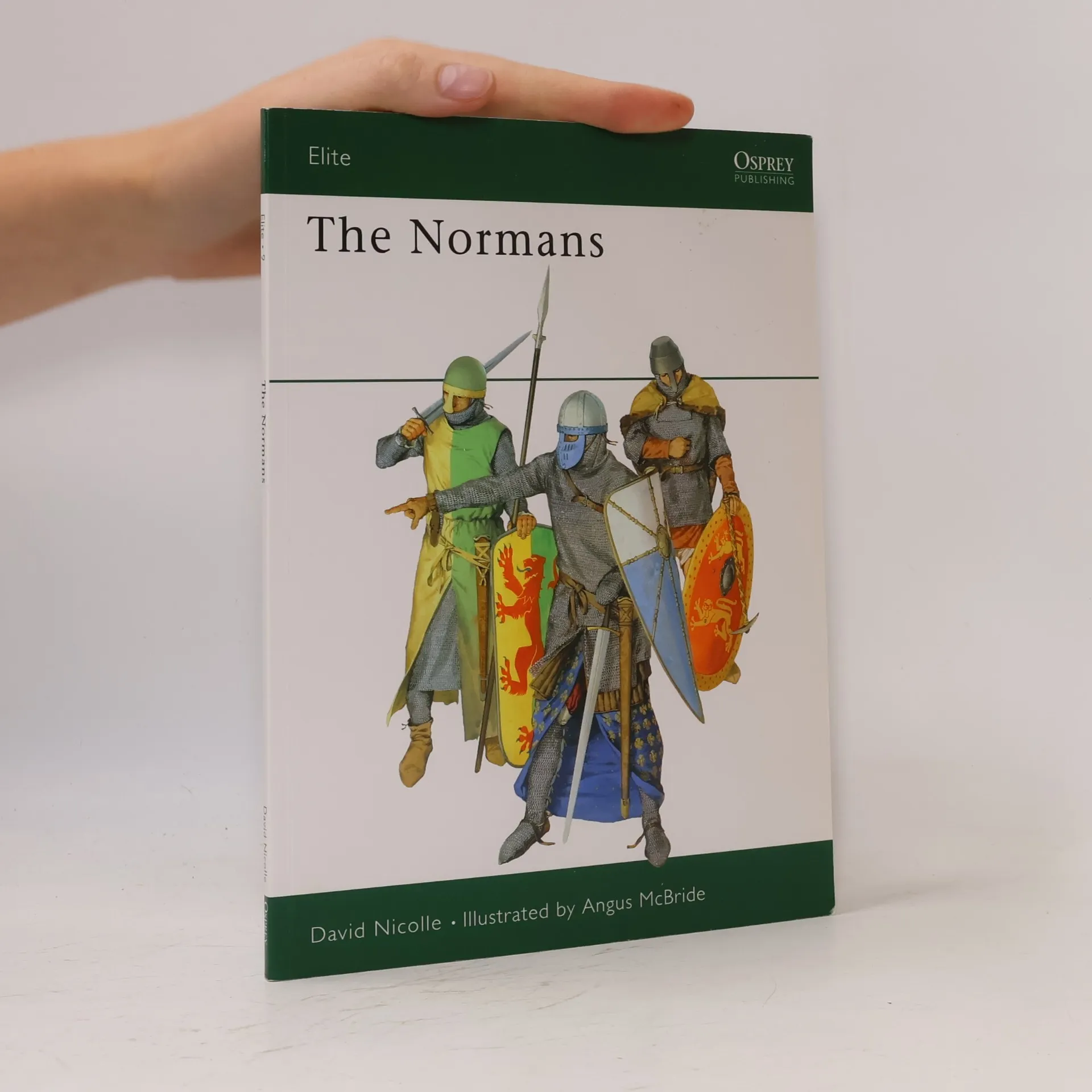
The Norman Knight was the most feared warrior during the 11th and 12th centuries in Western Europe. Tales of their conquests spread throughout the known world as their military prowess resulted in the capture Sicily in 1060 and England in 1066. This beautifully illustrated book explores the world of the Normans and the life of a typical Norman knight. Authors Chris Gravett and David Nicolle discuss the spectacular castles that they erected to protect their lands, as well as the equipment , training, tactics and daily life of a typical Norman Knight.
Combines material previously published as Campaign 19: Hattin 1187, Warrior 10: Saracen Faris 1050-1250, Warrior 91: Knight Templar 1120-1312, with new images, and a new introduction and conclusion.This book tells the story of the momentous campaign that led to the Muslim capture of Jerusalem in 1187, following the disastrous Crusader defeat at Hattin, where Saladin’s troops destroyed the Christian army. These events resulted in the collapse of the kingdom of Jerusalem and sparked off the Third Crusade under Richard I. The authors take a close look at the two most intriguing warrior types involved in the the Knight Templar and the Saracen Faris. Their motivation, training and combat experiences are examined, as the authors explore what it was really like to fight in the Crusades.
Rare book
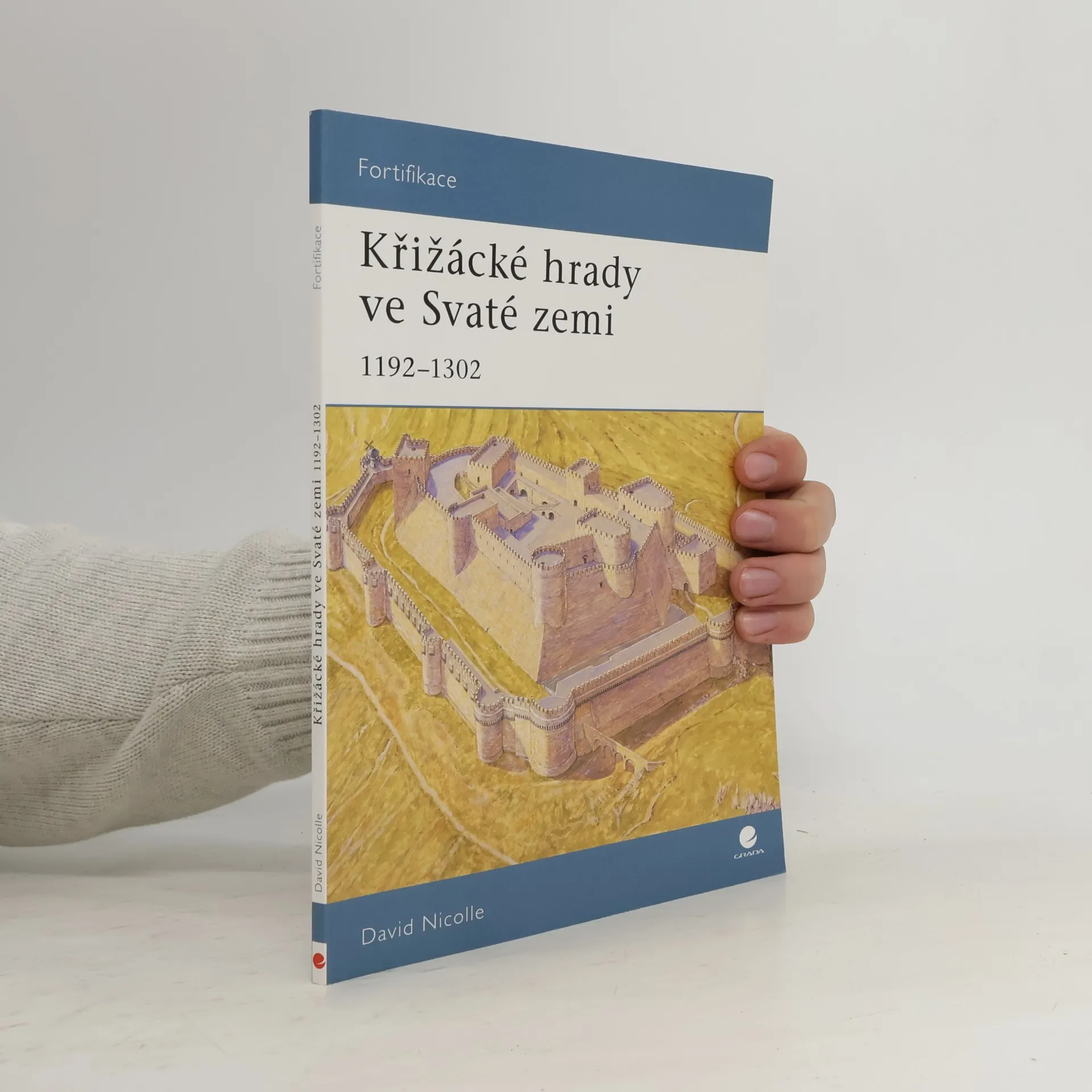
Kniha popisuje architekturu křižáckých opevnění a hradů na Blízkém Východě ve 13. století i nové prvky v architektuře a jejich vliv na západní hradní architekturu. Publikace navazuje na první část, nazvanou Křižácké hrady ve Svaté zemi 1097-1192. Druhá část mapuje situaci ve 13. století, kdy docházelo v závislosti na dějinném vývoji k proměnám křižácké architektury z minulého období. Křižácké hrady se dělily podle místa zbudování na městské, mořské a horské. Každý z těchto typů měl svou svébytnou architekturu. Ve zmíněném období se objevily novinky jako reliéfní zdivo nebo suché zdivo, ale docházelo i k řadě dalších nových změn v architektuře hradů a městských opevnění. Kniha je popisuje na příkladech konkrétních staveb (Askalon, Sidon, Margat atd.). Fotografie, plány, mapy, literatura, rejstřík.
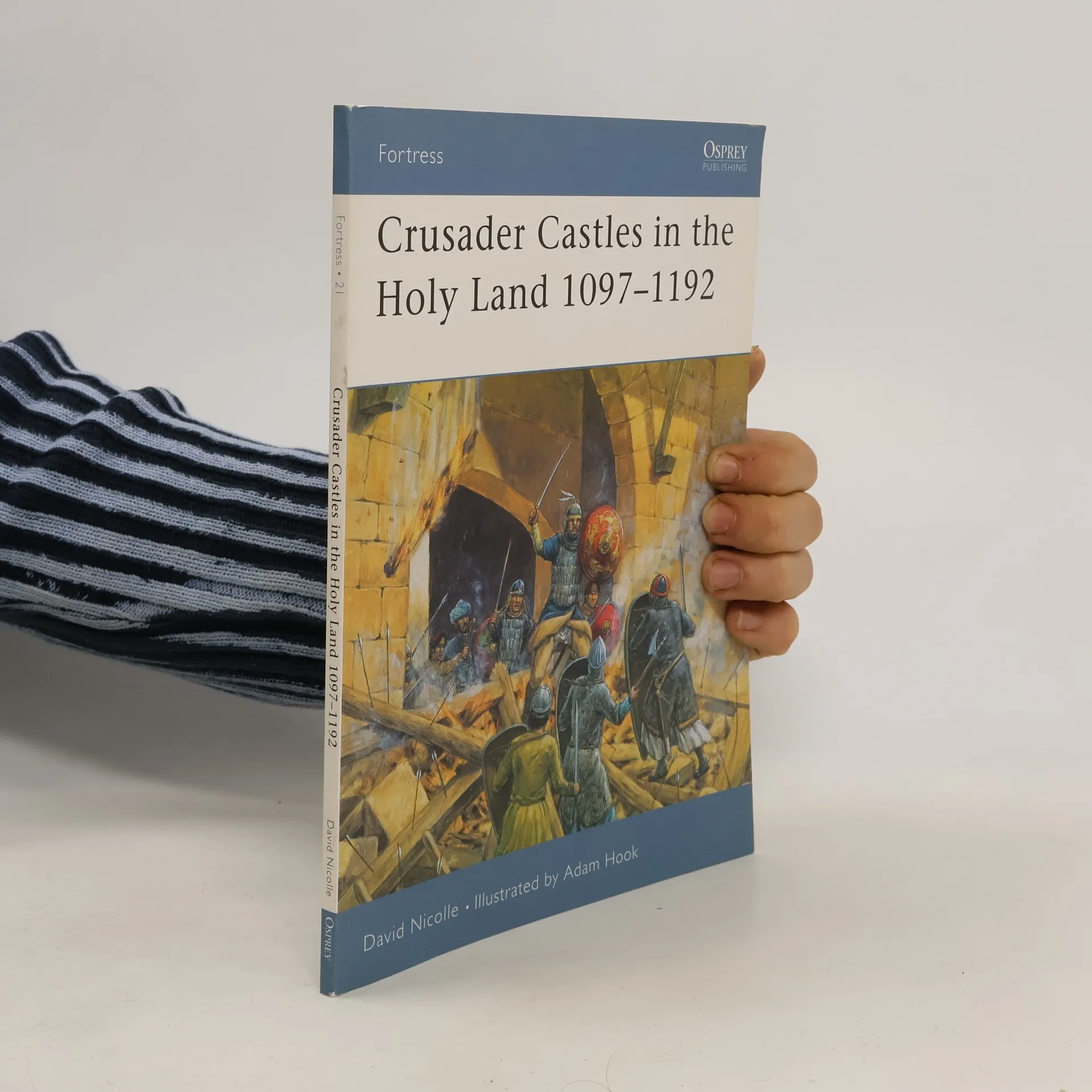
The Crusaders that landed in the Middle East in the late-11th century brought with them their own traditions of military architecture, but it was not long before their defensive construction began to reflect a broad array of local influences. Most early Crusader structures were relatively small, and tended to increase the existing natural and defensive features of a site. The basic forms comprised freestanding towers, castra, and hilltop and spur-castles, but urban centres, religious sites and rural dwellings were also fortified. From the 1160s, bigger, stronger and more expensive castles began to appear, in response to developments in Islamic siege weaponry. This title examines the early fortifications erected by the Crusaders in modern-day Israel, the Palestinian territories, Jordan, Lebanon, Syria and south-eastern Turkey.
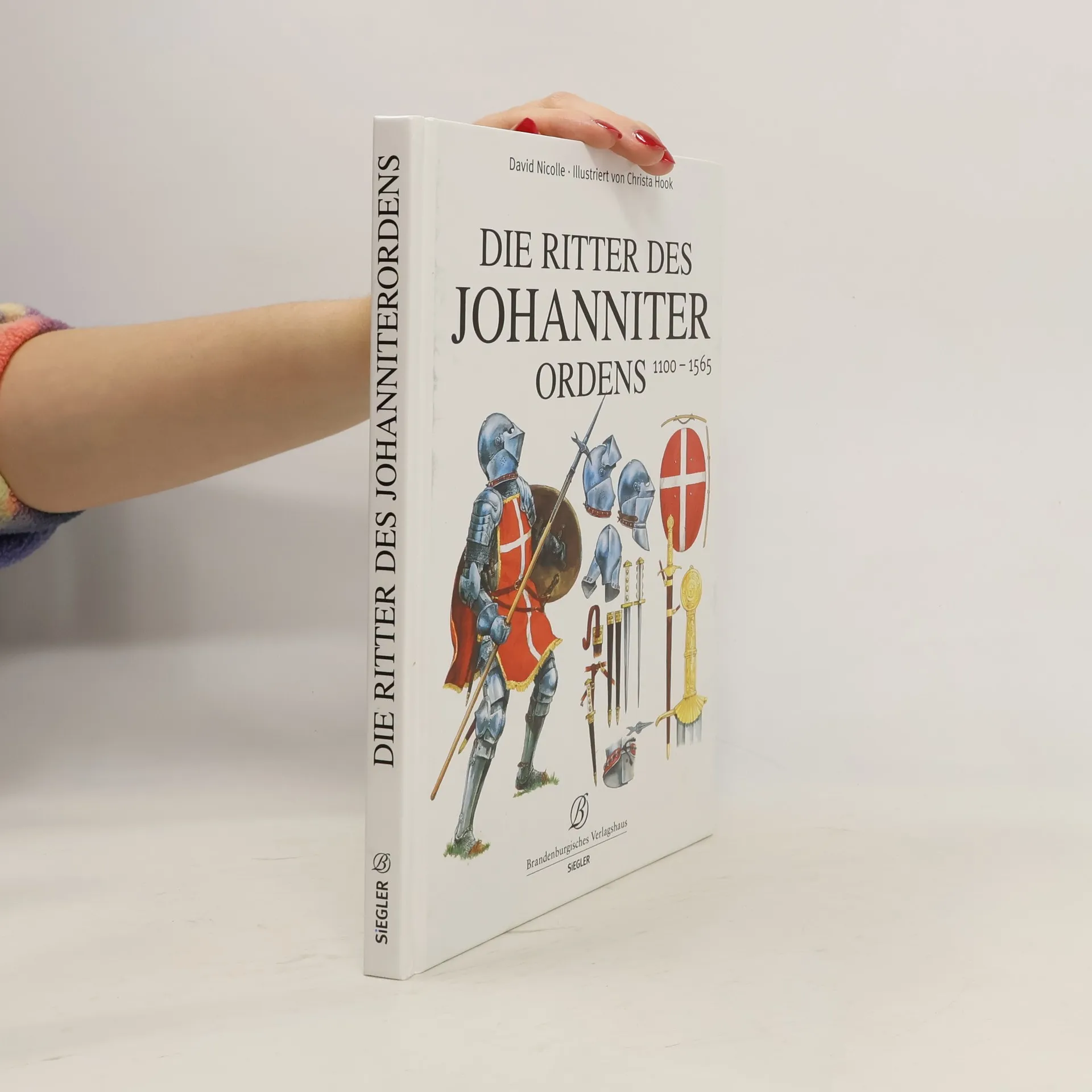
Gegründet wurde der Johanniterorden von italienischen Kaufleuten Ende des 11. Jahrhunderts. Ursprünglich mildtätig, traten vor der Erfahrung des ersten Kreuzzuges auch militärische Aufgaben hinzu. Die Ritter des Ordens wurden zu exzellenten Kriegern, zu Lande, später auch zu Wasser. Ihre Entwicklung, Ausrüstung und das Alltagsleben werden im Buch mit zahlreichen Abbildungen ausführlich beschrieben.
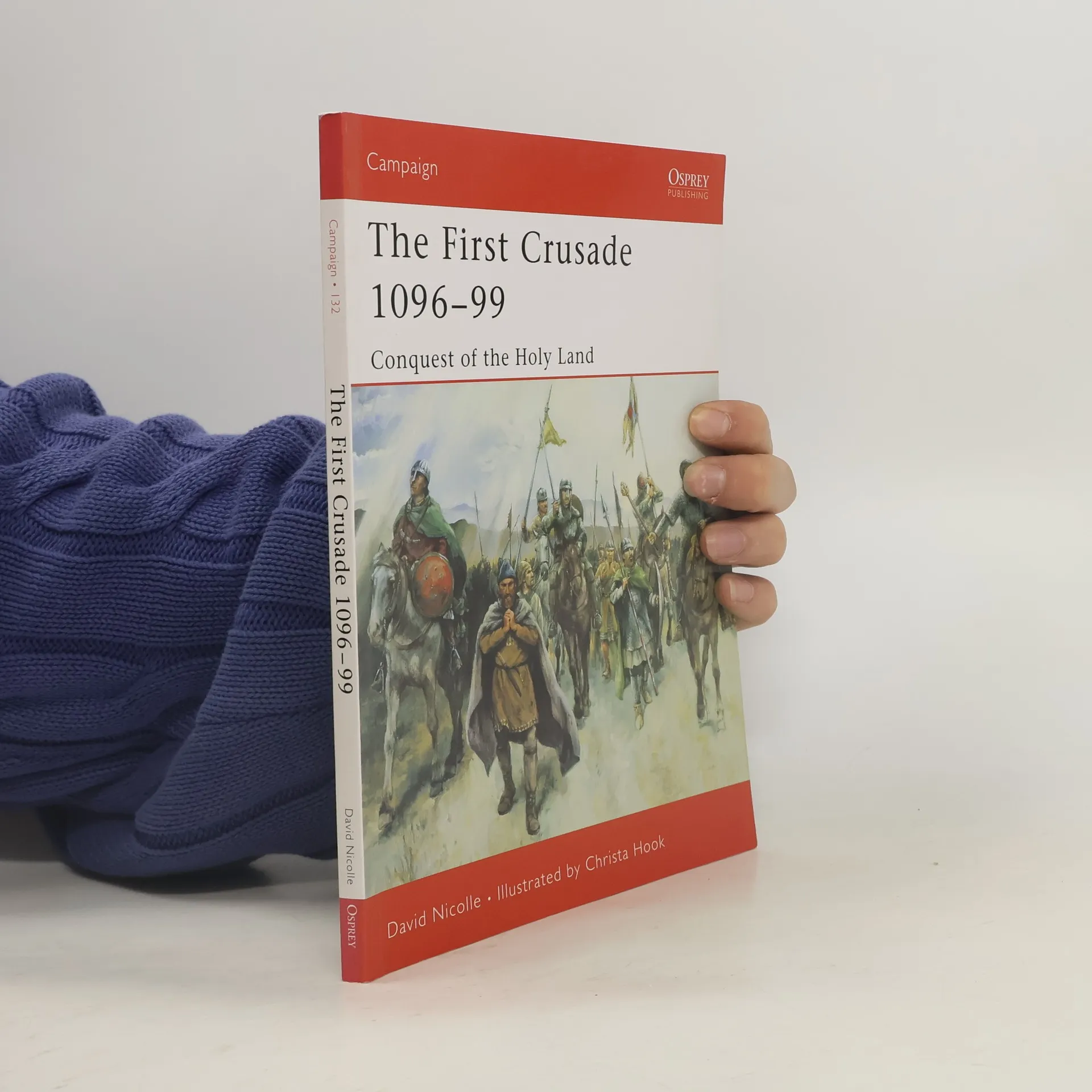
To many people the crusades were the First Crusade. This work states that the first armed pilgrimage to the Holy Land was the only Crusade that really succeeded. It resulted in the establishment of four Crusader States in the Middle East and its repercussions can still be felt today. číst celé
The medieval period was probably the most varied in military history when it came to the development of non-gunpowder military machines. This work looks at the stone throwing machines that used assorted sources of power from torsion energy storage systems, to manpowered sling devices. schovat popis
Between the 13th and 15th centuries Russia developed along different lines from the rest of Europe. The Mongol conquest had an influence on arms, armour, organization, recruitment and tactics. This text reveals how firearms and the development of distinct fortifications make this period unique.
Having campaigned on land during their early existence, the Hospitallers fought mainly at sea from the turn of the 14th century. The emphasis was now on small-scale operations, rather than the crusading invasion that had so often come to grief. Having conquered Rhodes, the Order fortified it and transferred there in 1309. A period of on-off warfare with the Mamluks became full-blown conflict with the Ottomans, who captured Rhodes in 1522, forcing the Hospitallers to transfer to Malta. This book, the second of two, takes a close look at the men who lived and died for the Hospitaller cause in this key period, and the political and economic role that the Order played within the Christian empire.
Unlike their sometime rivals the Templars, the Order of St John of the Hospital of Jerusalem (or the Hospitallers as they are better known) was not created as a result of the First Crusade in 1099: rather, it was probably established by a group of Italian merchants from Amalfi in the mid-11th century. However, as a consequence of the crusading movement, the Hospitallers became recognised experts in the military capabilities of opposing Islamic armies. This book, the first of two to examine the lifestyle, experiences and military role of the Hospitaller knight, covers the period from the foundation of the order to the invasion of Rhodes in 1306.
The Crusades gave rise to the Military Order of the Templars and Hopitallers, and were a backdrop to the careers of some of history's most famous leaders including Richard "The Lionheart" and Saladin. This title traces the Crusades and the major conflicts which arose. číst celé
For almost five centuries the Moors were the cutting edge of the Islamic assault on the Christian world. This title details the Arab, Berber, Almoravid and Almohad armies of Muslim Spain, including the powerful Emirate of Cordoba that terrorized Christian Spain and Europe. schovat popis
Larger size hardcover book details medieval life from approximately 1000 A.D. to 1500 A.D. Many color illustrations.
An Illustrated History of the Crusader Fortifications of the Middle East and Mediterranean
The bloody crusades that swept across the Middle East in medieval times left their mark on the landscape, where fortifications which once acted as bastions of power for the beleaguered Crusader States now cast their ruined shadows over the earth.These fortifications varied considerably in size, architecture and function from the mighty Crac de Chevaliers, the headquarters of the Knights Hospitaller in Syria to smaller fortified dwellings and religious centers. With almost constant warfare between Crusaders and Saracens they were vitally important both as centers of defense and bases for the launch of offensive operations. Citadels of Christendom is a beautifully illustrated guide to the development, construction, purpose and history of these castles. Examining the castles built in the Holy Land between 1097 and 1302 as well as the castles built in Cyprus, Greece and the Aegean between 1191 and 1571, this book provides a rare overview of the history and notably the evolution of fortresses and defenses during the Crusades. Contemporary photographs and the latest research resurrect these imposing reminders of over two centuries of conflict.
Islam, Eastern Europe and Asia
A second volume in the study of military weapons and equipment at the time of the Crusades. This book covers the arms and armour used by Muslim, Orthodox Christian, and Mongol armies, and emphasises the evolution of military technology, fashion, and science during the period.
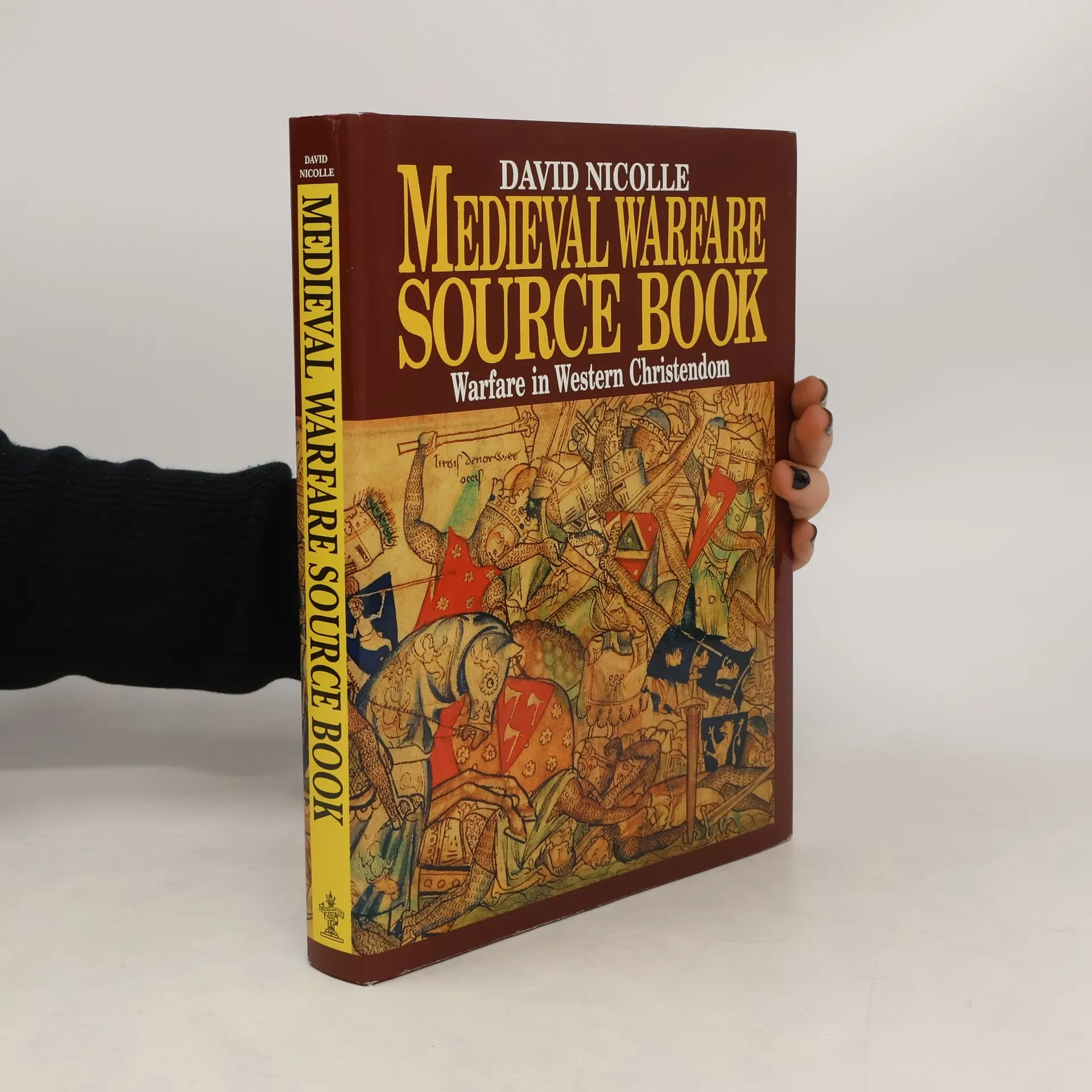
This is the first in a two volume work that divides its coverage of warfare between the fifth and fourteenth centuries into those seen in internal European and those campaigns waged by European nations beyond their boundaries and wars in other continents. The author supplements his informative text with illustrations and line drawings, extensive source notes and appendixes. He divides this first volume into: 'Barbarian' invasions and and the barbarian states. Early Medieval Europe; The High Middle Ages; Late Medieval Europe; In each section he covers the peoples, campaigns, battles, armies - their recruitment, organisation, tactics, strategy, weaponry, fortification, siege warfare and naval campaigns. This part of the book is followed by biographies of the leading characters of the period.
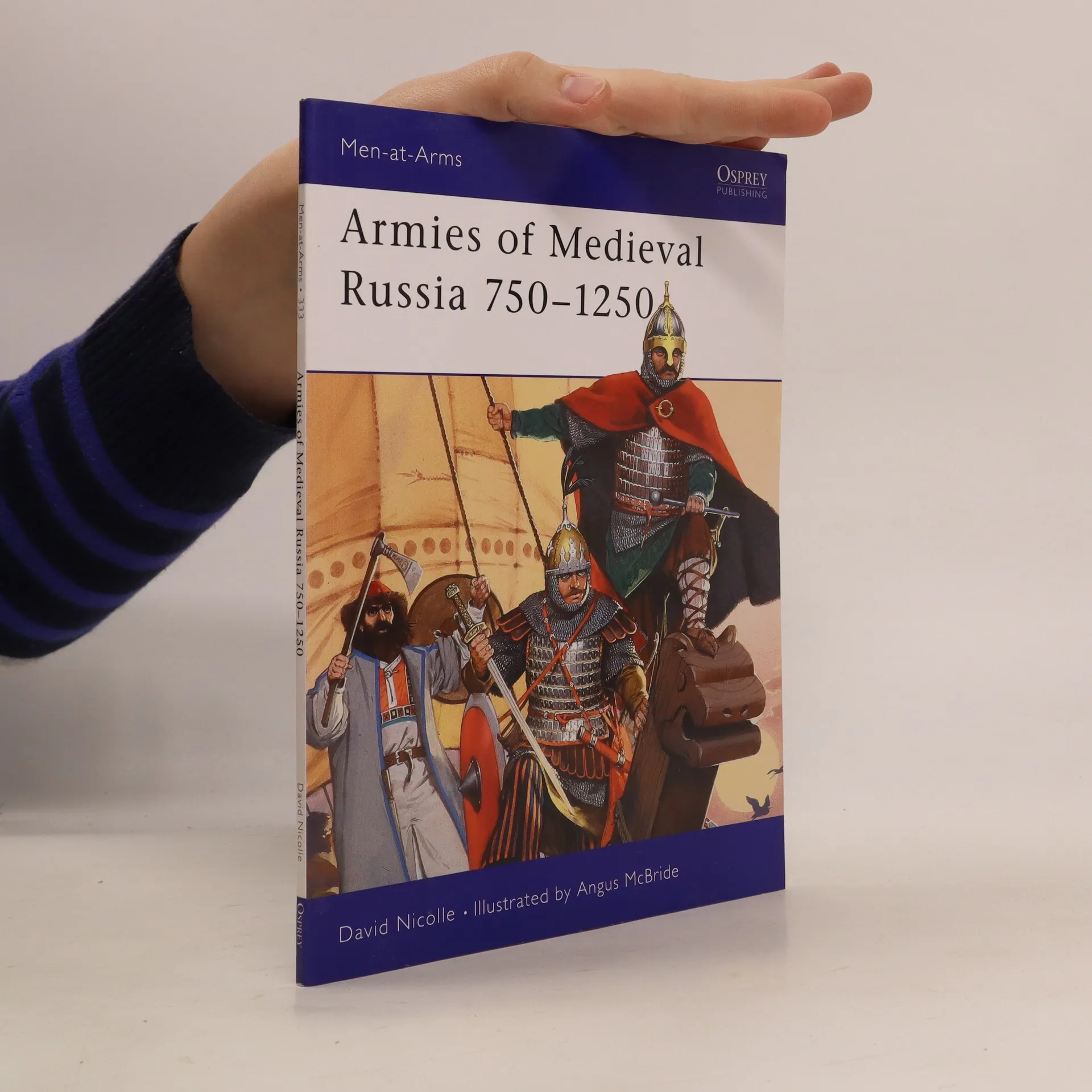
In the centuries following the first expeditions down the great rivers of northern Russia by Viking traders and adventurers, the foundations for a new state were laid. Many influences combined in this colourful culture which grew up first around the great cities of Kiev and Novgorod – Scandinavian, Finnish, Slav, steppe Turkish, Byzantine. By the time of the Mongol invasions of the 12th century the small enclaves of the old pagan Rus', tolerated by the Khazar Khans for their commercial usefulness, had evolved into a Christian nation. Its story is told here in fascinating detail, and illustrated with striking colour reconstructions of the warriors themselves.
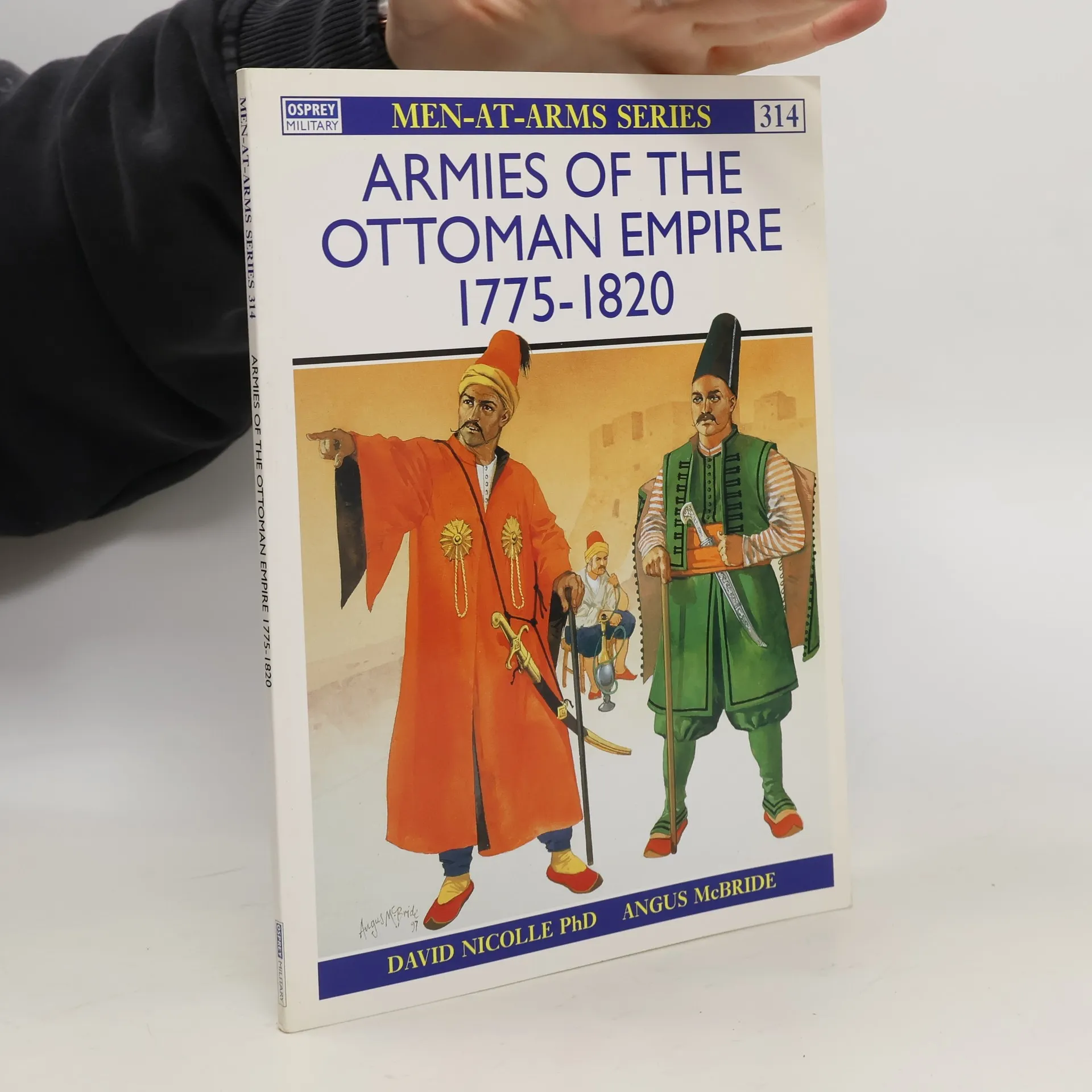
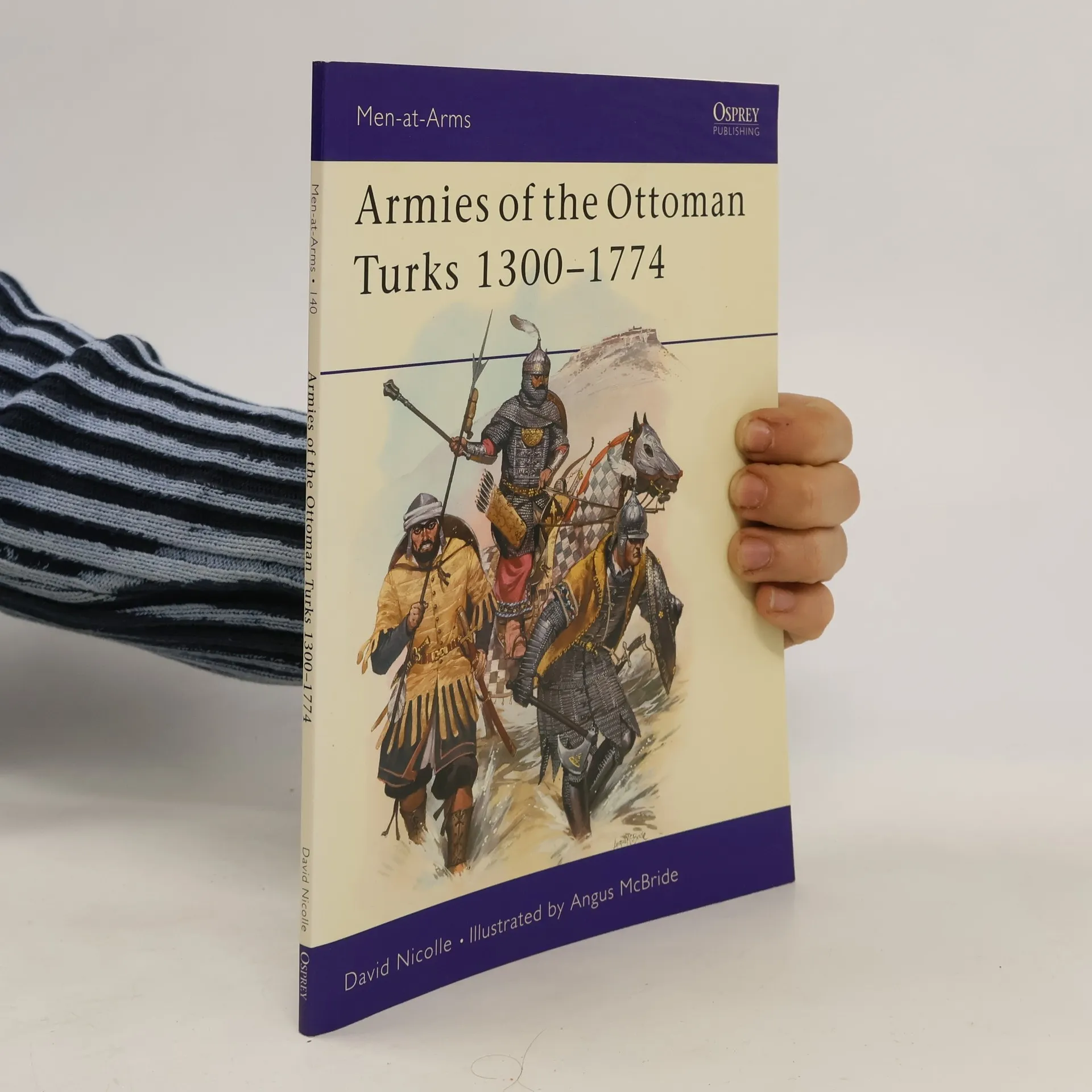
This work provides information about the uniforms, insignia and appearance of the Ottoman armies. It also analyzes the armour, weapons, tactics and motivations of the soldiers and outlines the campaigns followed.
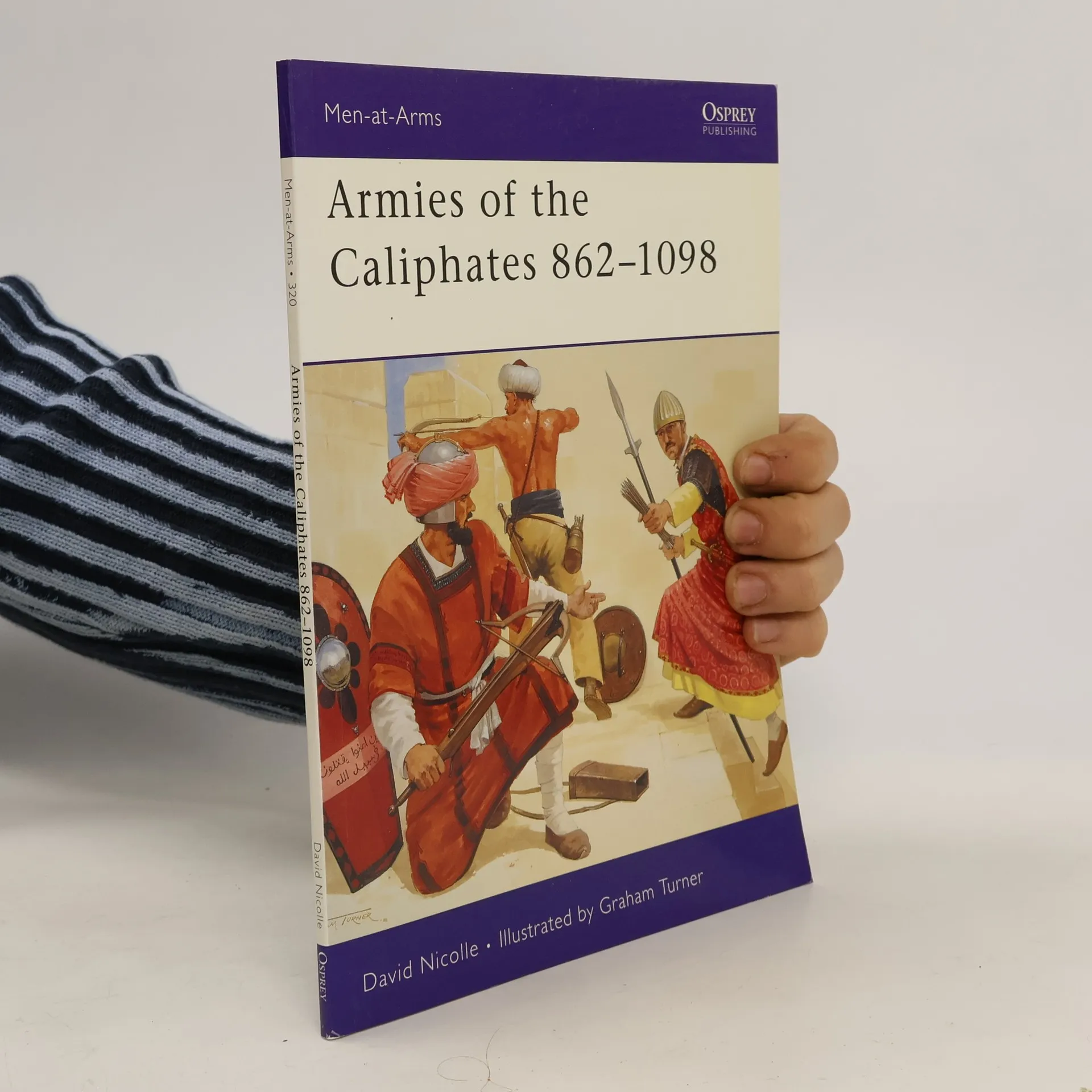
The author here looks at the fragmentation of the Abbasid Caliphate based in Iraq, and the Fatimids, Buwayhids, Ghaznawids and other principalities that emerged from the wrecked Abbasid state. More advanced than any other medieval military power, the Caliphal armies were a potent force.
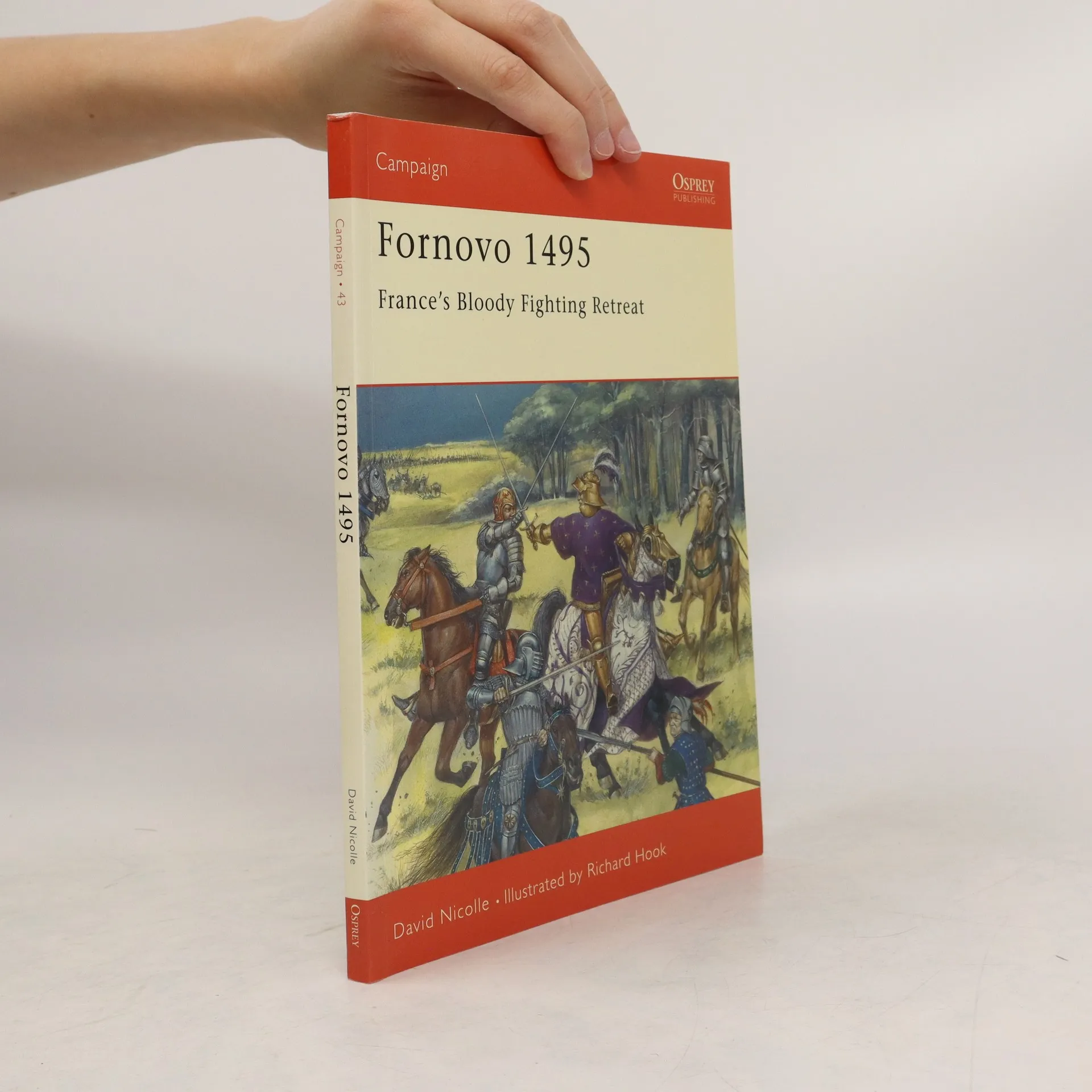
In the year 1495, Charles VIII was the youthful King of France, the most powerful state in medieval Europe. A dreamer who saw himself as the saviour of Christian Europe, he believed he could roll back the ever-spreading tide of Ottoman Turkish conquest. As a base for his crusade he was determined to seize southern Italy. In a lightning campaign he used France's modern army to sweep through Italy, his mobile field artillery train smashing into dust the tall towers of Italy's medieval castles. The Italian states rallied and at Fornovo their alliance, the League of Venice, fought Charles' army to a standstill.
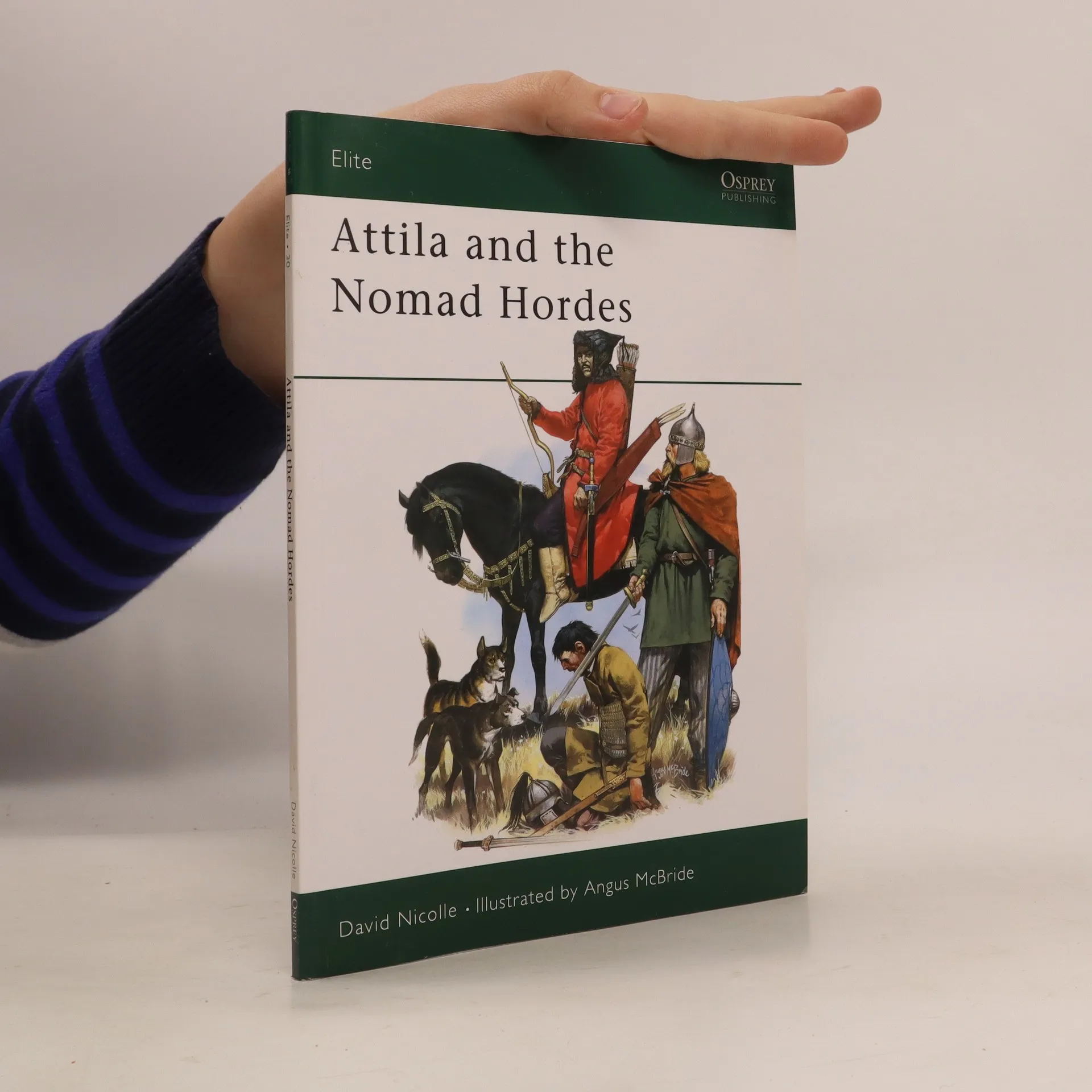
Of all the conquerors who swept out of Central Asia, two names stand out in European memory – Attila the Hun and Genghis Khan the Mongol. Both are remembered for massacres and devastation; yet whereas Genghis is also famous for the laws he imposed on half of Asia and for the trade which flourished under Mongol rule, Attila's notoriety seems unrelieved by positive achievements. But what was Attila's short-lived empire really like? What happened to the Huns afterwards, and what role did the nomads of Central Asia play in the centuries between Attila and Genghis Khan?
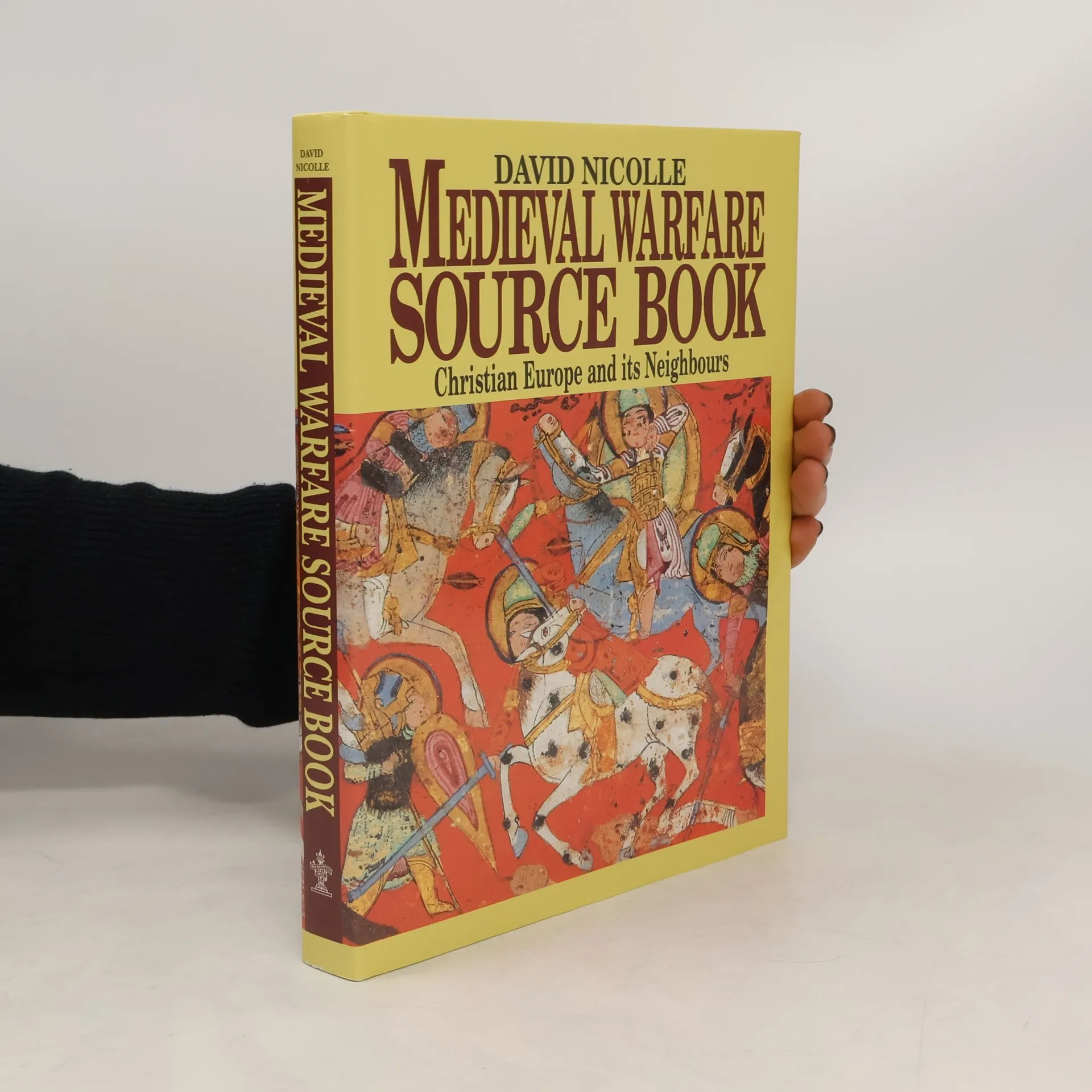
Battles and bloodshed abound in the medieval years of Christian Europe and beyond. Here is a complete source of warfare wisdom about the Byzantines, Persians, and Muslims; the Christian-Muslim confrontation; Turks, Mongols, and the rise of Russia; the Crusades, the Reconquista, and the Counter-Crusade; and China, the Far East, and India. Take a look at the leading characters of the confrontations and learn about logistics, intelligence and espionage, medical services, morale, communications, transport, flags and heraldry, uniforms and firearms. More than 200 illustrations, maps, and charts make this exhaustive guide even more valuable to anyone interested in the medieval world.
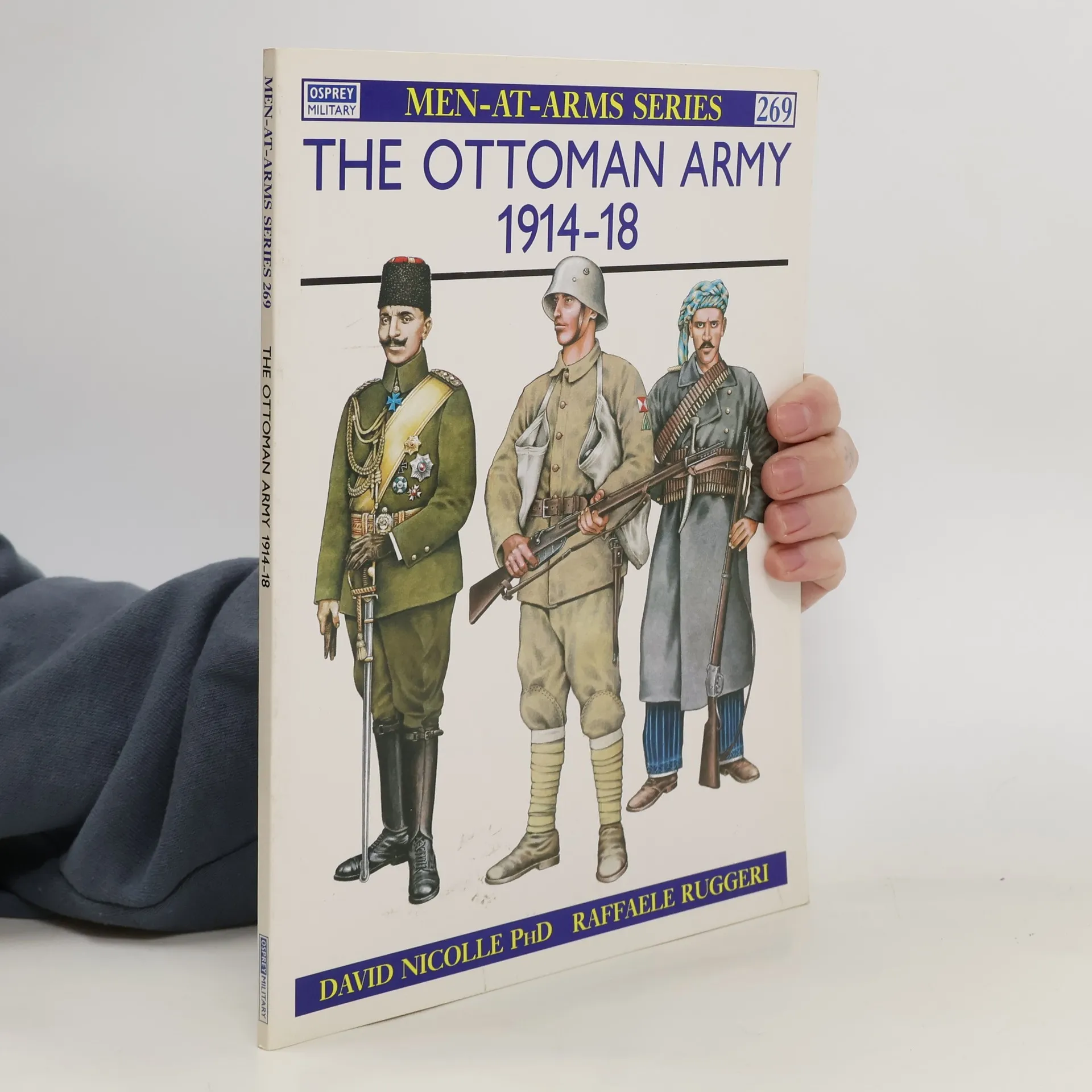
The Ottoman Turkish Empire was one of the leading protagonists of World War I, and the stolid courage of the individual Ottoman soldier was recognised by all. Yet the army in which he served is, like the Ottoman empire itself, generally little understood. Over the four years of the Great War, the Ottoman Army, Navy and two tiny air services fought on five major fronts, as well as seeing troops serve in many other war zones. This title takes a close look at the organisation, uniforms and equipment of the Ottoman Army during this period, and dispels the numerous myths that have surrounded the examinations of its forces at this time. Navy, Air, auxiliary and allied forces are also covered.
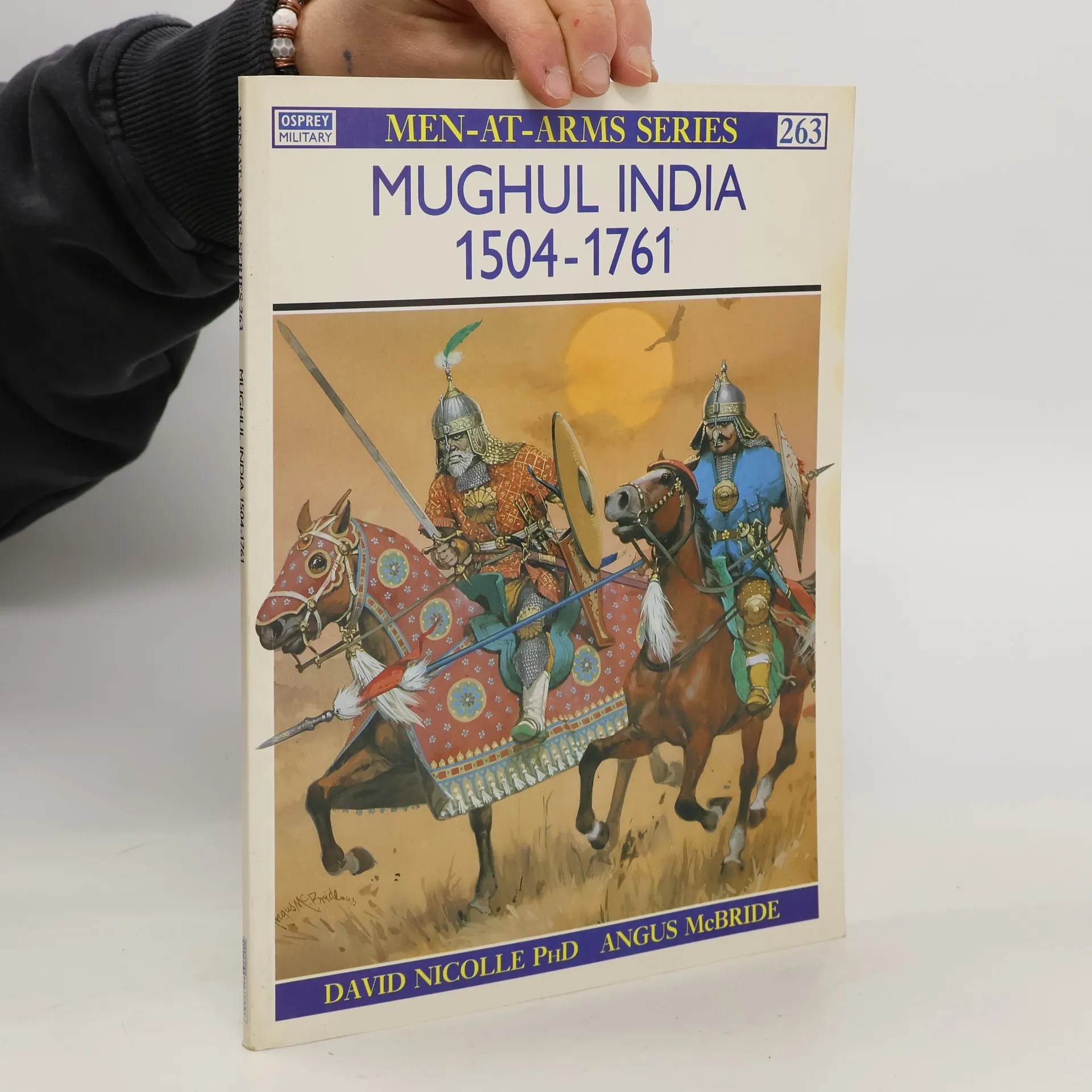
Babur, the founder of the Mughul dynasty, was of Turco-Mongol origin - he was descended from Timur-i-Lenk [Tamerlane] on his father's side and Genghiz Khan on his mother's. His first raid into India in 1516 was followed by several others, and by the time of his death in 1530 Babur's troops had reached Bengal on the far side of the sub-continent. With eight fine full page colour plates by Angus McBride, and many other illustrations, this text by David Nicolle examines the organisation, tactics and uniforms of Mughul armies from Babur's time onwards.
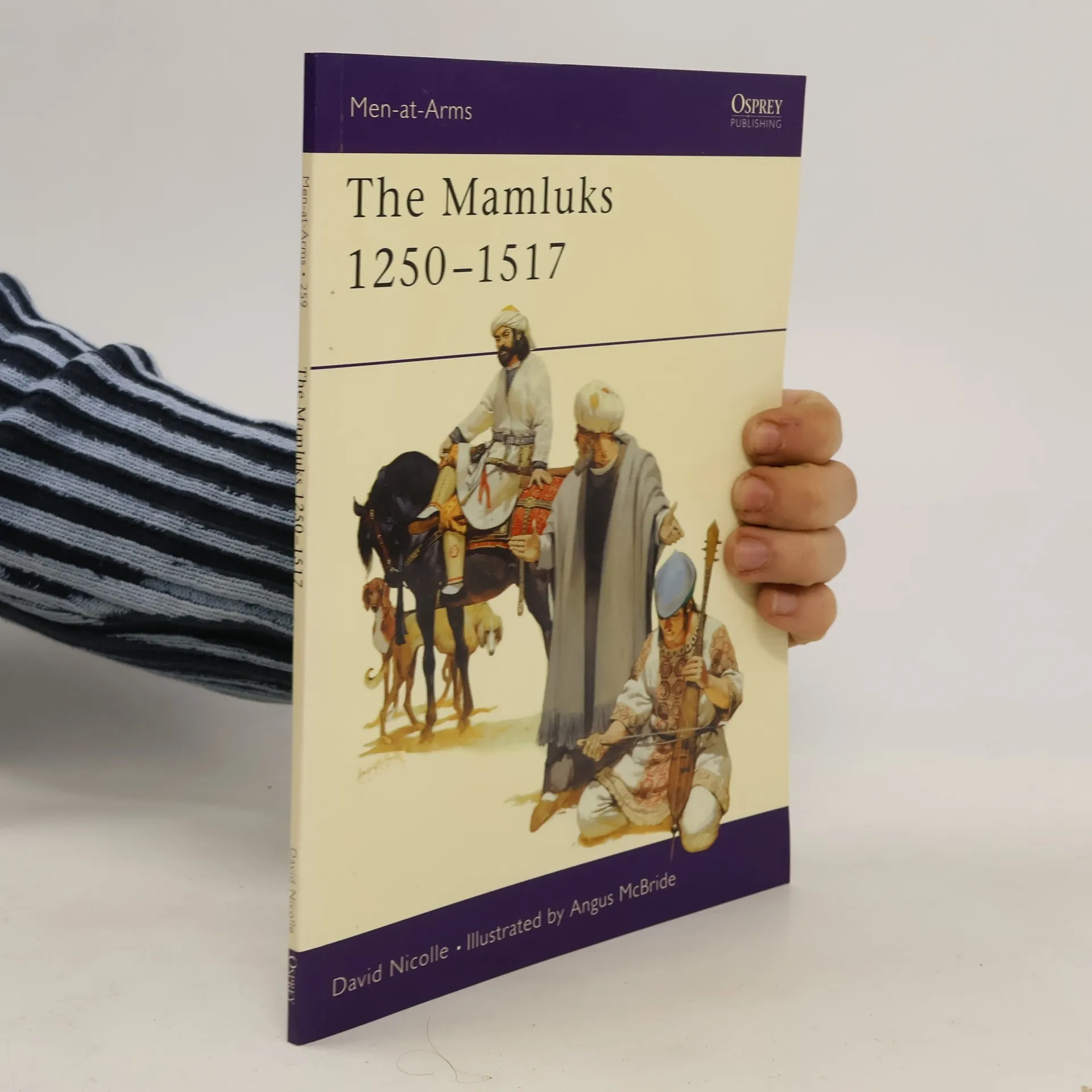
In Europe the Mamluks of Egypt are remembered as so-called 'Slave Kings' who drove out the Crusaders from the Holy Land; but they were far more than that. Though its frontiers barely changed, the Mamluk Sultanate remained a 'great power' for two and a half centuries. Its armies were the culmination of a military tradition stretching back to the 8th century, and provided a model for the early Ottoman Empire, whose own armies reached the gates of Vienna only twelve years after the Mamluks were overthrown. This absorbing text by David Nicolle explores the organisation and tactics of these fascinating people.
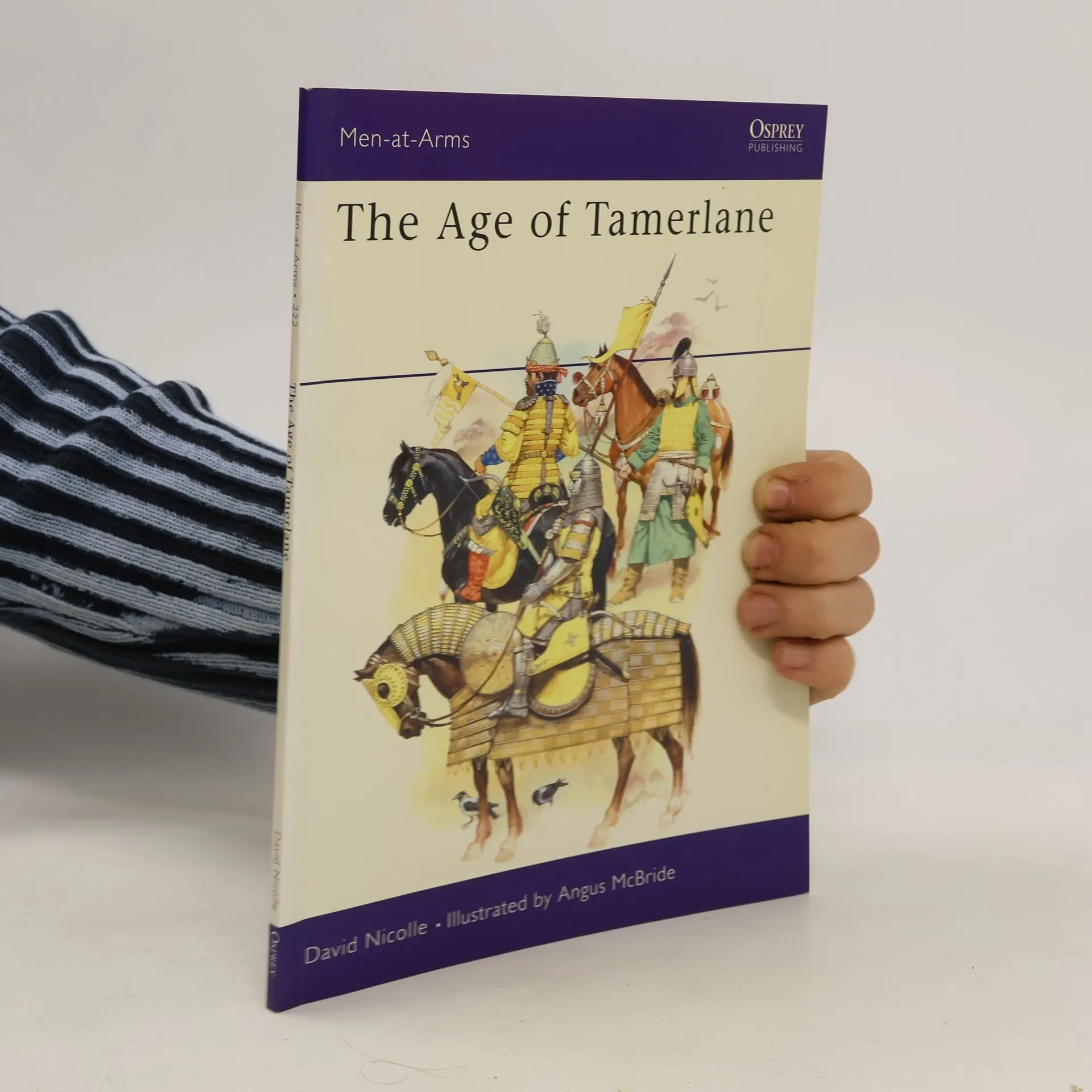
Tamerlane or Timur-i-Lenk ('Timur the Lame') is one of the most extraordinary conquerors in history. In the late 14th century his armies seized huge territories from the borders of Mongolia to Palestine and Anatolia. His passage was marked by massacres that outdid even those of the Mongols for sheer savagery. Timur's career was unequalled since Alexander the Great in terms of constant battlefield success. Only in his youth, while recovering his family estates south of Samarqand, did he face occasional defeat. This title tells the remarkable story of Timur and details the organisation, tactics, arms and armour of his all-conquering army.
Although not widely studied in the West, the medieval history of south-eastern Europe is both fascinating and complex. The Kingdom of Hungary was a vast realm, at least the size of France, that endured throughout the Middle Ages whilst the Byzantine Empire was even more extensive and enduring. The Serbians won themselves a brief but extensive local empire in the 14th century; while the Bulgarians established an effective and cultured state. Other players in the confusing Balkan scene included the Albanians; Wallachians; Moldavians; Transylvanians; Croatians and many others. How did they organise their armies and fight their wars; and why did they ultimately fail? This title answers these questions ably supported by numerous illustrations and eight colour plates.
Osprey's study of the Normans during the Middle Ages. Despite the small geographic extent of Normandy its people played a crucial role in the history of the medieval world. Ferocity, boundless energy, cunning and a capacity for leadership were their heritage, to which modern scholars would add supreme adaptability and a simple piety. Their amazing military successes resulted from careful planning, speed of movement, decisiveness, daring and sheer ruthlessness. Added to this was a strong business sense and an appreciation of the value of money. Veteran Osprey author David Nicolle describes the history, arms and armour of the remarkable Normans in this fascinating volume.
Salah al Din Yusif ibn Ayyub, known to his Muslim contemporaries as al Nasi, 'The Victorious', and to an admiring Europe as Saladin, is the most famous single figure in the history of the Crusades, being even better known outside the English-speaking world than his Christian foe Richard the Lionheart. Traditionally portrayed as a quiet, deeply religious and even humble man, Saladin was a typical product of his day and his culture. This title shows how the societies and military systems that he and his successors led from defeat to eventual triumph were far more sophisticated than is generally realised, and brings vividly to life the history, organisation, arms and armour of Saladin and the Saracens.
The birth of the Ottoman state is shrouded in legend. Whatever the truth of its origins, the Ottomans formed an Empire which almost succeeded in bringing Christian Europe to its knees. During the last decades of the 13th century, the ambitious Osman Bey's tiny mountain state took eight frontier castles plus the Turkish town of Eskisehir. In 1299 Osman seized Yenisehir after working up the Kara Su valley. With this as its first real capital, the Ottoman state emerged into history poised above the fertile shores of the Sea of Marmara.