Janine di Giovanni je jednou z nejrespektovanějších evropských novinářek, která se specializuje na válečné konflikty. Její práce se vyznačuje hlubokým lidským pohledem na utrpení způsobené válkou a často se zaměřuje na zapomenuté válečné zóny. Díky svému pozoruhodnému stylu a odvaze v nestřežených oblastech se stala hlasem pro ty, kdo by jinak zůstali neslyšeni. Její reportáže a knihy nabízejí pronikavý vhled do složitosti lidské zkušenosti v extrémních podmínkách.
Téma občanské války v Sýrii plní již několik let zpravodajské relace sdělovacích prostředků. Sledujeme reportáže, dozvídáme se o postojích politiků, nicméně celý konflikt už vnímáme spíše jako sled děsivých čísel. Co je však za těmito čísly? Jsou to především osudy konkrétních lidí, kterým válka sebrala domov, blízké, lidskou důstojnost či je donutila k hromadné emigraci. A právě o těchto lidech je tato kniha. Kniha sestávající z osobních výpovědí, které lépe než než co jiné ilustrují co je skutečně válka.
War is a collective matter. It involves nations, factions, and religions. However, it is also a personal affair. War is made by people and lived by people: the one who kills and the one who is killed, the one who becomes disabled and the one who sees their home bombed, the one who fights at the front and the one who watches helplessly as their life, as they knew it until then, collapses.
In this book, Janine di Giovanni—the most significant war correspondent of her generation—does not make geopolitical analyses. She does not view war from above. She observes it from within, through the eyes of the people experiencing it. She narrates the stories of soldiers, both from the government army and the opposition, of the tortured, of civilians, of mothers, of children. She captures primal, physical feelings: pain, loss, brutality, horror. She records the smells of war, the sounds, the cold, the mud. She documents fears and hopes, mourning and devastation.
Through dozens of human stories—the stories of Nanda, Mariam, Hussein, Mohamed, Abdullah, Carla—the author composes a poignant mural of a society that is devouring itself, driven into a fratricidal war and the greatest tragedy of our time.
At once necessary, difficult and elating. Her reporting from the Syrian
revolution and war is clear-eyed and engaged in the best sense - engaged in
the human realm rather than the abstractly political. . . . Such reporters as
Giovanni, who not only visit but also live (and often die) through wars not
their own, are heroic Robin Yassin-Kassab Guardian
Some of the countries that first nurtured and characterized Christianity - along the North African Coast, on the Euphrates and across the Middle East and Arabia - are the ones in which it is likely to first go extinct. Christians are already vanishing. We are past the tipping point, now tilted toward the end of Christianity in its historical homeland. Christians have fled the lands where their prophets wandered, where Jesus Christ preached, where the great Doctors and hierarchs of the early church established the doctrinal norms that would last millennia. From Syria to Egypt, the cities of northern Iraq to the Gaza Strip, ancient communities, the birthplaces of prophets and saints, are losing any living connection to the religion that once was such a characteristic feature of their social and cultural lives. In The Vanishing, Janine di Giovanni has combined astonishing journalistic work to discover the last traces of small, hardy communities where ancient rituals are quietly preserved amid 360 degree threats. Full of faith and hope, di Giovanni's riveting personal stories make a unique act of pre-archeology: the last chance to visit the living religion before all that will be left are the stones of the past
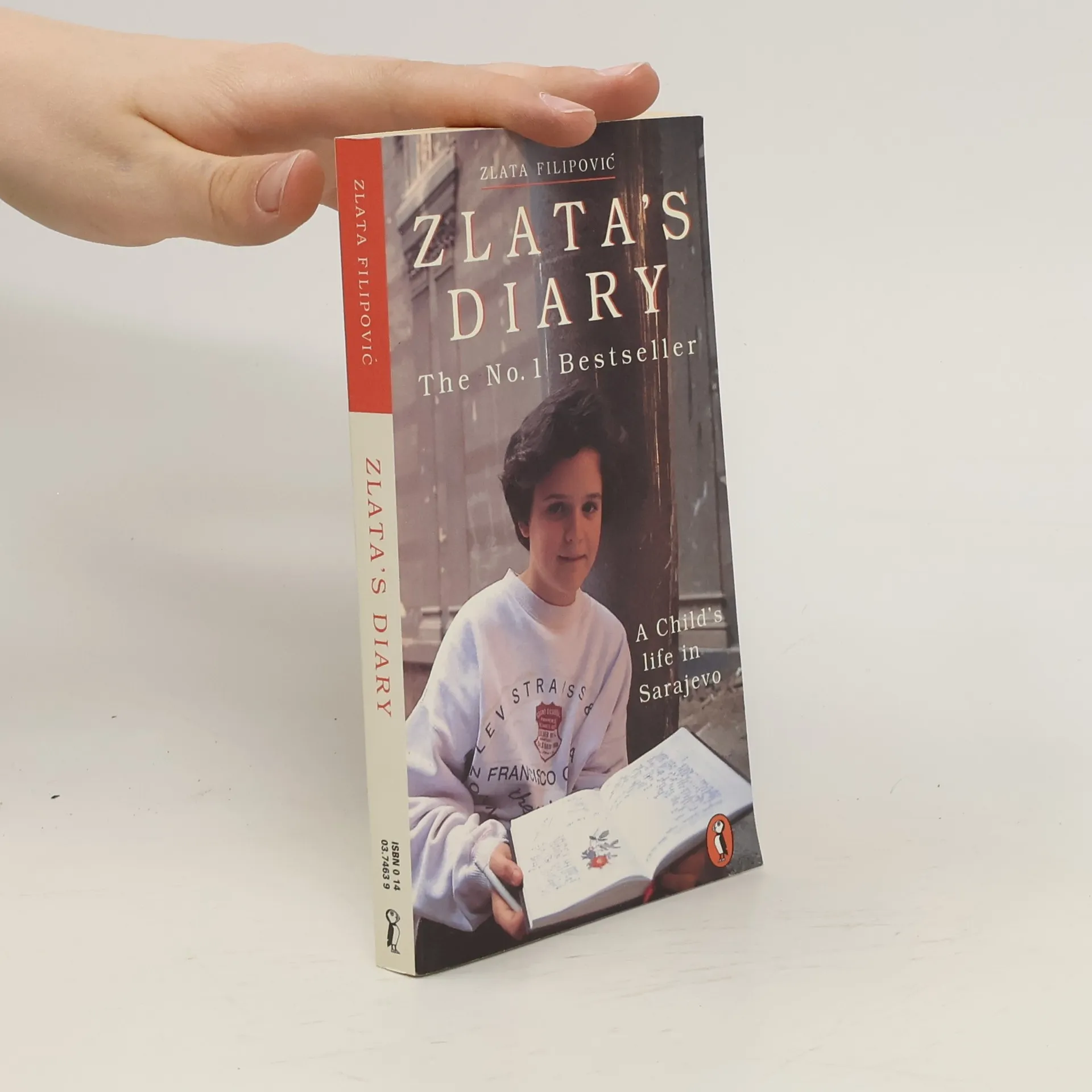
Zlata Filipovic was given a diary shortly before her tenth birthday and began
to write in it regularly. But the distant murmur of war draws closer to her
Sarajevo home. Her father starts to wear military uniform and her friends
begin to leave the city. The pathos and power of Zlata's diary comes from
watching the destruction of a childhood.
Janine und Bruno wollen sich ein gemeinsames Leben aufbauen - die beiden Kriegsreporter, die sich im belagerten Sarajevo ineinander verliebt haben. Jahrelang sind sie über den Globus geirrt, von einem Konflikt zum nächsten, von einer Trennung zur nächsten. Nur unterbrochen von kurzen, aber intensiven Momenten der Zweisamkeit. Aber der Plan, nach den zahlreichen Kriegen in Paris endlich Fuß zu fassen, will und will nicht aufgehen. Ihr Familienalltag wird immer wieder von den Erlebnissen der Vergangenheit eingeholt: So kämpft Bruno mit seinen traumatischen Erfahrungen und Janine damit, ihrer neuen Rolle als Mutter und Ehefrau gerecht zu werden. Der Krieg hat sie zusammengeführt. Nun stehen sie vor der Frage: Wie zusammenbleiben ohne ihn? Mitreißend und mit schonungsloser Offenheit erzählt die renommierte Kriegsberichterstatterin Janine di Giovanni davon, was es heißt, ankommen zu wollen, ohne ankommen zu können.