

1. vydání. Každý občas zažije neobvyklou shodu okolností, která je mimořádně významná. Smysluplná shoda okolností, které se říká synchronicita, nám však naznačuje, že nejsme možná jen jedinými autory svých příběhů.
Robert H. Hopcke Pořadí knih (chronologicky)
1. leden 1958





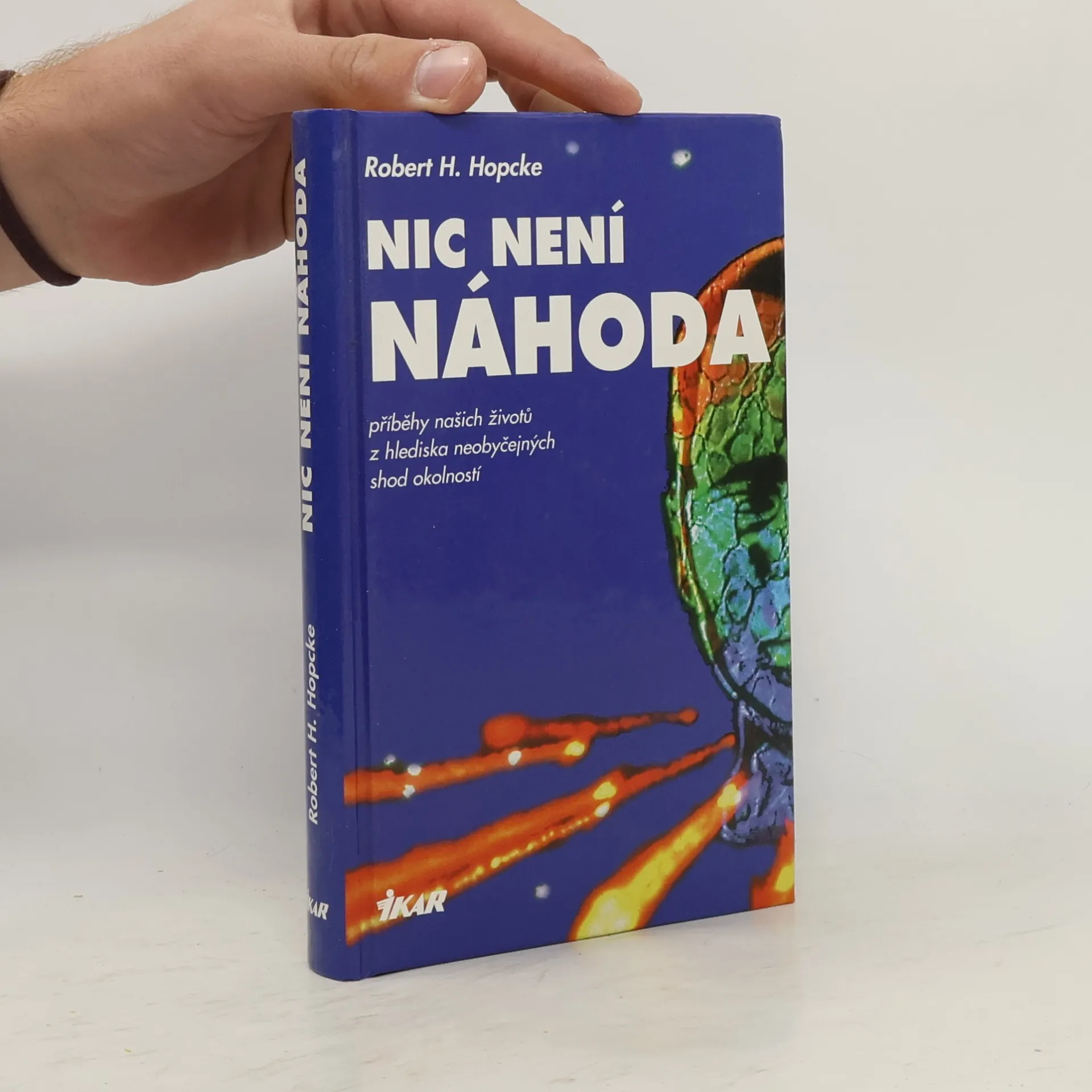

There Are No Accidents: Synchronicity and the Stories of Our Lives
- 260 stránek
- 10 hodin čtení
A woman is set up on a blind date with the same man twice, years apart, on two different coasts. A singer's career changes direction when she walks into the wrong audition. A husband gives his wife an unexpected gift—after she repeatedly dreams about that very same item.... It was Carl Jung who coined the term "synchronicity" for those strange coincidences, when events seem to conspire to tell us something, to teach us, to turn our lives around. They are the strange "plot developments" that make us feel like characters in a grand, mysterious story. How do we identify these coincidences as something special? How do we recognize their significance and use them as turning points toward a more meaningful life story? In There Are No Accidents, Jungian psychotherapist Robert Hopcke explores the nature of the human conciousness and the role of synchronicity—teaching us to examine our own stories, and tap into its power to strengthen our work, love, and spiritual lives.
Průvodce po sebraných spisech C. G. Junga
- 216 stránek
- 8 hodin čtení
Cesty a prostředky psyché. Archetypické postavy. Témata zvláštního zájmu. Esoterika.
C. G. Jung, Jungianer und Homosexualität
- 308 stránek
- 11 hodin čtení
Despite the revolution of thought on homosexuality over the past thirty years, the literature of Jungian psychology gives little attention to the subject. In an effort to provide the first coherent theory of sexual orientation in the tradition of analytical psychology, this important book examines the way in which Jung and Jungians have regarded homosexuality both clinically and theoretically. Following a survey of references to homosexuality in Jung's writings and the work of Jung's followers and contemporary analysts, the author shows that within the great diversity of opinion there exist many creative ways to deepen an understanding of the lives and loves of gay men and lesbians. In particular, he discusses the ways in which the archetypes of the Masculine, the Feminine, and the Androgyne are expressed in gay male culture, in both past and present, in the United States and other cultures. Hopcke proposes a view of homosexuality that is archetypally based, empirically supportable, psychologically profound, and spiritually evocative. In doing so he provides gay people with something that is often missing in the rhetoric of the gay political movement: a profound, individual sense of self-understanding