

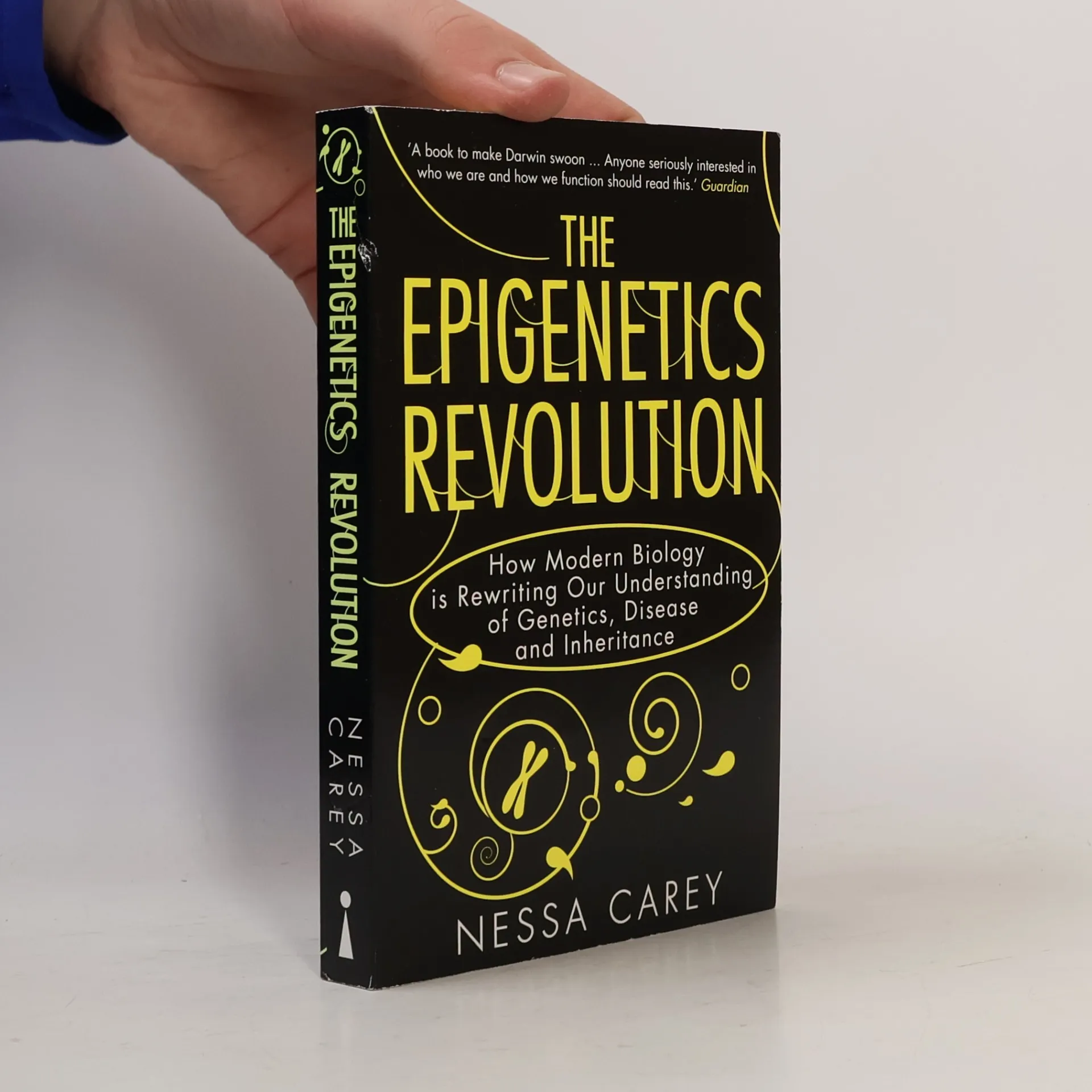
At the beginning of this century enormous progress had been made in genetics. The Human Genome Project finished sequencing human DNA. It seemed it was only a matter of time until we had all the answers to the secrets of life on this planet. The cutting-edge of biology, however, is telling us that we still don't even know all of the questions. How is it that, despite each cell in your body carrying exactly the same DNA, you don't have teeth growing out of your eyeballs or toenails on your liver? How is it that identical twins share exactly the same DNA and yet can exhibit dramatic differences in the way that they live and grow? It turns out that cells read the genetic code in DNA more like a script to be interpreted than a mould that replicates the same result each time. This is epigenetics and it's the fastest-moving field in biology today. The Epigenetics Revolution traces the thrilling path this discipline has taken over the last twenty years. Biologist Nessa Carey deftly explains such diverse phenomena as how queen bees and ants control their colonies, why tortoiseshell cats are always female, why some plants need a period of cold before they can flower, why we age, develop disease and become addicted to drugs, and much more. Most excitingly, Carey reveals the amazing possibilities for humankind that epigenetics offers for us all - and in the surprisingly near future.
Nessa Carey Knihy
Nessa Carey se zaměřuje na pronikavé zkoumání vědeckých témat s hlubokým pochopením jejich dopadu na společnost. Její práce často odhaluje složité vztahy mezi vědou, etikou a lidskou společností. Carey používá svůj odborný pohled k tomu, aby čtenáře provedla komplexními koncepty a aby prozkoumala, jak mohou vědecké objevy utvářet náš svět.
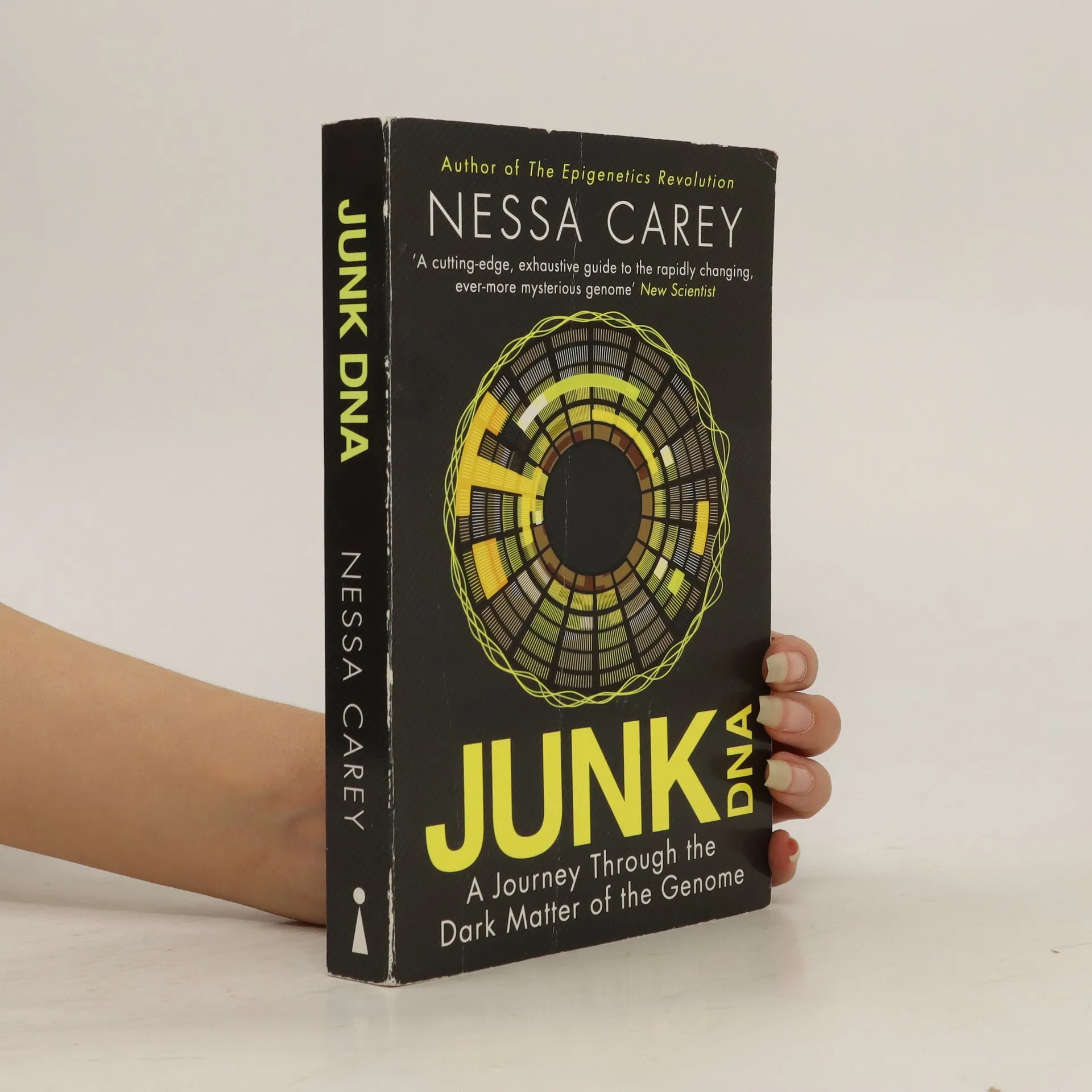
Junk DNA
- 352 stránek
- 13 hodin čtení
For decades after identifying the structure of DNA, scientists focused only on genes, the regions of the genome that contain codes for the production of proteins. Other regions that make up 98% of the human genome were dismissed as "junk," sequences that serve no purpose. Yet recently researchers have discovered variations and modulations in this junk DNA that underwrite a number of intractable diseases. This knowledge has led to innovative research and treatment approaches that may finally control these conditions. Junk DNA can play vital and unanticipated roles in the control of gene expression, from fine-tuning individual genes to switching off entire chromosomes. Its function has forced scientists to revisit the very meaning of the word "gene" and has engendered a bitter battle over whether or not this genomic "nonsense" is the source of human biological complexity. Drawing on her experience with leading investigators in Europe and North America, Nessa Carey provides a clear and compelling introduction to junk DNA and its critical involvement in phenomena as diverse as genetic diseases, viral infections, sex determination in mammals, disease treatments, and evolution. We are only now unlocking the secrets of junk DNA, and Carey's book is an indispensable resource for navigating the codes and controversies of this fast-growing and hotly disputed field.