

Jean Lorrain Knihy
Jean Lorrain, narozený jako Paul Duval, byl francouzský básník a prozaik symbolistní školy. Byl oddaným stoupencem dandyismu a otevřeně homosexuální. Jeho dílo zahrnuje sbírky veršů, decadentní romány a povídky. Lorrain je připomínán pro své jedinečné literární zpracování témat a styl, který ho odlišoval v rámci symbolistického hnutí.


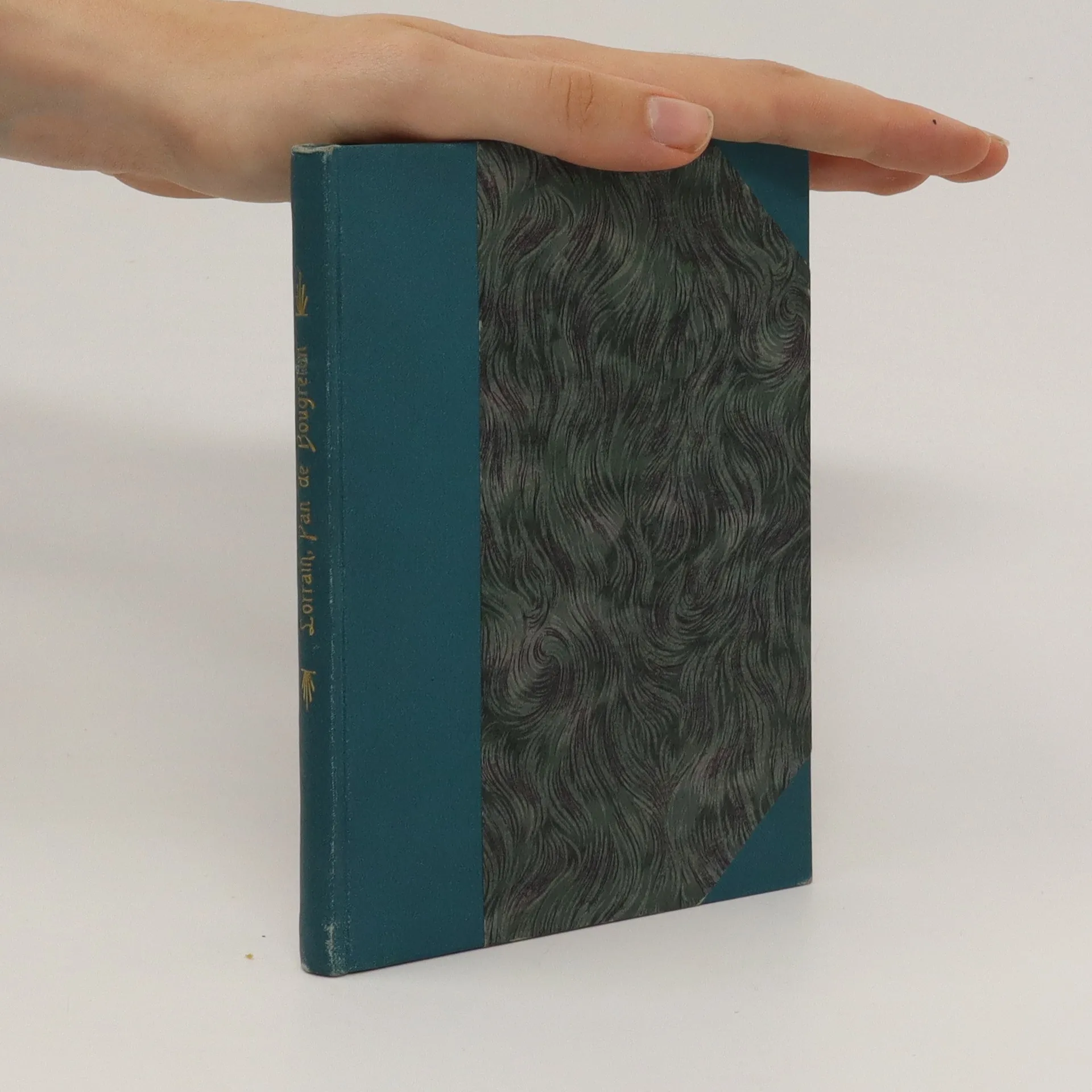
Vyprávění o panu de Bougrelon: tento francouzský dandy provádí turisty po Amsterodamu a jeho vykřičených místech, vypráví jim o bizarních zážitcích ze svého života a o intimním přátelství s jiným pozoruhodným aristokratem, panem de Mortimer.
Monsieur de Phocas
Astarte
Jean Lorrain, durch jahrzehntelange journalistische Arbeit im Beobachten der zeitgenössischen Moden geschult, war der »unerbittliche Protokollant des Seelentyphus« seiner Epoche, wie ihn Joris-Karl Huysmans nannte. In seinem Hauptwerk Monsieur de Phocas , dem letzten großen Roman des Fin de Siècle, schildert er malerisch die grotesken Auswüchse einer als dekadent empfundenen Zivilisation. Die Geschichte des exzentrischen Duc de Fréneuse, der getrieben von einer Obsession für den geheimnisvollen, meergrün schillernden Blick der Göttin Astarte immer tiefer in die Spirale der Verkommenheit und Perversion gerät, ist die Geschichte einer Sehnsucht nach wahren Empfindungen in einer entfremdeten Welt. »Der Wahnsinn der Augen, das ist die Anziehungskraft des Abgrunds. Es gibt Sirenen in der Tiefe der Pupillen wie in den Tiefen des Meeres, das weiß ich, aber ... ich bin ihnen niemals begegnet, und ich suche noch immer die Blicke tiefen und klagenden Wassers, in dem ich, wie der erlöste Hamlet, die Ophelia meines Verlangens werde ertränken können.«
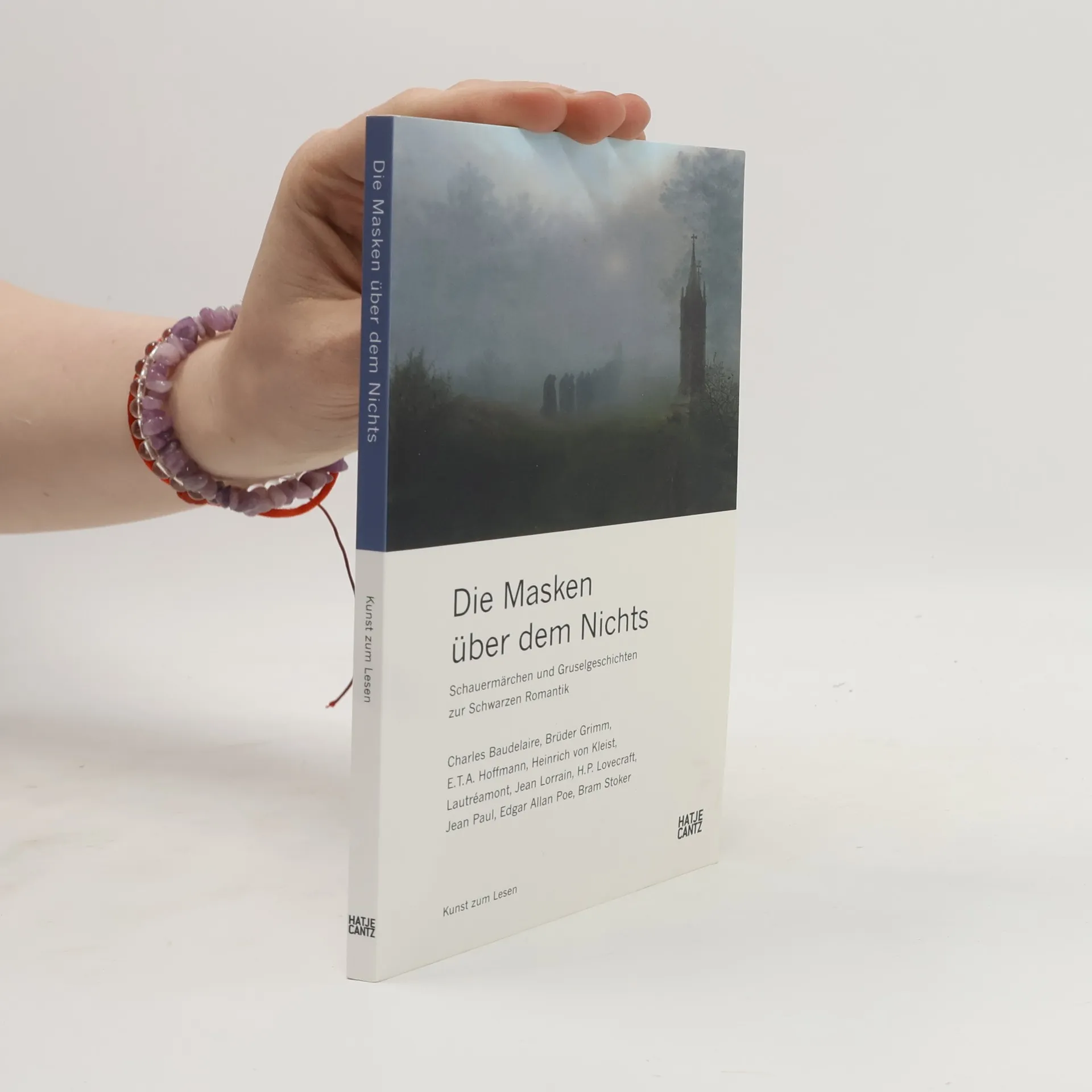
Die Masken über dem Nichts
Schauermärchen und Gruselgeschichten zur Schwarzen Romantik
- 128 stránek
- 5 hodin čtení
Seit dem 19. Jahrhundert haben sich zahlreiche Schriftsteller in ihren Texten auch der dunklen Seite der Romantik gewidmet. Nicht nur das Reich der Fantasie und des Traums, sondern ebenso die Reize des 'angenehmen Grauens', die Versuchung durch das Böse, in Teufels- und Dämonengestalt oder als schöne Meerjungfrau sowie Femme fatale, haben sie zu faszinierenden Geschichten inspiriert. Aber auch in Märchen- und Sagensammlungen, etwa der Brüder Grimm begegnet der Leser düsteren und furchterregenden Darstellungen, beispielsweise der Geschichte Von dem Machandelbaum. In dieser ausgesuchten Sammlung exquisiter Texte finden sich neben eher unbekannten Werken der 'Schwarzen Romantik' auch berühmte Erzählungen von Klassikern wie Edgar Allan Poe oder E. T. A. Hoffmann. Die Publikation vermittelt einen literarischen Einblick in die Romantik und stellt eine Quelle der Ideen nicht nur für Künstler, Kulturschaffende und Literaten dar. Zur Ausstellung erscheint auch ein Katalog (deutsche Ausgabe ISBN 978-3-7757-3372-4; englische Ausgabe ISBN 978-3-7757-3373-1) und ein Band in der Reihe Kunst Digital (deutsche Ausgabe ISBN 978-3-7757-3374-8) sowie ein Audioguide in der Reihe Kunst zum Hören (deutsche Ausgabe ISBN 978-3-7757-3376-2; englische Ausgabe ISBN 978-3-7757-3377-9). Ausstellung: Städel Museum Frankfurt am Main 26.9.2012-20.1.2013
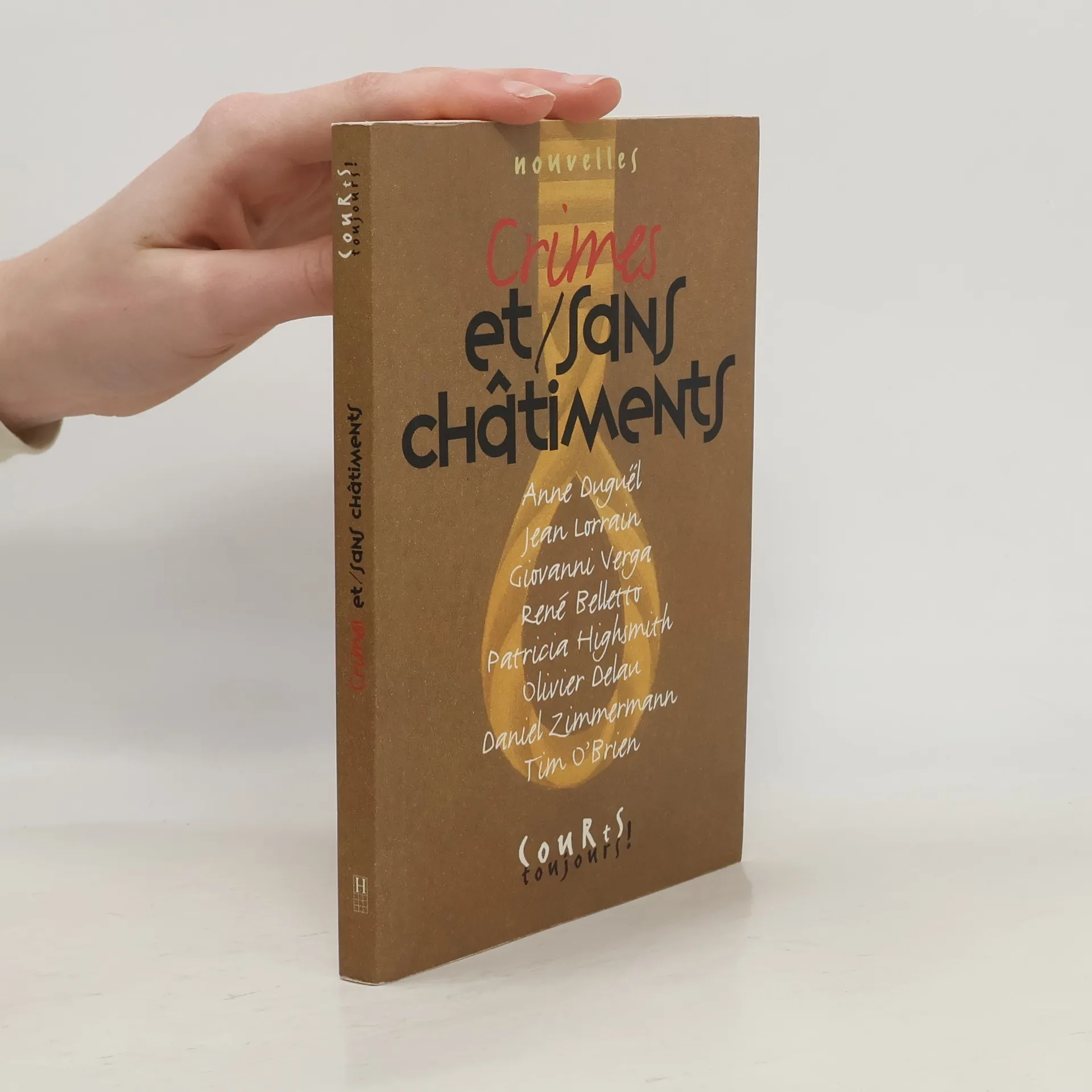
Courts toujours - crimes et / sans châtiments
- 158 stránek
- 6 hodin čtení
Ce recueil thématique de nouvelles offre aux adolescents et aux jeunes adultes un avant-goût de la littérature mondiale.