
Home Grown
- 272 stránek
- 10 hodin čtení
An urgent manifesto revealing the link between domestic violence and terrorism by seasoned journalist and human rights campaigner
Joan Smithová je anglická spisovatelka, novinářka a aktivistka za lidská práva. Její dílo se často zabývá společenskými otázkami a morálními dilematy. Smithová píše pronikavým a pronikavým stylem, který čtenáře nutí k zamyšlení nad složitostí lidské povahy. Její novinářská a aktivistická práce dodává jejímu literárnímu pohledu autenticitu a hloubku.


An urgent manifesto revealing the link between domestic violence and terrorism by seasoned journalist and human rights campaigner
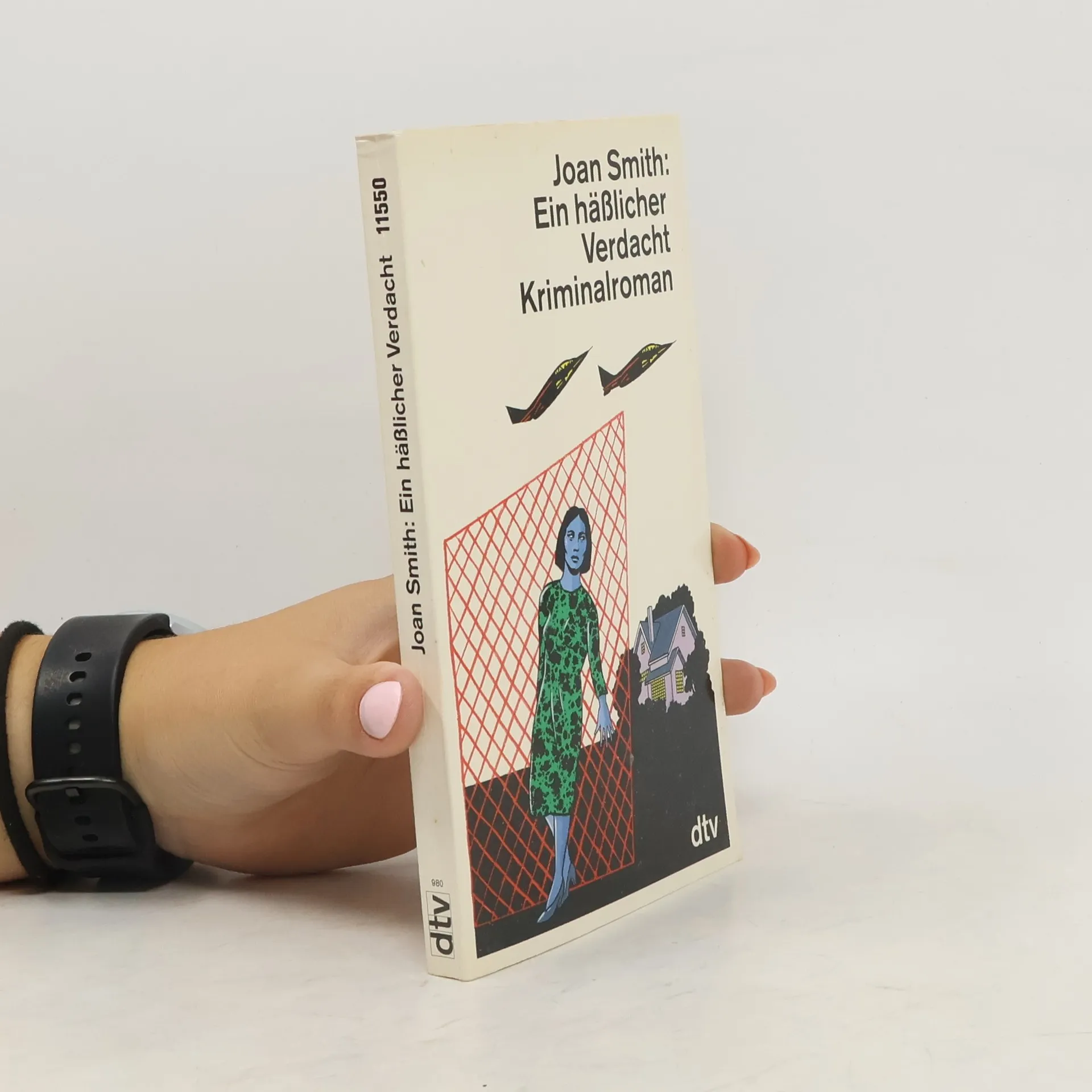
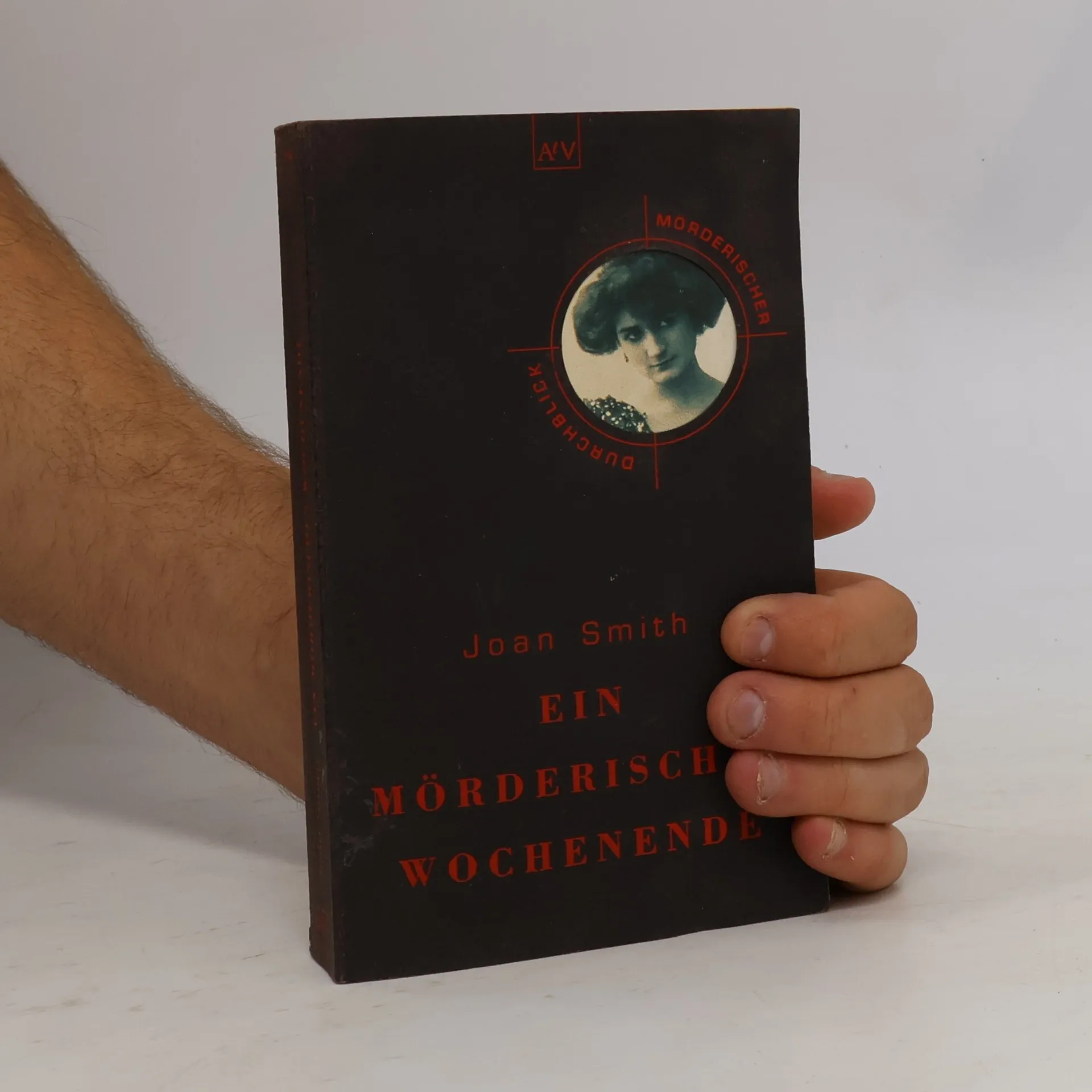
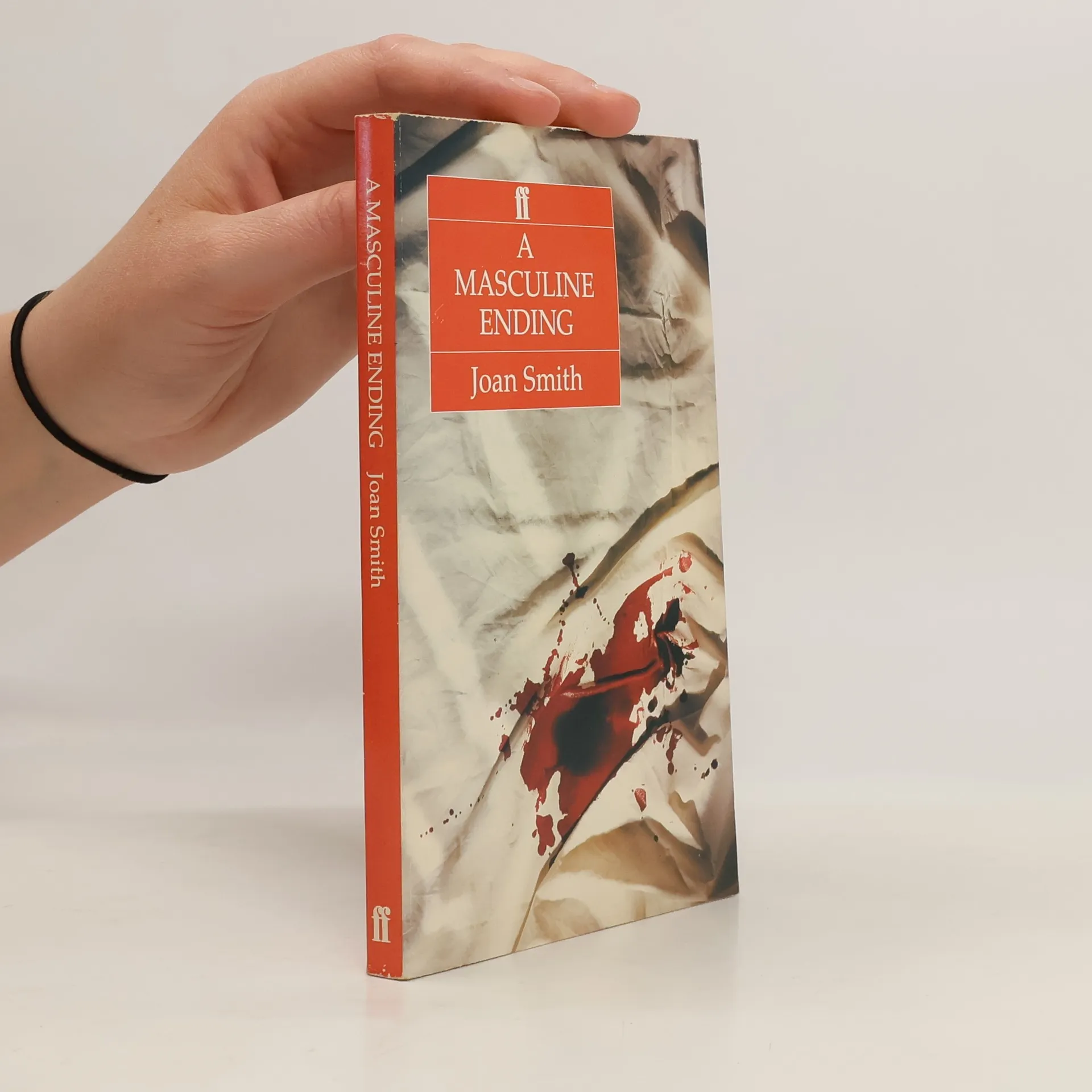
When university lecturer Loretta Lawson goes to Paris to deliver a paper at a feminist meeting, she is horrified to find a tangle of blood-stained sheets in the flat she has borrowed. Back in England, a post-structuralist Oxford don goes missing. The two events seem connected - but how?
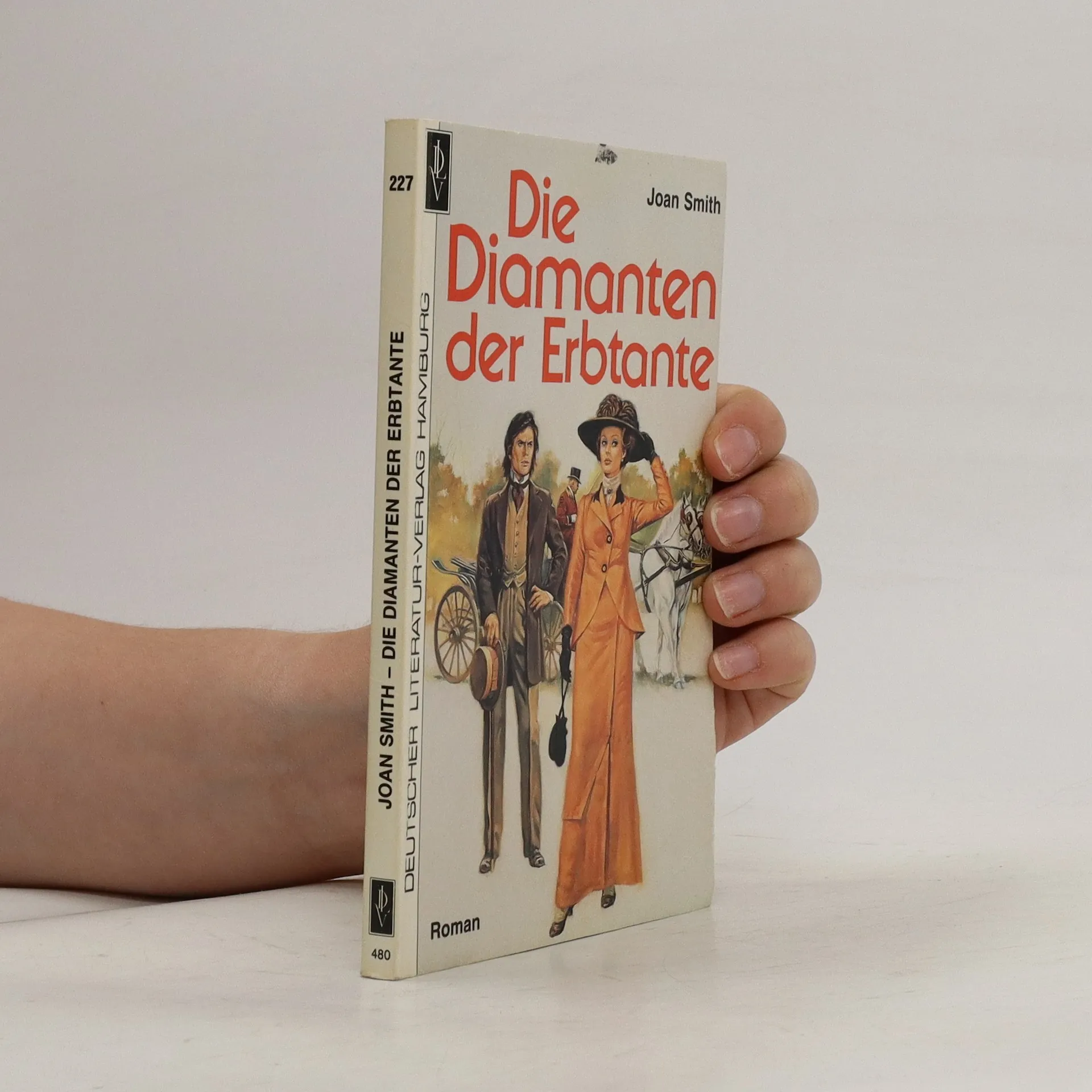
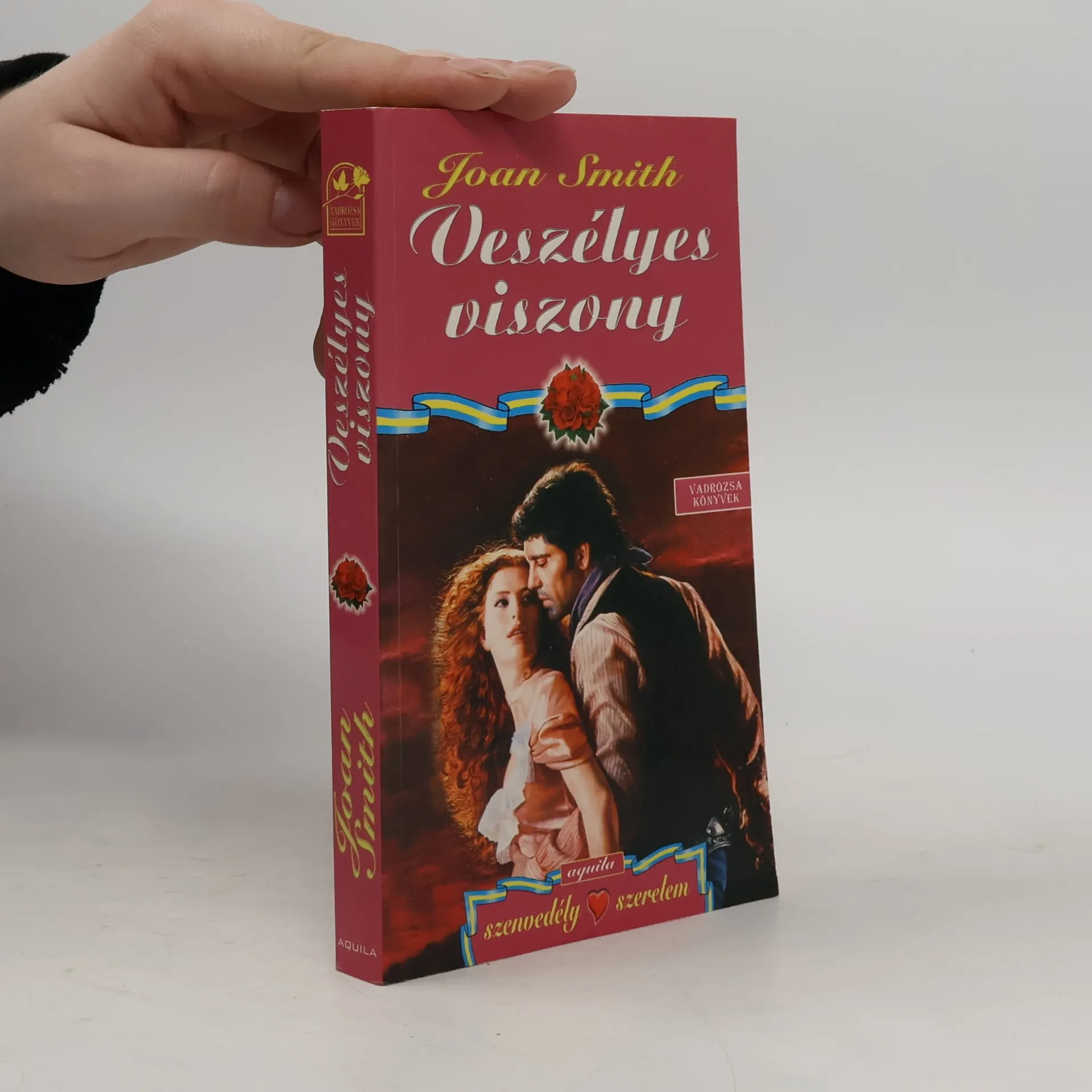
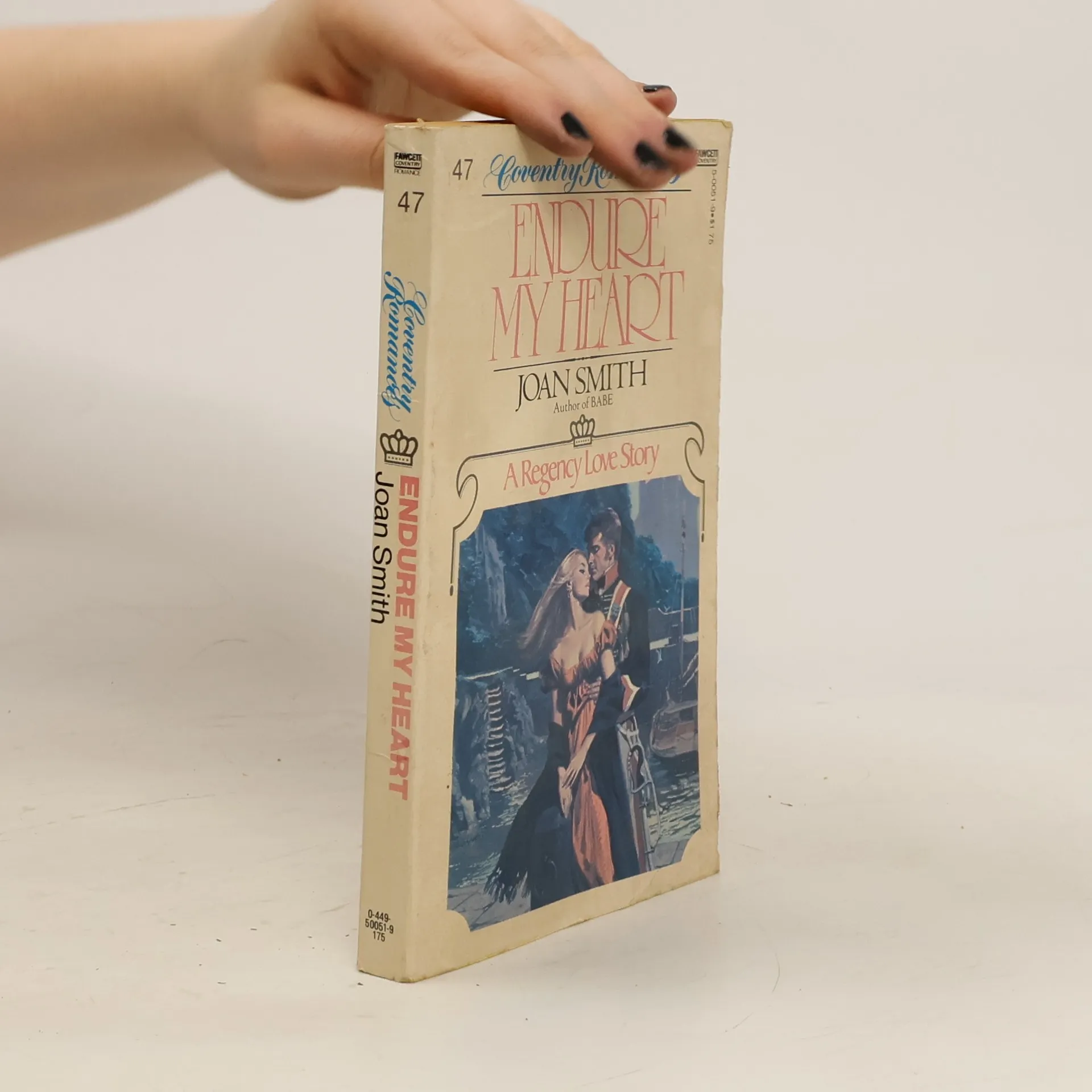
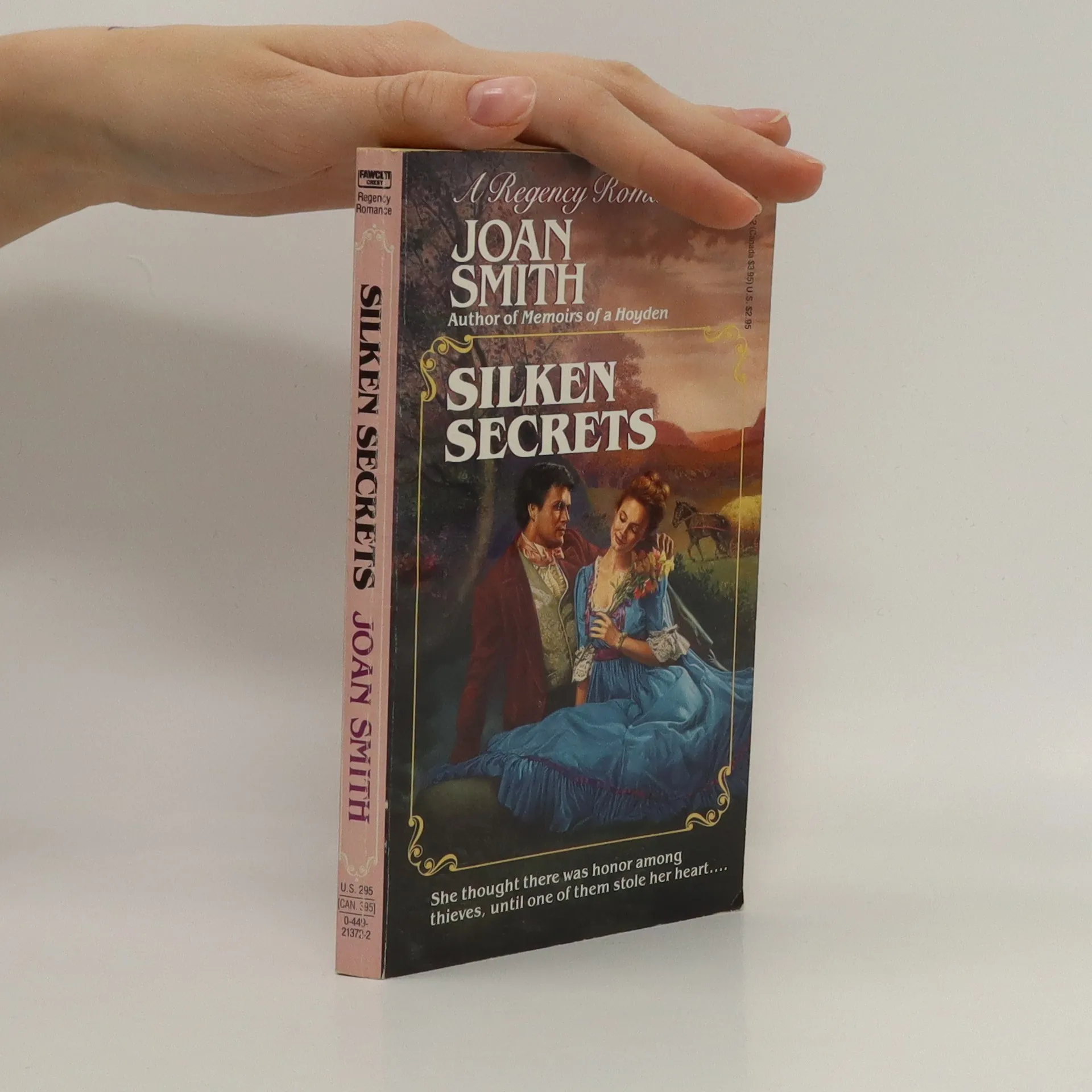
The picture of innocence, Miss Mabel Anderson, and the sister of a cleric. But many people in her port town of Salford lived in poverty, their only chance at making a decent living being the smuggling trade. Mab inadvertently found herself the leader of this group, but a government agent, Sir Stamford Wicklow, was come to town specifically to discover the leader's identity--and imprison the villain. Regency Romance by Joan Smith; originally published by Fawcett Coventry
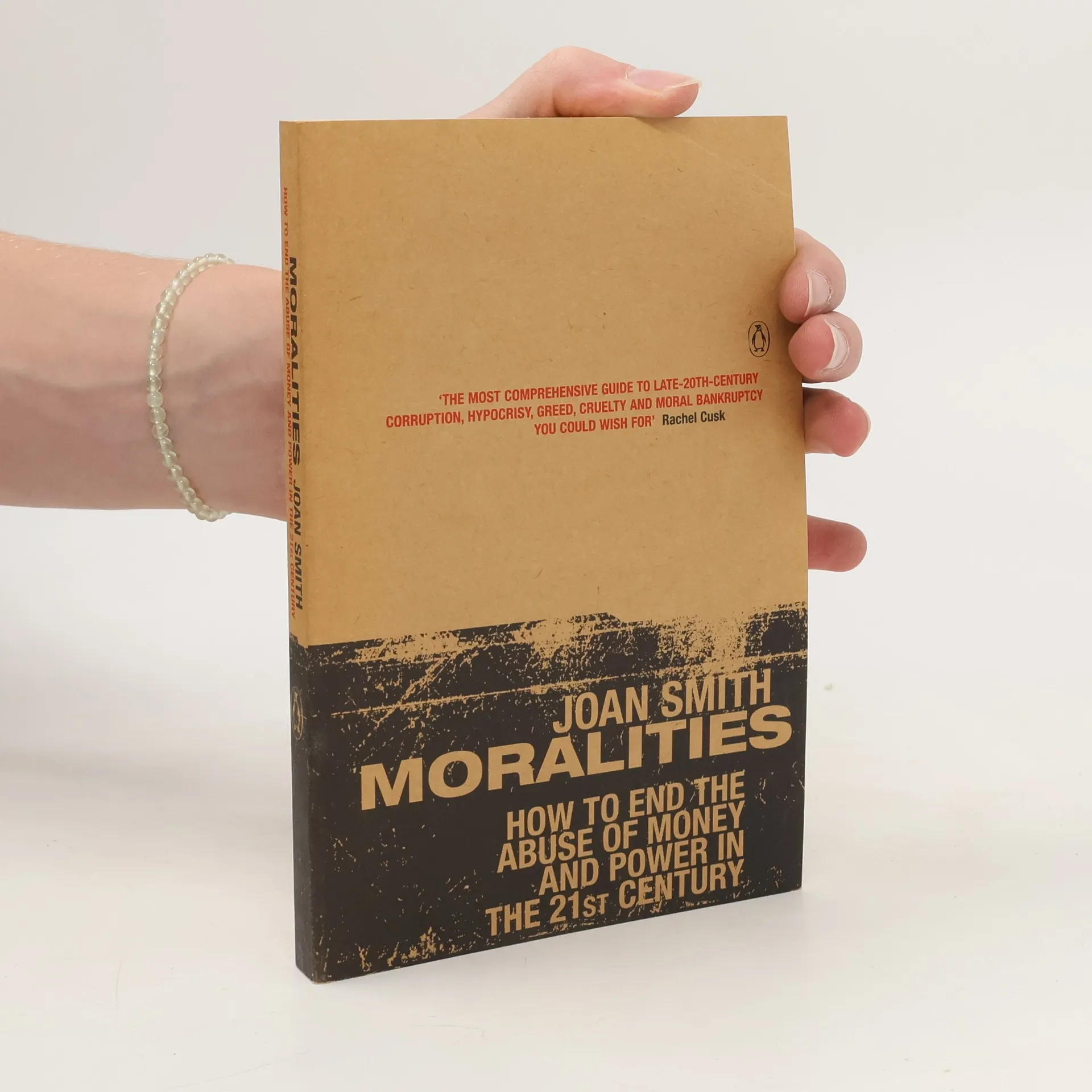
The world is changing fast, and our values with it. The old obsession with sex and private life obscured urgent moral issues: how money and power are exercised by big business and governments. Protests against global capitalism, mounting concern about green issues and the environment, and a growing awareness of poverty, the arms trade and human rights abuses have come together to form a potent challenge to the old moral order. In this passionate argument for a new ethical agenda, uncoupled from traditional morality and religion, Joan Smith charts the aspirations of those who seek to create a different kind of society: one based not on coercion but on respect.
They Both Die at the End meets The Butterfly Effect in this YA novel by Joan F. Smith, where a teen uses her gift of foreknowledge to help a lifeguard save a drowning man—only to discover that her actions have suddenly put his life at risk. It was supposed to be an ordinary day at the pool, but when lifeguard Nick hesitates during a save, seventeen-year-old December uses her gift of foreknowledge to rescue the drowning man instead. The action comes at a cost. Not only will Nick and December fall in love, but also, she envisions that his own life is now at risk. The other problem? They’re basically strangers. December embarks on a mission to save Nick’s life, and to experience what it feels like to fall in love—something she’d formerly known she’d never do. Nick, battling the shame of screwing up the rescue when he’s heralded as a community hero, resolves to make up for his inaction by doing December a major solid and searching for her mother, who went missing nine years ago. As they grow closer, December’s gift starts playing tricks, and Nick’s family gets closer to an ugly truth about him. They both must learn what it really means to be a hero before time runs out.
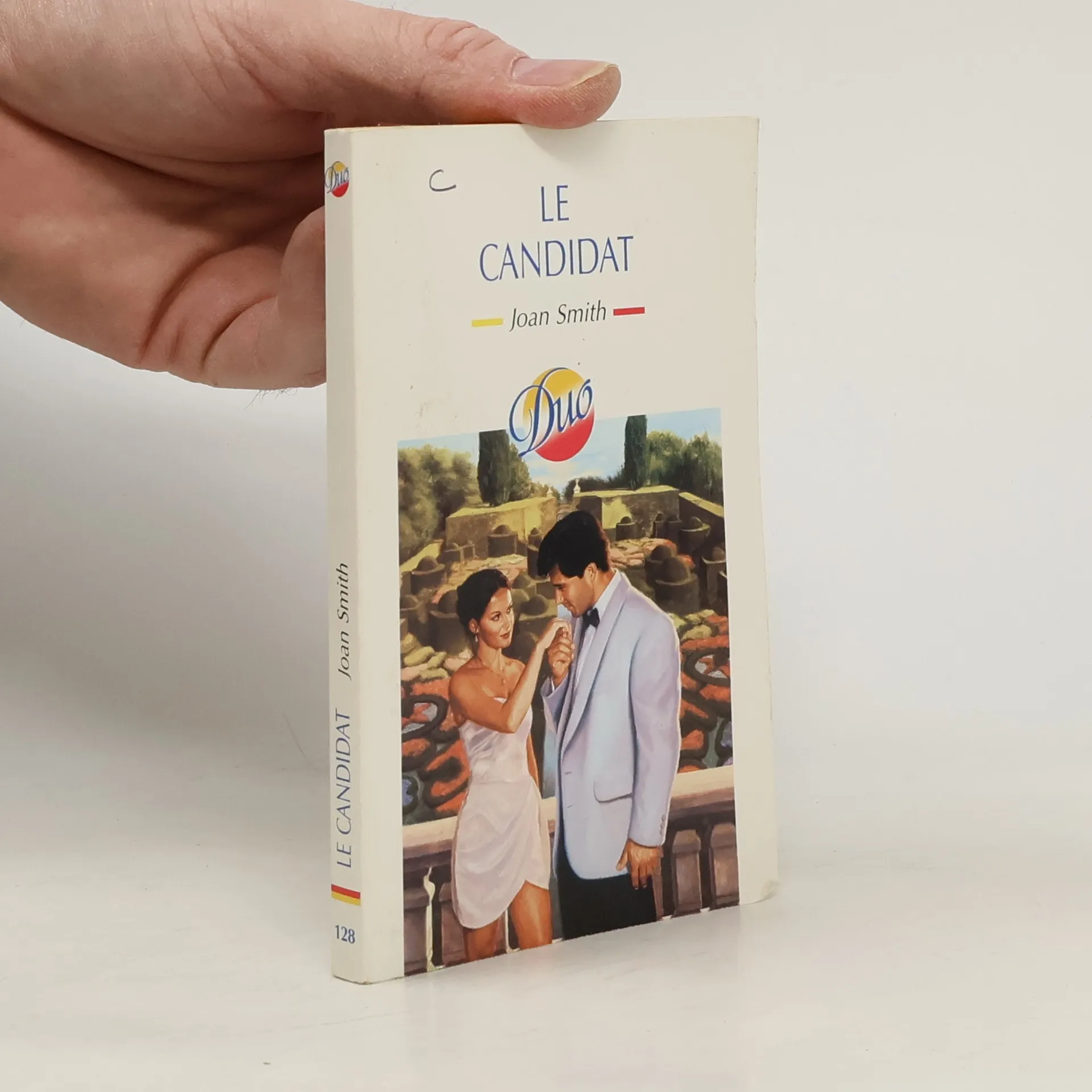
LARCENY AND LOVE-- THEY'RE CLOSER THAN ONE MIGHT SUSPECTNiece-by-marriage of an impoverished lord, lovely Mary Anne Judson was most satisfied with her simple country life with dear Uncle Edwin. After all, the darling man saved her from a most dismal orphan's fate.Yet, much as she loved her uncle, he had a serious larcenous streak that needed tending. When ten bolts of smuggled French silk washed up near their home. Uncle Eddie contrived to keep the contraband to sell illegally!But a suspicious London draper, the surprisingly handsome Mr. Robertson, began a thorough search for his stolen goods. And suddenly, Mary Anne couldn't help but be drawn into her uncle's scheme--or for that matter, into the arms of the curious Mr. Robertson. His smooth manners were those of an aristocrat, not a simple merchant. Still, fearful of the stranger's motives and anxious for her uncle's safety. Mary Anne did her utmost to protect him. If only it were as easy to protect her romantic heart.
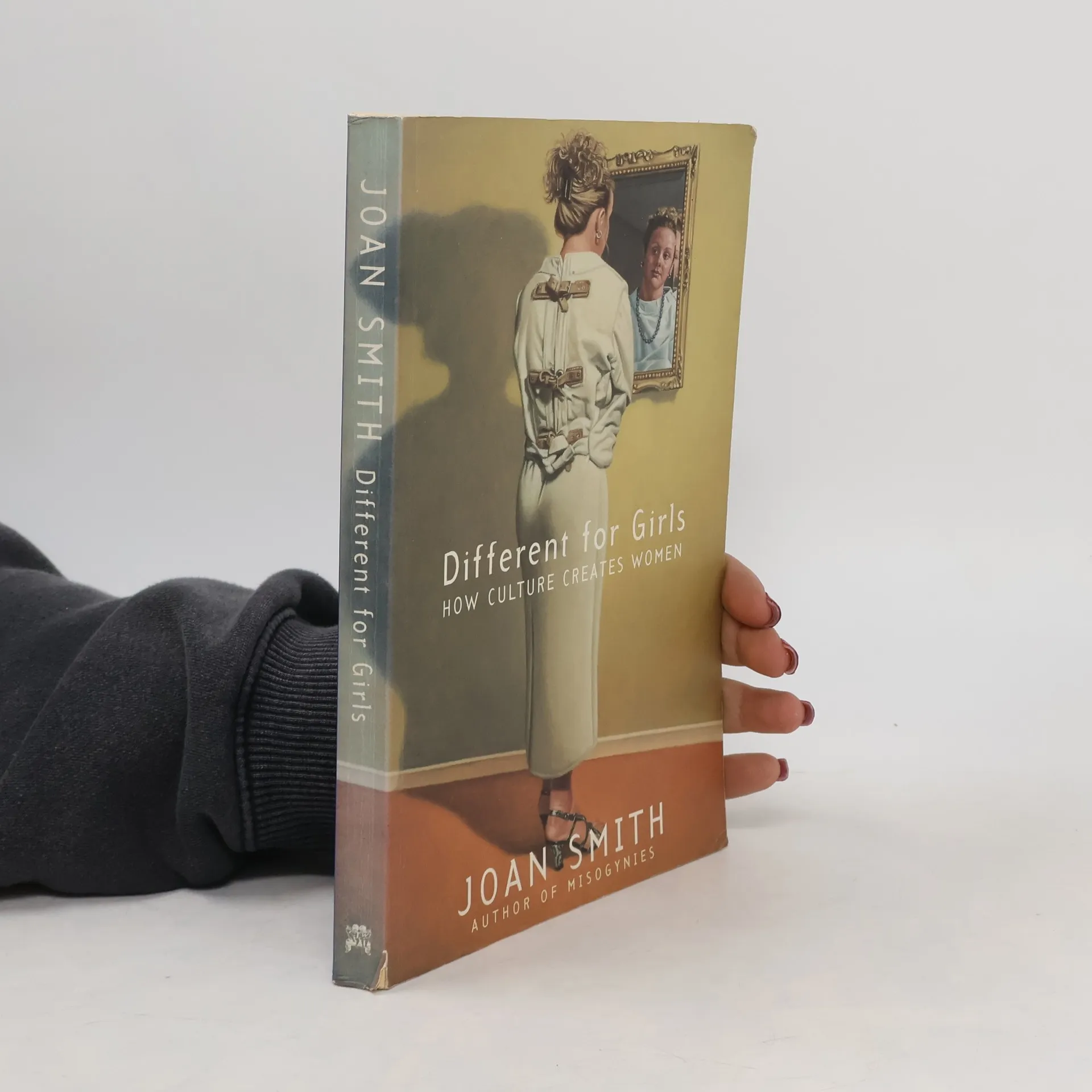
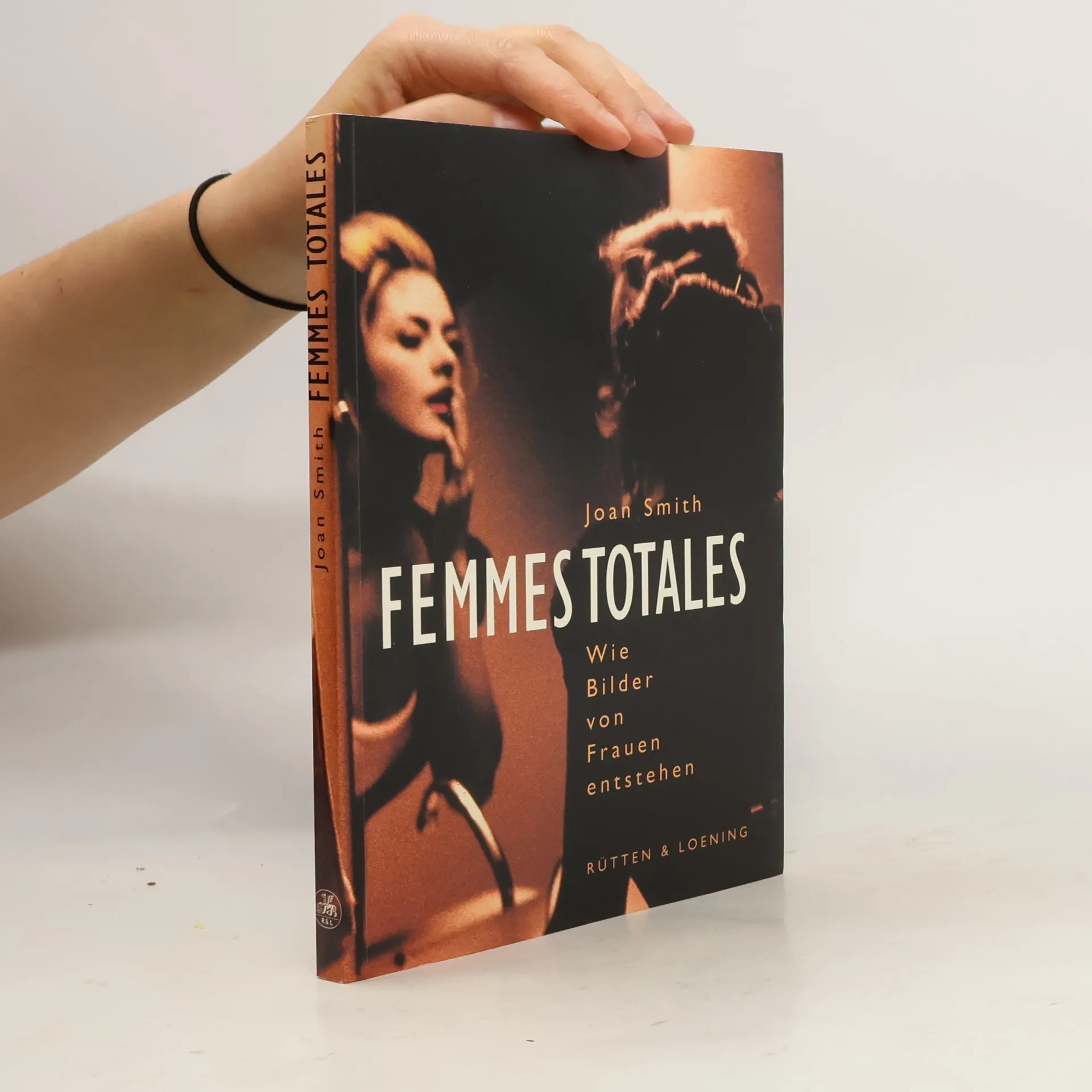
"The new icons - Madonna, Princess Di, Roseanne - appear to be all-powerful, but what is really going on? Can Princess Diana ever be anything but the Queen of Broken Hearts? Is there such a thing as a female serial killer? Why are women urged to have children when they don't want them? Are single mothers to blame for truancy and teenage crime? What exactly was Linda Fiorentino up to in THE LAST SEDUCTION? And why can't sex symbols like Madonna have sex? These questions and many more, lie at the heart of Joan Smith's provocative new enquiry into the differences between men and women. In a series of essays on female icons like the Princess of Wales and Naomi Campbell as well as ogres like Rosemary West, Smith demonstrates the extent to which our judgements are influenced by unconcious ideas about gender. In doing so, her book tackles a fundamental but so far barely examined possibility: that the idea of difference is far more important than its reality. MISOGYNIES has remained in print since publication in 1989 and has become a key study of its subject. DIFFERENT FOR GIRLS is a MISOGYNIES for the late 90s, forcing us to ask new questions and see new truths."
A New History of Rome's Imperial Women
Focusing on the lives of imperial women overshadowed by powerful men, Joan Smith sheds light on their struggles against violence and control in a male-dominated society. Through a reinterpretation of historical narratives, she reveals the tragic fates of these women—often victims of rape and murder—who have been largely erased from history. Smith's work challenges the misogynistic portrayals of these figures, highlighting their resilience and resistance, while connecting their experiences to ongoing issues of domestic abuse and women's rights today.
Exploring the intricate relationship between household micro-structures and the broader capitalist world-economy, this book offers a systematic and original perspective. It delves into how domestic dynamics influence and are influenced by economic systems, highlighting the interconnectedness of personal and global economic structures. Through this lens, the author provides insights into the complexities of social and economic interactions, making it a valuable resource for understanding contemporary economic issues.
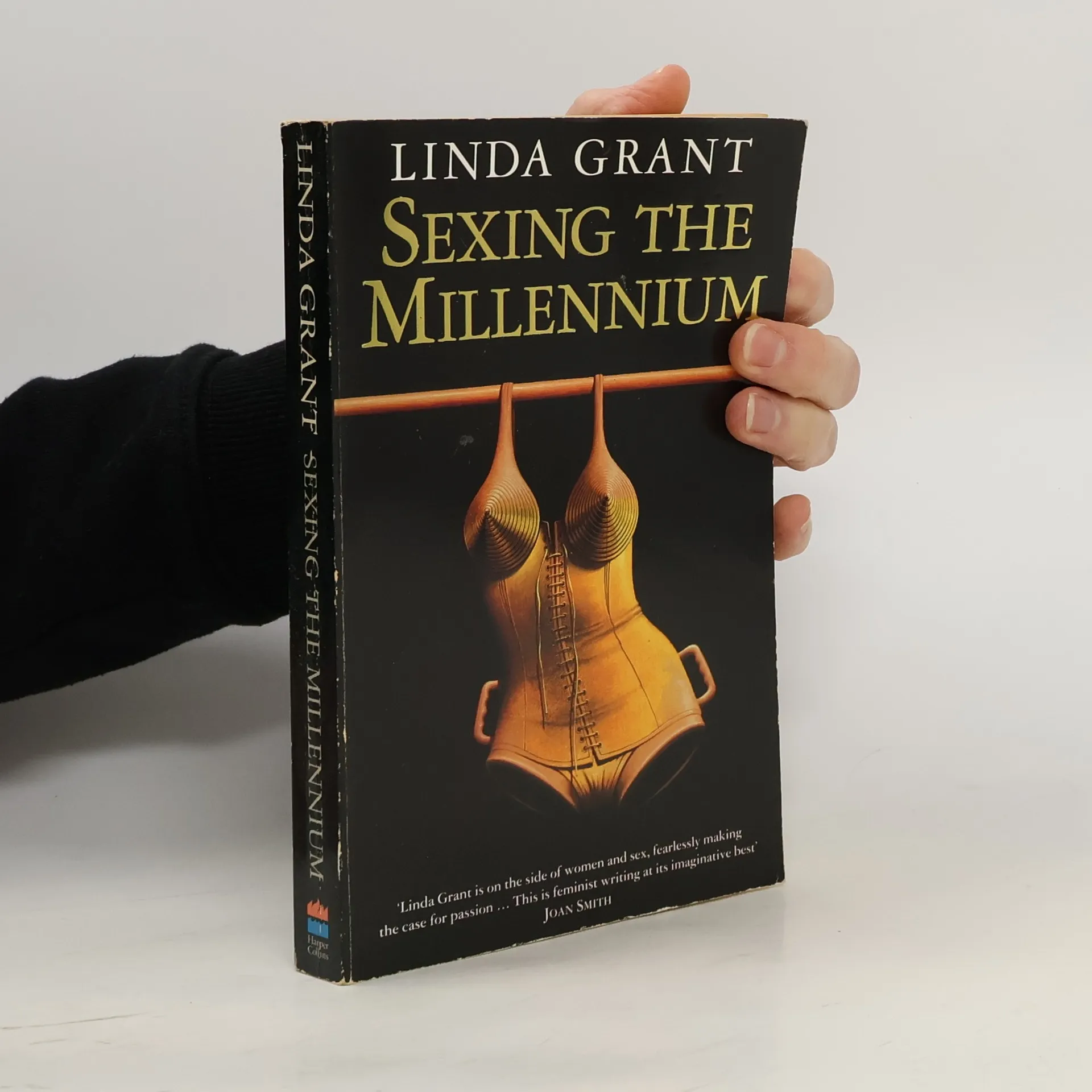
Has there really been a sexual revolution? Sex is under siege - sex is fighting back - sex has always been dangerous, to societies as well as individuals. It has always been the stuff around which utopias have been woven. Charting the origins of sexual freedom in the anarcho-erotic sects of the English Civil War, through the hippie idealism of sixties counter-culture, to our present, postmodern bewilderment, Sexing the Millennium examines the intellectual, economic and technological movement that formed the sexual revolution, from sixties to the present day. In the age of AIDS, Madonna and Virtual Reality porn, the memory of the brief years when sex was free from the threats of both pregnancy and disease continues to shape our dreams. Sexing the Millennium affirms that the personal is still political. It calls for a new sexual revolution, which would at last liberate female desire from the thrall of male fantasy and allow women to pursue the passionate, erotic adventure of their own lives.