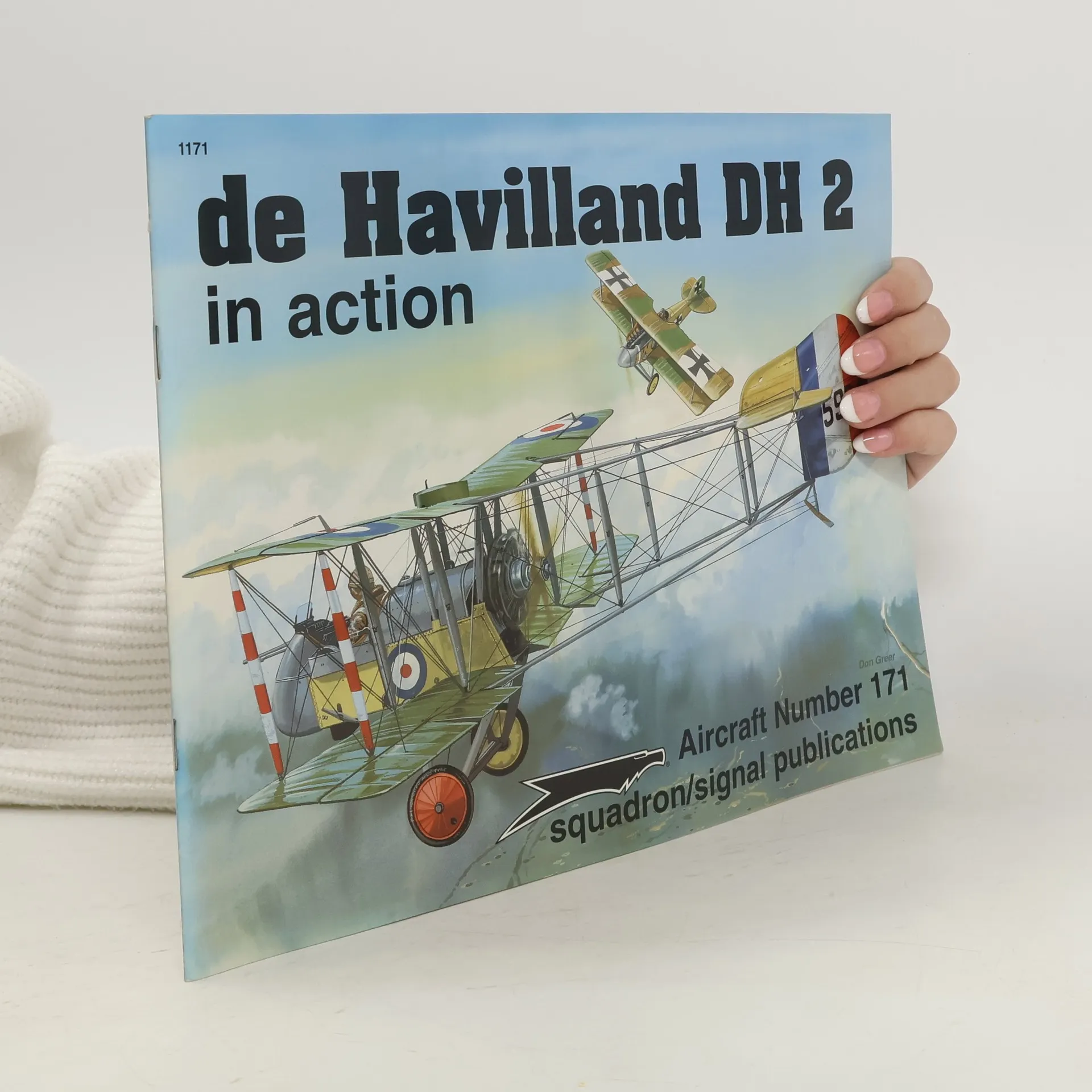
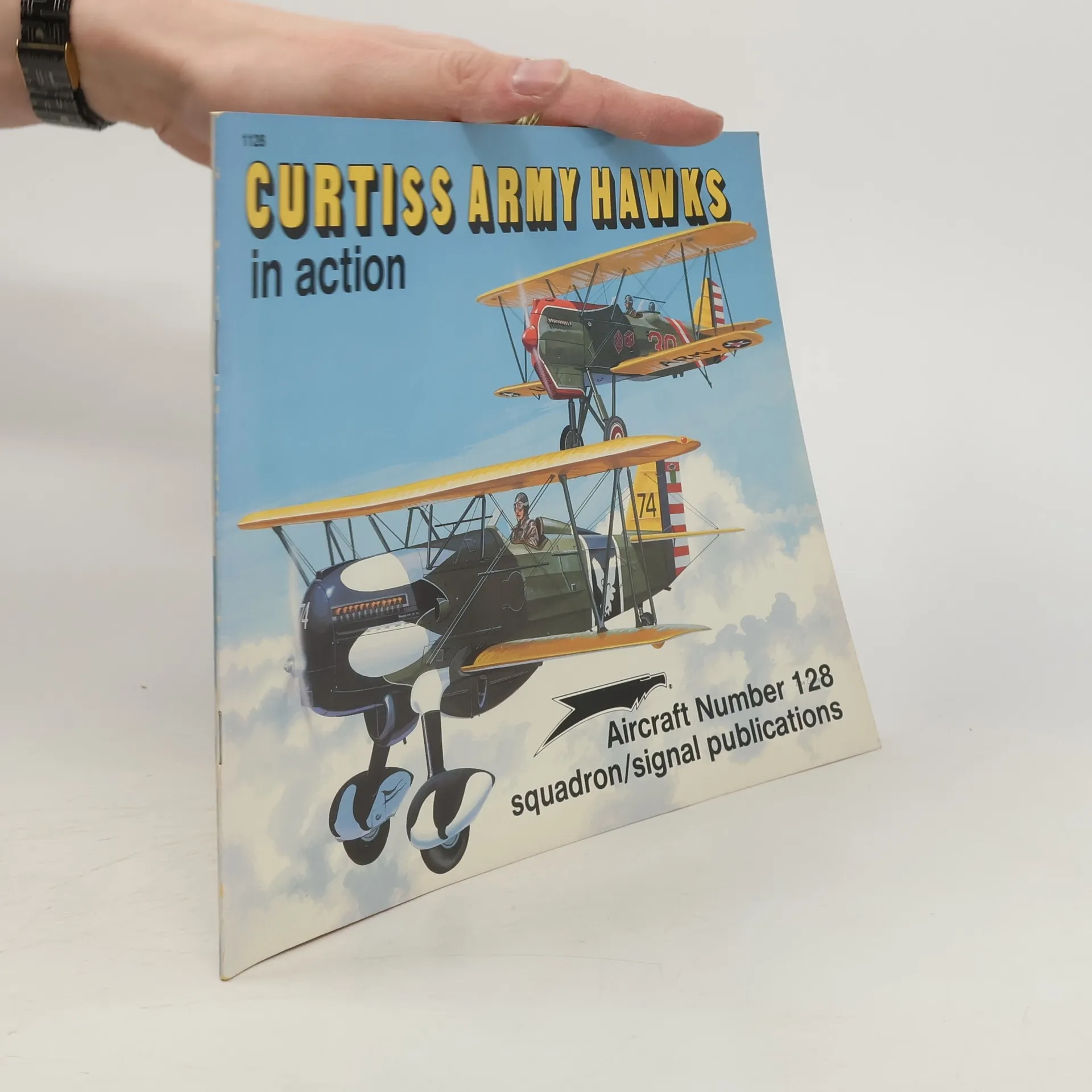
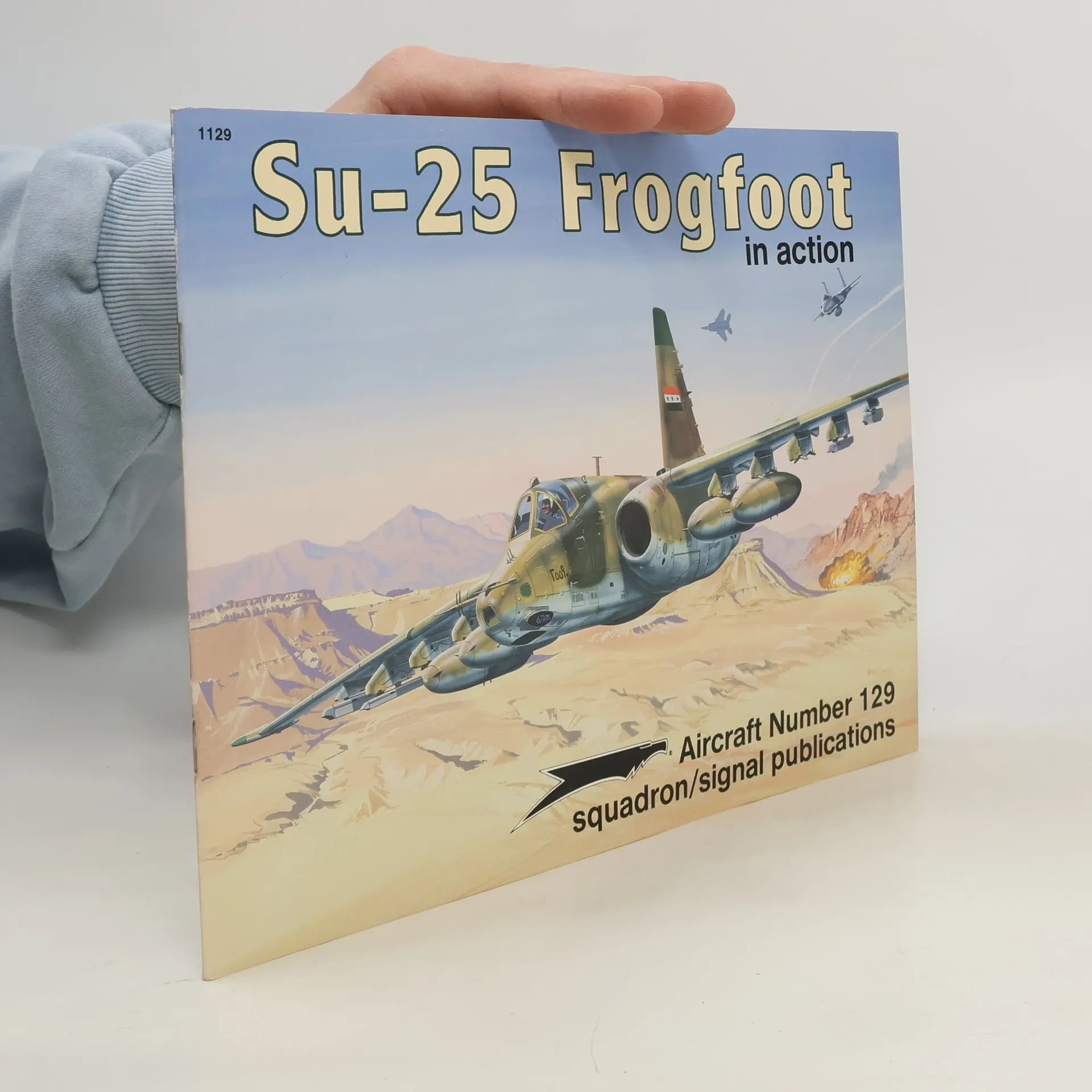
Su-25 Frogfoot in Action
- 50 stránek
- 2 hodiny čtení


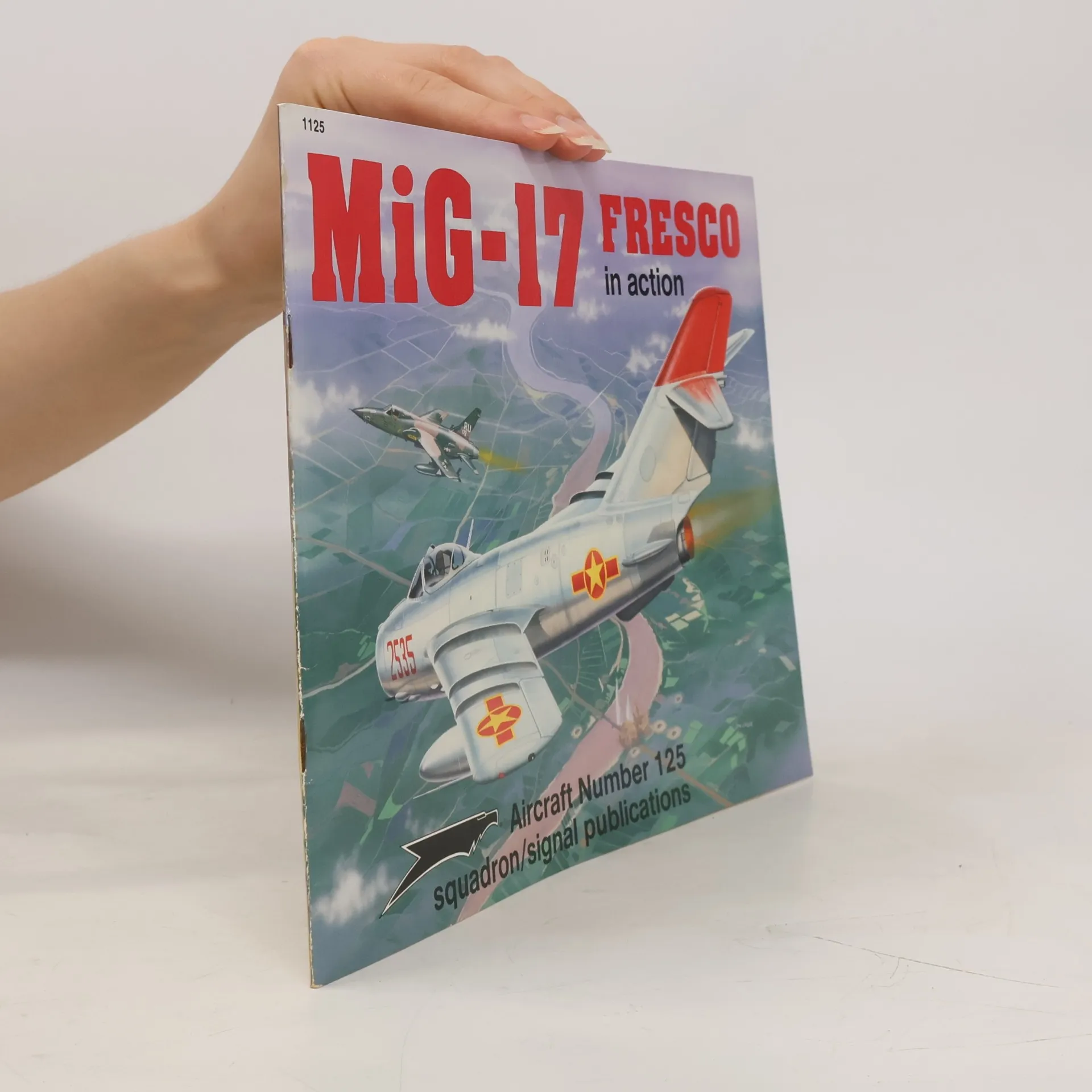
Squadron Signal MiG-17 Fresco In Action Aircraft No.125 #1125
96 page softcover
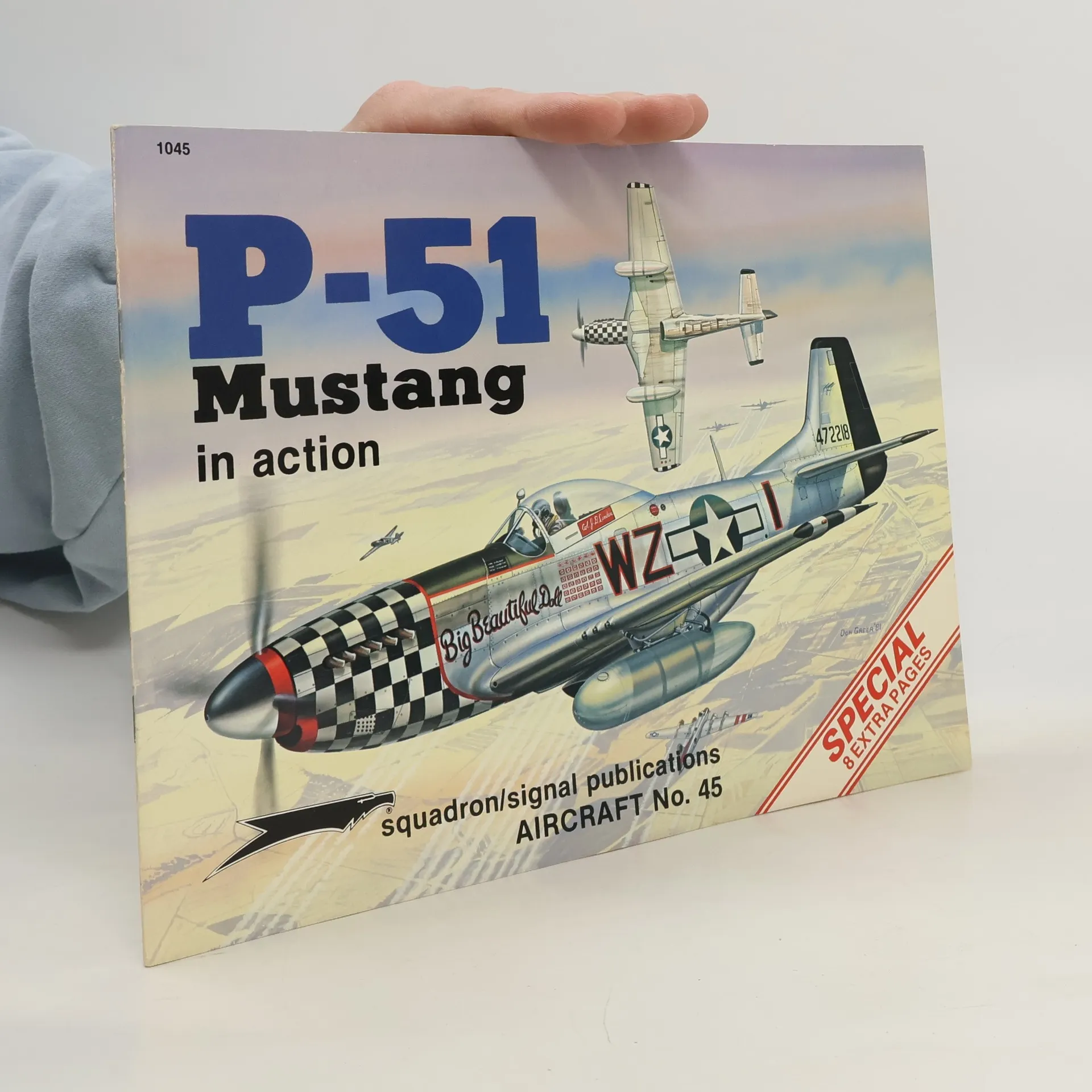
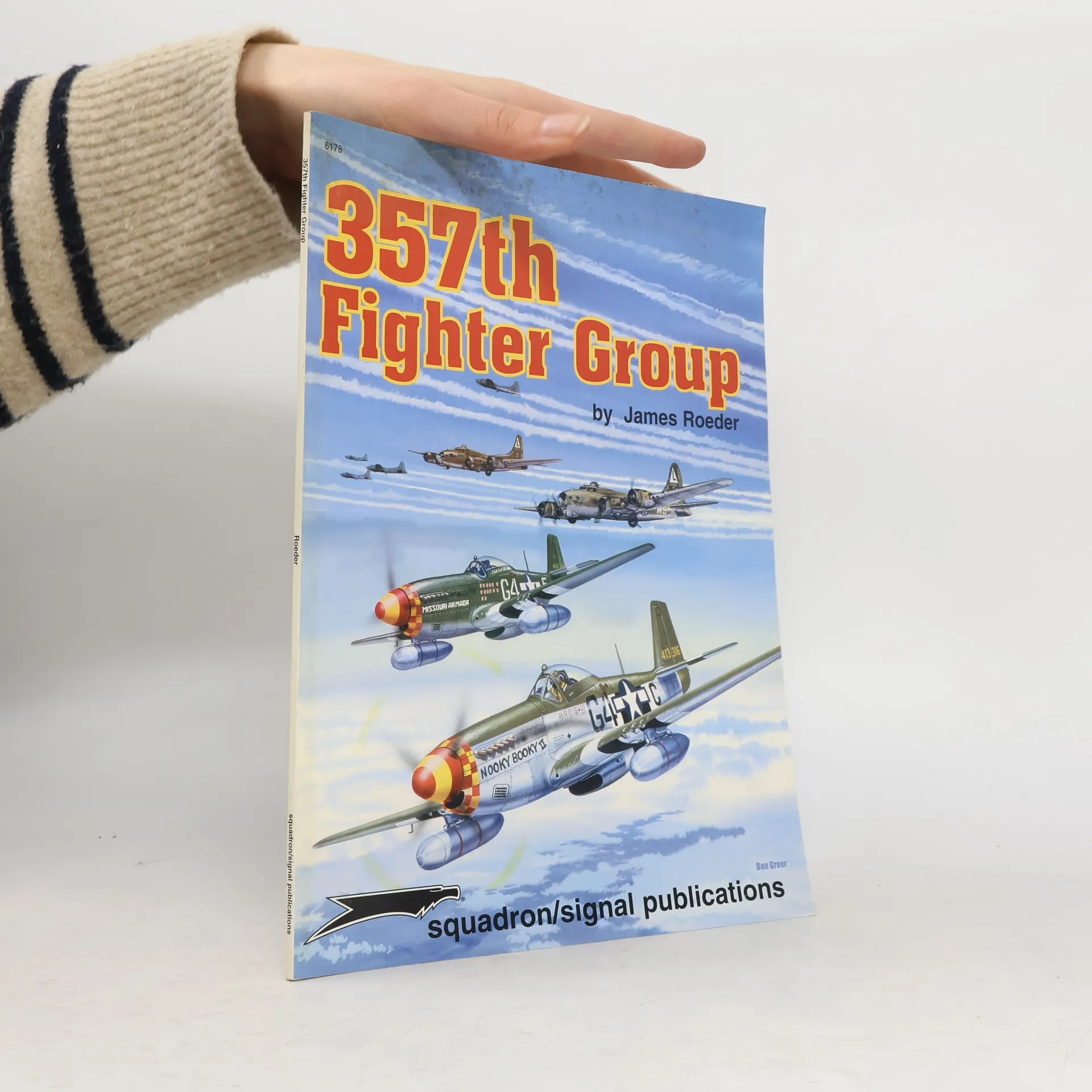
Formed in California in Dec of '42 and equipped with P-39s. More than one year later, the Group was thrown into combat flying P-51 Mustangs against the Luftwaffe. The history & combat operations from its formation to the end of the war in Europe. Over 140 photos, 8 pages color profiles, 64 pages.
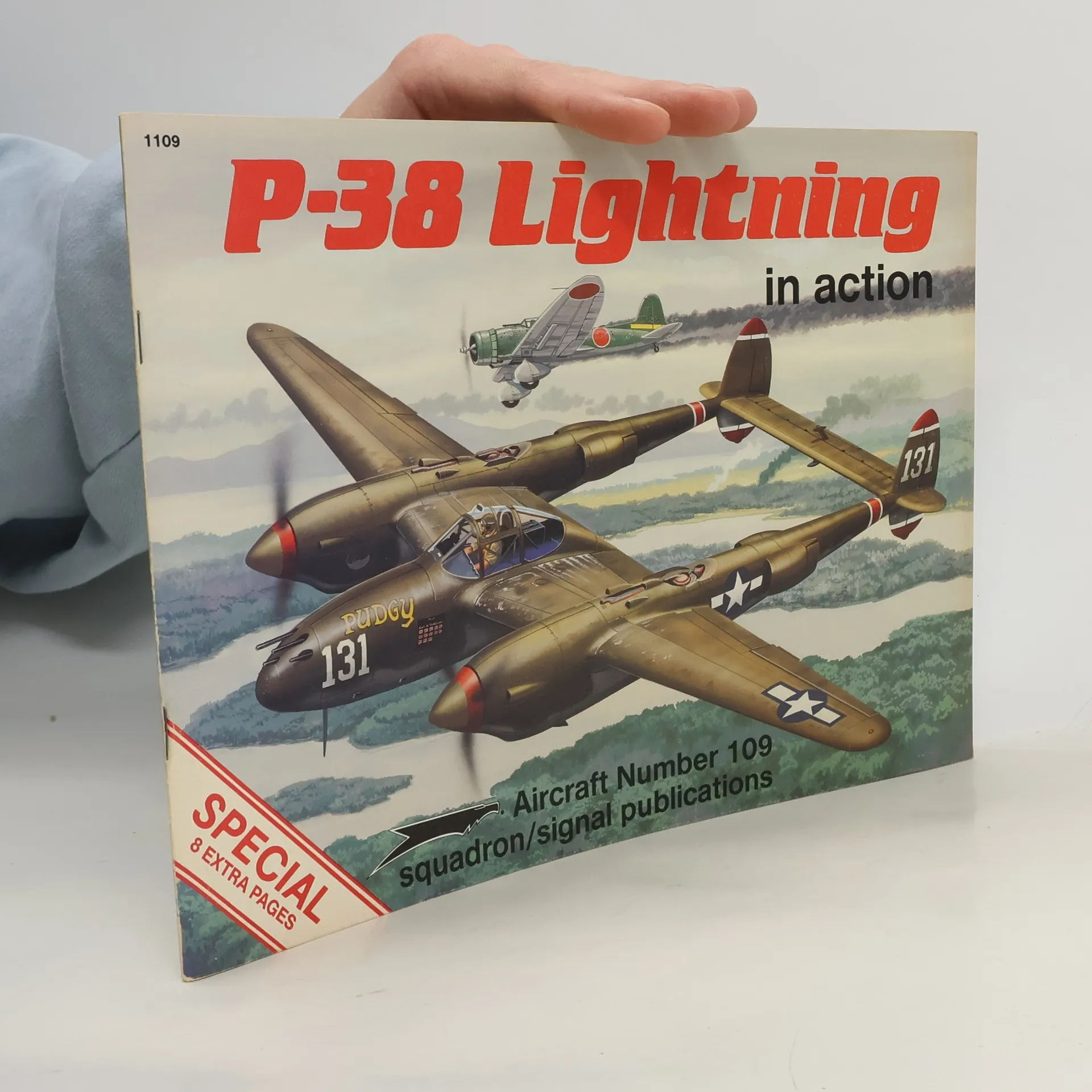
A photographic and illustrative history of one of the most versatile fighter planes to see combat during the Second World War - the Lockheed P-38 Lightning.
In the immediate post war years the United States Navy was dominated by problems of demobilization, an uneasy international situation, and a reorganization. Demobilization was rapid with the number of aircraft carriers in service reduced from 109 in 1945 to twenty-five a year later, and by the middle of 1950 to nine. The great lesson of the Korean War was that the atomic bomb had not rendered conventional weapons obsolete. It also produced the authorization for a new class of super aircraft carrier to replace the World War II Essex class carrier. This volume covers this eleven year period, the aircraft types, the force levels, the markings, and the color schemes employed by the United States Navy carrier squadron.
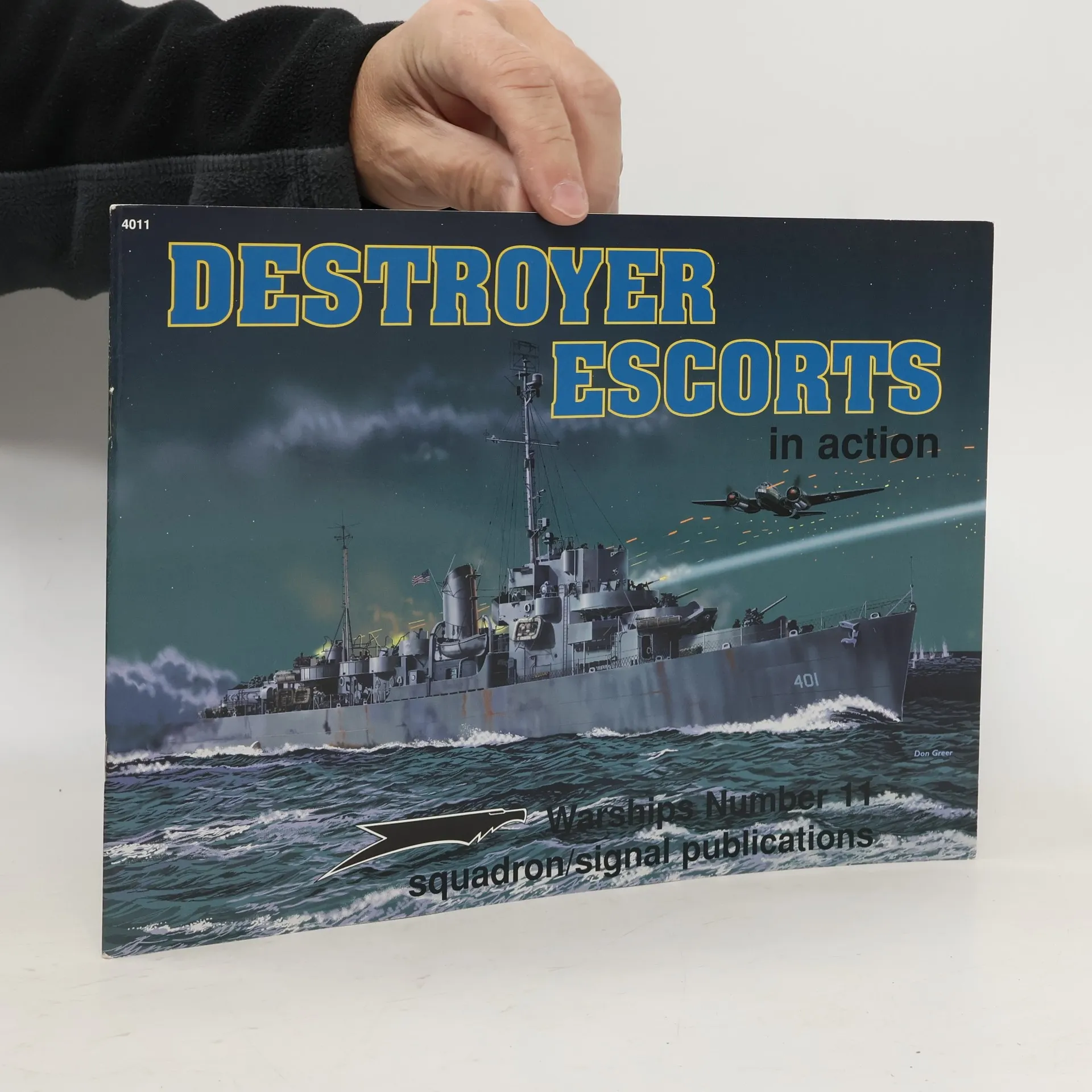
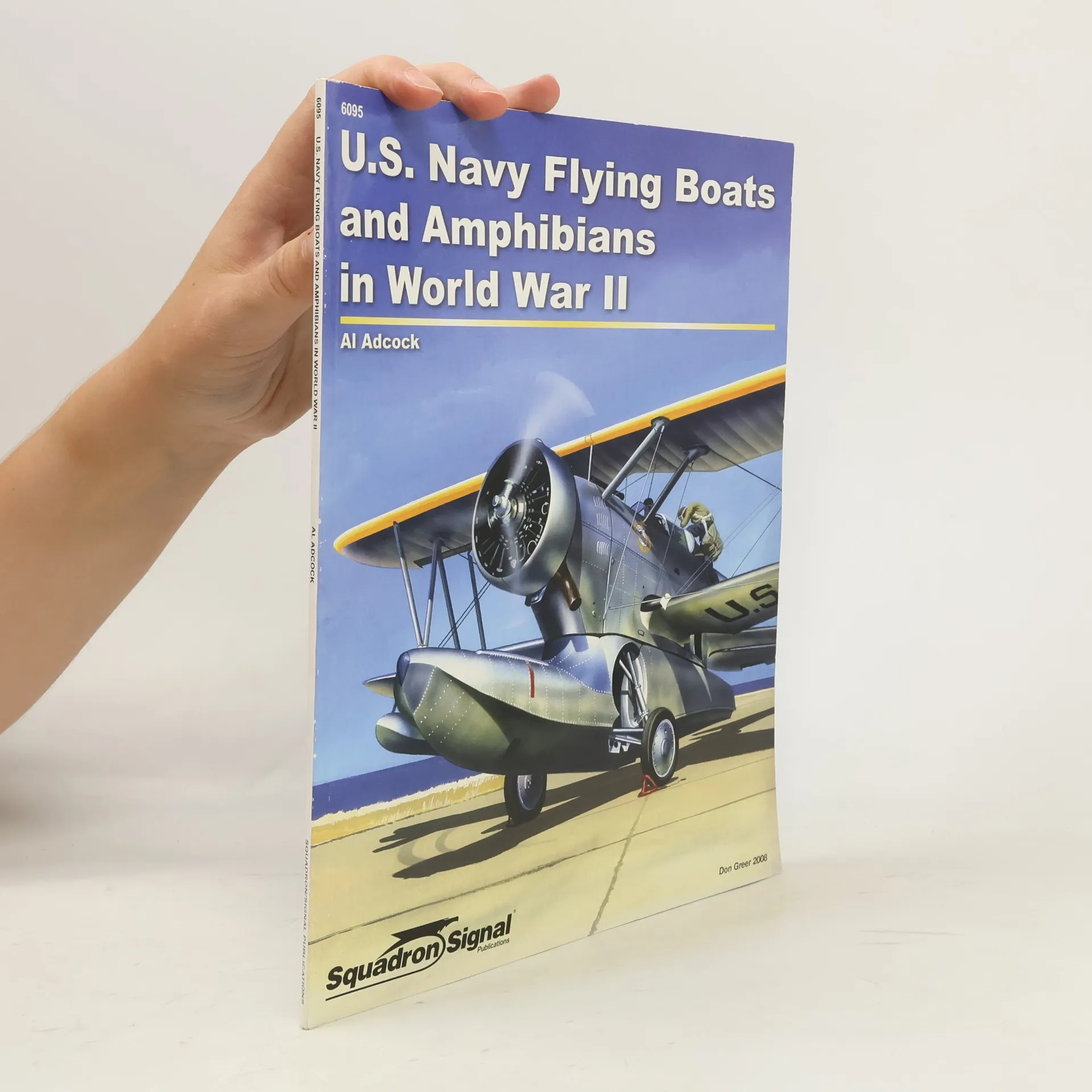
"Destroyer Escorts In Action," gives the history and details of these ships.Written by Al Adcock. One 11" x 8.25" paperback book - 50 pages Includes information on these Evarts, Buckley, Cannon, Edsall, Rudderow, John C Butler, plus APD and DER Conversions. Period Black and white photographs and black and white and color diagrams, Full color front and back coversSquadron SignalPart SSP4011
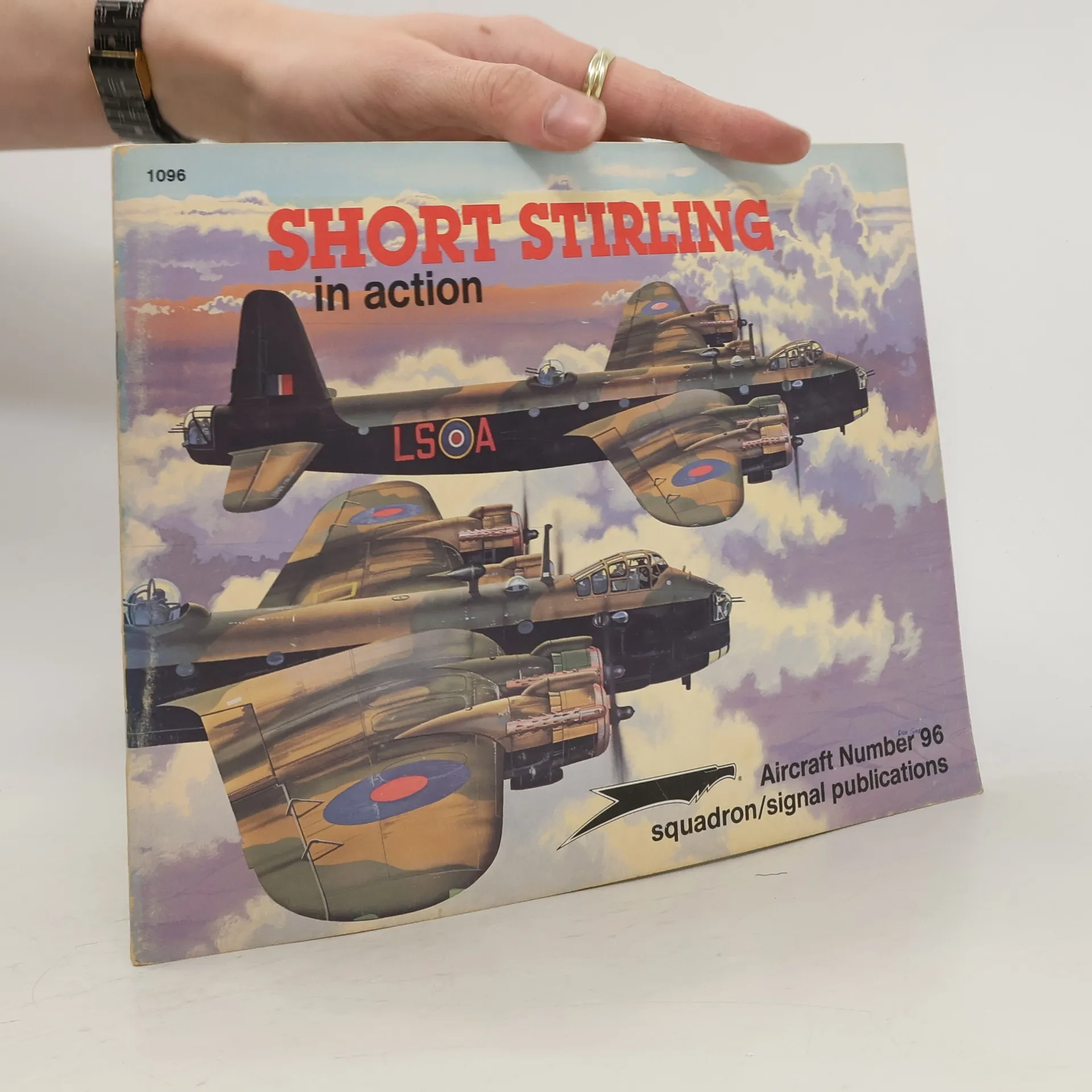
This book traces the history of the Stirling bomber from the Stirling Mk I/P1 to the Stirling Mk V in words, drawings, and photographs.
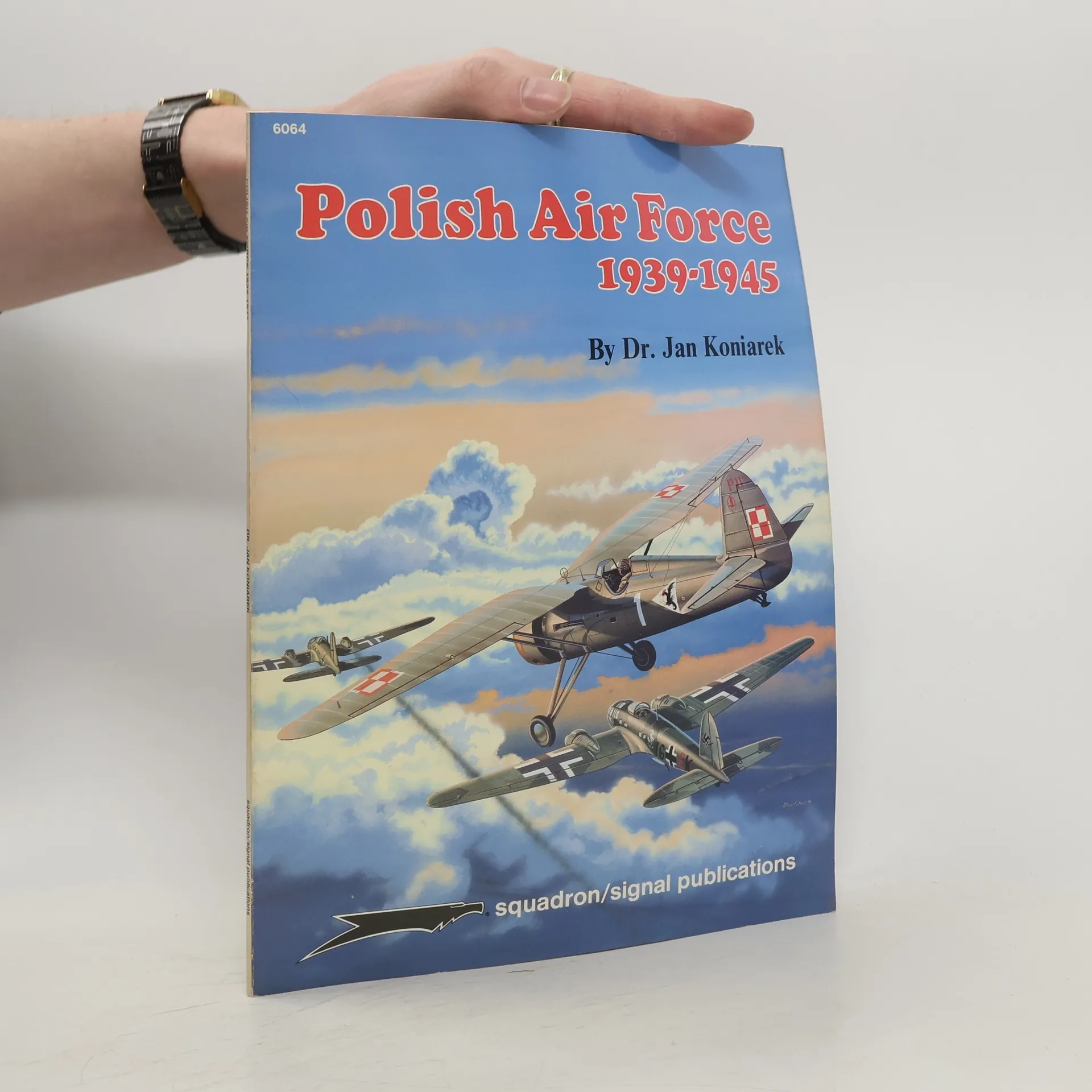
Squadron Signal Publications Polish Air Force 1939-1945 Foreign Air Forces #6064
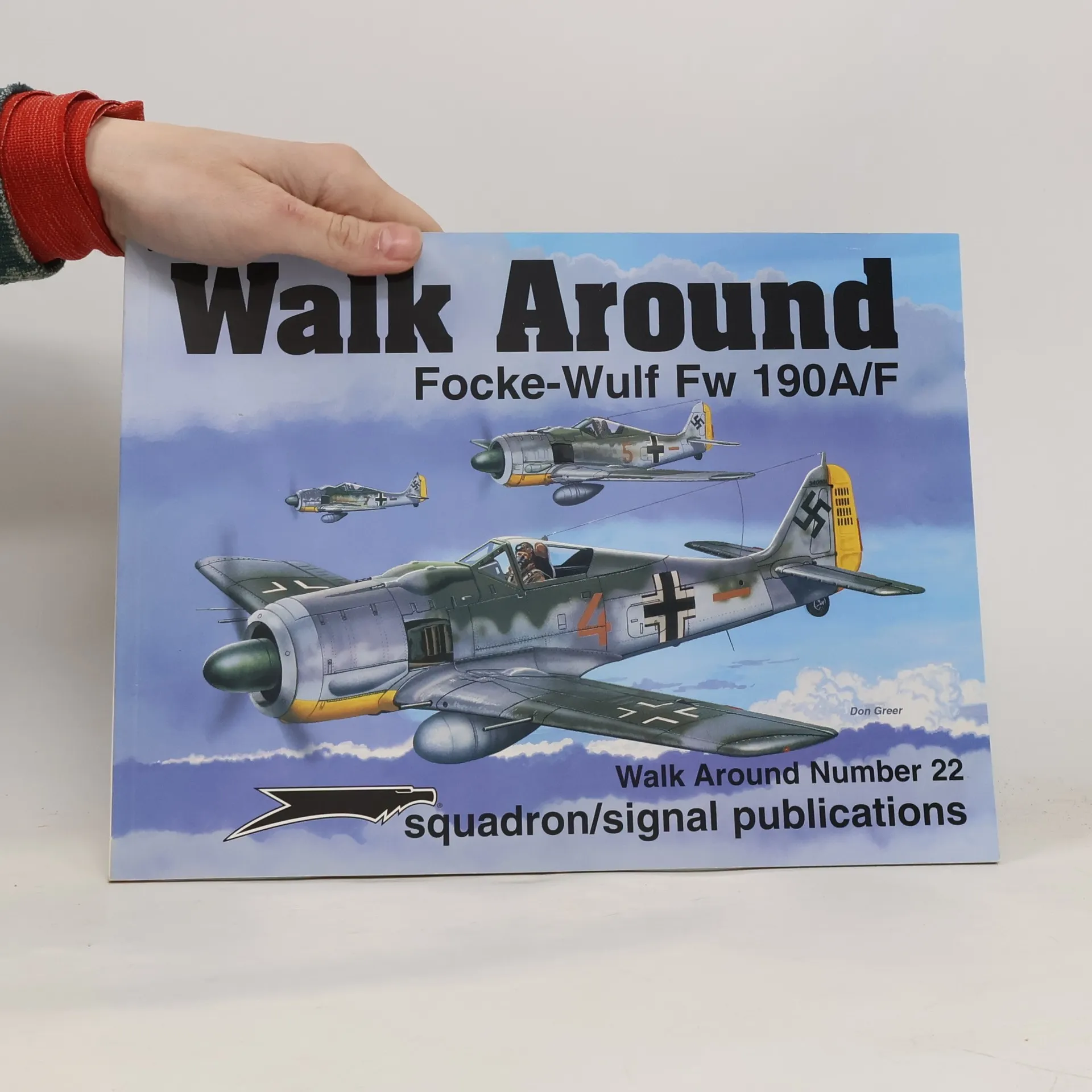
The long nose Fw-190D was the liquid-cooled engine variant of the earlier Fw-190 series of Luftwaffe fighters. This volume gives a pilot's eye view of the Fw-190D covering details seldom seen in other publications. 80 pages, 40 in color, over 200 photos.
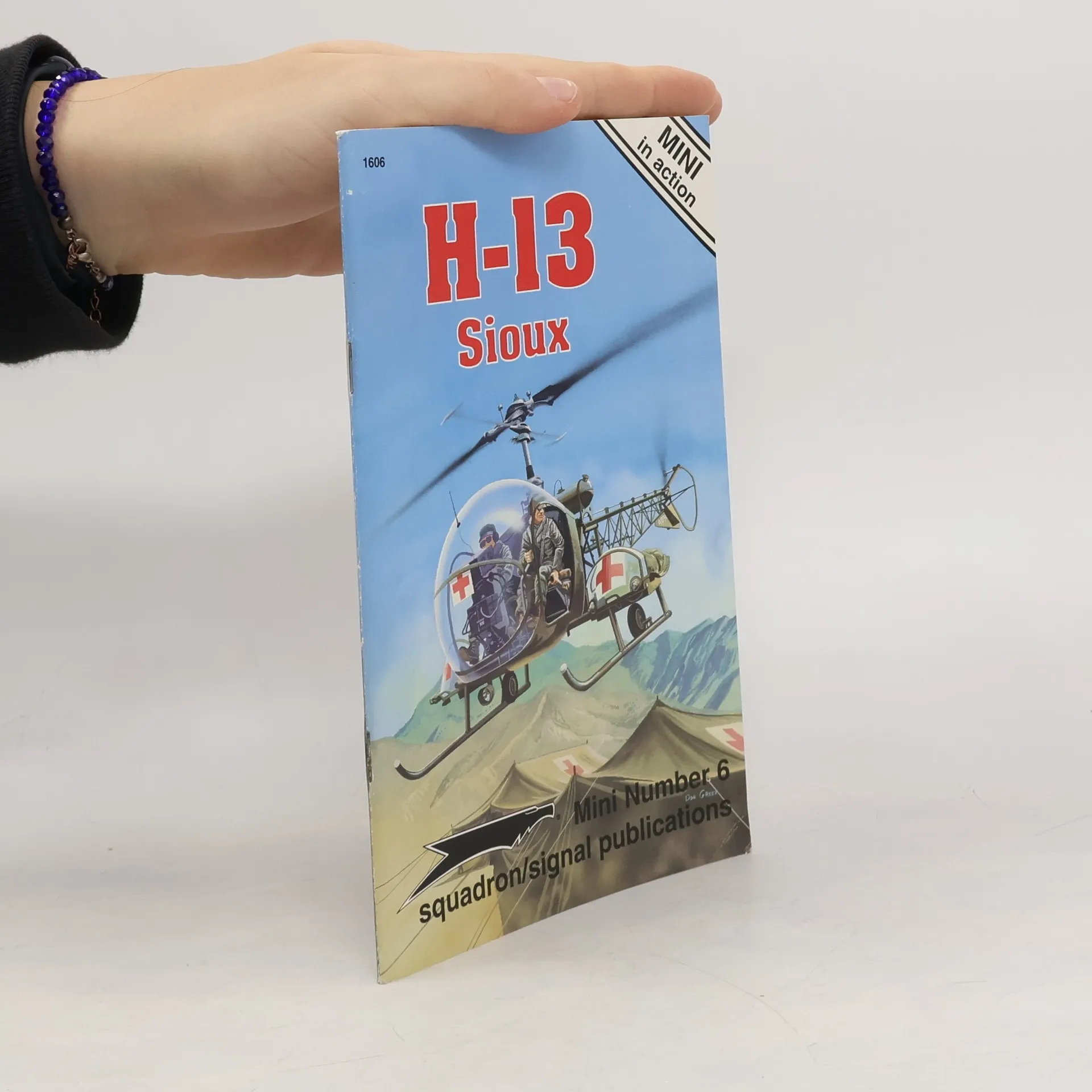
Om udvikling, konstruktion, produktion og operationer med den amerikanske helikopter H-13 Siux. Denne letvægtshelikopter blev bl.a. benyttet under Koreakrigen og Vietnamkrigen som gunship samt sygetransporter m.v.
Squadron/Signal
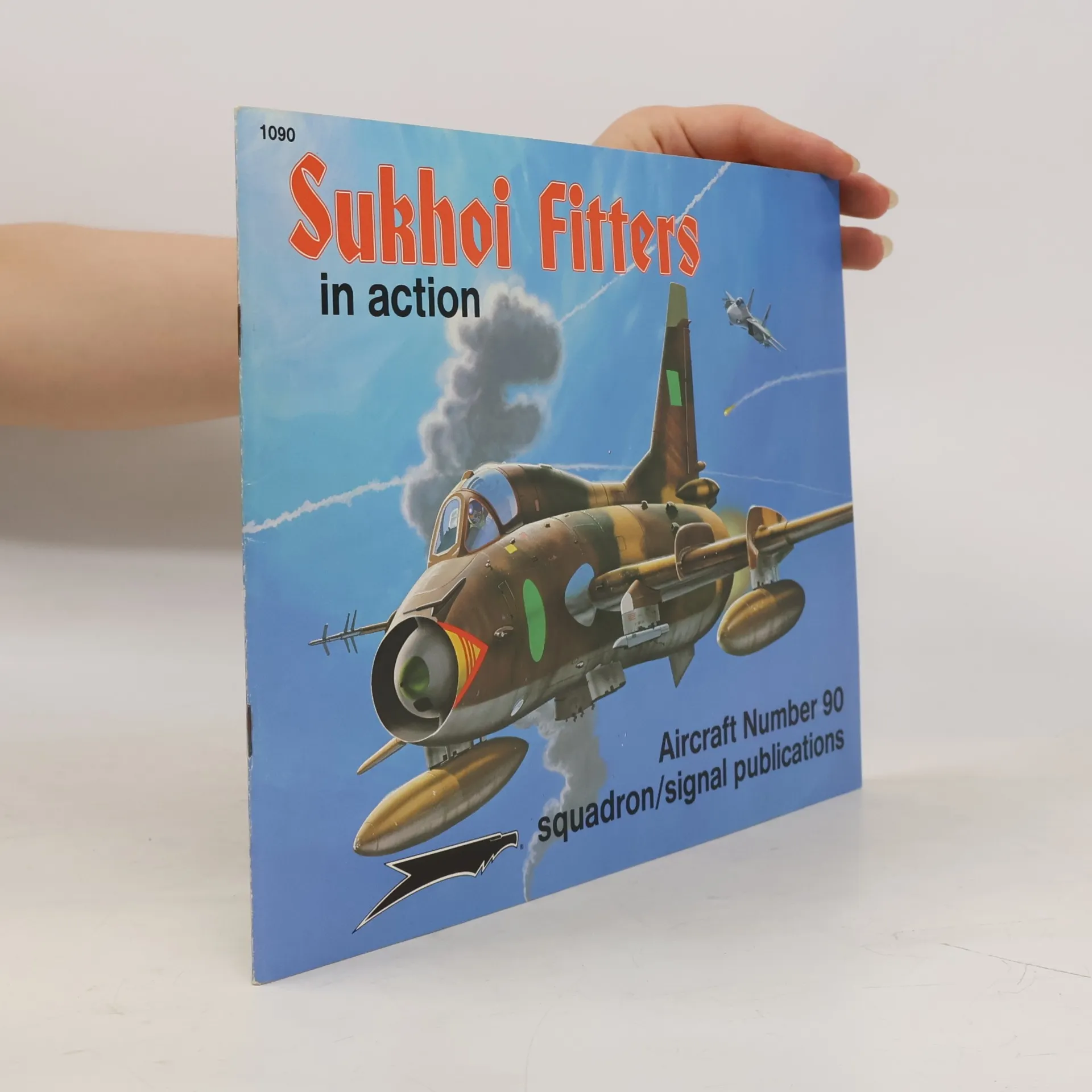
As a result of its experience with the problems of providing ground support in Vietnam and the existing Soviet threat in Europe, especially their superiority in armor, the Air Force determined there was a need for specialized Close Air Support (CAS) aircraft. INCLUDES: - 50 Pages - 11"" x 8.25"" FEATURES: *Author: Ken Neubeck *Color By: Don Greer and Tom Tullis *Illustrated By: Joe Sewell *History and development *Specifications and diagrams
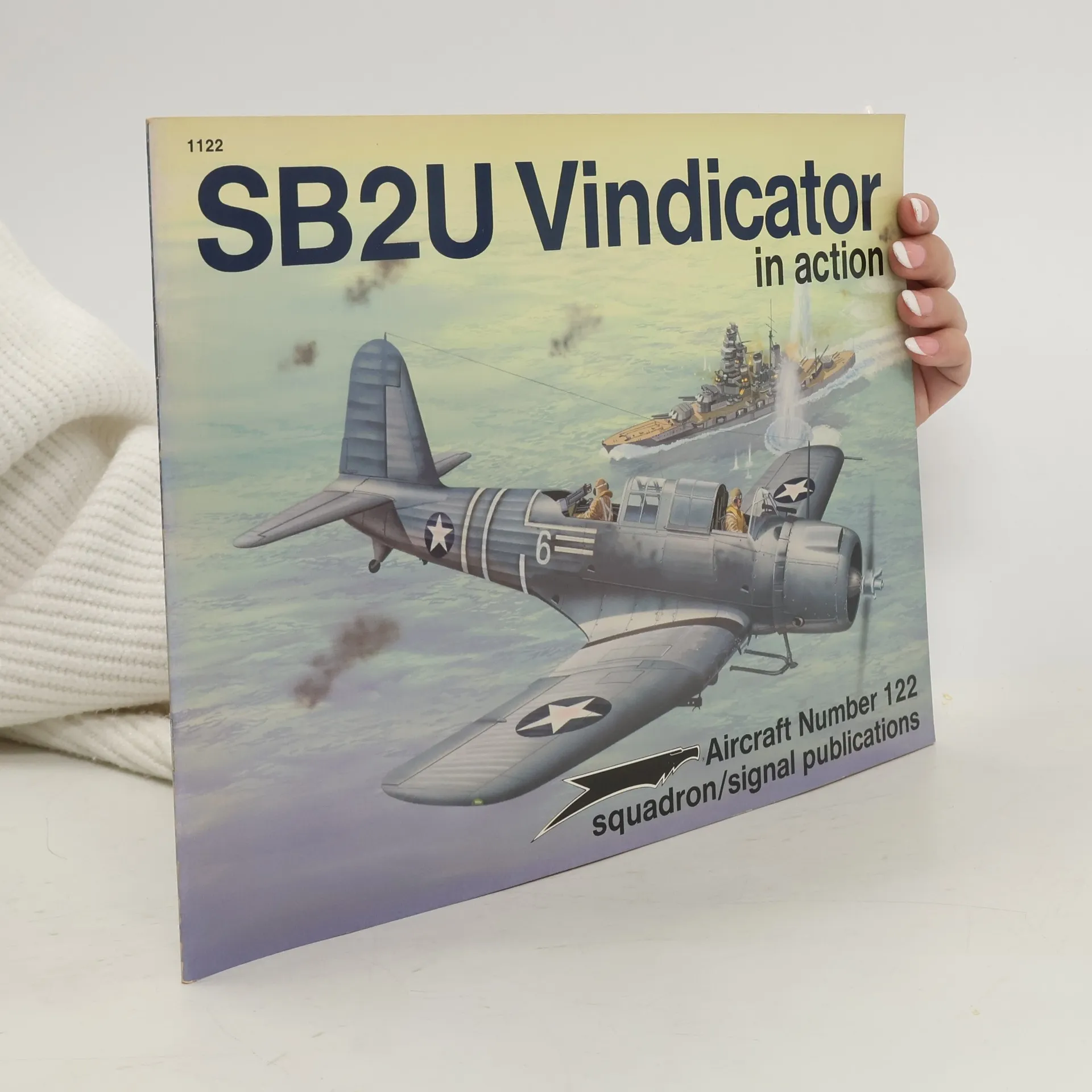
One of the first generation of monoplane carrier bombers. The scout bomber that was being flown by the USN & USMC as the US entered WW II. Over 100 photos, 40 detail drawings, 2 pages of scale drawings, 13 ful color paintings. 50 pages.
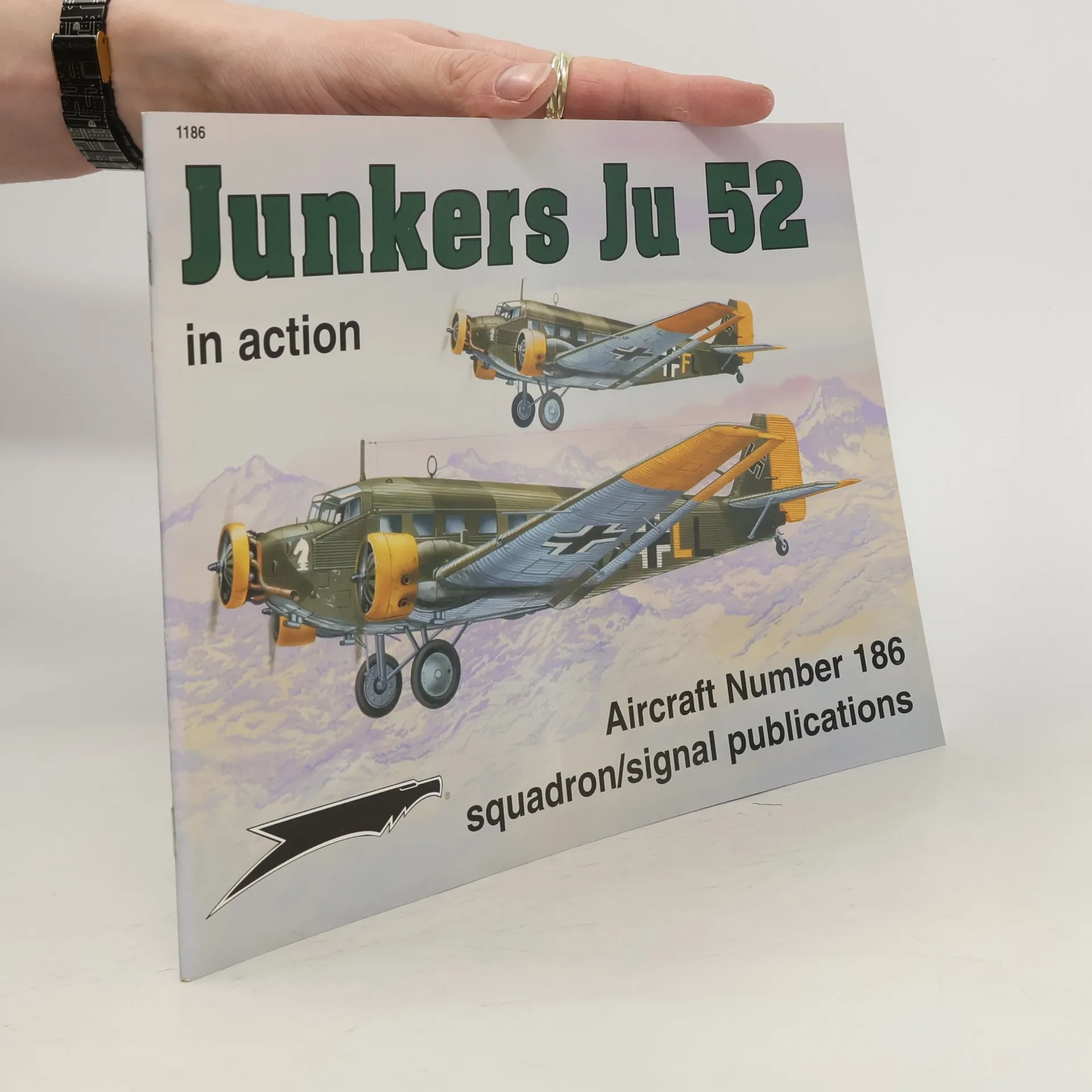
Germany's Ju 52 Transport was developed during the 1930's and saw service throughout WWII on all Fronts. Over 90 B&W photo's, numerous line drawings, 10 full color profiles, 3 cover paintings, 50 pages.
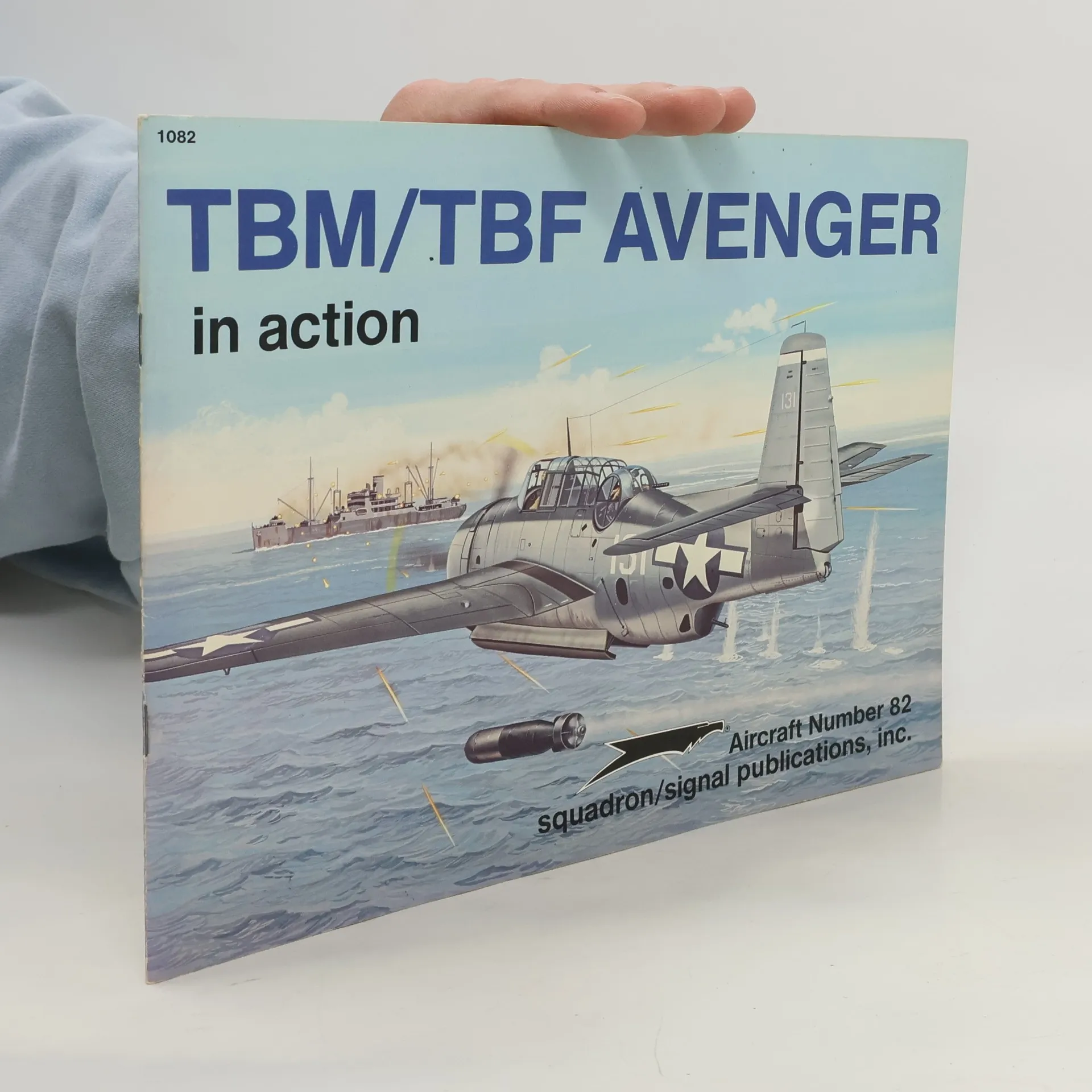
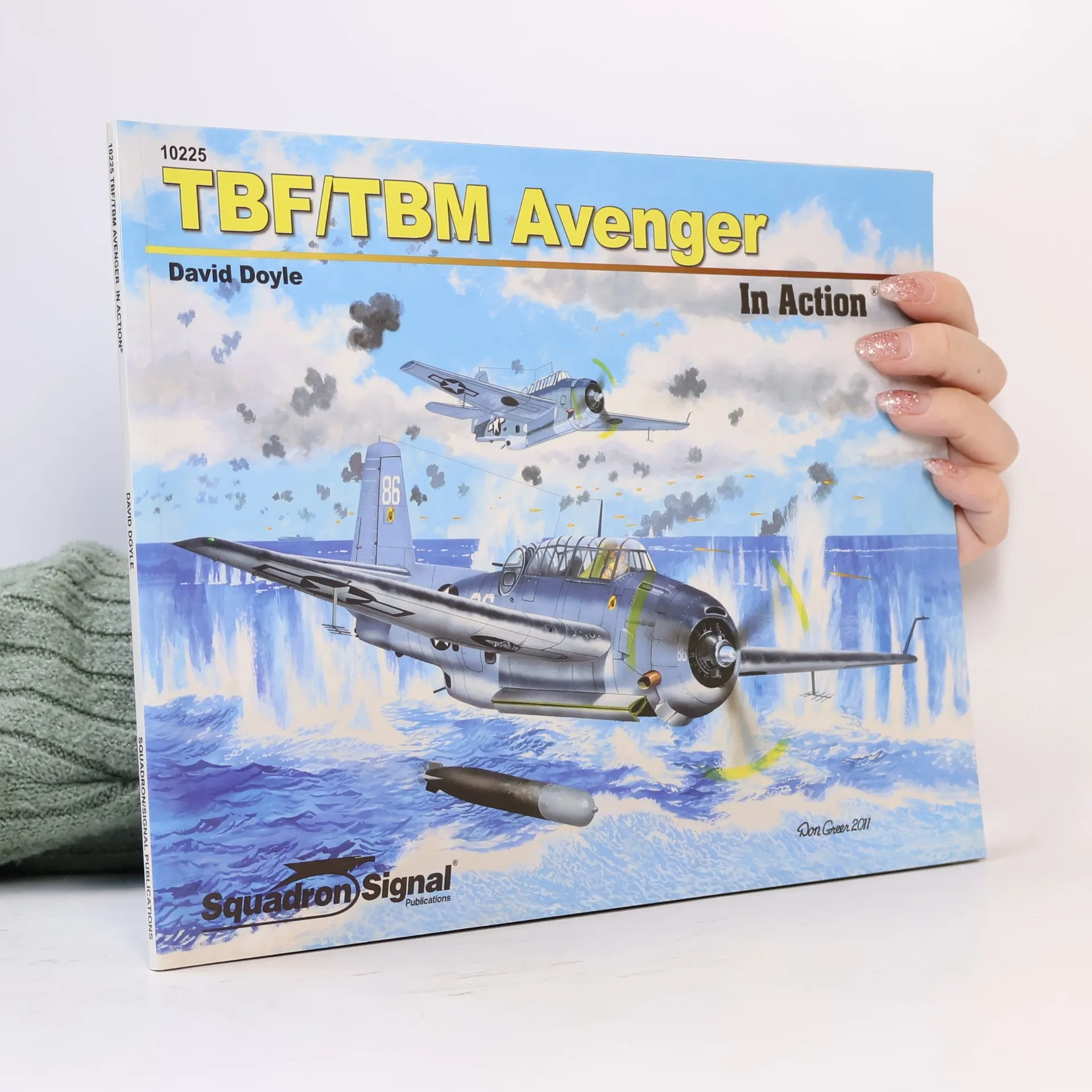
Grumman's flight test program suffered a setback on November 28 when an in-flight fire in the bomb bay forced the test pilot and engineer to abandon the prototype. Fortunately the second prototype was nearly complete. The second prototype made its first flight on December 15, 1941 and coming so soon after the Japanese attack on Pearl Harbor was christened the Avenger. Flight tests continued until December 28, 1942 when the Navy officially accepted the design and changed the production contract from 286 to an open ended production contract.
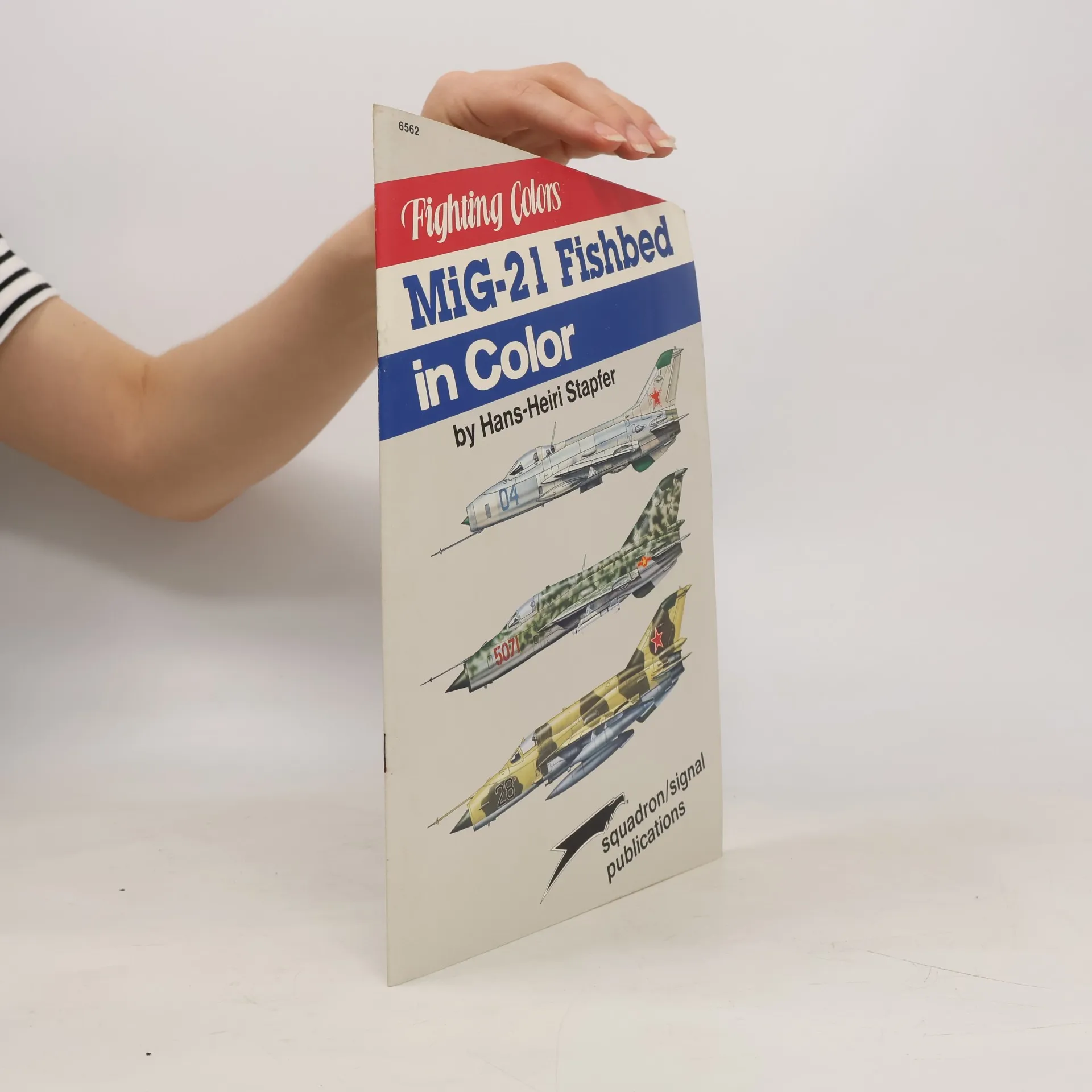
Book by Hans-Heiri Stapfer
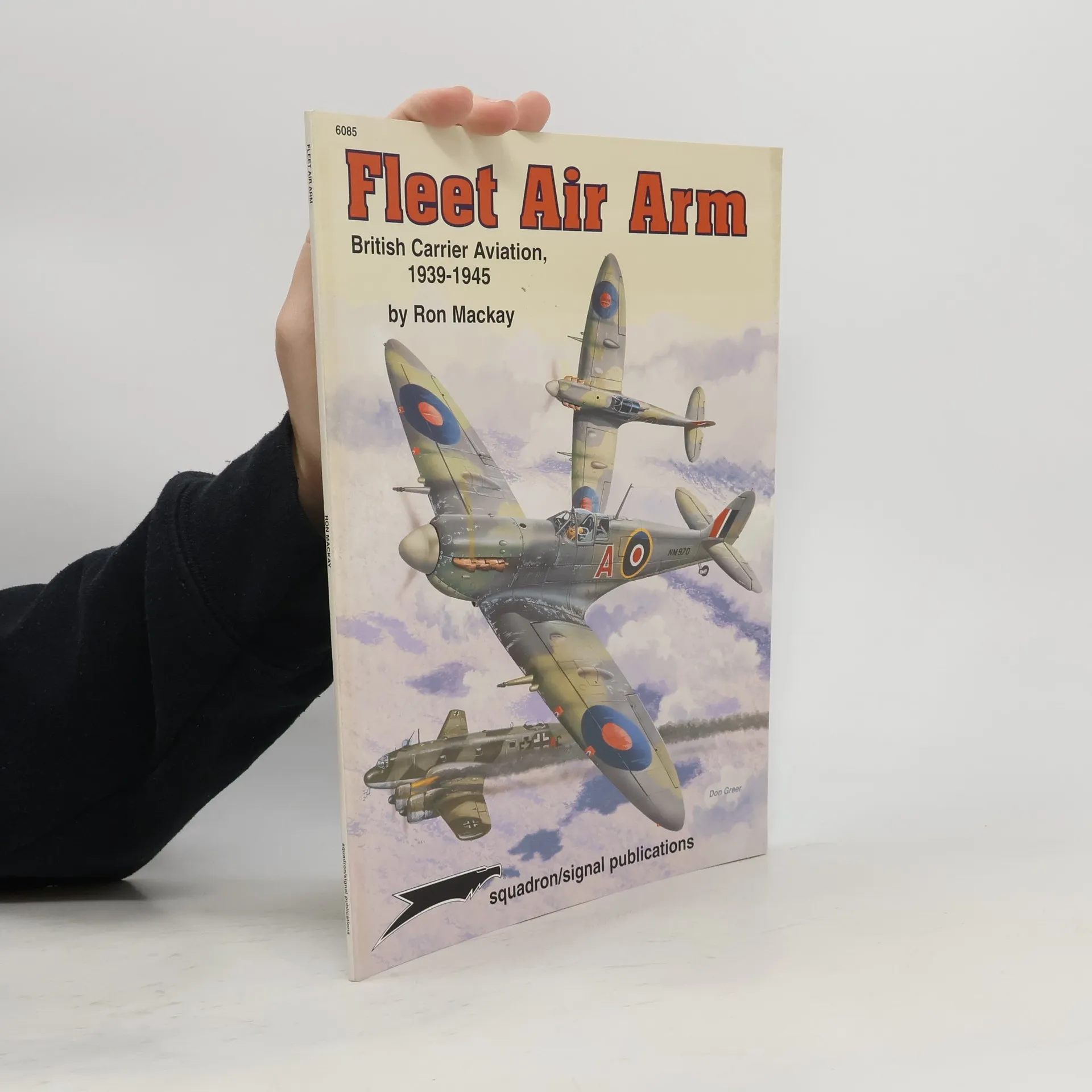
British Carrier Aviation, 1939-1945
Fleet Air Arm
The development of unmanned aerial vehicles actually predates the development of piloted aircraft. Although manned aircraft more than overtook the unmanned variety in importance throughout the 20th Century, unmanned aerial vehicles or UAVs are now poised to become a key component of 21st Century air warfare. UAV evolved extensively and saw extensive action during Operation Desert Storm - the war against Iraq in 1991 - and since then the floodgates have been opened. The US Navy sees two main advantages in using UAVs - endurance and cost effectiveness. UAVs can stay aloft 2 or 3 days and ground operators can be rotated on a regular schedule; they also use less fuel thus reducing operating costs. Newer roles, such as bombing, are also being considered for UAVs, some of which will be equipped to carry a weapon pod or bomb rack, a valuable attribute over high-risk battlegrounds. Illustrated with 170 photographs, plus color profiles and detailed line drawings.
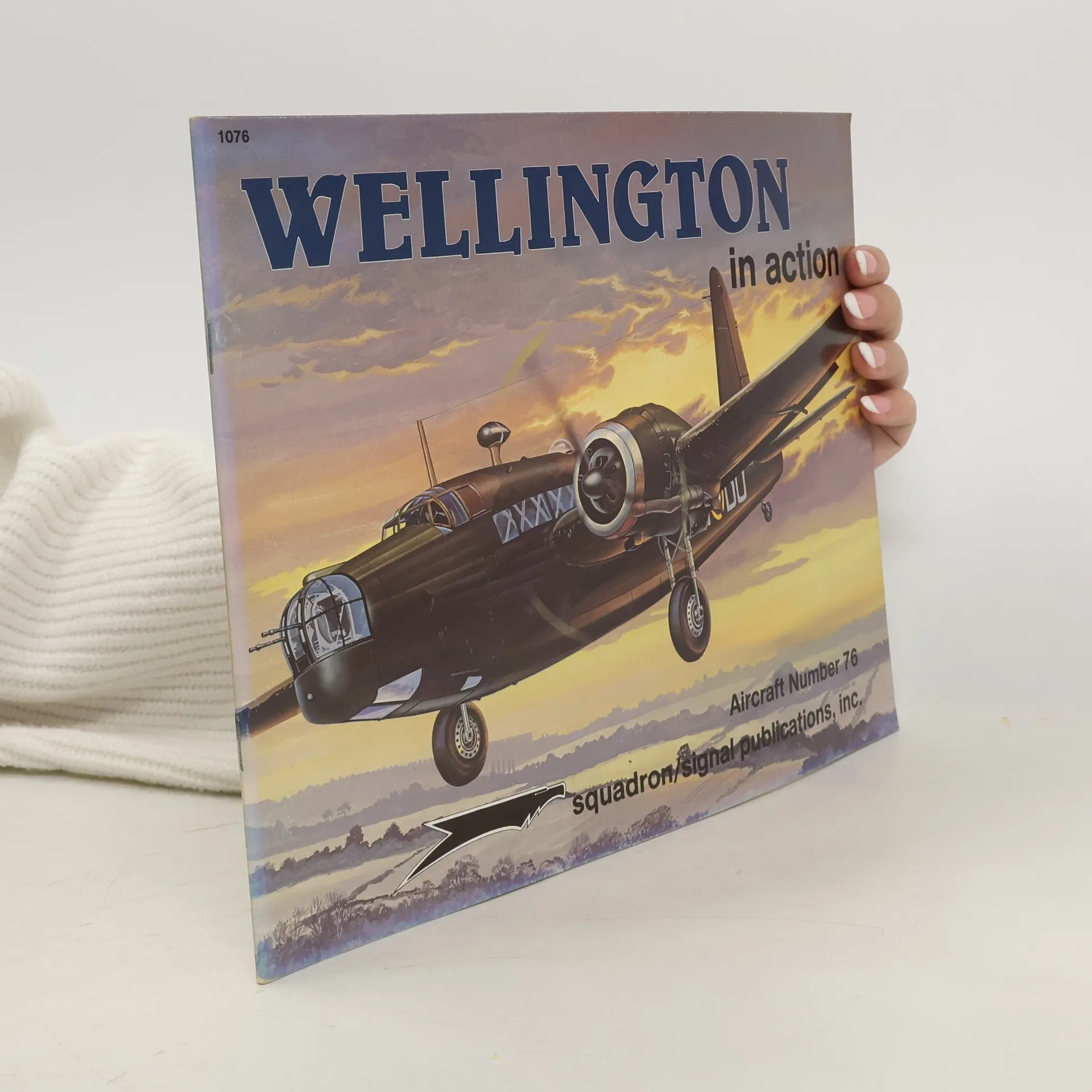
Great Reference book about the Wellington A British Bomber of WWII
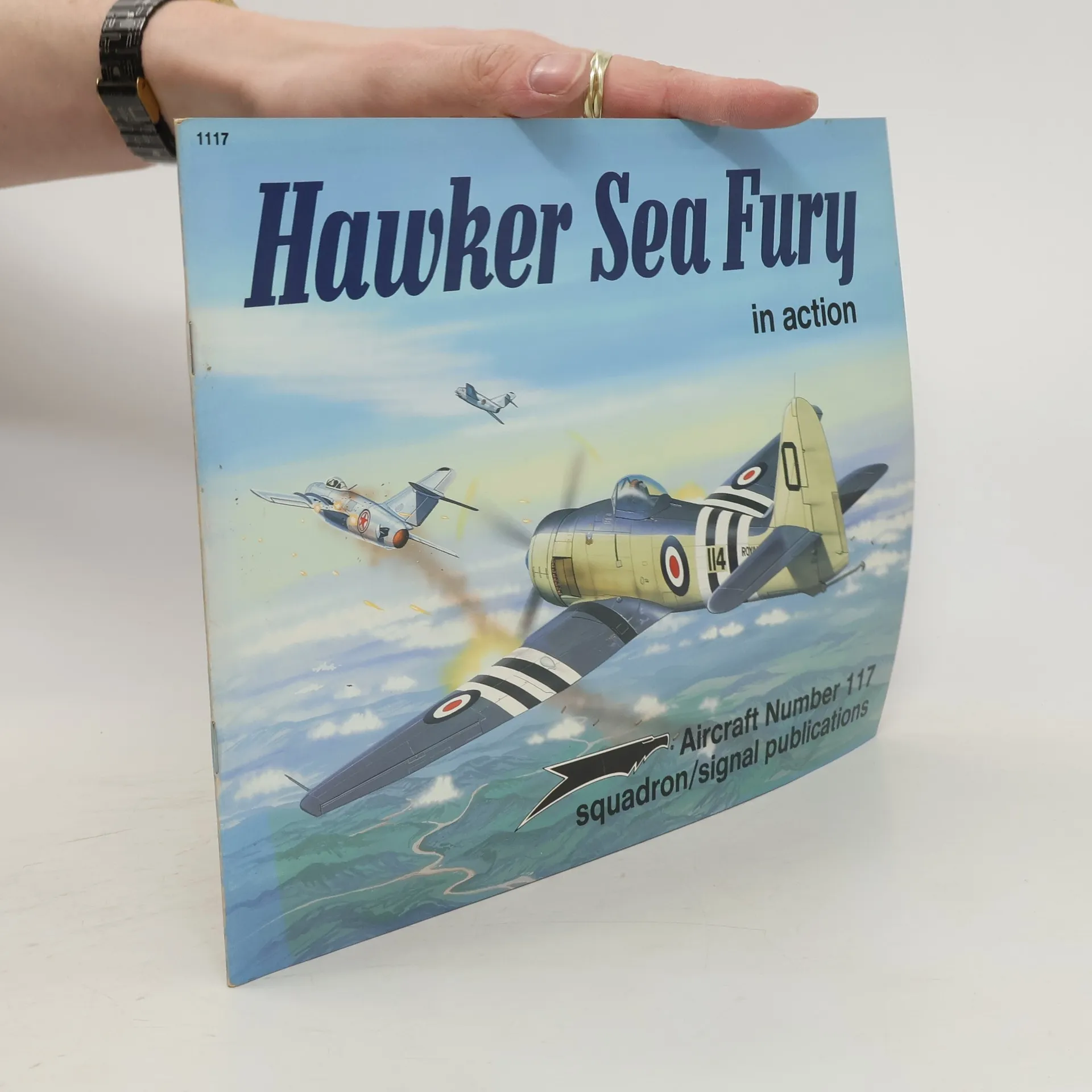
Hawker Sea Fury in Action- Squadron Signal #117. B & w photos, color plates, history and specs. The book is in excellent shape almost new. The pic is of the book you will 50 Squadron/Signal Publications; 1st edition (June 1992) 0897472675 978-0897472678
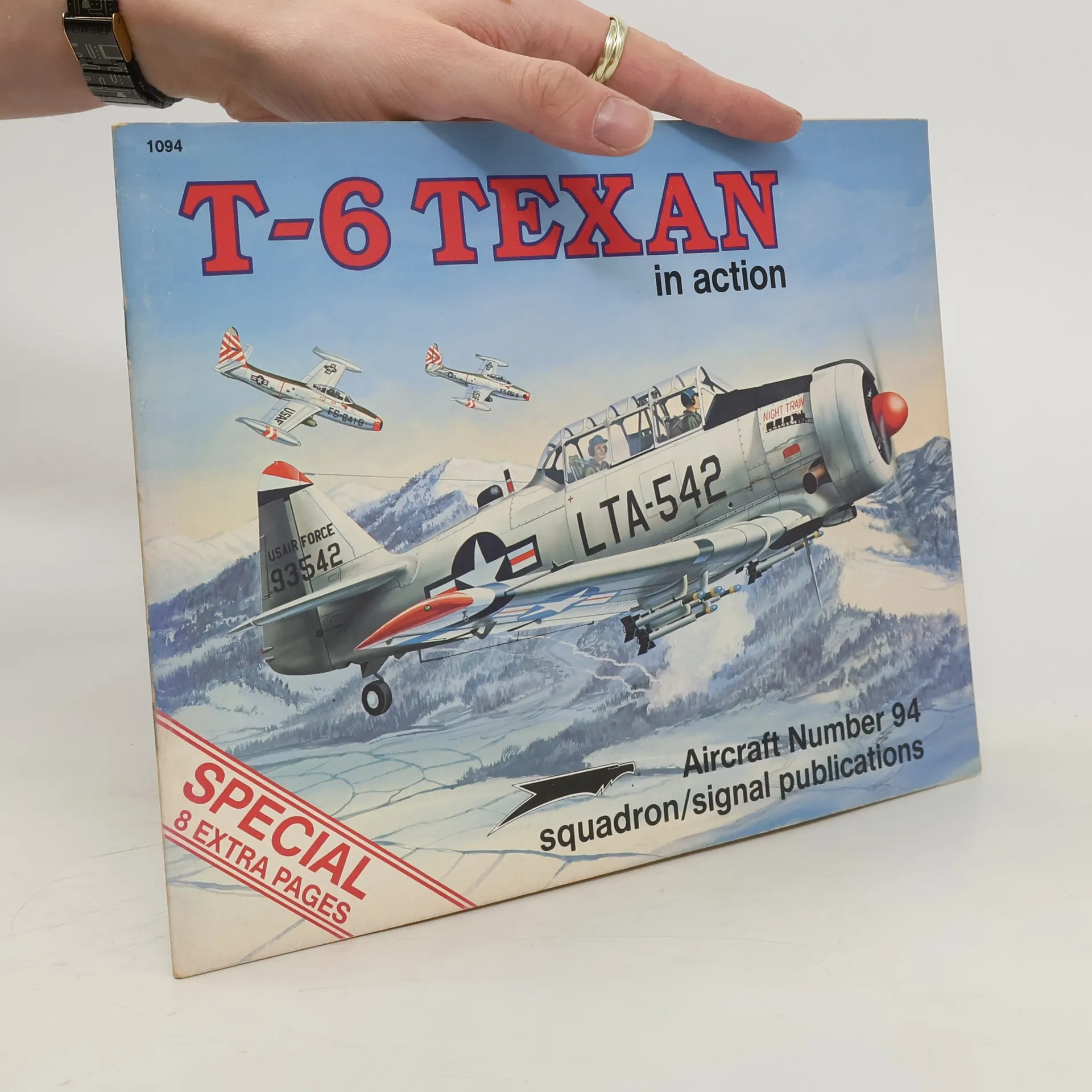
Developmental history of the T-6 trainer - from its ancestoral NA-16 to the armed light attack and FAC a/c of the Cold war era. Also includes coverage of the RAAF Wirraway, the P-64 fighter, A-27 attack a/c, and Brtisih Commonwealth Harvards. Over 100 B&W photos, detailed line drawings, 10 full color profile paintings, and three color cover paintings. Davis; 56 pages.
Collectible Paperback book which conveys the story of a remarkable Second World War fighter plane.
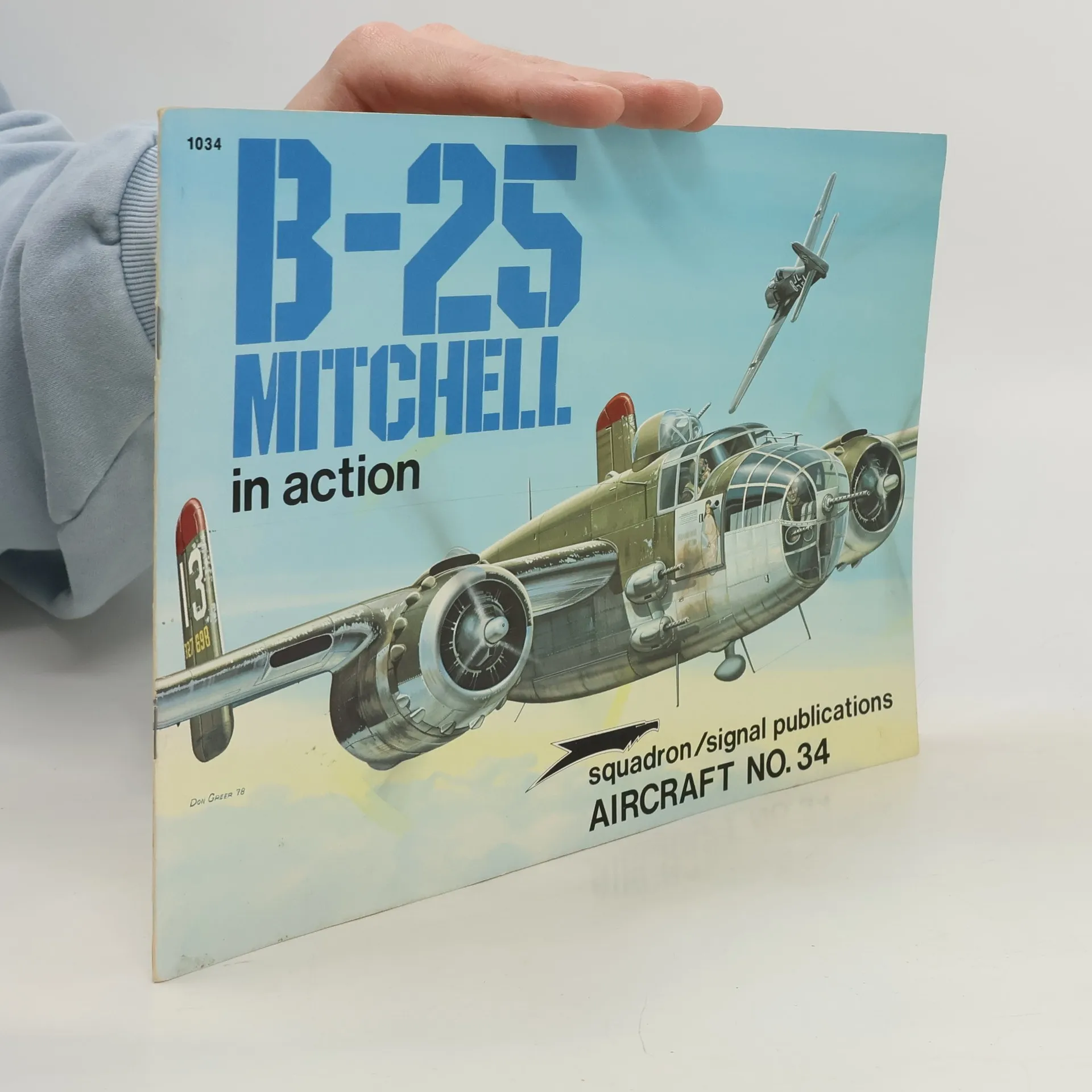
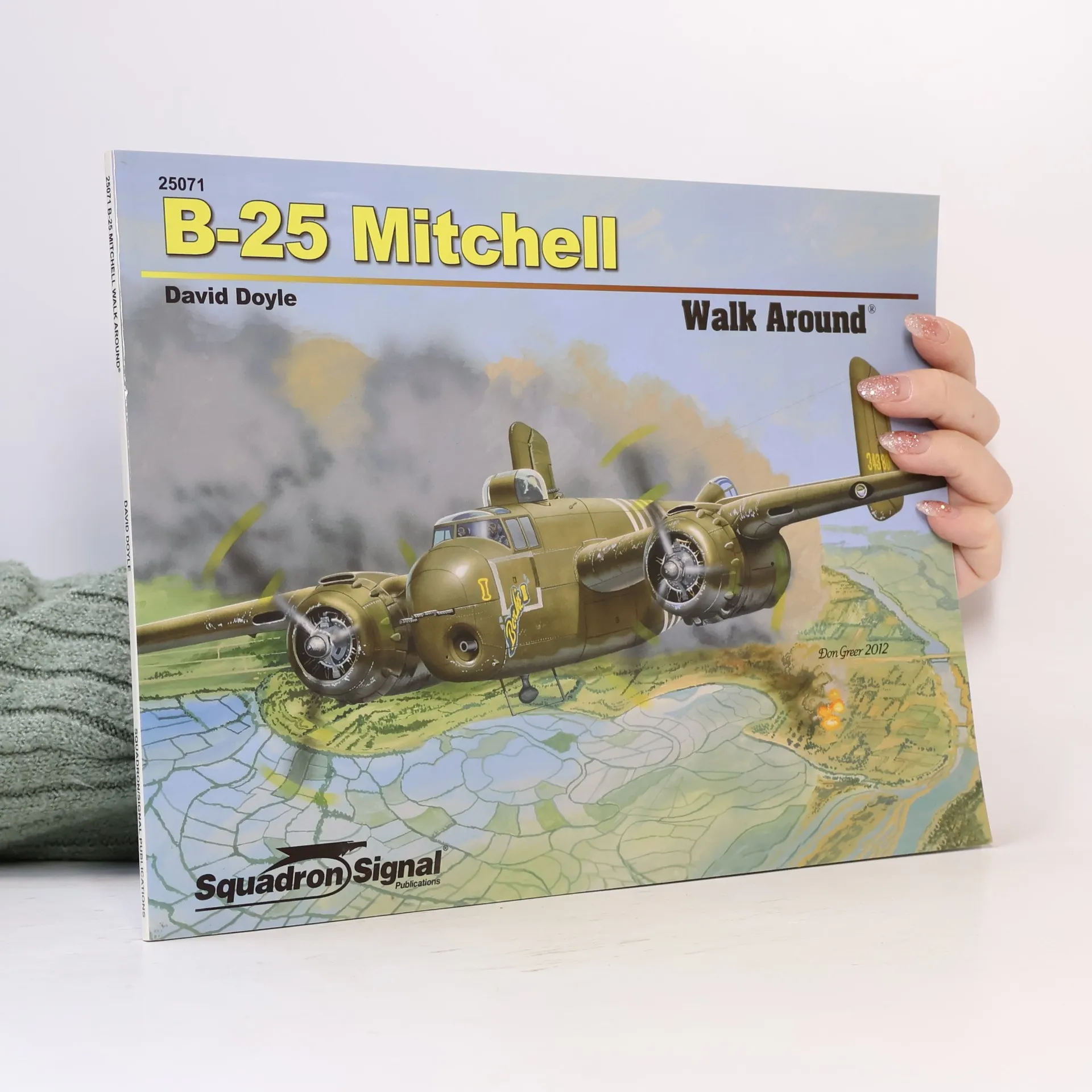
In 1938 the United States Army Air Force issued a circular proposal which called for a twin-engined medium attack bomber. On September 20 1939 a production contract valued at $11,771,000 was awarded to North American for 184 aircraft to be designated as the B-25. The B-25 featured a five man crew. Internal bomb storage was provided in the fuselage beneath the center section for a ton and s half of bombs. The B-25's top speed was 332 mph. The name Mitchell was given to the B-25 honoring the late General Billy Mitchell whom many consider the father of modern military aviation.
Squadron/Signal
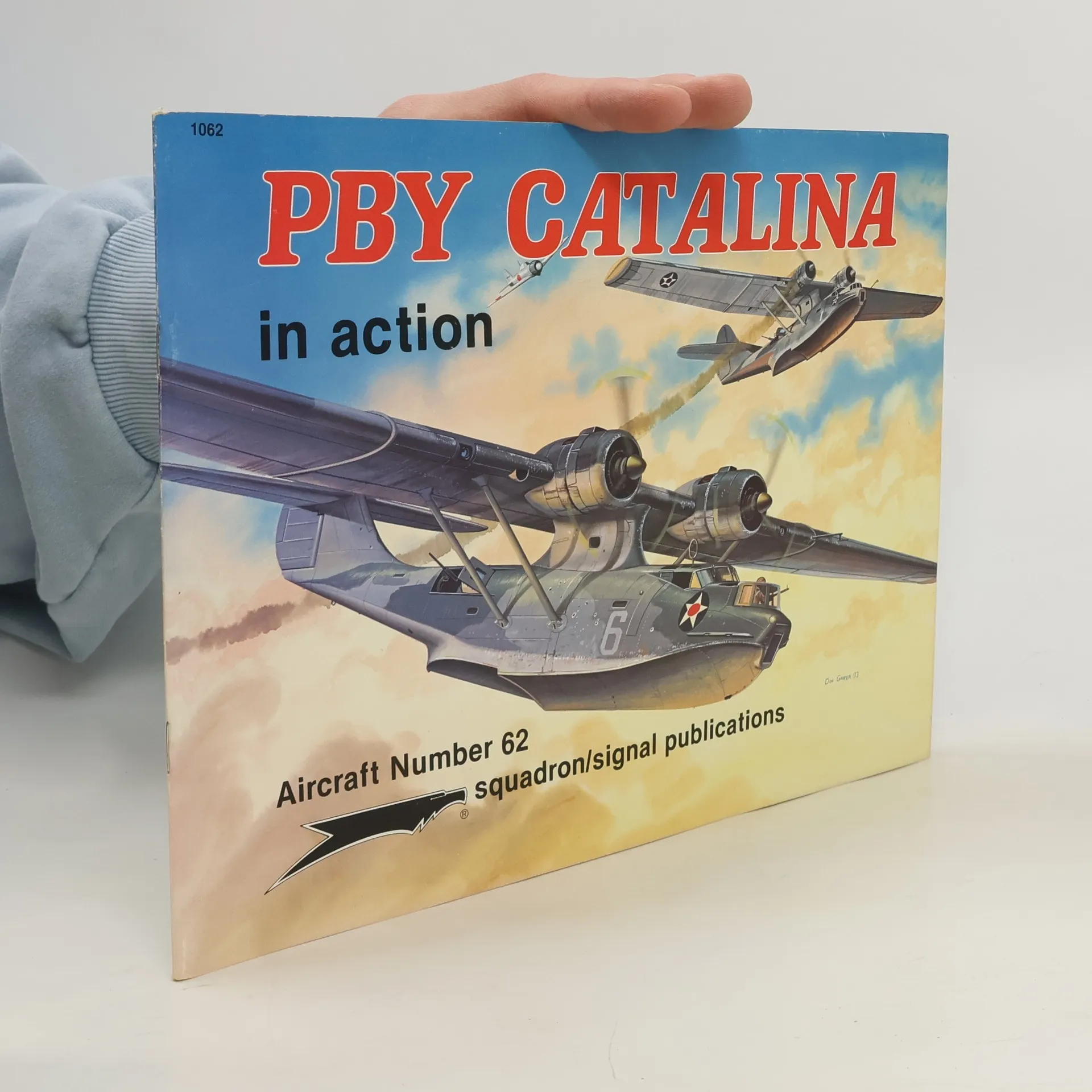
No design can challenge the PBY Catalina for being the most successful flying boat ever produced. In production continuously for over ten years, it was built in larger numbers than any other flying boat, in fact, it was built in larger numbers than all other flying boats combined. Ironically, the PBY would probably never have been produced had Consolidated not underbid Douglas in mid-1935, when the Navy requested bids, from the industry for a production batch of patrol planes based on the Consolidated XP3Y-1 and the Douglas XP3D-1 prototypes. The PBY was names "Catalina" by the British in November 1940, shortly after the delivery of the first of many PBYs that would eventually serve with the RAF. When the United States officially decreed names for aircraft in 1941, many British designations for airplanes common to the two nations, included Catalina for the PBY, were adopted. The Canadians identified the RCAF version of the PBY flying boat as "Canso" and the amphibian as "Canso A". Still another, not widely known name of a PBY variant was "Nomad", the name for the PBN-1, a major redesign of the PBY-5 undertaken and produced by the naval Aircraft Factory at Philadelphia in 1944-45.
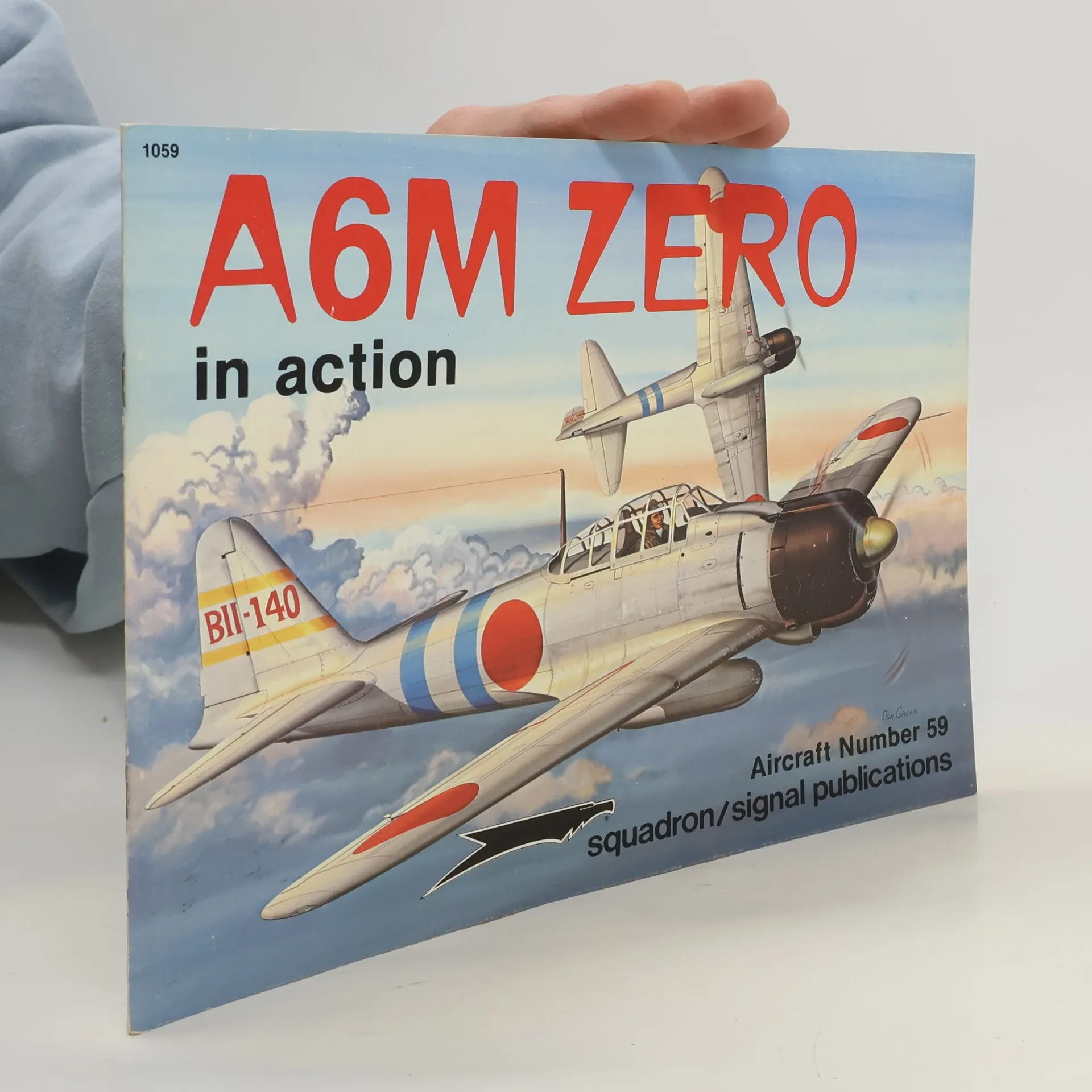
A concise, illustrative history of the development of Japan's best known fighter plane of the Second World War, the Mitsubishi A6M Zero.
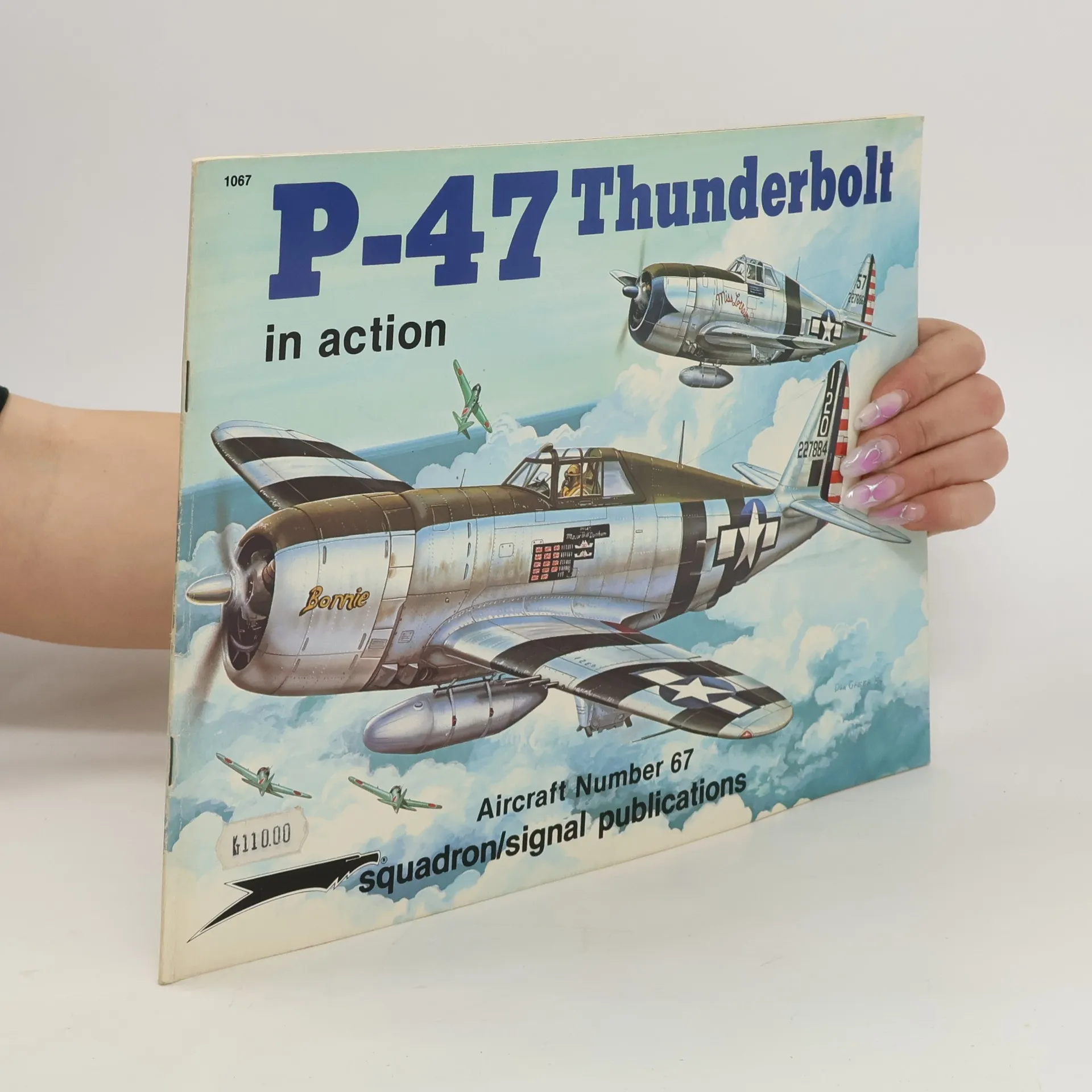
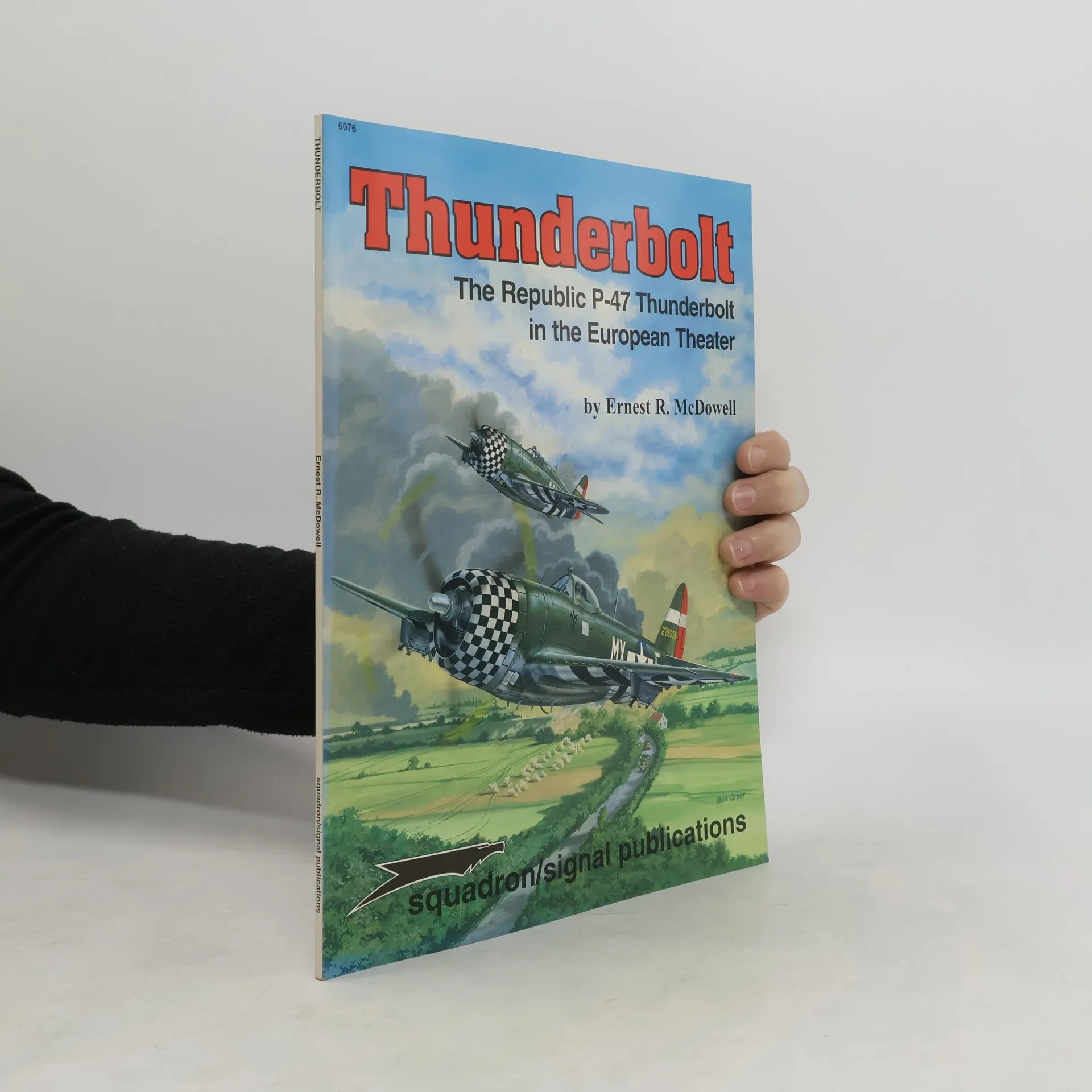
Comprehensive history of the Republic P-47 Thunderbolt in WWII and the many different groups that used them in the European Theater
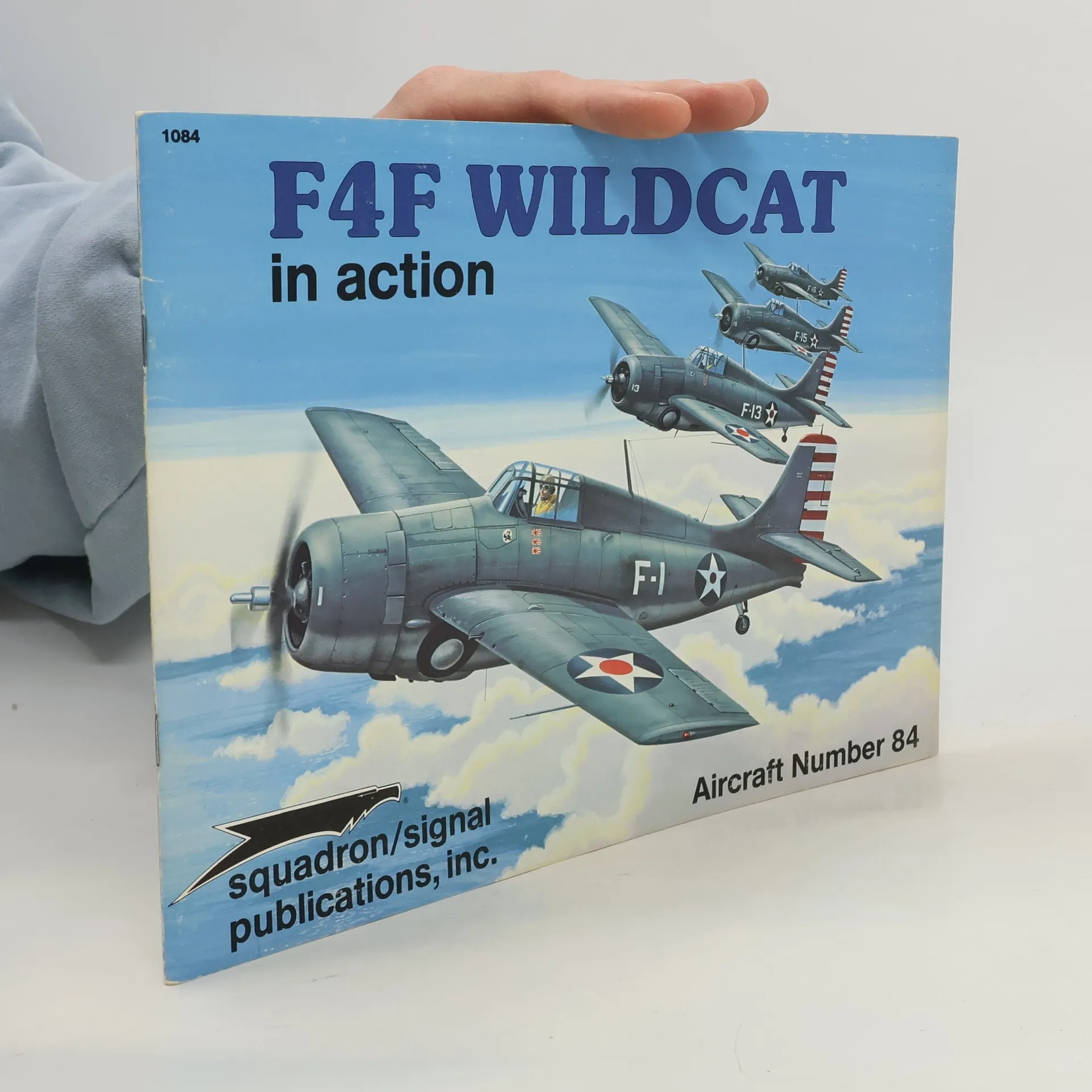
In 1935 the US Navy Bureau of Aeronautics issued a request for proposals to the US aviation industry for a new fighter design to replace the Grumman F3F. A number of designs were submitted and from these the Navy selected two for further development. In the Spring of 1936 the Navy awarded contracts for two prototype fighters, the Brewster XF2A-1 and the Grumman XF4F-1. Brewster's XF2A-1 prototype was a monoplane, while the Grumman design, the XF4F-1. was a biplane, similar to Grumman's earlier F3F-3 already in service. Grumman, realizing that its competitive edge could be lost if they continued with biplane designs while others were building monoplanes, sought the Navy's permission to change the XF4F-1 prototype from a biplane to a monoplane configuration. On 10 July 1936. the Navy agreed to the Grumman proposal. The XF4F-1 contract was cancelled and Grumman received authorization to build a prototype of the monoplane XF4F-2 in its place. The Grumman and Brewster prototypes would be flown in a competitive fly-off which would determine which design would receive a production contract.
Squadron/Signal
Squadron/Signal
Book by Jerry Scutts
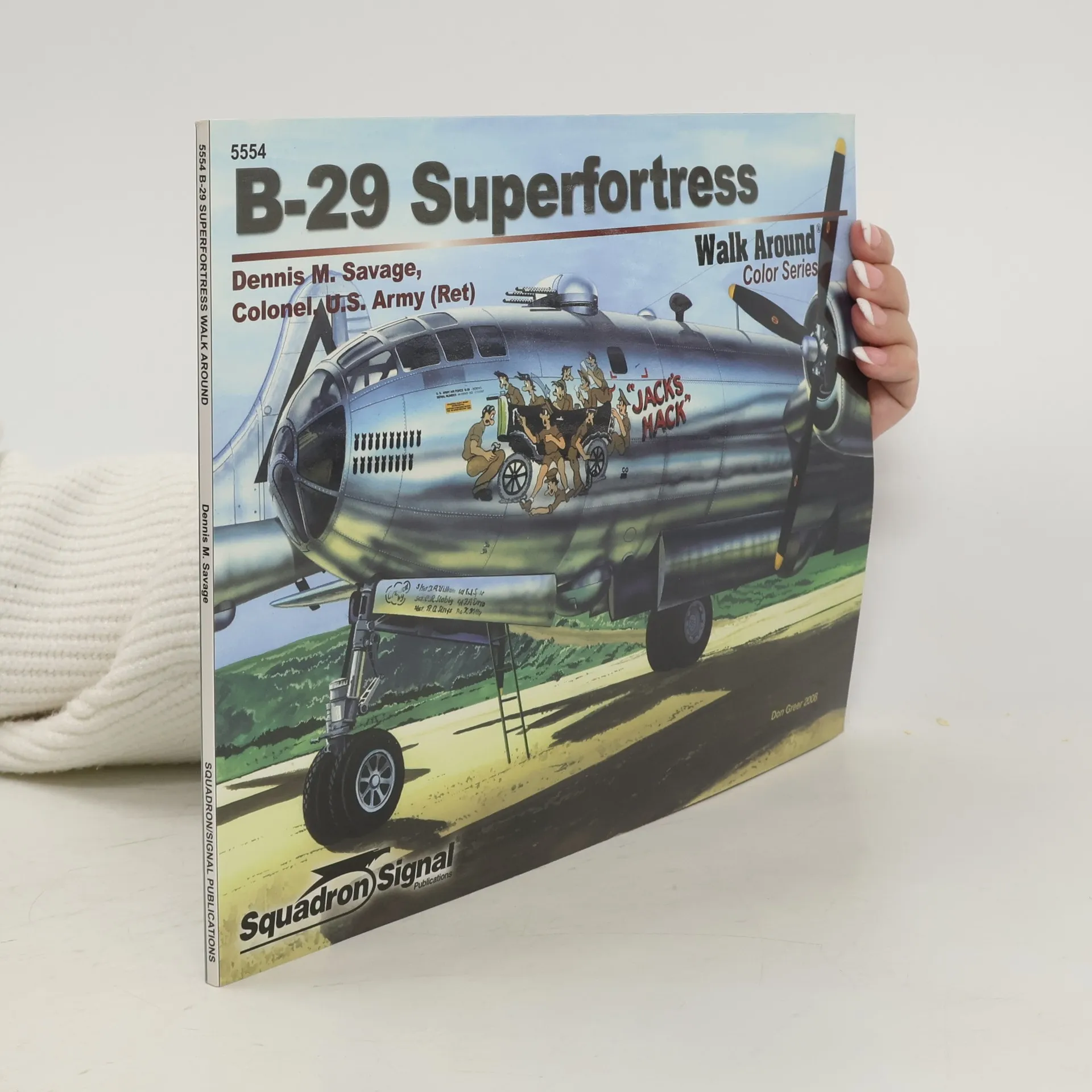
Equipped with pressurized cabins for high-altitude effectiveness, an electronic fire-control system, and remote-controlled machine-gun turrets, the B-29 Superfortress was the most advanced aircraft of WWII. Two of those planes, Enola Gay and Bockscar, dropped the atomic bombs on Hiroshima and Nagasaki in 1945. Yet over all, the B-29 received less notoriety than its storied elder siblings, the B-17 and B-24, perhaps because its service areas (the China, Burma, and India Theater and the Western Pacific) were less publicized than was the war in Europe. Designed by Boeing, nearly 4,000 B-29s had been turned out by the time production ended in 1946. Yet today, only a few meticulously restored and preserved examples of the historic aircraft survive.
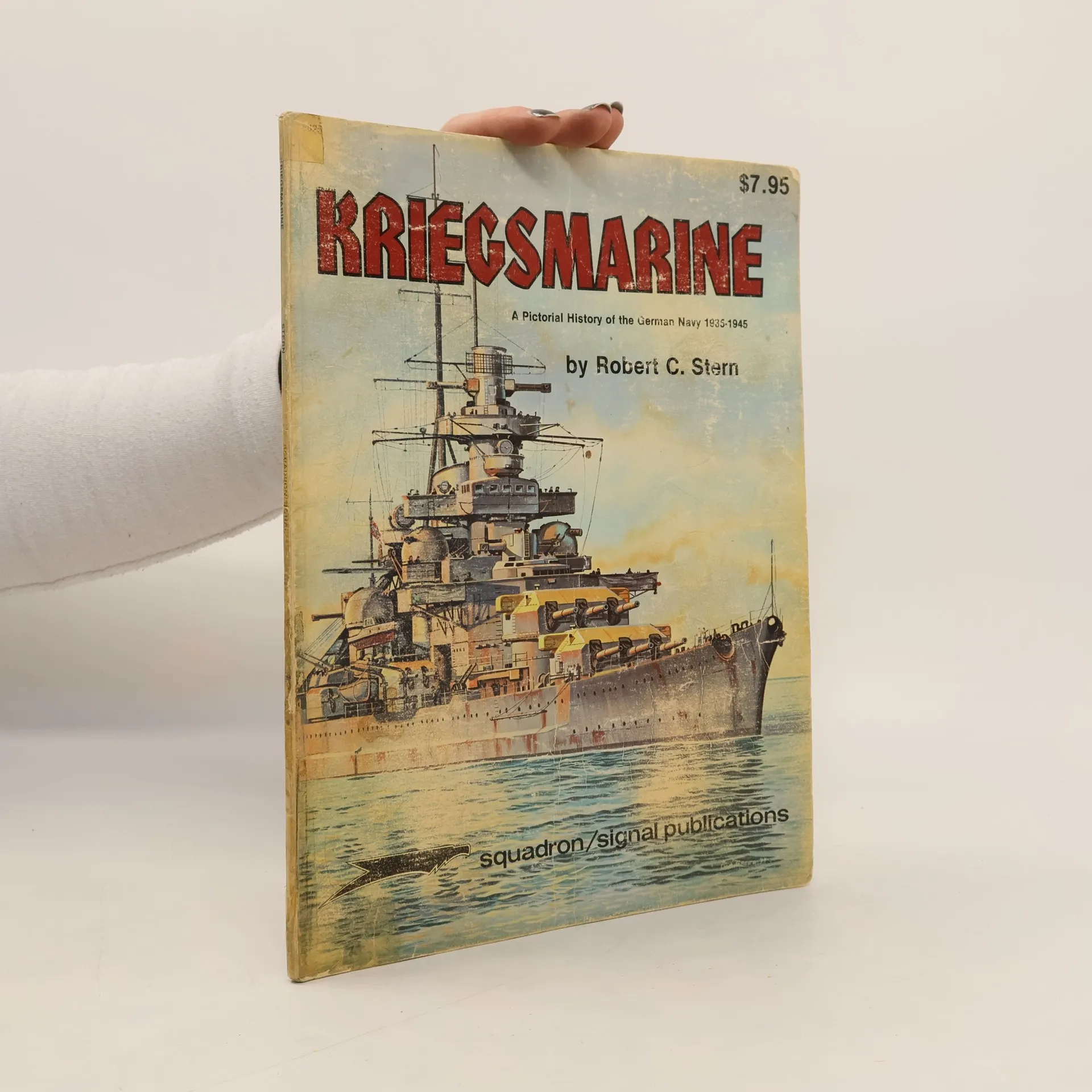
A Pictorial History of the German Navy, 1935-1945
German Navy from 1935-1945 - lots of pics!
The E-2 Hawkeye is the first U.S. Navy carrier-based aircraft designed specifically to fill the all-weather airborne early warning mission. The E-2 is a twin-engine aircraft with antennae contained inside a 24-foot rotating dorsal dome. E-2Cs provided surveillance support during joint strike attacks against targets in Libya in 1986, and during Operation Desert Storm, the aircraft provided command and control support for carrier-based fighter aircraft. The Hawkeye provided similar support during the recent conflicts in Bosnia, Afghanistan, and Iraq. In addition to war service, the versatile aircraft has been used by the US Coast Guard for patrolling the coastal areas as well as by law enforcement agencies for drug traffic interdiction. Takes a detailed look at the E-2 Hawkeye with more than 200 photographs, color profiles, and detailed line drawings. 80 pages.
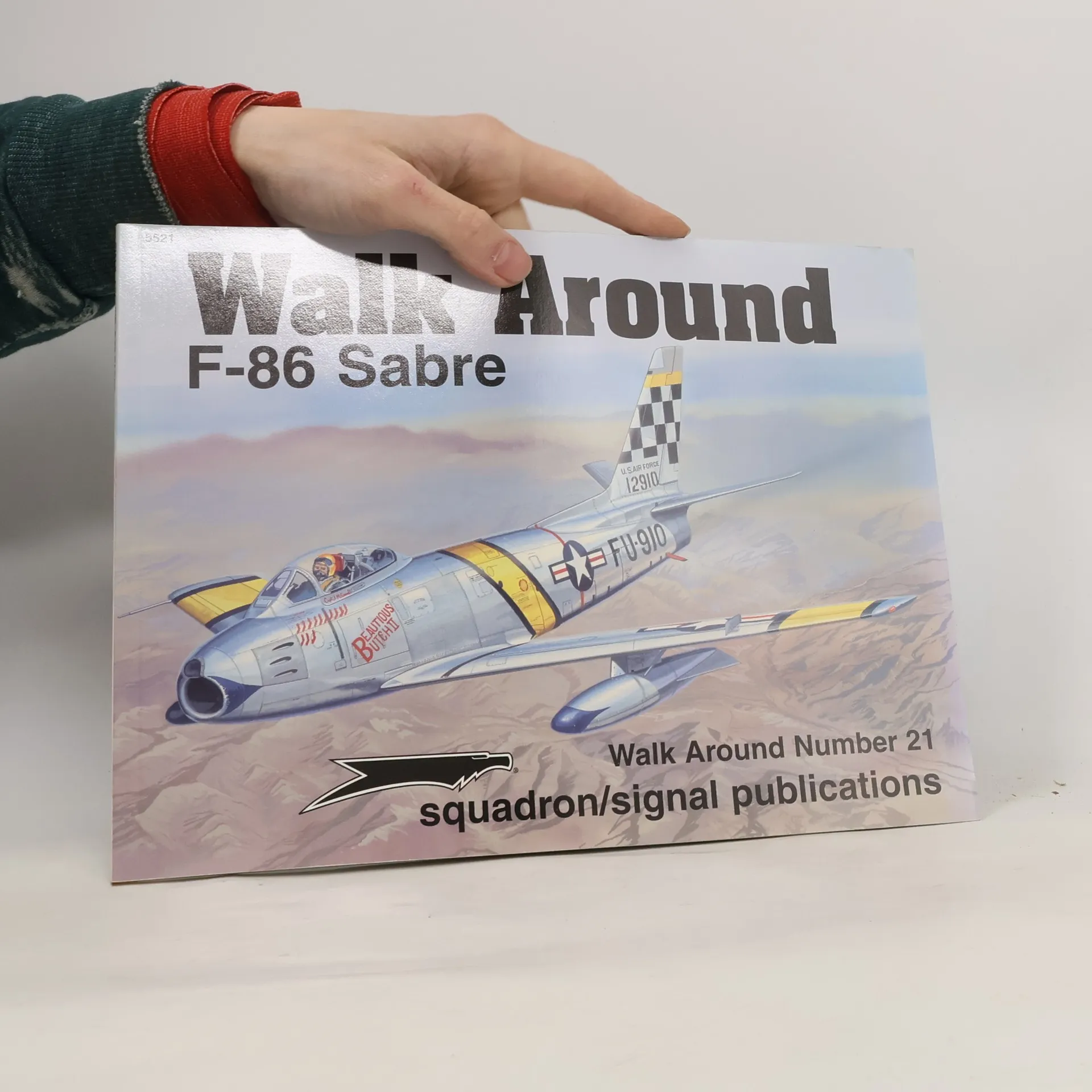
With its origins in the closing months of WWII, the F-86 Sabre first entered service with the USAF in 1949. The F-86 saved the day after the opening of hostilities in Korea, where the US and her Allies found themseslves outmatched in the air by the North Korean MiG-15. During the Korean War, F-86s shot down 800 MiGs, compared to the loss of a mere 78 Sabres. This title shows an in-depth look at the F-86A, E, and F day fighters during the Korean War and beyond. Includes detailed coverage of engines, cockpits, landing gear, and weapons. Illustrated with 103 b/w and 83 color photos, 46 color drawings, 20 b/w line drawings. Davis; 80 pages.