The Dictator's Handbook
- 352 stránek
- 13 hodin čtení
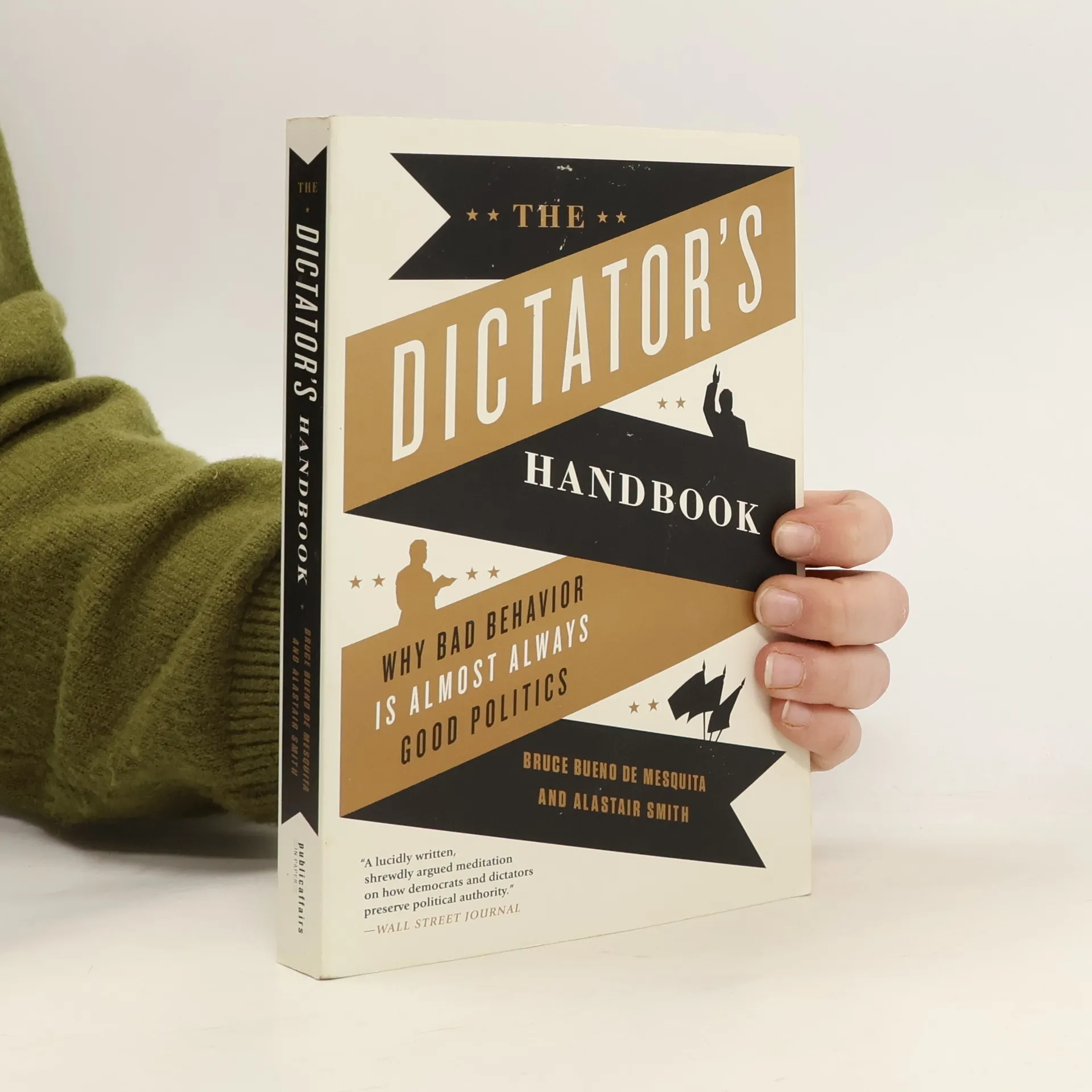
Two renowned political scientists show how the rules of politics almost always favor leaders who ignore the national interest and focus on serving their own supporters.


Bruce Bueno de Mesquita je politolog a profesor, který se zaměřuje na mezinárodní vztahy a zahraniční politiku. Je jedním z tvůrců teorie volebního kolegia, která se snaží vysvětlit chování vlád. S využitím počítačových modelů a teorie her analyzuje politické události a předpovídá budoucí vývoj. Jeho práce se snaží odhalit skryté mechanismy moci a konfliktů ve světové politice.

Two renowned political scientists show how the rules of politics almost always favor leaders who ignore the national interest and focus on serving their own supporters.
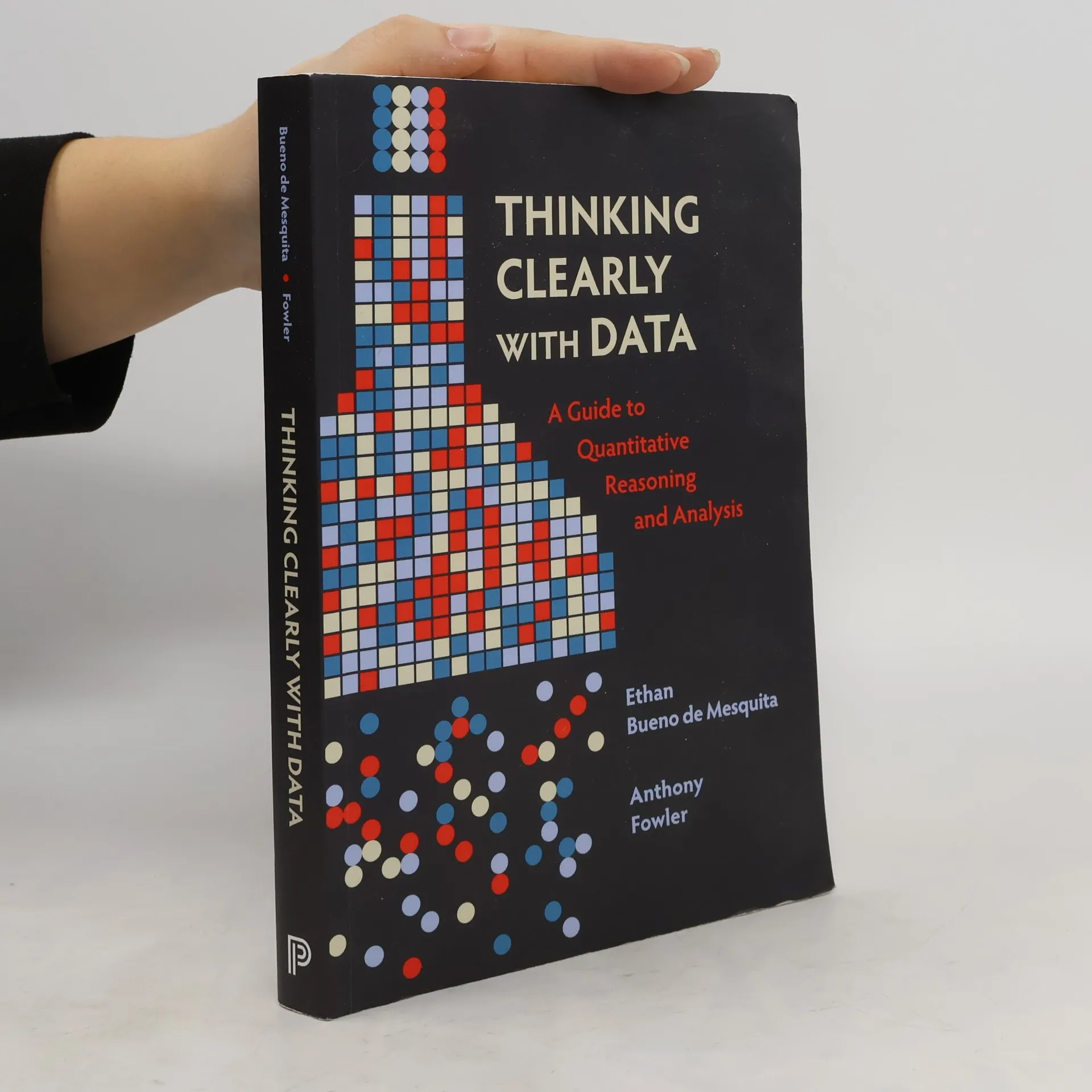
"This is an intro-level text that teaches how to think clearly and conceptually about quantitative information, emphasizing ideas over technicality and assuming no prior exposure to data analysis, statistics, or quantitative methods. The books four parts present the foundation for quantiative reasoning: correlation and causation; statistical relationships; causal phenomena; and incorporating quantitative information into decision making. Within these parts it covers the array of tools used by social scientists, including regression, inference, experiments, research design, and more, all by explaining the rationale and logic behind such tools rather than focusing only on the technical calculations used for each. New concepts are presented simply, with the help of copious examples, and the books leans towards graphic rather than mathematical representation of data, with any technical material included in appendices"--
Explores the political careers of Ronald Reagan and Boris Yeltsin, who overcame defeat early in their political careers and rose to the highest elected offices in their respective countries
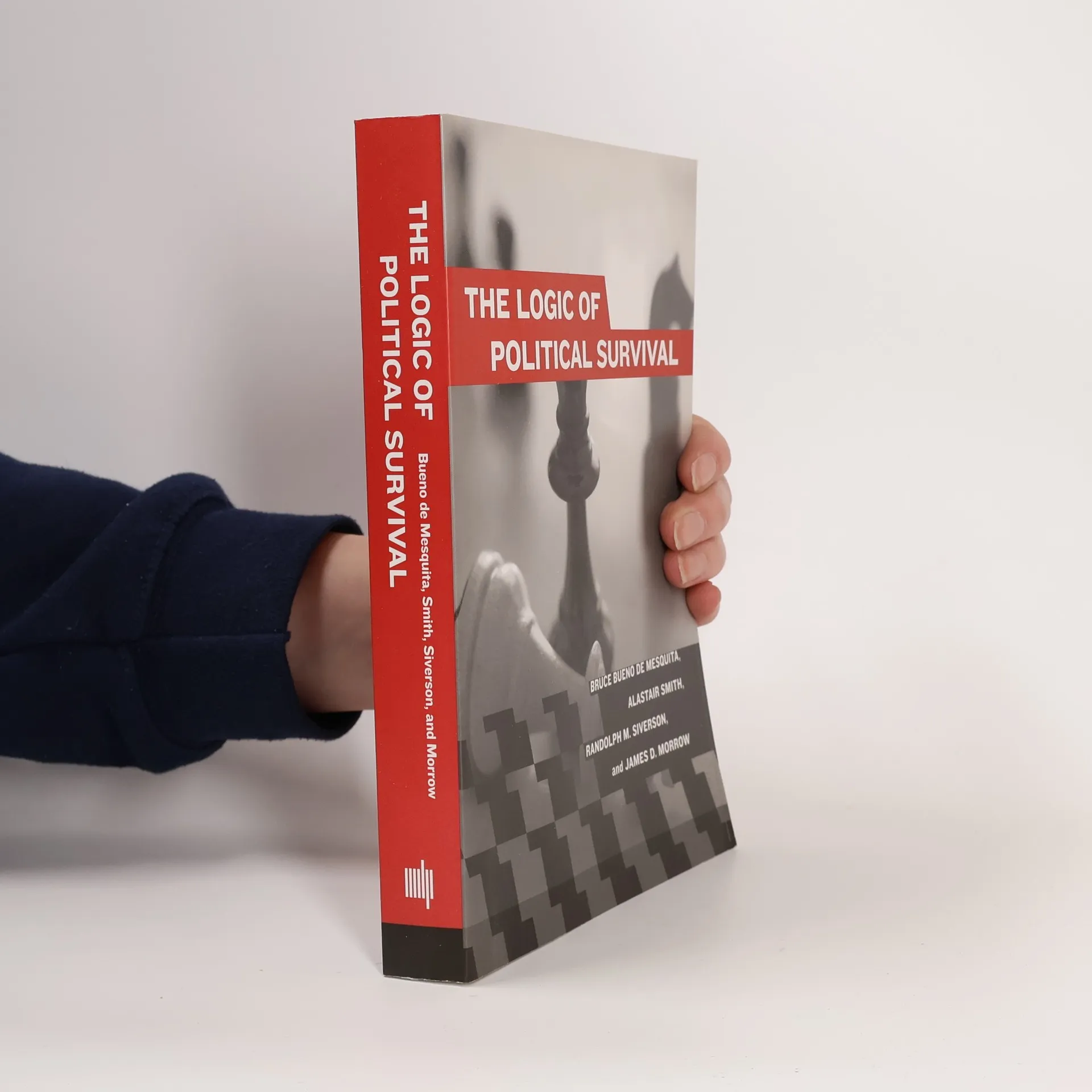
The authors of this ambitious book address a fundamental political question: why are leaders who produce peace and prosperity turned out of office while those who preside over corruption, war, and misery endure? Considering this political puzzle, they also answer the related economic question of why some countries experience successful economic development and others do not. The authors construct a provocative theory on the selection of leaders and present specific formal models from which their central claims can be deduced. They show how political leaders allocate resources and how institutions for selecting leaders create incentives for leaders to pursue good and bad public policy. They also extend the model to explain the consequences of war on political survival. Throughout the book, they provide illustrations from history, ranging from ancient Sparta to Vichy France, and test the model against statistics gathered from cross-national data. The authors explain the political intuition underlying their theory in nontechnical language, reserving formal proofs for chapter appendixes. They conclude by presenting policy prescriptions based on what has been demonstrated theoretically and empirically.
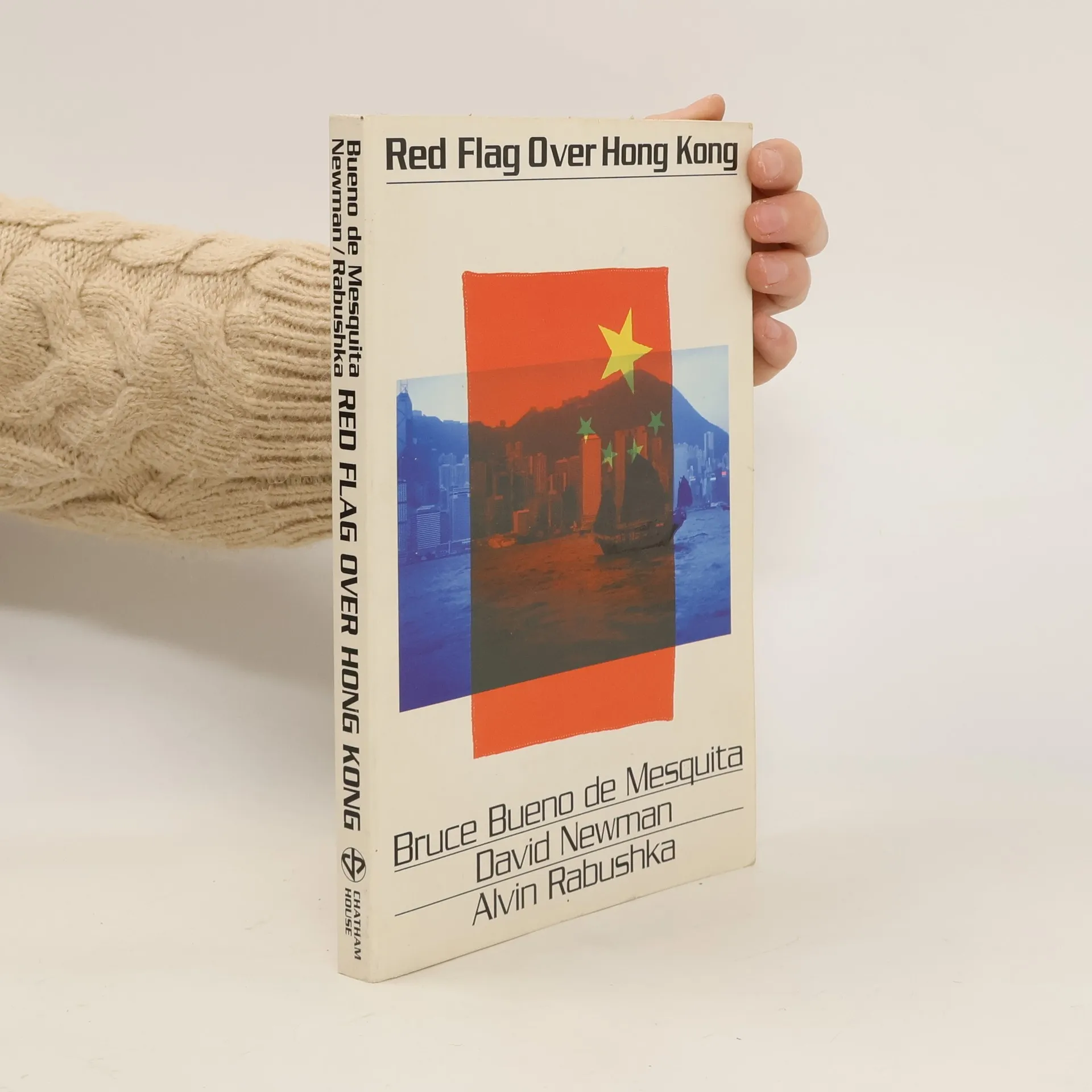
Lucid and compelling, this is an essential guide to the turbulent future of Hong Kong. The authors begin with a concise historical overview, tracing how Hong Kong with its unique geographical setting, "textbook" freemarket economy, and industrious population, developed into one of the world's richest territories. Based on their own expertise in policy choices and a collection of data from a wide range of expert observers, the authors applied a scientific model of decision making to Hong Kong's unknown future.
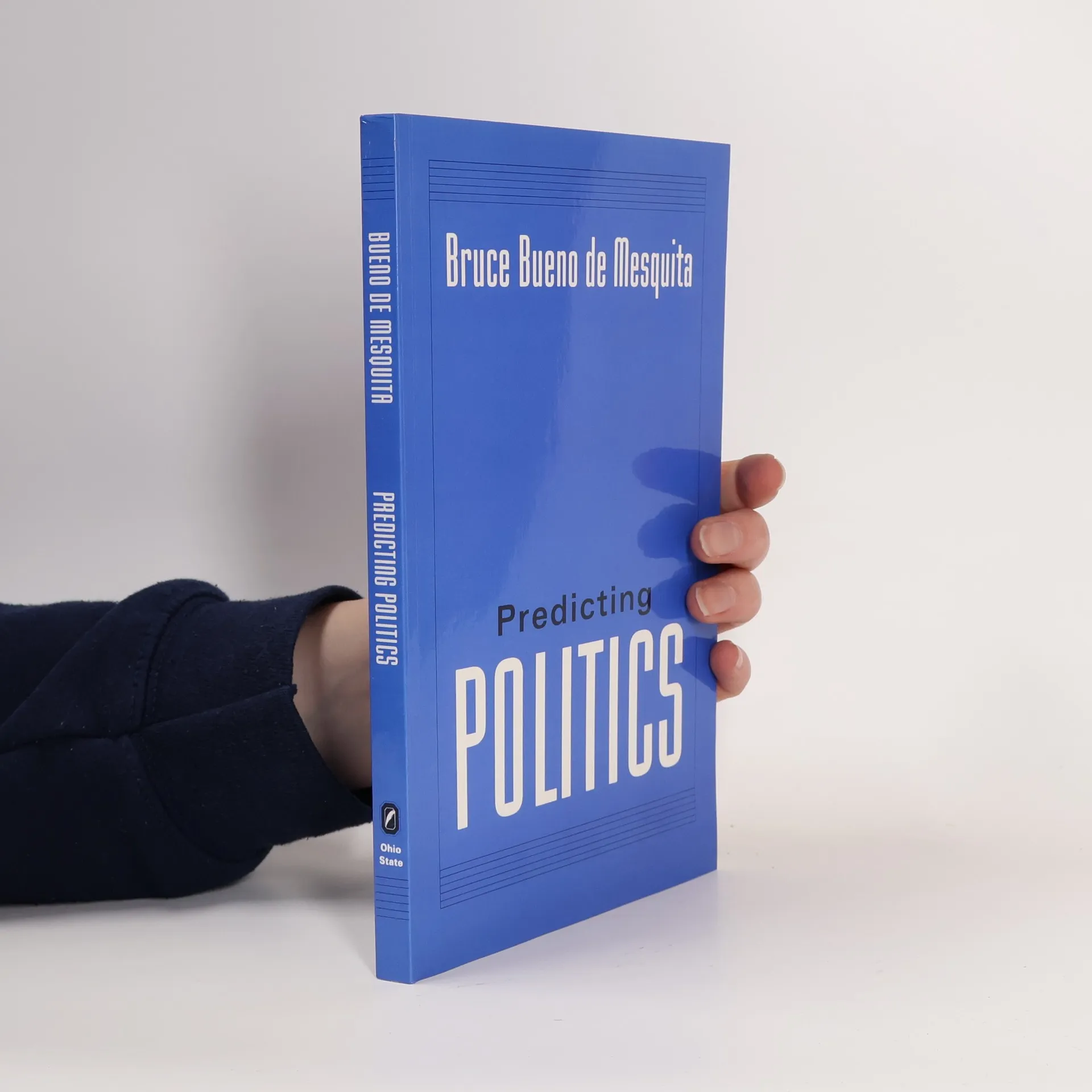
To predict global policy developments over the next thirty years, Bruce Bueno de Mesquita employs game theoretic models, demonstrating their application in business and significant American foreign policy initiatives. Utilizing data from 1948, he illustrates how these models successfully predicted the end of the Cold War. He then analyzes data from 1980 across approximately one hundred countries to simulate future scenarios, particularly regarding democratization. His findings indicate that the wave of democratization seen in the late 1980s and early 1990s was foreseeable based on data available in 1980. While he presents concerning predictions about Russia and China's domestic situations, he also offers a unique perspective on Russia's struggle to attract investment and achieve growth rates typical of democratic nations. Despite being more democratic than in 1980, Russia has lagged in democratization compared to the global standard, lacking the essential elements of property rights, rule of law, and transparent governance necessary for investment attraction. Bueno de Mesquita's analysis of policy situations through game theory not only elucidates past and present events but also equips readers with the tools to make their own informed predictions about future foreign policies.
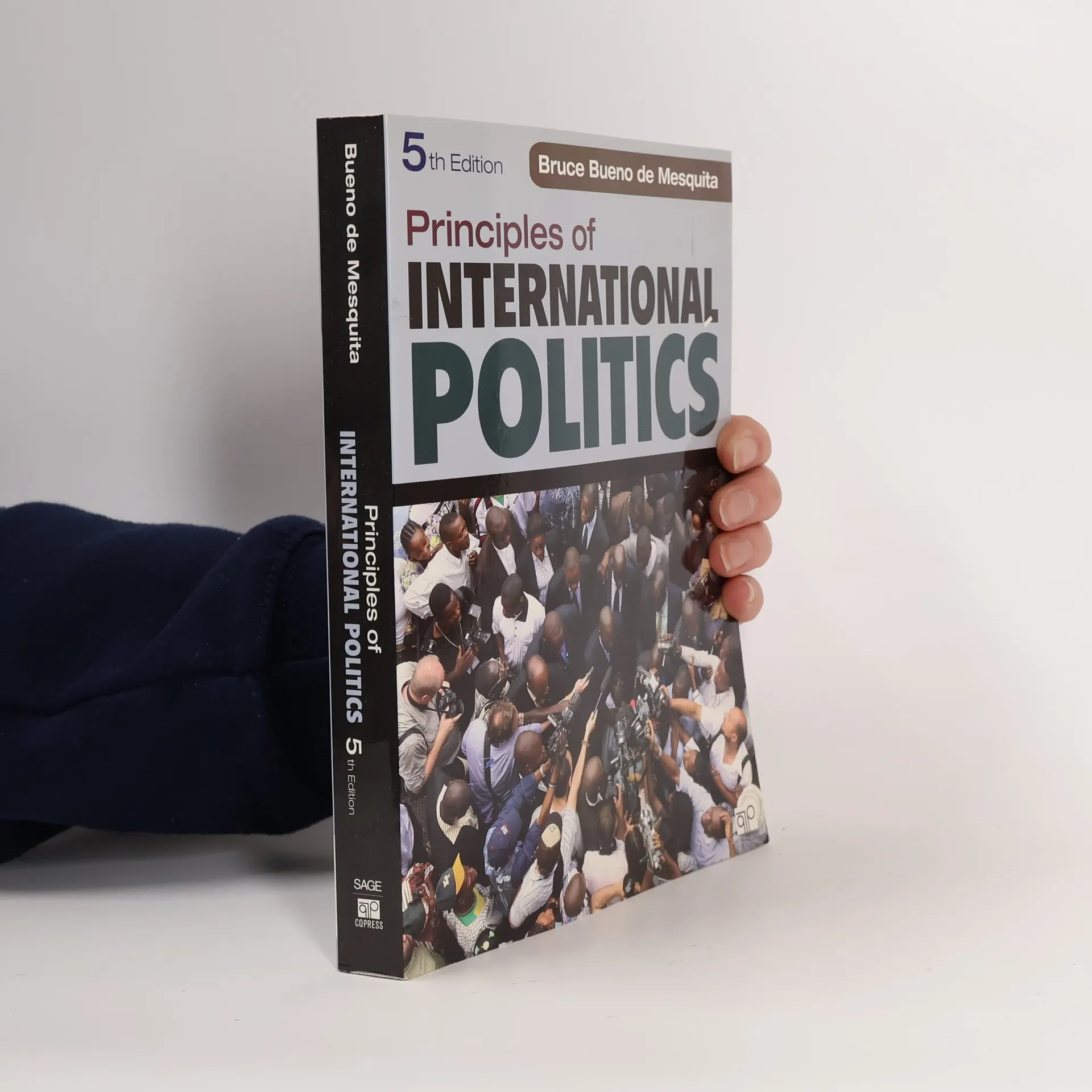
The fifth edition by Bruce Bueno de Mesquita offers a refined exploration of international relations, emphasizing the strategic factors behind war, peace, and world order. Drawing on extensive feedback, this edition enhances clarity and precision, making complex concepts more accessible. The author’s scientific approach continues to set a benchmark in the field, providing readers with a comprehensive understanding of the dynamics that shape global interactions.
"This book solves one of the great puzzles of history: why did the West become the most powerful civilization in the world? Political scientist Bruce Bueno de Mesquita explains the consolidation of power in the West through a single, little noticed event: the 1132 Concordat of Worms. Bueno de Mesquita makes a deeply researched and persuasive case that the Concordat changed the terms of competition between churches and nation-states, incentivizing economic growth and benefiting citizens over kings and popes. In the centuries since, those countries that have had similar arrangements have been consistently better off than those that did not"-- Provided by publisher
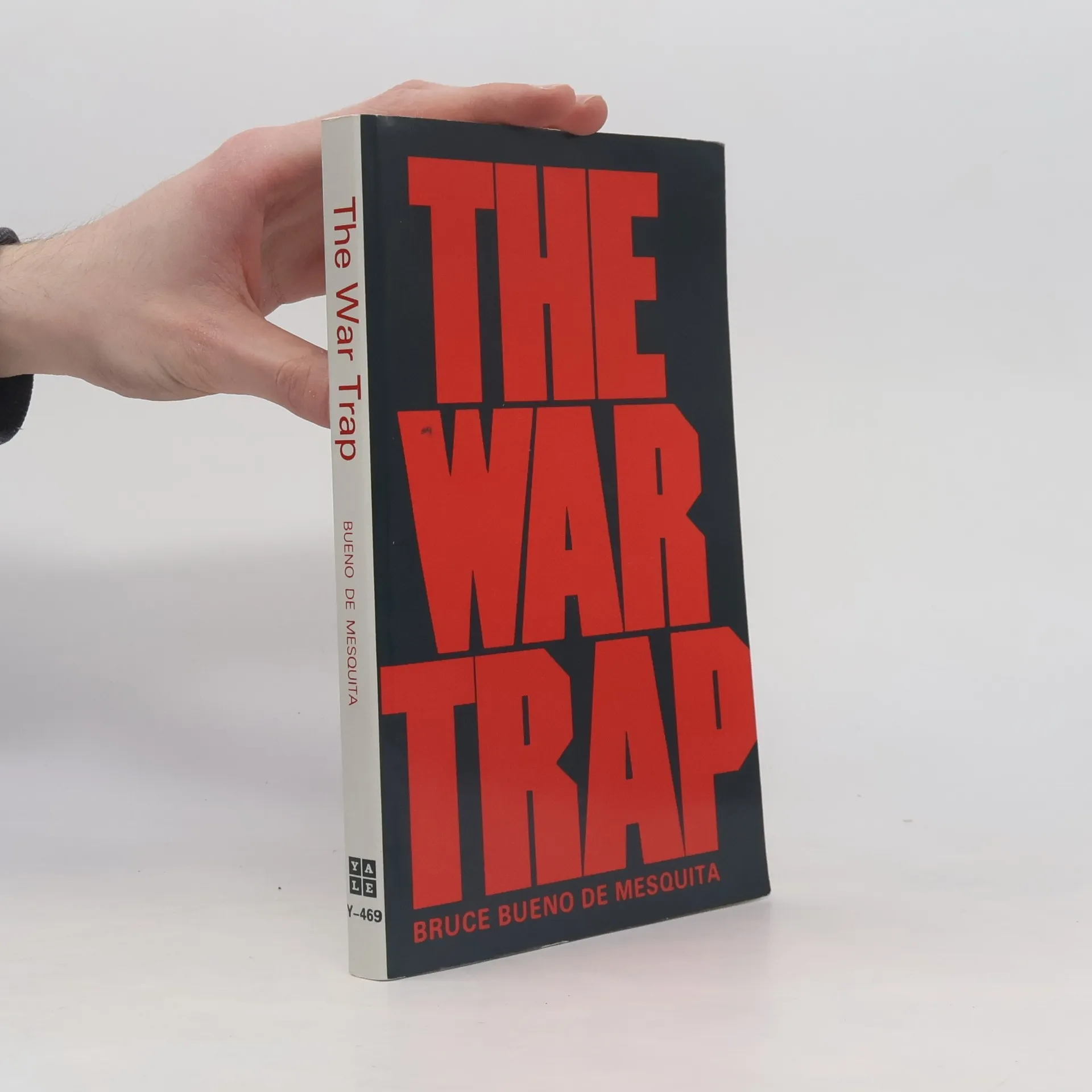
“This illuminating work is a masterful study that delves into the causes of war using a wholly new approach. Utilizing the assumptions of rational behavior, de Mesquita focuses on the perspective of decision making as an attempt to understand the phenomenon of war. . . . The book is highly stimulating . . . provocative, and certainly quite timely. . . a superb example of methodological exposition . . . Likely to appeal to the serious scholar of social sciences in general and of international relations in particular.”―Ghulam M. Haniff, The annals of the American Academy of Political and Social Science“A major work. It is certain to inspire theoretical elaboration and refinement, additional testing of its propositions, and fruitful application. Moreover, it is destined to be considered a classic contribution to the scientific understanding of interstate conflict and war.”―Frank C. Zagare, American Political Science Review“Rigorous and insightful analysis. . . . An important contribution to our theories of choice, relevant to all students of politics. The study is an exemplar in its development of systemic mini-theory accomplished by empirical tests of its propositions, completely worthy of emulation by those of us who profess to be political scientists , young and old.”―Harold Guetzkow“A tour de force of theory, testing, and illustration.”―Brice M. Russett
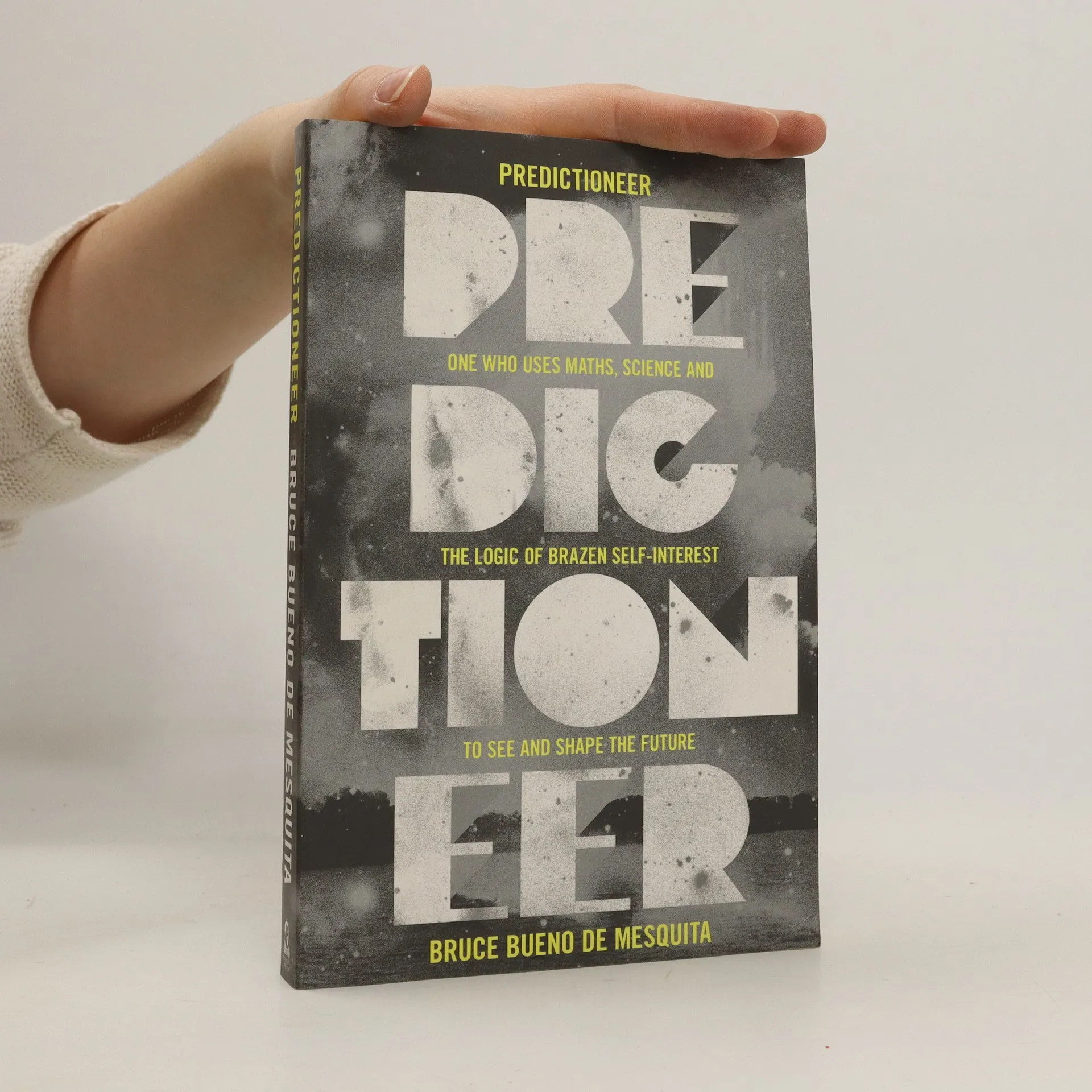
Bruce Bueno de Mesquita, a master of game theory, explores how individuals act in their own best interests to predict and shape political, financial, and personal events. With a remarkable 90 percent accuracy rate, his forecasts have been utilized by the CIA and major businesses. In this enlightening book, he shares his methods, allowing readers to engage in high-stakes negotiations and conflicts. Bueno de Mesquita outlines the origins of game theory and the contributions of John Nash, the Nobel laureate known from A Beautiful Mind. He presents a systematic approach to strategic thinking about opponents' desires and reactions. He analyzes significant events, such as the North Korean disarmament talks and the Middle East peace process, and reveals how he identified corporate clients of Arthur Andersen involved in fraud. Looking ahead, he illustrates how game theory can address global challenges like climate change and terrorism by fostering competition in technology and aid strategies. Moreover, Bueno de Mesquita emphasizes that game theory can enhance personal decision-making, whether in legal battles, corporate elections, or car purchases. Provocative and practical, this work will transform your understanding of the world and how to navigate it effectively. Life’s a game, and your approach determines your success.