

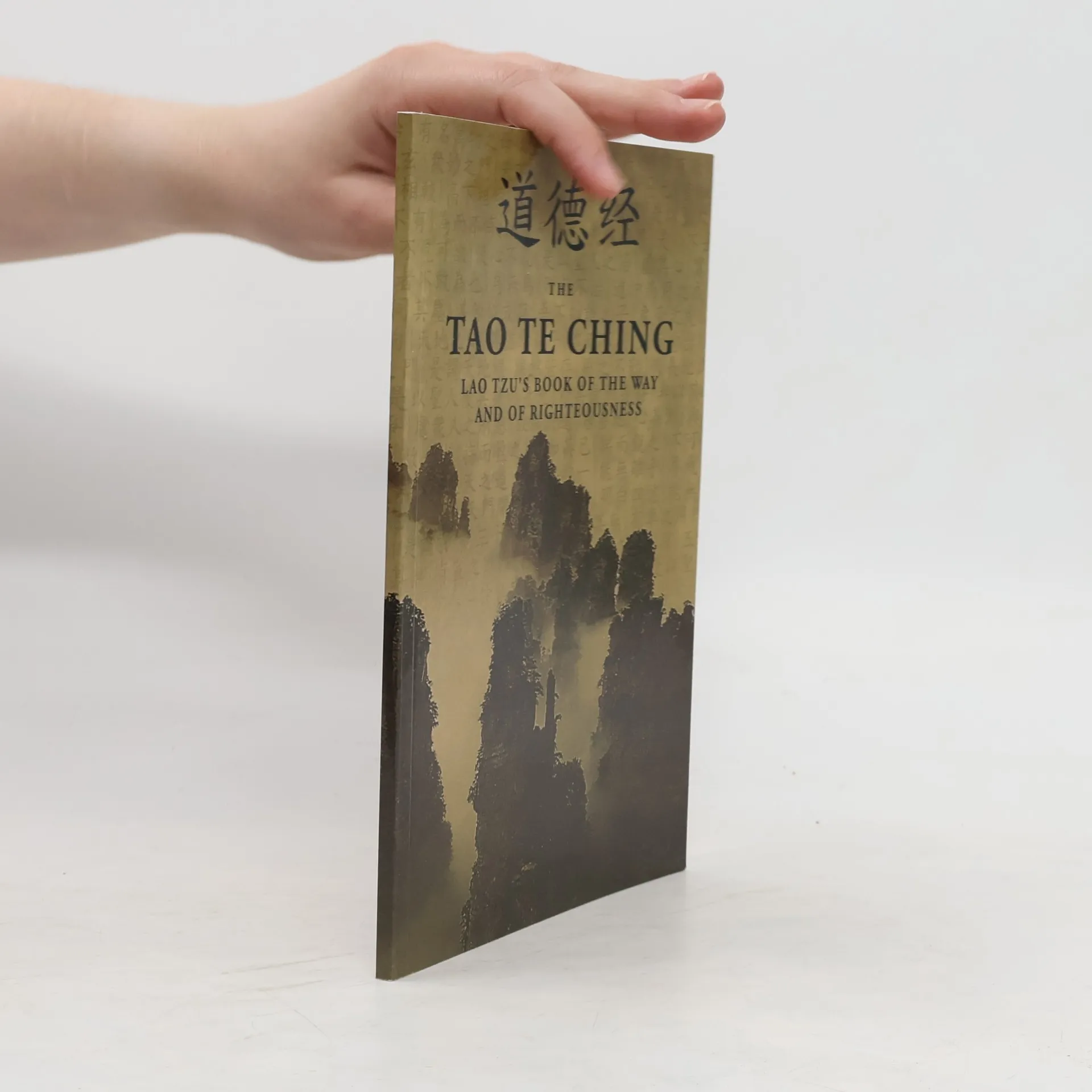
In what may be the most faithful translation of the Tao Te Ching, the translators have captured the terse, enigmatic beauty of the original masterpiece without embellishing it with personal interpretation or bogging it down with explanatory notes. By stepping out of the way and letting the original text speak for itself, they deliver a powerfully direct experience of the Tao Te Ching that is a joy to come back to again and again. And for the first time in any translation of the Tao Te Ching, now you can interact with the text to experience for yourself the nuanced art of translating. In each of the eighty-one chapters, one significant line has been highlighted and alongside it are the original Chinese characters with their transliteration. You can then turn to the glossary and translate this line on your own, thereby deepening your understanding of the original text and of the myriad ways it can be translated into English. Complementing the text are twenty-three striking ink paintings brushed by Stephen Addiss and an introduction by the esteemed Asia scholar Burton Watson.
Stephen Addiss Knihy


In the past hundred years, haiku has gone far beyond its Japanese origins to become a worldwide phenomenon—with the classic poetic form growing and evolving as it has adapted to the needs of the whole range of languages and cultures that have embraced it. This proliferation of the joy of haiku is cause for celebration—but it can also compel us to go back to the to look at haiku’s development during the centuries before it was known outside Japan. This in-depth study of haiku history begins with the great early masters of the form—like Basho, Buson, and Issa—and goes all the way to twentieth-century greats, like Santoka. It also focuses on an important aspect of traditional haiku that is less known in the haiku art. All the great haiku masters created paintings (called haiga ) or calligraphy in connection with their poems, and the words and images were intended to be enjoyed together, enhancing each other, and each adding its own dimension to the reader’s and viewer’s understanding. Here one of the leading haiku scholars of the West takes us on a tour of haiku poetry’s evolution, providing along the way a wealth of examples of the poetry and the art inspired by it.
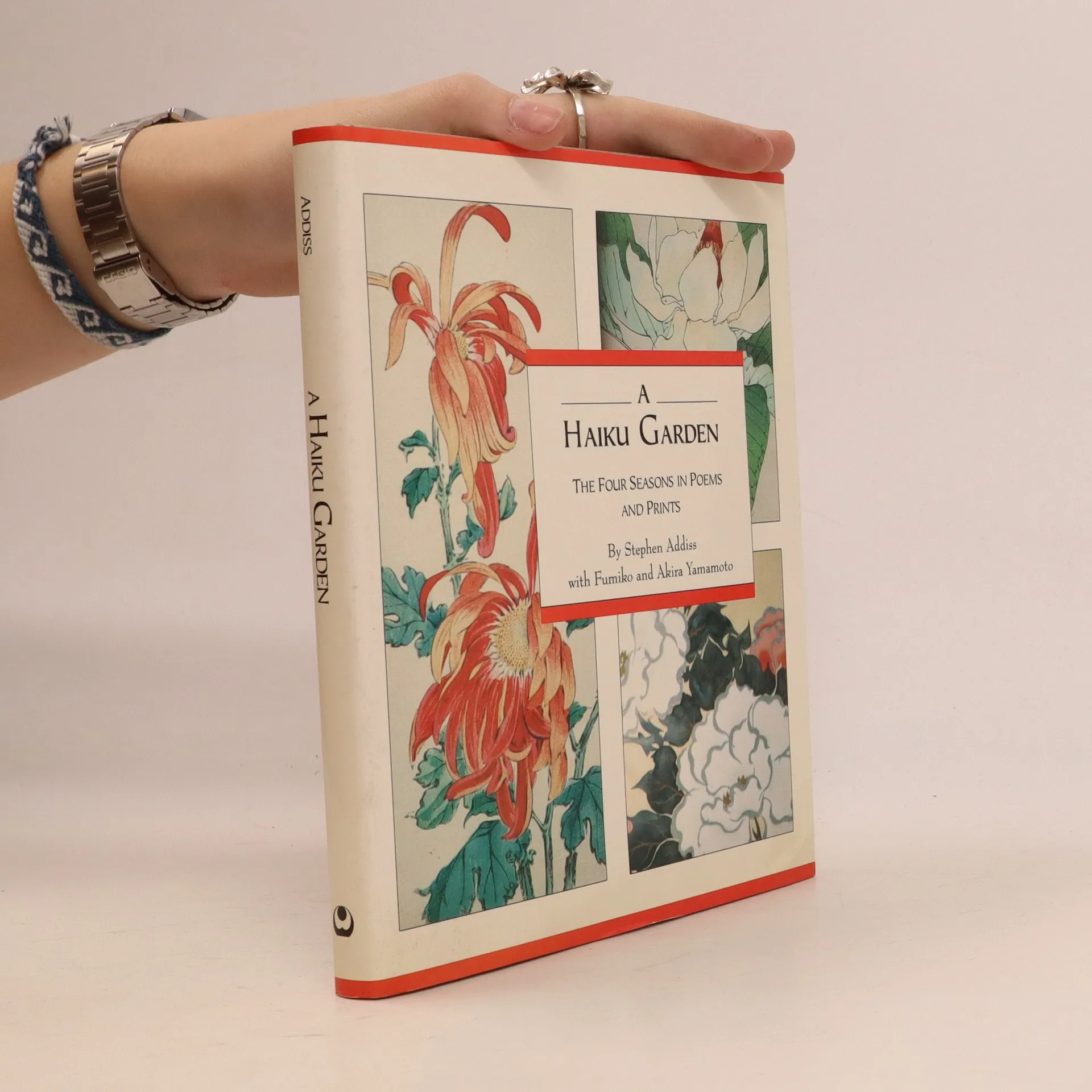
A Haiku Garden
- 112 stránek
- 4 hodiny čtení
Some 120 haiku by such masters as Basho, Issa, and Buson—all written on themes of the beauty of nature—are combined with the woodblock prints and paintings of the great artists of classical Japan. The poems appear both in skillful English translation, as well as in the original Japanese.
Art History and Education
Disciplines in Art Education: Contexts of Understanding
- 248 stránek
- 9 hodin čtení
Guided by Stephen Addiss's grounding in art history scholarship and Mary Erickson's expertise in art education theory and practice, this volume approaches the issue of teaching art history from theoretical and philosophical as well as practical and political standpoints. In the first section, Addiss raises issues about the discipline of art history. In the second, Erickson examines proposals about how art history can be incorporated into the general education of children and offers some curriculum guides and lesson plans for art educators.