Král Lear je bezpochyby jednou z největších Shakespearových tragédií. Největší proto, že všechno dění a lidské konání v ní probíhá na obrovských pláních země i nebe. Několik postav v ní přehrává drama lidského údělu. Je to hra velmi konkrétní, fyzický detail v ní hraje mimořádnou roli, zároveň hra univerzální, hra o světě, který se otřásá v základech, hra, v níž se hroutí všechny tradiční hodnoty, hra vizionářská a apokalyptická. V samém srdci této Shakespearovy tragédie je obraz poutníka a cesty. Geograficky vzato putuje Lear ze svého sídla do Doveru. Ale jako každá cesta poutníka i Learova pouť má ještě jiný, daleko důležitější rozměr. Lear putuje z královského paláce do pusté přírody, od svých dcer Regan a Goneril ke Kordelii, od pýchy k pokoře, od panovačné a autoritářské sebestřednosti k soucitu a odpuštění, od koruny ze zlata, symbolu slávy, bohatství a moci.
Stephen Orgel Knihy


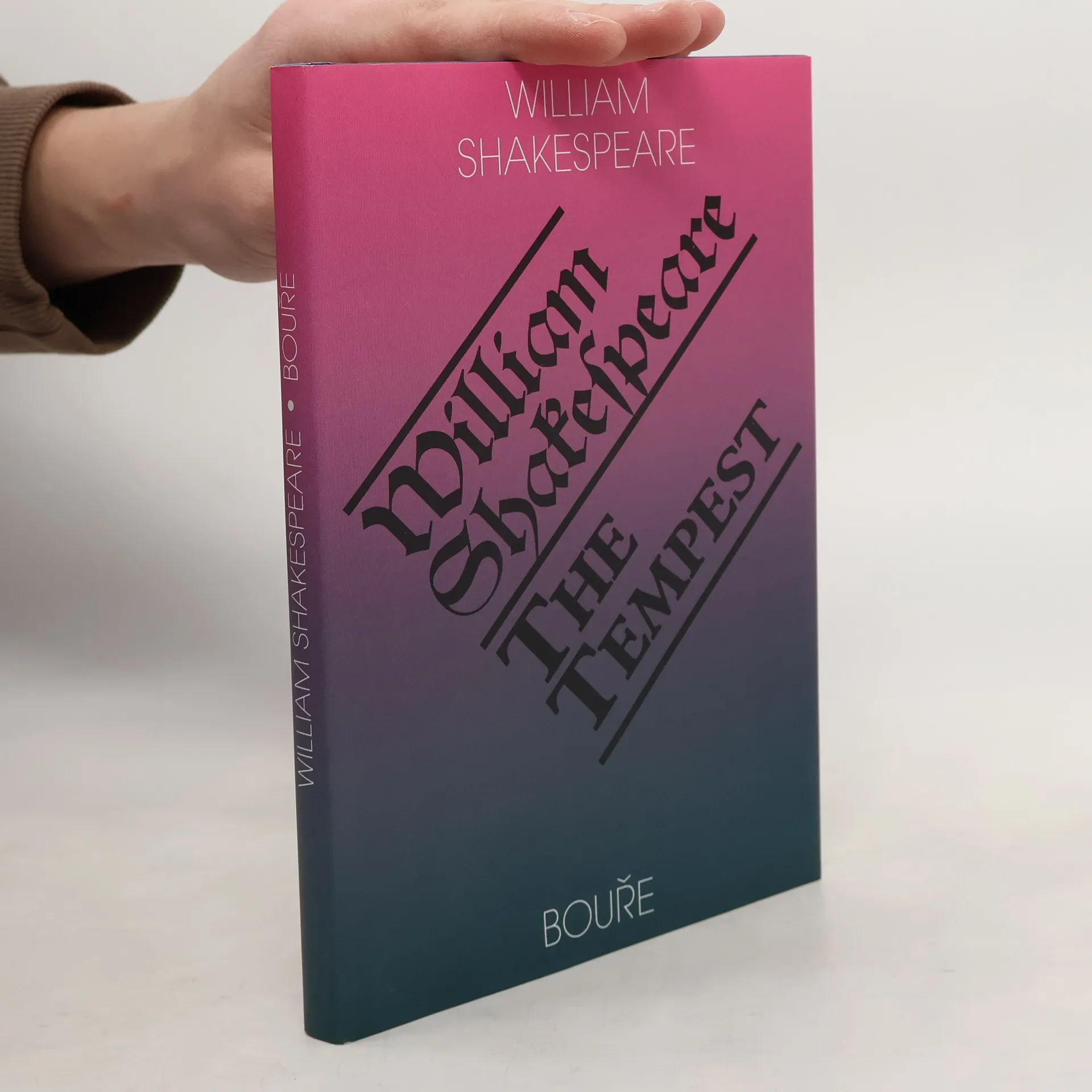
The Tempest
- 156 stránek
- 6 hodin čtení
Příběh o lásce a nenávisti, o mstě a odpuštění, vypráví o ztroskotancích na pustém ostrově. Žije zde ve vyhnanství vévoda Prospero s dcerou Mirandou, která za celý svůj život viděla z lidí jen svého otce a syna čarodějnice Kalibána, ošklivu, který tam žije také. Prospero magií přivolá bouři, protože se chce pomstít uchvatiteli svého milánského vévodství, což je jeho vlastní bratr Antonio, a neapolskému králi Alonsovi, který Antoniovi pomohl. S pomocí lesních duchů a víl rozežene trosečníky po ostrově, bloudí a cítí se ztraceni. Syn Alonsa Ferdinand se dostane k Mirandě, oba se zamilují. Nakonec se všichni sejdou u Prosperovi chatrče a on ze své msty upustí, usmíří se a dá svou dceru Ferdinandovi za ženu.
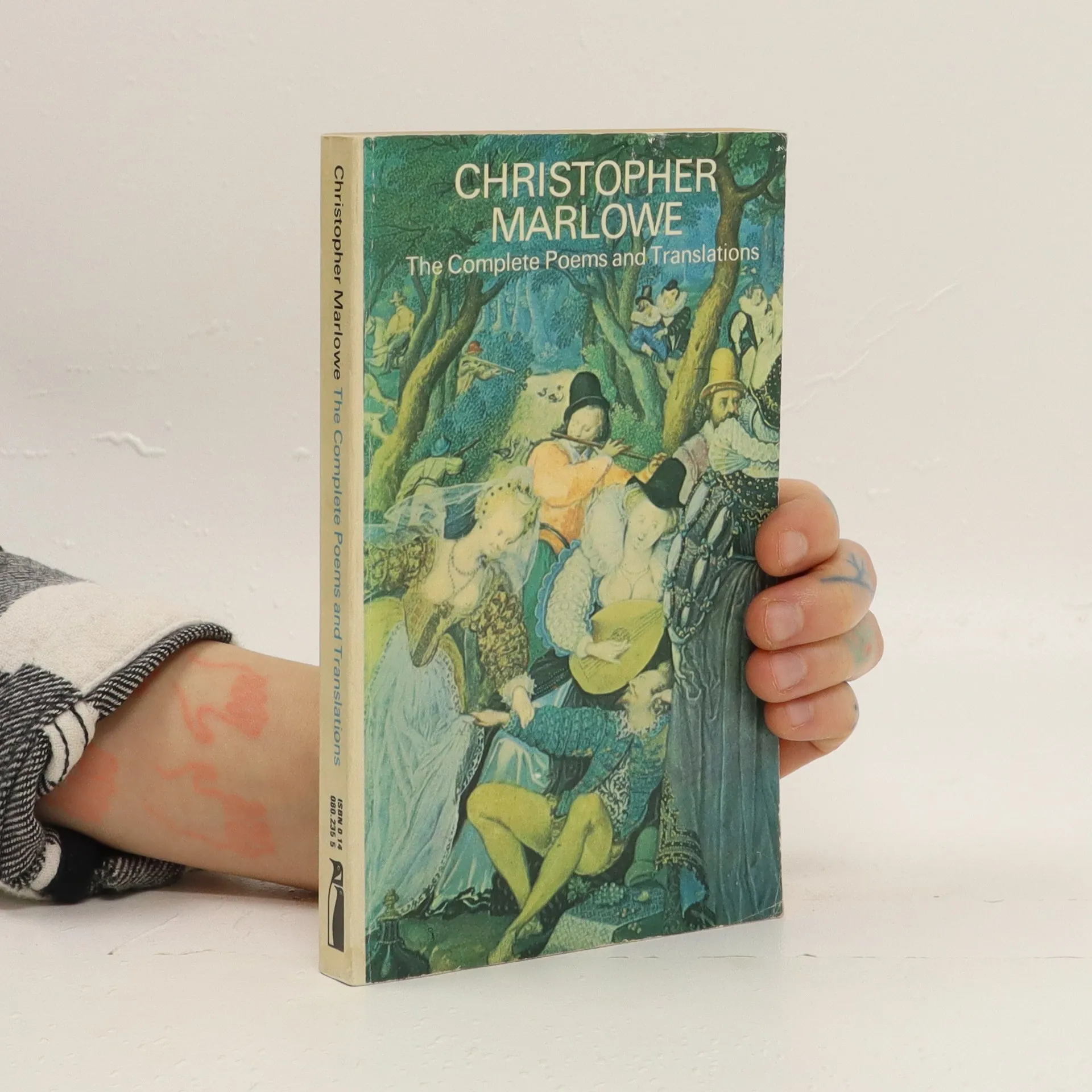
The essential lyric works of the great Elizabethan playwright newly revised and updated Though best known for his plays and for courting danger as a homosexual, a spy, and an outspoken atheist Christopher Marlowe was also an accomplished and celebrated poet. This long-awaited updated and revised edition of his poems and translations contains his complete lyric works from his translations of Ovidian elegies to his most famous poem, The Passionate Shepherd to His Love, to the impressive epic mythological poem Hero and Leander.
Exploring the transition of Shakespeare's works from performance to literature, Stephen Orgel investigates the editorial efforts that have aimed to create a definitive text since the 1623 folio. He highlights the dynamic nature of theatrical performances, which varied across venues and audiences, and examines the implications of this evolution on the perception and preservation of Shakespeare's plays as literary texts.
The book explores the dynamic interplay between Christian values and classical traditions during the Renaissance, highlighting how this conflict fostered a vibrant creative environment. Stephen Orgel examines the resulting tension that led to a remarkable blossoming of English drama, lyric poetry, and the arts, offering insights into the cultural shifts that shaped this pivotal period in literature.
The Invention of Shakespeare, and Other Essays
- 192 stránek
- 7 hodin čtení
Exploring the complexities of Shakespearean texts, this collection of twelve essays delves into the errors and confusions found within his works. Stephen Orgel examines the editorial and interpretive strategies used to address these challenges in commentary and performance. He critiques the notion of returning to an authentic version of Shakespeare's writings, emphasizing that modern interpretations often involve clarifying and correcting the original, which was inherently difficult to read. The essays reveal the ongoing struggle to present a coherent and accessible representation of Shakespeare's genius.
In this new addition to the Oxford Textual Perspectives series, Stephen Orgel considers the idea of the book not simply as a container for written work, but as an essential element in its creation.
How did the popular drama of Shakespeare's age become literature? Editorial efforts since the first folio of 1623 have attempted to establish a correct, final text of Shakespeare's plays. Yet the text in the theater changed constantly in front of different venues and audiences. Stephen Orgel examines what happens to plays when they become books.