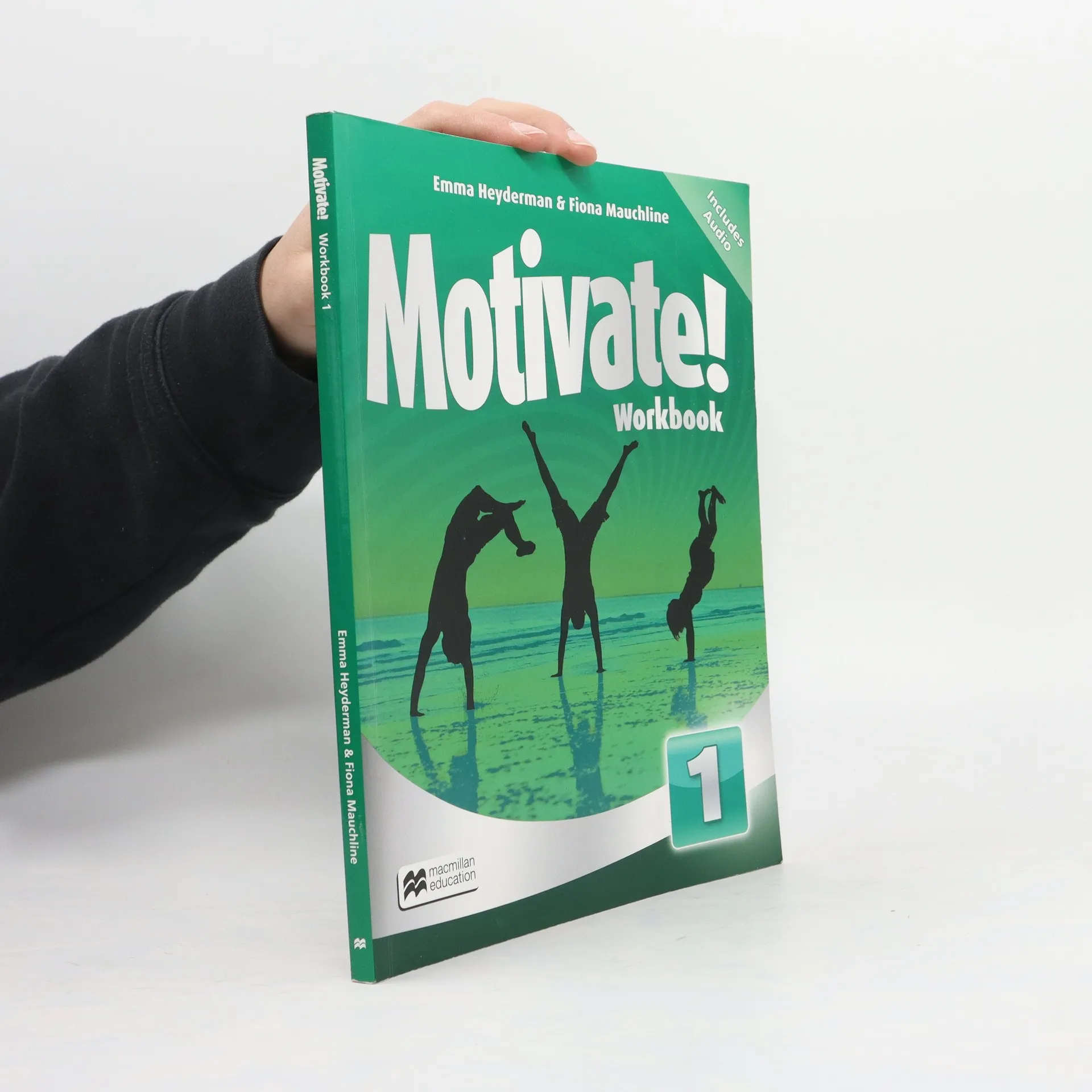
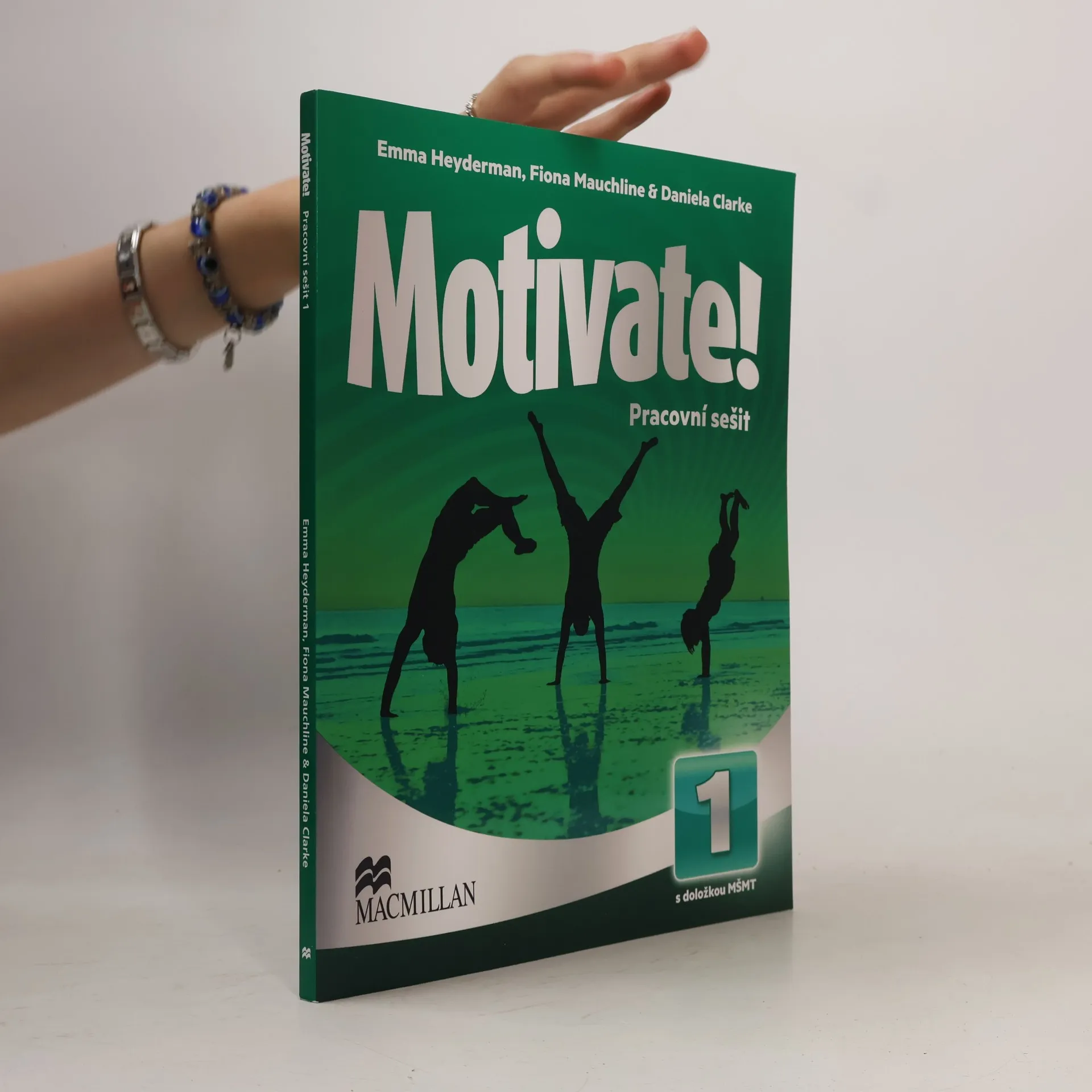
Motivate! : pracovní sešit. 1
- 152 stránek
- 6 hodin čtení




The Writing guide steps help students with the preparation with their own written text. Reading in the unit contains information about an aspect of Culture from an English-speaking country related to the theme of the unit.
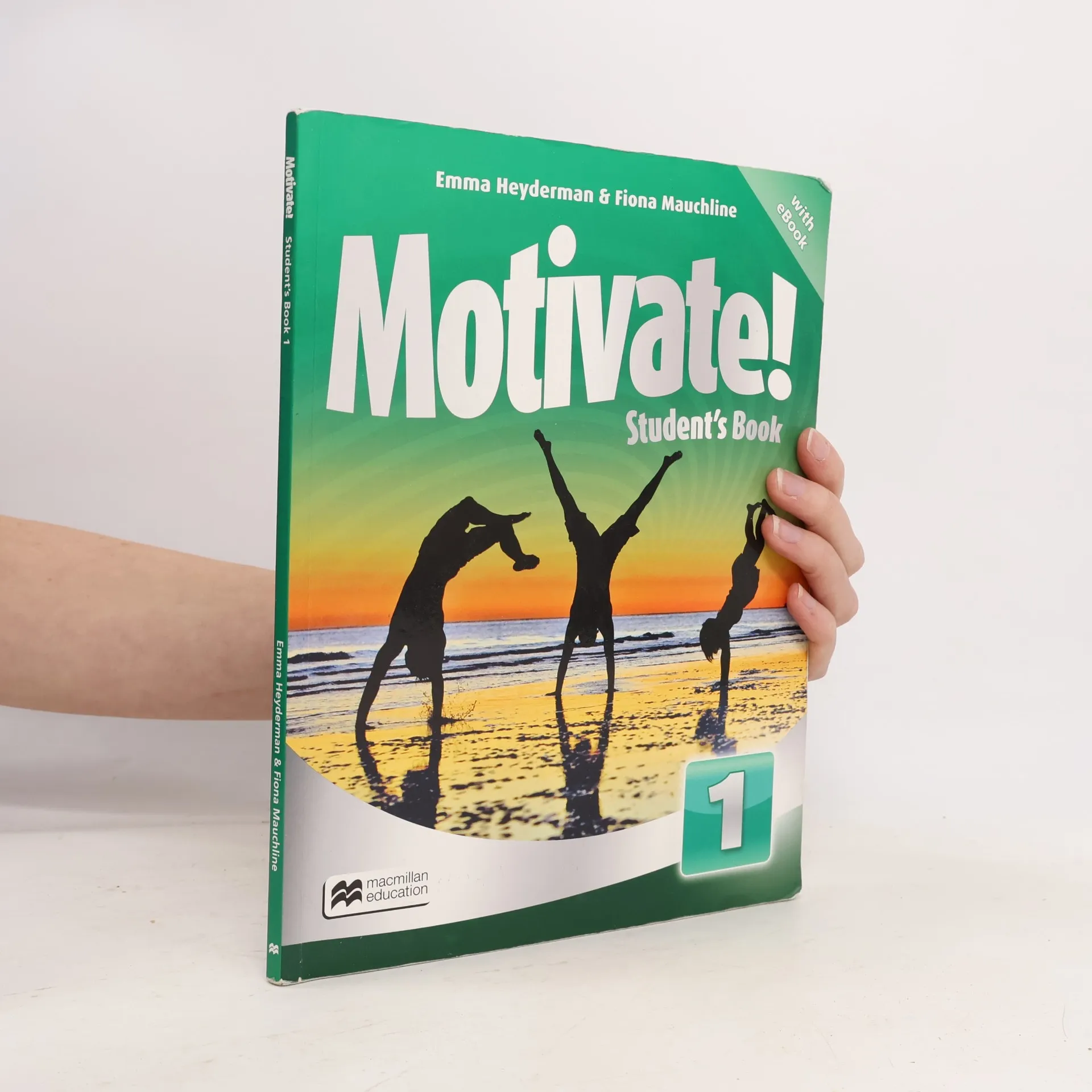
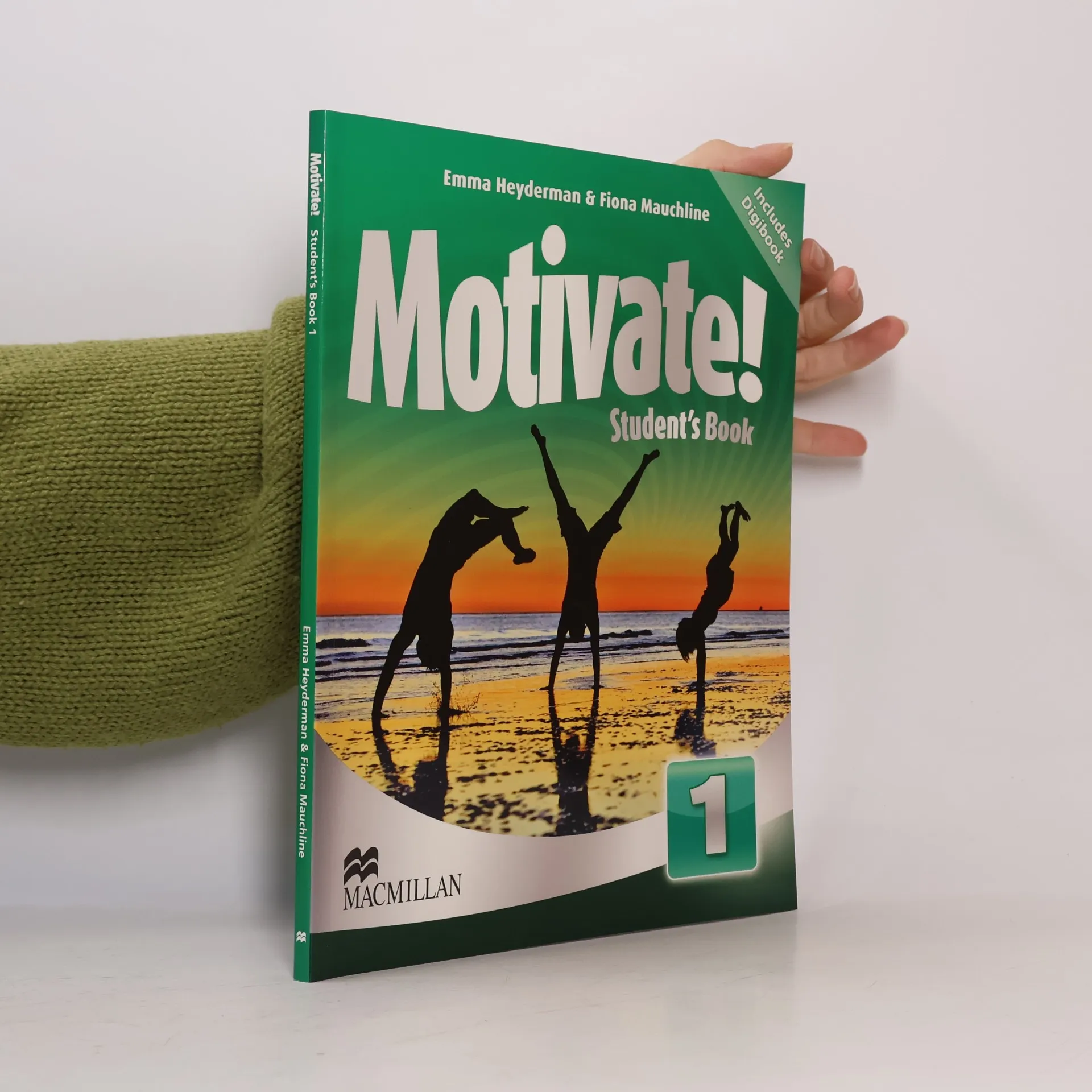
Motivate! is a four-level course designed for lower secondary school students, providing a balanced approach to grammar, vocabulary, pronunciation, and the four skills of reading, listening, speaking, and writing, while catering to mixed abilities. Each unit integrates cultural elements and CLIL, enhancing the learning experience. The Student's Book includes a Digibook on DVD-Rom, ensuring thorough grammar instruction with opportunities for practice in both written and oral contexts. Engaging reading texts and regular listening exercises boost students' communicative competence. The course emphasizes structured methods for teaching productive skills, allowing for personalisation. Support features, such as learning strategies and common error tips, enhance retention and effectiveness. A systematic approach to revision is evident through Vocabulary and Grammar Guides, Progress checks, and creative group work in revision sections every three units. Additional practice is offered in the Workbook, which includes audio resources. The Teacher's Book, along with Class Audio CDs and a Tests and Exams Pack, provides comprehensive support with ready-made lesson plans. Teacher's Interactive Whiteboard (IWB) software is also available, enhancing the teaching experience. Overall, the course is a robust resource for both students and teachers, ensuring effective language learning.
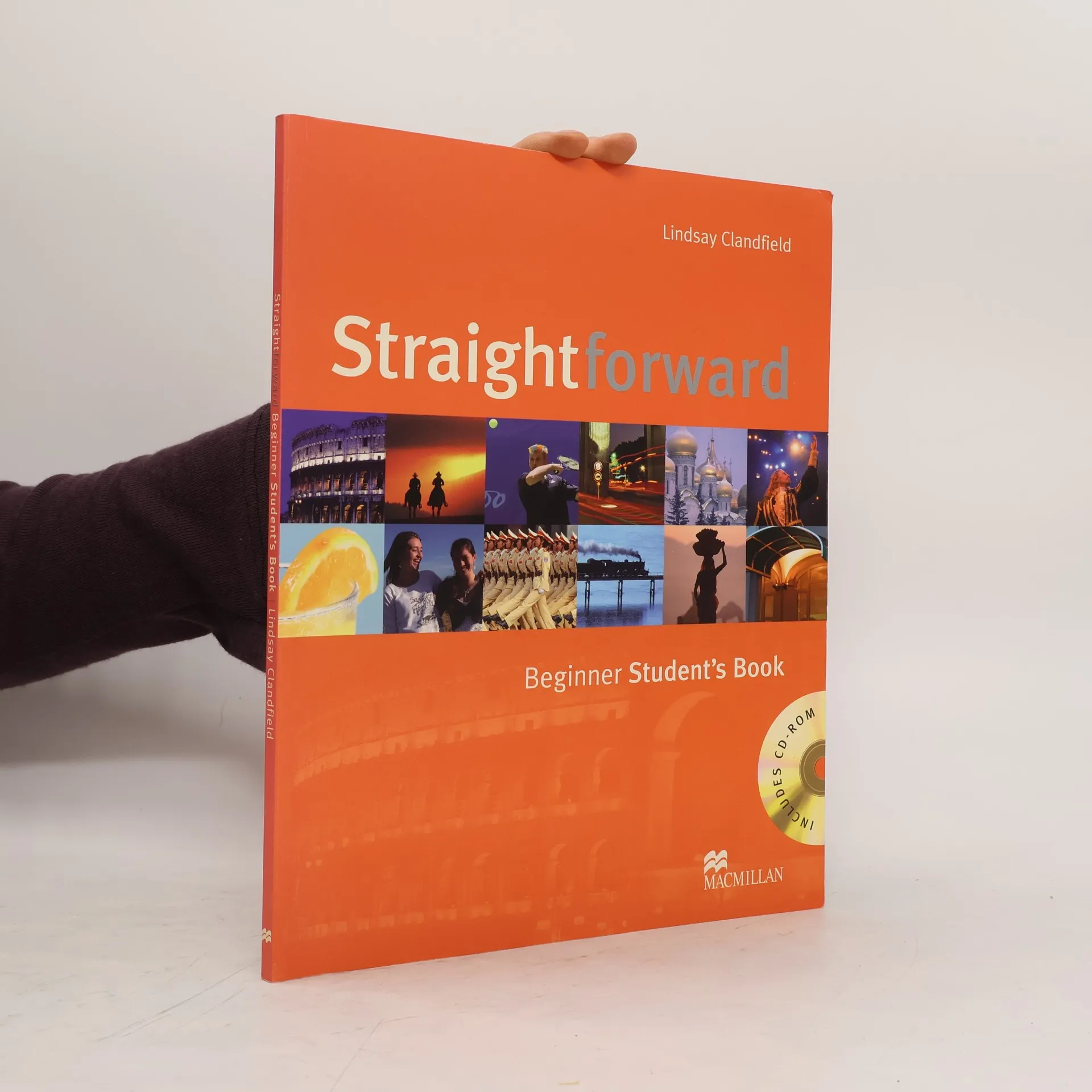
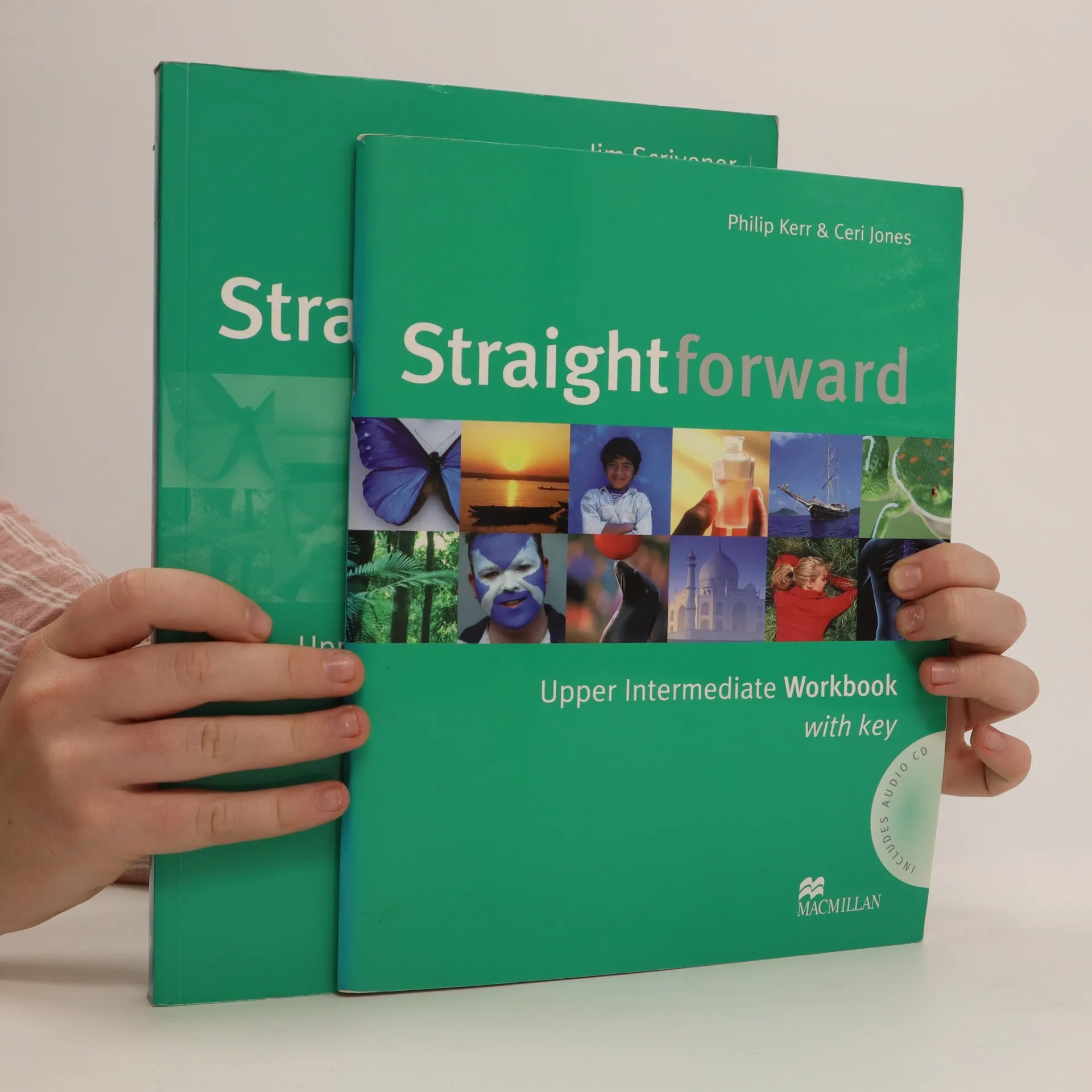
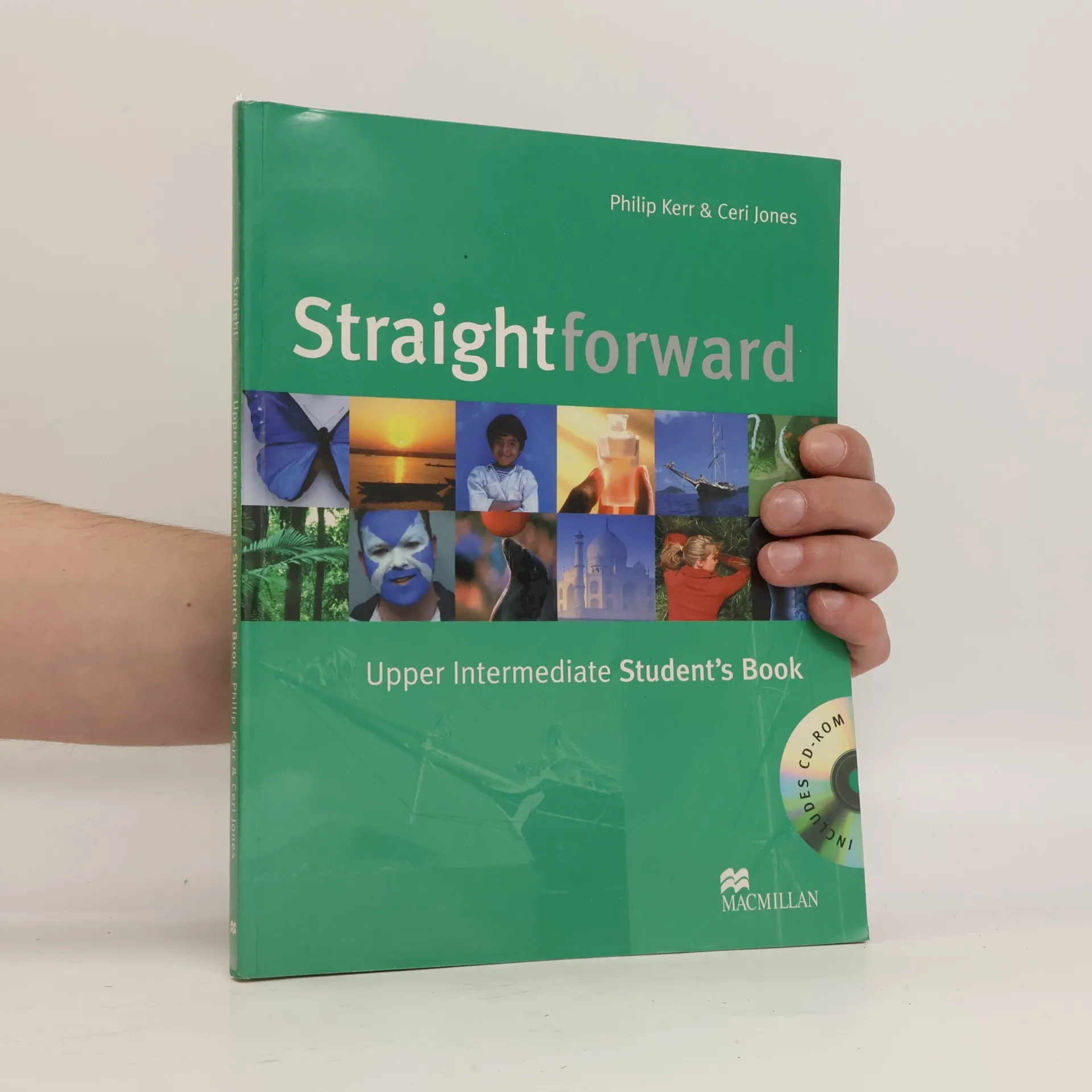
Upper Intermediate Student's Book
For ease of use and practicality Straightforward Second Edition is structured to provide one lesson per double-page spread (A/B/C/D), lasting around 90 minutes. All lessons are interlinked to promote better and more memorable learning, but there is the flexibility to pick out certain key sections to focus on certain language points.
Make a splash this summer with Dive in! Dive in! is your course for the summer! It’s full of activities designed to help you: get to know your classmates talk about your life at home learn about life where you’re staying … and learn to say the right thing in the right situation! This week you’re going to dive into: the ‘Let’s get together’ module Everything you discuss and learn about will help you and your team build your own project. Every day you’ll have time to collect and share your ideas, so that you’re ready to show and present your results at the end of the course.
Make a splash this summer with Dive in! Dive in! is your course for the summer! It’s full of activities designed to help you: get to know your classmates talk about your life at home learn about life where you’re staying … and learn to say the right thing in the right situation! This week you’re going to dive into: the ‘Home and away’ module Everything you discuss and learn about will help you and your team build your own project. Every day you’ll have time to collect and share your ideas, so that you’re ready to show and present your results at the end of the course.
The Project-Based Short Course. Student’s Book plus online material
Make a splash this summer with Dive in! Dive in! is your course for the summer! It’s full of activities designed to help you: get to know your classmates talk about your life at home learn about life where you’re staying … and learn to say the right thing in the right situation! This week you’re going to dive into: the ‘Out and about’ module Everything you discuss and learn about will help you and your team build your own project. Every day you’ll have time to collect and share your ideas, so that you’re ready to show and present your results at the end of the course.
The Project-Based Short Course. Student’s Book plus online material
Make a splash this summer with Dive in! Dive in! is your course for the summer! It’s full of activities designed to help you: get to know your classmates talk about your life at home learn about life where you’re staying … and learn to say the right thing in the right situation! This week you’re going to dive into: the ‘Me and my world’ module Everything you discuss and learn about will help you and your team build your own project. Every day you’ll have time to collect and share your ideas, so that you’re ready to show and present your results at the end of the course.
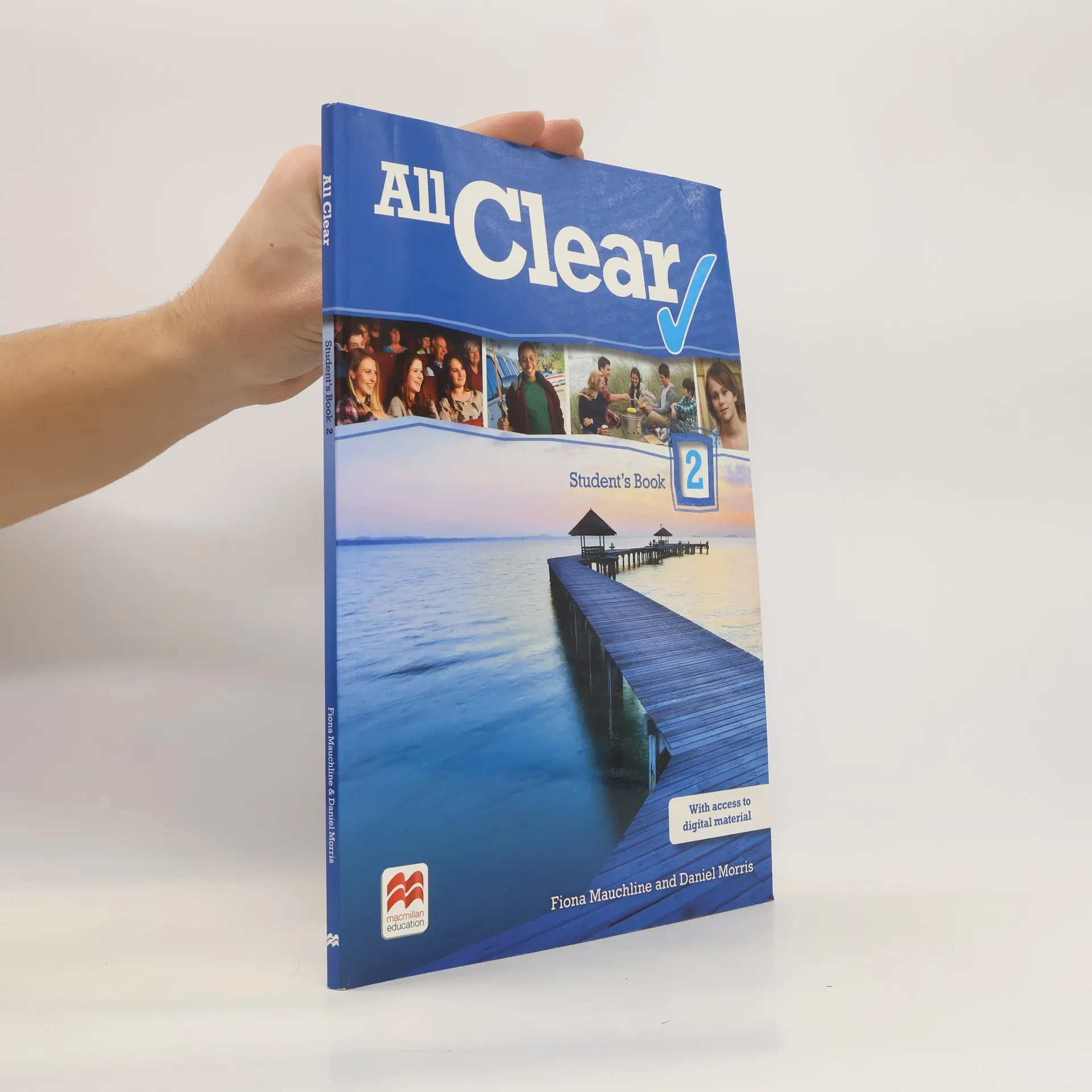
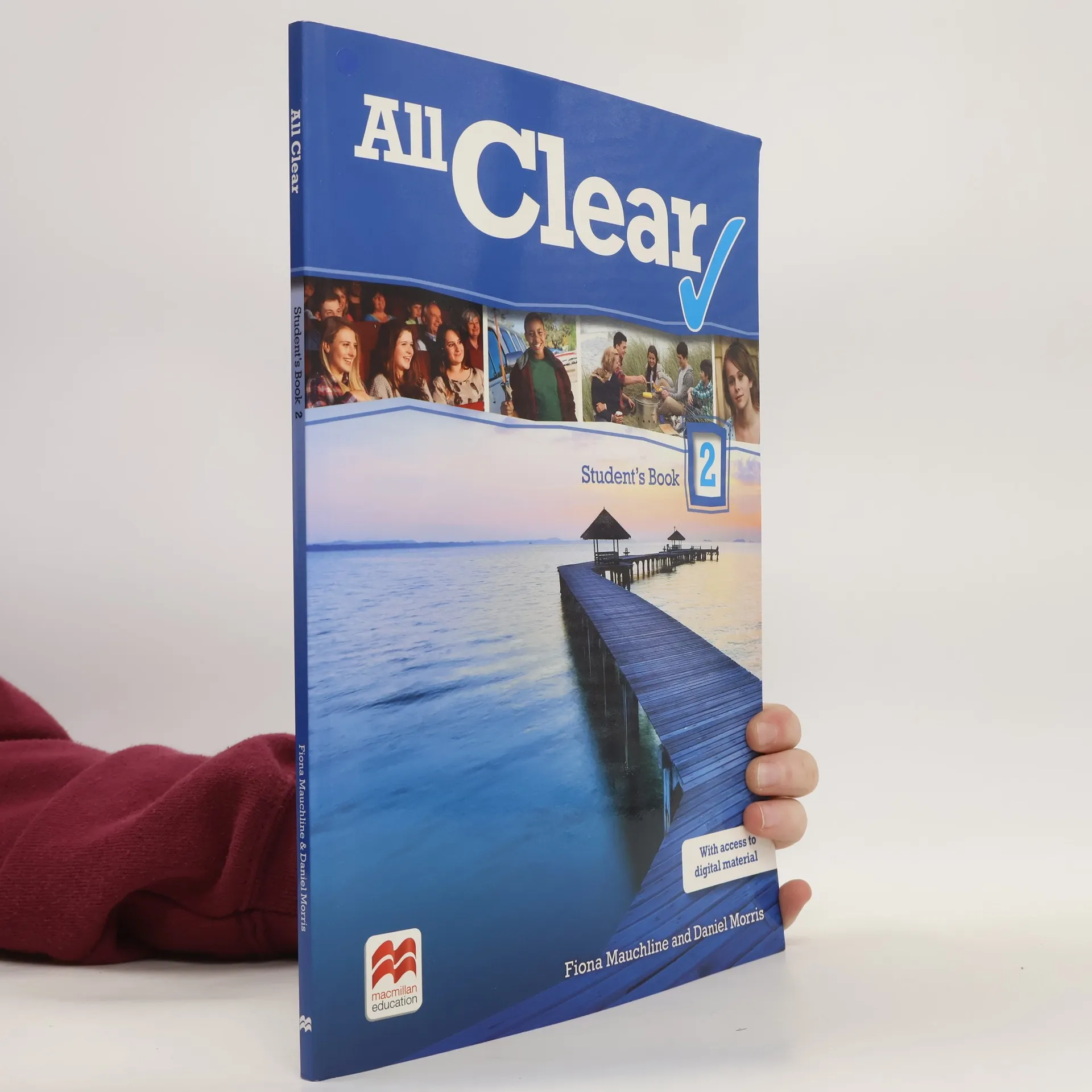
The Student's Book offers a well-paced, balanced approach to teaching grammar, vocabulary, pronunciation and the four skills of reading, listening, speaking and writing, with an emphasis on mixed abilities. Culture and CLIL feature in every unit.
Ideal for teachers looking for an easy-to-use adult general English course, Straightforward, is flexible and simple to use, based around 12 topics per level. It always takes the most suitable methodological approach to what is being taught, resulting in the perfect balance of skills and language work. Extra section including functional language, writing skills, grammar notes and word lists round off the Students Book.Key Features:Simple enough for new teachers to use; flexible enough for tho
"A four-level course for secondary school students, giving a well-paced, balanced approach to teaching grammar, vocabulary, pronunciation and the four skills of reading, listening, speaking and writing, combined with an emphasis on mixed abilities. Culture and CUL feature in every unit"--P. [4] of cover.