Edward Samuel Behr byl novinář a zahraniční zpravodaj, který se věnoval především válečným konfliktům. Svou kariéru zahájil na počátku 50. let v agentuře Reuters, poté pracoval pro Time-Life a jako vedoucí redakce působil v několika světových městech pro magazín Time. V roce 1965 nastoupil do Newsweeku jako vedoucí asijské redakce v Hongkongu. Později v kariéře natočil několik dokumentů pro BBC a napsal několik knih, včetně memoárů.
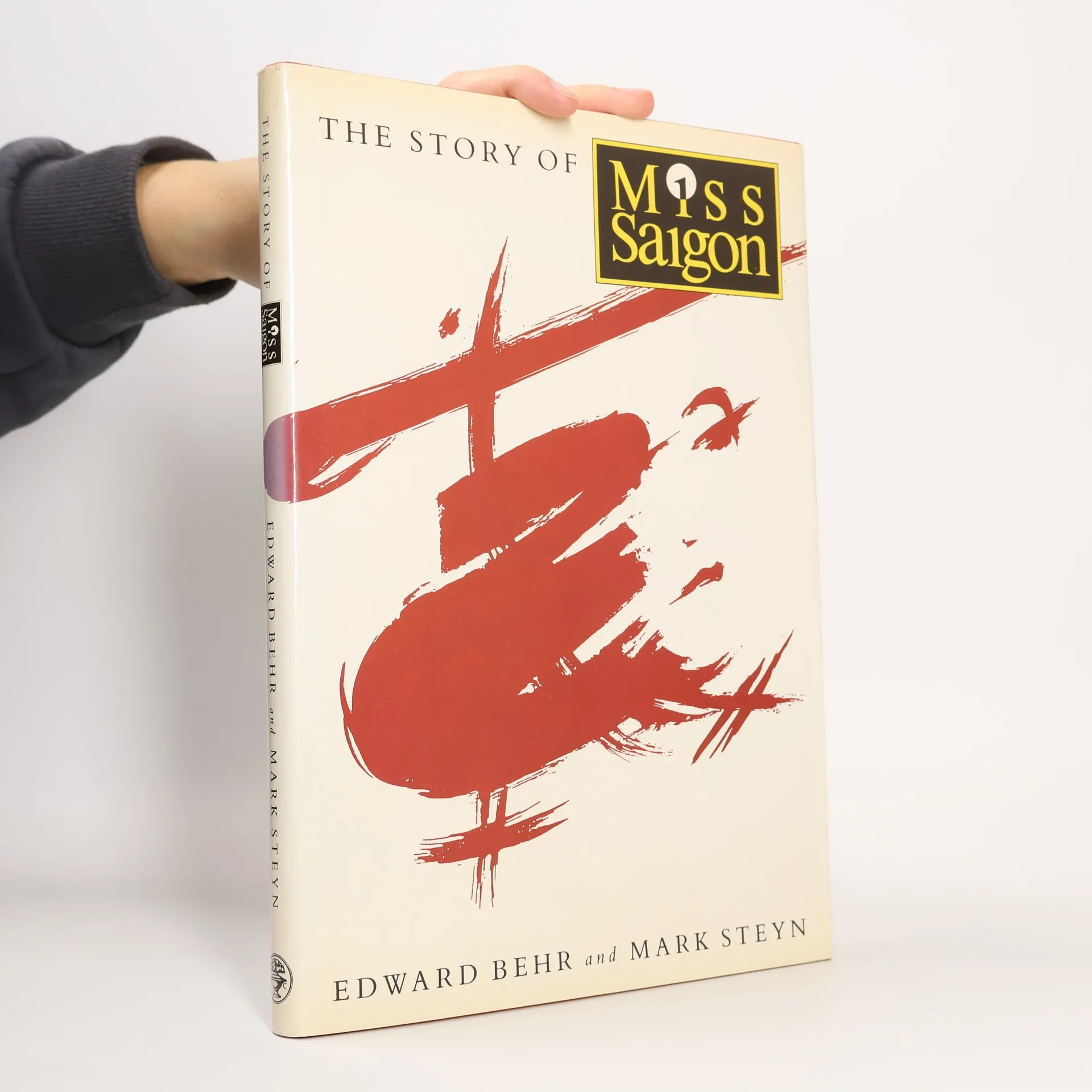
The new musical by Alain Boubil and Claude-Michel Schonberg, coauthors of Les Miserables, promises to be one of the biggest theatrical events of the 1990's. Already dubbed "the world's hottest show" (Time), Miss Saigon is scheduled to open on Broadway in the spring of 1991. Illustrated in full color.
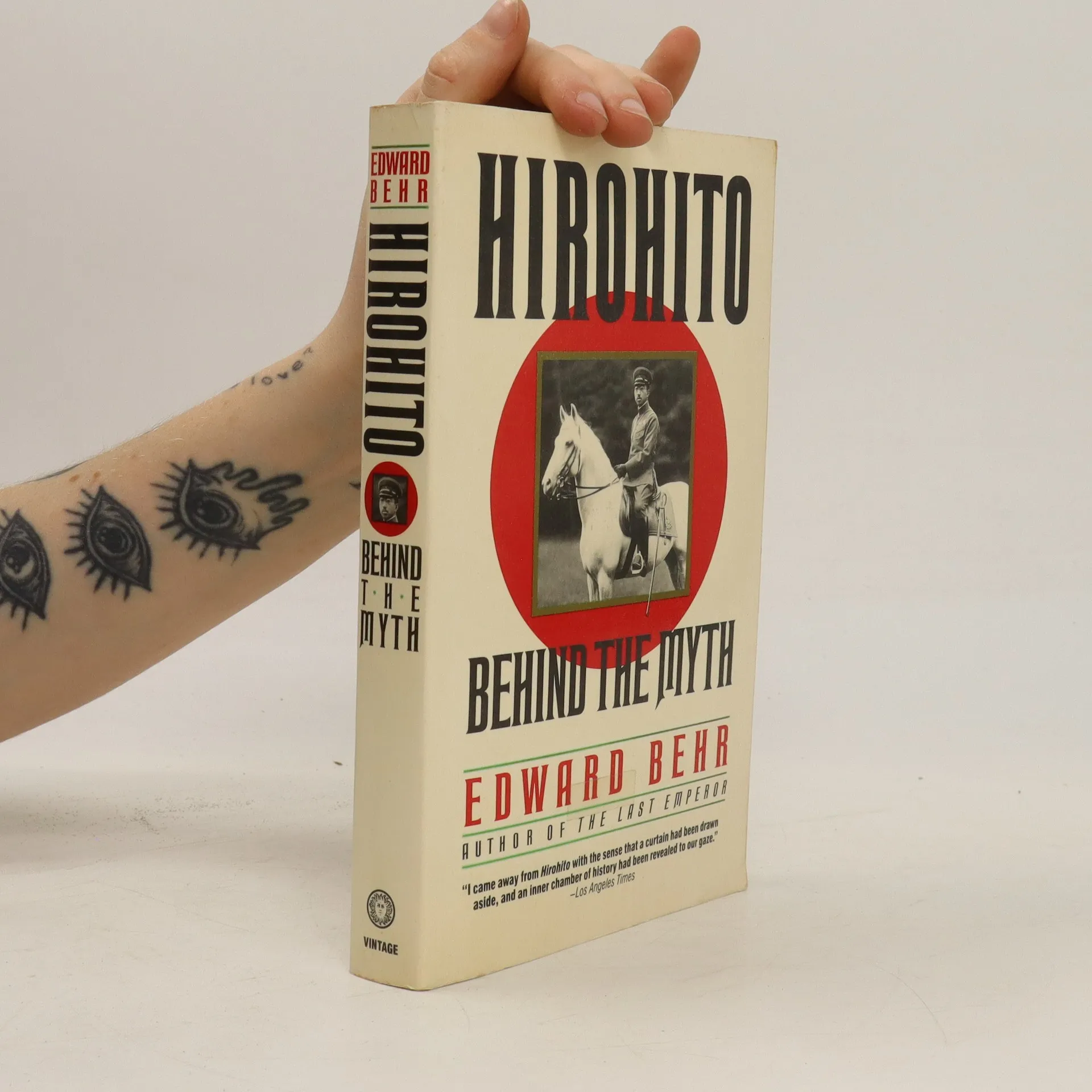
Describes the emperor's life from a shy young prince to his death, exploring the extent of his involvement in World War II and later his skillful diplomacy to escape trial as a war criminal
The Roaring 20s is one of our most romanticized eras. We tend to look back on Prohibition as a golden time of freewheeling gangsters & gun-wielding G-men, all of whom really knew how to live. Edward Behr's comprehensive history of that time labors under no such misconceptions. Prohibition, as he expertly illustrates, was a period of rampant corruption maintained by vicious violence & widespread dishonesty. The central character in the story is bootlegger George Remus, who once recounted to the Senate how he was able to sell massive amounts of whiskey as medicine upon purchasing a license from US Attorney General Harry Daugherty. Readers of Prohibition will never look back on the '20s with quite the same naive pleasure. The good creature of God -- Fervor and fanaticism -- The women's war -- The lineup -- Prohibition's first victims -- America goes dry -- The providers -- Harding and the racketeers -- Remus unravels -- The adventurers -- "Prohibition works!" -- "Prohibition doesn't work!" -- Chicago -- Remus on trial -- Remus redux -- A fatal triumph -- The aftermath.
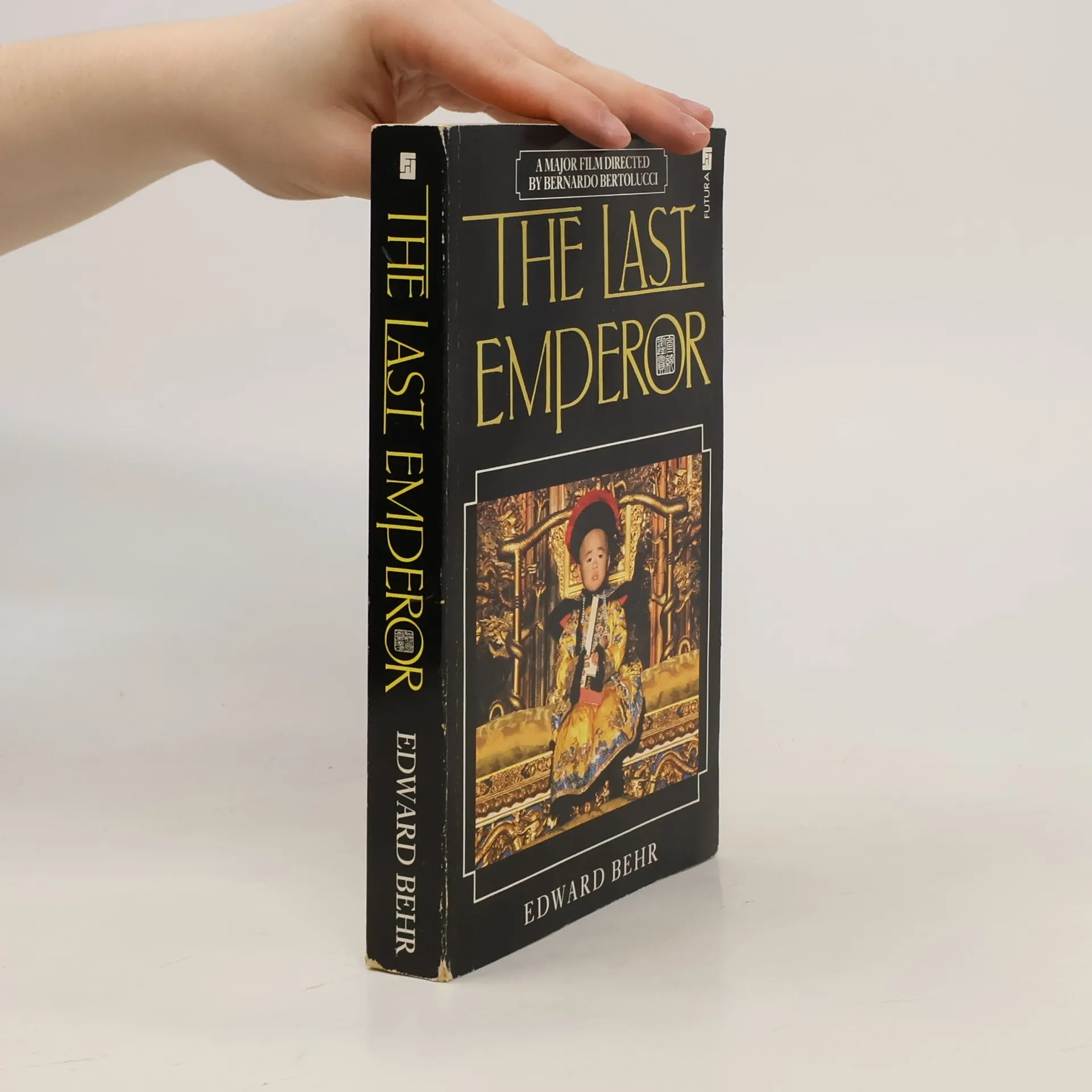
Tells the story of Pu Yi, who became Emperor of China at age three, was made puppet emperor of Manchuria by the Japanese, was captured by the Russians, and was reeducated in Red Chinese prison.
Eén simpel briefje, als een boodschappenlijstje achtergelaten bij de kassa van een supermarkt, is de aanleiding voor een persoonlijk conflict dat uitloopt op een internationaal politiek drama. Het briefje is afkomstig van een Chinees meisje dat werkzaam is op de Londense afdeling van de Chinese geheime dienst en door haar hoge funktie uiterst waardevolle inlichtingen kan verzamelen. Haar briefje vormt de eerste gebeurtenis in een reeks die voor drie wereldmachten, de Verenigde Staten, China en de Sowjet Unie, op een nucleaire confrontatie dreigt uit te lopen. Om dit gevaar af te wenden wordt de man die het meisje hielp overlopen naar het westen, gedwongen haar te brengen naar een wereld waar zij als verraadster geen enkele kans zal hebben. Zijn persoonlijke gevoelens voor haar drijven hem ertoe haar, ten koste van de grootste risico's, weer terug te halen.