

Hedwig Lachmann Knihy




Zjednodušený text klasického románu pro středně pokročilé studenty angličtiny. Součástí knihy je slovník s více jak 200 slovíčky přeložených z angličtiny do češtiny.
Soul of Man Under Socialism
- 36 stránek
- 2 hodiny čtení
Oscar Wilde presents a libertarian socialist view of the economic disparities caused by capitalism, that lead to futile acts of charity instead of definitive solutions. Wilde encourages an overhaul of the structures that allow such inequalities to exist. The Soul of Man Under Socialism is an insightful look into Wilde's personal and political beliefs. Within the essay he emphasizes individualism over group think, using Jesus Christ as a prime example. He also offers a detailed critique of capitalist societies that revel in charity, instead of eliminating its need. Poverty cannot be fought with kindness; it requires genuine compassion backed by policy. Wilde's perspective was heavily influenced by the writings of Peter Kropotkin, a Russian anarchist and socialist. In The Soul of Man Under Socialism, Wilde invokes powerful ideas that call for accountability and drastic change. It's a raw declaration of his contemporary anarchist views. With an eye-catching new cover, and professionally typeset manuscript, this edition of The Soul of Man Under Socialism is both modern and readable.
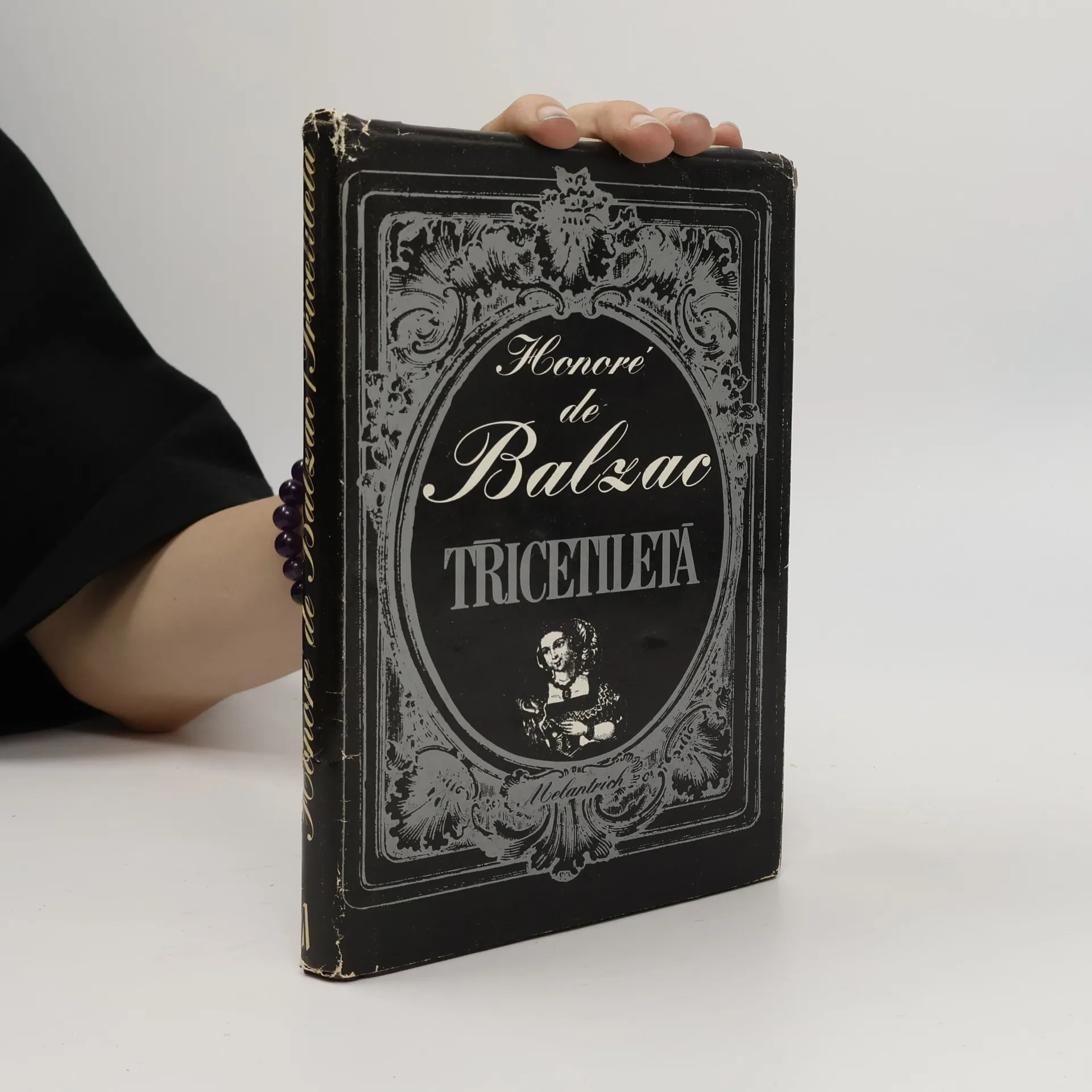
Vše začalo příhodou v roce 1813, kdy se mladá Julie byla se svým otcem podívat na vojenské přehlídce na počest Napoleona v Carrouselu. Zamilovala se tam do mladého důstojníka Victora d'Aiglemont, za kterého se rok nato provdala. Ve své naivitě ale čekala od manželství něco docela jiného a brzy přišla na to, že měl otec pravdu, když ji varoval a říkal, že je Victor chladný a přízemní člověk. Jenže sňatek nešlo vzít zpět...