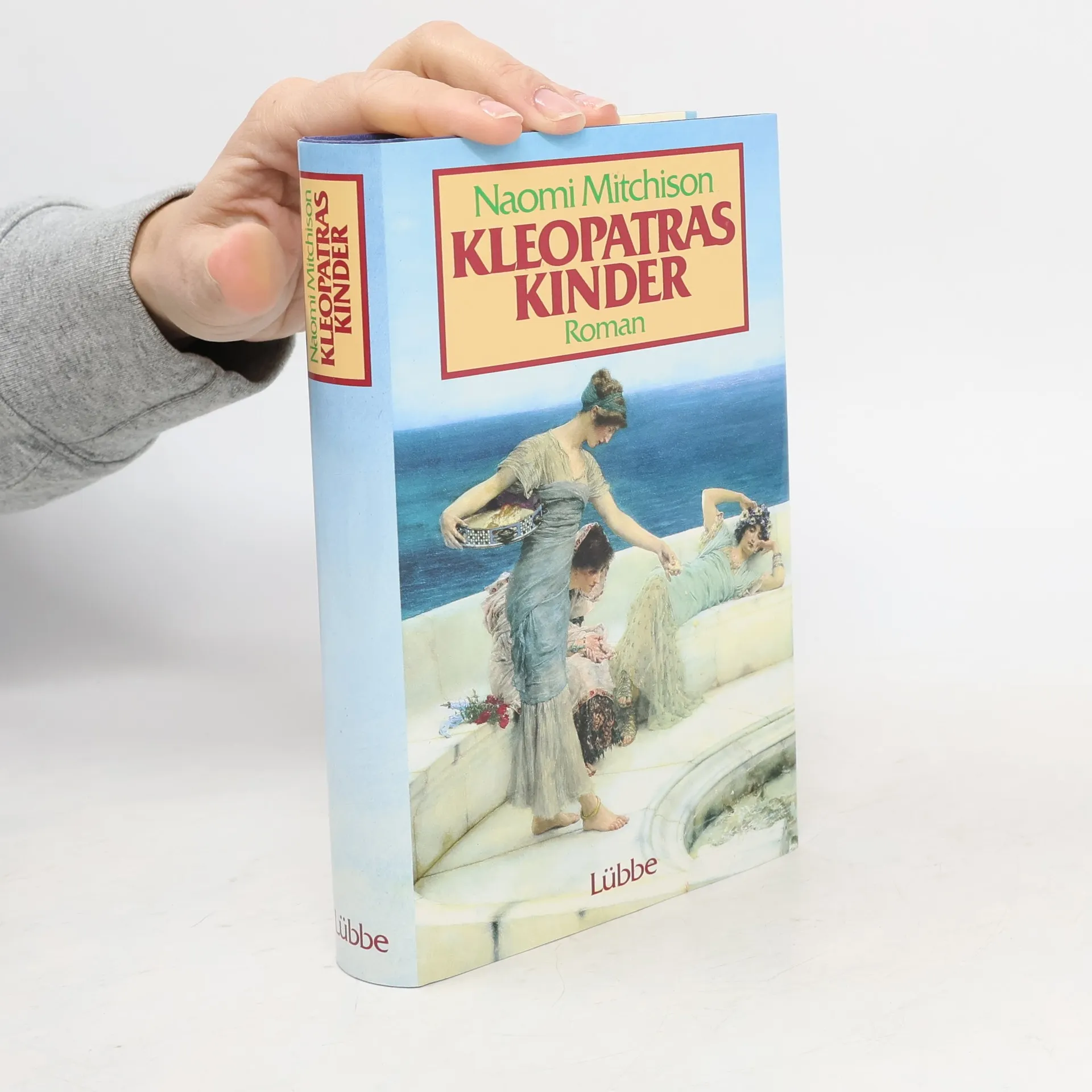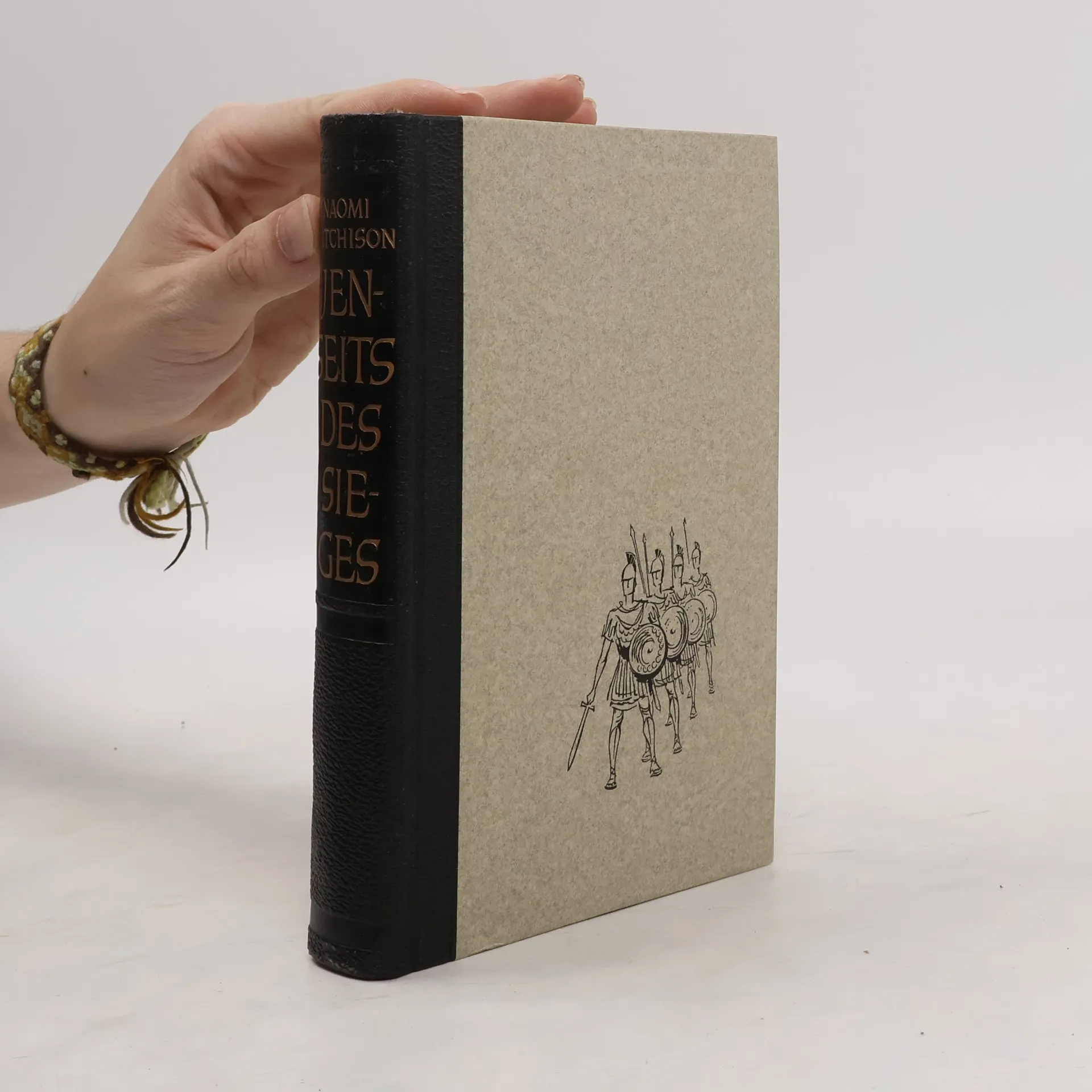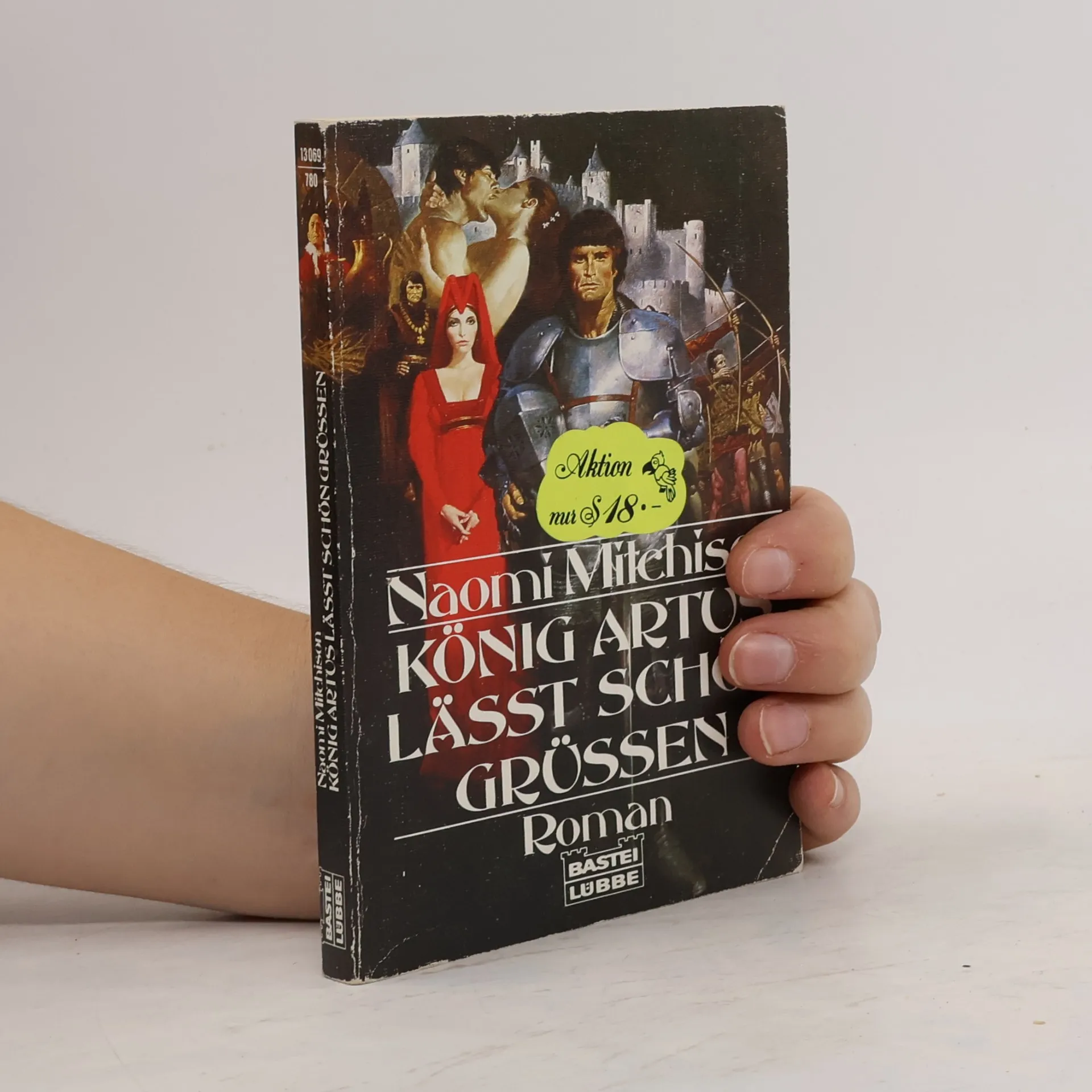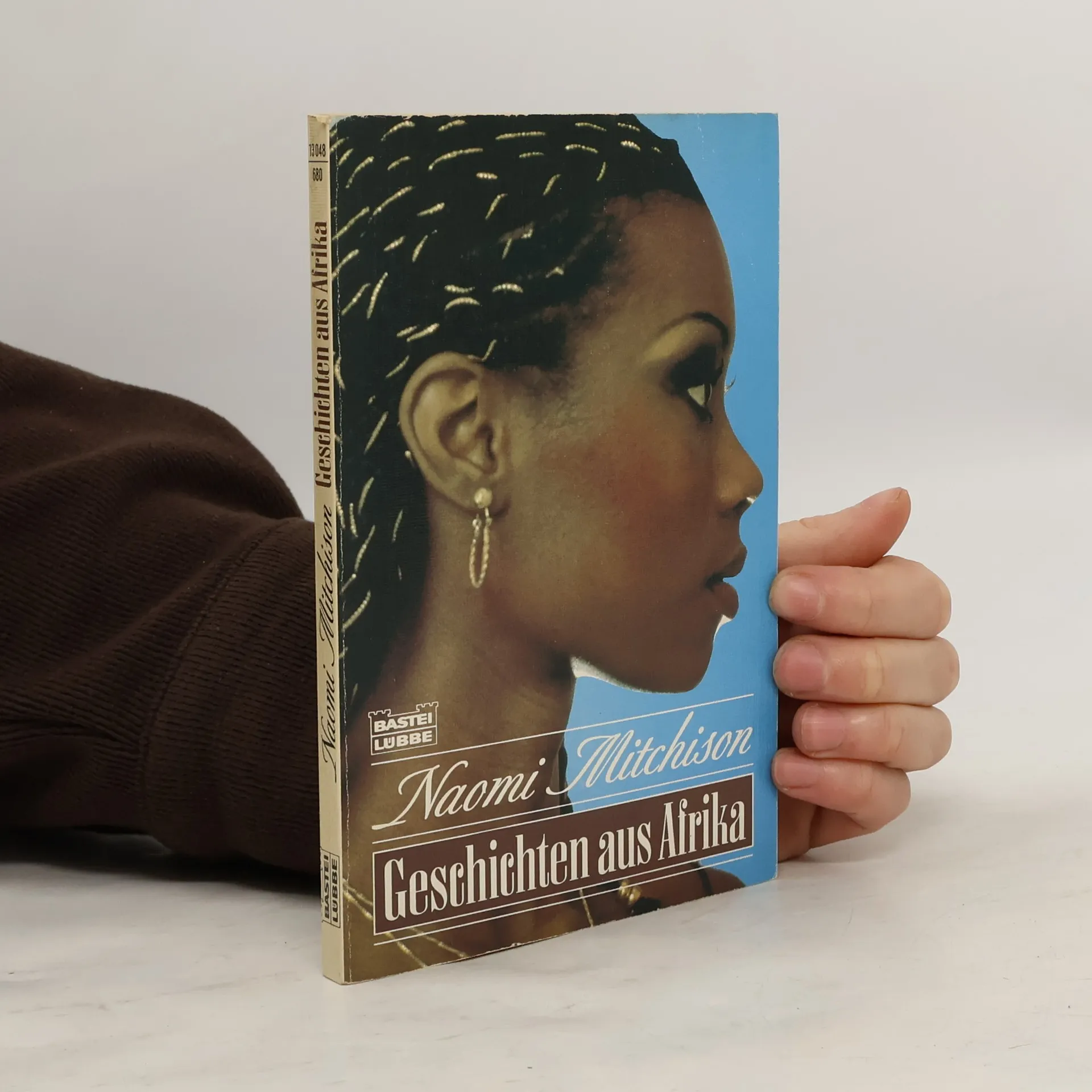

Naomi Mitchisonová byla plodná autorka, jejíž rozsáhlé dílo zahrnovalo historickou fikci, science fiction, poezii, autobiografii a literaturu faktu. S velkou obratností zachycovala univerzální témata, jako je odvaha, odpuštění a hledání smyslu života. Její styl se vyznačoval téměř intimní blízkostí, připomínající deníkový záznam, přesto bez jakéhokoli pózování či snahy o efekt. Prostřednictvím svých příběhů, podobných hlubokým, teplým vodám, kde je každý detail jasně viditelný, zprostředkovávala hluboké pravdy s klidnou hloubkou.
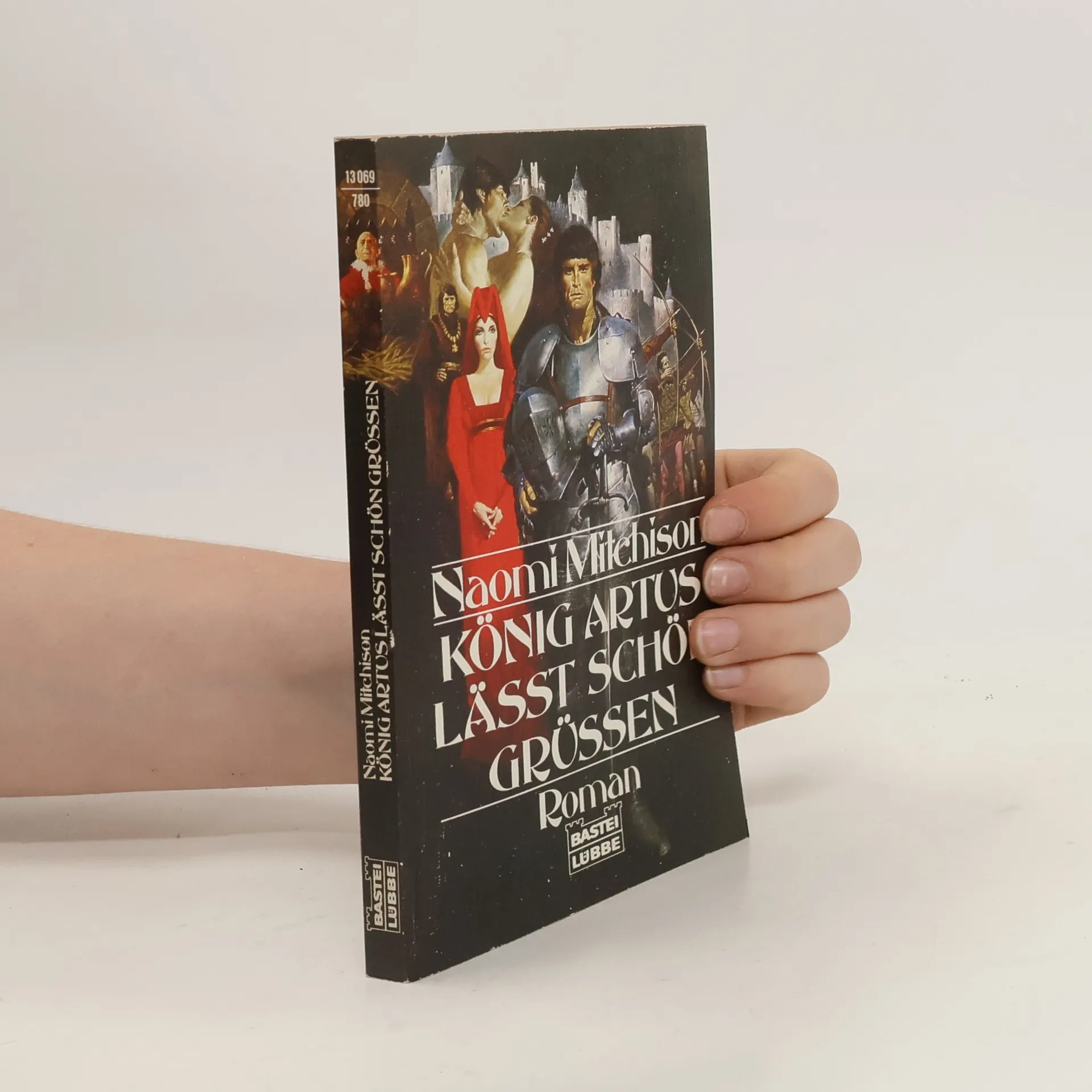
Exploring the Arthurian legend through a modern lens, the narrative follows two young reporters from rival newspapers as they cover the unfolding events of King Arthur's quest for the Holy Grail. Set against the backdrop of the Cold War, Mitchison blends humor with a quest for spiritual growth, using her journalistic insights to navigate the fantastical tales. While her innovative approach garnered mixed reactions from contemporaries, including Tolkien, it ultimately serves as a commentary on storytelling itself, inviting readers on a journey of discovery.
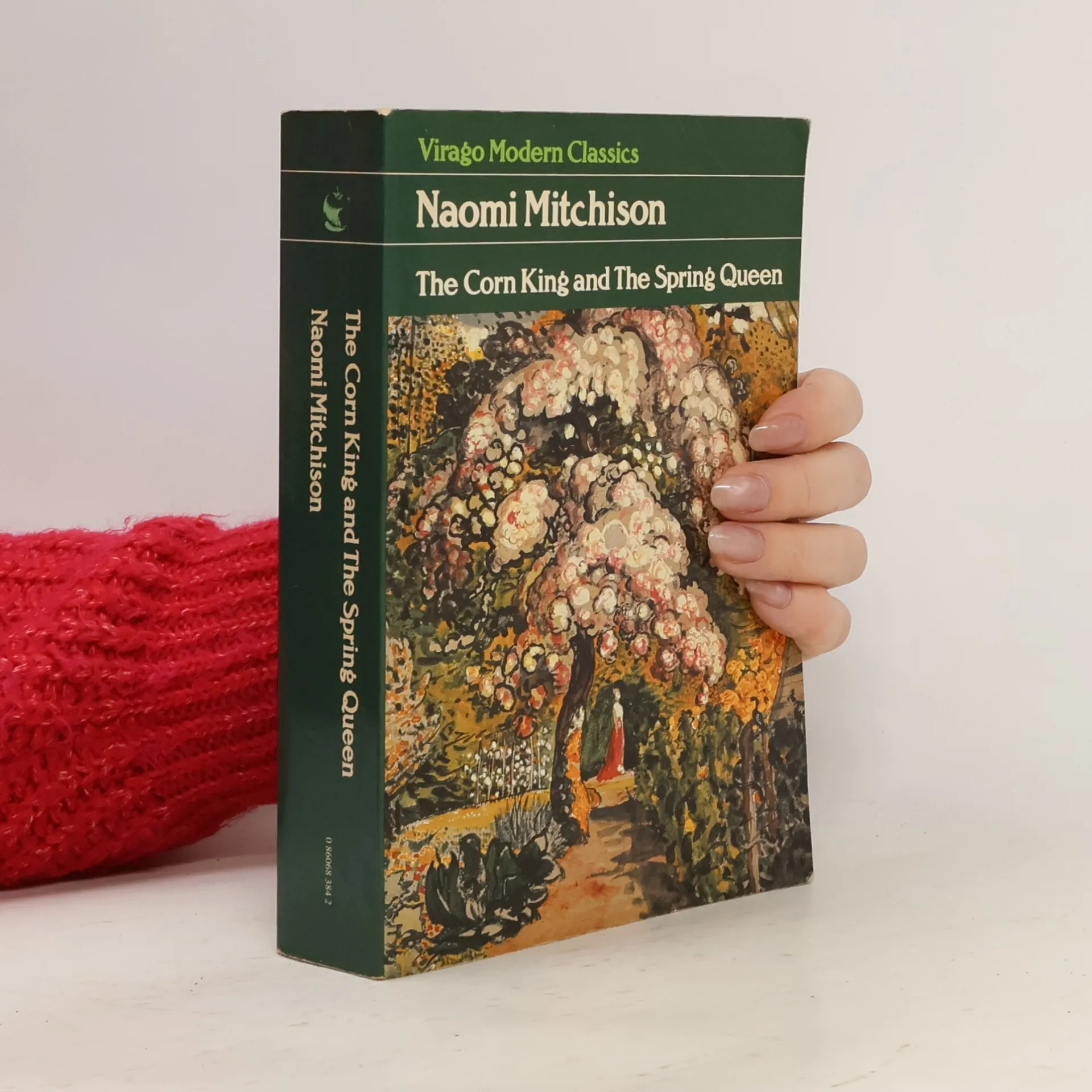
Introduced by Naomi Mitchison. Set over two thousand years ago on the clam and fertile shores of the Black Sea, Naomi Mitchison's The Corn King and the Spring Queen tells of ancient civilisations where tenderness, beauty and love vie with brutality and dark magic. Erif Der, a young witch, is compelled by her father to marry his powerful rival, Tarrik the Corn King, so becoming the Spring Queen. Forced by her father, she uses her magic spells to try and break Tarrik's power. But one night Tarrik rescues Sphaeros, an Hellenic philosopher, from a shipwreck. Sphaeros in turn rescues Tarrik from near death and so breaks the enchantment that has bound him. And so begins for Tarrik a Quest - a fabulous voyage of discovery which will bring him new knowledge and which will reunite him with his beautiful Spring Queen.
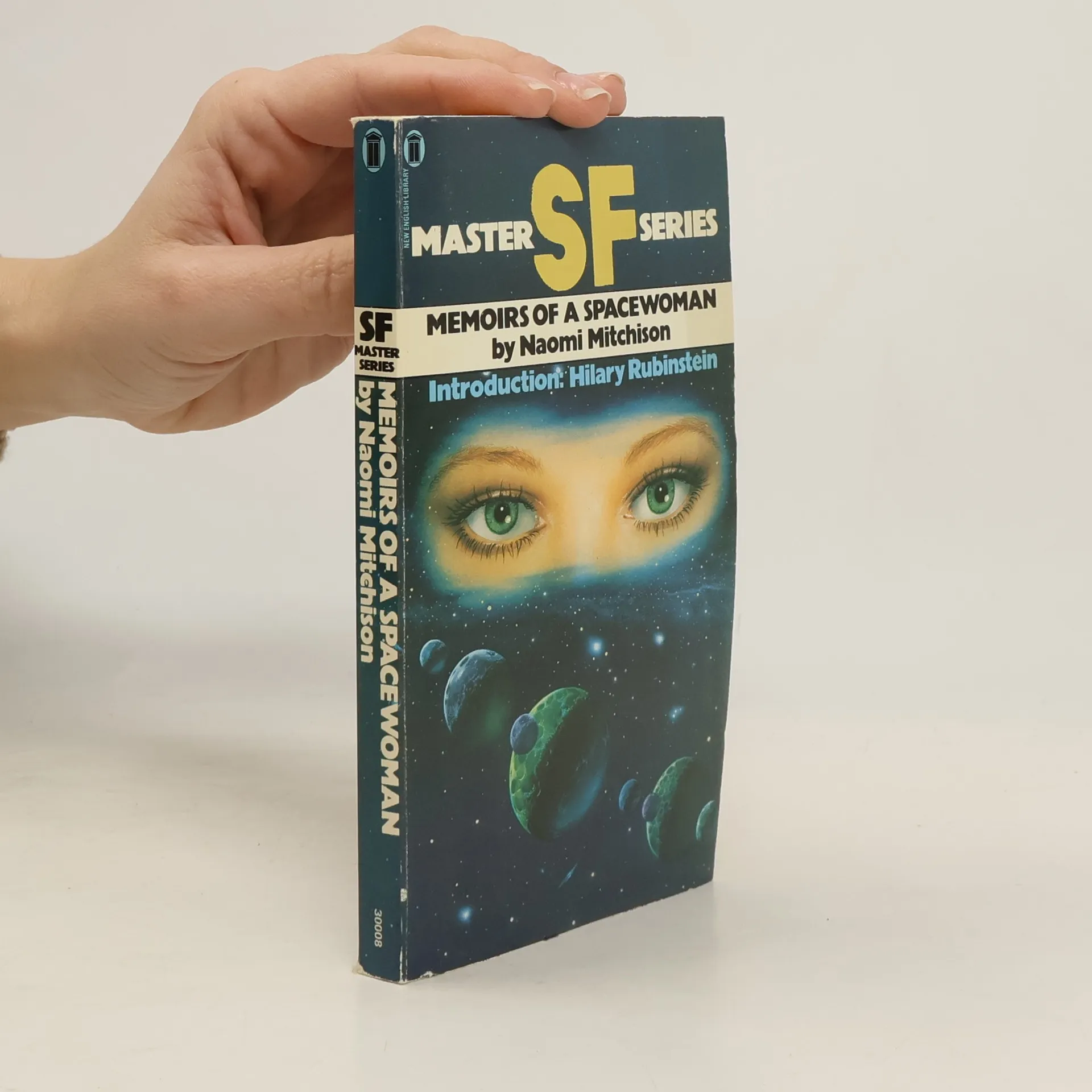
Naomi Mitchison, daughter of a distinguished scientist, sister of geneticist J B S Haldane, was always interested in the sciences, especially genetics. Her novels did not tend to demonstrate this, and she did not publish a Science Fiction novel until almost forty years into her fiction-writing career. Isobel Murray's Introduction here argues that it is by no means 'pure' Science Fiction: the success of the novel depends not only on the extraordinarily variety of life forms its heroine encounters and attempts to communicate with on different worlds: she is also a very credible human, or Terran, with recognisibly human emotions and a dramatic emotional life. This novel works effectively for readers who usually eschew the genre and prefer more traditional narratives. Explorers like Mary are an elite class who consider curiosity to be Terrans' supreme gift, and in the novel she more than once takes risks that may destroy her life. Her voice, as she records her adventures and experiments, is individual, attractive and memorable. Isobel Murray is Emeritus Professor of Modern Scottish Literature at the University of Aberdeen.
An enchanting collection that introduces the author and activist Naomi Mitchison to a new generation of readers The Fourth Pig, originally published in 1936, is a wide-ranging collection of fairy tales, poems, and ballads that reflect the hopes and forebodings of their era but also resonate with those of today. From a retelling of “Hansel and Gretel” to the experimental title story, a dark departure from “The Three Little Pigs,” this book is a testament to the talents of Naomi Mitchison (1897–1999), who was an irrepressible phenomenon—a prominent Scottish political activist as well as a prolific author. Mitchison’s work, exemplified by the tales in this superb new edition, is stamped with her characteristic sharp wit, magical invention, and vivid political and social consciousness. Marina Warner, the celebrated scholar of myths and fairy tales and writer of fiction, provides an insightful introduction to Mitchison as a remarkable writer and personality.
From the dark ages to modern times, from the dragons of medieval forests to Constantinople, this is a fantastic and philosophical fairy-tale journey that will appeal to fans of Harry Potter, Diana Wynne Jones, and T. H. White’s The Sword in the Stone.
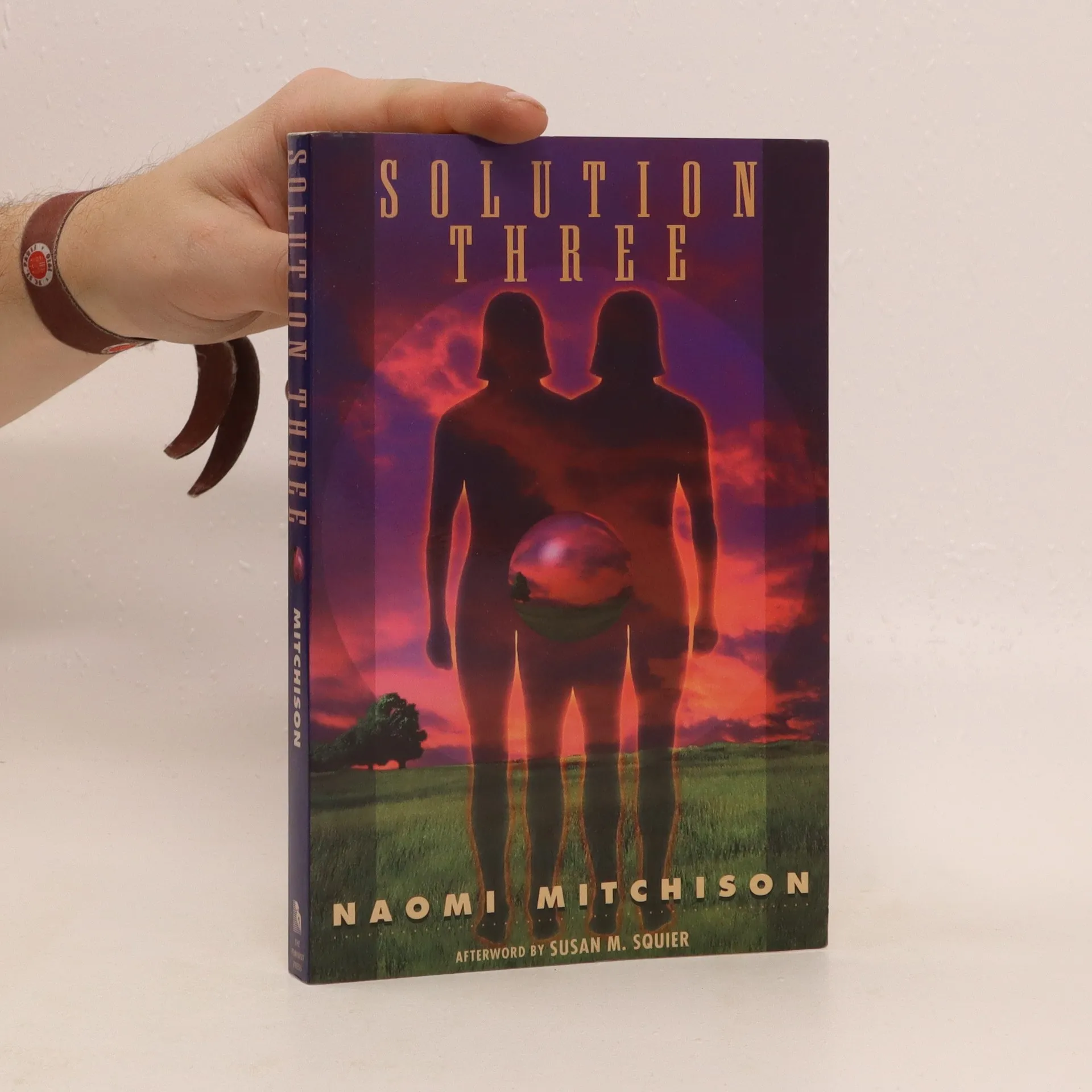
As a fast-paced novel about a future shaped by feminist ideals of sexual and racial equality, "solution three" at first seems to be a peaceful answer to the world's problems. Homosexuality as an international norm and reproduction by cloning have minimized aggression and overpopulation. The sexes have equal rights and status, racial tension has been eliminated through genetic intermixing, and scientists work closely with the governing body, the Council, to keep an eye on the food supply and to heal the earth of prior environmental terrorism.Originally published in 1975, Solution Three presents a future society in which reproductive control and homosexuality shape a more equitable life for all, eradicating aggression and racism, curbing overpopulation, and providing a dependable food supply. But there are those who are rebelling in this peaceful world: Miryam, a geneticist, secretly married, is rearing her own children; Lilac, a surrogate mother chosen to carry a Clone baby, is delaying her son’s seizure for social conditioning; and even the carefully conditioned Clones are behaving unexpectedly. This novel asks the courageous question: What is the cost to women of new models of reproducing life, regardless of the intentions behind the goal?
Set in the west of Scotland during the mid-20th century, this collection features two novels, "The Far Harbour" and "Henny and Crispies," alongside two short stories, "The Salmon Net" and "Lords of the Isles." The works explore the lives of young adults, showcasing Mitchison's engaging storytelling and vivid portrayal of the Scottish landscape. Originally published between 1951 and 1964, these stories reflect the cultural and social dynamics of the time, making them a significant addition to the literary landscape for younger readers.
Naomi Mitchison's extensive body of work includes over two hundred and fifty short stories, showcasing her remarkable talent and versatility as a writer. Her fiction often explores diverse themes and characters, reflecting a rich tapestry of human experience. Mitchison's storytelling is characterized by its depth and creativity, making her contributions to literature significant and enduring.
Exploring the art of storytelling, this book delves into the interplay between history and narrative, highlighting the joy and challenges that come with crafting tales. It reflects on the storyteller's journey, emphasizing the potential for both discovery and error in reimagining historical events. With a focus on creativity and the subjective nature of storytelling, it invites readers to appreciate the nuances of how history can be interpreted and transformed through the lens of imagination.
This collection features a diverse array of stories that span themes of adventure, mythology, and human experience. The narratives explore various historical and fantastical settings, from ancient civilizations to personal tales of loss and discovery. Each story delves into the complexities of life, identity, and the human condition, showcasing rich characterizations and vivid imagery. The compilation serves as a testament to the author's storytelling prowess, inviting readers to engage with a tapestry of emotions and experiences across different times and places.