
Knihobot

Xianliang Zhang

    8. prosinec 1936 – 27. září 2014

    Zhang Xianliang byl čínský autor a básník, jehož dílo hluboce zkoumá zkušenosti politického věznění a bouřlivých období čínských dějin. Jeho převážně autobiografické reflexe, inspirované osobními zážitky z období politických represí a kulturní revoluce, nabízejí pronikavý pohled na lidskou odolnost tváří v tvář útlaku. Prostřednictvím svého jedinečného stylu zprostředkovává čtenářům syrové a niterné portréty jednotlivců, kteří se snaží najít smysl a naději v extrémních okolnostech. Jeho psaní se vyznačuje upřímností a hloubkou, čímž si získalo uznání jako významný hlas čínské literatury.

    Zielonodrzew
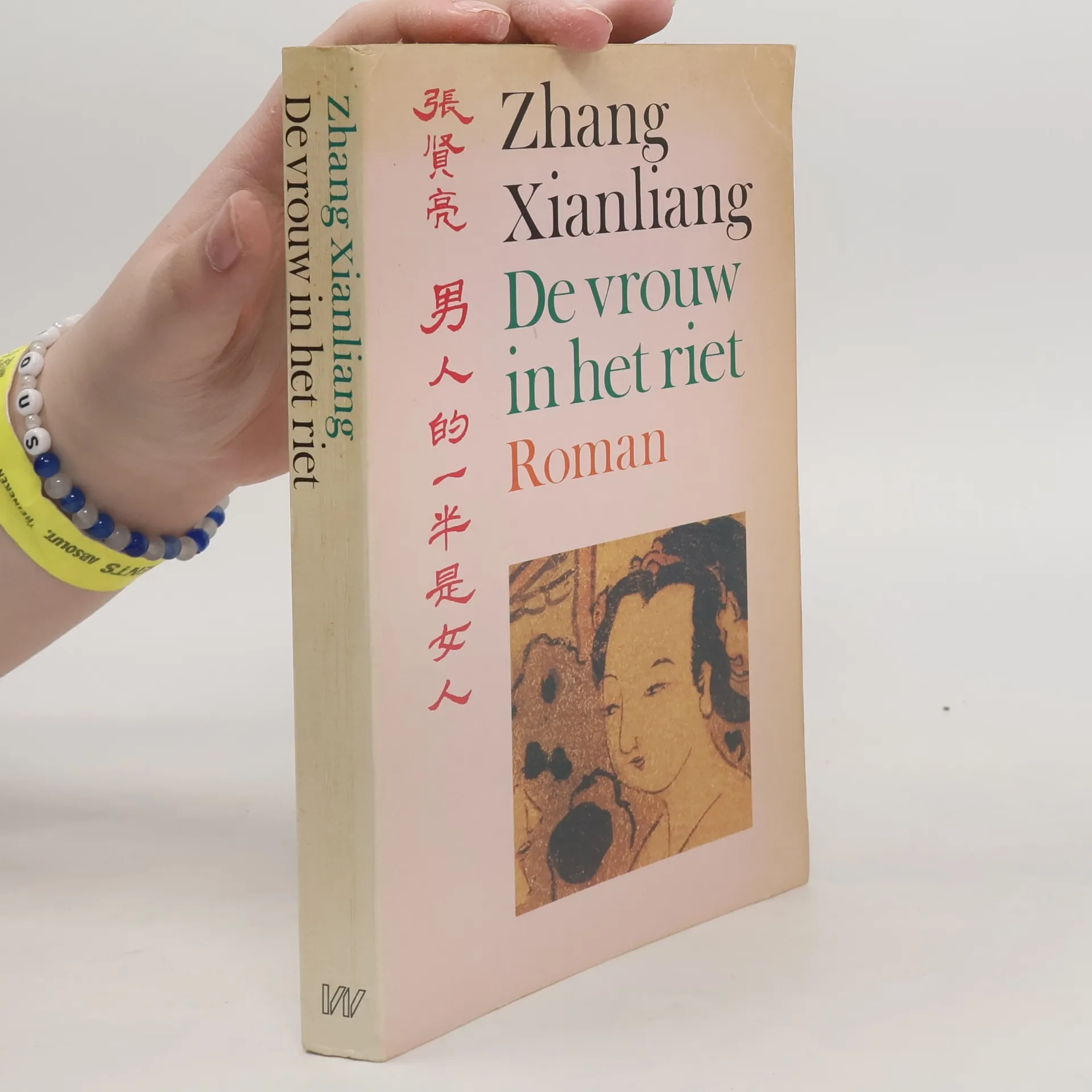
    De vrouw in het riet
    Panda Books: Contemporary Chinese Short Stories
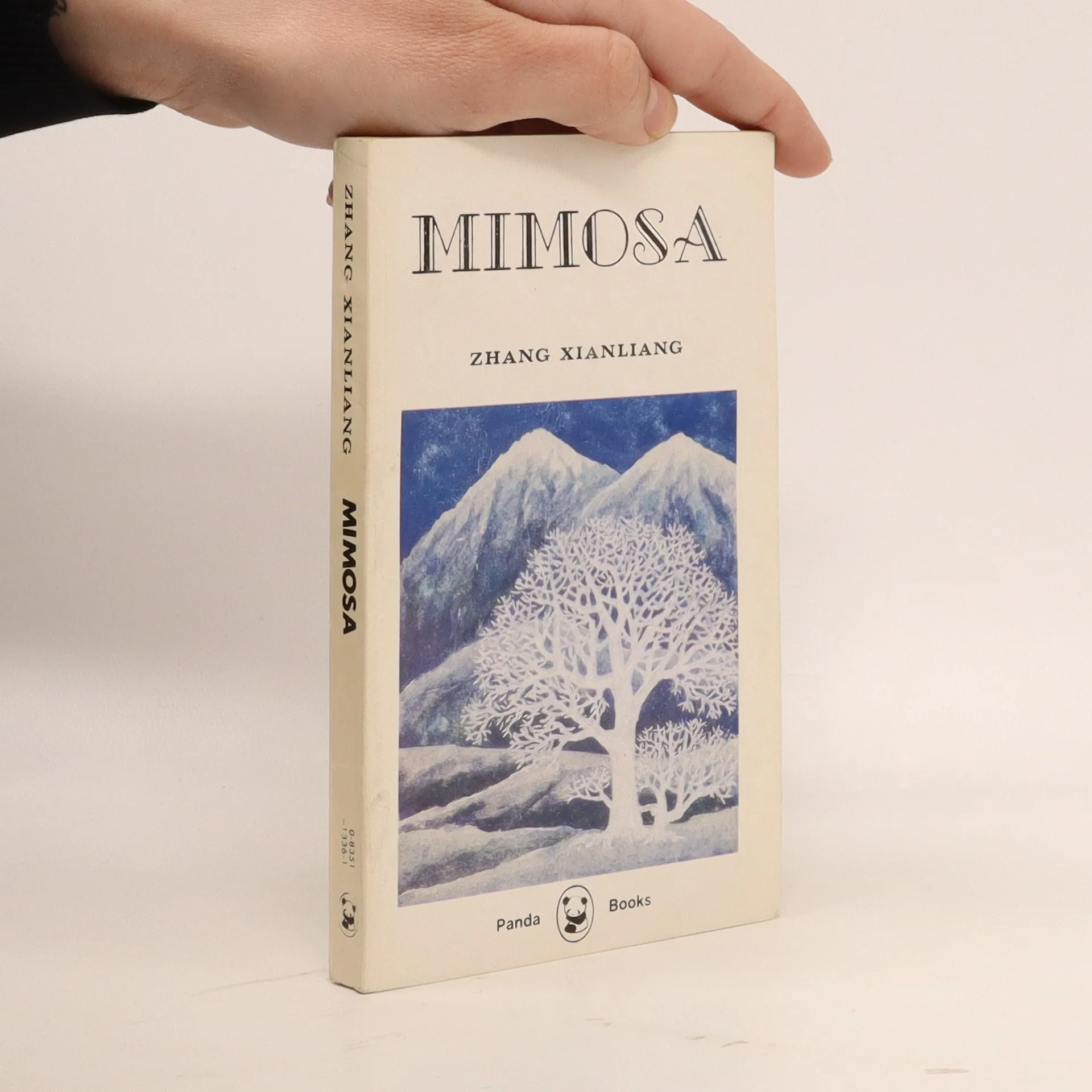
    Mimosa and other stories
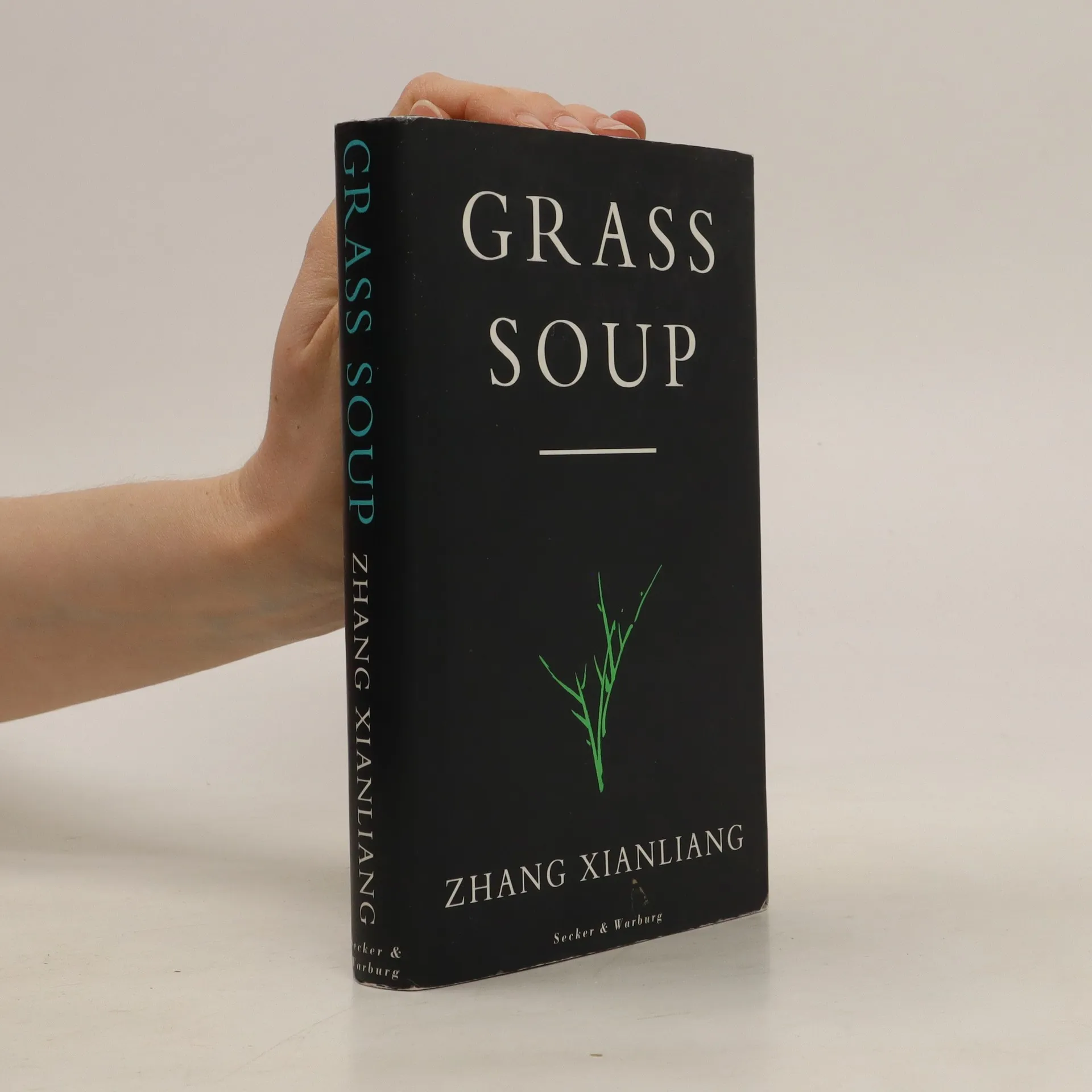
    Grass soup
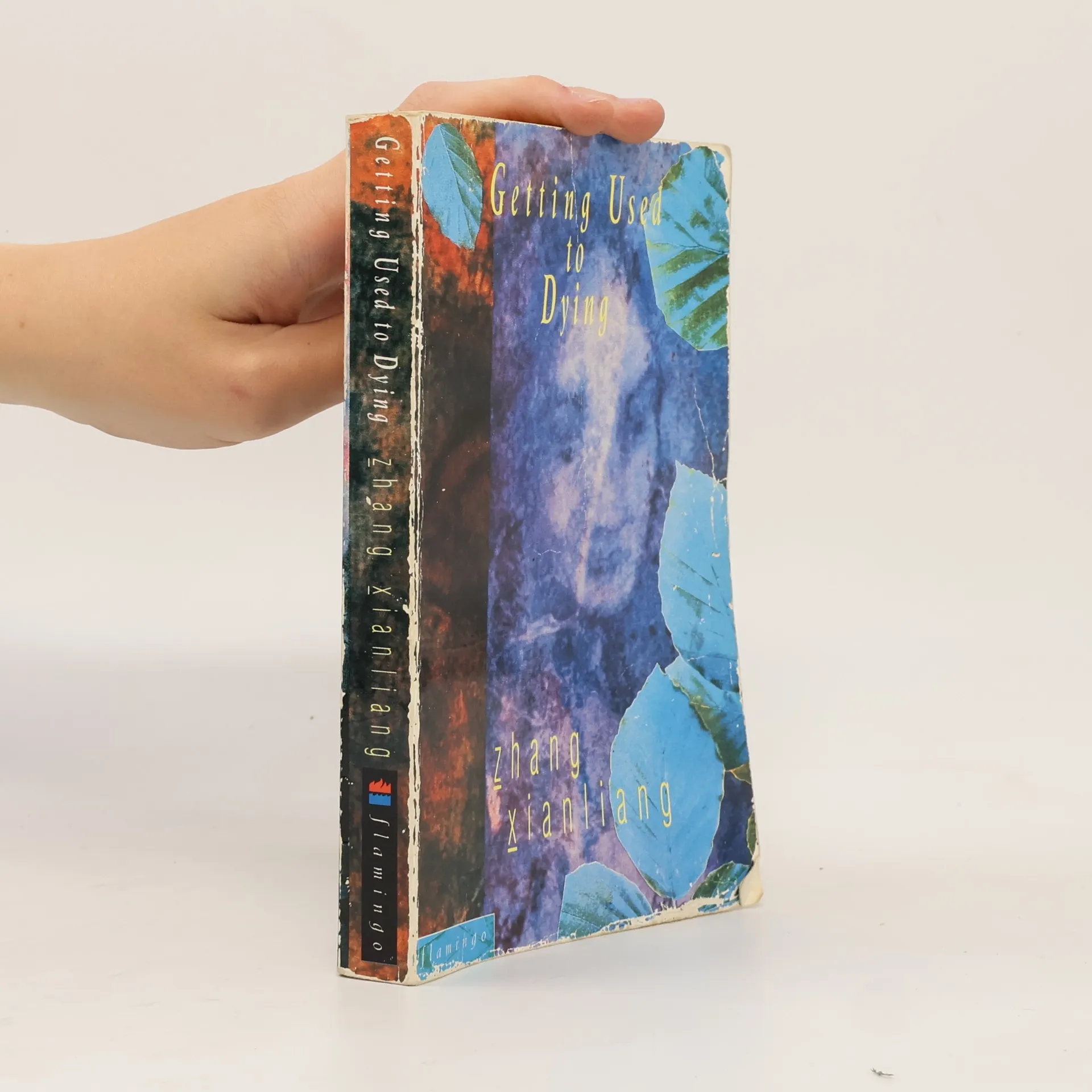
    Getting Used to Dying
    • Getting Used to Dying

      • 302 stránek
      • 11 hodin čtení

      For years, Zhang Xianliang has been in and out of prison and labor camps while achieving recognition as one of China's foremost writers, and this powerful autobiographical novel and insider's portrait brilliantly chronicles what it means to be Chinese in China today.
      Getting Used to Dying
      3,8
    • Grass soup

      • 247 stránek
      • 9 hodin čtení

      "Rehabilitated" in 1979, former political prisoner Zhang Xianliang recovered from the authorities a diary he had kept while in a labour camp during the 1960s. This book is a detailed annotation to the necessarily terse entries in that diary.

      Grass soup
      2,0
    • De vrouw in het riet

      • 229 stránek
      • 9 hodin čtení

      Poet Zhang Yonglin is sentenced to a labor camp he ironically describes as a haven amidst the hysteria of the Chinese Cultural Revolution. After he marries a woman he had seen eight years earlier, the story becomes, on one level, an analogy between his temporary sexual impotence and the postion of intellectuals. A year later he is ready to abandon his wife and escape from the camp. Cameo appearances by philosophic and literary figures (Marx and Meng-tz, Othello and Song Ji) and discussing China and sex allow the incorporation of non-novelistic elements while indulging in gallows humor.

      De vrouw in het riet
      3,6