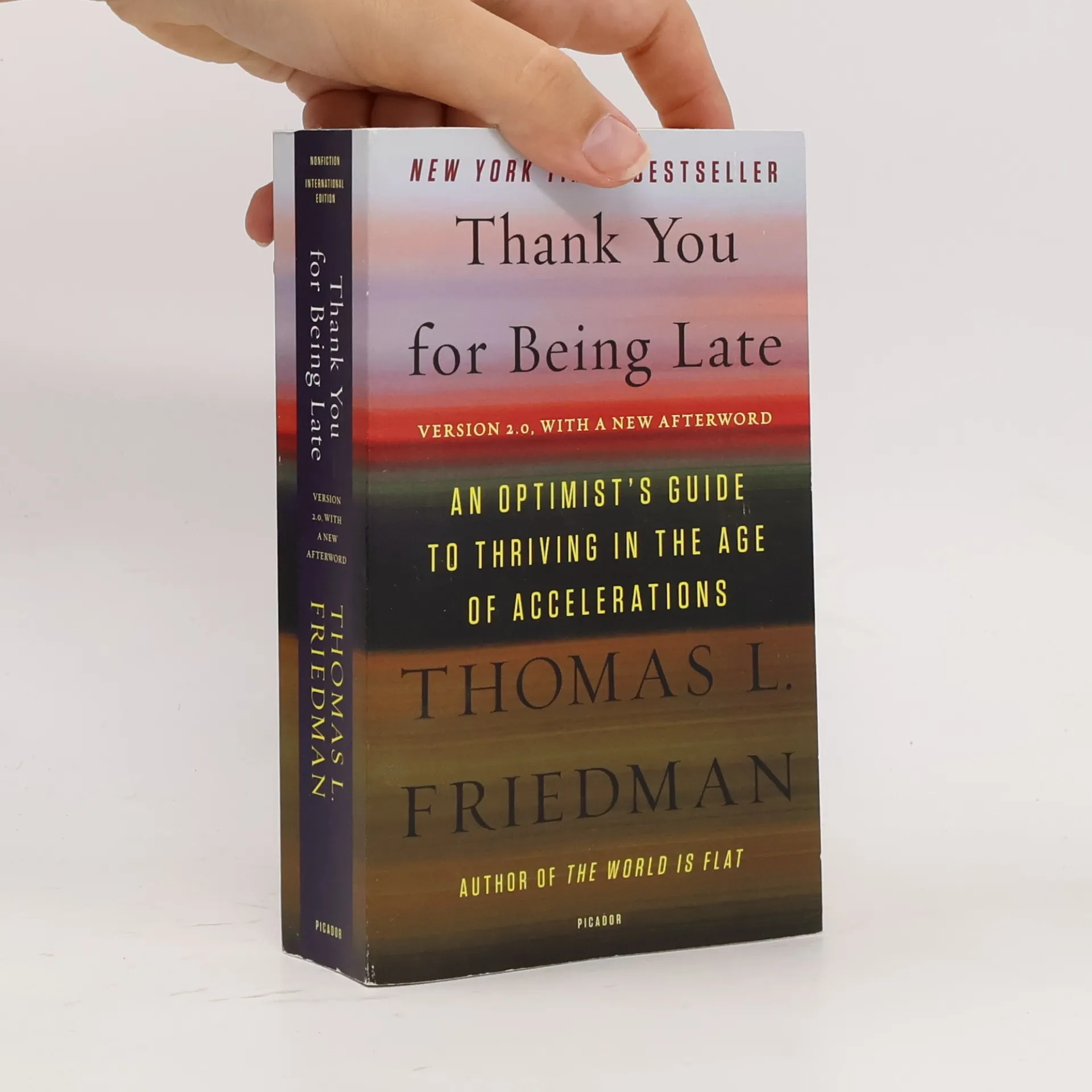
Friedman discusses how the key to understanding the 21st century is understanding that the planet's three largest forces--Moore's law (technology), the market (globalization) and Mother Nature (climate change and biodiversity loss)--are accelerating all at once. And these accelerations are transforming the five key realms: the workplace, politics, geopolitics, ethics, and community. Friedman posits that we should purposely "be late"--We should pause to appreciate the amazing historical epoch we're passing through and to reflect on its possibilities and dangers.--
Thomas Friedman Pořadí knih (chronologicky)
20. červenec 1953
Thomas L. Friedman je uznávaný autor a novinář, jehož práce se zaměřuje na mezinárodní vztahy. Své názory čerpá z rozsáhlého terénního výzkumu a snaží se čtenářům přiblížit složitý svět. Friedman rozšířil chápání zahraničních věcí tak, aby zahrnovalo dopady financí, globalizace a technologií. Jeho psaní propojuje nadčasové síly nacionalismu a kultury s moderními vlivy internetu a globalizovaných trhů.

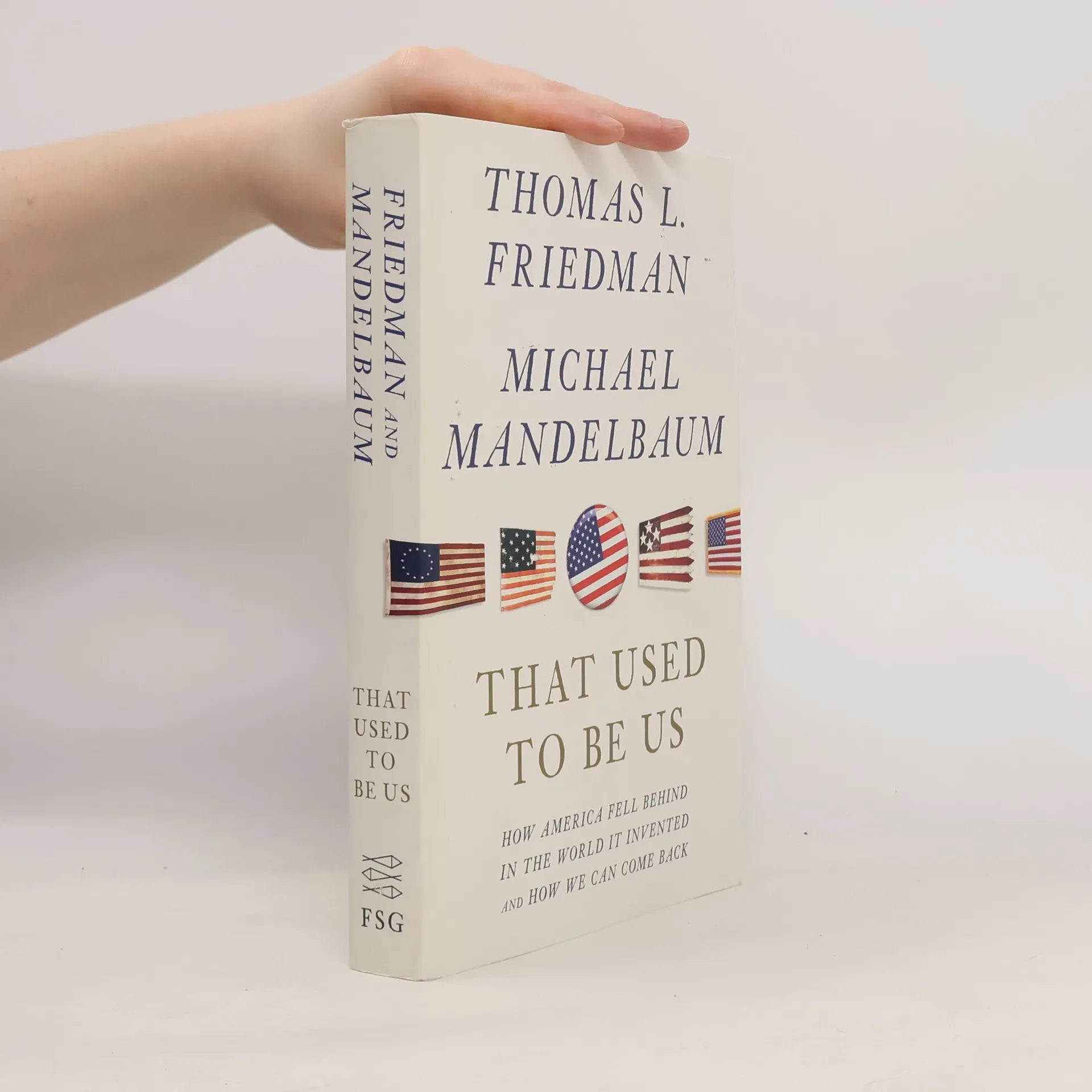
That Used to Be Us
- 388 stránek
- 14 hodin čtení
Originally published: New York: Farrar, Straus, and Giroux, 2011.
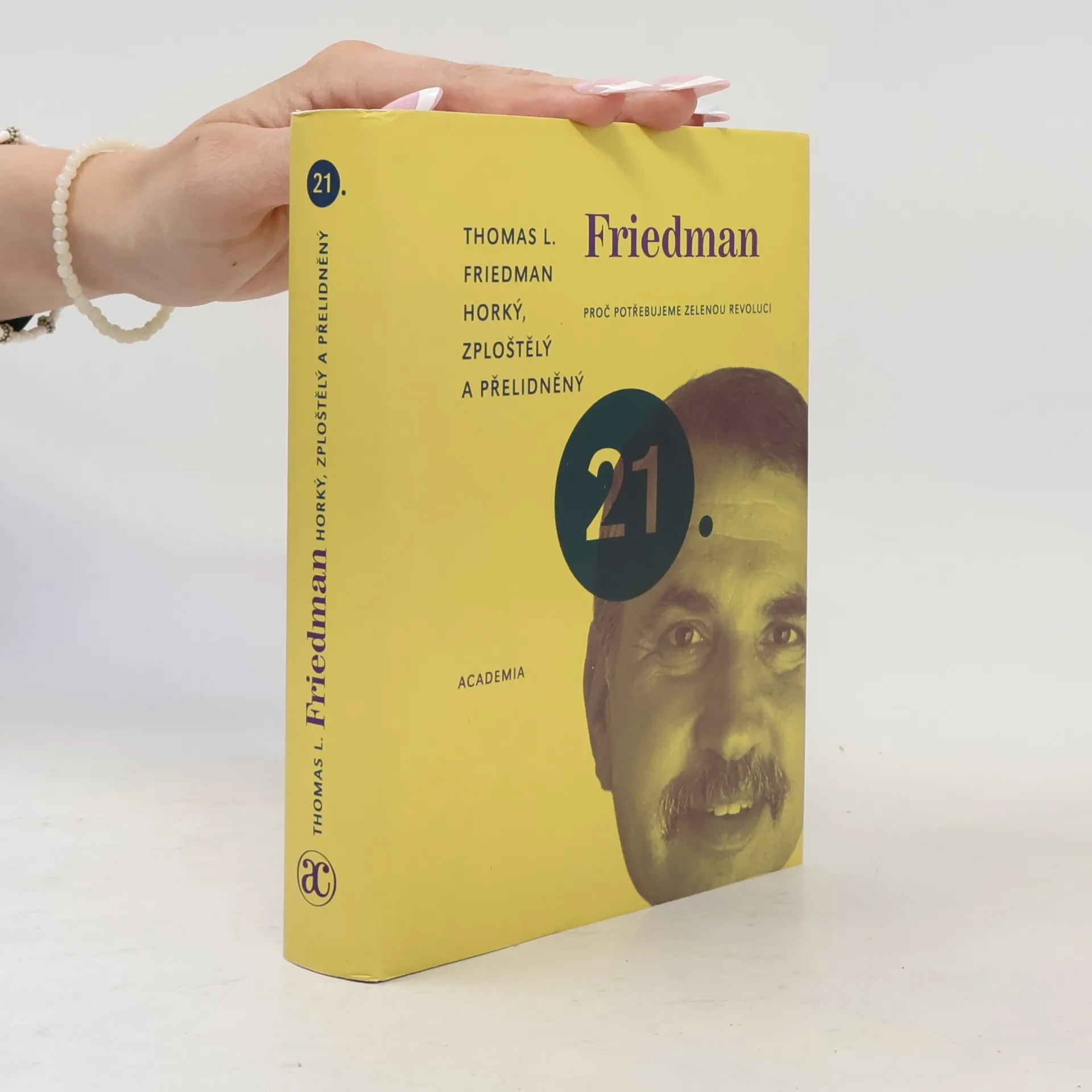
Kniha držitele Pulitzerovy ceny přinášející nový pohled na krizi vyvolanou klimatickými změnami, dramatickým růstem populace a stále větším soupeřením o zdroje energie. Oslovuje všechny, jimž záleží na budoucnosti Ameriky a tvrdí, že ambiciózní zelená strategie je potřebná nejen k záchraně planety před přehřátím, ale i k tomu, aby byla Amerika zdravější, bohatší, produktivnější a bezpečnější.
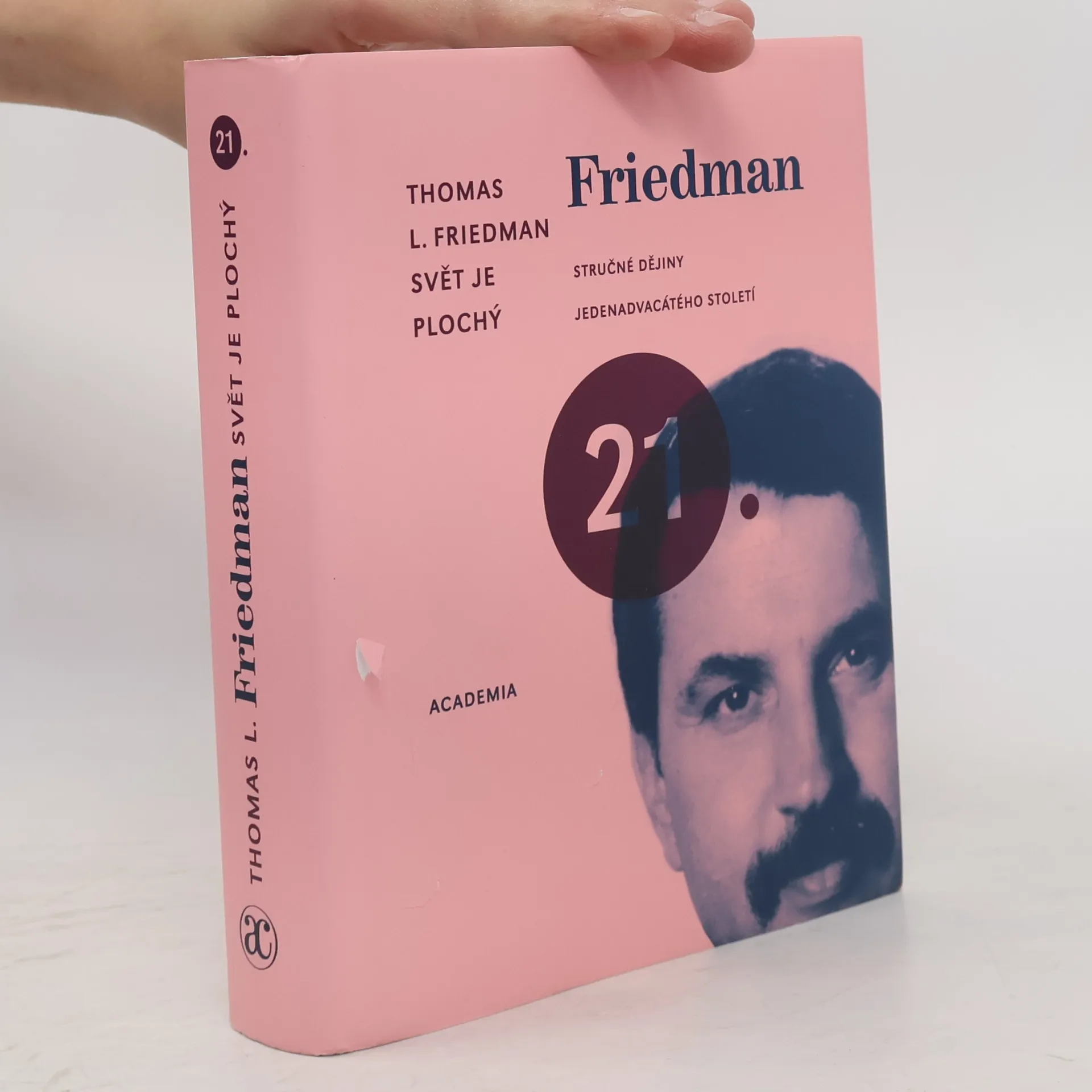
Svět je plochý. Stručné dějiny jedenadvacátého století
- 559 stránek
- 20 hodin čtení
Friedman ve své nové knize sleduje proměny jimiž dnes globalizace zasahuje všechny oblasti života společnosti. Podle jeho názoru jako by se svět stával opět plochý, jako tomu bylo v představách lidí předkolumbovské doby. Méně rozvinuté oblasti světa se stále rychleji vyrovnávají nejvyspělejším zemím a to vyvolává také zpětně nutnost tuto zásadní proměnu přijmout a s jejími důsledky počítat.
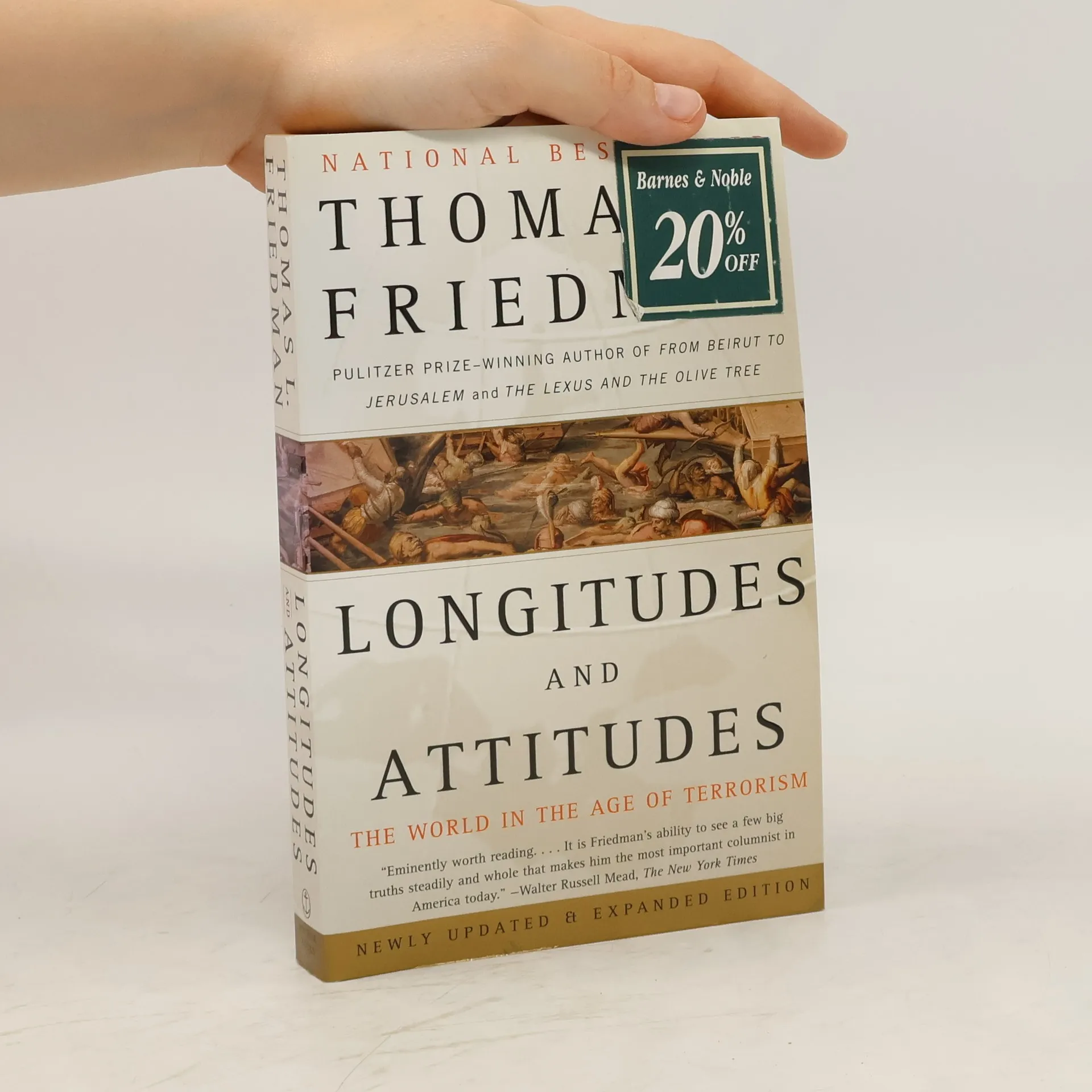
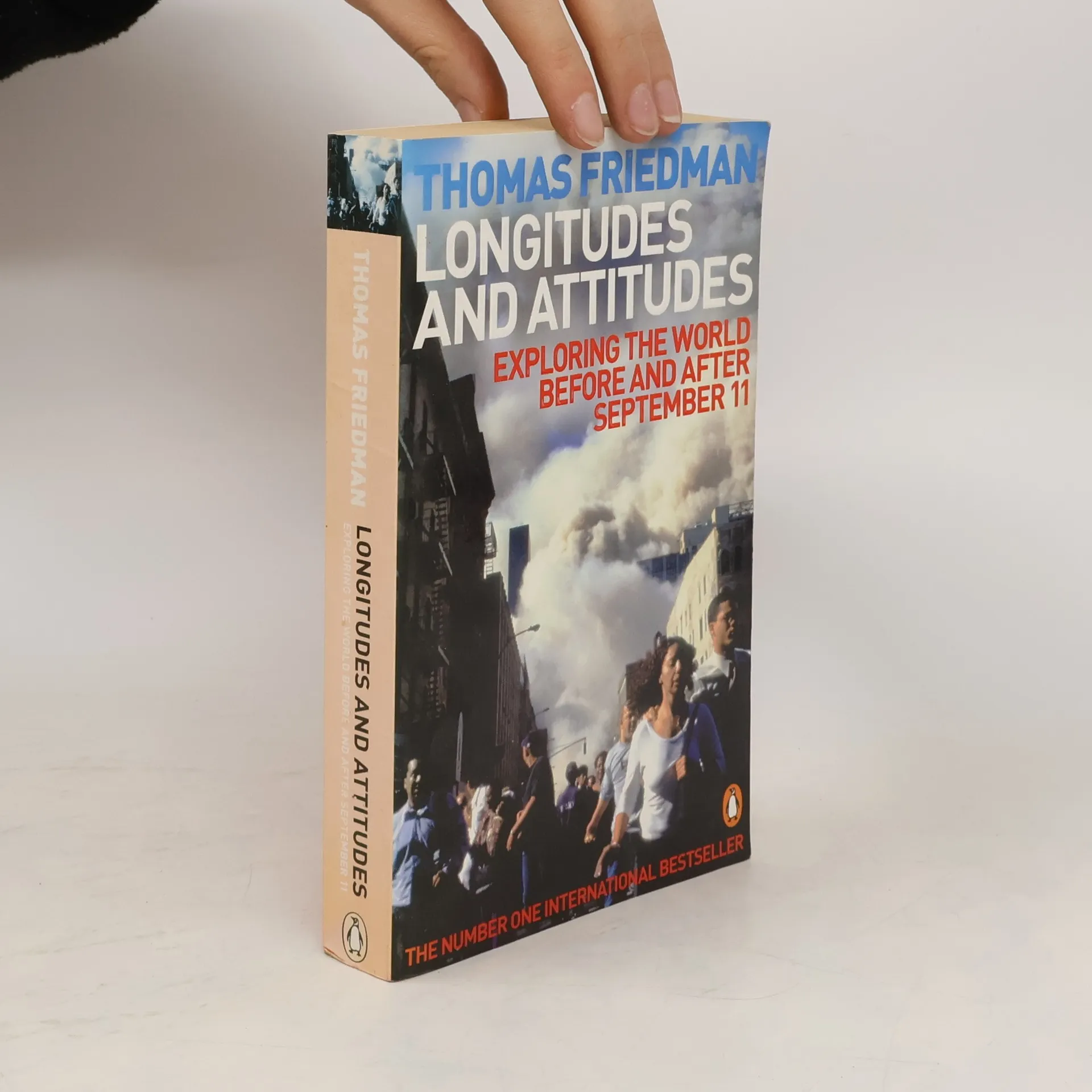
Longitudes and attitudes : the world in the age of terrorism
- 416 stránek
- 15 hodin čtení
From the Pulitzer Prize–winning New York Times columnist and bestselling author of From Beirut to Jerusalem and The Lexus and the Olive Tree comes this smart, penetrating, brilliantly informed book that is indispensable for understanding today’s radically new world and America’s complex place in it. Thomas L. Freidman received his third Pulitzer Prize in 2002 “for his clarity of vision, based on extensive reporting, in commenting on the worldwide impact of the terrorist threat.” In Longitudes and Attitudes he gives us all of the columns he has published about the most momentous news story of our time, as well as a diary of his private experiences and reflections during his post–September 11 travels. Updated for this new paperback edition, with over two years’ worth of Friedman’s columns and an expanded version of his diary, Longitudes and Attitudes is a broadly influential work from our most trusted observer of the international scene.
Longitudes and Attitudes
- 416 stránek
- 15 hodin čtení
This title brings together reportage and reflections on the state of the world leading up to and after September 11, 2001. Thomas Friedman gives voice to our awakening sense of a radically new world and our own complex place in it.
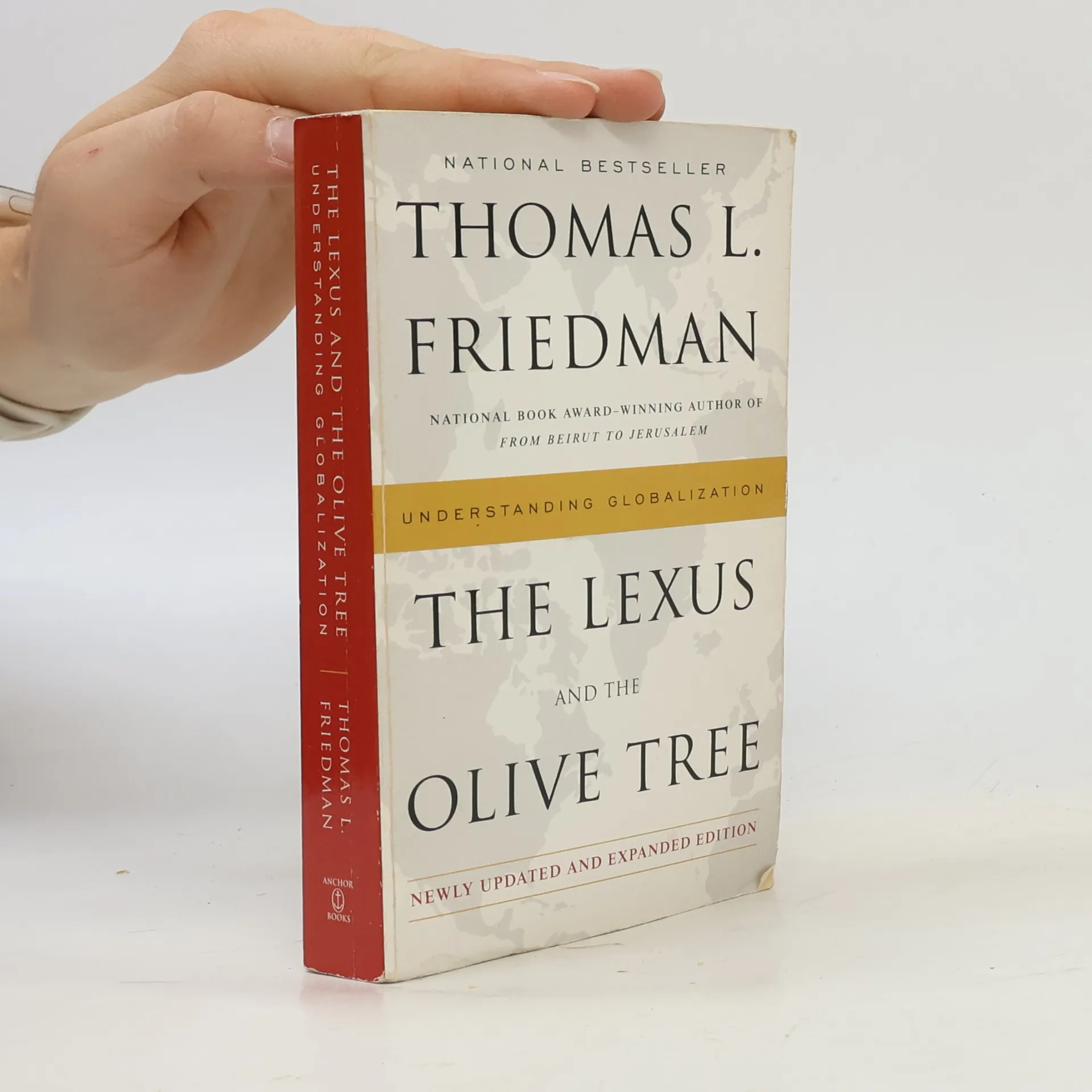
The Lexus and the Olive Tree
- 490 stránek
- 18 hodin čtení
From a perceptive commentator and National Book Award winner, this comprehensive examination delves into the world of globalization, the driving force behind contemporary global affairs. As the Foreign Affairs columnist for The New York Times, Thomas L. Friedman has traveled extensively, engaging with diverse individuals—from Brazilian peasants to Islamic students and Wall Street financiers. He presents globalization as more than a fleeting trend; it represents a new international system that supersedes the Cold War paradigm. This interconnected framework integrates capital, technology, and information across borders, fostering a single global market and a sense of a global village. Understanding this system is crucial for interpreting current events and personal investments. For instance, while the Cold War symbolized division through the hot line between superpowers, globalization connects us through the Internet, highlighting a shared yet leaderless world. Through vivid narratives and original concepts, Friedman elucidates this new order, exploring the conflict between modern globalization and enduring cultural traditions. He also addresses the backlash faced by those feeling marginalized by globalization, emphasizing the need for balance between progress and heritage. This exploration of the tension between the Lexus and the olive tree encapsulates the challenges of the globalization era, making it essential reading for an
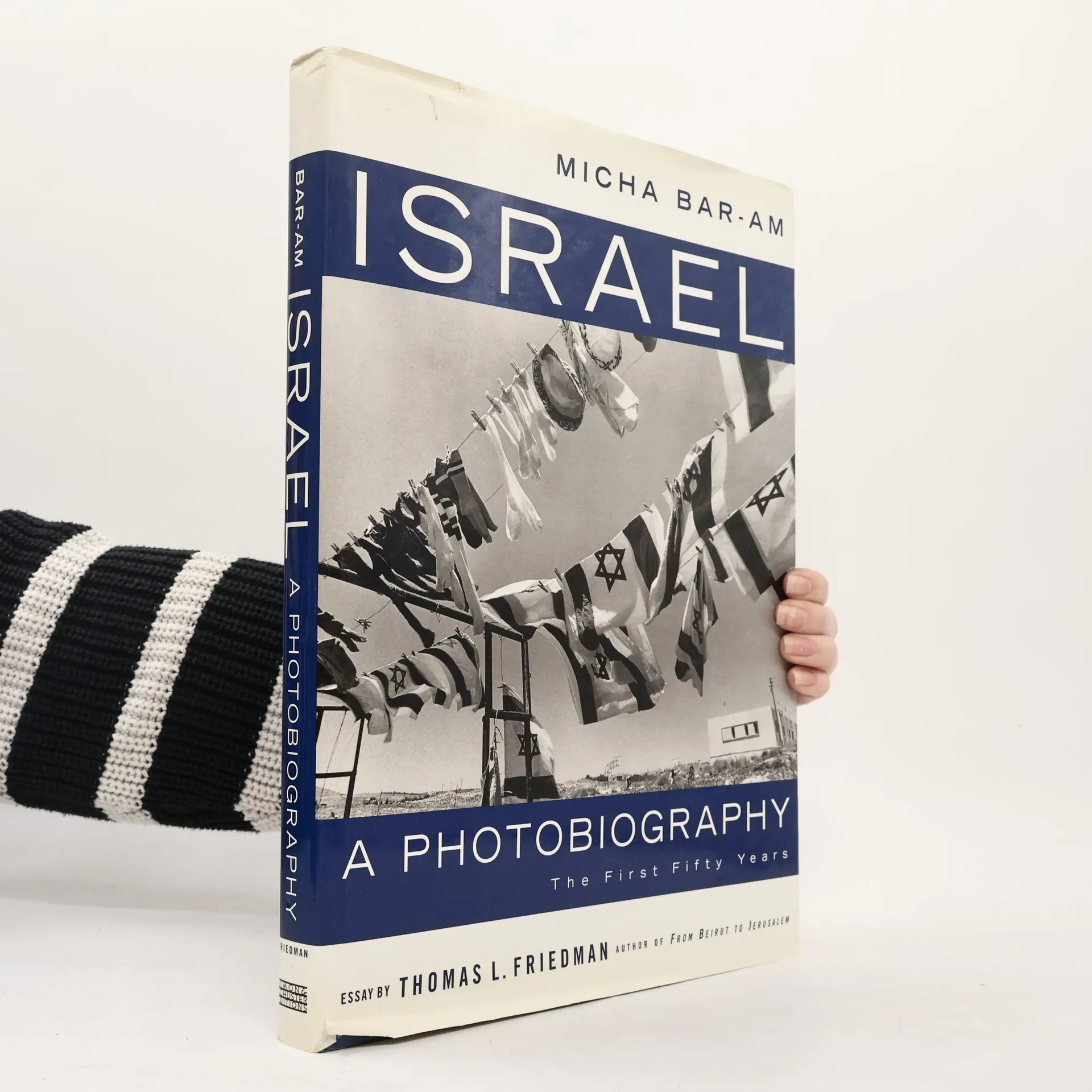
As spectacular and moving as Bar-Am's photos are, Thomas L. Friedman's compelling essay provides an anchor in the form of an eloquent reflection on the unfolding of the first fifty years. Israel's contributions to politics and culture, to religion and commerce, have made a tremendous mark on the world, and these issues Friedman addresses with the perception of an outsider who has spent almost a quarter of his life in the area. While Bar-Am's photos show us the events that have shaped Israel's path, Friedman's essay explores the implications of Israel's first fifty years and the nation's powerful struggle between its past and its future.
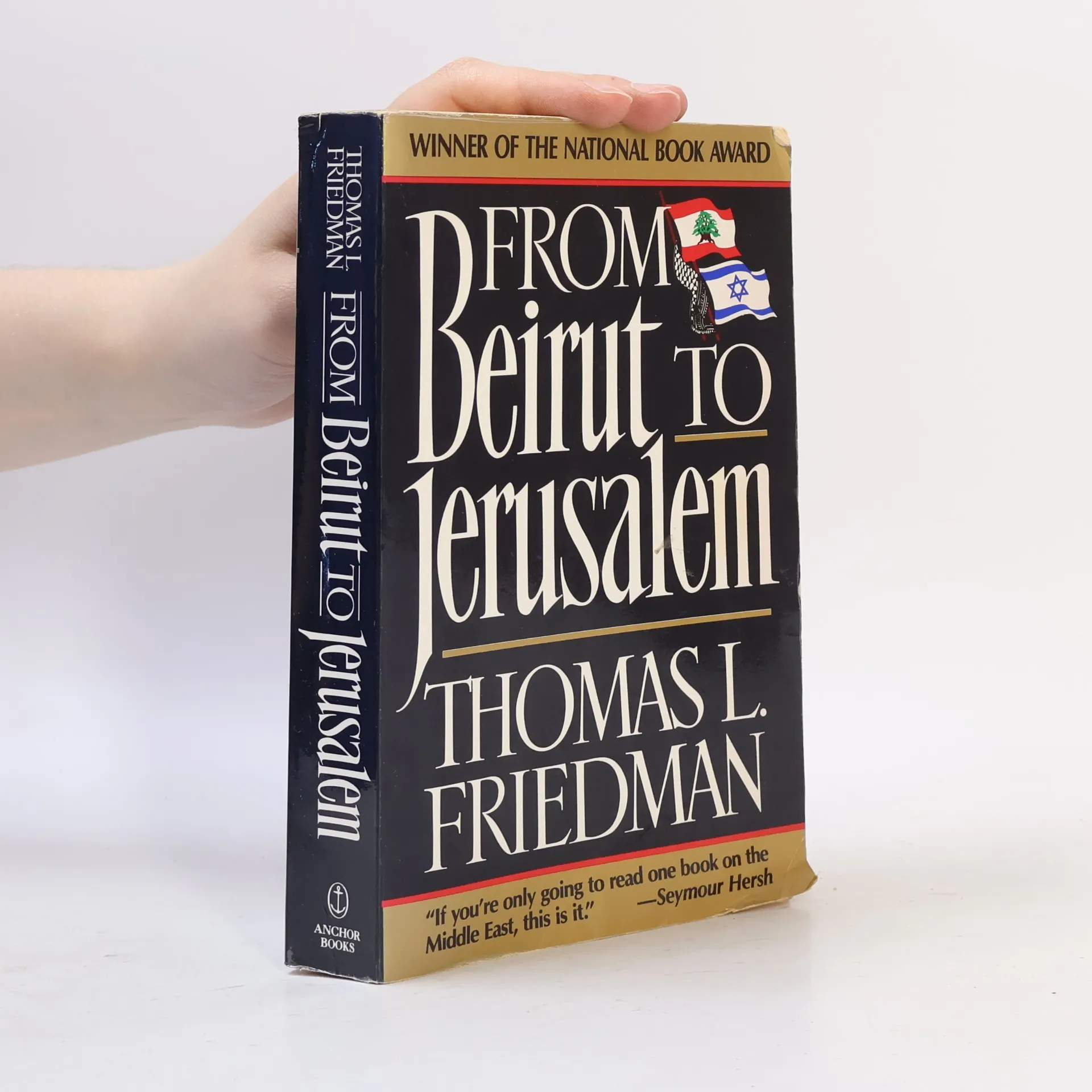
This extraordinary bestseller is still the most incisive, thought-provoking book ever written about the Middle East. Thomas L. Friedman, twice winner of the Pulitzer Prize for international reporting, and now the Foreign Affairs columnist on the op-ed page of the New York Times, drew on his ten years in the Middle East to write a book that The Wall Street Journal called "a sparkling intellectual guidebook... an engrossing journey not to be missed." Now with a new chapter that brings the ever-changing history of the conflict in the Middle East up to date, this seminal historical work reaffirms both its timeliness and its timelessness. "If you're only going to read one book on the Middle East, this is it." -- Seymour Hersh