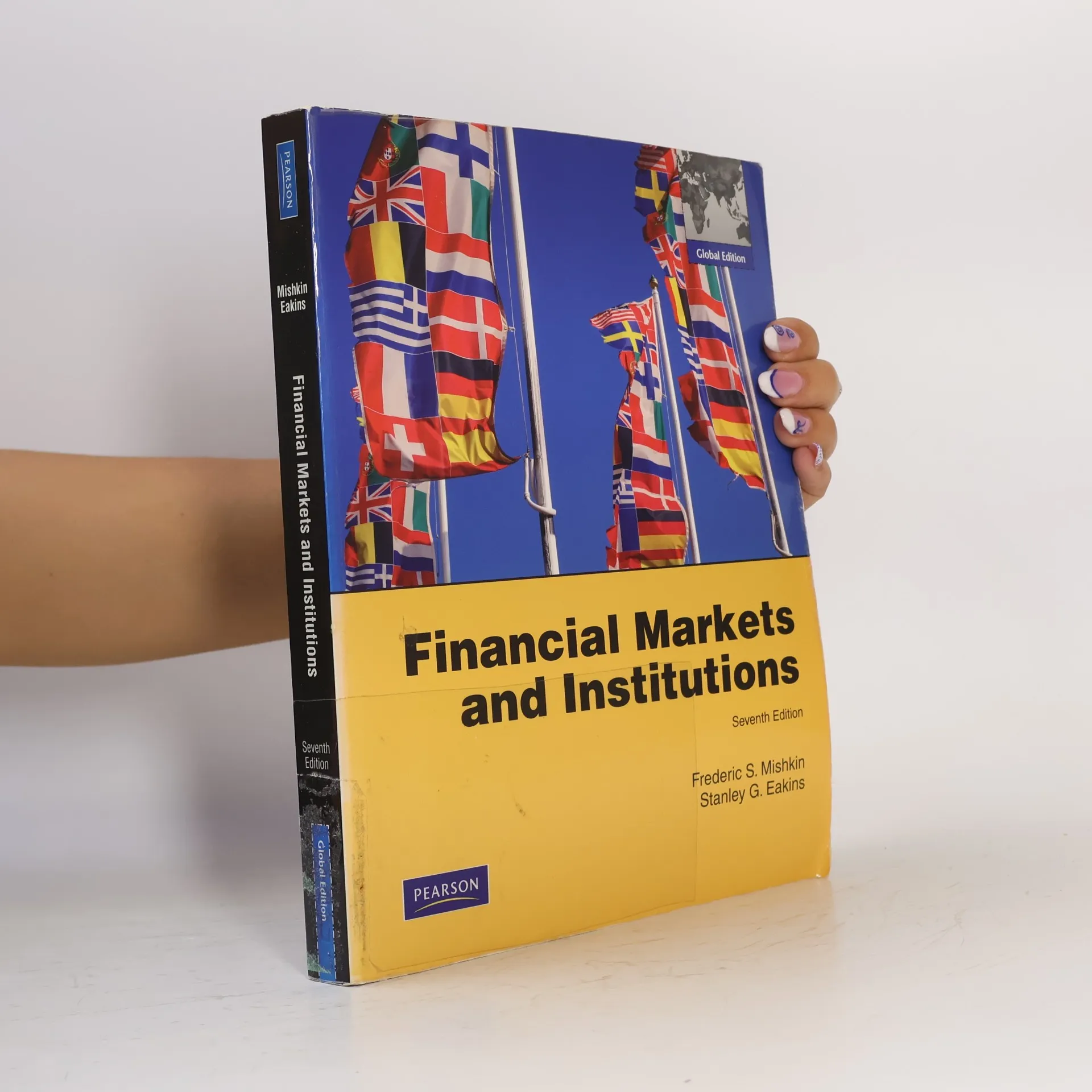
In Financial Markets and Institutions, best-selling authors Mishkin and Eakins provide a practical introduction to prepare students for today's changing landscape of financial markets and institutions. A unifying framework uses a few core principles to organize students' thinking then examines the models as real-world scenarios from a practitioner's perspective. By analyzing these applications, students develop the critical-thinking and problem-solving skills necessary to respond to challenging situations in their future careers. This title is a Pearson Global Edition. The Editorial team at Pearson has worked closely with educators around the world to include content which is especially relevant to students outside the United States.
Frederic S. Mishkin Pořadí knih (chronologicky)
11. leden 1951
Rick Mishkin je americký ekonom, jehož práce se zaměřuje na měnovou politiku a její dopady na finanční trhy a celkové hospodářství. Jeho výzkum zkoumá komplexní vztahy mezi rozhodnutími centrálních bank a širší ekonomickou krajinou. Skrze své analýzy přispívá k hlubšímu pochopení mechanismů, které ovlivňují stabilitu a růst ekonomik. Jeho odborné znalosti nabízejí cenné vhledy do fungování moderních finančních systémů.
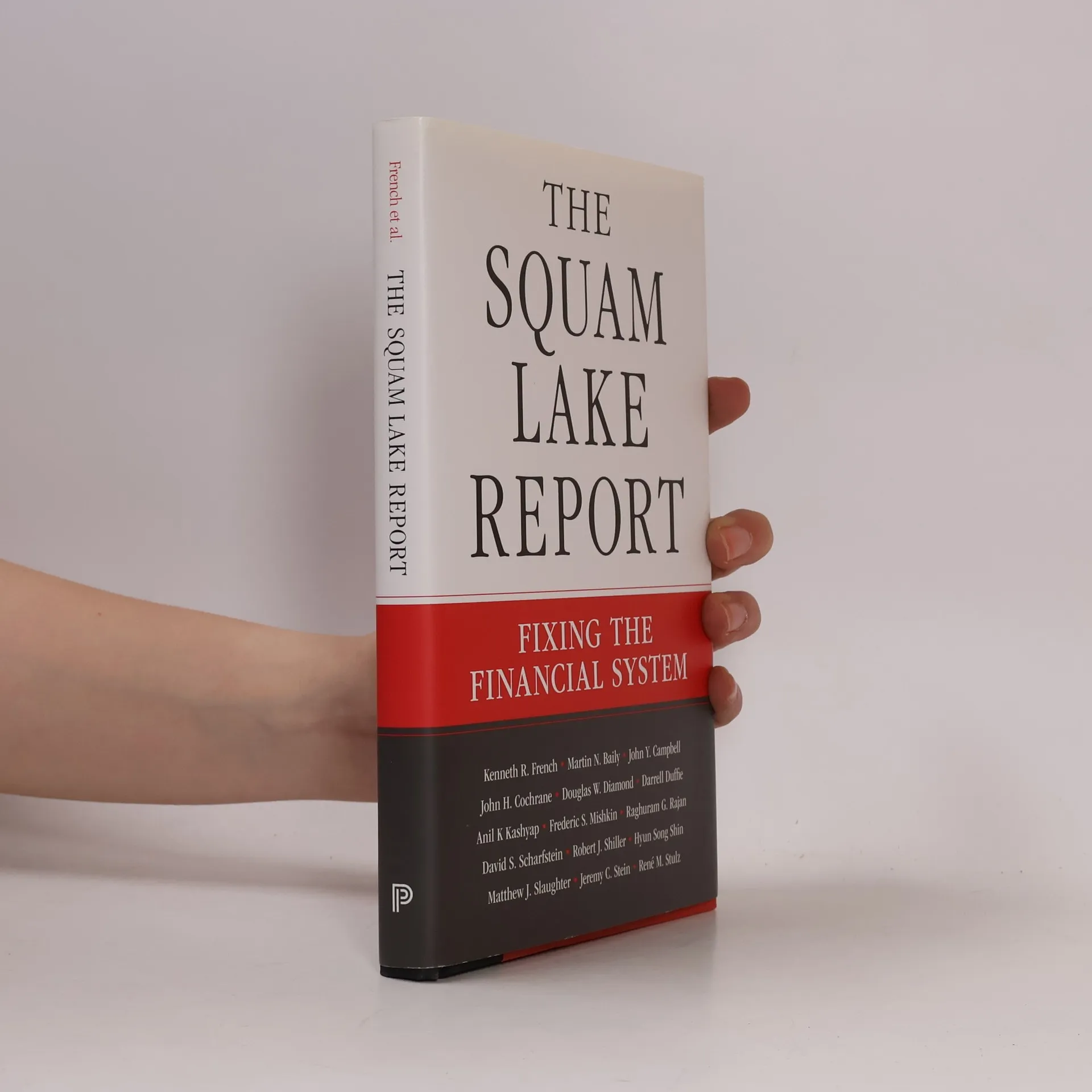


In the fall of 2008, fifteen leading economists gathered at Squam Lake, New Hampshire, to devise a long-term plan for financial regulation reform. The resulting insights form a unified, nonpartisan strategy aimed at addressing the issues plaguing global financial markets. Unlike the ideologically driven proposals that have dominated discussions, this report presents a clear action plan designed to transform financial regulation for future generations. The authors highlight the ongoing conflict between financial institutions and society, offering transparent solutions to bridge this divide. They identify critical gaps in the current regulatory framework concerning complex financial entities, retirement savings, and credit default swaps. Innovative ideas for new financial instruments are proposed to recapitalize banks without imposing costs on taxpayers. To mitigate the risk of large bank failures, the report advocates for higher capital requirements and the establishment of a systemic regulator within the central bank. By analyzing the failures of the financial system and recommending necessary reforms, this report combines extensive academic, private sector, and public policy expertise. Its urgent recommendations aim to enhance the financial well-being of all, making it essential reading for anyone concerned about the health of the global economy.
Monetary Policy Strategy
- 549 stránek
- 20 hodin čtení
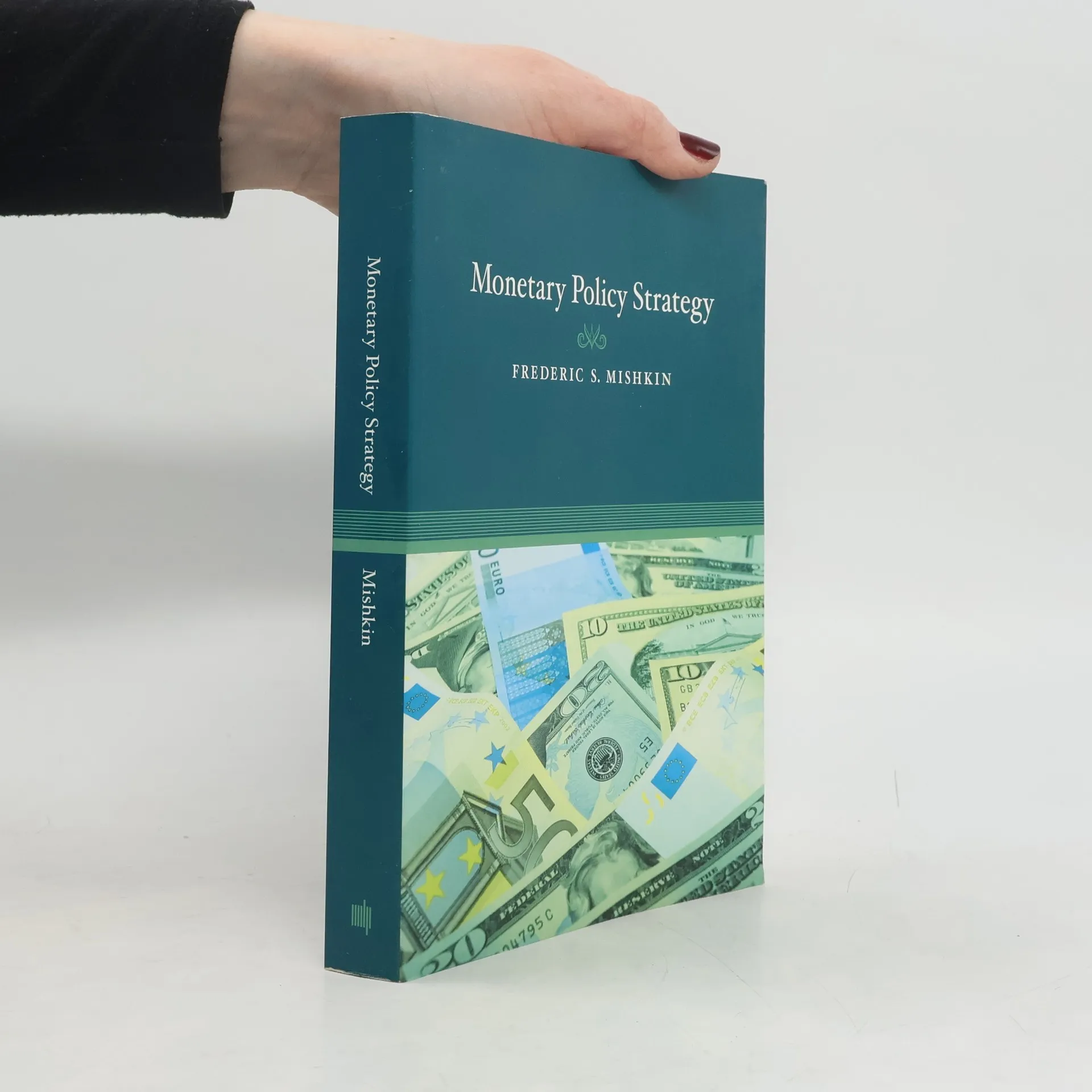
A leading academic authority and policymaker explores monetary policy strategy from both scholarly and practical perspectives, combining theory, econometric evidence, and extensive case studies. Frederic Mishkin, an expert in the field and a high-level policymaker, is well-suited to discuss recent changes in monetary policy, particularly the shift towards inflation targeting. This work encapsulates his research over the past decade, featuring published papers, new introductory material, and a comprehensive reflection titled "Everything You Wanted to Know about Monetary Policy Strategy, But Were Afraid to Ask," summarizing lessons learned over the last thirty years. Mishkin emphasizes key areas, including the significance of price stability and a nominal anchor, the fiscal and financial preconditions necessary for achieving price stability, the importance of central bank independence, accountability, and the rationale behind inflation targeting. He also addresses the optimal inflation target, the necessity of central bank transparency and communication, and the influence of asset prices on monetary policy. Through this multifaceted approach, he provides valuable insights into the complexities of monetary policy in both advanced and emerging economies.
The Next Great Globalization
- 320 stránek
- 12 hodin čtení
Argues that financial globalization is essential for poor nations to become rich. This book argues that an effectively managed financial globalization promises benefits on the scale of the hugely successful trade and information globalizations of the nineteenth and twentieth centuries.
The economics of money, banking, and financial markets
- 768 stránek
- 27 hodin čtení
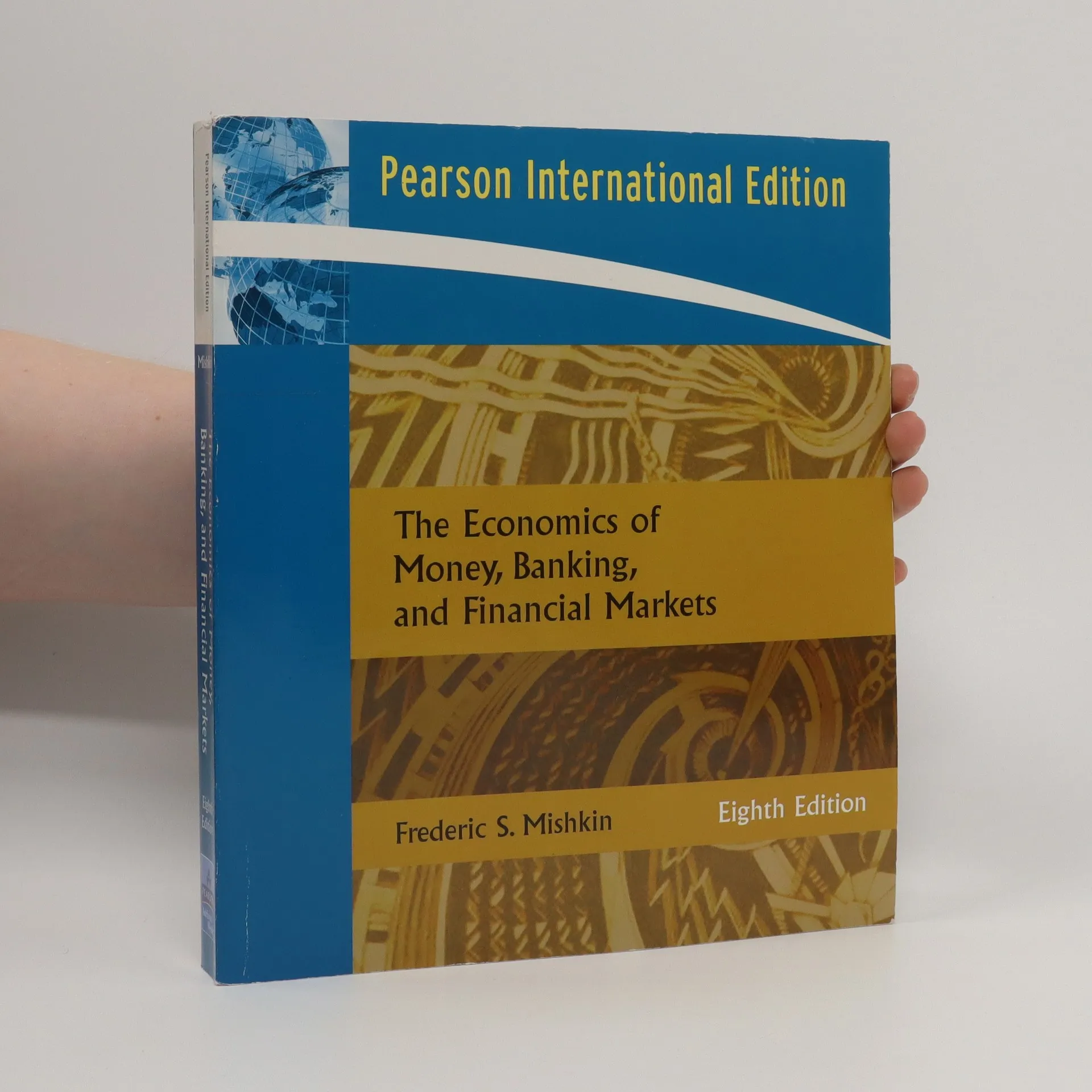
By applying an analytical framework to the patient, stepped-out development of models, Mishkin draws students into a deeper understanding of modern monetary theory, banking and policy. His combination of common sense applications with current events provides comprehensive coverage in an informal tone students appreciate.