

Knihobot

Linda Trinkaus Zagzebski

    Intellectual virtue : perspectives from ethics and epistemology
    Omnisubjectivity
    The Two Greatest Ideas
    • The Two Greatest Ideas

      • 272 stránek
      • 10 hodin čtení
      3,9(30)Ohodnotit

      In this insightful work, Linda Zagzebski explores the history and significance of two foundational ideas that have shaped human culture over the past two millennia. She posits that these ideas, while simple and often overlooked, are central to the intellectual advancements of civilization. The first idea asserts that the human mind can comprehend the universe, while the second emphasizes the mind's ability to understand itself. Drawing from lectures delivered in 2018 at Soochow University, Zagzebski presents a comprehensive narrative detailing the emergence and impact of these concepts, as well as the tension between them. The notion that the mind can grasp the universe significantly influenced various cultures during the first millennium BCE, leading to developments in physics, mathematics, philosophy, and major religions. However, during the early modern period, especially in the West, the focus shifted towards self-understanding, highlighting the importance of subjectivity. This shift brought about profound changes in philosophy, political thought, art, literature, religion, and science. Zagzebski offers a fresh perspective on the intellectual foundations of Western culture and examines the historical and contemporary implications of these ideas, including their presence in Eastern thought. She also addresses the roots of familiar cultural divisions, such as autonomy versus harmony, and concludes with reflections on recon

      The Two Greatest Ideas
    • Linda Trinkaus Zagebski explains and defends the idea that the God of the monotheistic religions does not only know all objective facts, but he also perfectly grasps the conscious states of all conscious beings from their own point of view. She calls that property omnisubjectivity. God not only knows that you are in pain, for instance, but is present in your pain, grasping your pain the way you grasp it. The same point applies to every feeling, every belief, every thought, every desire you have. It also applies to the conscious states of animals. She argues that this attribute is entailed by attributes like omniscience and omnipresence, and is presupposed in common practices of prayer. Zagzebski proposes three models of omnisubjectivity, with special attention to the empathy model, where God's grasp of our conscious states is analogous to the way we empathize with someone else's thought or feeling. She shows how the attribute of omnisubjectivity has implications of the doctrines of the Trinity and the Incarnation, and argues that it means that subjectivity and intersubjectivity are deep in the universe, deeper than the universe objectively described.

      Omnisubjectivity
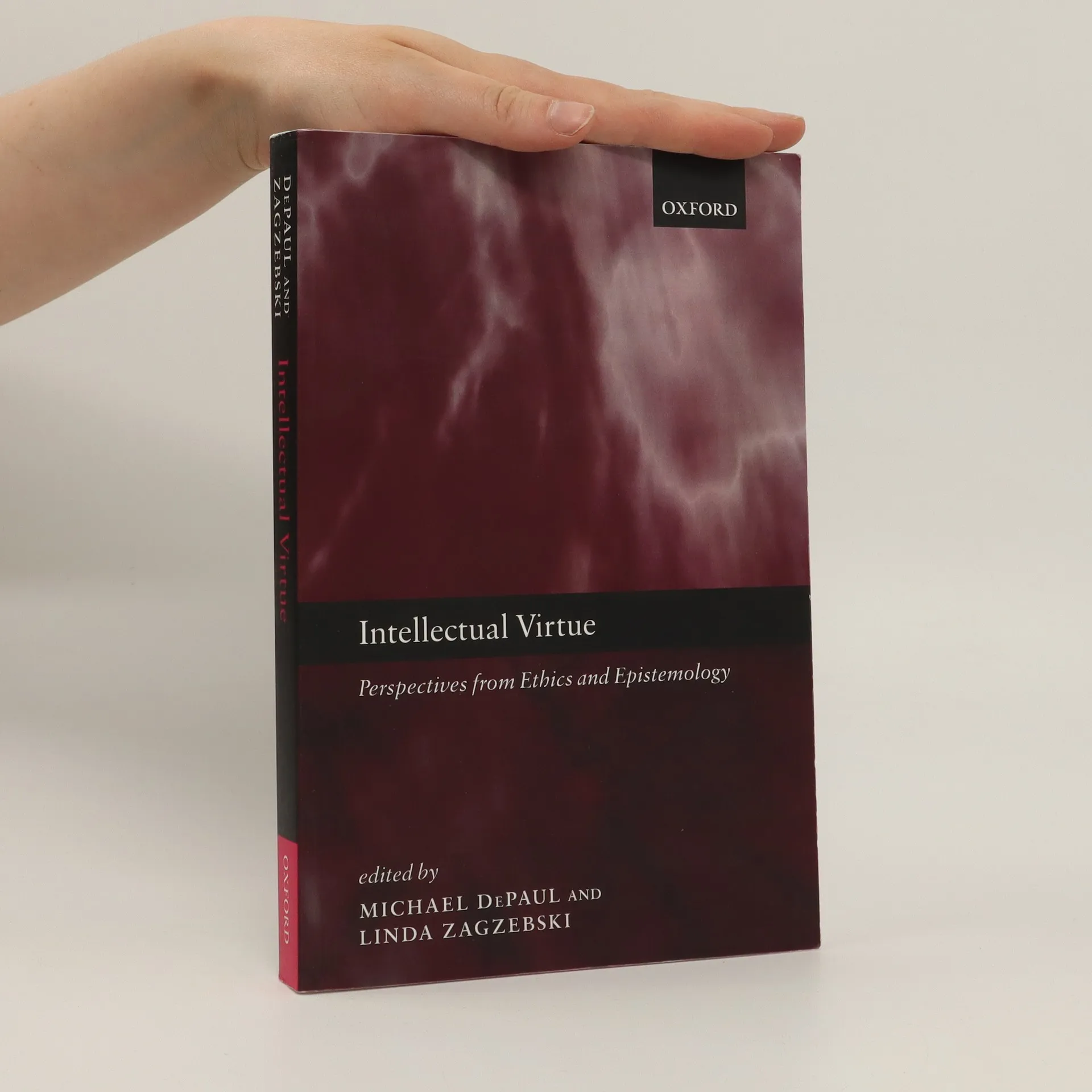
    • "Virtue ethics has attracted a lot of attention and there has been considerable interest in virtue epistemology as an alternative to traditional approaches in that field. This book fills a gap in the literature for a text that brings virtue epistemologists and virtue ethicists together."-- Back cover.

      Intellectual virtue : perspectives from ethics and epistemology