

Jamie Bartlett Pořadí knih (chronologicky)
Jamie Bartlett je novinář a technologický bloger, který se ve své práci zabývá online extremismem, svobodou projevu a trendy na sociálních sítích. Zkoumá, jakým způsobem vznikají a šíří nové subkultury a politické síly, a analyzuje jejich dopady na společnost. Jeho texty odhalují skryté aspekty digitálního světa a poukazují na složité vztahy mezi technologií, lidským chováním a společenskými změnami.


The Missing Cryptoqueen
- 320 stránek
- 12 hodin čtení
In 2014, Dr. Ruja Ignatova, an Oxford graduate, claimed she would revolutionize money and make people wealthy through her creation, OneCoin, which she touted as the "Bitcoin Killer." Promising immense fortunes and a transformative impact on the world, OneCoin rapidly gained traction, becoming one of the fastest companies to reach $1 billion in revenue. By 2017, billions had been invested across hundreds of countries, from the USA to Pakistan and beyond. However, by the end of that year, Ignatova vanished, taking the money with her, and it became evident that her cryptocurrency was far from revolutionary. The narrative unfolds as a modern tale of intrigue, techno-hype, and collective folly, illustrating how OneCoin evolved into the largest scam of the 21st century. The story captures the extraordinary rise, disappearance, and eventual downfall of Ignatova, highlighting the ease with which a classic scam can be adapted for the digital age. This account offers a gripping exploration of the complexities and dangers of the cryptocurrency landscape, revealing the darker side of a phenomenon that promised wealth and innovation but ultimately led to widespread deception.
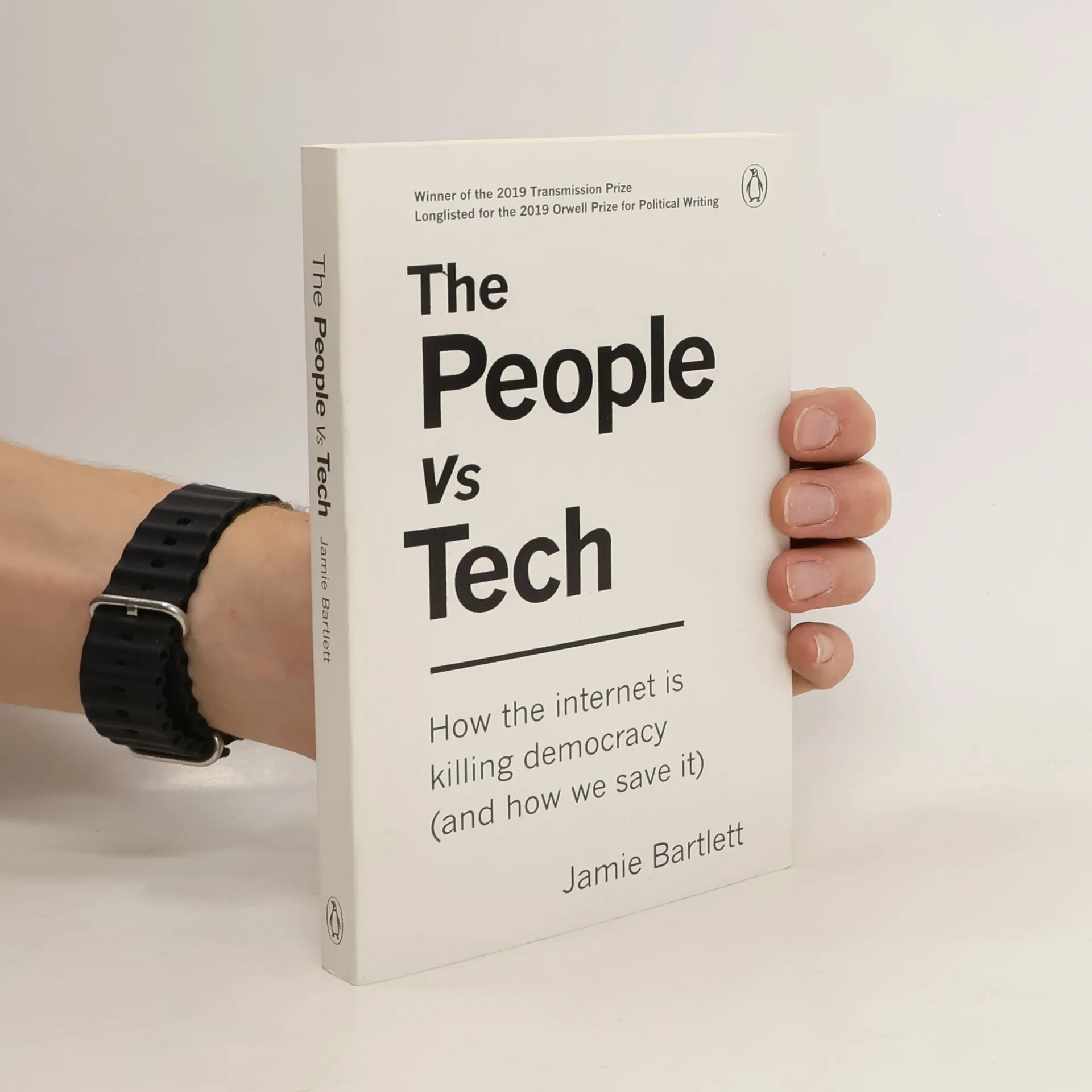
The People vs Tech: How the internet is killing democracy (and how we save it)
- 246 stránek
- 9 hodin čtení
Tech has fundamentally transformed our lives, but have we surrendered too much to the obscure forces behind the code, controlled by a select few in Silicon Valley? Recent data breaches involving companies like Facebook and Cambridge Analytica raise critical questions about the implications for democracy, a system established long before the advent of big data and AI. In this urgent polemic, the author contends that our uncritical acceptance of big tech is gradually dismantling the foundations of democracy. The middle class is shrinking, sovereign authority and civil society are being undermined, and citizens risk losing their critical thinking and perhaps even their free will. This compelling narrative reveals how the digital revolution threatens our fragile political system. The author emphasizes the need to uphold six essential pillars of democracy to safeguard it: active citizenship, a shared democratic culture, free elections, equality, competitive and civic freedoms, and trust in sovereign authority. This crucial work highlights the urgent stakes involved and warns that without significant changes, democracy could fade away, joining the ranks of historical political experiments like feudalism and communism.
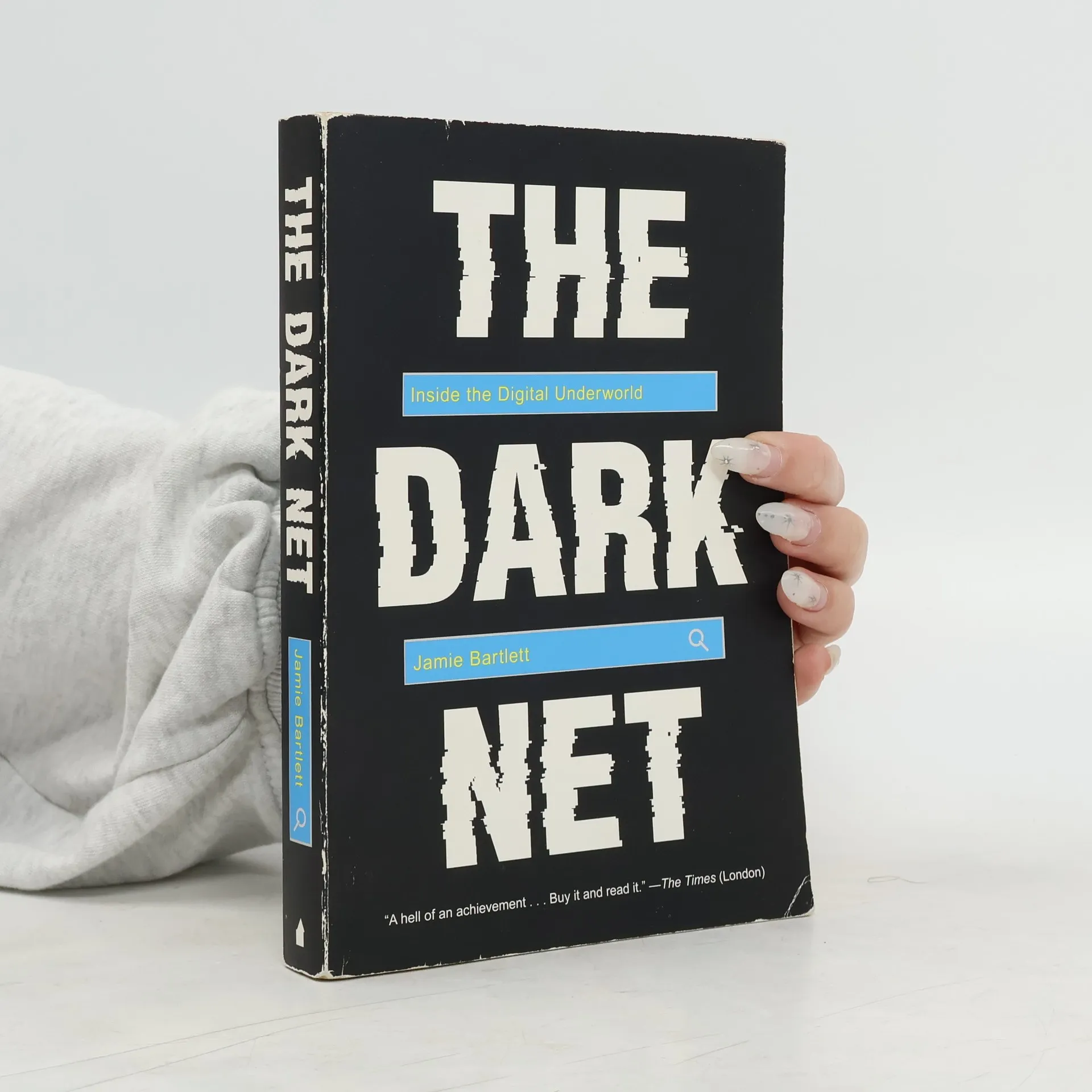
The Dark Net
- 320 stránek
- 12 hodin čtení
An NPR Best Book of the YearIncluded in The Washington Post 's Notable Nonfiction of the YearAn Independent and New Statesman Book of the YearBeyond the familiar online world that most of us inhabit—a world of Google, Facebook, and Twitter—lies a vast and often hidden network of sites, communities, and cultures where freedom is pushed to its limits, and where people can be anyone, or do anything, they want. This is the world of Bitcoin, 4chan, and Silk Road, of radicalism, crime, and pornography. This is the Dark Net.In this important and revealing book, Jamie Bartlett takes us deep into the digital underworld and presents an extraordinary look at the internet we don't know. Beginning with the rise of the internet and the conflicts and battles that defined its early years, Bartlett reports on trolls, pornographers, drug dealers, hackers, political extremists, Bitcoin programmers, and vigilantes—and puts a human face on those who have many reasons to stay anonymous.Rich with historical research and revelatory reporting, The Dark Net is an unprecedented, eye-opening look at a world that doesn't want to be known.