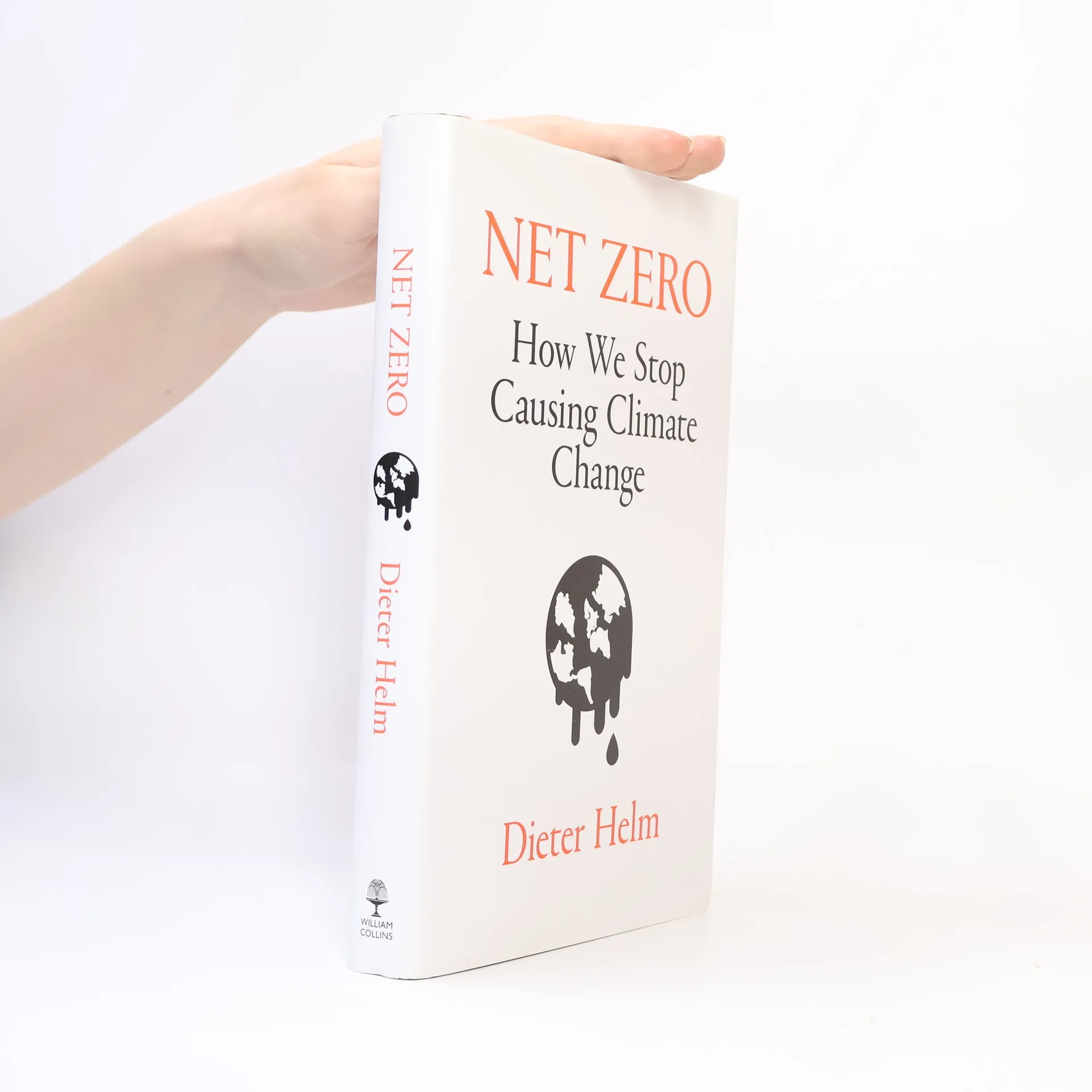
Dieter Helm je vědecký pracovník v oboru ekonomie na New College v Oxfordu a profesor energetické politiky na Smith School of Enterprise and the Environment Oxfordské univerzity. Jeho práce se zaměřuje na širší ekonomické a environmentální otázky, zejména v oblasti energetiky. Zkoumá, jak mohou podniky a vlády řešit komplexní výzvy udržitelnosti a efektivního využívání zdrojů. Jeho analýzy poskytují cenný vhled do budoucnosti energetiky a jejího dopadu na společnost.
Legacy answers one of the most important questions faces us today. What would
an economy look like if it were to be sustainable and hence leave the next
generation with the capabilities to choose how to live their lives, having
addressed the great environmental challenges of climate change and
biodiversity loss?
What can we really do about the climate emergency? The inconvenient truth is
that we are causing the climate crisis with our carbon intensive lifestyles
and that fixing - or even just slowing - it will affect all of us. But it can
be done.
The international framework for a climate change agreement is under review as the Kyoto period ends in 2012. Despite enthusiasm from political and environmental groups, the economics and politics involved remain contentious. This book provides a clear analysis of the roadblocks to agreement, focusing on the economics of climate change and the incentives of key players like the U.S., EU, and China. It also explores governmental policies aimed at reducing greenhouse gas emissions and transitioning to a low-carbon economy. Featuring contributions from leading experts, the volume delves into the economic analysis and negotiations surrounding Copenhagen and beyond. Several articles challenge the prevailing climate change consensus and debate the findings of the Stern Report. The book is divided into four parts: the first reassesses the economics of climate change, introducing new material that extends beyond conventional wisdom. The second part examines the geography of costs and benefits, highlighting the differing perspectives of Africa, China, the U.S., and Europe, which are crucial for understanding the prospects for a new global agreement. The third part discusses global policy instruments, including trading, R&D, and more radical unilateral options like geo-engineering. Finally, the fourth part addresses institutional architecture, drawing on evidence from past attempts in other areas and proposing new bodies.