Dorothy Wordsworth nebyla primárně autorkou, ale její písemné projevy, zahrnující dopisy, deníkové záznamy a povídky, odhalují pronikavé pozorovací schopnosti a citlivý přístup k životu. Její dílo, ačkoliv často neoddělitelně spojené s tvorbou jejího bratra Williama, si zaslouží pozornost pro svůj vlastní literární přínos. Její vliv na rozvoj Williamova myšlení byl zásadní, což naznačuje její hluboký intelektuální a umělecký vliv. Její literární odkaz tkví v autentickém zachycení světa kolem ní a v tichém, ale silném dopadu na literární krajinu své doby.
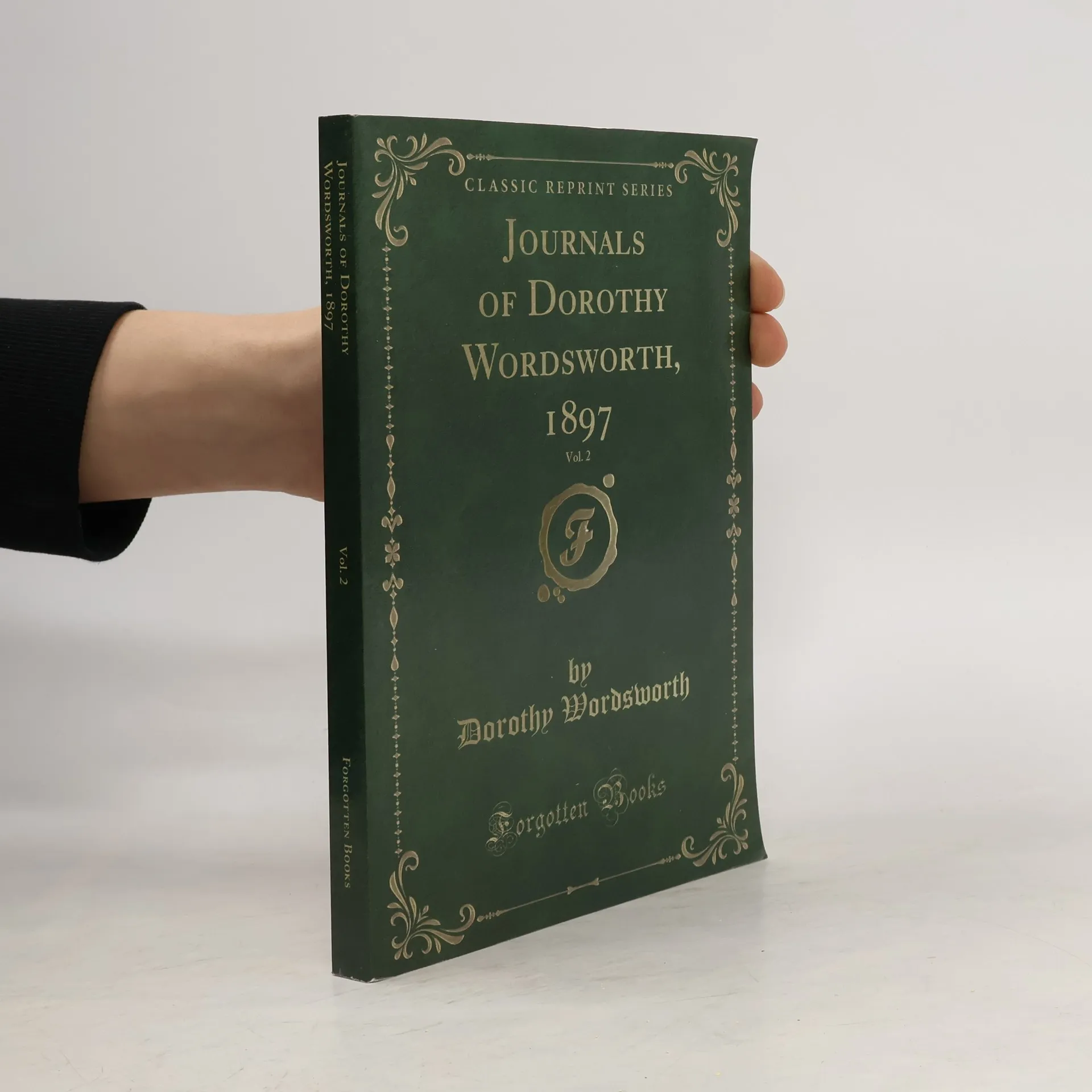
Originally published in 1874, this reprint offers a glimpse into the historical context and themes of its time. The book captures the essence of its era through its narrative, providing readers with an authentic experience of the period. Its enduring relevance is highlighted by the timeless themes and character portrayals that continue to resonate with modern audiences. This edition preserves the original text, making it a valuable addition for both history enthusiasts and literary scholars.
Mit dem Alfoxden-Journal und dem Tagebuch einer Reise nach Hamburg
320 stránek
12 hodin čtení
Ende1799 zieht Dorothy Wordsworth (1771–1855) mit ihrem Bruder, dem Dichter William Wordsworth (1770–1850), nach Grasmere. Wenig später lässt sich auch Williams Dichterfreund Samuel Taylor Coleridge in der Nähe nieder: "drei Menschen, doch nur eine Seele". Die Stunde der 'Lake Poets', der frühen Glanzzeit englischer Romantik hat geschlagen. Das in England längst berühmte, jetzt erstmals ins Deutsche übersetzte "Grasmere-Journal" bietet einen unvergleichlichen Zugang zum Leben der Wordsworths in der urwüchsigen Landschaft des Lake District. Ergänzt wird die Ausgabe durch zwei kurze Journale von 1798: das Alfoxden-Tagebuch und die Aufzeichnungen einer Reise nach Deutschland.
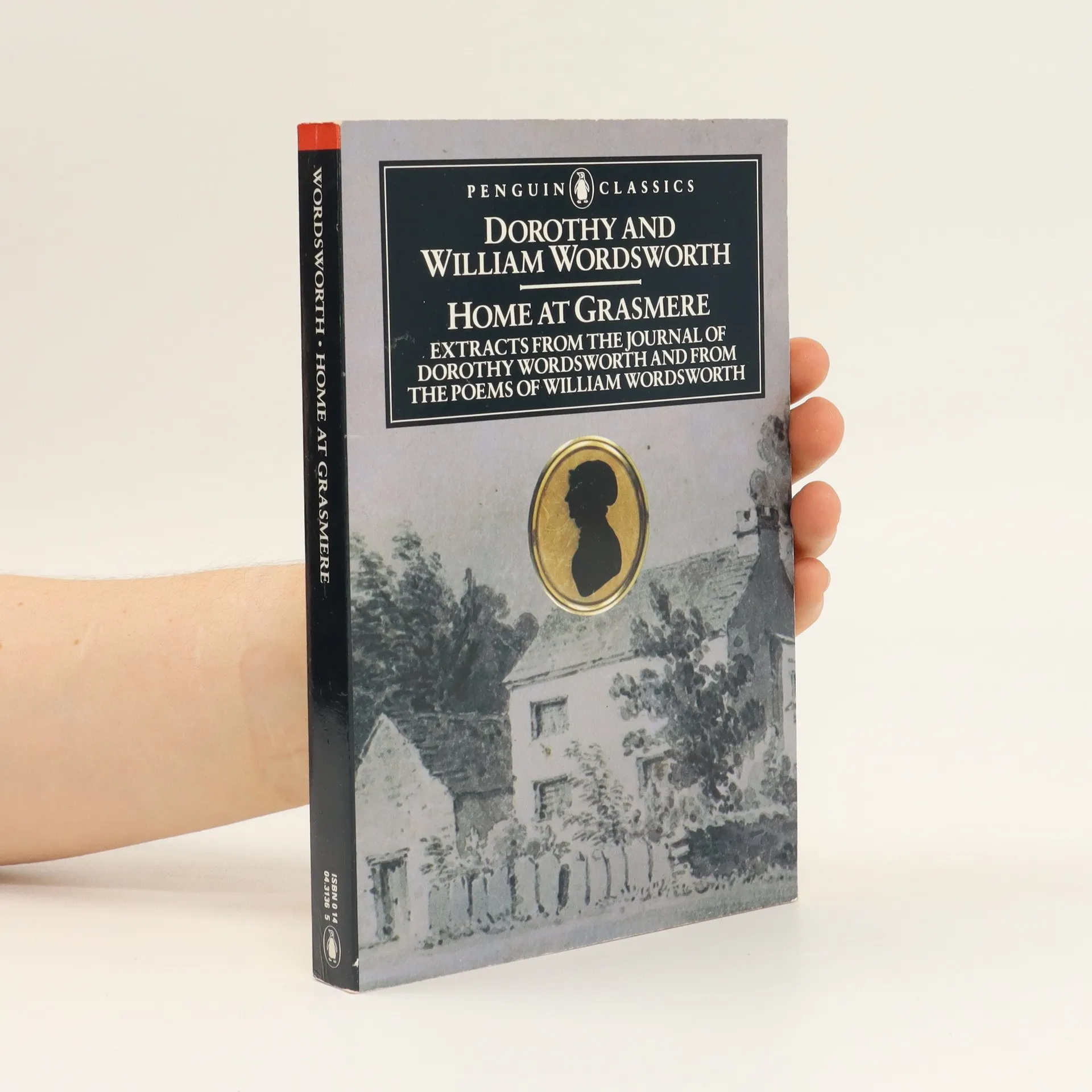
A continuous text made up of extracts from Dorothy Wordsworth's Journal and a selection of her brother's poems. Dorothy Wordsworth kept her Journal 'because I shall give William pleasure by it'. In doing so, she never dreamt that she was giving future readers not only the chance to enjoy her fresh and sensitive delight in the beauties that surrounded her at Grasmere but also a rare opportunity to observe 'the progress of a poet's mind'.Colette Clark's skilful and perceptive arrangement of Dorothy's entries alongside William's poems throws a unique light on his creative process, and shows how the interdependence of brother and sister was a vital part in the writing of many of his great poems. By reading these poems in relation to the Journal it is possible to trace the processes by which they were committed to paper and so achieve a fuller understanding of them.A writer in her own right, Dorothy kept her Journal sparse in personal and emotional detail. Yet there is, nevertheless, a deep emotional undercurrent running beneath the surface which only falters when William marries Mary Hutchinson. Never again was Dorothy to achieve the freedom, spontaneity and the limpidly beautiful prose with which she infused and irradiated the Grasmere Journals.