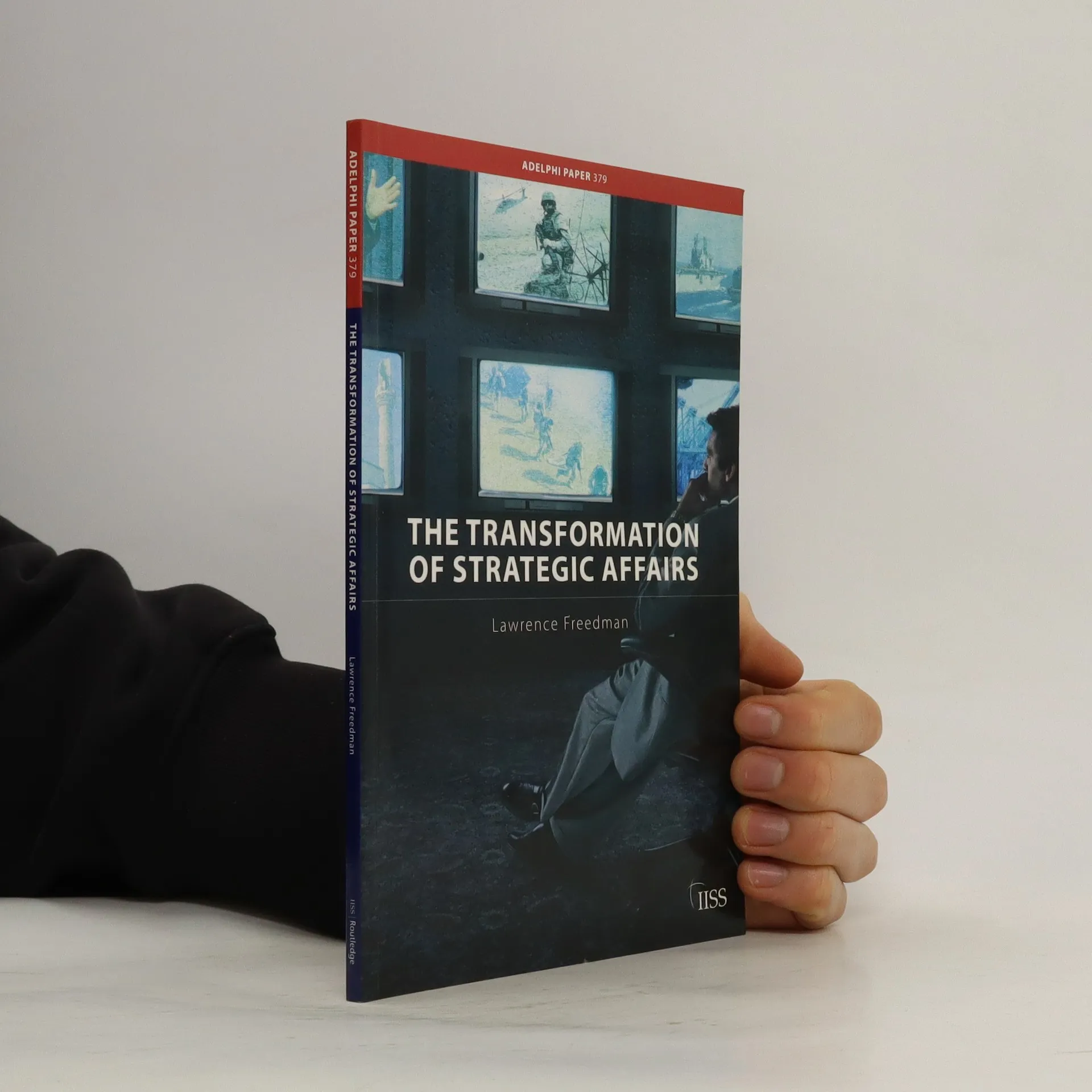
Narratives provide the storylines of conflict and in doing so become an arena
of conflict themselves. When states mount information campaigns against each
other, they are trying to change the narrative. The digital platforms of the
new information environment have been identified by analysts as a significant
factor in contemporary strategy.
Throughout history, the concept of command - as both a way to achieve objectives and as an assertion of authority - has been essential to military action and leadership. But, as Sir Lawrence Freedman shows, it is also deeply political. Military command has been reconstructed and revolutionized since the Second World War by nuclear warfare, small-scale guerrilla land operations and cyber interference. Freedman takes a global perspective, systematically investigating its practice and politics since 1945 through a wide range of conflicts from the French Colonial Wars, the Cuban Missile Crisis and the Bangladesh Liberation War to North Vietnam's Easter Offensive of 1972, the Falklands War, the Iraq War and Russia's wars in Chechnya and Ukraine. By highlighting the political nature of strategy, Freedman shows that military decision-making cannot be separated from civilian priorities and that commanders must now have the sensibility to navigate politics as well as warfare.
Originally published in 1986, although the pace of arms control negotiations
has been stepped up, there is still little sign of agreement. In this paper
the author examines the current negotiating effort, with particular emphasis
on its implications for European security.
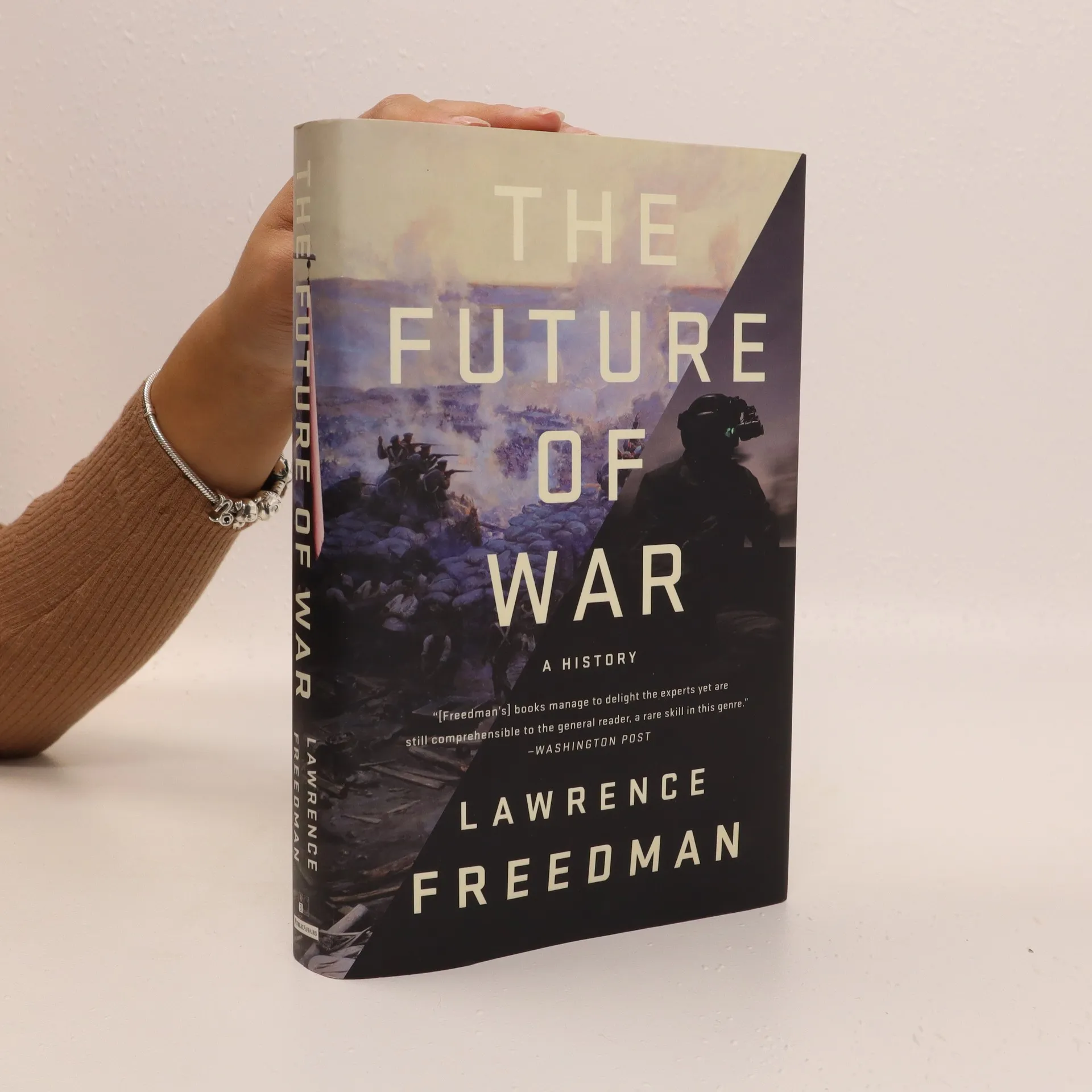
Kde bychom měli hledat nové nebezpečí? Jaké mazané plány by mohl mít agresor? Jaké jsou nejlepší formy obrany? Jak může být zachováno mír nebo vyřešeny konflikty? Od francouzské porážky u Sedanu v roce 1870 po neúprosné současné povstání v Iráku a Afghánistánu, Lawrence Freedman, jeden z předních britských vojenských myslitelů, odhaluje, jak ti, kteří si představovali budoucí válku, často měli idealizovanou představu o ní jako o omezené, krátké a rozhodující - a proto přetrvává myšlenka na rozhodující úder, ať už prostřednictvím odvážné pozemní ofenzívy, jaderného prvního úderu nebo kybernetických útoků. Upozorňuje také na nedostatek pozornosti věnované občanským válkám, dokud Západ nezačal do nich zasahovat v 90. letech, a jak se hranice mezi mírem a válkou, mezi vojenskými, civilními a kriminálními aspekty stále více rozmazávají. Freedmanovo vyprávění o století a půl válčení a (často mylném) myšlení, které válce předchází, je výzvou jak pro jestřáby, tak pro holubice a dává současnému strategickému myšlení osvěžující historickou perspektivu.
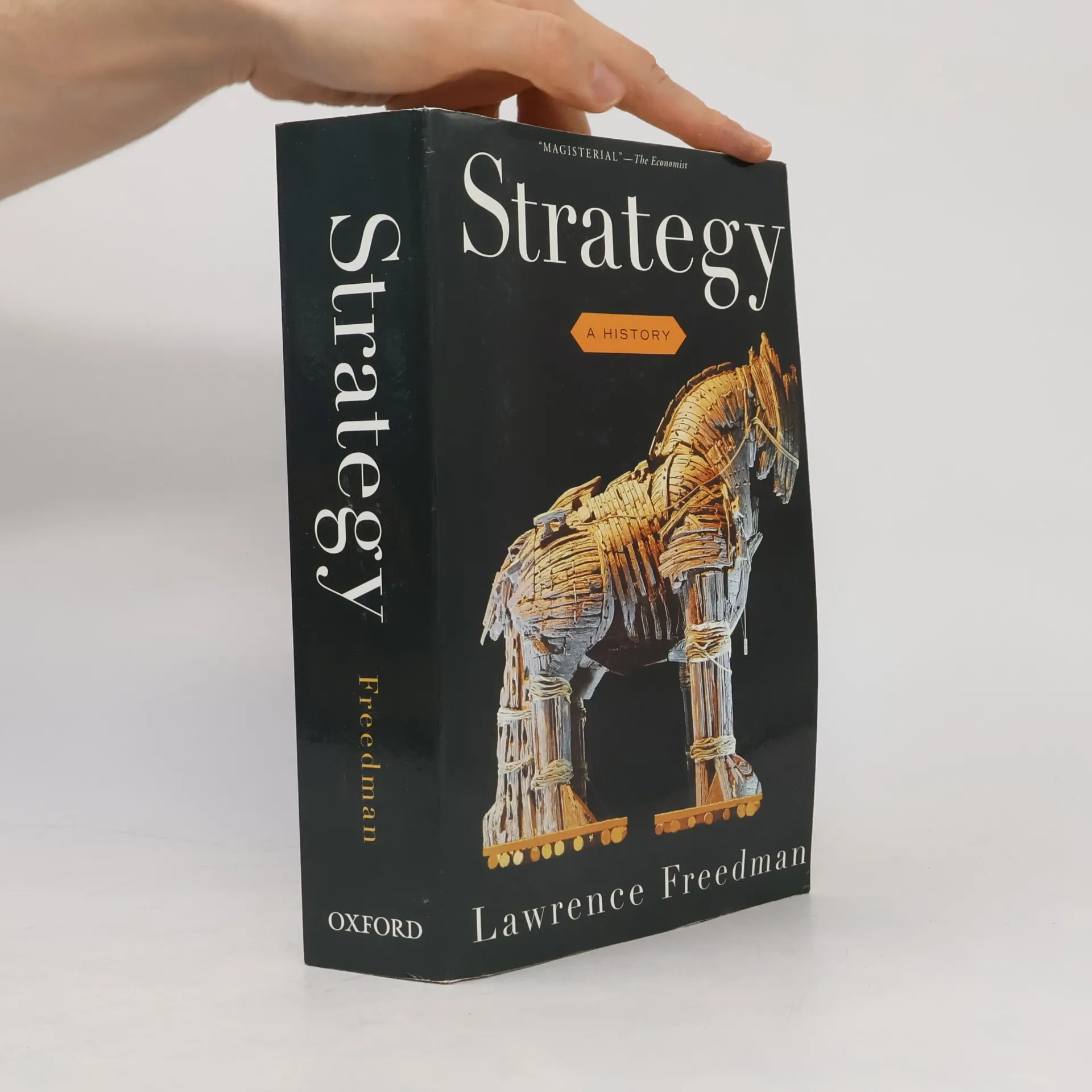
One of the world's leading authorities on war and international politics synthesizes the vast history of strategy's evolution in this consistently engaging and surprising account of how it came to pervade every aspect of life.
"This paper examines the difficulty the US armed forces face in shifting their focus from preparing for regular wars, in which combat is separated from civil society, to irregular wars, in which combat is integrated with civil society. It argues that the political context of contemporary irregular wars requires that the purpose and practice of Western forces be governed by liberal values. This is also the case with regular wars, to the extent that they occur, but it is the integration with civil society that makes the application of liberal values so challenging. It argues that this challenge becomes easier to meet when military operations are understood to contribute to the development of a compelling narrative about the likely course and consequence of a conflict, in which these values are shown to be respected. However, while it is vital that the employment of armed force remains sensitive at all times to the underlying political context and to the role of narratives in shaping this context, a key test of success will always be the defeat of the opposing forces. The application of this test in regular war remains straightforward; this is not the case with irregular war, which can be of long duration and contain frequent shifts in tempo and focus. The 'war on terror' has highlighted these issues and the paper concludes with suggestions for a strategic response."--Jacket
The second volume delves into the Falklands Campaign, offering a comprehensive and authoritative narrative of a pivotal moment in British political history. Freedman vividly depicts the dynamics of a government engaged in warfare, highlighting the complexities and challenges faced during this extraordinary period.
Exploring the origins of the 1982 war, this book delves into the complex historical dispute between Argentina and Britain regarding the sovereignty of the islands. It highlights the challenges encountered by both governments in their attempts to reconcile their differing claims and perspectives, providing a comprehensive understanding of the geopolitical tensions that have shaped this enduring conflict.
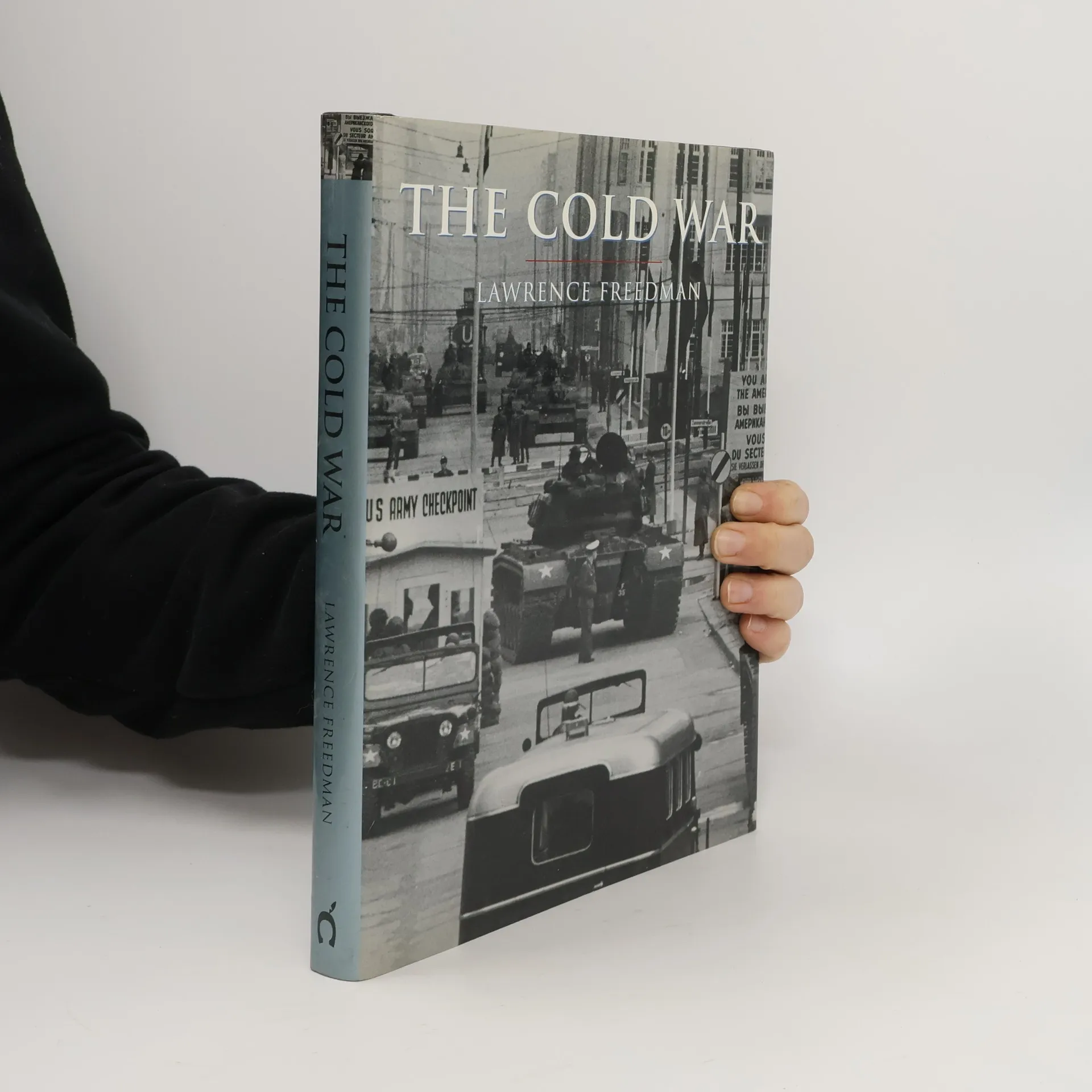
World War Two left two compelling, indelible images that colored the decades to come: the immense force of the Soviet Union's Red Army and the horrific devastation wrought by the atomic bombing of Hiroshima/Nagasaki. For the next half-century, the great powers prepared themselves for another, deadlier international conflagration...one that never happened. Politicians and strategists devoted time, intellectual energy, and financial resources figuring out how to fight--or avoid--nuclear war; meanwhile the industrial complex dedicated itself to producing ever more complex weaponry. Through thoughtful analysis and striking photography, follow the changing expectations during this period, and how these expectations were influenced by the actual experience of limited warfare. From the evolution of nuclear strategy and technology to the effect of Korea and Vietnam to contemporary conflicts like Desert Storm, you'll see how a revival of conventional strategy has raised the possibility of a revolution in military affairs.
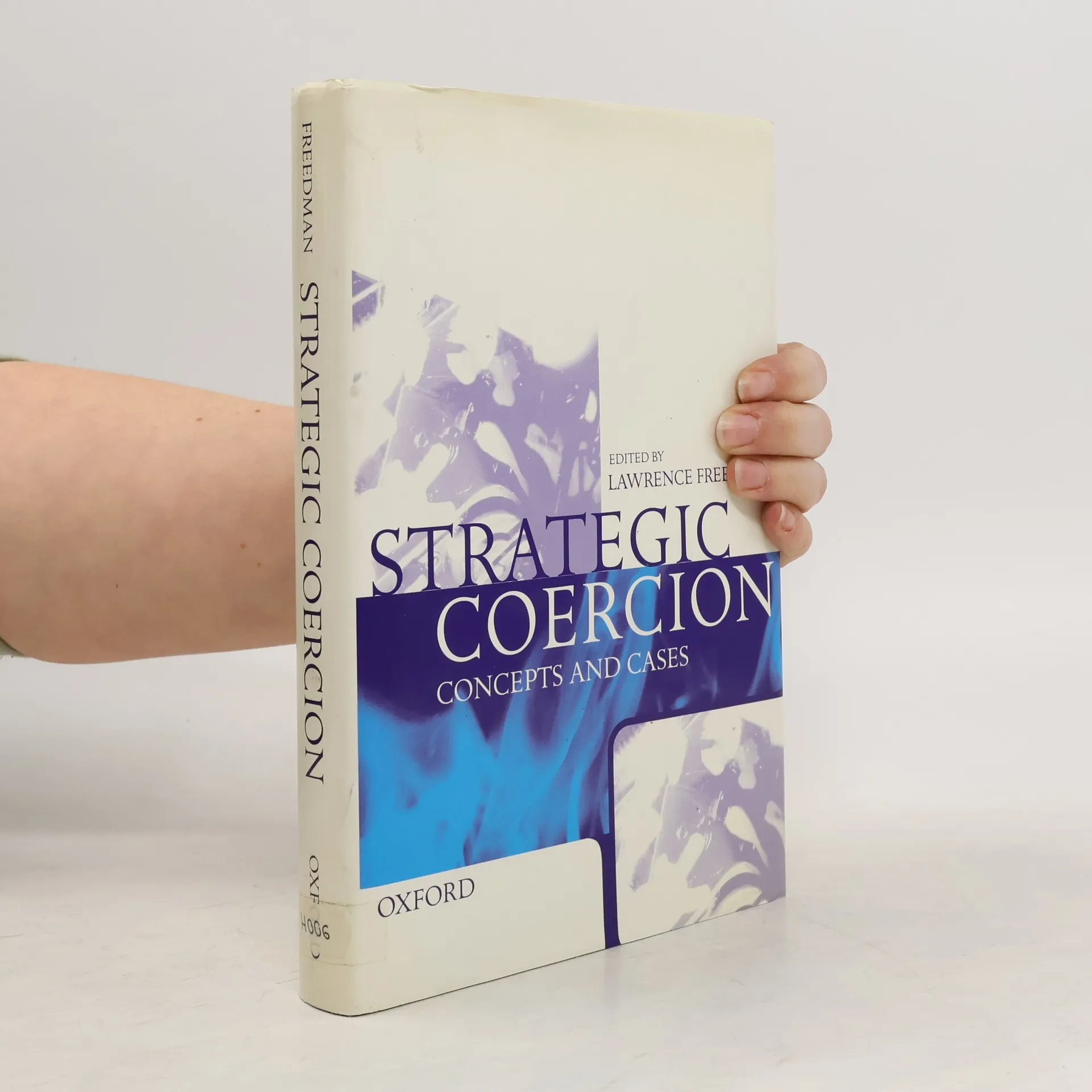
For three decades the analysis of strategic coercion has been dominated by two landmark books: Tom Schelling's Arms and Influence and Alex George's Strategic Diplomacy, both of which addressed the requirements of American foreign policy during the cold war. This book argues for a reappraisal of the role of strategic coercion - defined as the deliberate and purposive use of overt threats to influence another's strategic choices. It emphasizes the importance of drawing on the experiences of countries other than the United States, and of considering the new circumstances of the post cold war worl
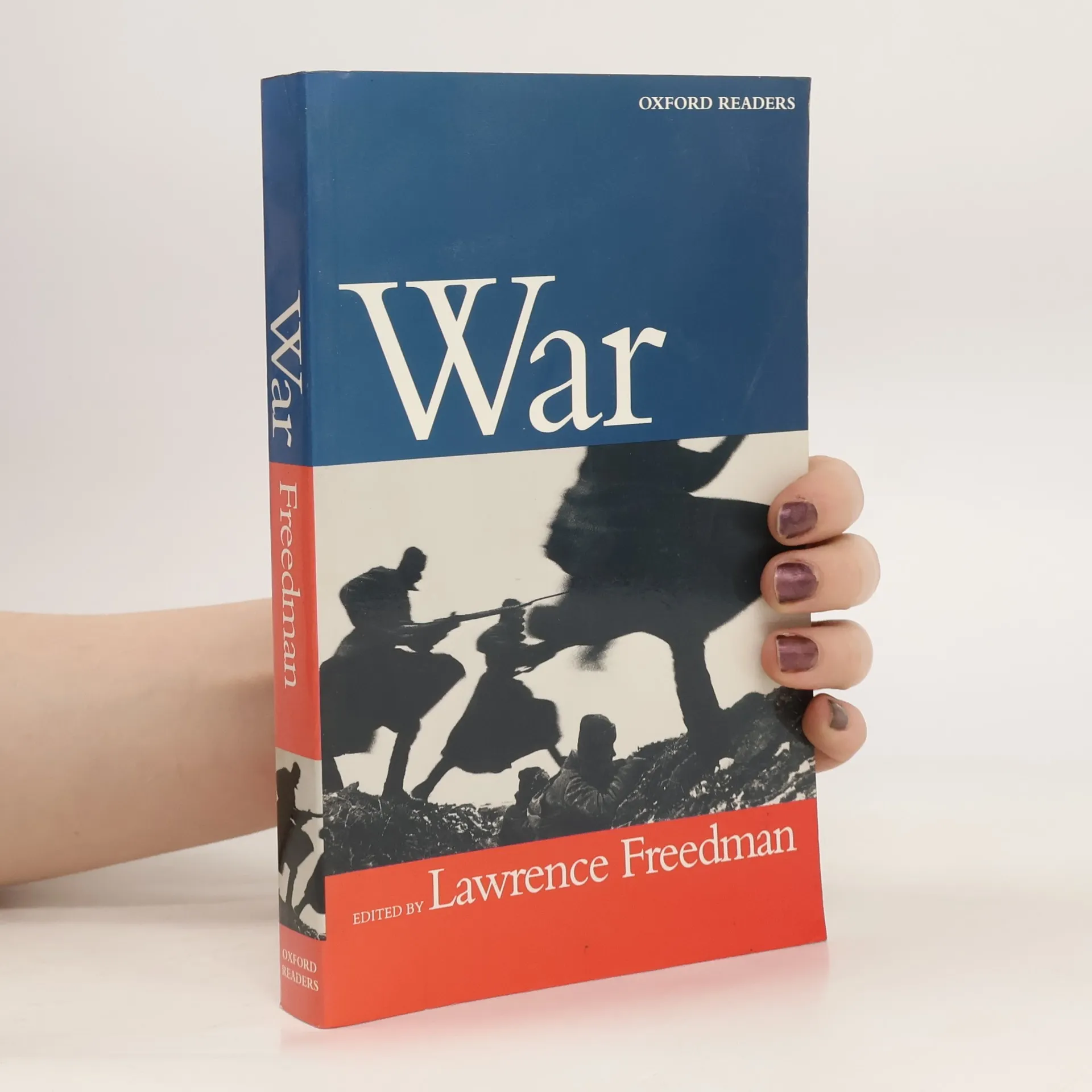
War makes headlines and history books. It has shaped the international system, prompted social change, and inspired literature, art, and music. It engenders some of the most intense as well as the most brutal human experiences, and it raises fundamental questions of human ethics. The ubiquitous, contradictory, and many-sided character of war is fully reflected in this reader. It addresses a wide range of questions: What are the causes of war? Which strategic as well as moral principles guide its conduct, and how have these changed? Has total war become unthinkable? What is the nature of contemporary conflict? How is war experienced by those on the front line? These and other key issues are examined through a variety of writings. Drawing on sources from numerous countries and disciplines, this reader includes accounts by generals, soldiers, historians, strategists, and poets, who consider conflicts from the Napoleonic Wars to Vietnam and Bosnia. The writing not only of great strategic thinkers but also of ordinary soldiers illustrates both the theory and the experience of war in its many guises.
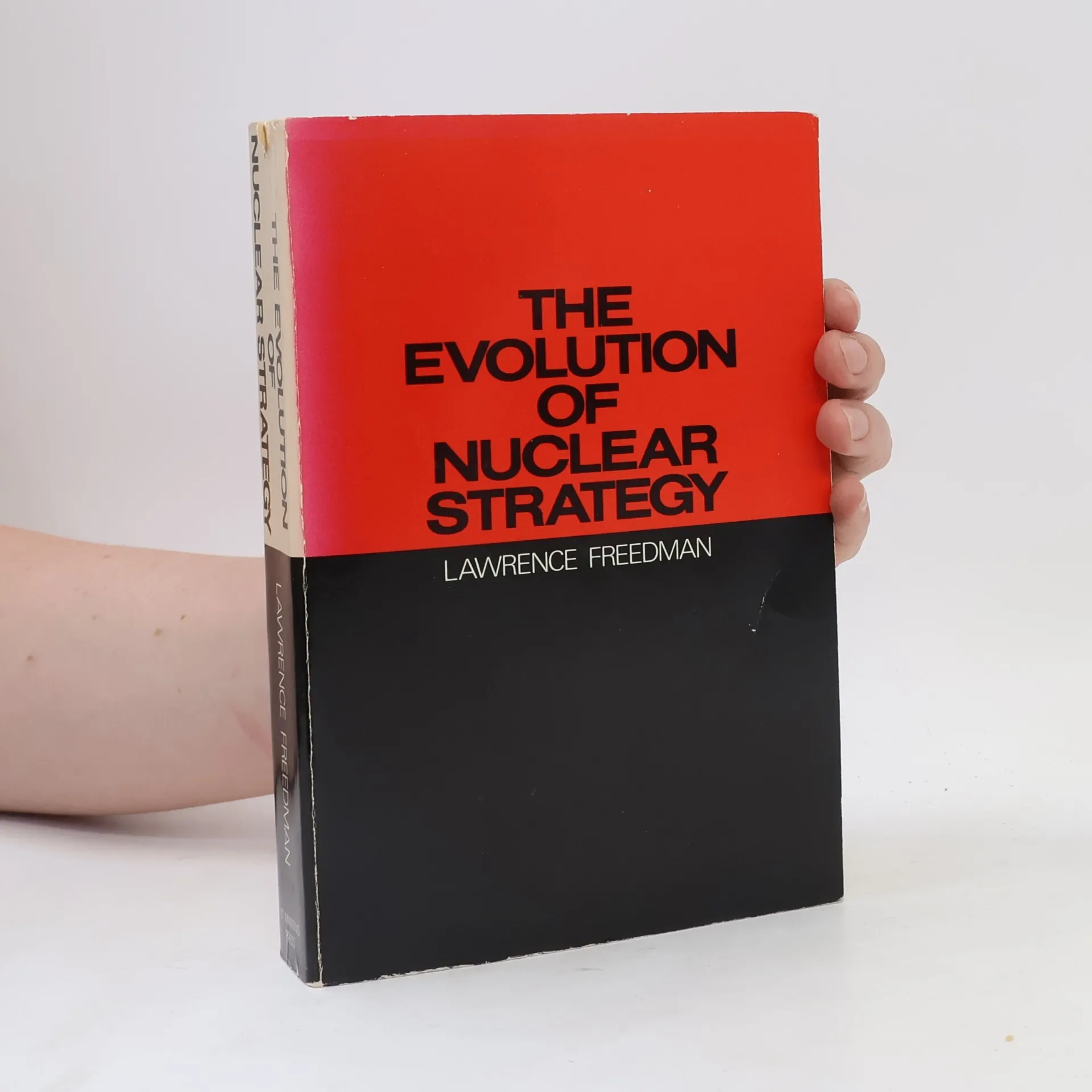
First published 20 years ago, Lawrence Freedman's Evolution of Nuclear Strategy was immediately acclaimed as the standard work on the history of attempts to cope militarily and politically with the terrible destructive power of nuclear weapons. It has now been rewritten, drawing on a wide range of new research, and updated to take account of the period following the end of the cold war, taking the story to contemporary arguments about missile defense.