This textbook offers an introductory overview of eight hotly-debated topics in
second language acquisition research. It offers a glimpse of how SLA
researchers have tried to answer common questions about second language
acquisition rather than being a comprehensive introduction to SLA research.
Chomsky's Universal Grammar introduces both the general concepts of the theory, particularly its goals of describing the knowledge of language and of accounting for how it is acquired, and the main areas of syntax such as X-bar theory, movement and government.
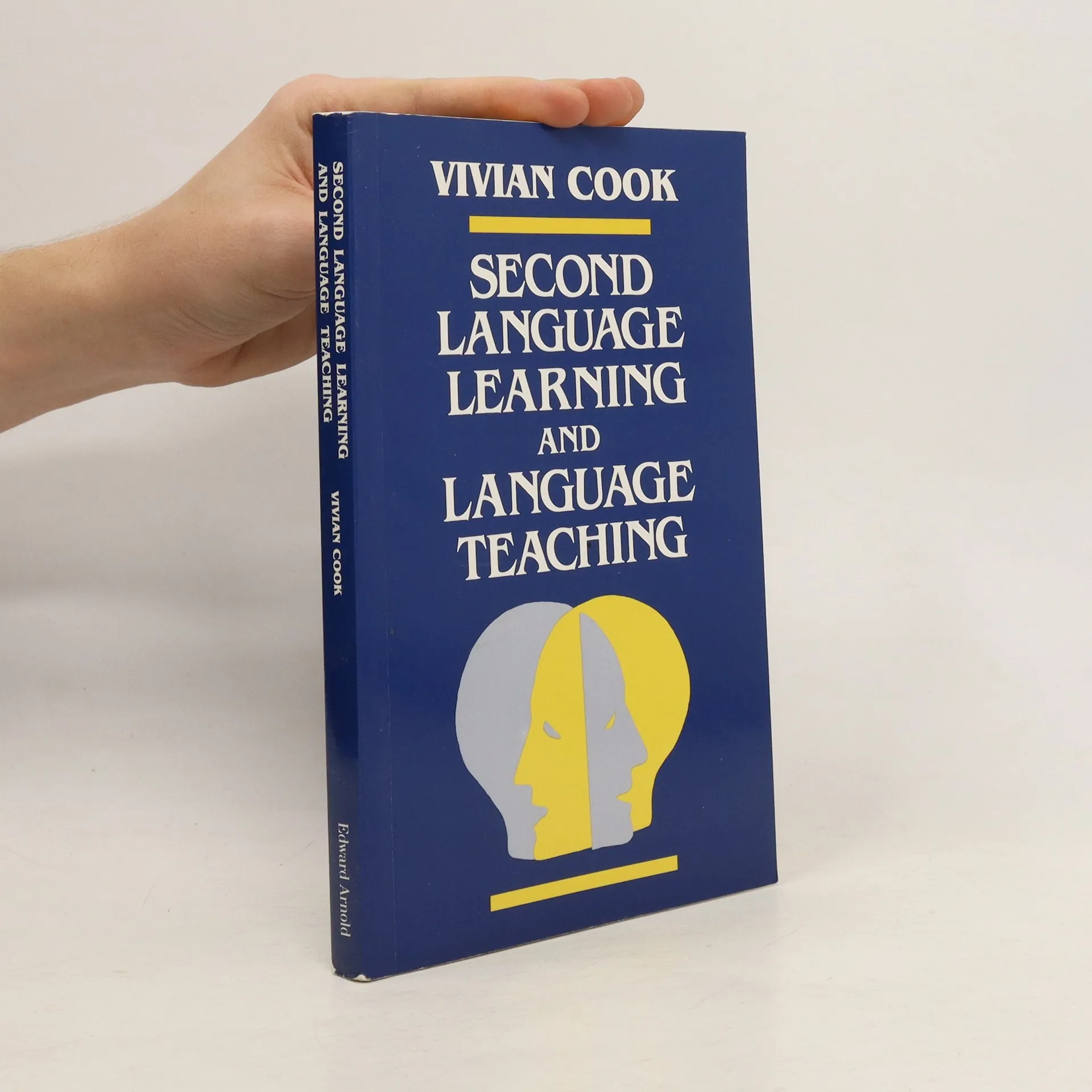
How do people learn languages? Vivian Cook's highly successful text has proved immensely valuable to teachers as an introduction to aspects of second language acquisition research where it relates to practical language teaching and the classroom. This new, enlarged edition has been thoroughly updated in the light of new research. The author lays greater emphasis on the implications of SLA research for the classroom and a wider range of research is taken into account. There are exercises and expanded sections at chapter ends offering practical help and tips for teachers approaching second language acquisition for the first time.
'It is a damn poor mind that can think of only one way to spell a word - U.S. PresidentShakespeare, Shake-speare, Shakspeare, Shaxberd, Shakespere, Shak-speare, Shaskpear, Shakspere, Shaksper, Schaksp., Shakespear, Shakespheare'My spelling is Wobbly' - Winnie-the-Pooh This delightful, quick-footed book celebrates the English language by exploring the rich treasure house of spelling in all its variety - setting tests and proposing rules, with illuminating quotations and tantalising lists Headrillaz and Misteeq; Naming Pop Groups; miniscule parallels; non-letters; the three-letter rule; Faeder ure pup e eart on heofunum; UK number plates; HipHop spelling; East Anglian place-names; the E-cancellation spelling test - these are just some of the intriguing subjects presented in this must-have, must-give little book.
This book opens readers' eyes to something they see all the time but take for
granted: street signs. It is a portrait of the signs on modern English
streets: what they look like, who and what they are for, how they link to
English history and how they form part of life in multilingual England today.
Meeting People is the second stage of ENGLISH FOR LIFE, a four-part series for complete or false beginners leading to Cambridge First Certificate or Threshold Level and beyond. Each book provides roughly one year's work and has goals which are complete in themselves and reflect the communicative needs of adolescent and adult learners. Meeting People teaches students to talk to strangers and communicate in English. Authentic information and realistic texts are included throughout; in addition, dialogue sequences in each of the fifteen lesson units recount the investigations made by a young journalist, Cathy King, into the disappearance of an international film star. The story begins in London and moves to New York and Hong Kong. British and American varietes of English are presented in short functional exchanges and practical language tasks, with a cyclical grammatical progression and regular review exercices.
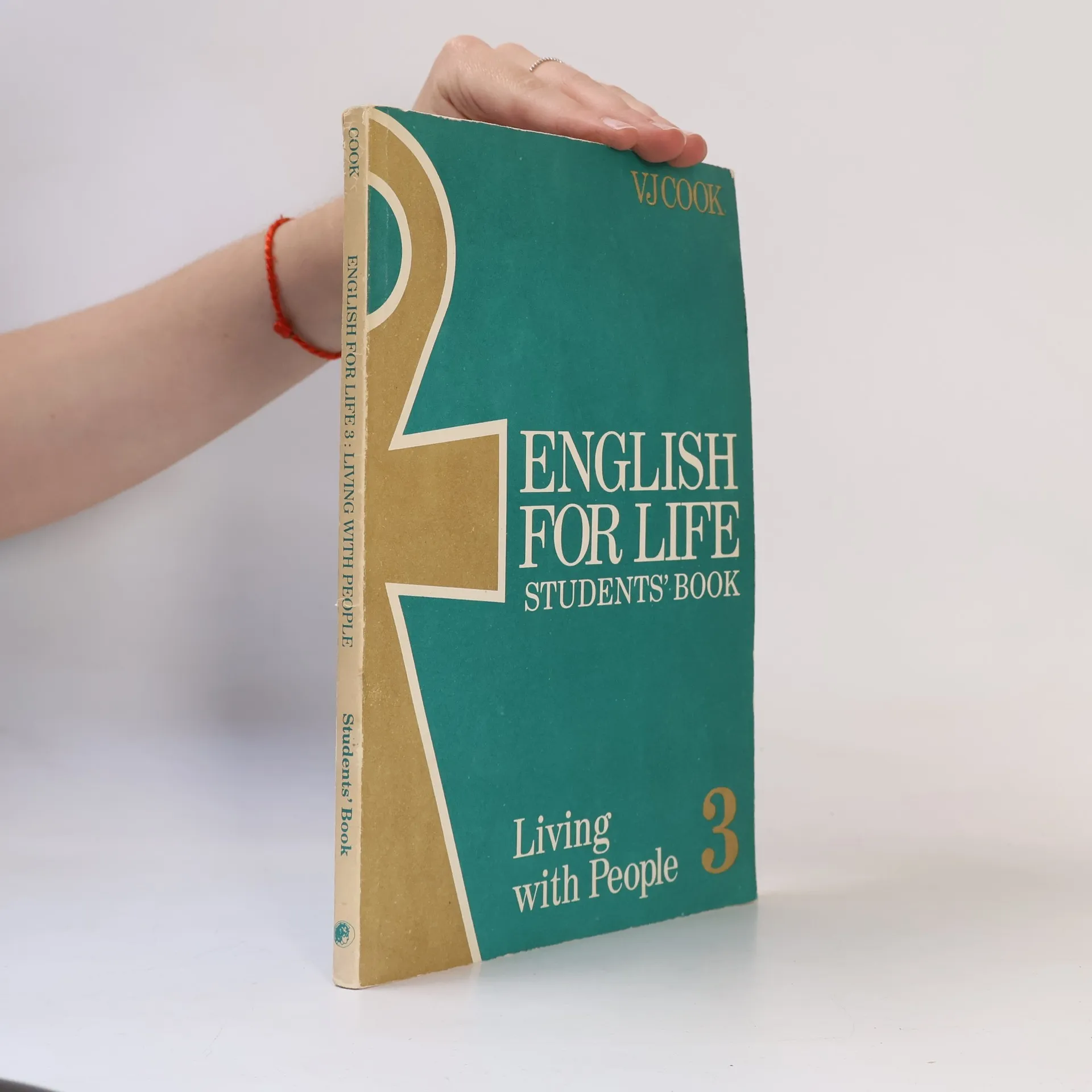
Living with People is the third stage of ENGLISH FOR LIFE, a four-part series for complete or false beginners, leading to Cambridge First Certificate or Threshold Level and beyond. Each book provides roughly one year's work with goals which are complete in themselves and reflect the communicative needs of adolescent and adult learners. Living with People presents a realistic and lively picture of contemporary Britain, based on aspects of life in the city of Oxford: education, employment, sport, entertainment and everyday tasks. A fictional story about a Polytechnic student and a graduate seeking work is combined with factual information, leading to a variety of language activities including the analysis of problems and statements of needs and opinions. The Teachers' Guide gives an outline of the whole course, advice on teaching methods and detailed notes on each lesson unit, with summaries of objectives and content inventories. A Workbook, allowing further exploitation of the lesson units for classwork or homework and cassette recordings of the dialogues from the Students' Book are also available.