

This work presents an authentic portrait of the Amish through striking photographs and honest accounts of their daily lives and enduring traditions. Photographer Lucian Niemeyer earned the trust of Amish families in Pennsylvania's Lancaster County by helping them harvest crops, gaining acceptance in a community that traditionally shuns photography. Encouraged by his Amish friends to correct misconceptions about their ways, Niemeyer created a sensitive photographic record using only natural light, resulting in unprecedented images of families, community gatherings, and the interiors of Amish homes and schools. These photographs capture the simplicity and beauty of Amish life. Accompanying the images, Donald Kraybill, author of the acclaimed Riddle of Amish Culture, provides a compelling narrative that offers insights into contemporary Old Order Amish life. His introduction outlines how this traditional community has thrived amidst modernity. Through thirty-five vignettes, Kraybill explores Amish perspectives on topics such as childbirth, women entrepreneurs, farm machinery, and the politics of separation. His concluding essay reflects on the fascination modern observers have with the Amish and their values.
Donald B. Kraybill Knihy


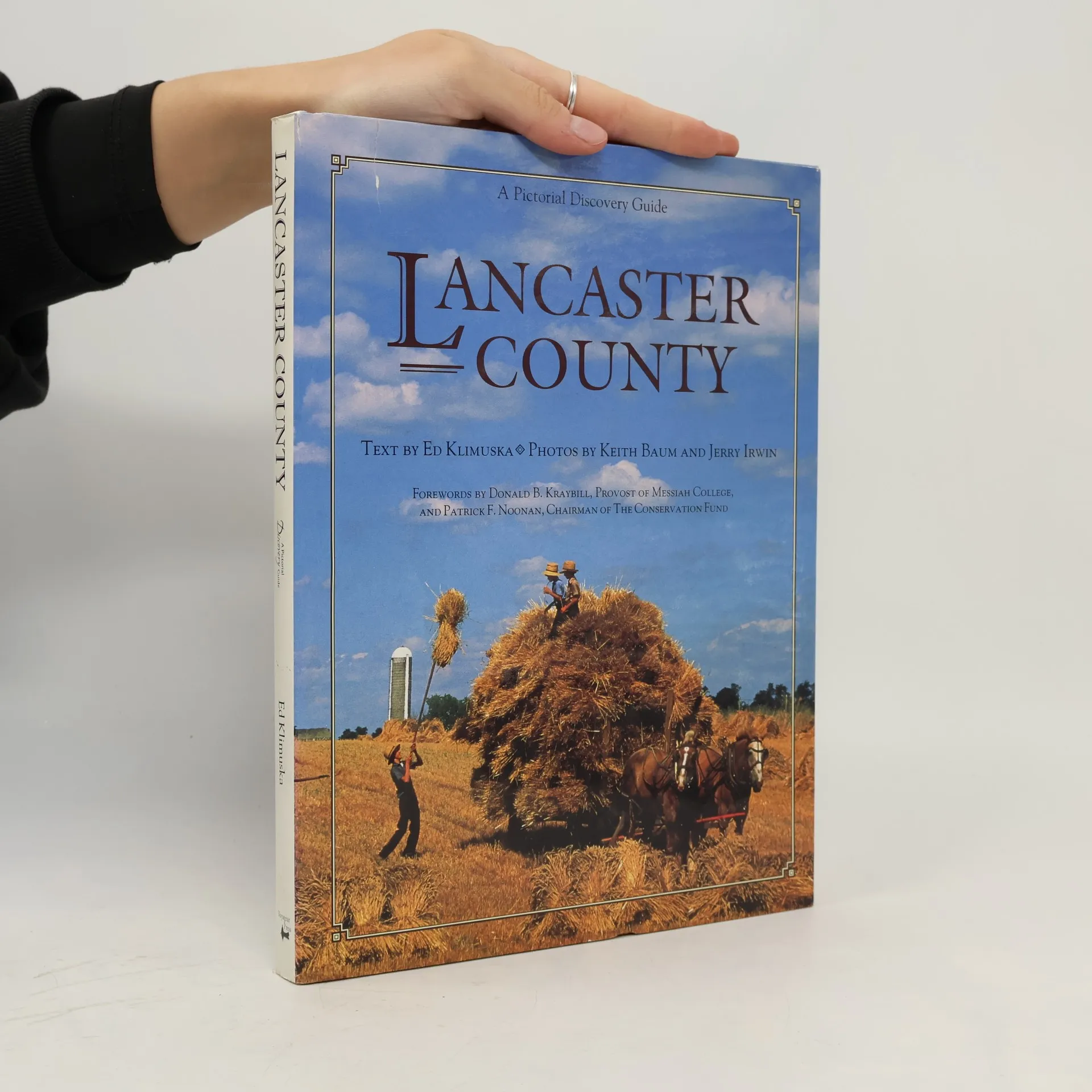

Lancaster County
- 144 stránek
- 6 hodin čtení
Pictorial Discovery Guides from Voyageur Press provide focused coverage of popular destinations, landmarks, and heritage sites. Pictorial Discovery Guides offer an appealing combination of expert yet down-to-earth text and memorable color photography.Our local experts tell the whole story of this remarkable area.
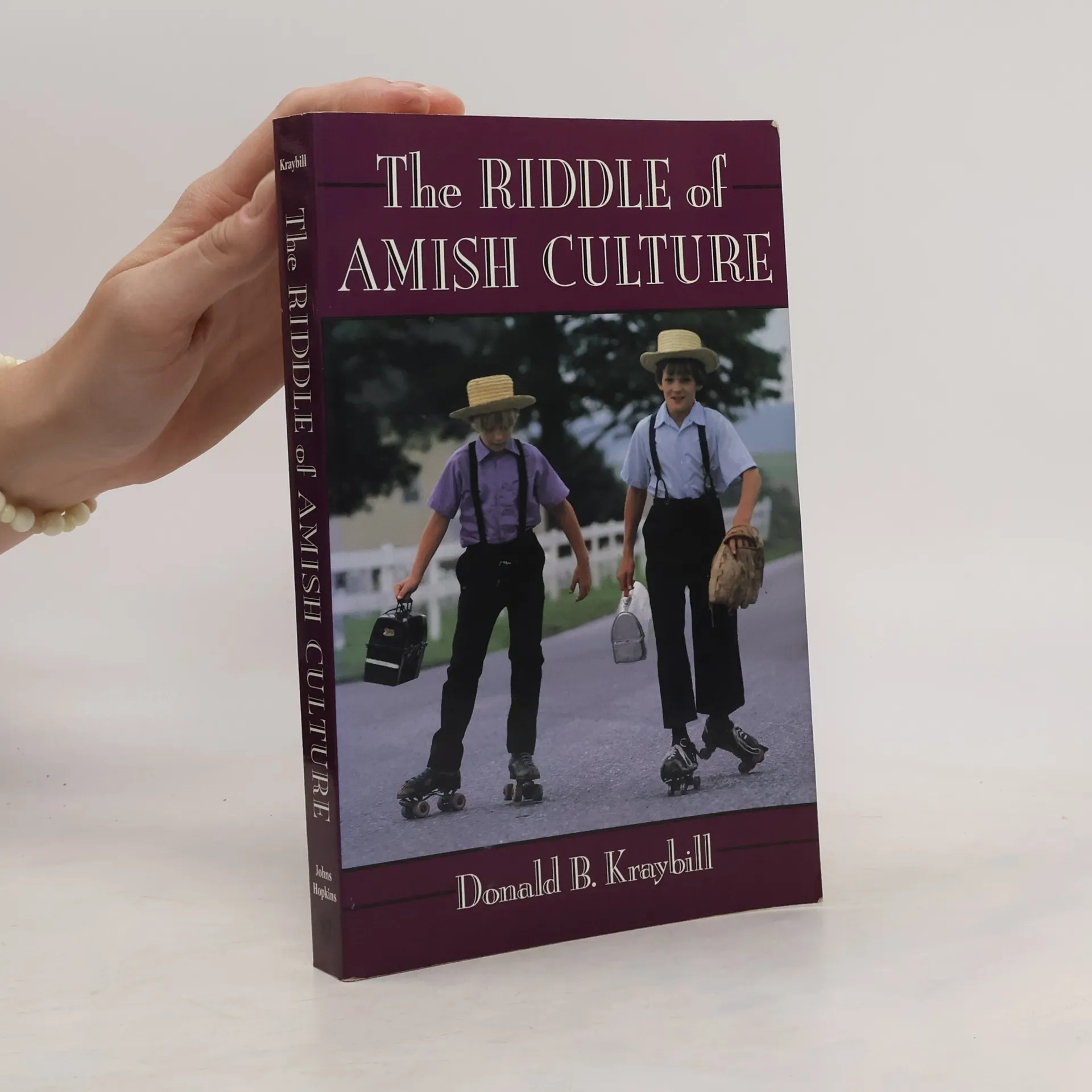
The Riddle of Amish Culture
- 304 stránek
- 11 hodin čtení
In "The Riddle of Amish Culture" Kraybill finds the Amish eager to answer our questions. (Some even tell what they thought of the film "Witness." ) But they also have questions for us. Why, they ask, do we shut our aging parents out of our houses - and put them in institutions we call "home?" Why do we move away from the towns and families we love in pursuit of jobs we hate. And why do we need weapons so powerful they could one day destroy us all - Amish and "English" alike?" "The Riddle of Amish Culture" draws us into conversations across a cultural fence with a people as remote as the seventeenth century and as close to home as that blacktop road off the next Interstate exit.
Revised edition! A sociologist provides a way to understand the Amish people's intentional way of living in a world far different from their own. Fun to read. How do the Amish thrive in the midst of modern life? Why do the Amish separate themselves from the modern world? Why do a religious people spurn religious symbols and church buildings? Why is humility a cherished value? Why do a gentle people shun disobedient members? How do the Amish regulate social change? Why is ownership of cars objectionable, but not their use? Why are some modes of transportation acceptable and other forbidden? Why are tractors permitted around barns but not in fields? Why are horses used to pull modern farm machinery? Why are telephones banned from Amish homes? Why are some forms of electricity acceptable while others are rejected? How is modern machinery operated without electricity? Why are some occupations acceptable and others taboo? Why do the Amish use the services of professionals -- lawyers, doctors, and dentists -- but oppose higher education? Why do Amish youth rebel in their teenage years? Are the Amish freeloading on American life? Are the Amish behind or ahead of the modern world?
Recounts the Amish witness and connects it to the heart of their spirituality. This title combines history, evaluation of American society, and an examination of what builds community into a story that details the shootings, and probes the religious beliefs that led to forgiving.