


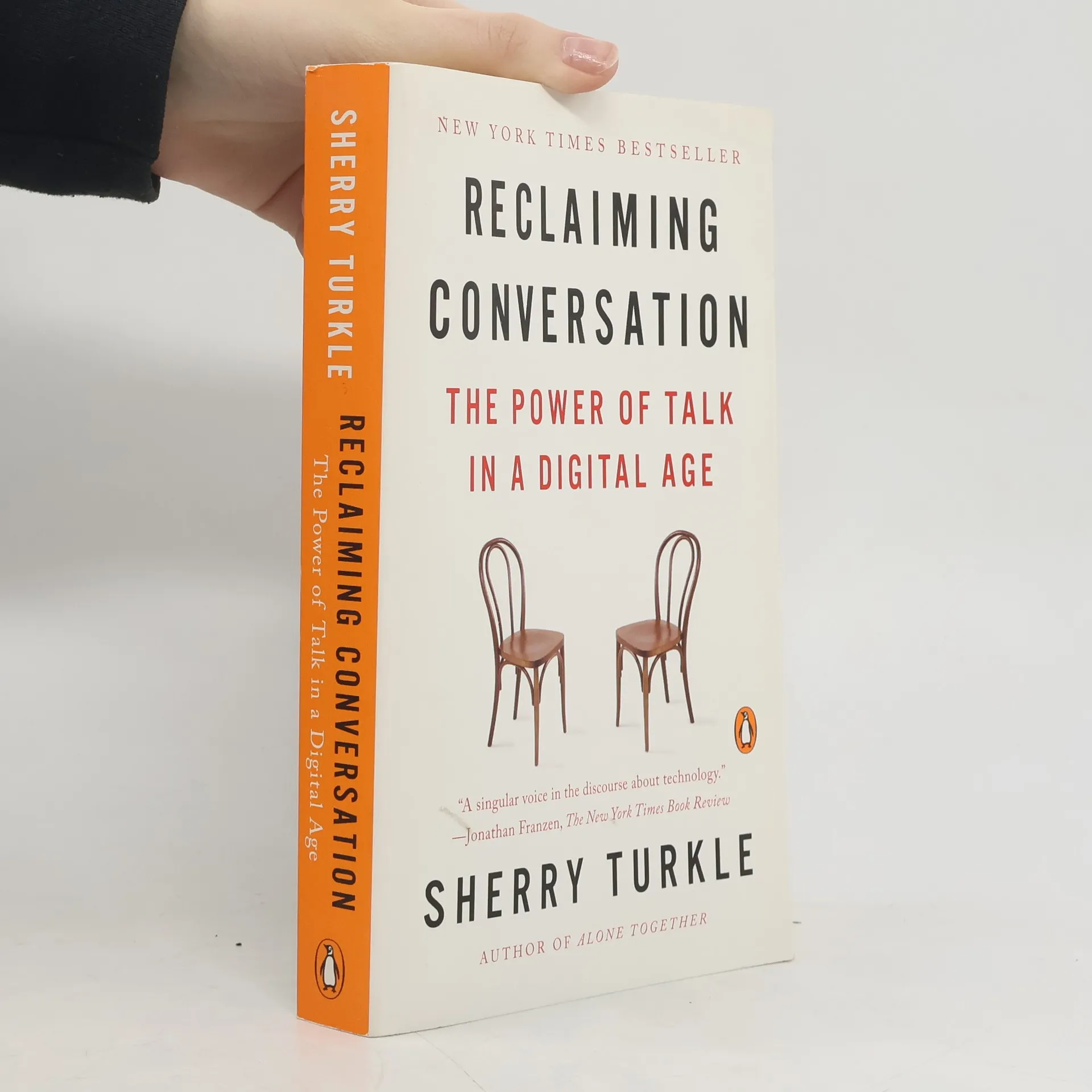

Reclaiming conversation. The power of talk in a digital age
- 448 stránek
- 16 hodin čtení
Argues that today's digital culture is undermining relationships, creativity, and productivity, and pushes for the return of face-to-face interaction among people
Sherry Turkle se zaměřuje na subjektivní stránku vztahu lidí k technologiím, zejména k počítačům. Jako expertka na mobilní technologie, sociální sítě a robotiku zkoumá, jak nás technologie formují a jak my formujeme je. Její práce se ponořuje do hlubších psychologických a sociálních dopadů technologií na náš život. Turkle nabízí pronikavé postřehy do toho, jak technologie ovlivňují naše vztahy a naše chápání sebe sama v digitálním věku.


Argues that today's digital culture is undermining relationships, creativity, and productivity, and pushes for the return of face-to-face interaction among people
"MIT psychologist and bestselling author of Reclaiming Conversation and Alone Together , Sherry Turkle's intimate memoir of love and work In this vivid and poignant narrative, Sherry Turkle ties together her coming-of-age story and her groundbreaking research on technology, empathy, and ethics. Growing up in post-war Brooklyn in a house filled with mysteries, Turkle searched for clues. She mastered the codes that governed her secretive mother's world. She learned never to ask about her absent scientist father. And never to use his name, her name. Empathy was her strategy for survival. Turkle's intellect and curiosity propelled her to the thresholds of defining cultural moments that became life-lessons: she practiced friendship at Harvard/Radcliffe at the cusp of co-education during the antiwar movement, mourned the loss of her mother in Paris as students returned from the 1968 barricades, and faced the extent of her ambition while fighting for her place in the academy as a woman at MIT. There, Turkle found turbulent love and chronicled the wonders of the new computer culture, even as she warned of its threat to our most essential human connections. The Empathy Diaries captures all this in rich detail--and offers a masterclass in finding meaning through life's work."-- Provided by publisher
"Preeminent author and researcher Sherry Turkle has been studying digital culture for over thirty years. Long an enthusiast for its possibilities, here she investigates a troubling consequence: at work, at home, in politics, and in love, we find ways around conversation, tempted by the possibilities of a text or an email in which we don't have to look, listen, or reveal ourselves. We develop a taste for what mere connection offers. The dinner table falls silent as children compete with phones for their parents' attention. Friends learn strategies to keep conversations going when only a few people are looking up from their phones. At work, we retreat to our screens although it is conversation at the water cooler that increases not only productivity but commitment to work. Online, we only want to share opinions that our followers will agree with - a politics that shies away from the real conflicts and solutions of the public square. The case for conversation begins with the necessary conversations of solitude and self-reflection. They are endangered: these days, always connected, we see loneliness as a problem that technology should solve. Afraid of being alone, we rely on other people to give us a sense of ourselves, and our capacity for empathy and relationship suffers. We see the costs of the flight from conversation everywhere: conversation is the cornerstone for democracy and in business it is good for the bottom line. In the private sphere, it builds empathy, friendship, love, learning, and productivity. But there is good news: we are resilient. Conversation cures. Based on five years of research and interviews in homes, schools, and the workplace, Turkle argues that we have come to a better understanding of where our technology can and cannot take us and that the time is right to reclaim conversation. The most human--and humanizing--thing that we do. The virtues of person-to-person conversation are timeless, and our most basic technology, talk, responds to our modern challenges. We have everything we need to start, we have each other"--Publisher's website
Technology has become the architect of our intimacies. Online, we fall prey to the illusion of companionship, gathering thousands of Twitter and Facebook friends, and confusing tweets and wall posts with authentic communication. But this relentless connection leads to a new solitude.
Argues that social-networking sites, companion robots and other technology are fueling disturbing levels of isolation and are causing humans to mistake digital communication for actual human connection. By the author of Simulations and Its Discontents.
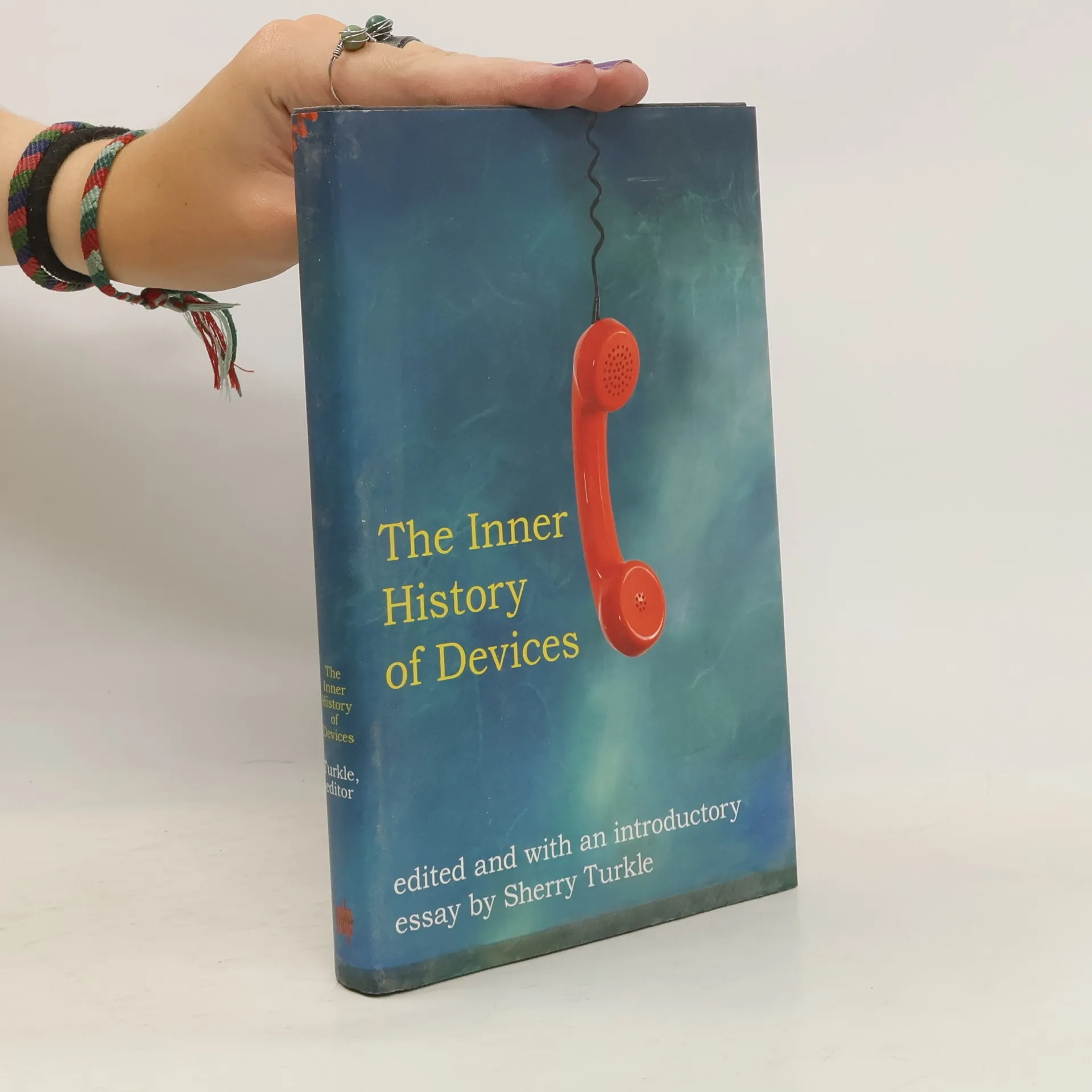
For more than two decades, in such landmark studies as The Second Self and Life on the Screen, Sherry Turkle has challenged our collective imagination with her insights about how technology enters our private worlds. In The Inner History of Devices, she describes her process, an approach that reveals how what we make is woven into our ways of seeing ourselves. She brings together three traditions of listening--that of the memoirist, the clinician, and the ethnographer. Each informs the others to compose an inner history of devices.We read about objects ranging from cell phones and video poker to prosthetic eyes, from Web sites and television to dialysis machines. In an introductory essay, Turkle makes the case for an "intimate ethnography" that challenges conventional wisdom. One personal computer owner tells Turkle: "This computer means everything to me. It's where I put my hope." Turkle explains that she began that conversation thinking she would learn how people put computers to work. By its end, her question has changed: "What was there about personal computers that offered such deep connection? What did a computer have that offered hope?"The Inner History of Devices teaches us to listen for the answer. In the memoirs, ethnographies, and clinical cases collected in this volume, we read about an American student who comes to terms with her conflicting identities as she contemplates a cell phone she used in Japan ("Tokyo sat trapped inside it"); a troubled patient who uses email both to criticize her therapist and to be reassured by her; a compulsive gambler who does not want to win steadily at video poker because a pattern of losing and winning keeps her more connected to the body of the machine. In these writings, we hear untold stories. We learn that received wisdom never goes far enough.
-Unsere Gesellschaft postuliert bis heute den in sich zentrierten Menschen mit einer klar erkennbaren Persönlichkeit, einem Wesen, einem Charakter. Das entspricht nicht unserer Natur. Das Internet bietet jede Menge Selbsterfahrung, und eine wichtige Einsicht ist: Ich bin viele.-
¿Hemos sacrificado la conversación por la conexión? Estamos sumidos en la cultura digital y en un estado de constante conexión. Hemos desarrollado afición por las interacciones sociales virtuales dentro de los ámbitos del trabajo, la familia, la amistad, la educación y las relaciones sentimentales, sin advertir el peligro que ello comporta. Casi sin darnos cuenta, hemos abandonado la conversación cara a cara. Sherry Turkle, la principal especialista en la interacción entre las nuevas tecnologías y el ser humano, analiza en este libro las desastrosas consecuencias de la pérdida de la conversación que hemos experimentado en los últimos años, que hace peligrar lo que nos define como seres humanos. En defensa de la conversación es una cautivadora apología del valor fundamental de las conversaciones cara a cara en todos los ámbitos de nuestra vida y una llamada a recuperar el terreno perdido.