

Look Again
- 255 stránek
- 9 hodin čtení
Tests, teacher's editions, parent-child actives, workbooks, reteaching, comprehension, vocabulary, challenge, skill practice, teaching charts, transparencies.


Tests, teacher's editions, parent-child actives, workbooks, reteaching, comprehension, vocabulary, challenge, skill practice, teaching charts, transparencies.
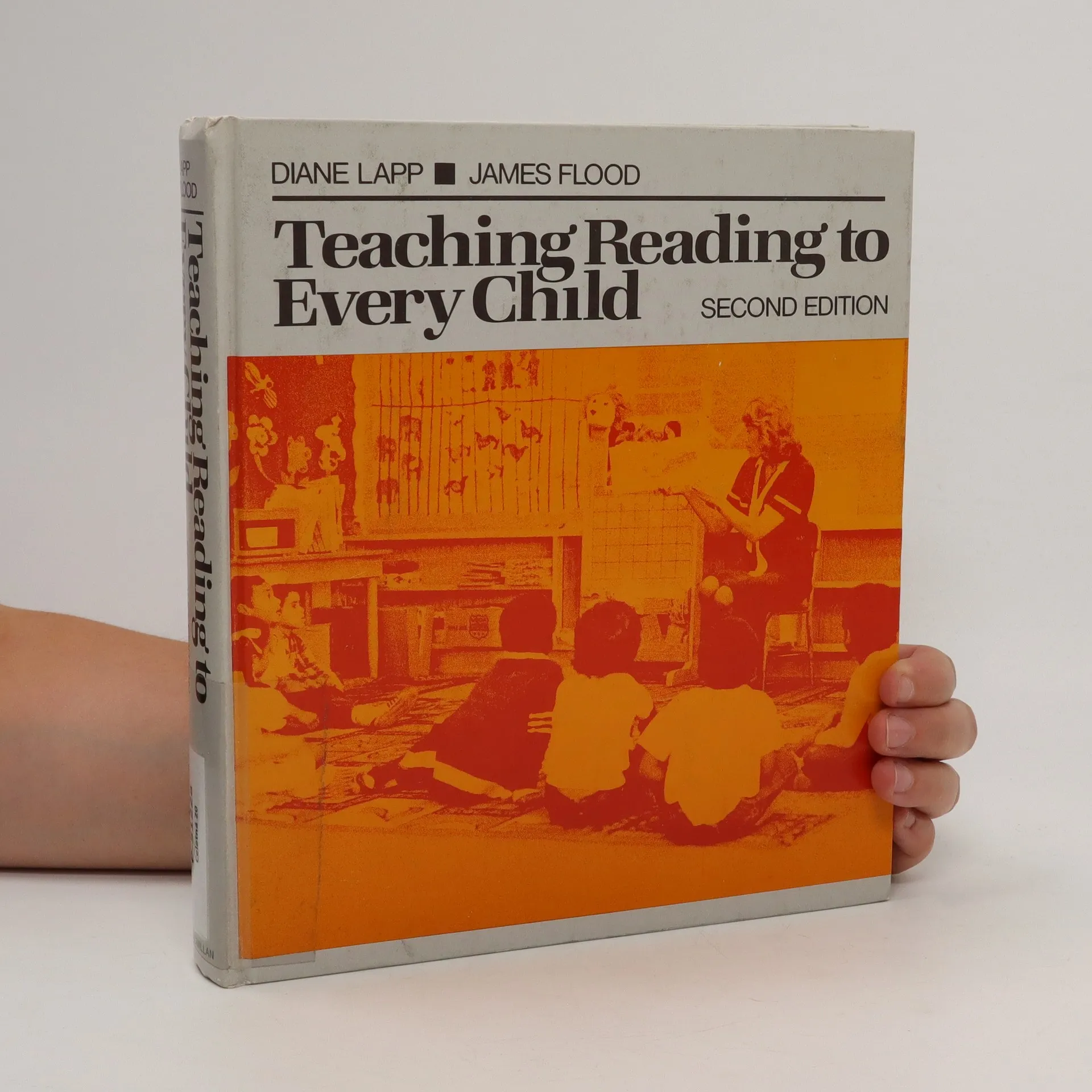
This popular text, now in its Fourth Edition, introduces teachers to current theories and methods for teaching literacy in elementary schools. The methods are grounded in scientific findings tested in classrooms, with numerous examples, hands-on activities, and classroom vignettes that illustrate these approaches. The importance of ensuring every child becomes competent in reading, writing, and speaking is emphasized, alongside the value of reflection and peer discussion in enhancing students' literacies. Readers are prompted to reflect on their own experiences with reading and teaching, which can inform their practice. Engaging "Your Turn" boxes encourage discussion among colleagues about learning strategies, while "Did You Notice?" boxes promote observation and analysis of classroom methods. Teachers' stories provide models of successful teaching and foster professional dialogue. End-of-chapter questions and activities offer further opportunities for reflection. The text covers a range of topics, including student assessment, oral language's role in literacy, vocabulary development, comprehension strategies, and the integration of technology. The Fourth Edition introduces new chapters on technology and vocabulary instruction, a section on Readers/Writer's workshop, and expanded discussions on literature instruction and teaching reading to English learners, ensuring comprehensive coverage of literacy education.
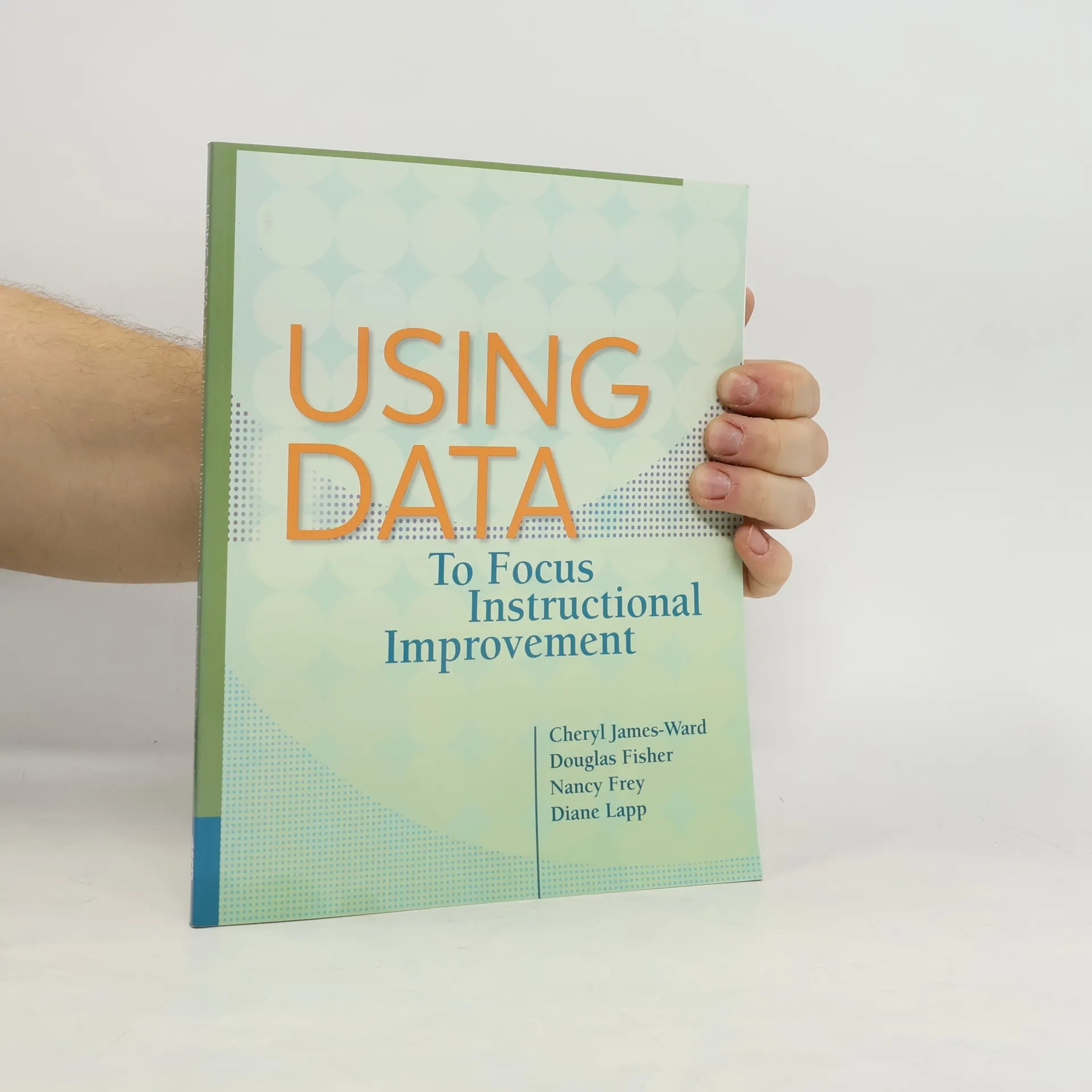
Data. Does the word make you cringe? Does it evoke feelings of guilt? Are you unsure how to distill it and use it effectively? Grab this book and learn how to empower yourself and your school community with information gleaned from your school's data. Experienced educators and authors offer simple instructions that can help focus school improvement efforts and result in increasing teacher expertise—a factor that positively affects the quality of life for students long after they have left the classroom. Accepting responsibility for such far-reaching influence requires educators to adopt instructional improvement as a standard by which a school needs to operate and as a means to collaborate and interact with one another. More than that, though, instructional improvement is an important component of successful schools.