Economics and Consumer Behavior
- 468 stránek
- 17 hodin čtení
The book focuses on applications of the duality theory to welfare economics and econometric analysis.

3,9


Angus Deaton je nositelem Nobelovy pamětní ceny za ekonomii. Jeho práce se zaměřuje na spotřebu, chudobu a blahobyt, přičemž zkoumá hlubší souvislosti mezi těmito klíčovými ekonomickými ukazateli. Deatonův výzkum nabízí cenné vhledy do toho, jak lidé utrácejí své peníze a jak to ovlivňuje jejich životní úroveň a celkový blahobyt společnosti.



The book focuses on applications of the duality theory to welfare economics and econometric analysis.
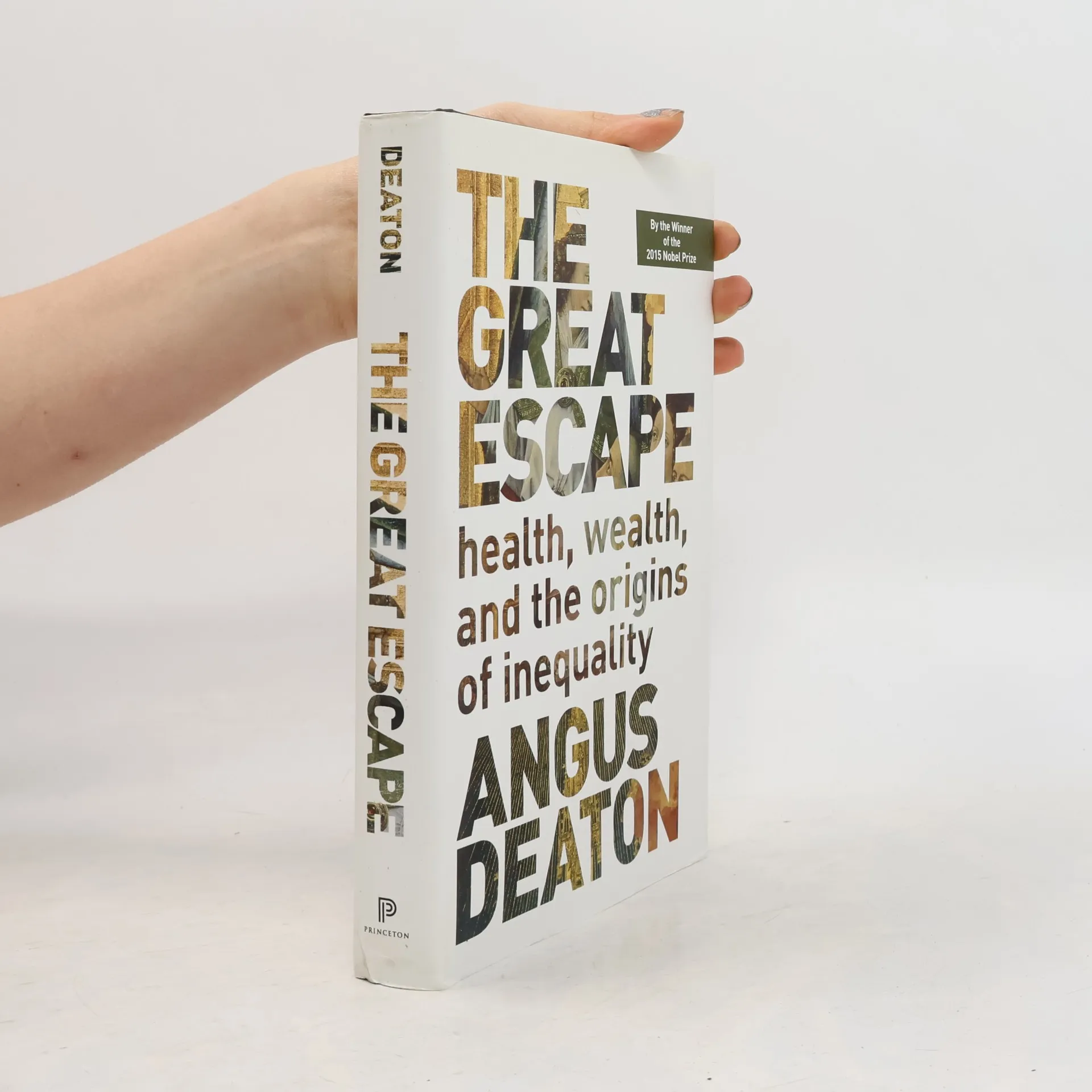
Asserts that 250 years ago, some parts of the world began to experience sustained progress and examines the United States, a nation that has prospered but is experiencing slower growth and increasing inequality.
While the rise in premature deaths among American working-class whites has become a national crisis, the authors tie the problem to the weakening position of labor, the growing power of corporations, and to a health-care sector that redistributes working-class wages to the wealthy
Candid reflections from a Nobel Prize-winning economist reveal the complexities of the American economic landscape. Angus Deaton shares his journey from Britain to the U.S., highlighting the stark disparities he observed. He tackles critical issues such as poverty, healthcare, and the minimum wage while providing a humorous and insightful look at the life of economists. Deaton critiques the relationship between economics and politics, questioning the discipline's role in rising populism and despair, and offers personal anecdotes alongside broader social commentary.
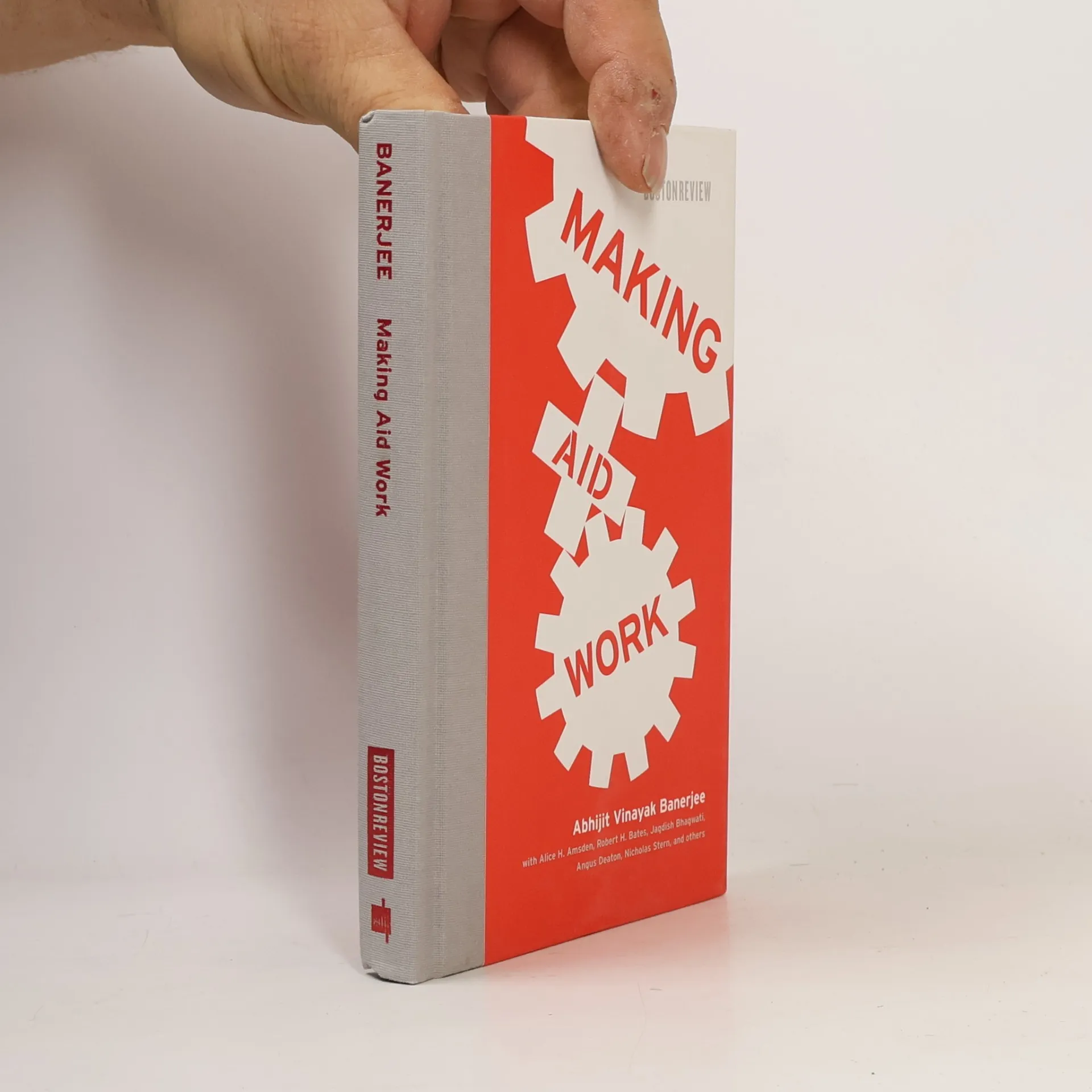
With over a billion people living on less than a dollar a day and eight million dying annually due to extreme poverty, global poverty presents a significant moral challenge. Despite the flow of millions in aid to poor countries, results often fall short. In this context, Abhijit Banerjee, an "aid optimist," asserts that aid can be effective, but inefficiencies arise from a lack of analysis regarding which programs truly work. This inefficiency breeds unwarranted pessimism about aid's role in economic development. Banerjee calls on aid donors to improve their approaches by employing field experiments and randomized trials to evaluate programs, similar to the methods used for new drug assessments. He suggests that current development assistance could focus exclusively on programs with proven success. In response, prominent figures in the field, such as Nicholas Stern and Angus Deaton, question whether randomized trials are universally applicable for evaluating success. They also explore broader issues regarding the role of aid in economic development and the types of interventions—whether micro or macro, political or economic—that will genuinely enhance the lives of impoverished individuals. With one in six people living in extreme poverty, finding effective solutions is imperative.
Der Untergang der amerikanischen Arbeiterklasse und das Ende des amerikanischen Traums
Der „American Dream“ ist im Niedergang begriffen. Für die weiße Arbeiterklasse ist das heutige Amerika zu einem Land der zerrütteten Familien und der mangelnden Perspektiven geworden. Während College-Absolventen immer gesünder und wohlhabender werden, sterben Erwachsene ohne Abschluss immer häufiger an Alkohol, Drogen und Suizid – ein Tod aus Verzweiflung. Die wachsende Macht der Konzerne und ein skrupelloser Gesundheitssektor sind nur zwei der Gründe. Der Kapitalismus, der in zwei Jahrhunderten unzählige Menschen aus der Armut befreite, zerstört nun das Leben der amerikanischen Arbeiter. Die renommierten Ökonomen Anne Case und Angus Deaton legen diese Misere in ihrem Buch schonungslos offen. Drohen auch uns amerikanische Verhältnisse? Die Autoren geben brandaktuelle Antworten.