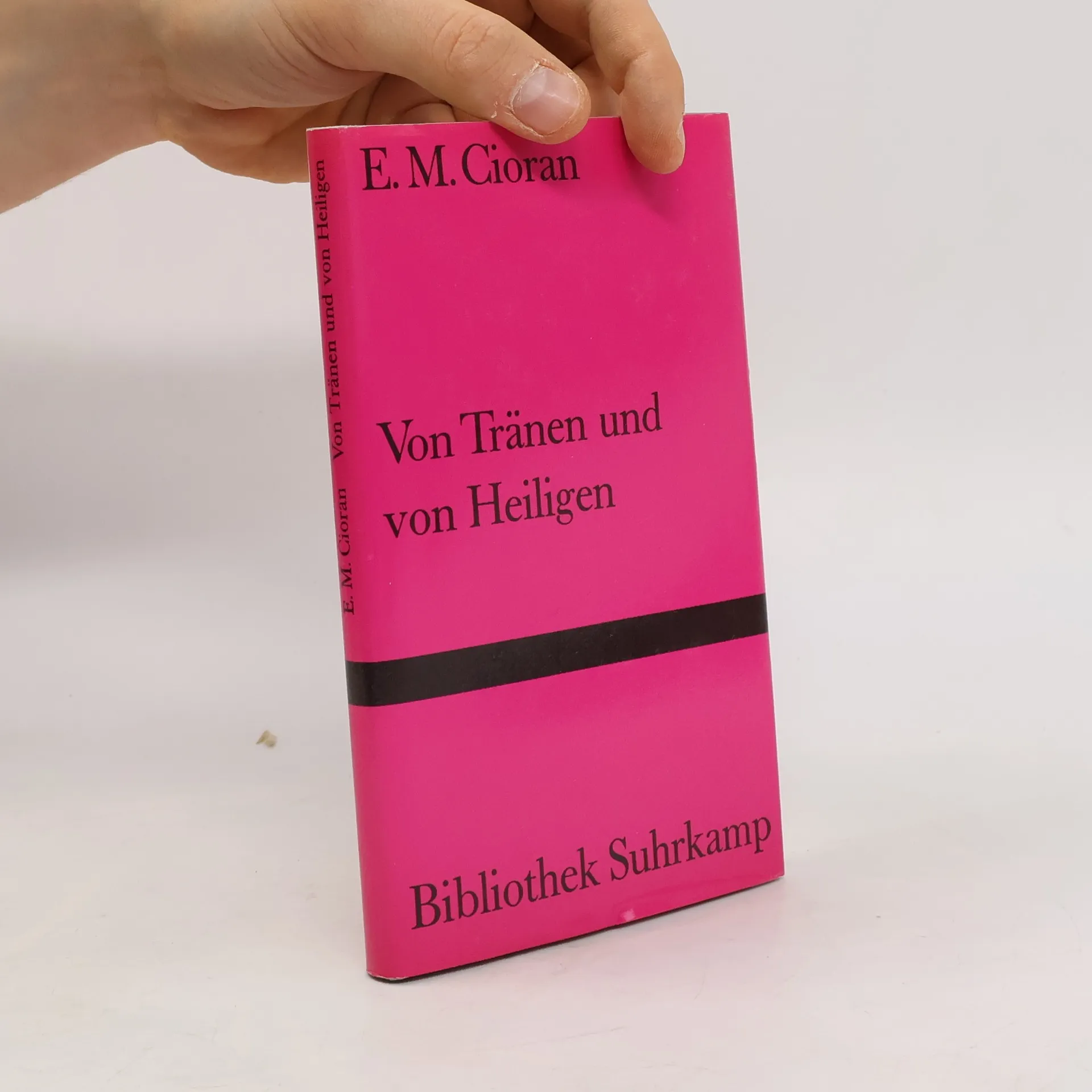
Autor navazuje na myšlenky H. Bergsona a F. Nietzscheho.
Emil Cioran Knihy
8. duben 1911 – 20. červen 1995
Emil Cioran, jehož dílo je prosyceno existenciálními tématy, jako je smrt, zoufalství a samota, proslul svými aforismy a úvahami, které se často pohybují na metafyzických výšinách. Počátky jeho psaní v rumunštině se vyznačovaly lyrickými meditacemi ovlivněnými německými romantiky a filozofy jako Schopenhauer a Nietzsche. Později, po přestěhování do Paříže, přijal francouzštinu jako svůj literární jazyk, popisoval ji jako „svazující“ formu, která mu pomohla zkrotit jeho temperamentní sklony a lyričnost. Jeho francouzská díla zkoumají jeho trvalé obsedantní motivy s rostoucím odstupem, čímž si získal uznání pro svou intelektuální subverzivnost a ironický humanismus.



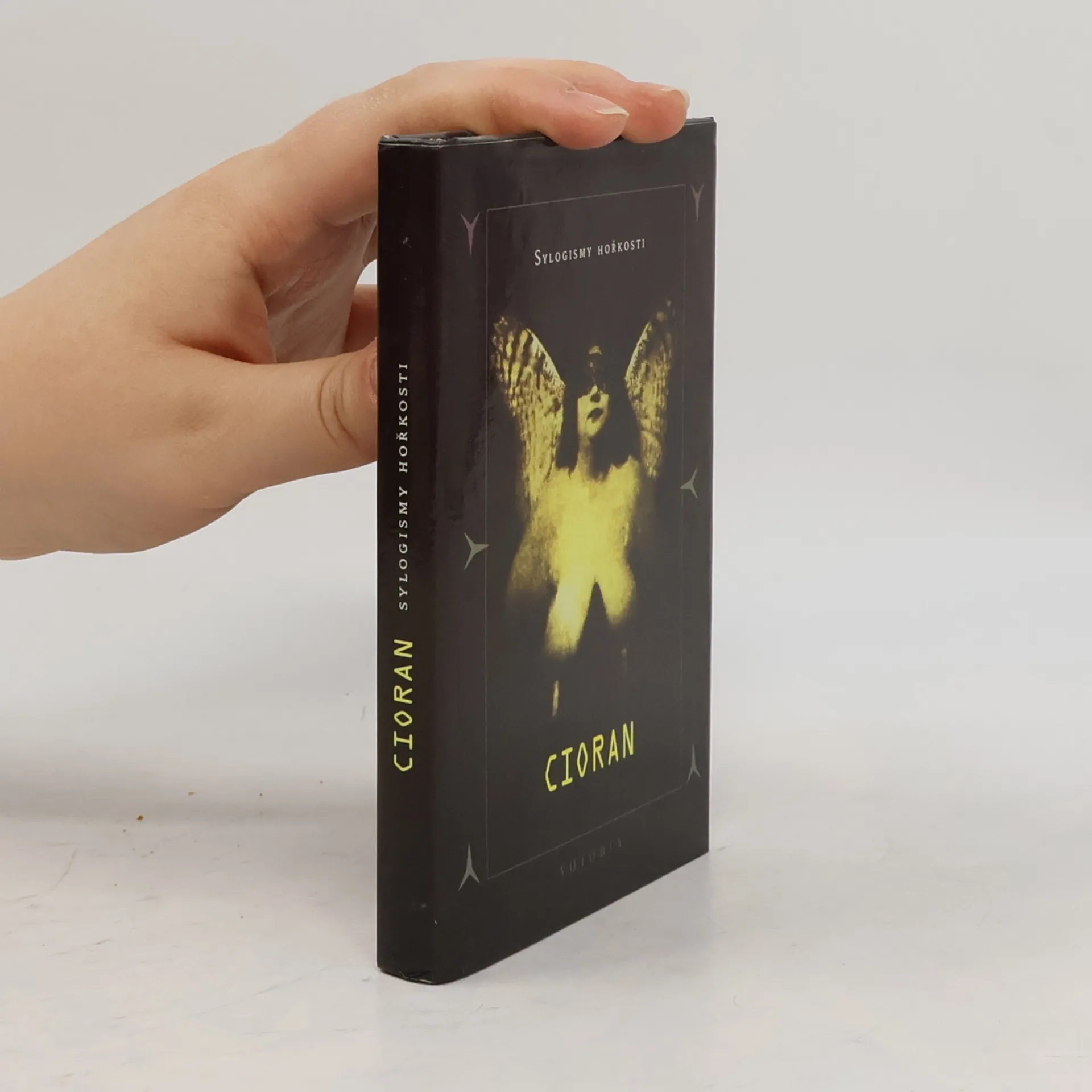
Sylogismy hořkosti
- 169 stránek
- 6 hodin čtení
Aforismy a sentence vyjadřují autorův vztah k životu, náboženství, lásce, hudbě, dějinám a obrážejí jeho nihilistickou filozofii.
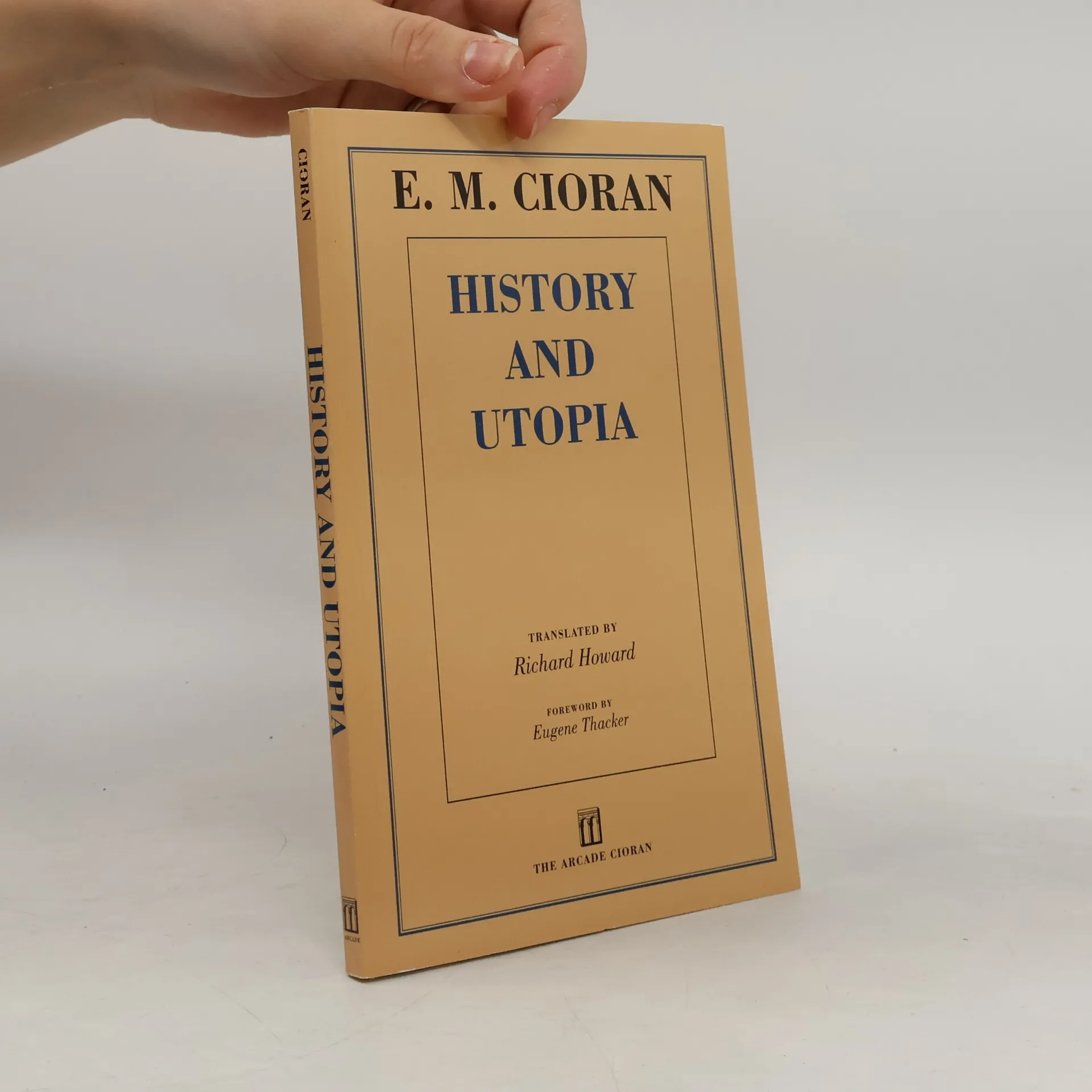
S téměř prorockou jasnozřivostí byl v r. 1957 napsán filozofický esej, který nastavil věštecké zrcadlo směrem západním i východním. Cioran srovnává, analyzuje a noří se do dějinných událostí, aby vystopoval okamžiky, v nichž se rodí ambice ovládnout svět. Tentokrát je na tahu Rusko. Zatímco Západ se opotřeboval užíváním a hájením svobody, Východ se svým sklonem k mesiášským projektům, které jsou předpokladem dobývání, nashromáždil dostatek sil, aby utopii o spasitelnosti světa začal uskutečňovat.
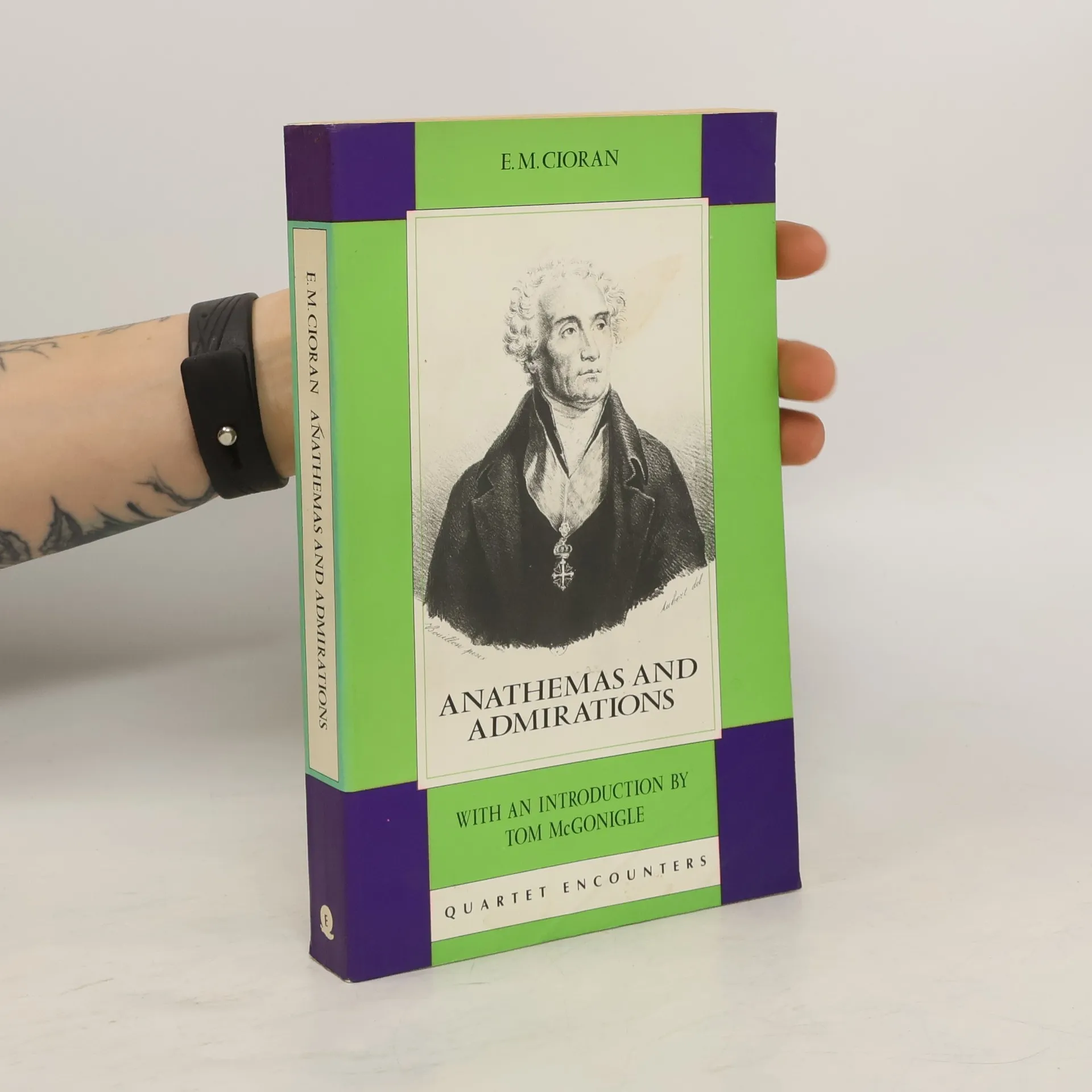
Anathemas and Admirations
- 256 stránek
- 9 hodin čtení
In this collection of essays and epigrams, E.M. Cioran gives us portraits and evaluations—which he calls "admirations"—of Samuel Beckett, Jorge Luis Borges, F. Scott Fitzgerald, the poet Paul Valery, and Mircea Eliade, among others. In alternating sections of aphorisms—his "anathemas"—he delivers insights on such topics as solitude, flattery, vanity, friendship, insomnia, music, mortality, God, and the lure of disillusion.
Drawn and Quartered
- 200 stránek
- 7 hodin čtení
Cioran's work exemplifies the philosophical essay genre with its brilliance and originality, prompting deep reflection and emotional responses from readers. His thought-provoking ideas challenge conventional thinking, making his essays both compelling and unsettling. With a unique style that engages the intellect, Cioran's writings invite readers to explore profound themes of existence, despair, and the human condition, leaving a lasting impression and stimulating further contemplation.
History and Utopia
- 128 stránek
- 5 hodin čtení
E. M. Cioran, a Romanian philosopher, challenges readers to confront reality without illusions, suggesting that only a "monster" can embrace the truth of existence. His philosophical insights draw comparisons to the works of Samuel Beckett, emphasizing themes of despair and the human condition. Through his provocative ideas, Cioran invites an exploration of deep existential questions, encouraging a raw and unfiltered perspective on life and its inherent struggles.
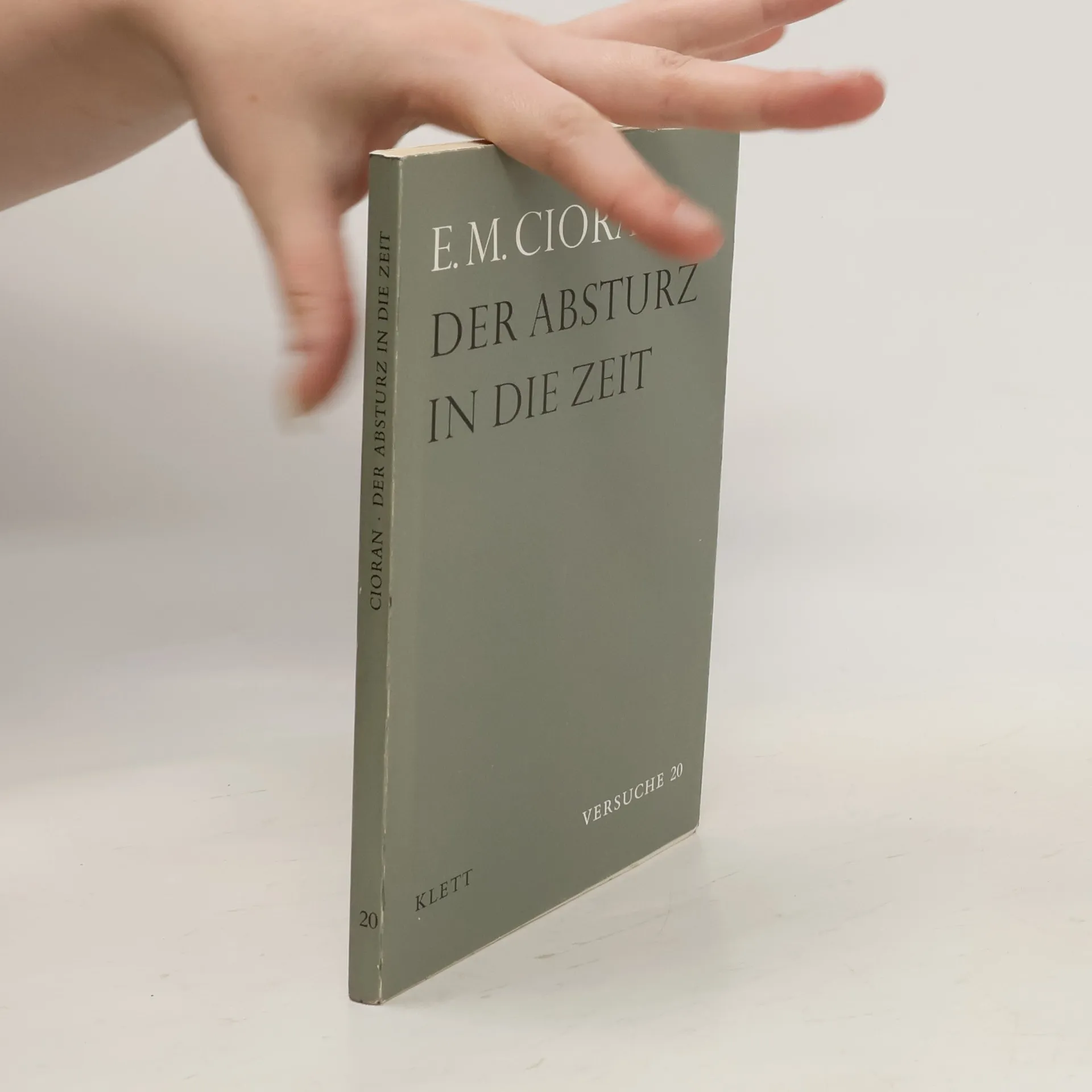
Der Absturz in die Zeit
- 142 stránek
- 5 hodin čtení
Der Mensch, der sich dem Abenteuer des Bewußtseins verschrieben hat, ist am Gegenpol seiner ursprünglichen Unschuld angekommen. Die Form des Wissens, für die er optierte, hat ihn der Welt entfremdet. Gefangen in seinem Größenwahn, verwechselt er Werden mit Fortschritt. Wohl wandelt sich alles - aber kaum, eigentlich nie, zum Besseren; denn der Fortschritt ist die profane Gestalt des Absturzes.
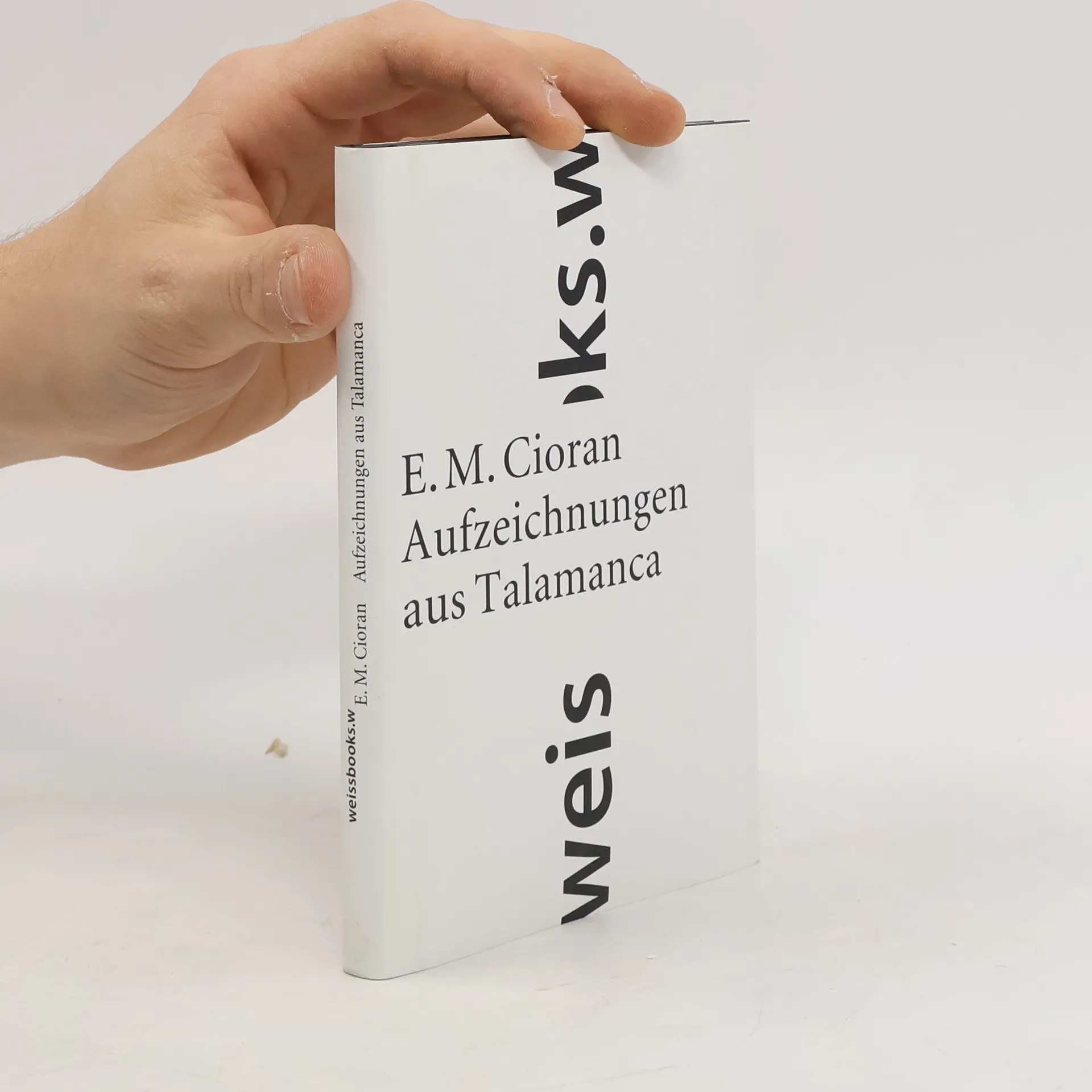
Aufzeichnungen aus Talamanca.
- 62 stránek
- 3 hodiny čtení
E.M. Cioran verbrachte 1966 einen Sommer in Talamanca, Ibiza, und fand dort nicht die erhoffte Ruhe. Stattdessen litt er unter Schlaflosigkeit und Hitze, was ihn zum Schreiben eines Tagebuchs über eine vergangene Liebe inspirierte. Sein Werk ist voller geistreicher Gedanken und Reflexionen über seine Befindlichkeit.
Pensées étranglées
- 86 stránek
- 4 hodiny čtení
"Premier devoir, au lever : rougir de soi". "Je rêve d’une langue dont les mots, comme des poings, fracasseraient les mâchoires". "Frivole et décousu, amateur en tout, je n’aurai connu au fond que l’inconvénient d’être né". "Rien ne pourra m’ôter de l’esprit que ce monde est le fruit d’un dieux ténébreux dont je prolonge l’ombre et qu’il m’appartient d’épuiser les conséquences de la malédiction suspendue sur lui et sur son œuvre". Dans cet essai, Cioran réfléchit sur l’impossible conciliation entre l’idée de Dieu et l’omniprésence du mal. Malgré des pages très sombres, il conclut pourtant : "Nous sommes au fond d’un enfer dont chaque instant est un miracle". Une pensée d’une exigence radicale, entre désespoir absolu et humour ravageur. Ces deux textes sont issus de l’essai intitulé "Le Mauvais Démiurge" (NRF essais, 1969).
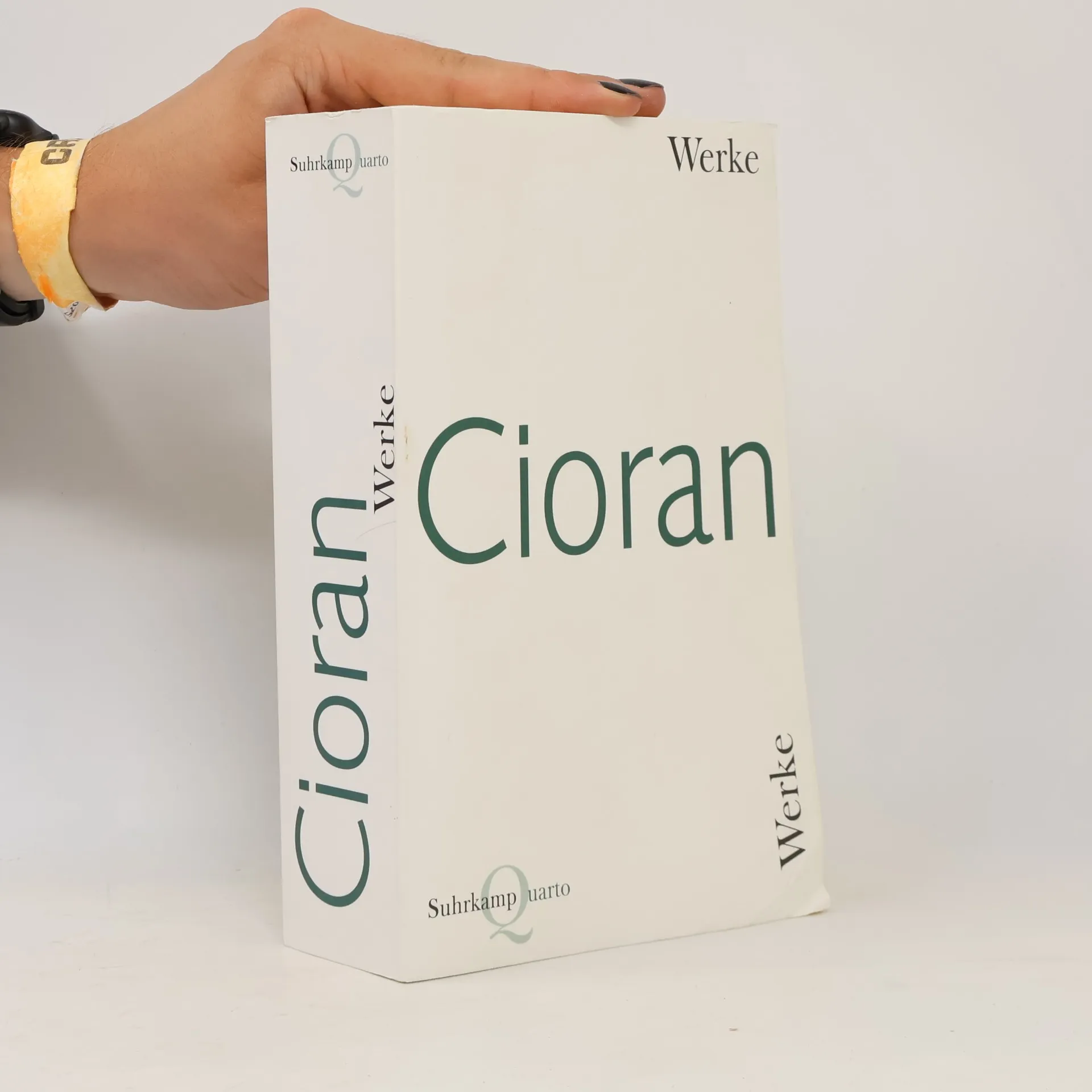
Werke
- 2085 stránek
- 73 hodin čtení
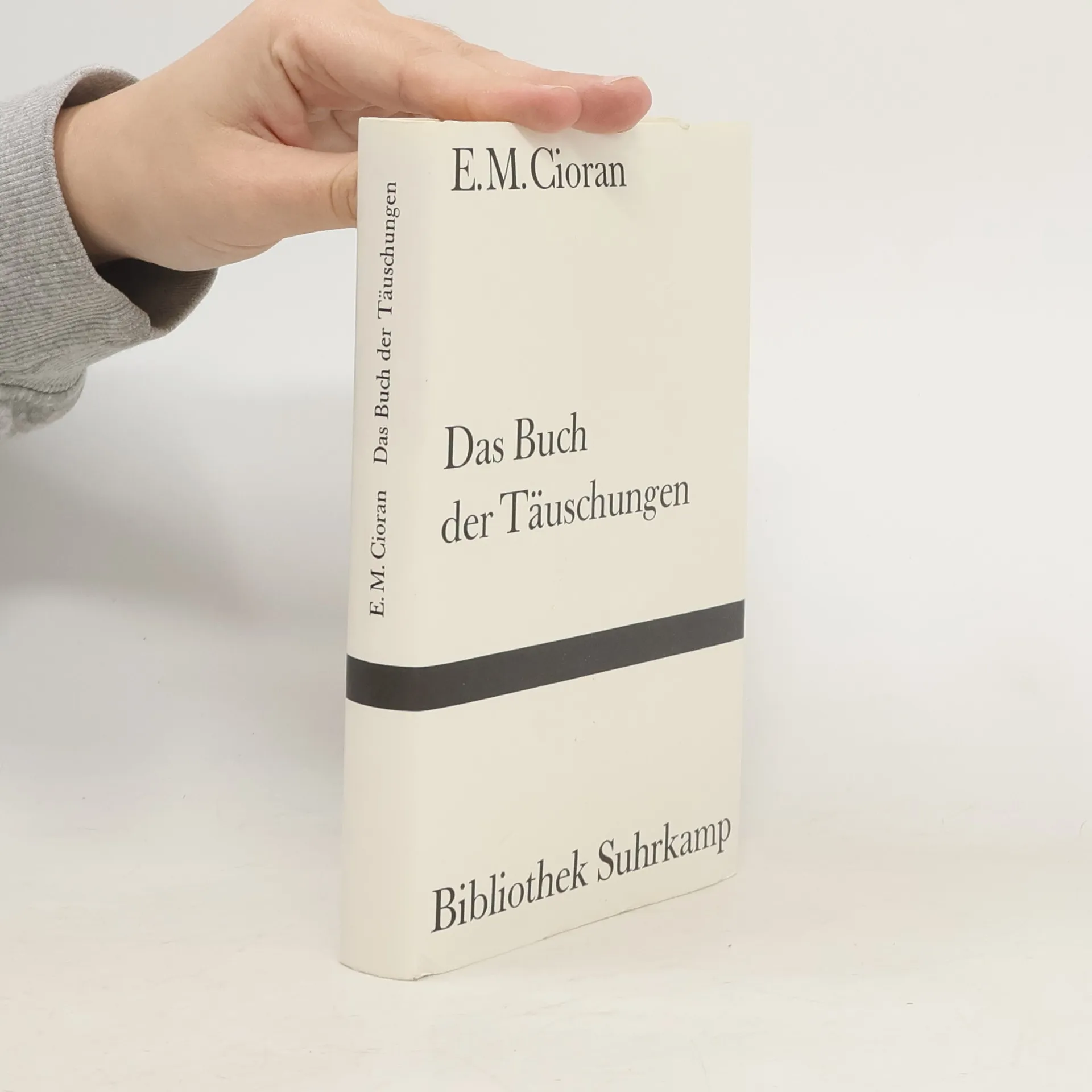
Die Quarto-Ausgabe enthält sämtliche Werke des großen Aphoristikers, die in Buchgestalt auf deutsch (in den Verlagen Suhrkamp und Klett-Cotta) erschienen sind. Dieser Band bietet im Vergleich zu den Einzelbänden eine Preisersparnis von 74%. »Ich glaube, daß ein Buch wirklich verletzen, daß es das Leben des Lesers auf die eine oder andere Weise verändern soll. Meine Vorstellung, wenn ich ein Buch schreibe, ist die, jemanden wachzurütteln, ihn zu geißeln. Da es so ist, daß die Bücher, die ich geschrieben habe, aus meinen Verstimmungen, um nicht zu sagen aus meinen Leiden hervorgegangen sind, ist es genau das, was sie dem Leser vermitteln sollen … Ein Buch soll alles erschüttern, alles infrage stellen.« Inhalt: Auf den Gipfeln der Verzweiflung Das Buch der Täuschungen Von Tränen und von Heiligen Gedankendämmerung Leitenschaftlicher Leitfaden Lehre vom Zerfall Syllogismen der Bitterkeit Dasein als Versuchung Über das reaktionäre Denken Geschichte und Utopie Der Absturz in die Zeit Die verfehlte Schöpfung Vom Nachteil, geboren zu sein Gevierteilt Widersprüchliche Konturen Der zersplitterte Fluch
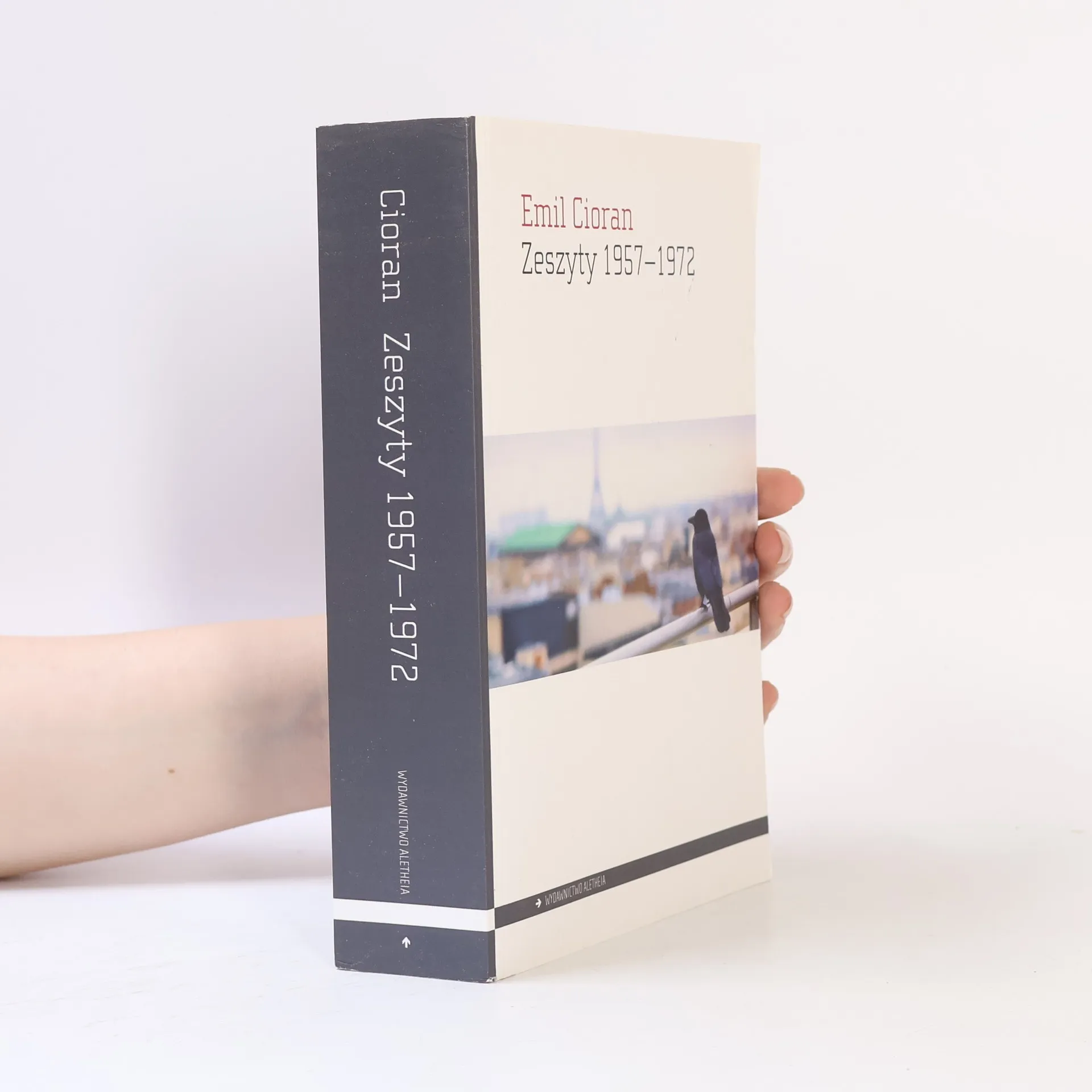
Zeszyty 1957-1972
- 976 stránek
- 35 hodin čtení
Zeszyty, które miały nie powstać, odkrywają, że i autor mógłby nie istnieć. Po śmierci Emila Ciorana (1911-1995) odnaleziono ręcznie zapisane notatki z adnotacją 'zniszczyć'. Nie były przeznaczone do publikacji, jednak ukazały się wbrew woli autora, w interesie kultury intelektualnej. To rodzaj dziennika, który rejestruje zarówno wydarzenia, jak i myśli do potencjalnego wykorzystania w nowej książce. Myśli te, choć ogólne, są ściśle związane z życiem autora. Wspólnym mianownikiem jest prosta konstatacja: urodziłem się i od tej chwili umieram. Życie wieczne nie istnieje, a życie doczesne jest pełne udręk, więc po co to 'ciągnąć'? Mimo to, autor wciąż się trzyma życia, co wyraża dramat i napięcie jego zapisków. Cioran zastanawia się, dlaczego tak kocha życie, mimo myśli o zbędności własnych narodzin. Zeszyty poruszają podstawowe pytania egzystencjalne, a wokół nich obudowały się tematy drugorzędne, wciąż interesujące dla czytelników. Zapiski, nieprzeznaczone do druku, pozwalają podglądać autora w jego codziennym myśleniu o świecie i ludziach, oraz poznać jego opinie o elitach intelektualnych lat 60. XX wieku. Ten tom może okazać się najtrwalszym, najbardziej szczerym i niepowtarzalnym dziełem Ciorana.
E. M. Cioran wurde 1911 in Rasinari bei Hermannstadt in Siebenbürgen als Sohn eines griechisch-orthodoxen Priesters geboren. 1928 bis 1931 Studium der Philosophie an der Universität Bukarest. Bis 1939 erschienen fünf Bücher in rumänischer Sprache. 1937 kam Cioran als Stipendiat nach Paris, wo er als freier Schriftsteller lebte. Er starb am 20.6.1995 in Paris.
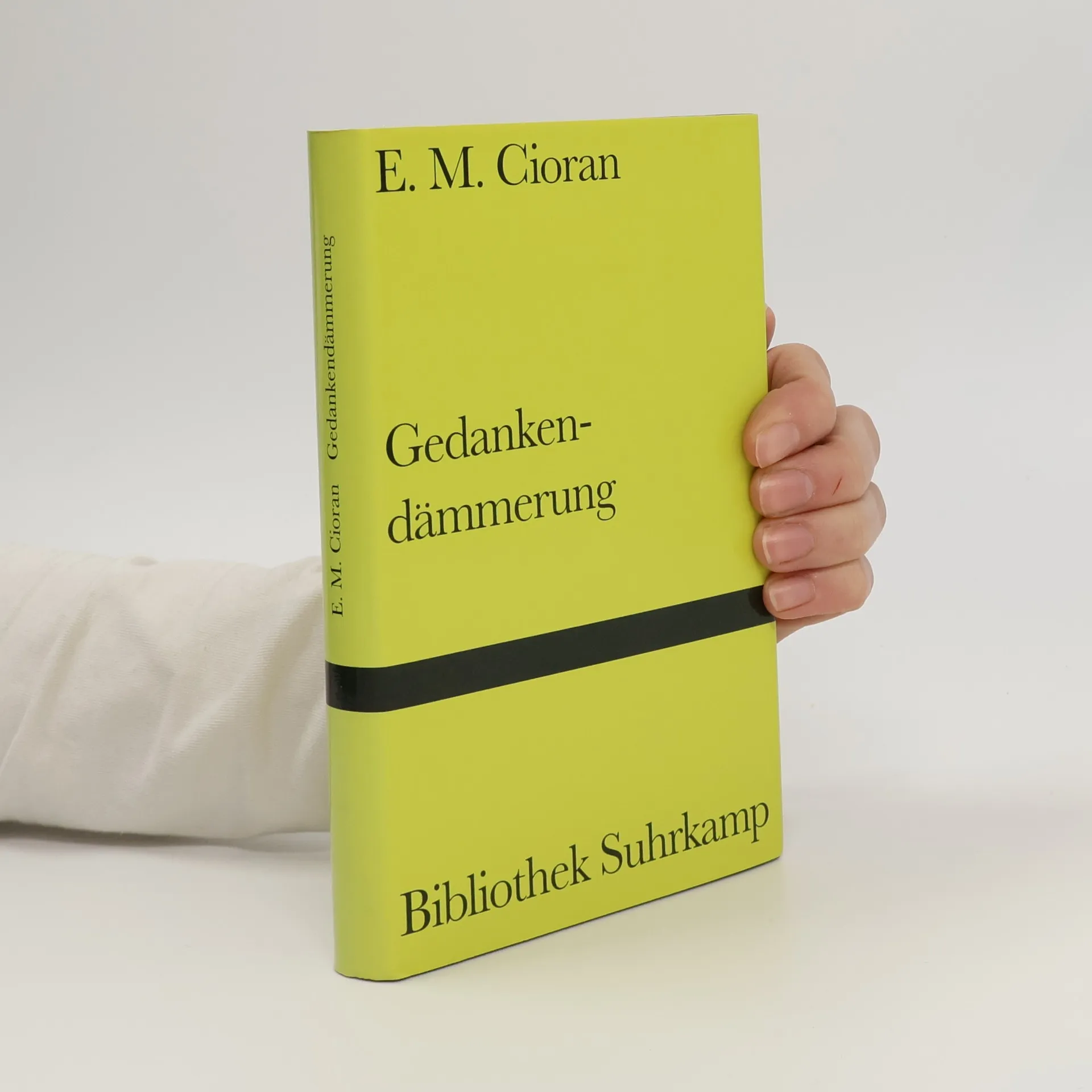
Bibliothek Suhrkamp: Gedankendämmerung
- 260 stránek
- 10 hodin čtení
E. M. Cioran wurde 1911 in Rasinari bei Hermannstadt in Siebenbürgen als Sohn eines griechisch-orthodoxen Priesters geboren. 1928 bis 1931 Studium der Philosophie an der Universität Bukarest. Bis 1939 erschienen fünf Bücher in rumänischer Sprache. 1937 kam Cioran als Stipendiat nach Paris, wo er als freier Schriftsteller lebte. Er starb am 20.6.1995 in Paris.
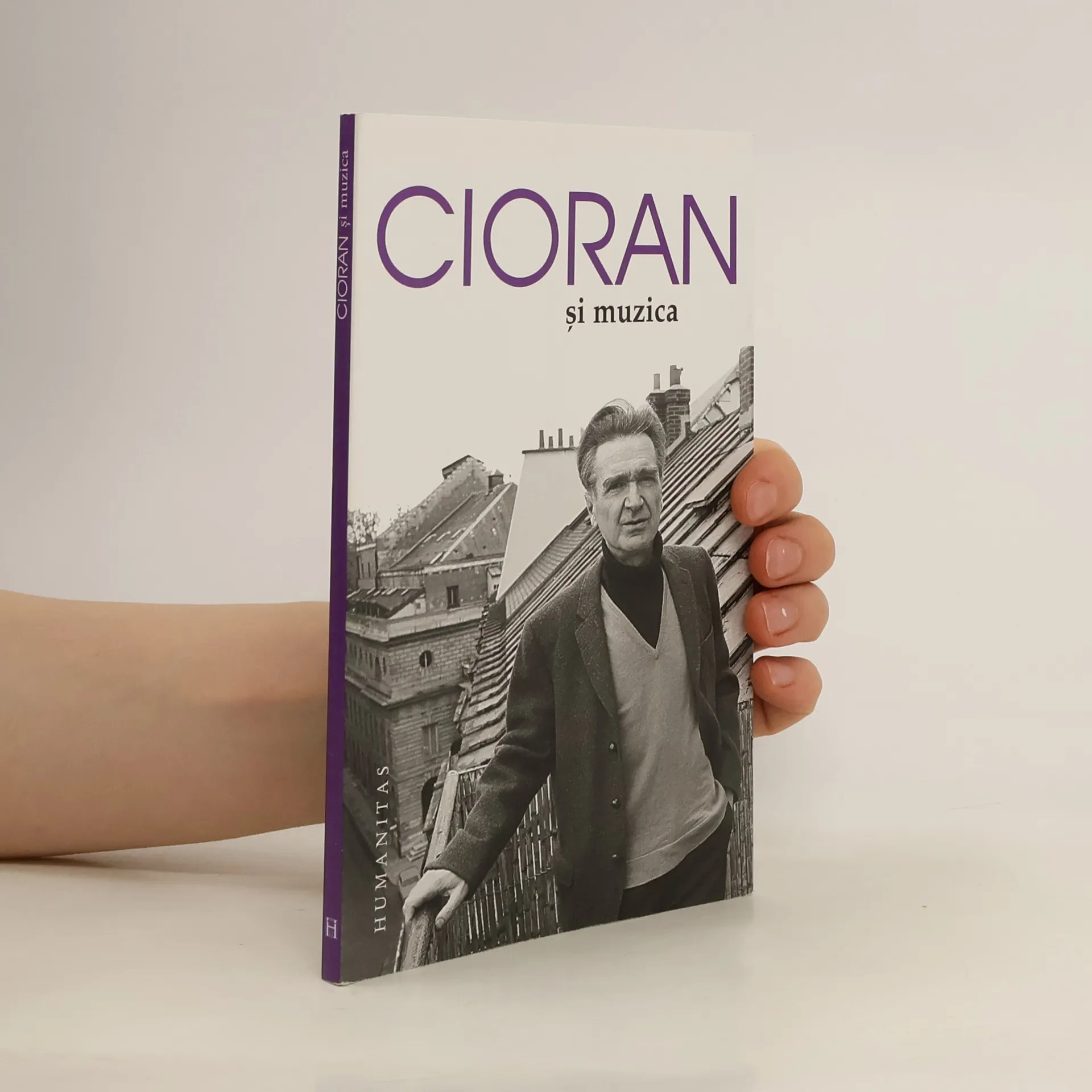
Muzica este una din referințele esenţiale în viața şi opera lui Cioran. O prezenţă constantă, inalterabilă. De la prima până la ultima sa carte, Cioran dedică muzicii pagini exaltate, judecăţi fără recurs, sintagme inspirate. Filozofia însăși, sustrăgându-se oricărui sistem, se acordează muzicii, deopotrivă ontologic și epistemologic. Antologia urmăreşte aşezarea „fragmentelor muzicale“ din opera lui Cioran într-o carte care să-l fi putut tenta pe autorul Tratatului de descompunere, lectură în cheie muzicală a disperărilor și scepticismului lui.
Dasein als Versuchung
- 260 stránek
- 10 hodin čtení
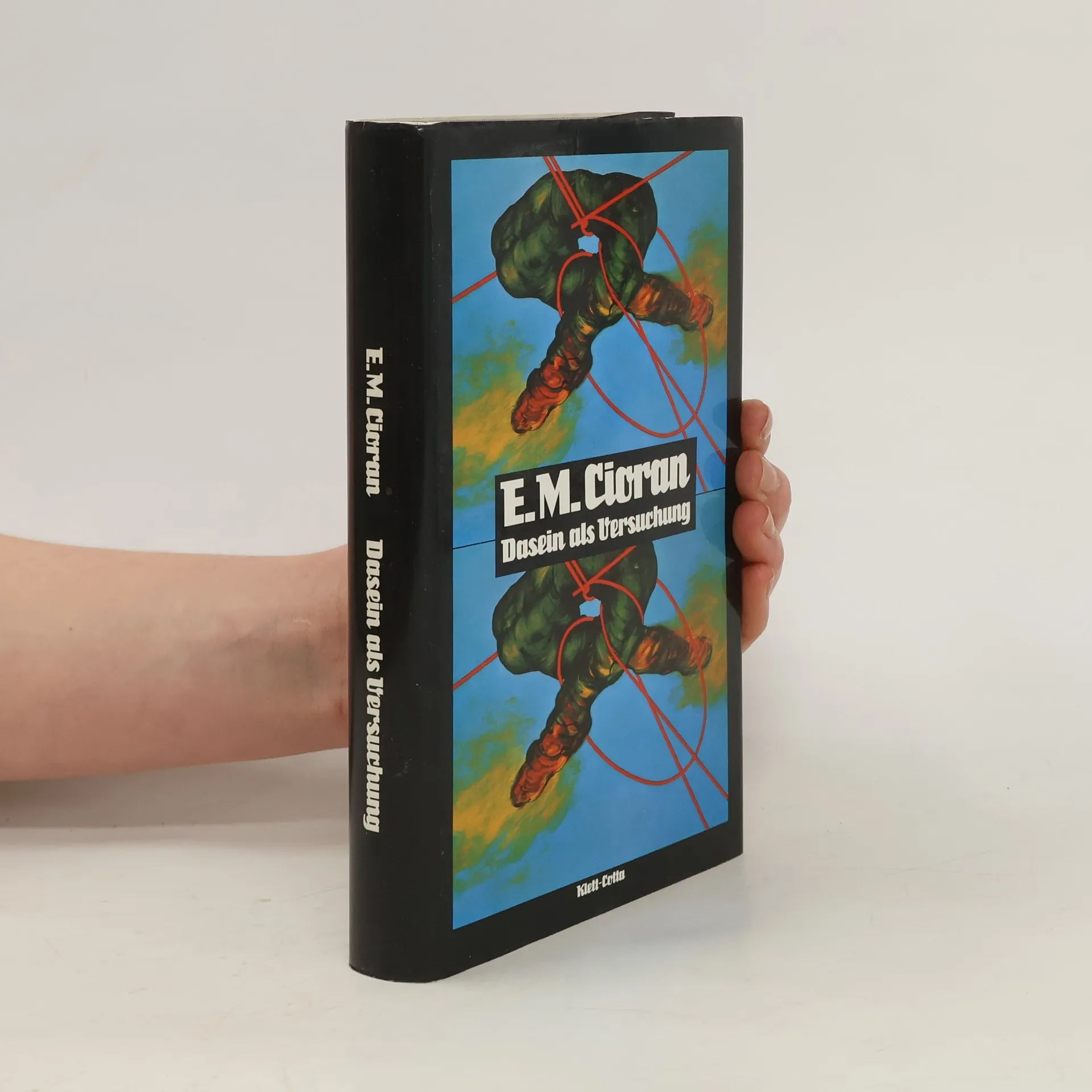
Wenn Lustgewinn zur Rechtfertigung des Denkens wird, dann liegt dieser Lustgewinn vor allem in der Sprache selbst. Ganze Passagen dieses Buches lesen sich wie die reinste Poesie. Die Fragezeichen bleiben, und die Antwort wird der geistigen Aktivität des Lesers überlassen; gerade dies macht die anspruchsvolle Lektüre zum intellektuellen Vergnügen.
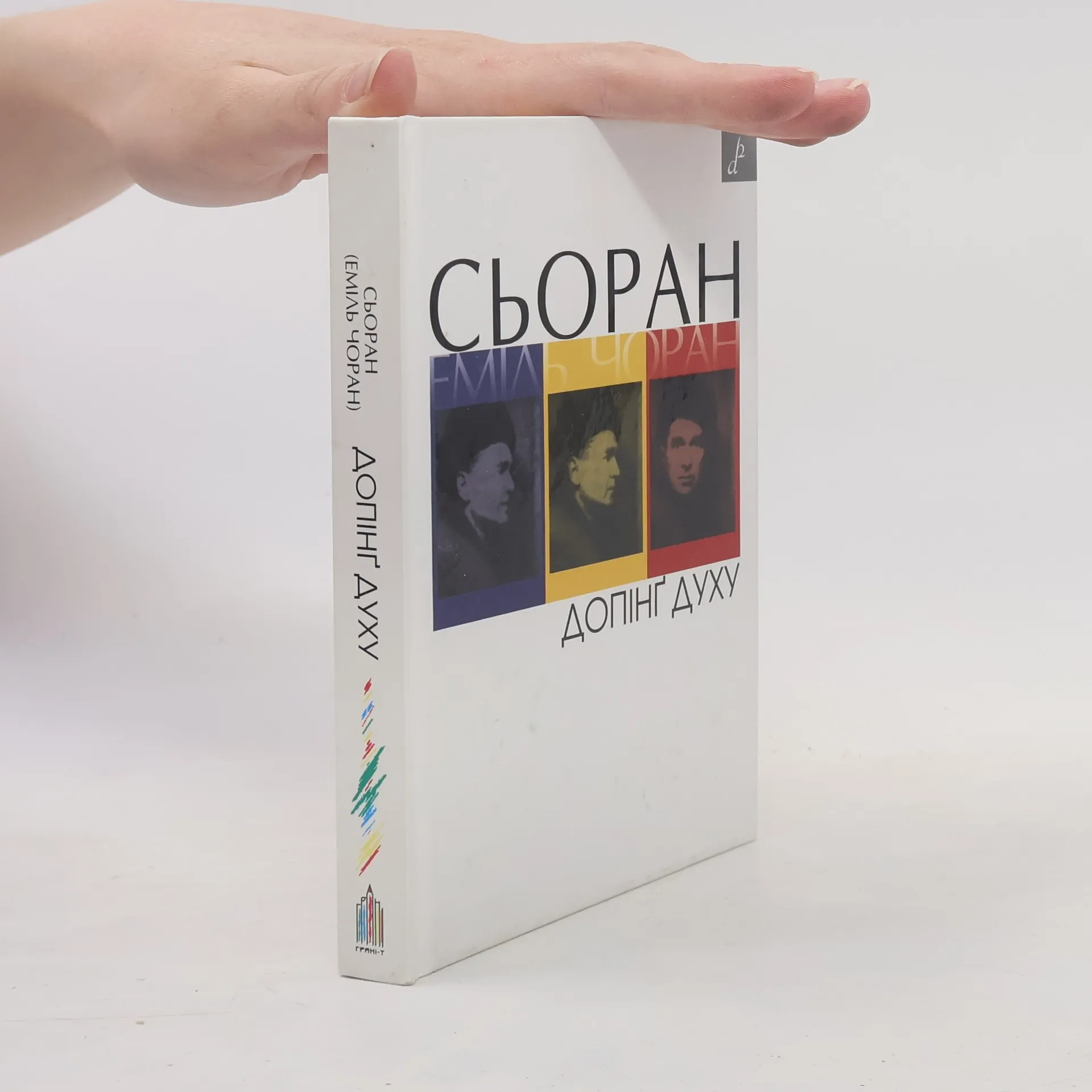
Допінґ духу
- 184 stránek
- 7 hodin čtení
«Допінґ духу» – таку назву має ошатний томик вибраних есеїв видатного французького філософа румунського походження Сьорана (Еміля Чорана). Знаковий філософ-скептик, один із найяскравіших європейських есеїстів ХХ століття, він пройшов складну еволюцію від «радикального ґрунтівства», включно з симпатіями до фашизму та участю в румунській ультраправій «Залізній ґвардії», до не менш крайнього косполітизму, який інтерпретатор його творчості Бернд Матеус слушно назвав «радикальним скептицизмом».
Na szczytach rozpaczy
- 260 stránek
- 10 hodin čtení
Emil Cioran (1911–1995) swoją pierwszą książkę Na szczytach rozpaczy opublikował jeszcze po rumuńsku w 1934 roku. Otrzymał za nią Nagrodę Fundacji Królewskiej w kategorii debiutu, podobnie jak Eugen Ionescu (później Eugène Ionesco), który obok Mircei Eliadego był w XX wieku trzecim najwybitniejszym rumuńskim pisarzem z pokolenia Ciorana. W okresie tworzenia tego wczesnego dzieła autor, tak jak Eliade, przeżywał krótkotrwały okres fascynacji faszyzmem, od czego później zdecydowanie się odciął. Był wówczas absolwentem filozofii uniwersytetu w Bukareszcie ukończonej na podstawie pracy magisterskiej o Bergsonie. Na szczytach… stanowi też debiut myśli Ciorana, która przyniosła mu światową sławę w późnych latach twórczości po opublikowaniu kilkunastu książek oświetlających w aforystycznej często formie główne wątki jego „radosnego pesymizmu”. Czytelnik znajdzie tu zaczątek tej drogi, idee dwudziestodwuletniego autora rozwijane konsekwentnie później – skupione wokół rozpoznania życia jako cierpienia i wokół koncepcji ratunku przez odkrycie pustki. Pustka, pewność, że zbawienia nie ma, zastępuje pozory wiedzy i wiary. Na podłożu tej właśnie wolności od świata „mieszczańskich” dążeń młody Cioran znajduje tragiczne zbawienie. W odległej Transylwanii jak francuscy egzystencjaliści burzy „absurdalne mury”, by ich potem prześcignąć w radykalizmie tego przedsięwzięcia.
Die verfehlte Schöpfung
- 126 stránek
- 5 hodin čtení
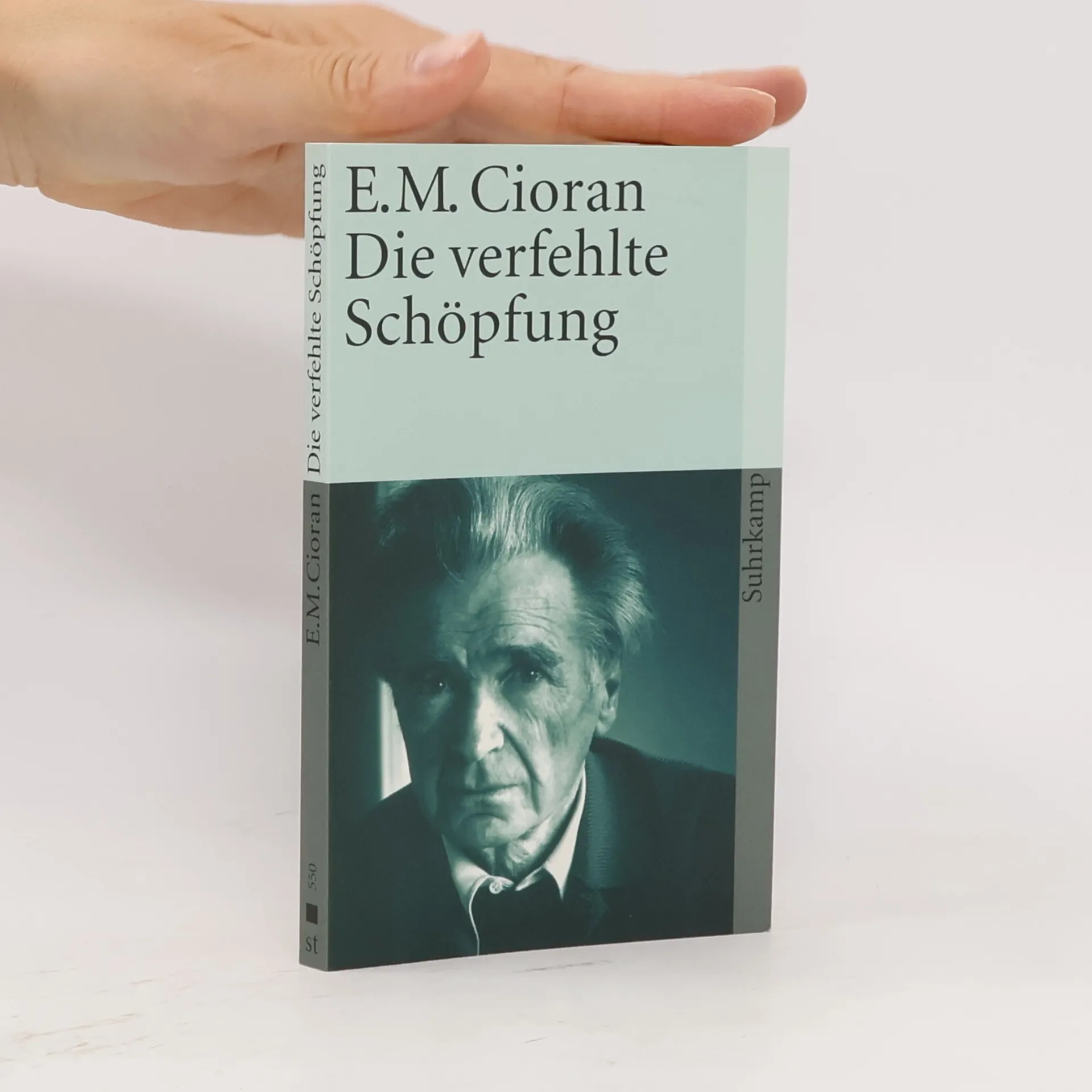
Die verfehlte Schöpfung ist eine rasant vorgetragene Attacke auf alle theologisch oder geschichtsphilosophisch verbürgten Sicherheiten, auf die Existenz eines übergreifenden \"Sinns\", auf die Idee der Erlösung. Eine neue Art des Philosophierens: persönlich (sogar autobiographisch), aphoristisch, lyrisch, anti-systematisch. Die bedeutendsten Beispiele: Kierkegaard, Nietzsche und Wittgenstein - Cioran ist heute die hervorragendste Figur dieser Tradition des Schreibens. ~Susan Sontag
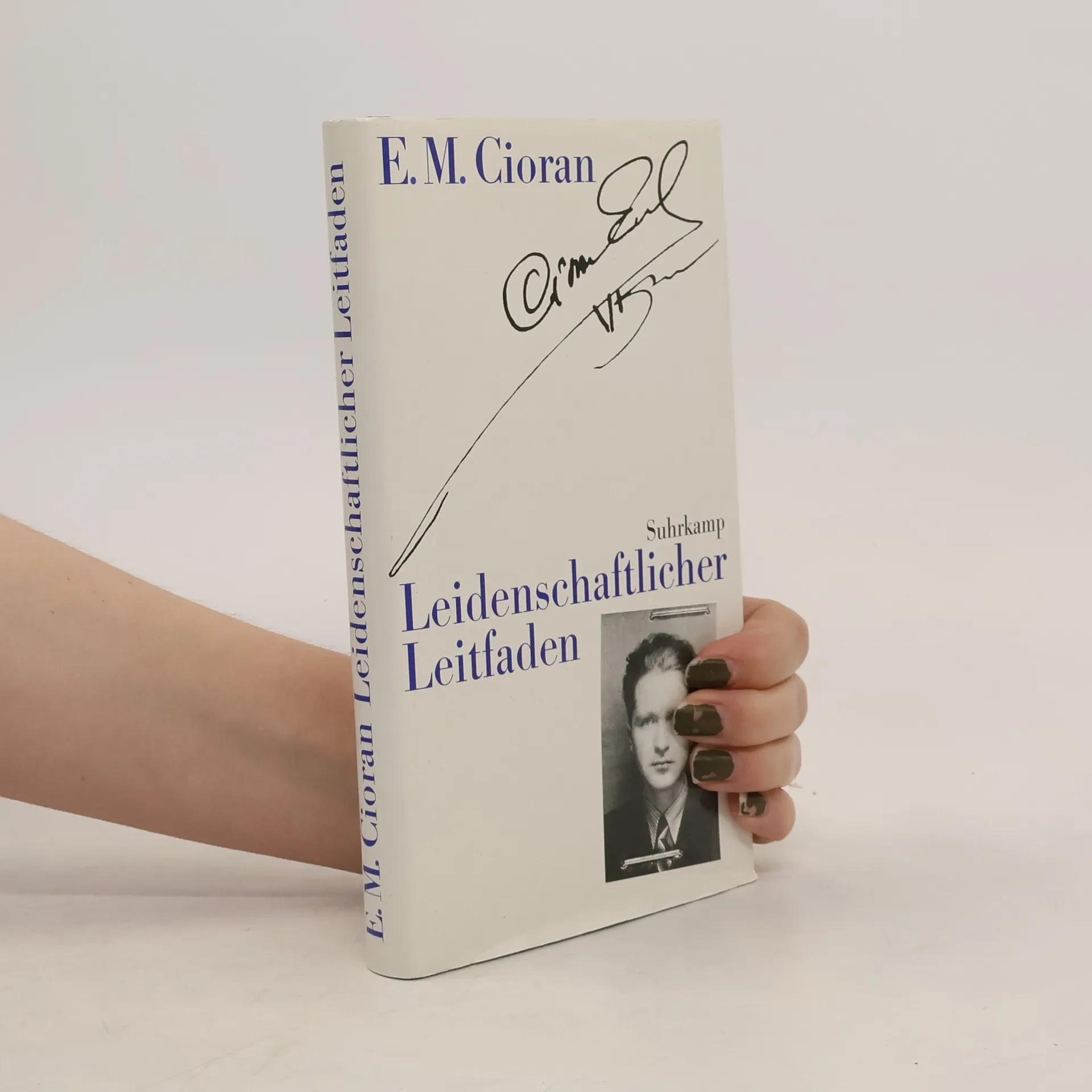
E. M. Cioran starb im Juni 1995. Als sein Vermächtnis erschien der 'Leidenschaftliche Leidfaden', sein letztes rumänisches, mitten im Zweiten Weltkrieg in Paris entstandes Buch, ein Werk des Abschieds von der Jugend und von Rumänien. Cioran ermöglicht sich den Übergang in die verführende Dämmerung der Zivilisation.
Folio: Ébauches de vertige
- 126 stránek
- 5 hodin čtení
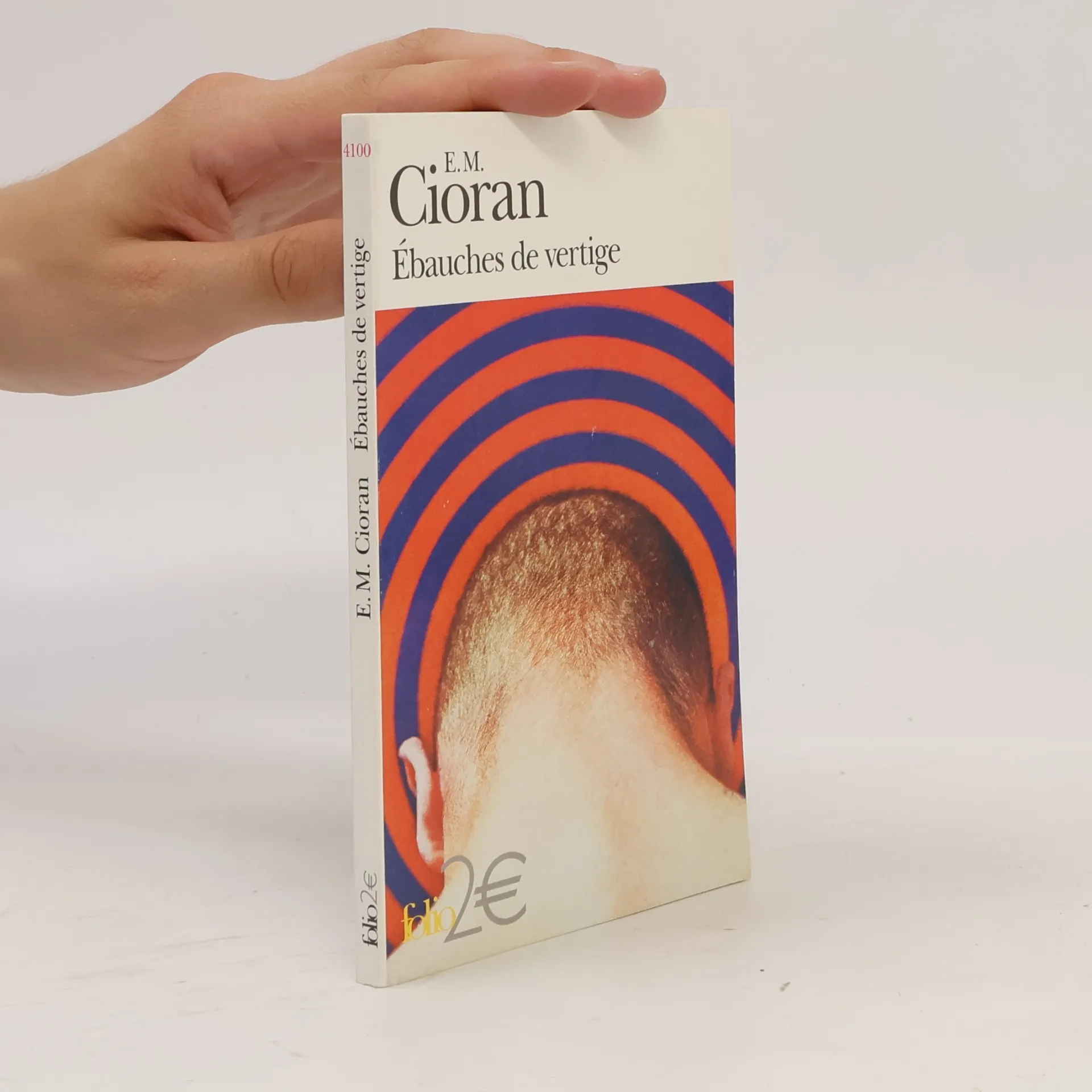
Ce petit opuscule est extrait de l’œuvre « écartèlement ». Pour 2 euros, il offre une série de pensées acides et pertinentes. Je n'avais jamais lu Cioran, mais je ne me suis pas senti perdu. Les influences de Nietzsche, Pascal, Schopenhauer et Montaigne se font sentir dans cette écriture désabusée. Cioran, tel un dément de Nietzsche, proclame l'absurdité de l'existence et met en lumière la folie humaine, exprimant des pensées sombres pour exorciser la folie des hommes à travers la sienne. Il écrit : « Dès qu’on sort dans la rue, à la vue des gens, extermination est le premier mot qui vient à l’esprit ». Dans un contexte où la littérature philosophique devient fade, il est essentiel de lire des auteurs comme Cioran, qui ne prêtent allégeance à rien et plongent dans l'encre noire de leur désenchantement. Je compte explorer davantage ses ouvrages pour une réflexion soutenue, et j'encourage chacun à faire de même, afin d'ouvrir les yeux sur le monde tel qu'il est. En guise d'avant-goût, voici un aphorisme de Cioran : « Quand un seul chien se met à aboyer à une ombre, dix mille chiens en font une réalité », à méditer sur la nature de nos idéologies et notre rapport à la réalité.
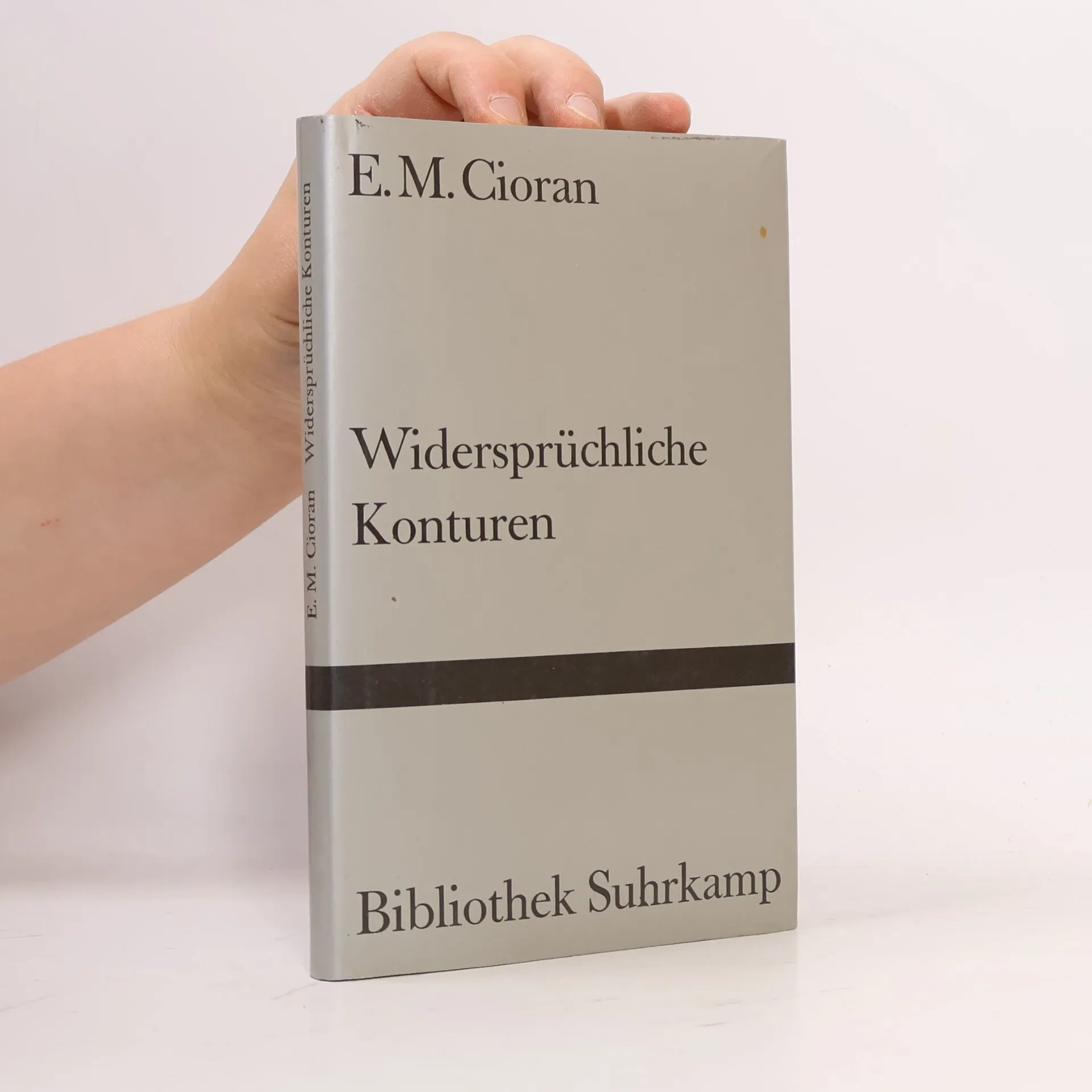
Widersprüchliche Konturen
- 106 stránek
- 4 hodiny čtení
Der Essayist E. M. Cioran (1911 bis 1995) ist hierzulande bekannt geworden als ein Seismograph des Verfalls, Philosoph des Scheiterns, als unbedingter Skeptiker, der jede Art von Sicherheit untergräbt, als Moralist ohne den sicheren Boden der Moral. Die dreizehn Essays dieses Bandes zeigen einen anderen Cioran: Cioran als Porträtisten, der in Bewunderung und Ablehnung zu verstehen sucht. Ob es sich um seine Freunde Beckett oder Michaux handelt, um sein frühvollendet scheiterndes Jugendidol Weininger, um F. Scott Fitzgerald, dem er das Mißlingen seines Scheiterns vorhält, oder um so unterschiedliche Schriftsteller wie Borges und Ceronetti – an diesen Gestalten blieb Ciorans überwacher Blick haften. Seine literarischen Porträts haben eine Konturenschärfe, die den Porträtisten ebenso lebendig hervortreten läßt wie die Porträtierten.
Was Cioran-Leser und Rezensenten in den letzten Jahren – nach Ciorans Tod und nach der Veröffentlichung fast aller Werke auf deutsch – vor allem interessierte, war der braune Fleck auf der weißen Weste des berühmten Skeptikers. Die Deutschlandartikel aus den dreißiger Jahren des 20. Jahrhunderts zeigen ihn vor. Voll vitalistischer Emphase stürzt sich der jugendliche Autor auf deutschen Irrationalismus und nazistische »Revolution«. Er wünscht seinem Land eine Diktatur nach Hitlers Vorbild an den Hals. Nur so, argumentiert er, könne Rumänien aus Lethargie und geschichtlichem Abseits herausgerissen werden und sich Gestalt, Zukunft, ein Schicksal erobern. Von 1933 bis 1935 hält Cioran sich zu Studienzwecken in Berlin, München und Dresden auf. Bei aller Begeisterung für den Nationalsozialismus beschränkt er sich auf die Rolle des geschichtsphilosophisch interessierten Zuschauers. Borniertheit, Willkür, Gewalt und die Anzeichen dafür, daß alles ein böses Ende nehmen könnte, bleiben ihm nicht verborgen.
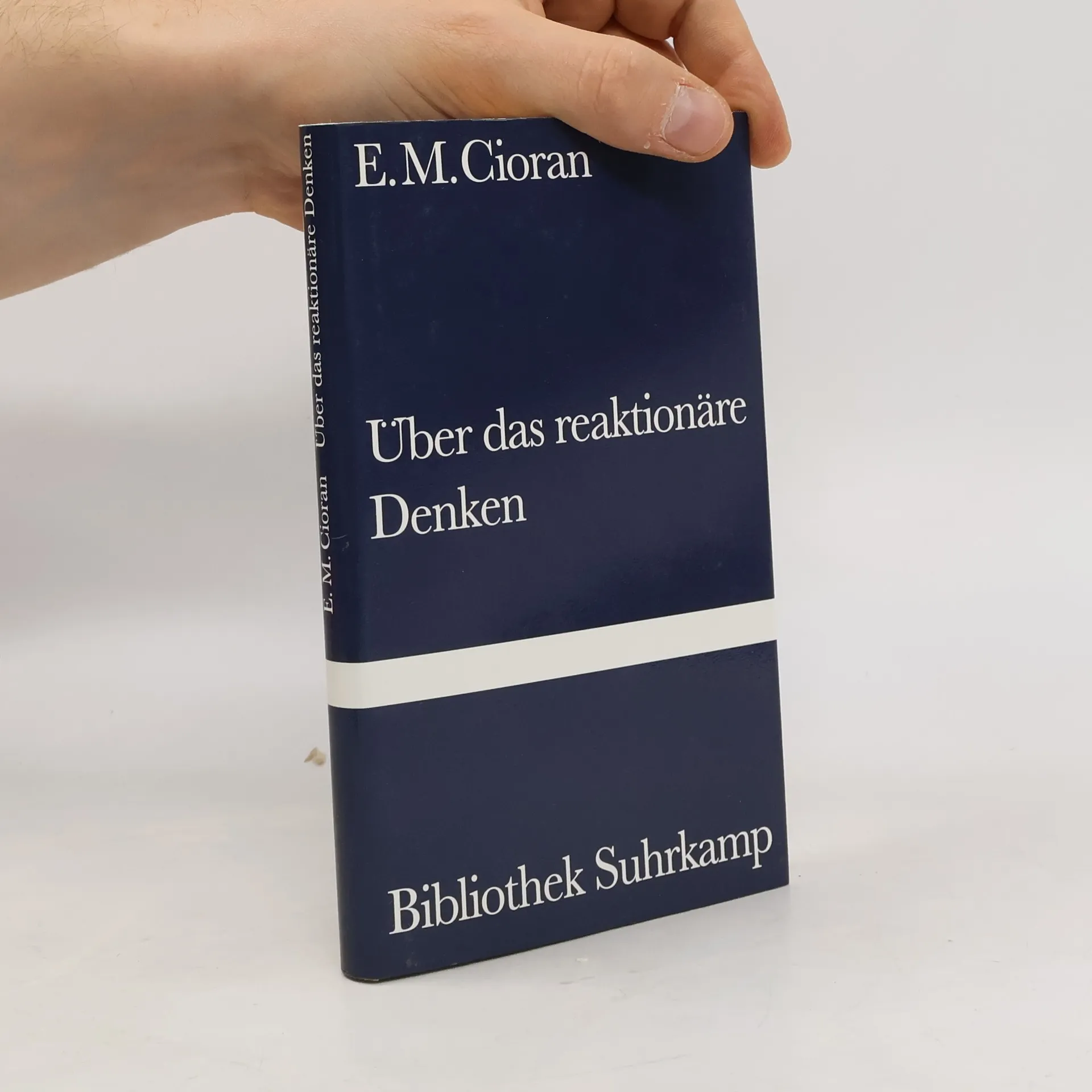
Über das reaktionäre Denken
- 114 stránek
- 4 hodiny čtení
Die vorliegenden beiden Essays gehören zu den berühmtesten Ciorans, sind aber schwer greifbar. In ihnen hat sich Cioran mit Autoren, denen er sieh sowohl verwandt wie fremd fühlt, und mit seinen eigenen geistigen Versuchungen auseinandergesetzt.
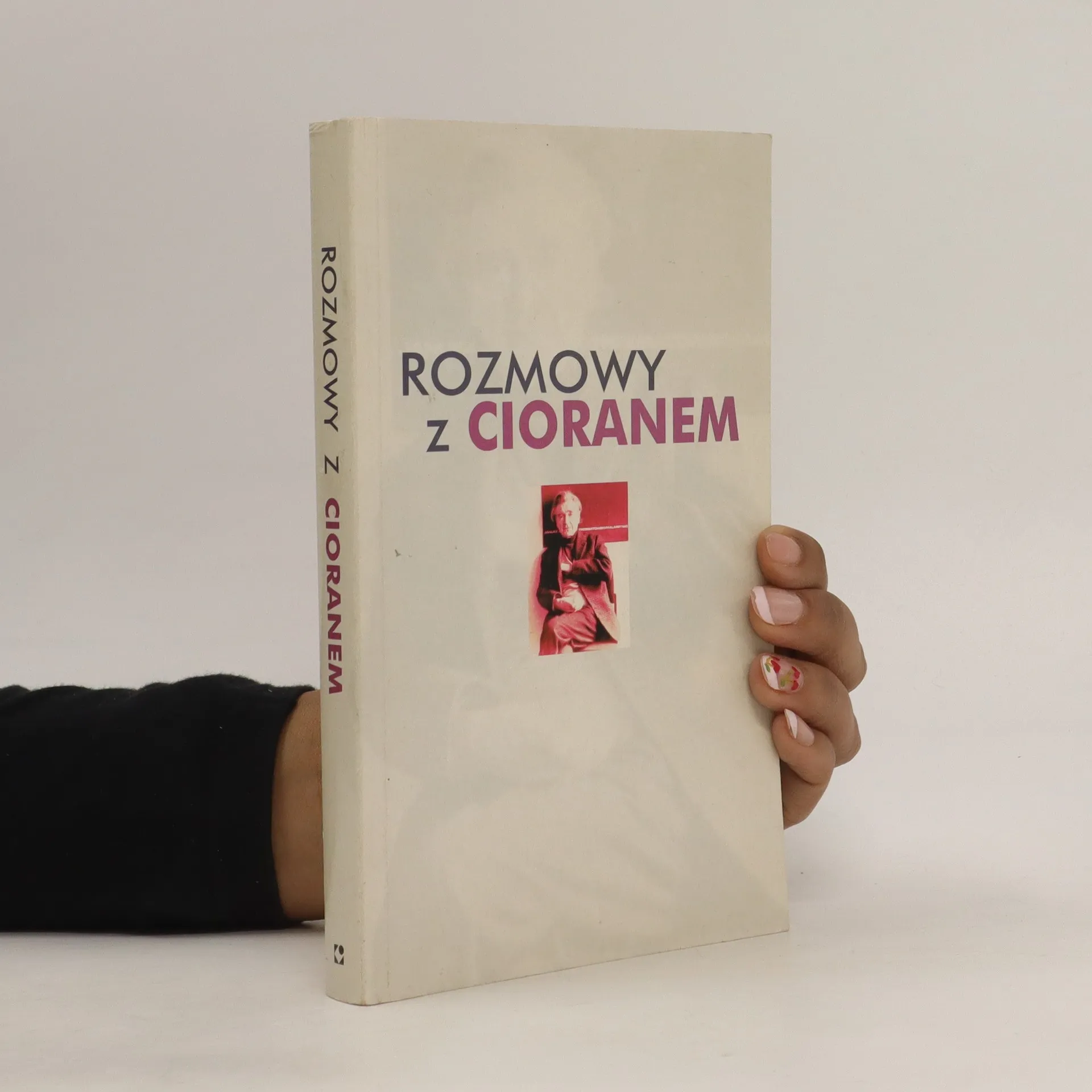
Rozmowy z Cioranem
- 259 stránek
- 10 hodin čtení
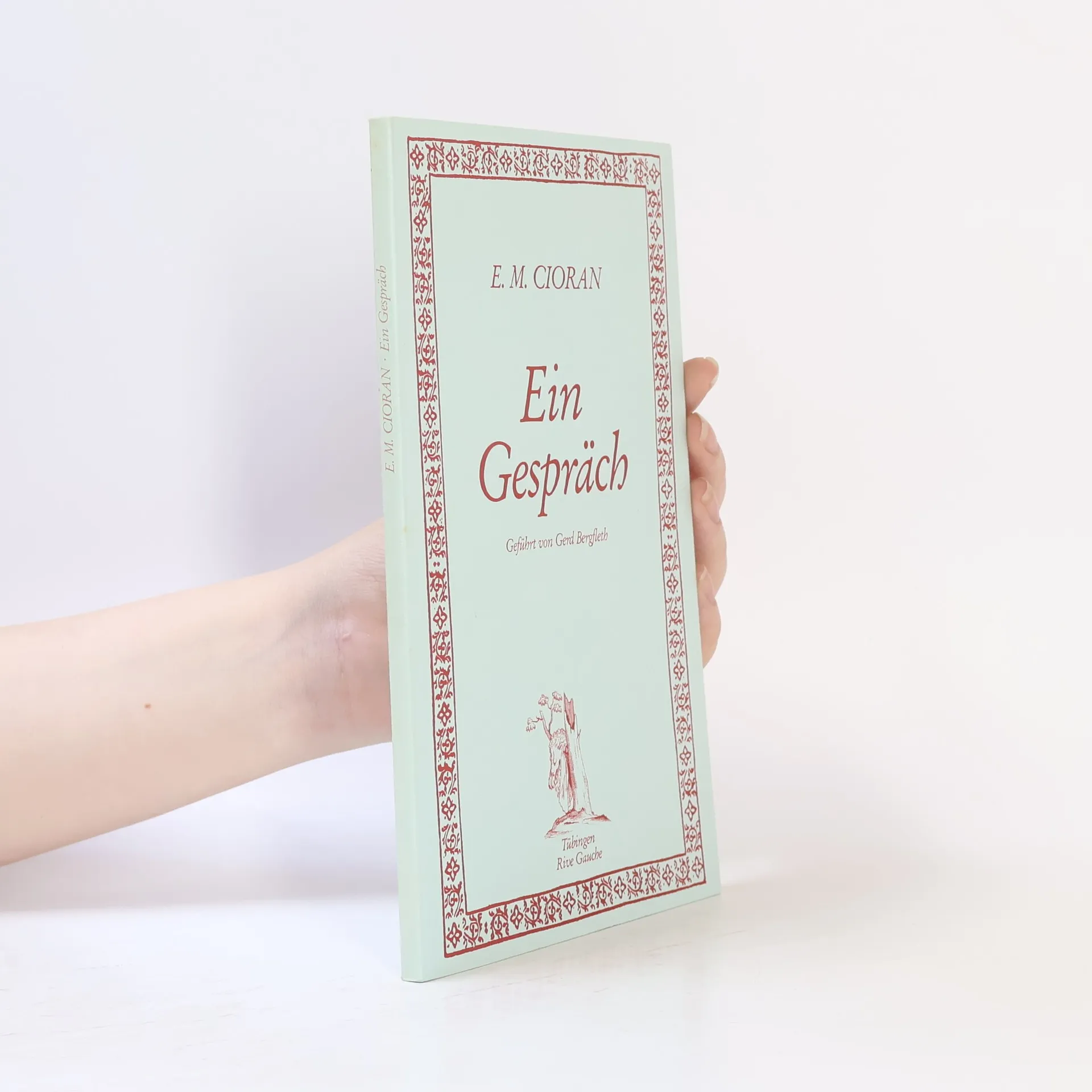
Ein Gespräch
- 60 stránek
- 3 hodiny čtení
Das Gespräch führte Gerd Bergfleth, mit Bildern und Dokumenten aus dem Leben Ciorans. „In deutscher der Sprache gibt es nur dieses einzige hervorragende Gespräch mit Cioran. Da entpuppt er sich, der sonst fast als Botschafter des Schreckens wirkt, als Lebenskünstler …“ (Tagesspiegel) Sein Motte: „Ich habe mit Wollust gezweifelt“. E. M. Cioran, 1911 geboren, er lebte seit 1937 bis zu seinem Tod 1995 in Paris. Das Gespräch wurde in Tübingen 1985 geführt.
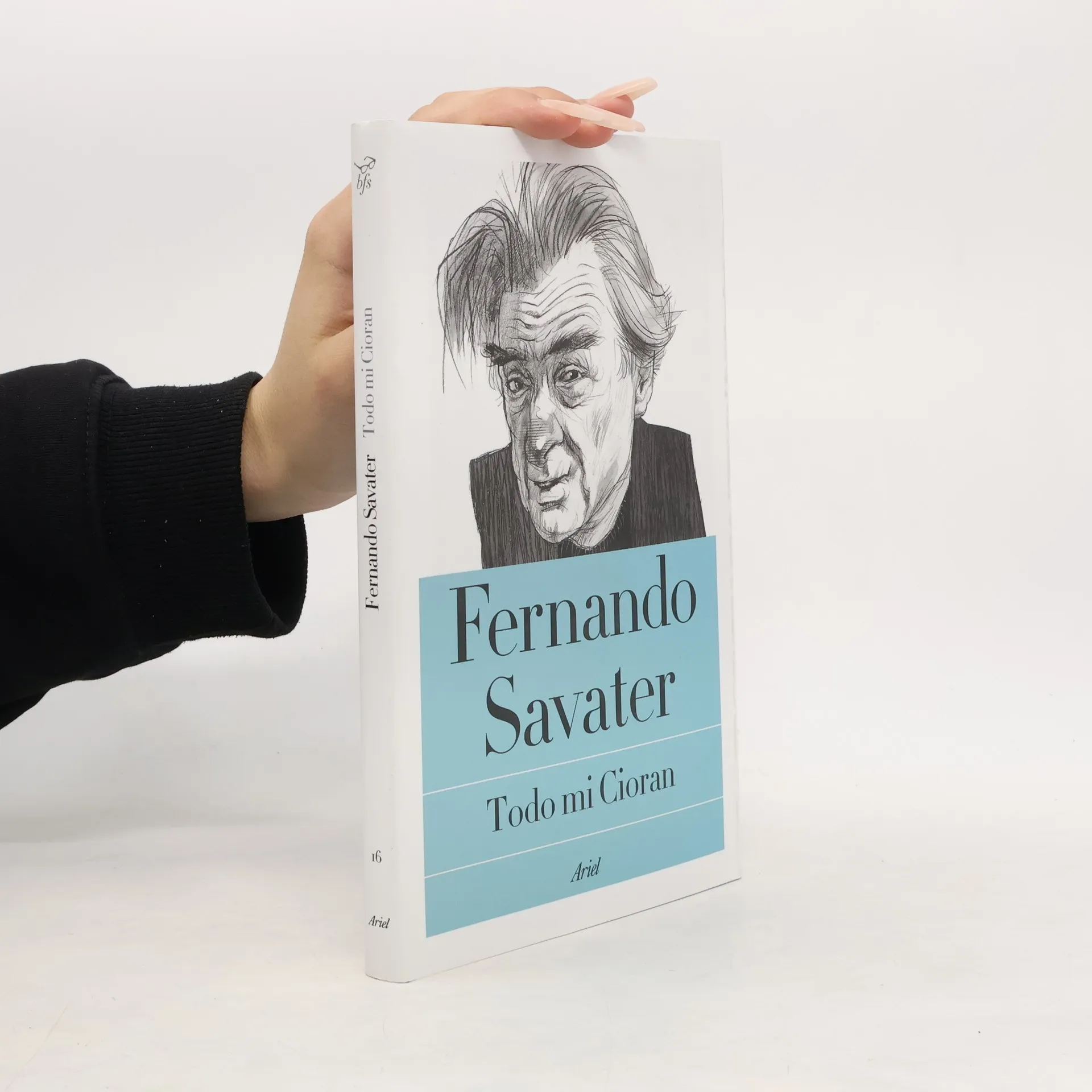
Todo mi Cioran
- 208 stránek
- 8 hodin čtení
Cioran fue sin duda un gran escritor, un estilista de primera clase, un humorista cuyo sarcasmo no siempre resultó evidente para los lectores apresurados. En este ensayo, recomendado por el propio Cioran como uno de los mejores escritos sobre su obra, Fernando Savater—que tradujo y promovió los textos de Cioran en España—destaca las claves esenciales de este pensador multiforme y subraya su radicalidad, ferocidad e independencia.Es grato comprobar—concluye Savater—que aunque mi viejo y admirado amigo se quisiera un maestro de decepciones sigue siendo semillero de búsquedas, de vocaciones nuevas.» Sin duda esta vitalidad bien disimulada en la desesperación justifica la pertinencia de esta edición actualizada, que incluye nuevos artículos.
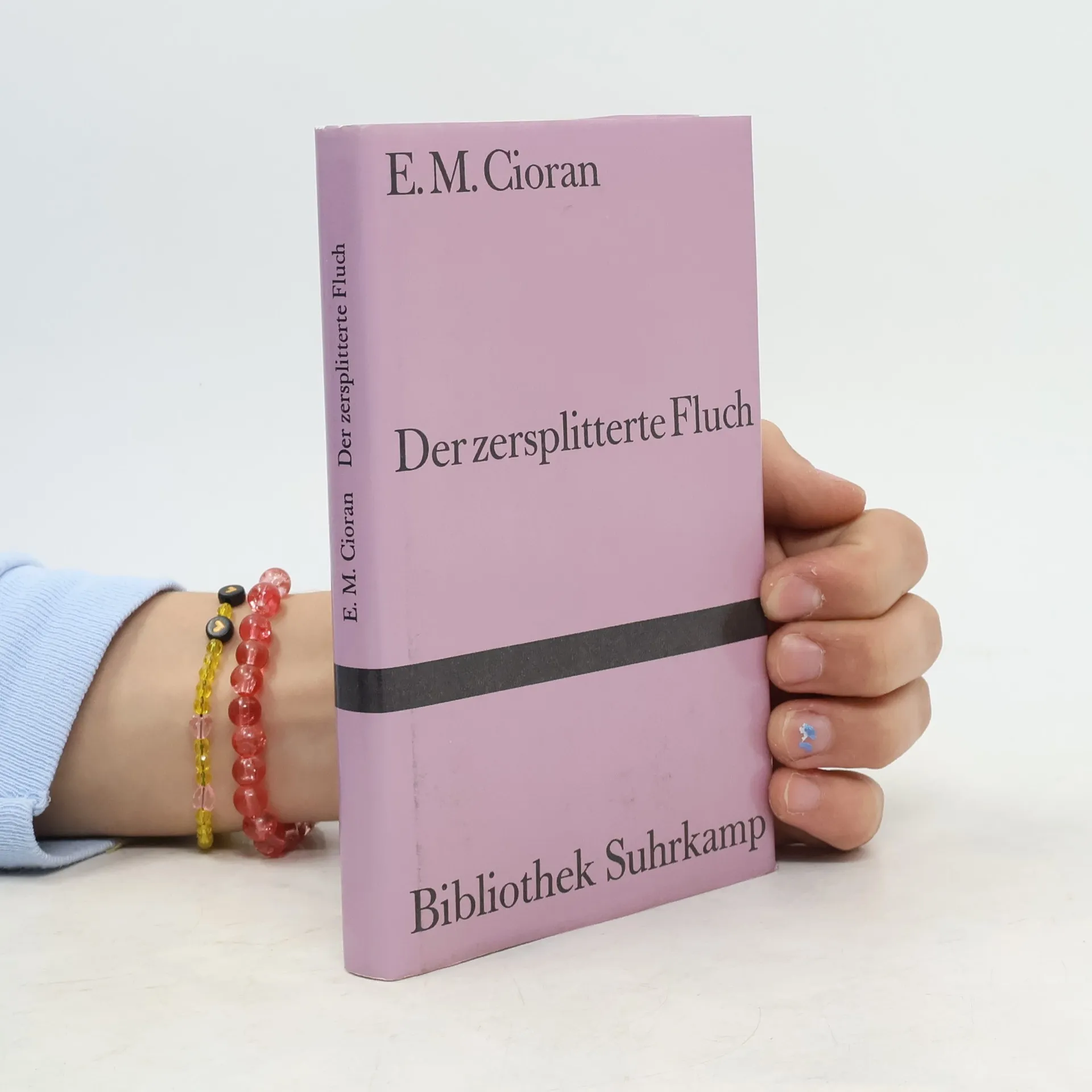
Der zersplitterte Fluch
- 143 stránek
- 6 hodin čtení
E. M. Cioran wurde 1911 in Rasinari bei Hermannstadt in Siebenbürgen als Sohn eines griechisch-orthodoxen Priesters geboren. 1928 bis 1931 Studium der Philosophie an der Universität Bukarest. Bis 1939 erschienen fünf Bücher in rumänischer Sprache. 1937 kam Cioran als Stipendiat nach Paris, wo er als freier Schriftsteller lebte. Er starb am 20.6.1995 in Paris.
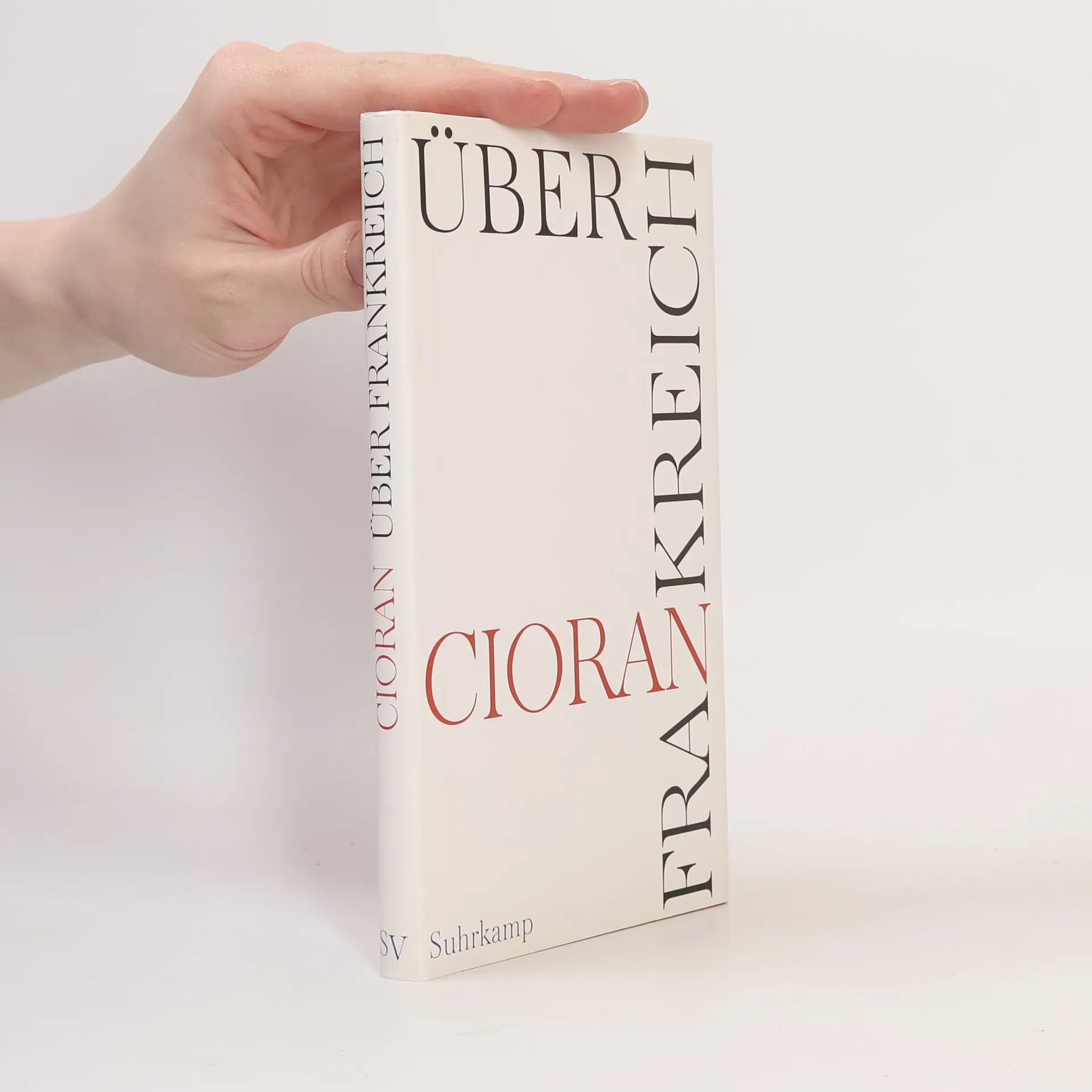
Über Frankreich
- 103 stránek
- 4 hodiny čtení
Mit seinen Aphorismen und Essays gehört E. M. Cioran, geboren 1911 in Rumänien, gestorben 1995 in Paris, zu den größten Stilisten und bedeutendsten Autoren der modernen französischen Literatur. Überraschend tauchte kürzlich in seinem Nachlaß ein Essay auf, den er 1941 in Frankreich schrieb – noch in rumänischer Sprache: Über Frankreich. (Ab 1947 schreibt Cioran nur noch Französisch.) »Ich glaube nicht, daß ich die Franzosen lieben würde, wenn sie im Verlauf ihrer Geschichte nicht einen derartigen ennui entwickelt hätten. Es ist aber kein unabsehbarer ennui, sondern ein ennui der Klarheit. Es ist die Mattigkeit, die sich einstellt, wenn man einmal kapiert hat, wie es läuft. Während bei den Deutschen Banalitäten als ordentlicher Stoff für Unterhaltungen durchgehen, ziehen Franzosen eine ansehnliche Lüge jeder dürftig formulierten Wahrheit vor.« Damit beginnt Über Frankreich. Indem der Rumäne über Frankreich, Frankreichs Kultur, Geschichte und Dekadenz schreibt, entwirft er zugleich ein ganz persönliches Programm, nämlich das der eigenen förmlichen Domestizierung. Über Frankreich, noch gespickt mit Ausbrüchen vitalistischen Elans, gesuchten Reflexionen, falschem Tiefsinn in Nietzsches Manier, ist auch ein raffinierter Essay über Dekadenz und die Bedingungen einer Renaissance – seiner, derjenigen Ciorans.