
Objednej dnes, zítra vyzvedni na Strossu/Kolbence
Knihobot

Benedict M. Ashley

    Benedikt M. Ashley je emeritním profesorem morální teologie. Jeho práce se hluboce zabývá etikou, zejména v kontextu katolické lékařské etiky, kde je považován za průkopníka. Ashleyho pohled na etiku je ovlivněn jeho hlubokým studiem Tomáše Akvinského a jeho cesta k víře skrze filozofii dodává jeho teologickým pracím jedinečnou perspektivu. Jeho přístup k morální teologii zdůrazňuje propojení filozofie, politologie a teologie.

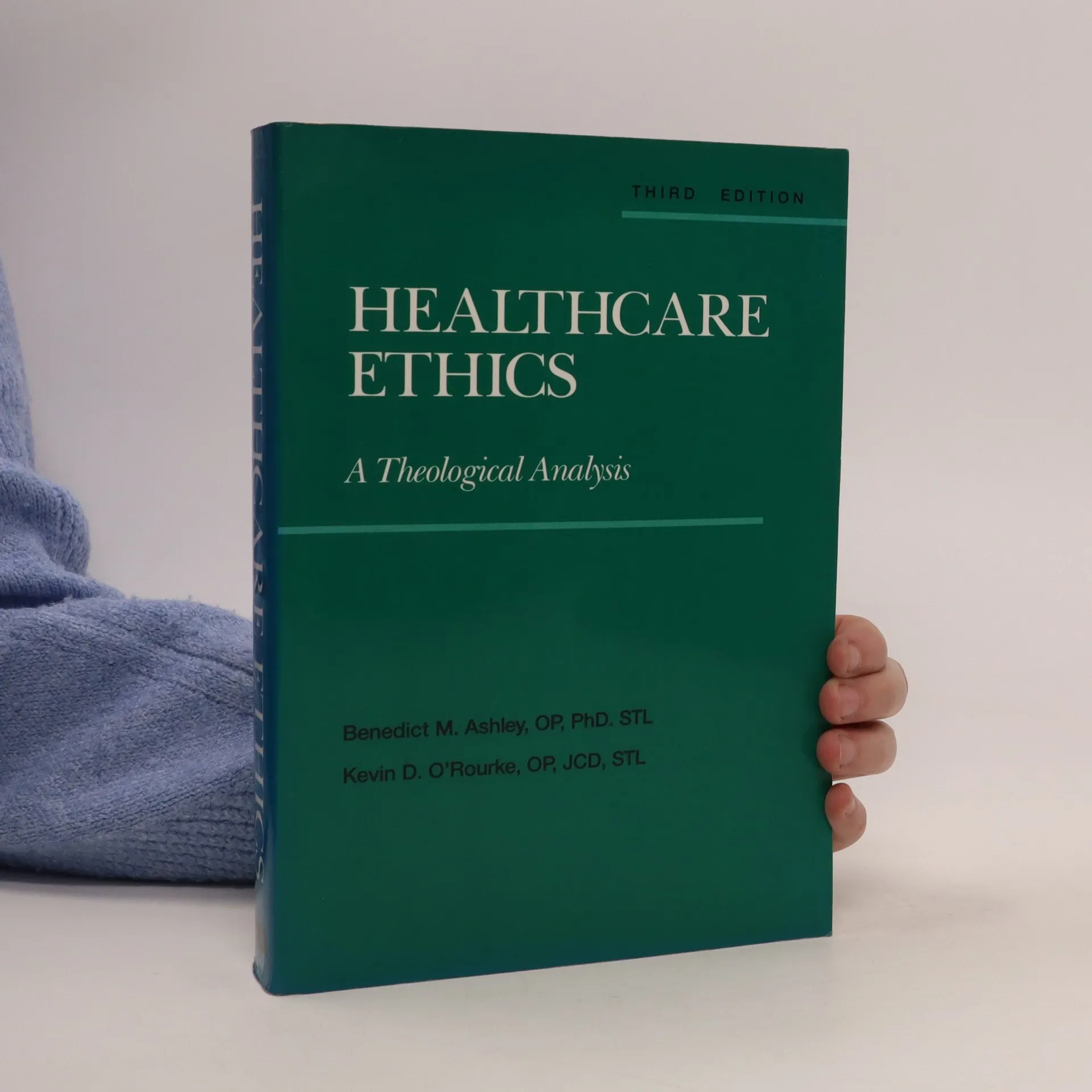
    Healthcare Ethics: ATheological Analysis
    The Dialogue Between Tradition and History
    • The decades after the Second Vatican Council marked a significant shift in Catholic theology from classicism to an empirical, historically oriented approach. This transition led to moral confusion and intellectual debates that continue to impact the Church. Benedict Ashley acknowledged the need for revisions in moral theology post-Vatican II to effectively articulate and integrate the mysteries of Catholic faith. He proposed a method of theological reflection that counters the subjectivity and historical focus prevalent in contemporary thought, emphasizing a tradition rooted in Scripture, the Magisterium, sound natural science, and a balanced relationship between subjectivity and objectivity. This volume includes insights from four distinguished scholars: Matthew McWhorter offers an intellectual biography of Ashley, tracing his thoughts before and after Vatican II. Rev. Cajetan Cuddy, OP, evaluates Ashley's philosophical theology, particularly its foundations in natural law. Matthew Minerd examines Ashley's views on the authority of the Catholic Magisterium, the papacy, and conscience formation. Rev. Nicanor Pier Giorgio Austriaco, OP, assesses how Ashley's moral theology applies to decisions at the beginning and end of life.

      The Dialogue Between Tradition and History
    • Fifth edition of a classic health care ethics textbook from a traditional Catholic perspective, one that remains loyal to official church teaching and Vatican pronouncements. Earlier editions covered the landscape: what is means to be human; the health care profession; the logic of making health care decisions; wide range of issues, including sexuality, abortion, genetic intervention, mental illness, and end-of-life treatment. These books received the imprimatur of the archdiocese. A far cry from David Kelly! The fifth edition, a legitimate revision, features several new components: First, the addition of a co-author, Jean deBlois, helps integrate feminist insights into the text. She's not exactly Gloria Steinem, but this edition contains a deeper appreciation of particular issues surrounding gender and women (viz., responses to rape, health care inequalities, etc.). Second, the authors explore several issues that were little discussed in the mid-1990s: embryo development, stem cell research, medical mistakes, the decrease of patient-physican contact with the advent of managed care, forensic medicine, the proliferation of cosmetic surgery, and nutrition and obesity. Third, the authors address the social setting of health care by examining organizational ethics, the increase of lay people in pastoral ministry, the problems emerging from the growth of Catholic health care corporations, etc. Fourth, during the past several years the Church and Pope John Paul II have offered new guidelines for medical treatment, particularly in regard to artificial nutrition and hydration; the authors wrestle with these. Finally, the authors address the problematic health care system in the United States, and how it fails to meet the common good of society.

      Healthcare Ethics: ATheological Analysis