
Focusing on the intersections of Shakespeare's work with various cultural elements, this original book by a prominent expert delves into the connections between literature and contemporary society. The author explores how Shakespeare's themes resonate throughout history and in modern contexts, offering fresh insights into his influence on culture and criticism. Through this lens, readers are invited to reconsider the relevance of Shakespeare's plays in today's world.
Graham Holderness Knihy
Graham Holderness je uznávaný britský literární teoretik a autor, který se významně zasloužil o kulturní materialismus a formoval moderní shakespearovská studia. Jeho rozsáhlá práce zkoumá Shakespearova díla z originálních úhlů pohledu, včetně adaptací v arabském světě. Holderness se také zabývá metodami kriticko-kreativního psaní, kde mísí fakta s fikcí, a objevuje nové způsoby interpretace literárních postav. Jeho tvorba zahrnuje také romány, poezii a divadelní hry, čímž demonstruje široký záběr a hluboký vliv na literární svět.


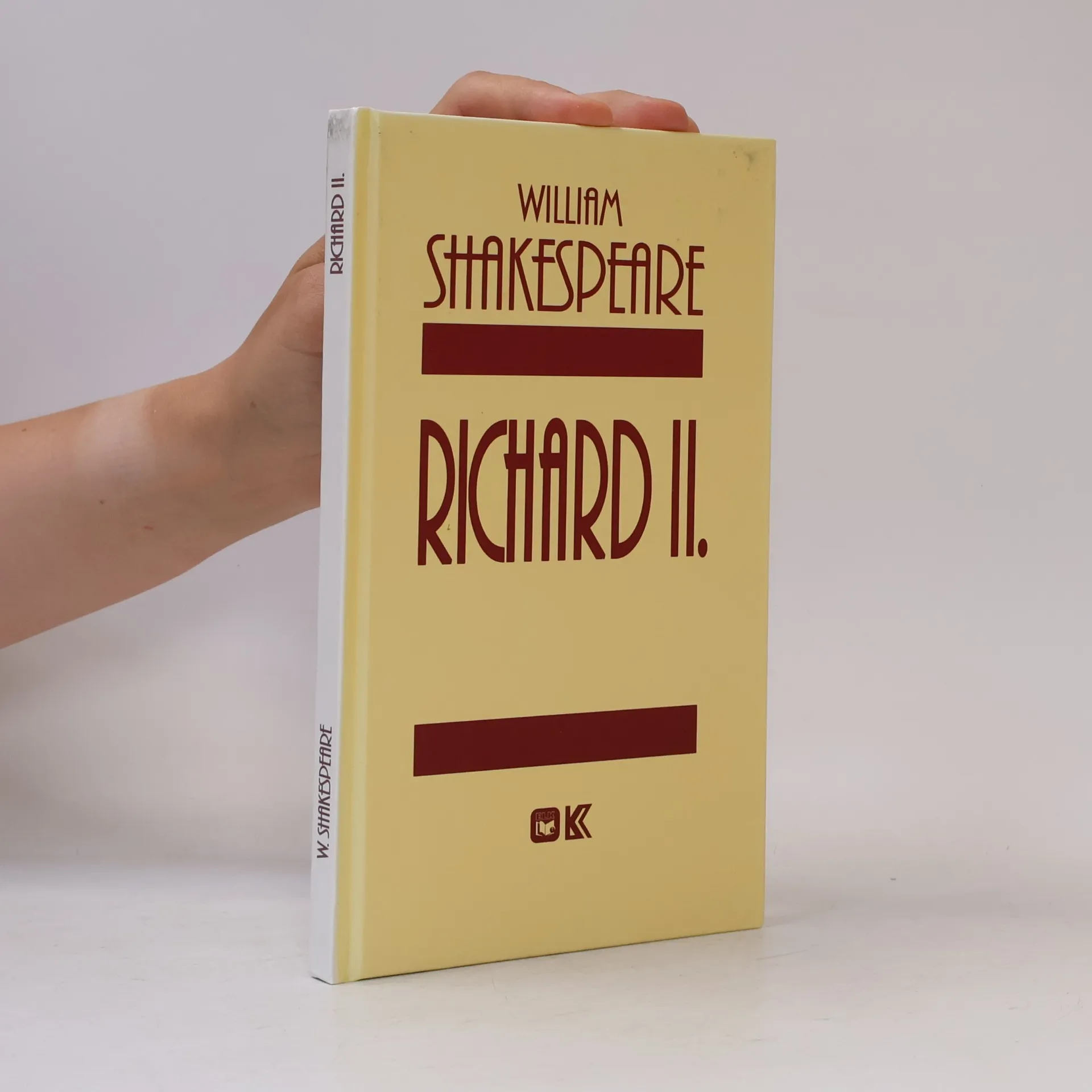
Hra o vládci, který sám sebe připravil o právo vládnout své zemi. Dávný a přitom stále aktuální příběh o žízni po moci. Tragédie člověka, který chce vše, protože sám není nic. Vyšlo v rámci edice Souborné dílo Williama Shakespeara v překladu Martina Hilského, v souboru s dalšími třemi svazky: Jindřich VI. Díl první, druhý a třetí.
The book offers a fresh perspective on Shakespeare's writing, reflecting recent advancements in bibliography and textual studies that have transformed opinions on his collaborative processes and creative methods. Despite these insights, the author acknowledges that numerous mysteries about the playwright's work and relationships remain unresolved, inviting readers to explore the complexities of Shakespeare's literary legacy.
This newly revised fictional re-writing of the Hamlet story is set in a time somewhere between the Scandinavian Dark Ages - out of which the original tale of Hamlet came - and the Renaissance society of Shakespeare's play. Graham Holderness's novel provides both a prequel and a sequel to Shakespeare's Hamlet: beginning with the great duel fought between his father King Amled and Fortinbras' father Prince Fortenbrasse; and continuing after Hamlet's death to tell both his story, and that of his invented son. In the light of this re-imagined history, the conflicts and alliances between ancient Viking chivalry, Renaissance realpolitik and Christian forgiveness are dramatically explored.