

Grégoire Chamayou Pořadí knih (chronologicky)
Grégoire Chamayou se zabývá filozofickým výzkumem a zkoumá hlubší otázky lidské existence. Jeho dílo se zaměřuje na etické a společenské důsledky lidského jednání. Chamayouho přístup je analytický a provokuje k zamyšlení nad složitými tématy. Jeho spisy nabízejí nový pohled na naše místo ve světě.


Die unregierbare Gesellschaft
Eine Genealogie des autoritären Liberalismus
Die 1970er Jahre wurden von einer gigantischen » Regierbarkeitskrise « erschüttert: Die Wirtschaftswelt hatte mit massiver Disziplinlosigkeit der Arbeiter zu kämpfen, aber auch mit der so genannten » Managerrevolution « , mit bisher beispiellosen ökologischen Massenbewegungen und neuen Sozial- und Umweltvorschriften. Politisch geäußerte Ansprüche immer zahlreicher werdender sozialer Gruppen drohten in den Augen der herrschenden Eliten aus Wirtschaft und Politik die Gesellschaft unregierbar zu machen. Der französische Philosoph Grégoire Chamayou porträtiert in seinem faszinierenden Buch dieses Krisenjahrzehnt als den Geburtsort unserer Gegenwart – als Brutstätte eines autoritären Liberalismus. Zur Abwehr der Bedrohung wurden in wirtschaftsnahen Kreisen neue Regierungskünste ersonnen, die beispielsweise einen Krieg gegen die Gewerkschaften, den Primat des Shareholder Value sowie eine Entthronung der Politik vorsahen. Der damit seinen Siegeszug antretende Neoliberalismus war jedoch nicht durch eine einfache »Staatsphobie« bestimmt. Die Strategie zur Überwindung der Regierbarkeitskrise bestand vielmehr in einem autoritären Liberalismus, bei dem die Liberalisierung der Gesellschaft eine Vertikalisierung der Macht impliziert: Ein »starker Staat« für eine »freie Wirtschaft« wird zur neuen Zauberformel unserer kapitalistischen Gesellschaften.
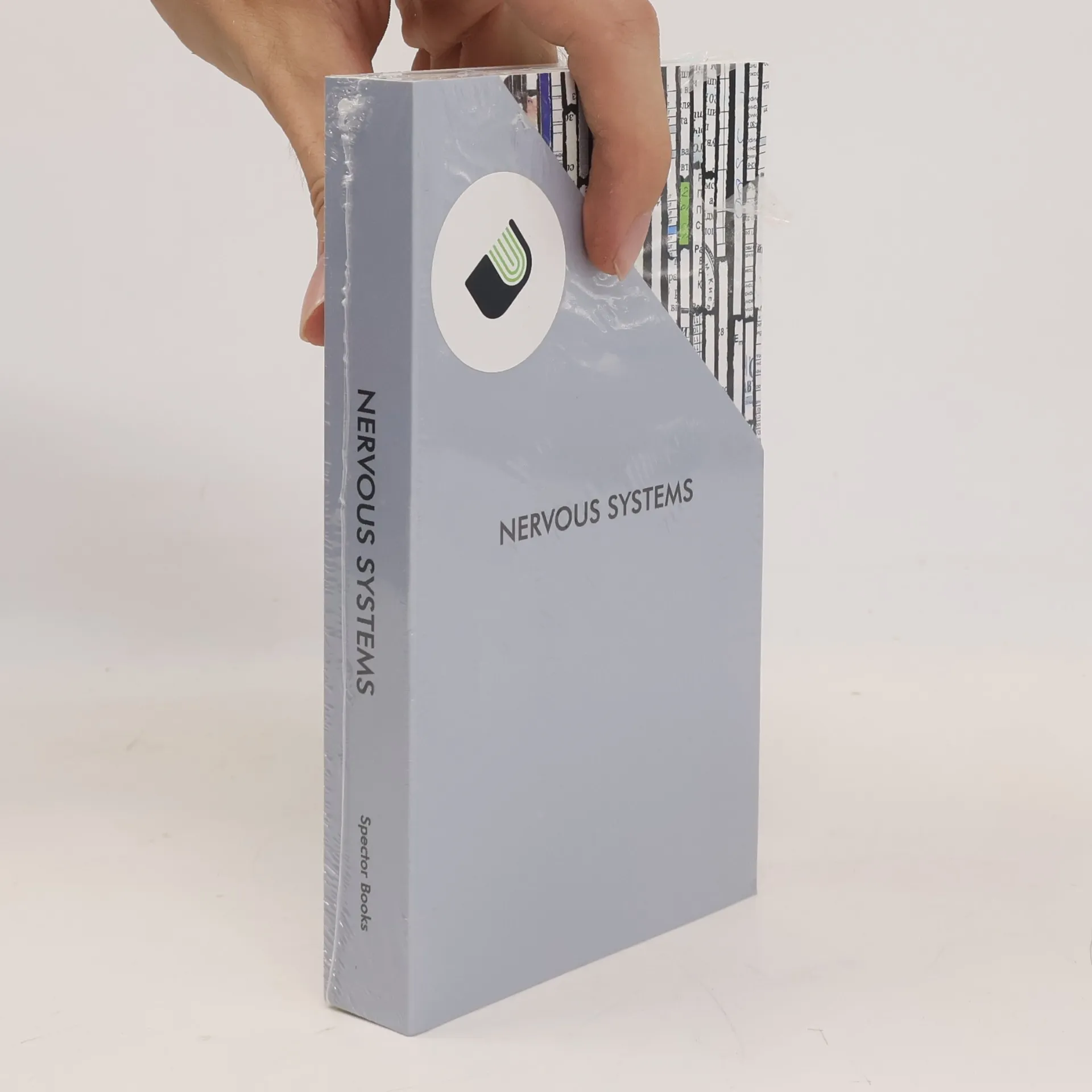
Nervous Systems
- 388 stránek
- 14 hodin čtení
Jenseits immer neuer Enthüllungen über die Massenüberwachung der Geheimdienste bestimmt „Big Data“ die öffentliche Diskussion über das zunehmend gläserne Konsum-Individuum. Dem Versprechen von Teilhabe stehen neue Formen der Kontrolle und Modellierung von sozialem Verhalten in bisher ungekanntem Maße gegenüber. Unzählige Sensoren digitaler und technologischer Infrastrukturen verbinden Staat, Wirtschaft, Individuum und Technologie zu immer komplexer werdenden „nervösen Systemen“. Diese Nervosität offenbart sich insbesondere dort, wo die Verhältnisse von Macht und Teilhabe ins Blickfeld geraten, also entlang der „sozialen Frage“. Die Publikation versammelt eine Auswahl zeitgenössischer Kunst, ergänzt um essayistische Beiträge von Expertinnen, Theoretikern und Forscherinnen, die u. a. historische Dokumente präsentieren. Nervous Systems erschien zur Ausstellung im HKW Berlin (Februar bis April 2016).
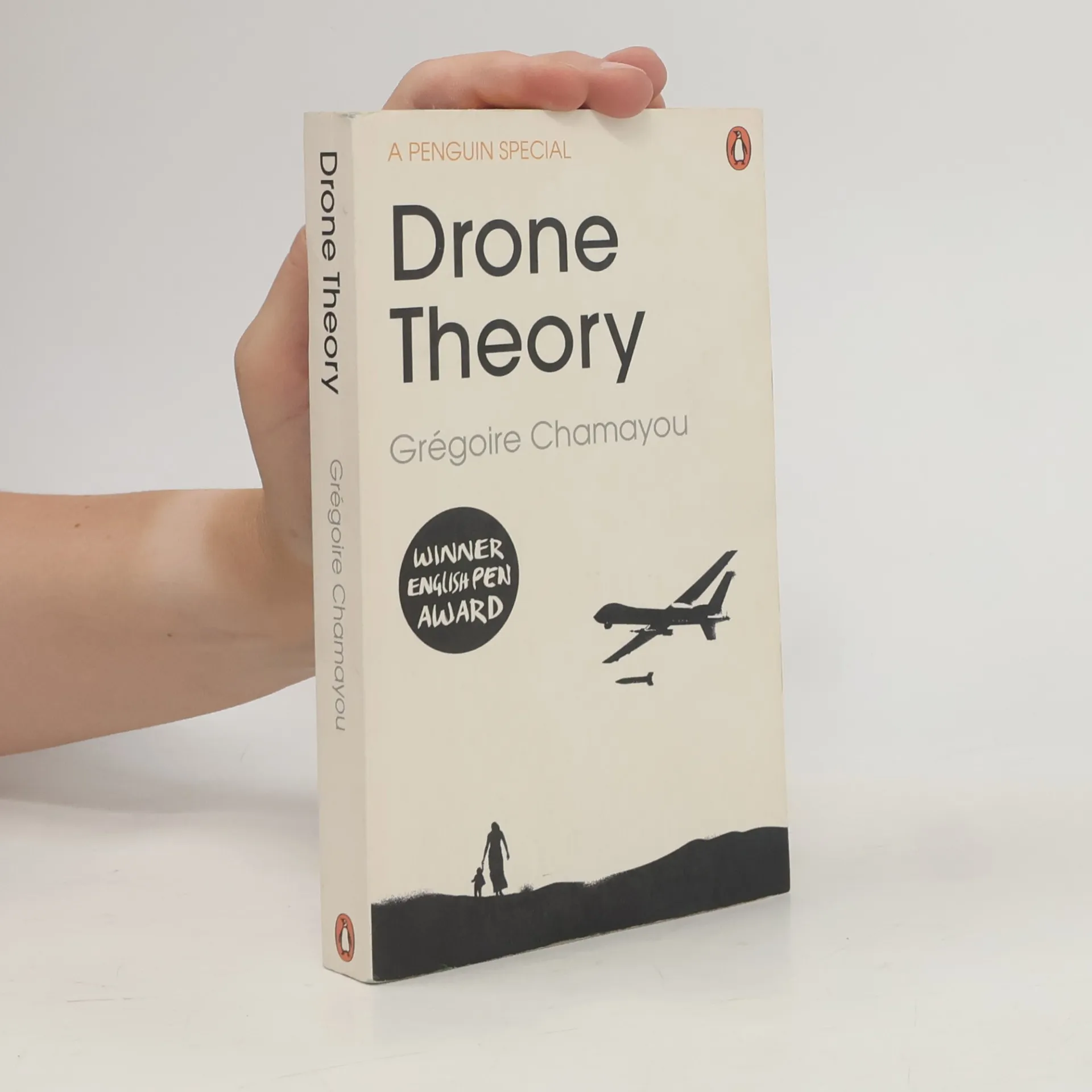
Drone theory
- 304 stránek
- 11 hodin čtení
'Drone Theory' is a rigorous polemic against the increasing use of robot warfare around the world. Drawing on philosophical debate, moral lessons from Greek mythology and transcripts of conversations between drone operators, Gregoire Chamayou re-evaluates the socio-political impact of drone warfare on the world - and its people."