Do Vánoc stíháš objednat ještě 1 den a 3 hodiny. 
Knihobot

John Grossman

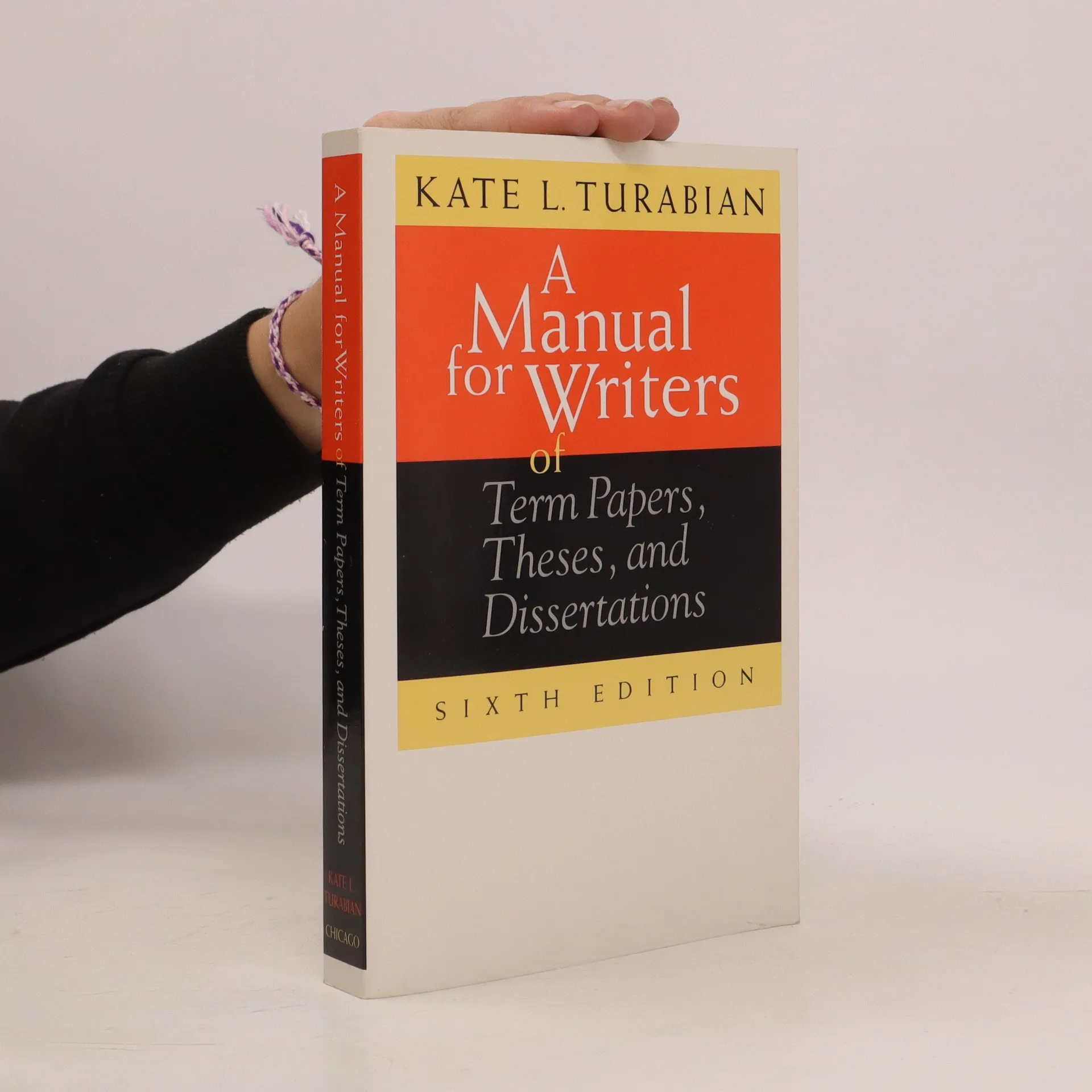
    A manual for writers of research papers, theses, and dissertations
    The Chicago Manual of Style
    • 1996

      Dewey, Bellow, Strauss, and Friedman are just a few of the influential thinkers associated with the University of Chicago, but none has garnered more respect than Kate Turabian. As the dissertation secretary for decades, she authored the definitive guide on completing and submitting student papers. Her Manual for Writers of Research Papers, Theses, and Dissertations has sold over seven million copies since its 1937 debut. The seventh edition represents a significant revision, ensuring it remains an essential resource for writers at all levels—from first-year undergraduates to seasoned scholars. Gregory G. Colomb, Joseph M. Williams, and the late Wayne C. Booth, along with the University of Chicago Press Editorial Staff, have enhanced this classic, preserving Turabian’s practical advice while incorporating new research and citation methods for the digital age. This edition expands the guide significantly, offering a comprehensive overview of the research and writing process, from formulating questions to revising drafts. It also includes an authoritative section on citation practices, fully updated to align with the fifteenth edition of The Chicago Manual of Style, covering various source types and electronic citations. The final section addresses stylistic issues crucial for crafting strong papers, while the appendix consolidates essential formatting guidelines. This revised edition is a timeless reference, tailored for a new

      A manual for writers of research papers, theses, and dissertations
    • 1993

      The Chicago Manual of Style

      • 924 stránek
      • 33 hodin čtení
      4,4(335)Ohodnotit

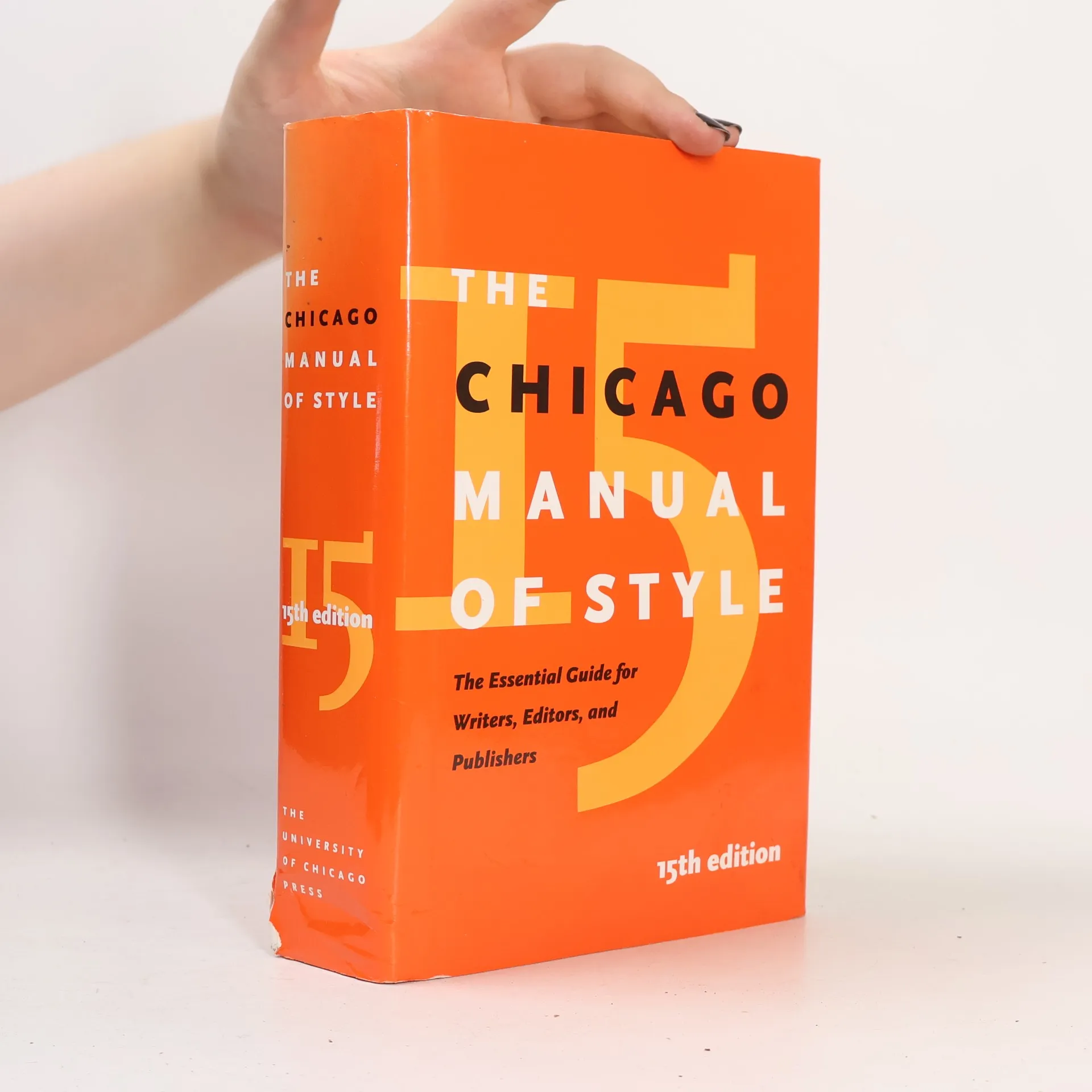
      This thoroughly revised and updated edition serves as an essential reference for writers, editors, proofreaders, indexers, copywriters, designers, and publishers. It is nearly 200 pages longer than its predecessor and incorporates significant changes in style, usage, procedure, and technology, making it easier to use and enriched with illustrative examples. The influence of computers in publishing is evident throughout, covering manuscript preparation, editing, typesetting, indexing, design, and printing. The updates stem from over a decade of continuous editing and revision, categorized into two main areas. The first focuses on making the editorial guidelines more systematic, inclusive, reflective of contemporary usage, and accessible. Key revisions include a more comprehensive chapter on quotations, an expanded discussion on names and terms related to nationalities and races, a reorganized section on foreign languages with new content on Hebrew, and an updated tabular spelling guide for compound words and prefixes/suffixes. The most extensively revised section is the documentation guidelines, now streamlined into two chapters. Chapter 15 addresses humanities-style documentation, while Chapter 16 covers the author-date style favored in the natural and social sciences. This section clearly separates notes and bibliographic entries, text citations, and reference-list entries, providing numerous examples for citing a wide rang

      The Chicago Manual of Style