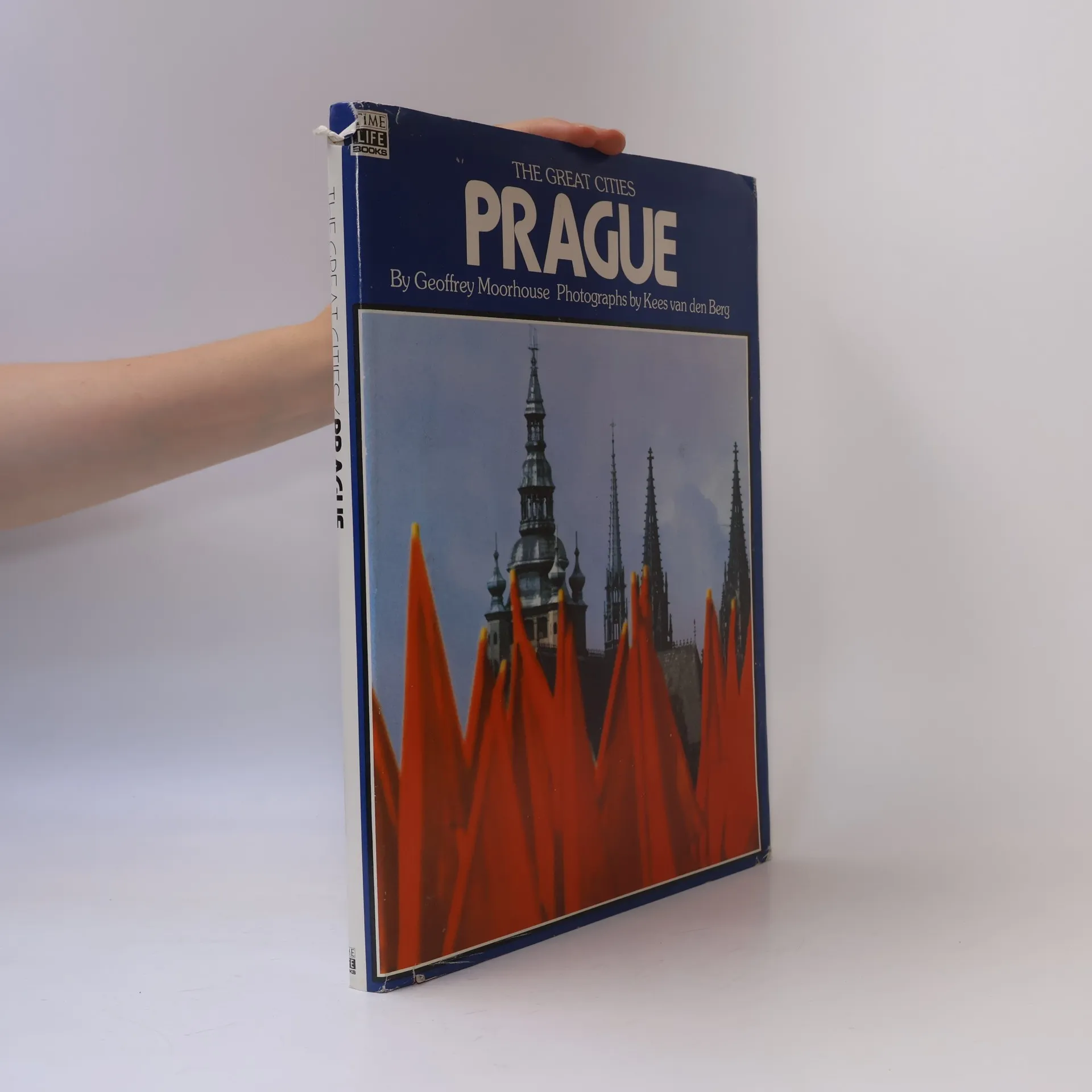
Geoffrey Moorhouse byl anglický novinář a autor, jehož díla často čerpala z jeho rozsáhlých cest. Jeho psaní vyniká pronikavým pozorováním a důrazem na detail, které čtenáře přenese do vzdálených krajin i do hloubi historie. Moorhouse se sjednotil žurnalistiku s literaturou, prozkoumával rozmanitá témata od cestování až po tudorovskou historii. Jeho jedinečný styl a schopnost vykreslit živé obrazy z něj činí nezapomenutelného vypravěče.
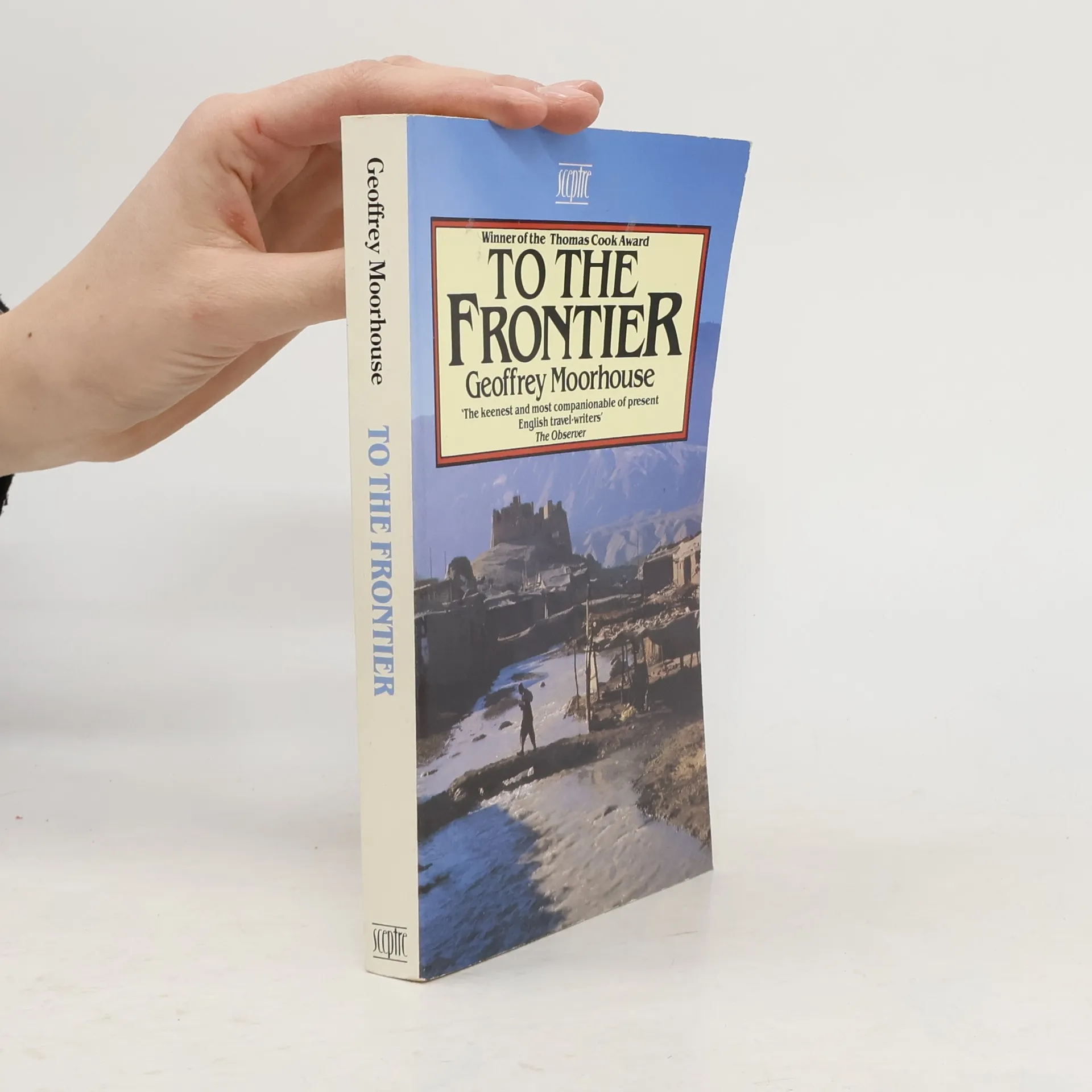
This Book Studies The Frontier Tribesmen And Oriental Art, The Deep Piety Of Muslims--And The Torture That Is Committed In The Name Of Islamic Government Today. It Is Full Of Vivid Word Pictures, Full Of Atmosphere. The Author Travelled Up Through Sind, Baluchistan And The Punajb To The North-West Frontier Province Of Pakistan. Without Dustjacket.
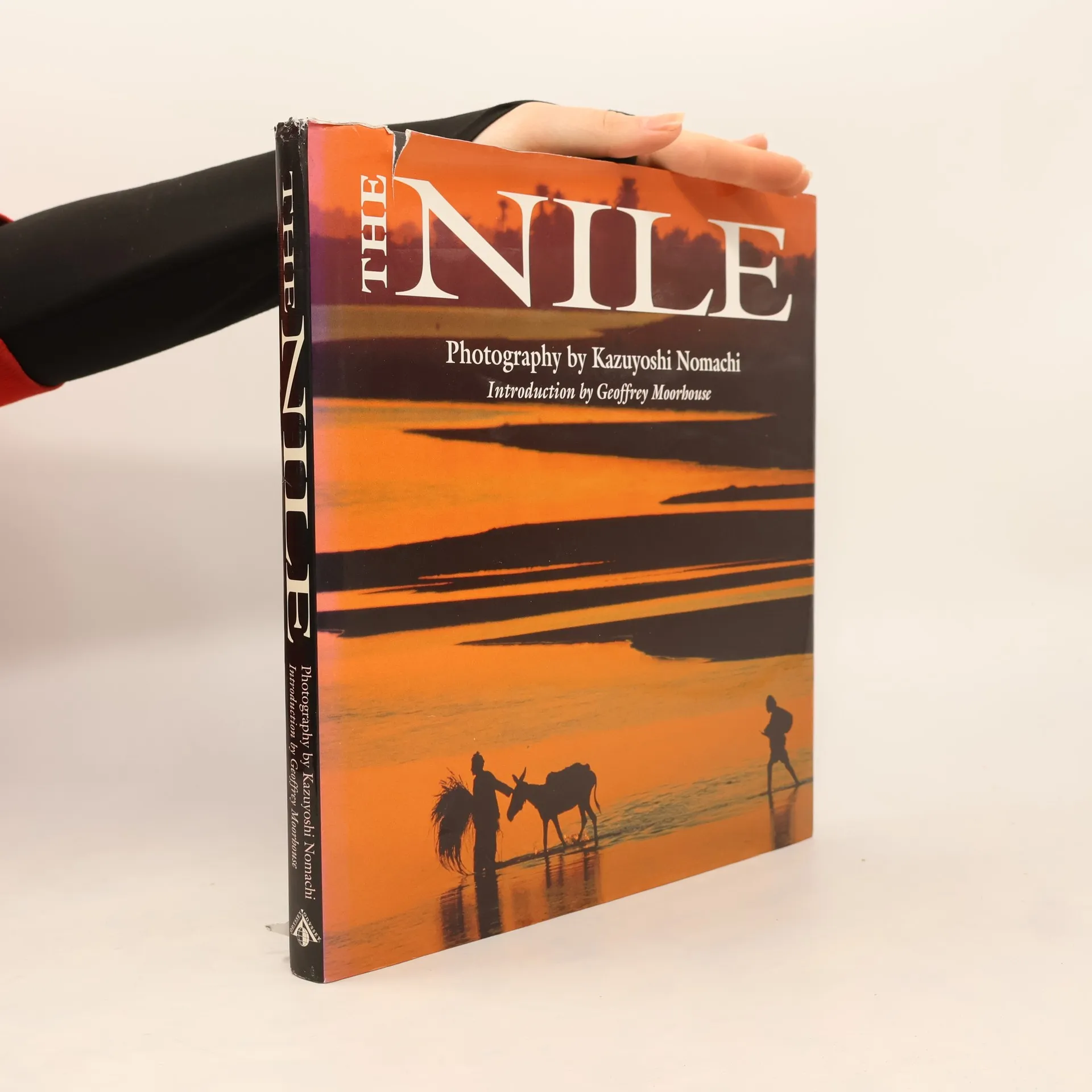
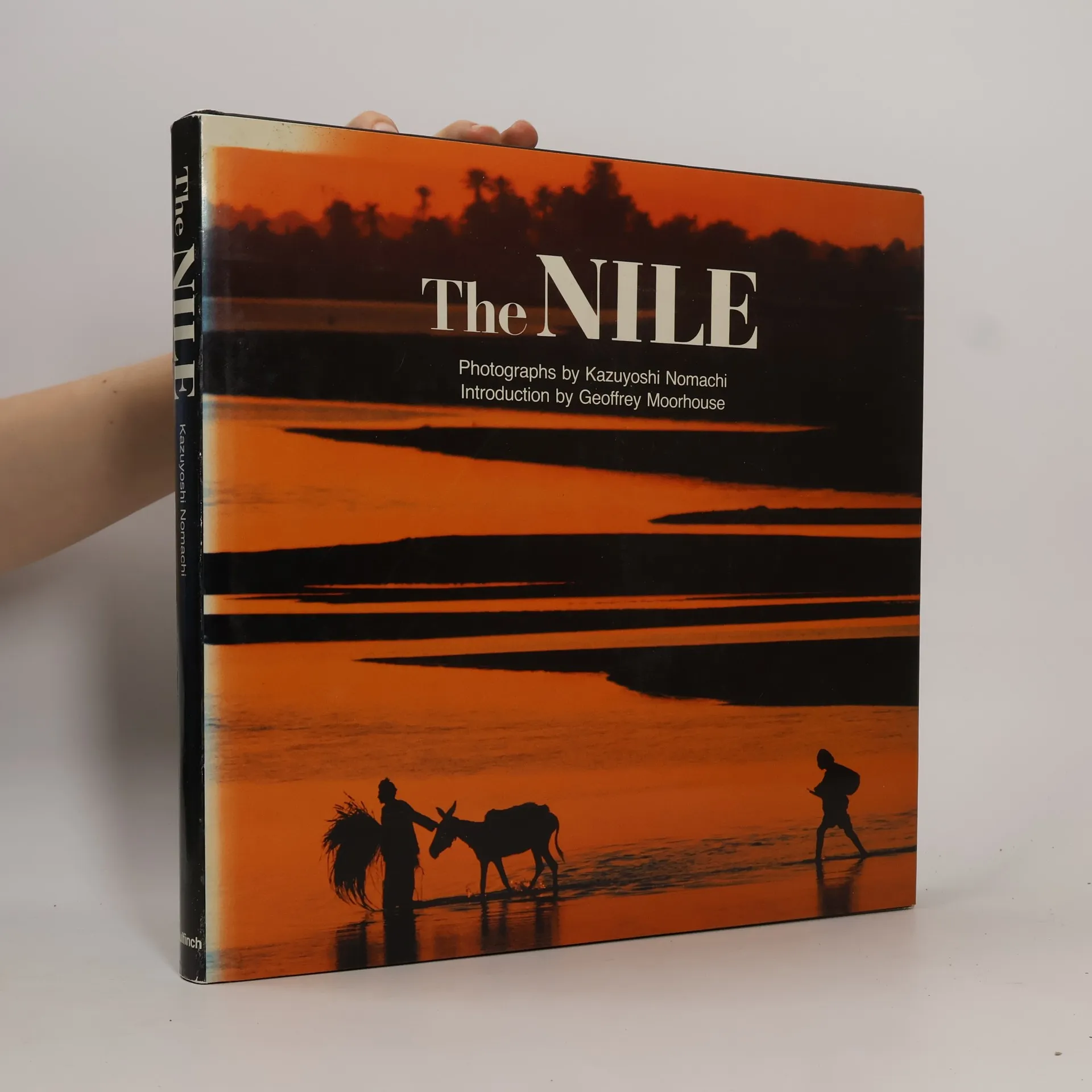
The splendors of the Egyptian Nile--from Aswan and Luxor to Cairo and Alexandria--are captured in this extraordinary book. Nomachi made three arduous journeys in the course of compiling this photographic record--from the Nile on its upper reaches to one of its sources in the Ruwenzori Mountains. These photos represent a superb artistic achievement. 189 color photos, 4 maps.
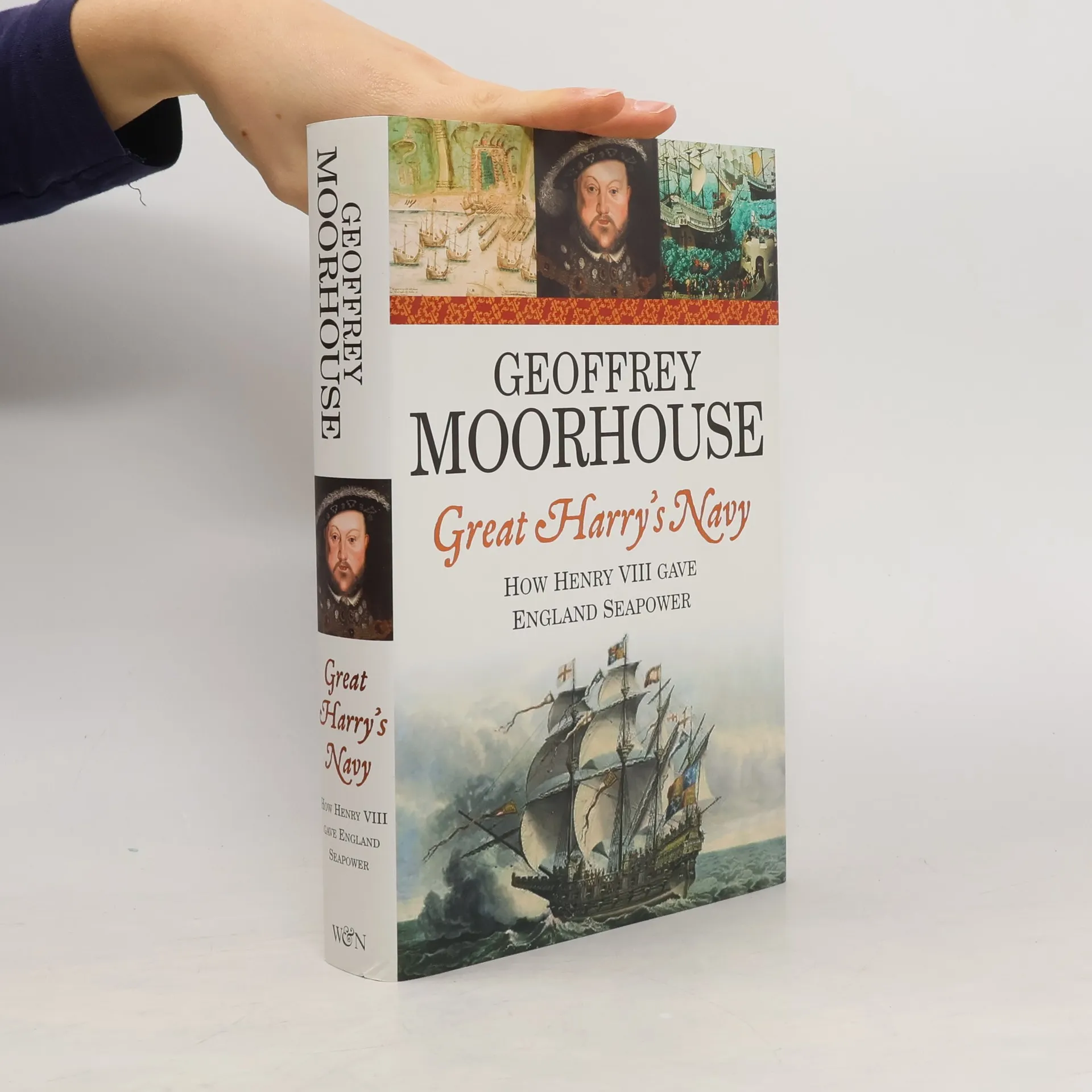
Protesting the king's betrayal of the "old" religion, his new taxes, and his threat to the rights of landowners, the poor and the powerful united against Henry VIII, raising an army of 40,000. Under the influence of the charismatic, heroic figure of Robert Aske, most of the Northern nobility joined the rebellion and gathered for battle at Doncaster where they would have outnumbered the king's soldiers by 4 to 1. But Aske was persuaded by the king's men to abandon military force and negotiate terms in London. Once there he was arrested, charged with treason and hanged in chains.
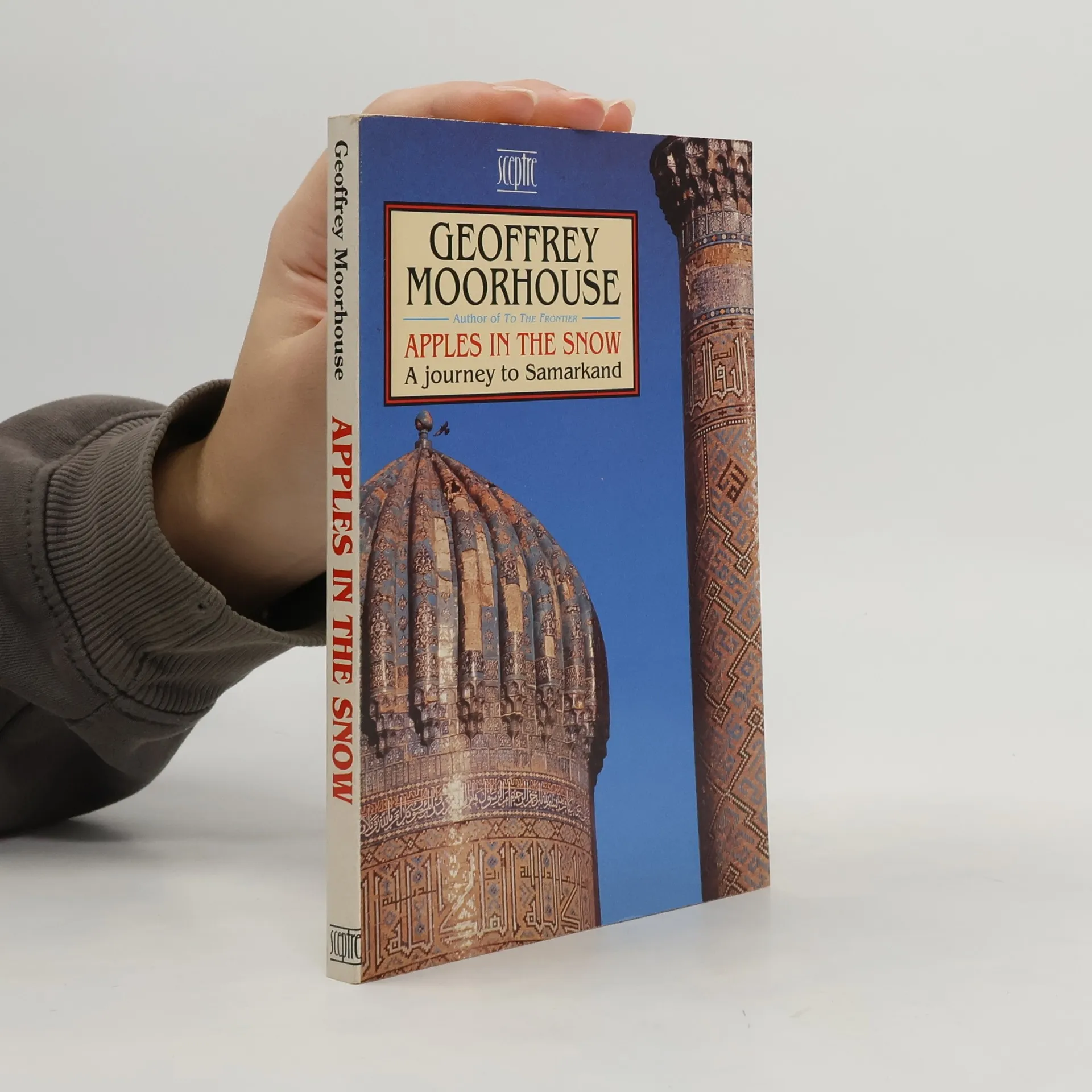
Starting near the roof of the world on the Soviet Union's border with China, Geoffrey Moorhouse's journey through Central Asia winds across mountains, steppes and desert as well as the path of the retreating Red Army before reaching Tamburlaine's tomb in Samarkand. In this sequel to his award-winning book 'To the Frontier', he blends the dramatic history of this wild region with an absorbing, vivid portrait of its present.
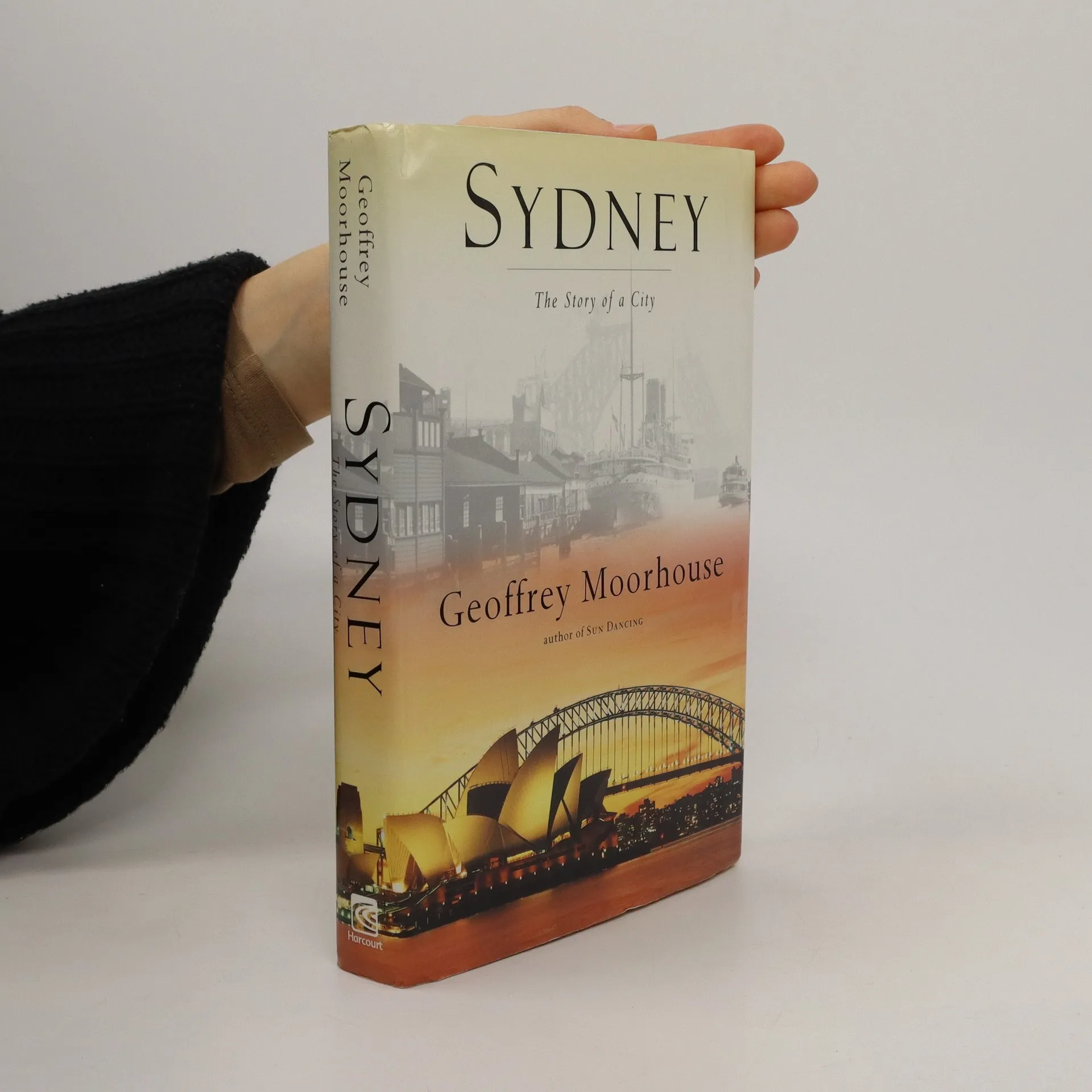
Sydney's harbor establishes it as one of the most attractive modern cities, but its beginnings suggest something different. In 1770, the British Parliament saw the area as a solution to England's overcrowded prisons. On arriving at the harbor, the first "convicts" found themselves in one of the hottest climates in the world, and were greeted by aboriginal natives whose curiosity was matched only by their desire for the newcomers to leave. Sydney is a place where gravestones have such inscriptions as "Be ready mates, that's all!," where people wear shorts and sandals to one of the most renowned opera houses in the world, where the working man fights for what he's got and never backs down. Geoffrey Moorhouse brilliantly describes the city, its appetites, and its character-from its colonial beginnings to its becoming the host city of the 2000 Olympics. His curious knowledge, remarkable insight, and marvelous storytelling capture Sydney's warmth, texture, resilience, and loyalty.
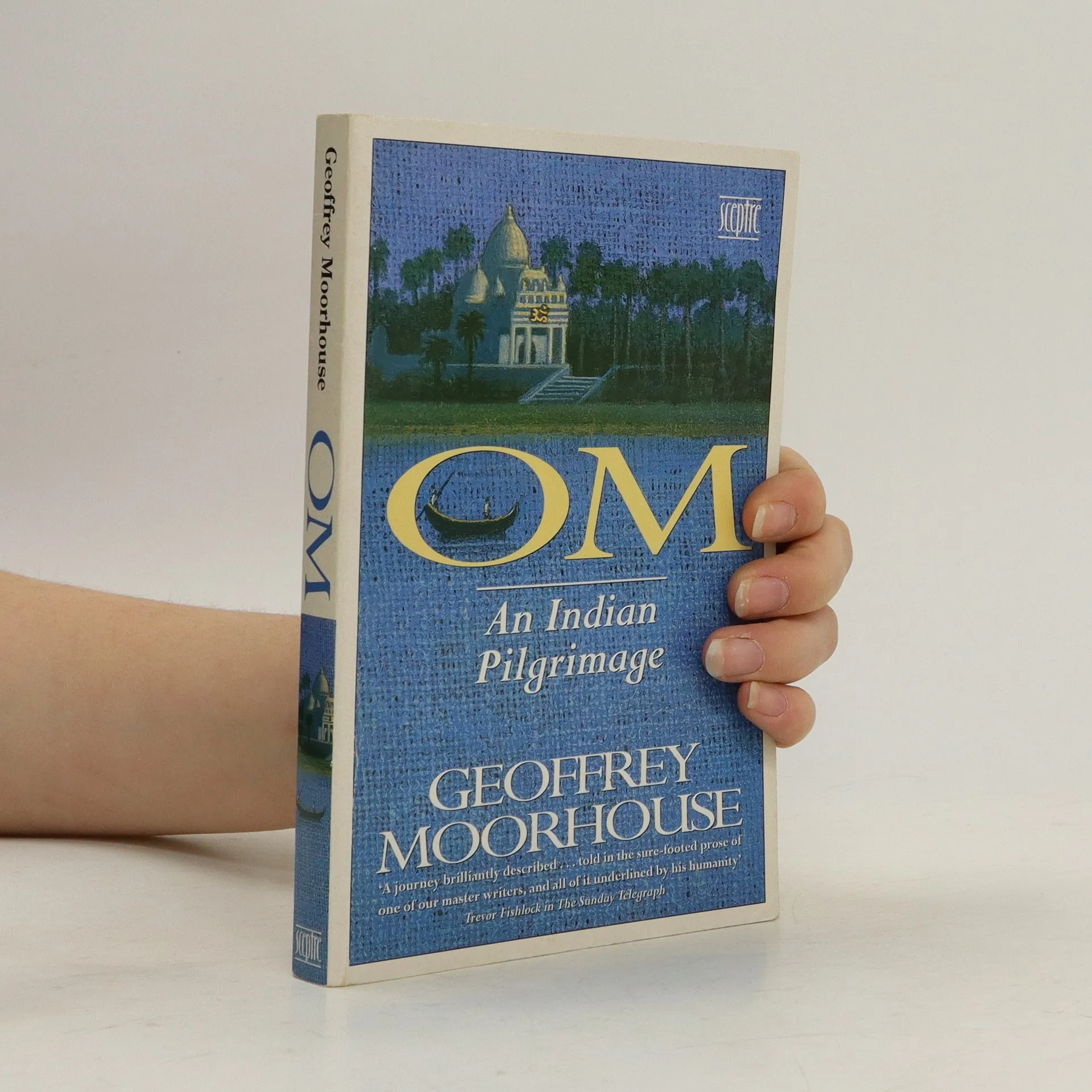
An account of Geoffrey Moorhouse's three-month journey through southern India, ranging from scenes of beauty to poverty-stricken despair, from encounters with politicians and princes to faith-healers and beggars.
Photographs reveal the Nile River and its two tributaries, the White and Blue Niles, and the ways of the people who have built their lives along the river banks throughout its length
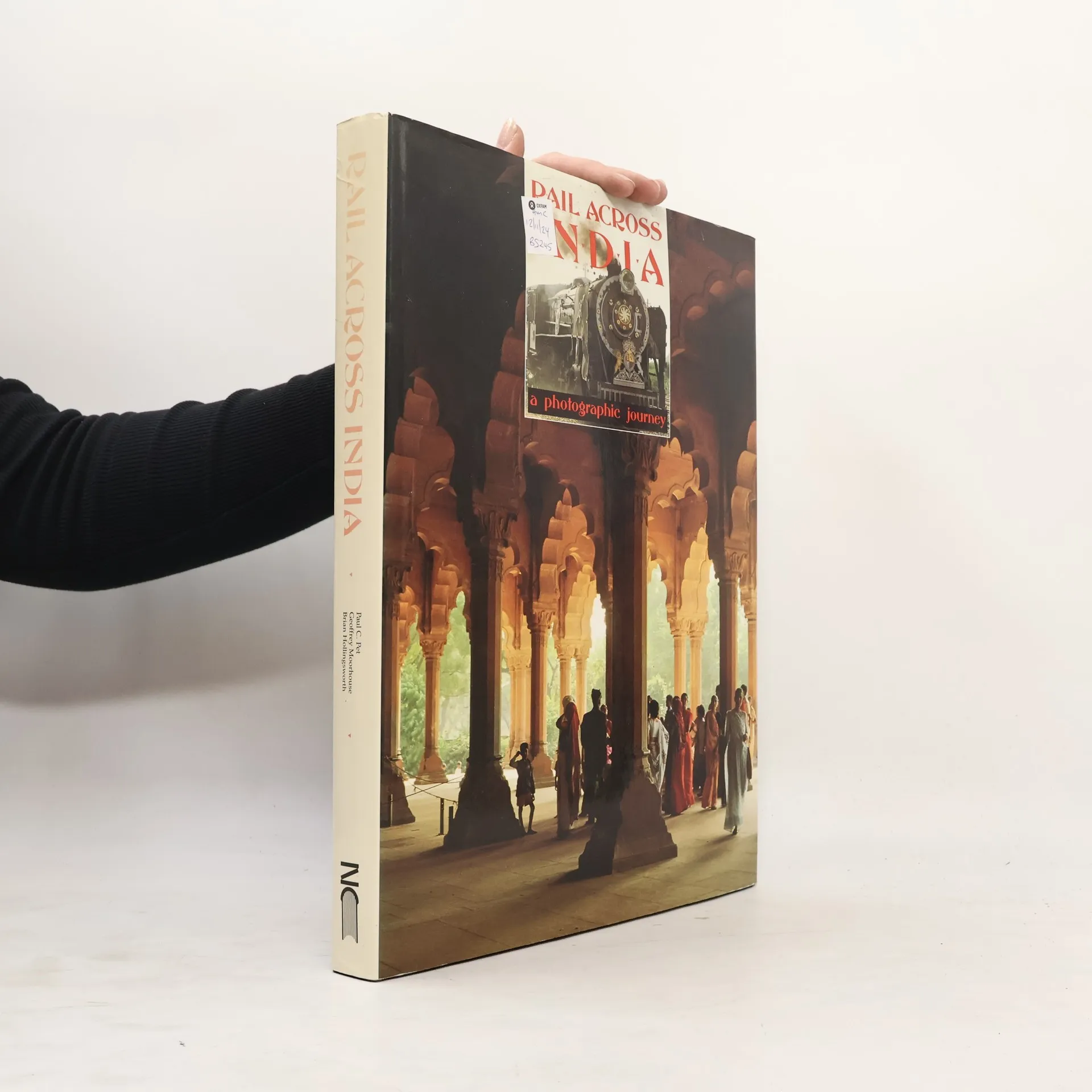
Photographs of the scenery, trains, and social life of India are accompanied by a description of a train ride and a discussion of the country's railway system.