

Knihobot

Richard Evans Farson

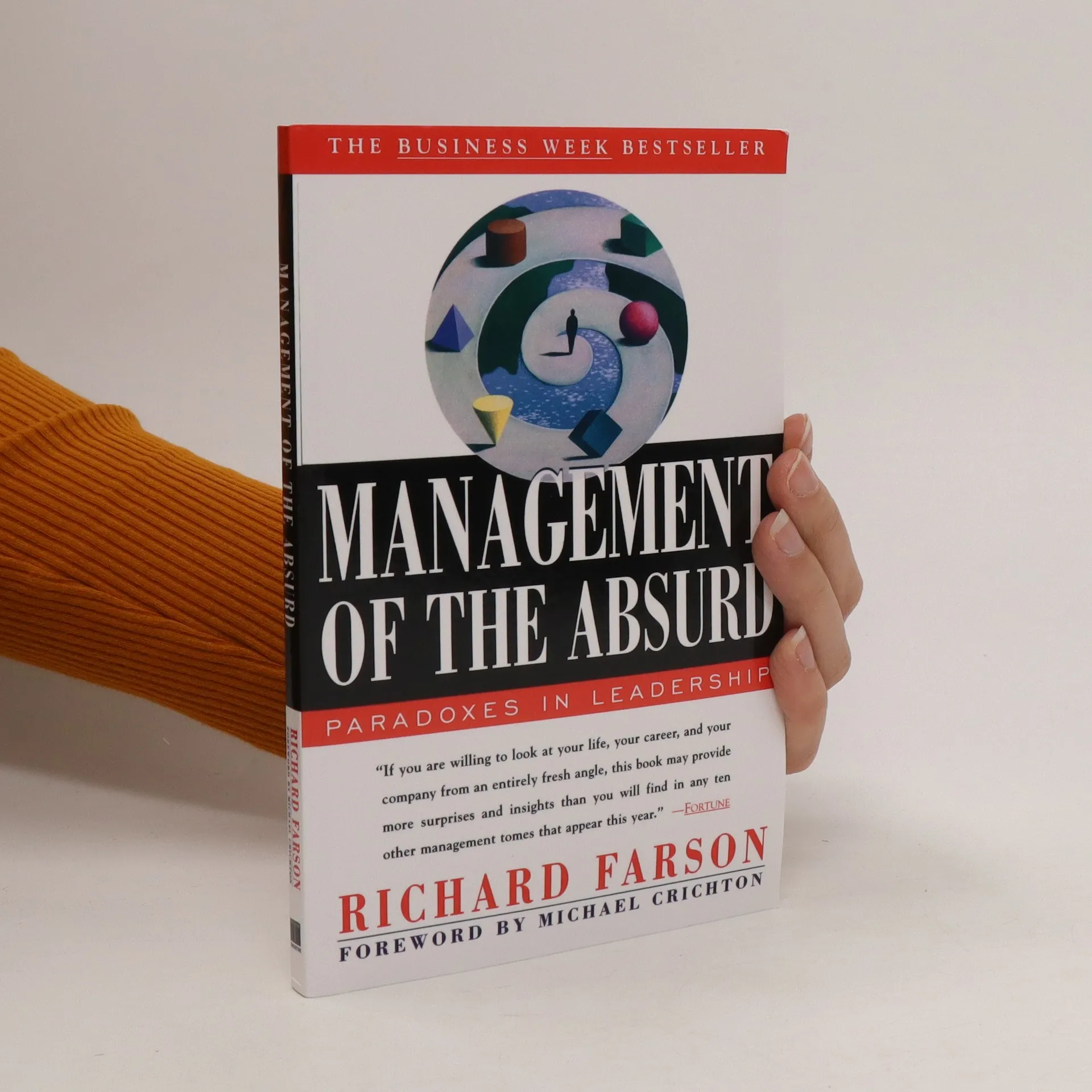
    Management of the absurd : paradoxes in leadership
    Active Listening
    • Active Listening, a concise work by Drs. Carl R. Rogers and Richard E. Farson, introduces the counselling technique of active listening to a broader audience, particularly focusing on its application in employer-employee interactions. Carl R. Rogers, a pioneer of the "client-centered" approach to psychotherapy, is often regarded as the most influential psychotherapist, surpassing even Sigmund Freud. He established the University of Chicago's counselling clinic and traveled globally to apply his theories in politically and socially tumultuous regions. Richard E. Farson, who studied under Rogers, became a significant figure in research institutions and co-founded the Western Behavioral Sciences Institute. Together, they produced several projects, including a notable group therapy session that won an Academy Award. Active Listening outlines a communication method essential for counselling and conflict resolution. Unlike passive conversation, active listeners engage actively, helping speakers articulate their issues. This involves restating what the speaker has said to confirm understanding and ensure the speaker feels heard. The technique emphasizes empathy, requiring listeners to grasp not just the words but also the emotions conveyed through various cues. While powerful, this practice demands inner security and courage, as it can challenge one's sense of self. Written in accessible language, the work aims to equip non-clinicia

      Active Listening
    • An original, contrarian philosophy that challenges today's leaders to look past the quick fix and deal thoughtfully with the real complexities of managing people.In organizations, as in life, human behavior is often irrational -- and problems do not easily lend themselves to the simplistic answers and gimmickry offered in the myriad business "self-help" books and management training programs available today. In Management of the Absurd, Richard Farson zeros in on the paradoxes of communication, the politics of management, and the dilemmas of change, exploring relationships within organizations and offering a unique perspective on the challenges managers face.

      Management of the absurd : paradoxes in leadership