


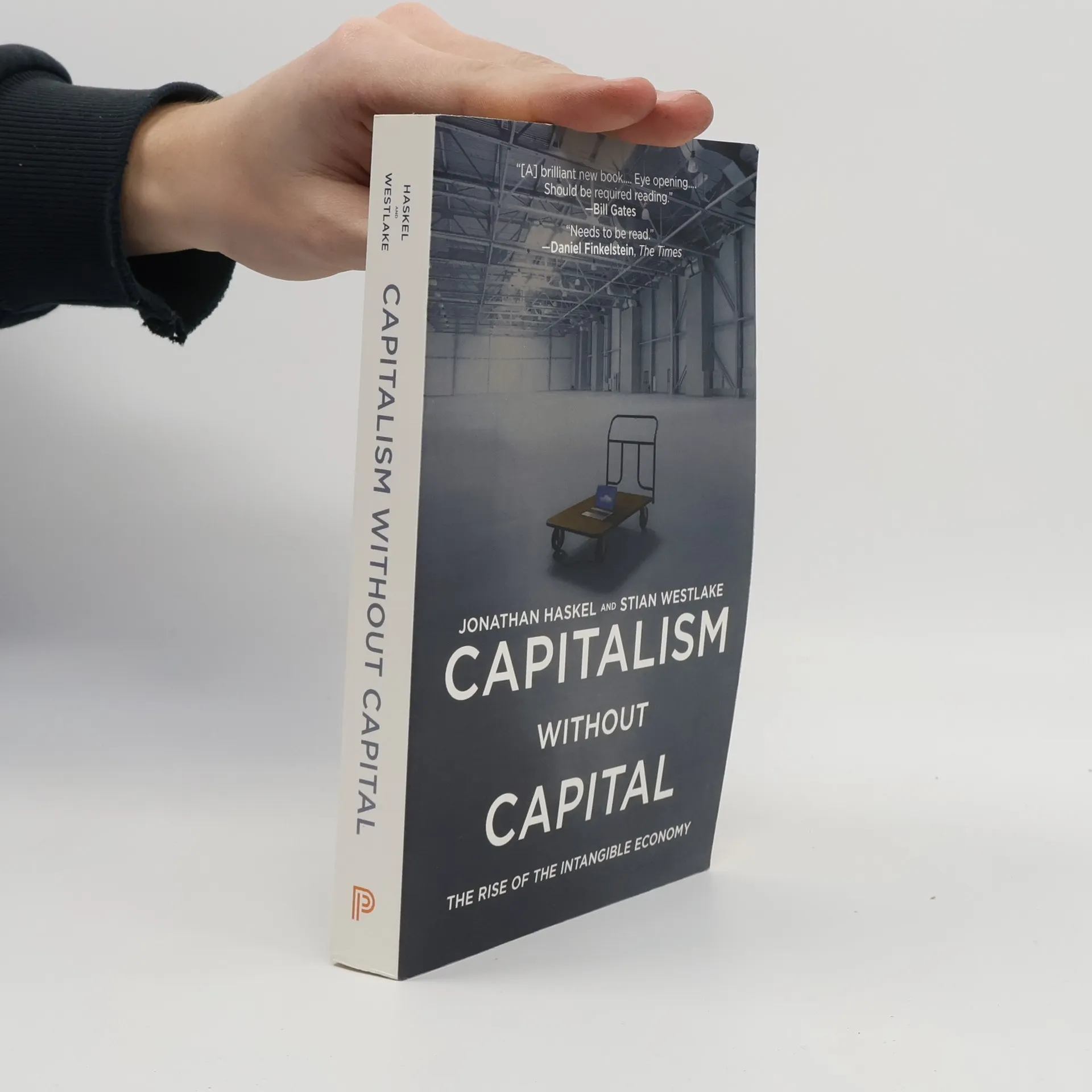
Restarting the Future
- 320 stránek
- 12 hodin čtení
The book explores the significant economic challenges stemming from our inability to adapt to an economy reliant on knowledge, ideas, and relationships. It delves into the difficulties of this transition and proposes solutions in public policy, business, and finance. The troubling state of wealthy economies—characterized by low productivity growth, high inequality, populist instability, and the climate crisis—can be traced back to an incomplete shift from tangible to intangible capital. A key issue is the slowdown in intangible investment since the financial crisis, exacerbated by inadequate institutions and strategies to promote and channel this investment effectively. Notably, many who resist the emergence of new institutions are not the expected "left-behinds," but rather affluent individuals and established organizations, including wealthy retirees and traditional financial institutions. The authors examine various attempts to address these institutional challenges, highlighting innovative policy experiments and business strategies within the context of the intangible economy. They discuss city policy, business finance, public investment, competition policy, and strategies for mitigating climate change. The book concludes with a political program aimed at overcoming the initial hurdles of this evolving economy.