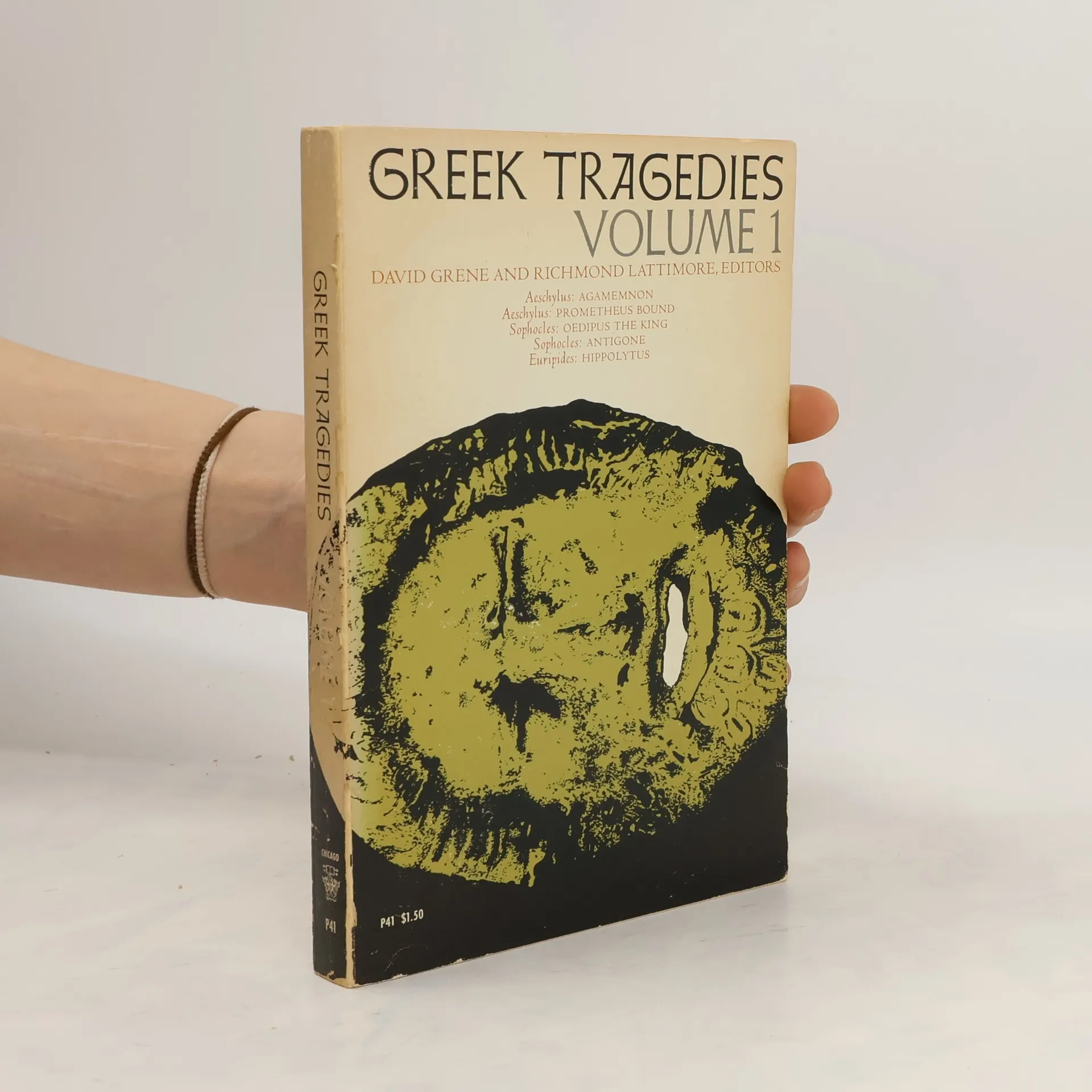
In three paperback volumes, the Grene and Lattimore editions offer a selection of the most important and characteristic plays of Aeschylus, Sophocles, and Euripides from the nine-volume anthology of The Complete Greek Tragedies. Over the years these authoritative, critically acclaimed editions have been the preferred choice of more than three million readers for personal libraries and individual study as well as for classroom use.
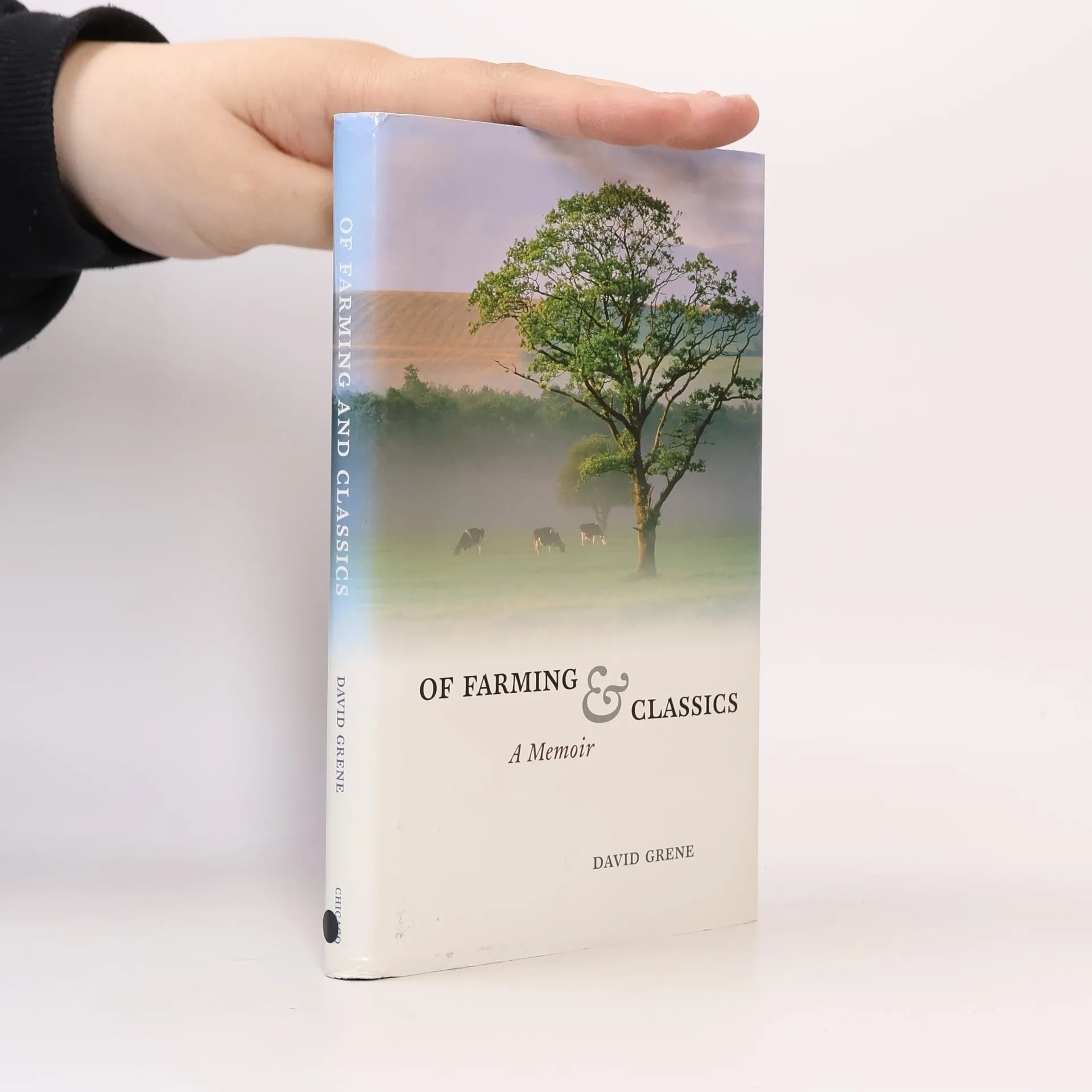
A fiercely independent thinker, colorful storyteller, and spirited teacher, David Grene devoted his life to two things: farming, which he began as a boy in Ireland and continued into old age; and classics, which he taught for several decades that culminated in his translating and editing, with Richmond Lattimore, of The Complete Greek Tragedies . In this charming memoir, which he wrote during the years leading up to his death in 2002 at the age of eighty-nine, Grene weaves together these interests to tell a quirky and absorbing story of the sometimes turbulent and always interesting life he split between the University of Chicago—where he helped found the Committee on Social Thought—and the farm he kept back in Ireland. Charting the path that took him from Europe to Chicago in 1937, and encompassing his sixty-five-year career at the university, Grene’s book draws readers into the heady and invigorating climate of his time there. And it is elegantly balanced with reflections stemming from his work on the farm where he hunted, plowed and regularly traveled on horseback to bring his cows home for milking. Grene’s form and humor are quite his own, and his brilliant storytelling will enthrall anyone interested in the classics, rural Ireland, or twentieth-century intellectual history, especially as it pertains to the University of Chicago.
Antigona pohřbí svého bratra i přes zákaz krále Kreona, který se obětavě, ale poněkud umanutě snaží obnovit blahobyt morem zdevastovaných Théb. Je chycena a poslána na smrt. S tím nesouhlasí její snoubenec, syn krále Kreona, Haimon, a tak spáchá sebevraždu. Když se to dozví jeho matka, taktaké spáchá sebevraždu. Králi Kreonovi nezbude vůbec nic. Takto je potrestán za svoji pýchu, která i jeho dobré skutky proměnila v zaslepené. Sbor je vypravěčem. Posouvá děj dopředu a je i rádcem krále, ale je nejednotný. Část sboru souhlasí s tím, aby poslal Antigonu na smrt, druhá část včetně věštce by nechala Antigonu jít. Druhá část sboru by dovolila i pohřbít druhého bratra. S tím král nesouhlasí a řídí se podle sebe a první části sboru. Antigona je dcera bývalého krále. Snaží se o to, aby oba bratři měli stejná práva. Ráda by měla i podporu sestry, ale k ničemu ji nenutí. Její společný rys s králem je, že si myslí, že dělá správnou věc a že je podobně neústupná.