

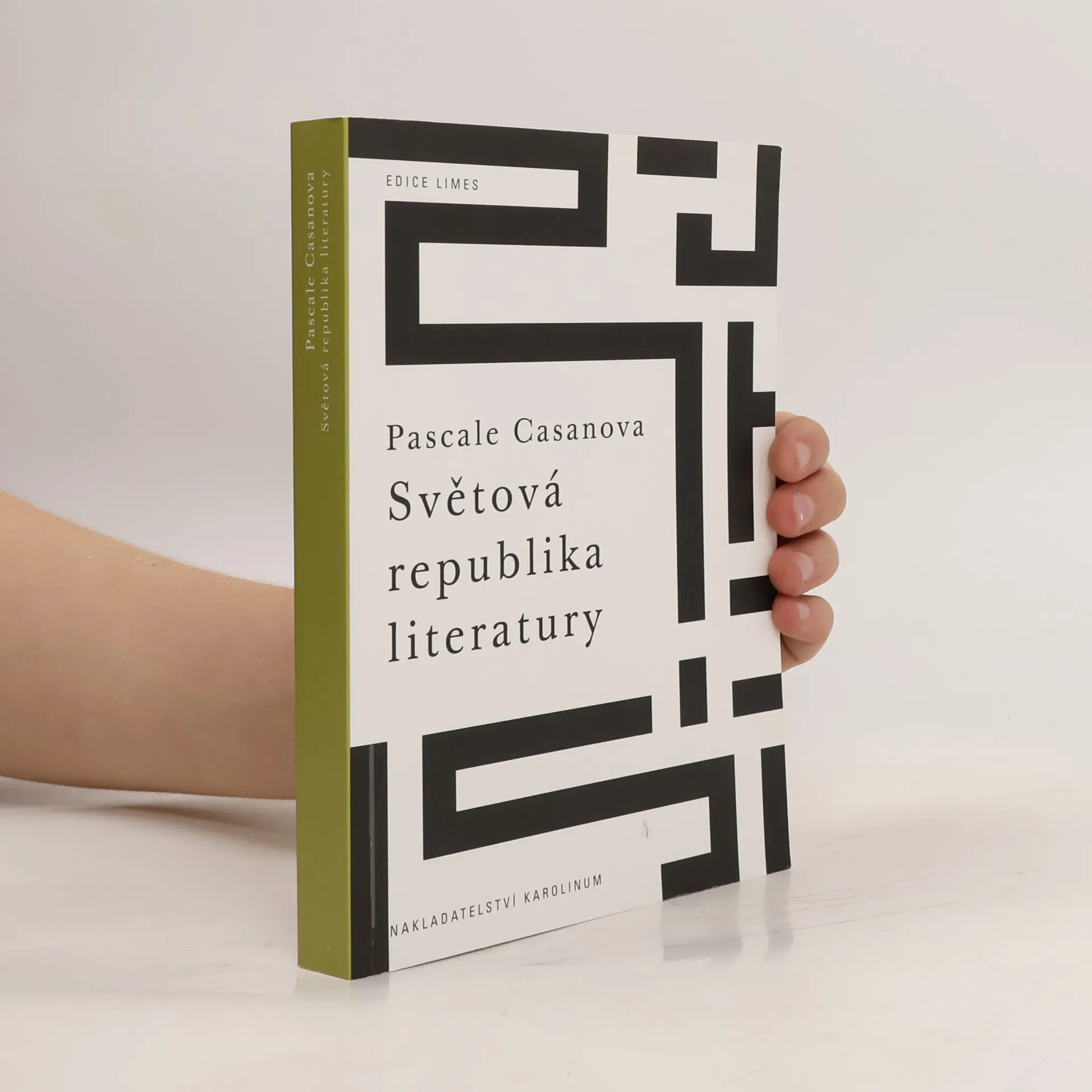
Kniha, jež byla přeložena do více než dvanácti jazyků, je originální analýzou jak porozumět vzniku, šíření a celosvětovému hodnocení literatury. V první části autorka, francouzská literární kritička a socioložka, popisuje vznik mezinárodního literárního prostoru, přičemž jeho kořeny nalézá již v polovině 16. století, kdy se v boji proti nadvládě latiny začal utvářet francouzský "literární kapitál", a to především překládáním a napodobováním klasických starořeckých a římských vzorů. V prostředí literární konkurence posléze vznikly další národní literární identity a důsledkem jejich soupeření se vytvořil nadnárodní literární prostor. V druhé části své knihy nazvané "Literární revolty a revoluce" pak ukazuje, jakými prostředky se spisovatelé z literární "periferie" snaží proniknout do centra, a dokazuje, že mezinárodního přijetí a uznání dosahují cestou literárních inovací.
M. B. DeBevoise Pořadí knih (chronologicky)
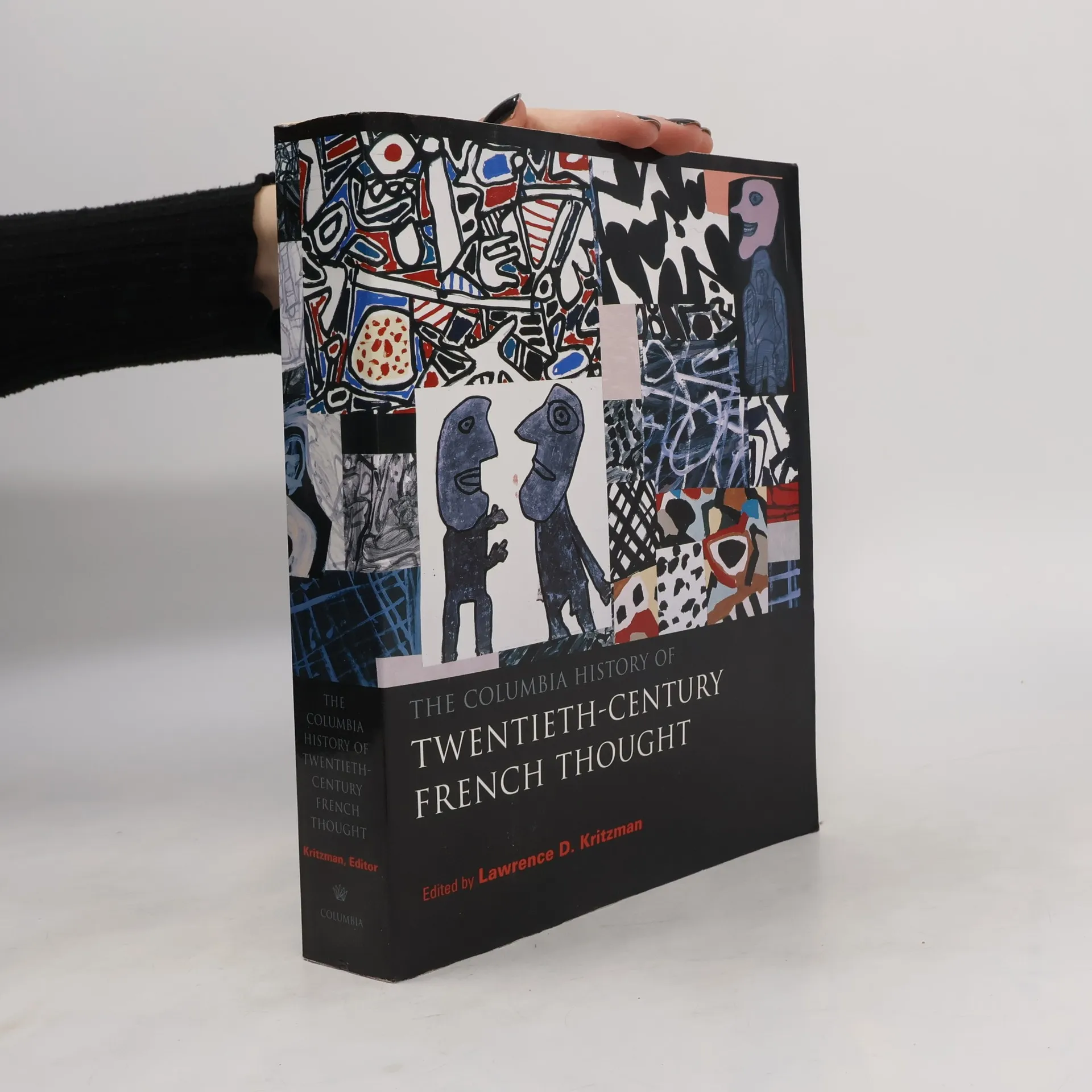
This valuable reference is an authoritative guide to 20th century French thought. It considers the intellectual figures, movements and publications that helped define fields as diverse as history, psychoanalysis, film, philosophy, and economics.
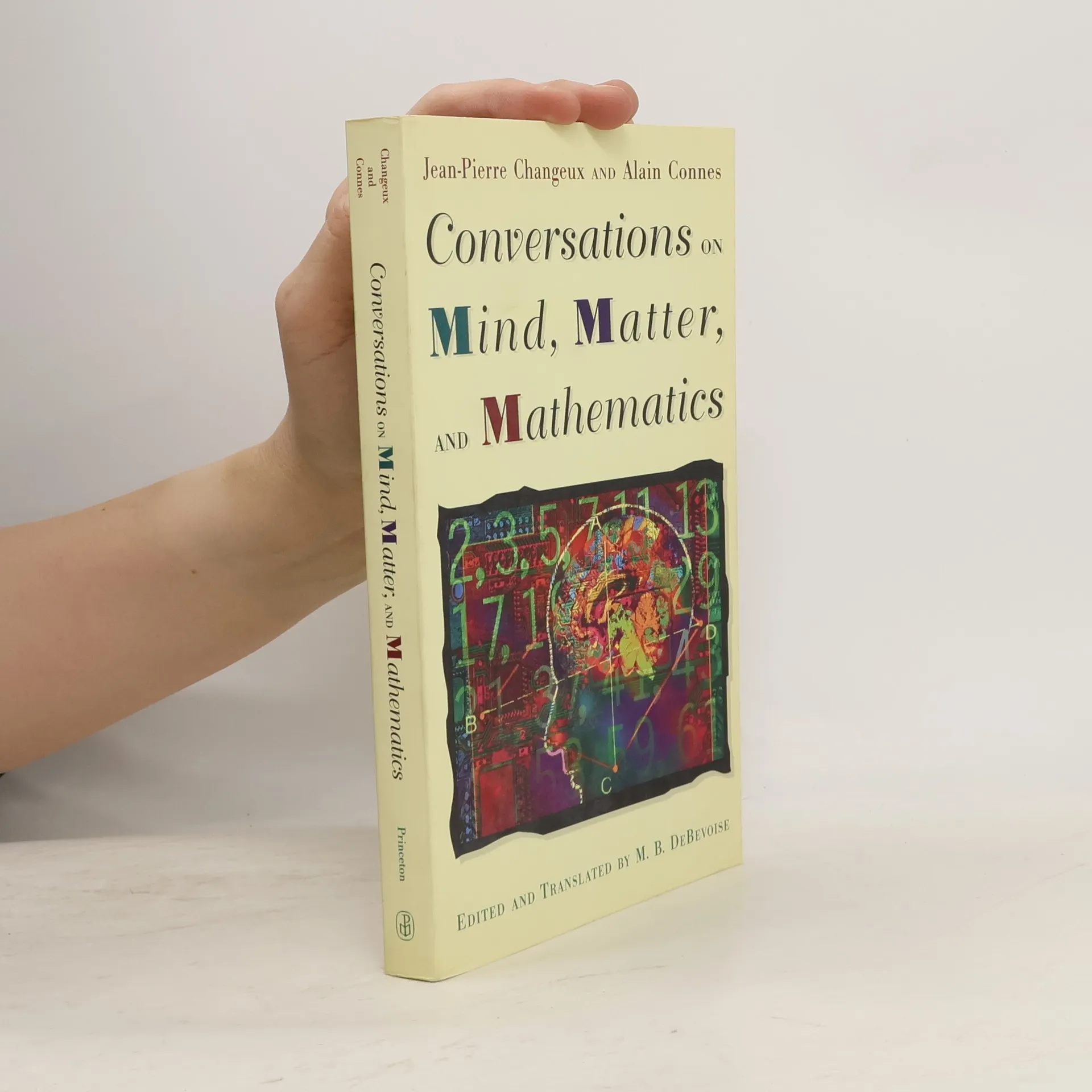
Conversations on Mind, Matter, and Mathematics
- 272 stránek
- 10 hodin čtení
Do numbers and mathematical objects exist independently of human minds, or are they inventions of our cognition? Are they discovered, as Plato suggested, or constructed by us? Is mathematics a universal language capable of facilitating communication with extraterrestrial civilizations, or is it merely a product of human evolution? Do physical laws genuinely adhere to mathematical principles, or do they merely appear to do so because physicists have learned to interpret them mathematically? These fundamental questions create a divide between Jean-Pierre Changeux, a renowned neurobiologist, and Alain Connes, a prominent mathematician. Their discussions explore the implications of mathematical objects on brain organization and function, examining how brain development influences mathematical reasoning and intelligence. They also delve into ethical considerations, questioning the neural foundations of morality and its social expressions. This engaging dialogue reflects a profound disagreement while seeking mutual understanding, echoing the inquiries of Poincaré, Hadamard, and von Neumann about human experience and intellectual limits. Central to their exploration is the inquiry into why order exists in the world and why it is comprehensible to humanity.