
Knihobot

Hugh Barker

    Liczby które kłamią
    Million Dollar Maths
    Faking It
    Lying Numbers
    Quantum Leaps
    • 2024
    • 2021

      Większość ludzi kłamie, co potwierdzają statystyki: 97% mężczyzn i 96% kobiet kłamie przynajmniej trzy razy dziennie. Dorosły kłamie średnio 589 razy w roku, obejmując białe kłamstwa, półprawdy i jawne oszustwa. Celem tej książki jest ukazanie najczęściej spotykanych i najbardziej szkodliwych sposobów nadużywania danych. Autorzy mają nadzieję, że czytelnicy chcą nauczyć się rozpoznawać, kiedy są okłamywani. Zawiera również pytania o psychologię kłamstwa: dlaczego niektórzy milczą, gdy mogliby ujawnić oszustwa? Co motywuje polityków do powtarzania fake newsów? Czy kłamstwo to naturalny instynkt? Hugh Barker prowadzi nas przez sposoby, w jakie media i politycy nadużywają statystyk, ucząc, jak nie dać się nabrać na nierzetelne doniesienia. Książka jest instrukcją krytycznego myślenia, niezbędną w erze fake newsów. Fałszywe statystyki czają się na nas jak wąż w pomidorach, ale po lekturze będziemy wiedzieć, jak się przed nimi bronić. To gorzka pigułka wiedzy w smacznym pasztecie literatury, która z pewnością przypadnie do gustu czytelnikom.

      Liczby które kłamią
    • 2020

      Lying Numbers

      • 256 stránek
      • 9 hodin čtení
      3,6(15)Ohodnotit

      A readily understandable exploration of how figures are badly reported or deliberately misrepresented everywhere from political arguments and briefings to business presentations and shopping offers. Politicians, economists, scientists, journalists . . . all of them have been known to bend the truth and to twist the facts from time to time. But surely the numbers and statistics they rely on are cold, hard objective facts that tell the real story? Of course the truth is much murkier than that. Figures can be misinterpreted, misunderstood, misconstrued and misused in hundreds of different ways. This book takes a look at the many ways that statistical information can be badly reported or deliberately misused in all walks of life, from political arguments, to business presentations, to more local concerns such as shopping offers and utility bills. A polemical guide to how numbers are used to mislead, which is intended to help the reader through the minefield of dubious stats and lying numbers

      Lying Numbers
    • 2020

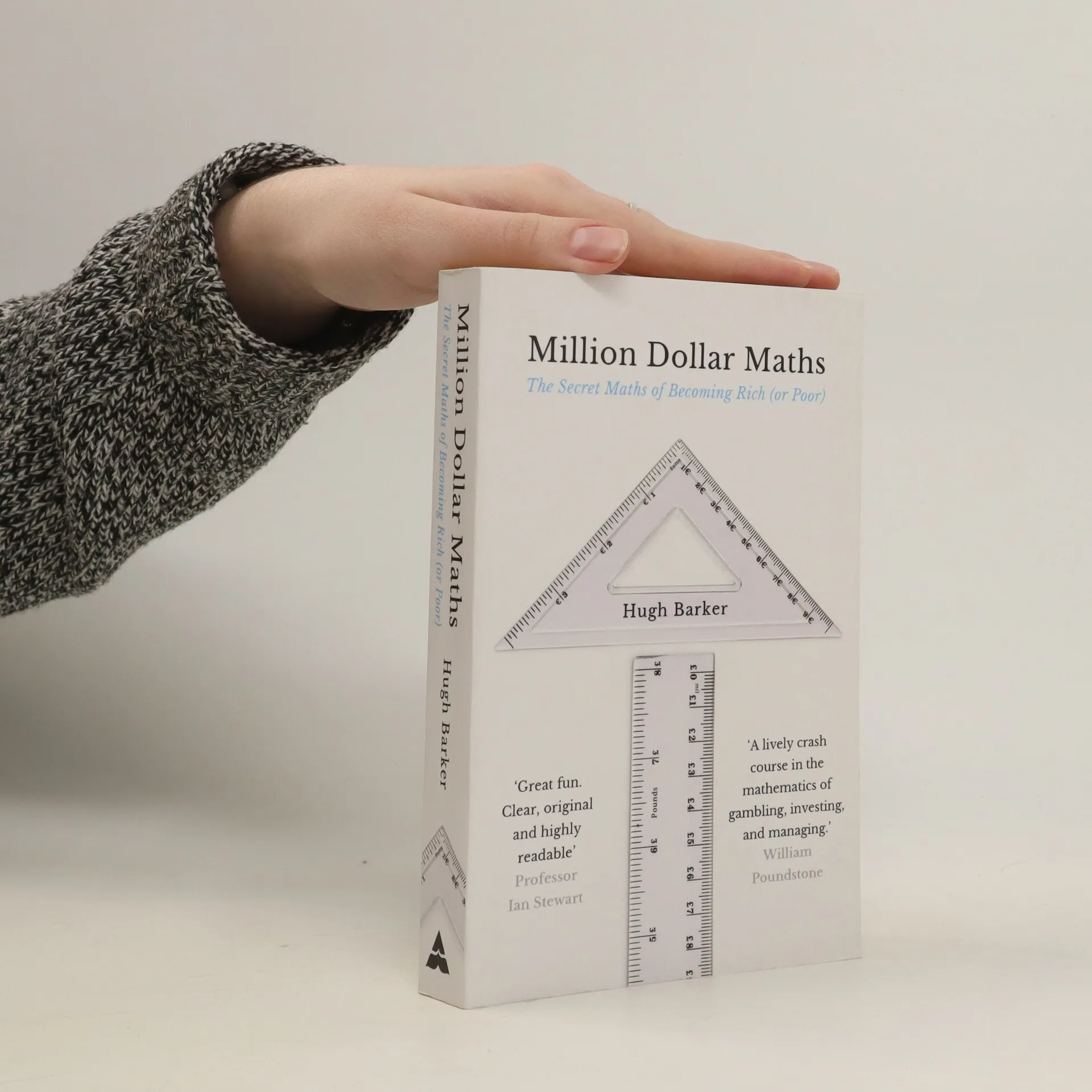
      How can you turn $1000 into $1 million? What is the best way to beat the lottery odds? When is the best time to take out a loan? How did one group of gamblers bet on hole-in-ones to win £500,000? How can maths help you set up a successful tech start-up? What about proving the Goldbach Conjecture for $1 million? Million Dollar Maths is a fun but invaluable guide to the straightforward and outlandish mathematical strategies that can make you rich. Learn the techniques for growing your everyday finances, as well as the common mistakes to avoid. Discover the skills, both fair and foul, that offer an additional edge when investing and gambling. And discover why we often misunderstand probability and statistics - with troubling financial costs. From making the most of special offers to utilising the power of exponential growth in your investments; from the art of card counting, to inventing the next Google, Million Dollar Maths is the quintessential primer to the myriad ways maths and finance intersect.

      Million Dollar Maths
    • 2007

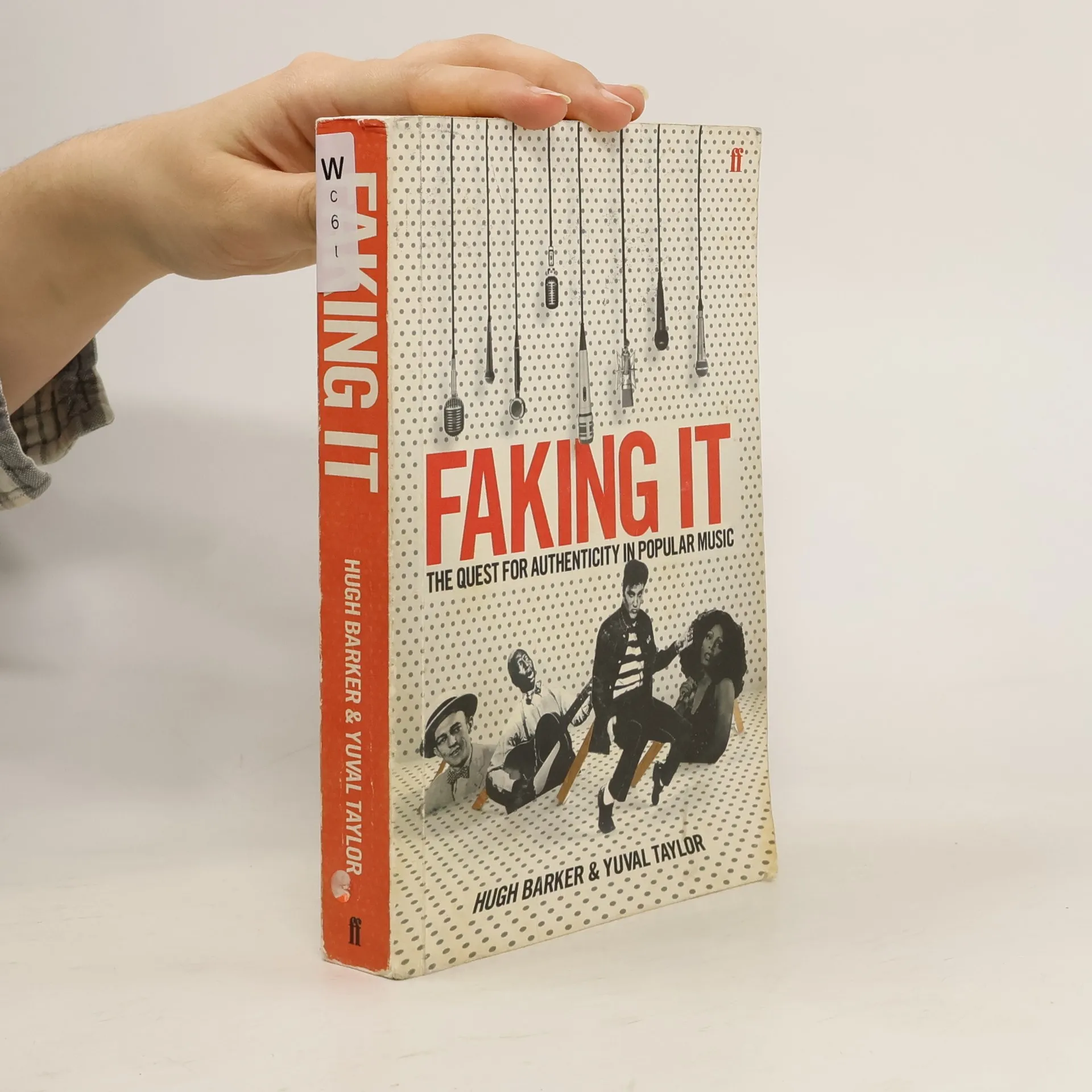
      In the last fifty years,the quest for authenticity, for the 'real,' has become a dominant factor in musical taste whether it be the folklorist's search for forgotten bluesmen, the rock critic's elevation of raw power over sophistication, or the importance of bullet wounds to the careers of hip-hop artists such as 50 Cent. Faking It explodes the myth of what it means to be 'real' and 'fake' in pop music. From 30s blues singer Leadbelly to Moby's use of his singing over half a century later, the appropriation of black music by a predominantly white musical fanbase, Pop Idol, the fact that no one in Cuba listens to Buena Vista Social Club and to Kurt Cobain's suicide note and the fear it expressed of 'faking it'.

      Faking It