
William Vaughan Pořadí knih


- 2021
- 2021
Stíny. V přírodě, životě a umění
- 64 stránek
- 3 hodiny čtení
Jaký je rozdíl mezi vlastním a vrženým stínem? Proč jsou stíny v západním umění tak důležité? Vidíme namísto skutečných předmětů pouze jejich stíny, jak tvrdil Platon? V této krásné knížce nás kunsthistorik William Vaughan provede dějinami stínů, od jejich role ve výtvarném umění až po jejich spojitost se smrtí a podvědomím. Připravte se na to, že po přečtení se možná už nikdy nebudete na svět dívat stejným způsobem!
- 2012
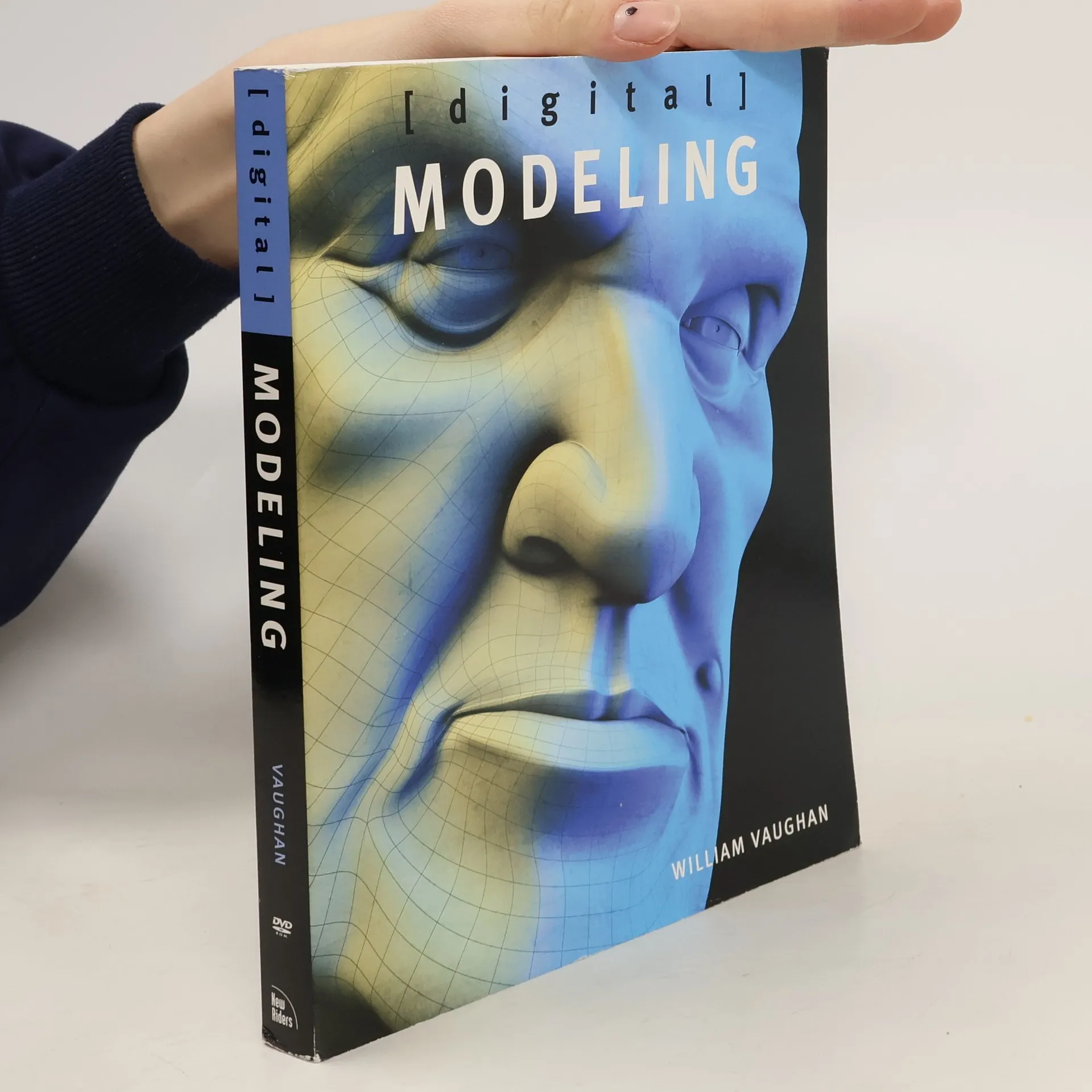
Digital Modeling
- 410 stránek
- 15 hodin čtení
Accompanying DVD includes over six hours of training using specific tools such as LightWave and ZBrush.
- 2007
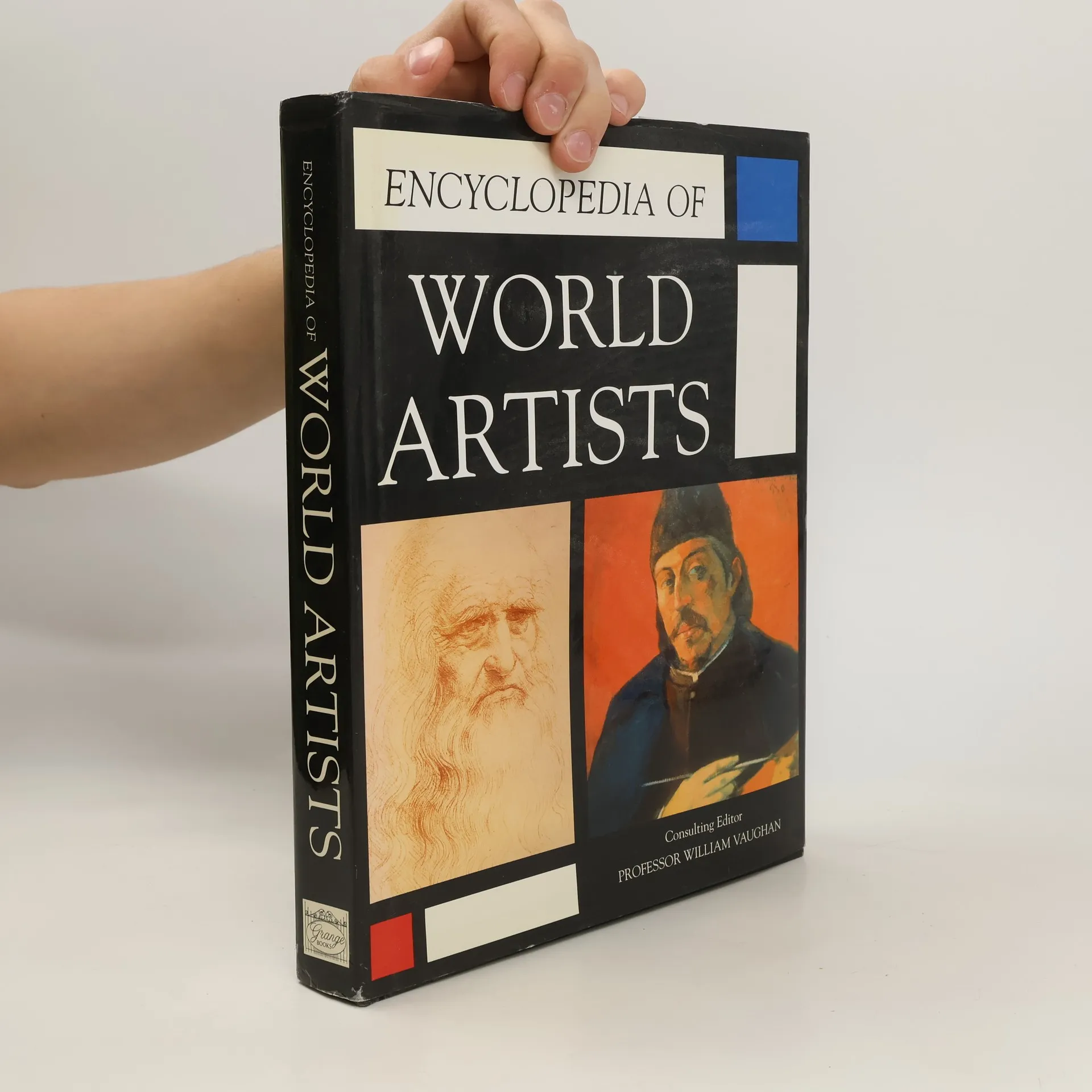
Encyclopedia of World Artists
- 447 stránek
- 16 hodin čtení
This text presents an introduction to some of the greatest artists of the Western world, from Fra Angelico to James Whistler. Commentaries by leading art historians give fresh insights into the featured paintings and sculptures.
- 1978
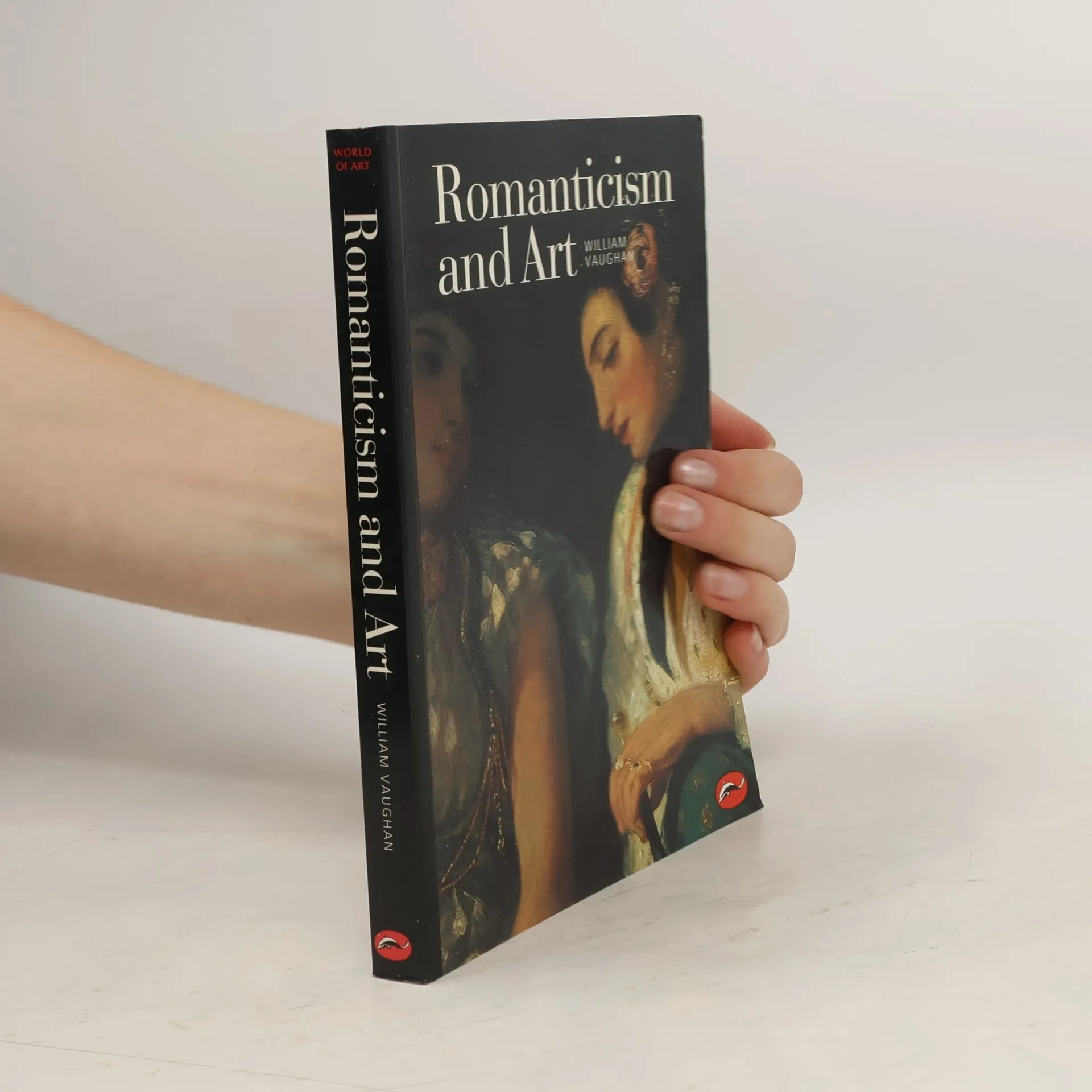
In the age of revolutions, at the end of the eighteenth century, the mental and spiritual life of North America and Europe began to undergo a historic and irreversible change. The ideas of spontaneity, direct expression and natural feeling transformed the arts, encouraging artists to explore the extremes in human nature, from heroism to insanity and despair. Widely praised on its previous appearance as Romantic Art and now revised, William Vaughan's classic study analyzes the achievement of the leading artists of the age - masters such as Goya, Blake, Gericault, Turner and Delacroix - and sets in context a host of fascinating figures in painting, sculpture and architecture: Palmer, Runge, Soane, Gros, Overbeck, Schinkel, Flaxman, Pugin, Bingham and many more. The result is an invaluable account of a dramatic and contradictory artistic epoch.
- 1972
"Works of the German romantic painter who is best known for his later allegorical landscapes, which feature contemplative figures silhouetted against night skies, morning mists, barren trees, and Gothic ruins."--Caspardavidfriedrich.org
