A new narrative of human origins is emerging, driven by fresh evidence about our species and a shift in evolutionary thinking. Researchers now acknowledge the distinct evolutionary path humans have taken compared to other animals. While gaps remain, this book outlines seven key points in our ancestral story, detailing the evidence supporting each. It begins seven million years ago with ape ancestors, who are also the forebears of modern chimpanzees and bonobos. The second point, three million years ago, features an upright-walking ape that thrived outside forest environments. Next, we learn about early humans from one and a half million years ago. The fourth point, 100,000 years ago, highlights anatomically modern humans in Africa. The fifth point, 30,000 years ago, occurs during the last ice age, a time when our ancestors developed more complex cultures. The sixth point marks a period of rapid cultural evolution following the ice age's end. Finally, the narrative reaches the transformational era beginning in the 1700s, which we now refer to as Modern Times. Uniquely, the book employs a narrative style, illustrating the lives and challenges faced by our ancestors, making it an engaging read for those interested in human evolution.
Lesley Newson Knihy


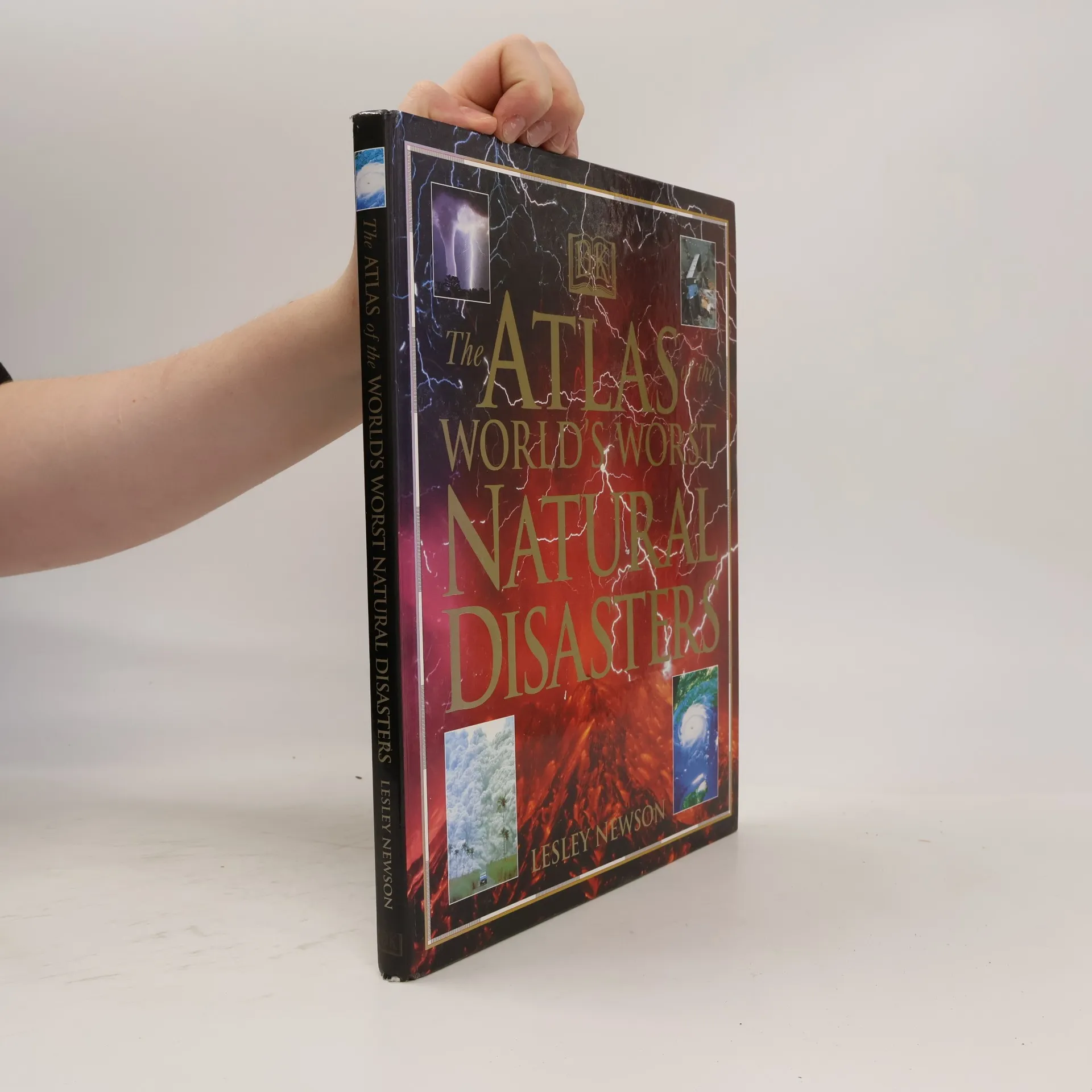
Accounts of what happened during the world's most significant natural disasters. Everything from volcanic eruptions to meteorite strikes.
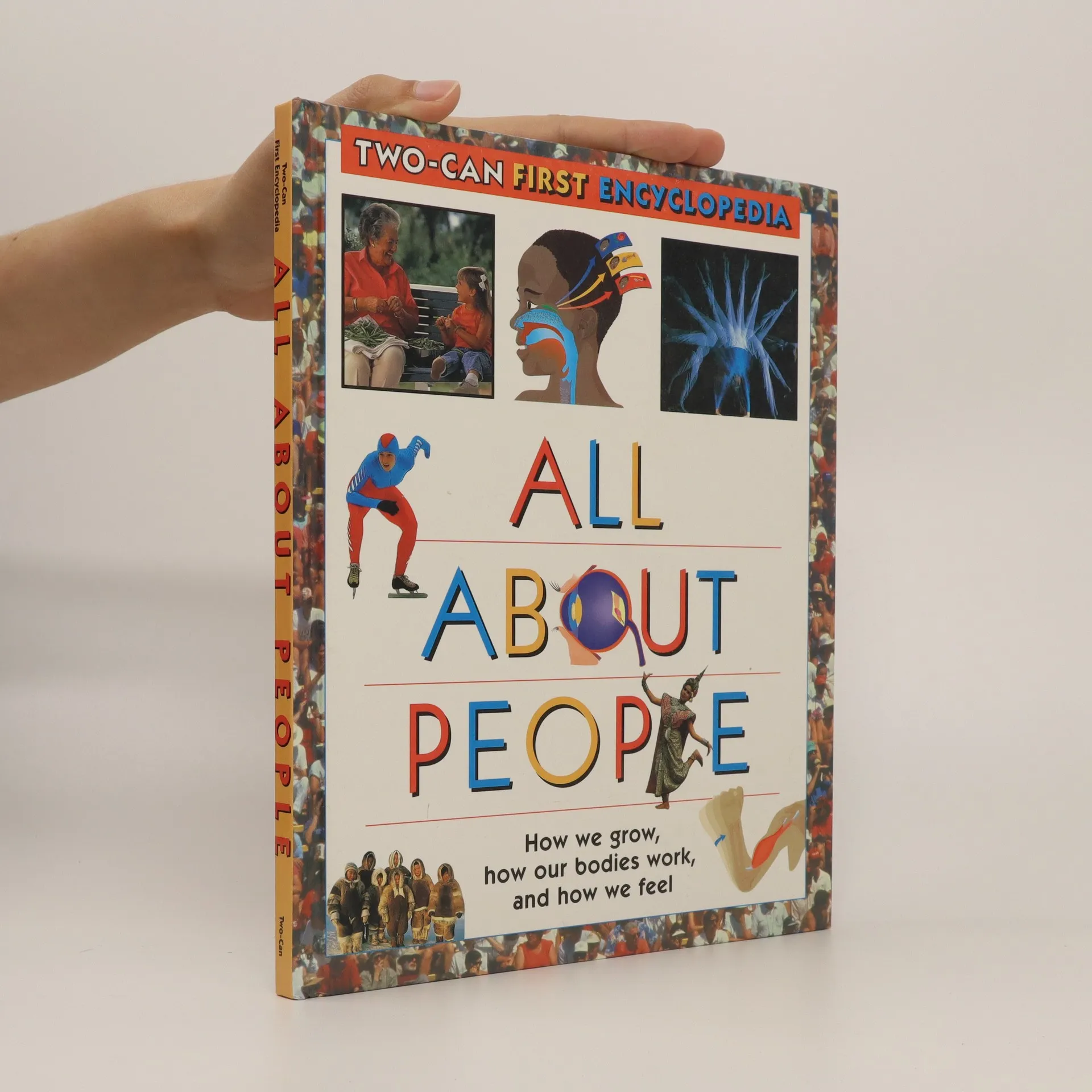
All About People
- 93 stránek
- 4 hodiny čtení
Easy explanation of emotional, physical, and social world.
De la préhistoire à nos jours, une sélection des plus grandes catastrophes naturelles dans le monde. Pour connaître et comprendre les forces de la nature en furie, des éruptions volcaniques aux ouragans, des incendies aux avalanches, des invasions de sauterelles aux virus les plus meurtrier. Parce que, au cours des 100 dernières années, 1 million de personnes sont mortes des suites directes d'un tremblement de terre, un autre million après divers cyclones, 9 millions dans des inondations... De nombreuses cartes et photographies, un répertoire de plus de 500 catastrophes naturelles permettent de visualiser et d'identifier les zones les plus touchées de la planète.