Dani Rodrik je profesorem mezinárodní politické ekonomie na Harvardu. Jeho práce se soustředí na ekonomickou politiku a její vztah k politice a institucím. Zkoumá, jak mohou země dosáhnout udržitelného růstu a prosperity prostřednictvím vhodných reforem. Rodrik často zpochybňuje konvenční moudrost a podporuje pragmatický přístup k ekonomickým výzvám.
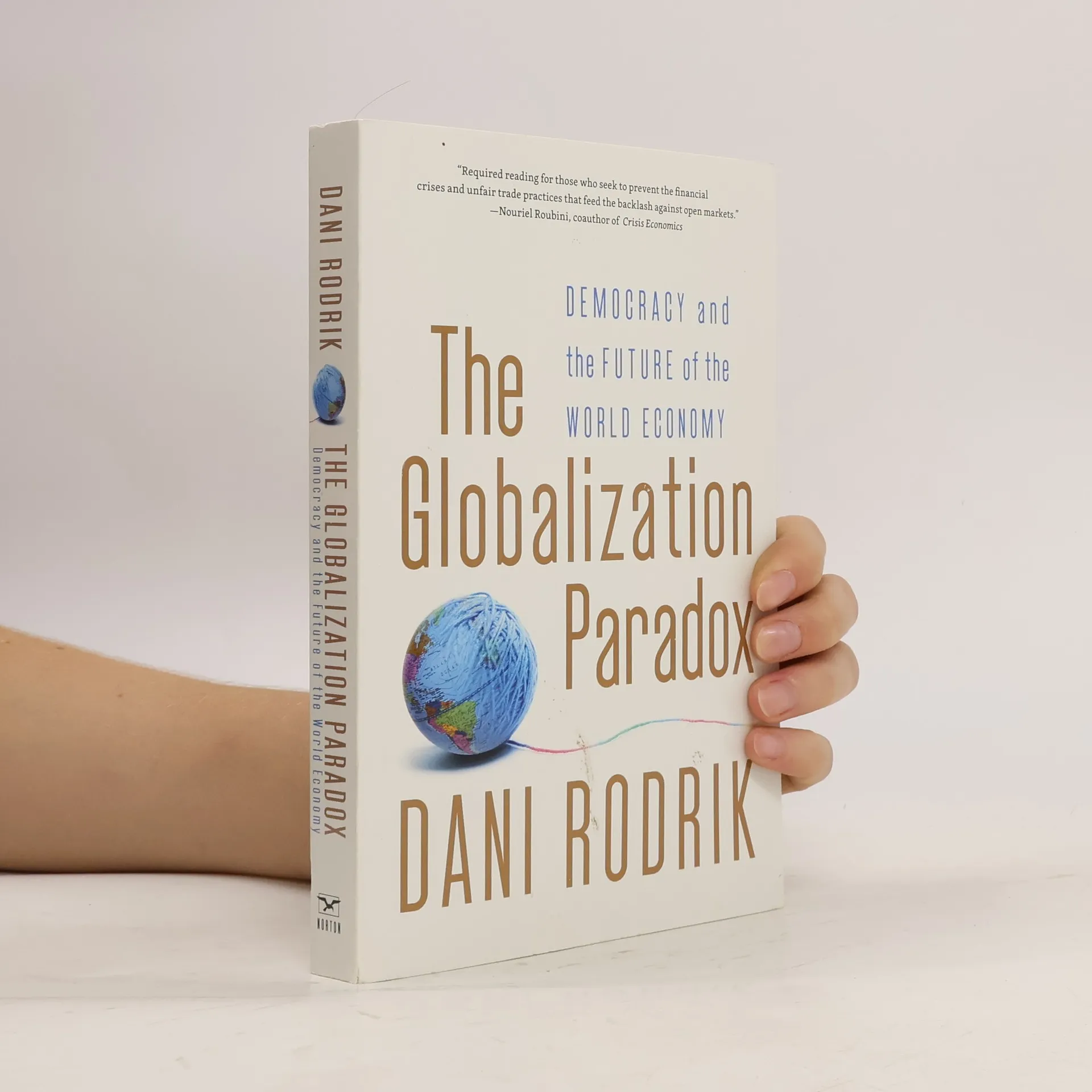
Discusses how democracy and national self-determination cannot be pursued simultaneously with economic globalization and instead promotes customizable globalization with international rules to achieve balanced prosperity.
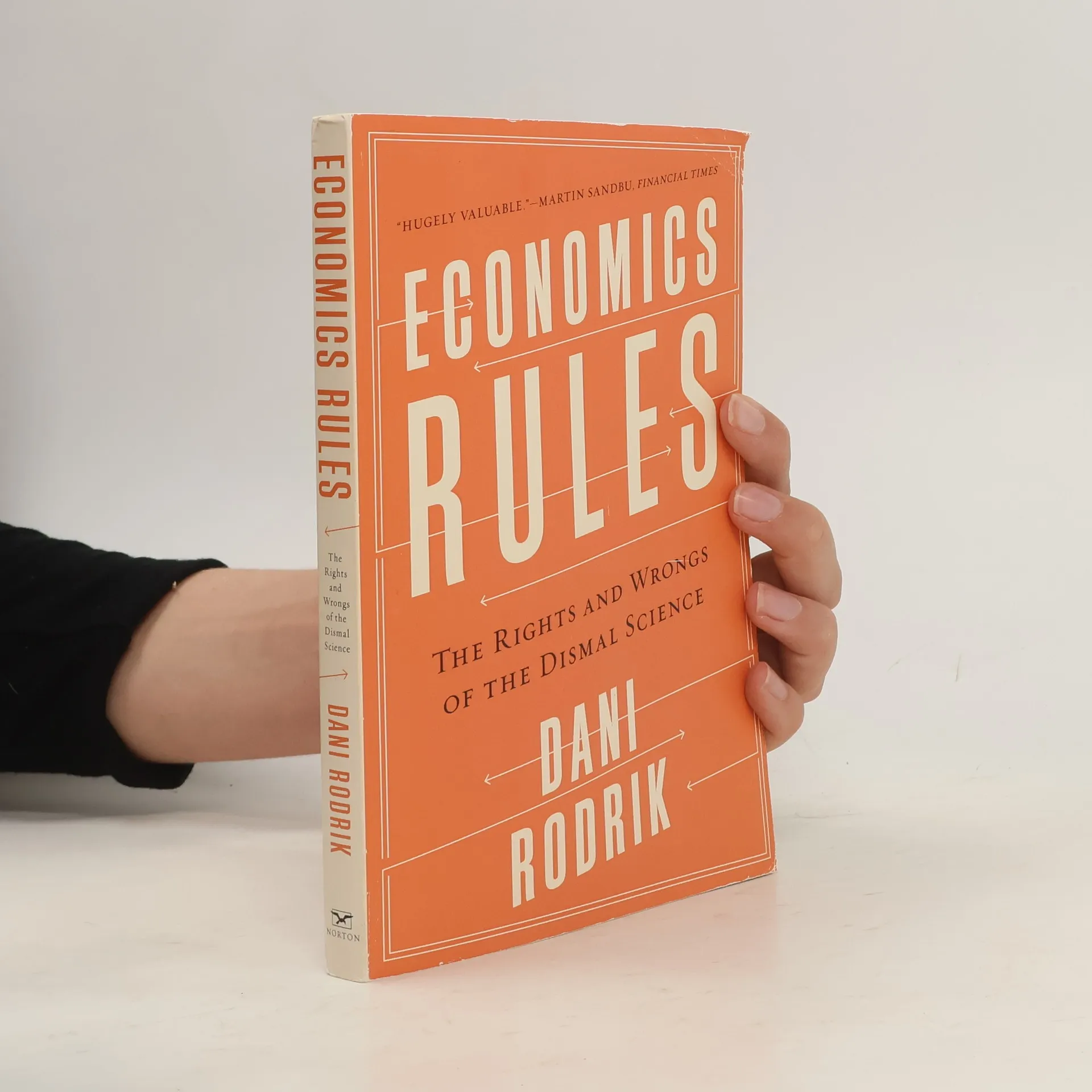
Takes a close look at economics to examine when it falls short and when it works, to give a surprisingly upbeat account of the discipline. Drawing on the history of the field and his deep experience as a practitioner, Rodrik argues that economics can be a powerful tool that improves the world--but only when economists abandon universal theories and focus on getting the context right. Economics Rules argues that the discipline's much-derided mathematical models are its true strength. Models are the tools that make economics a science. Too often, however, economists mistake a model for the model that applies everywhere and at all times
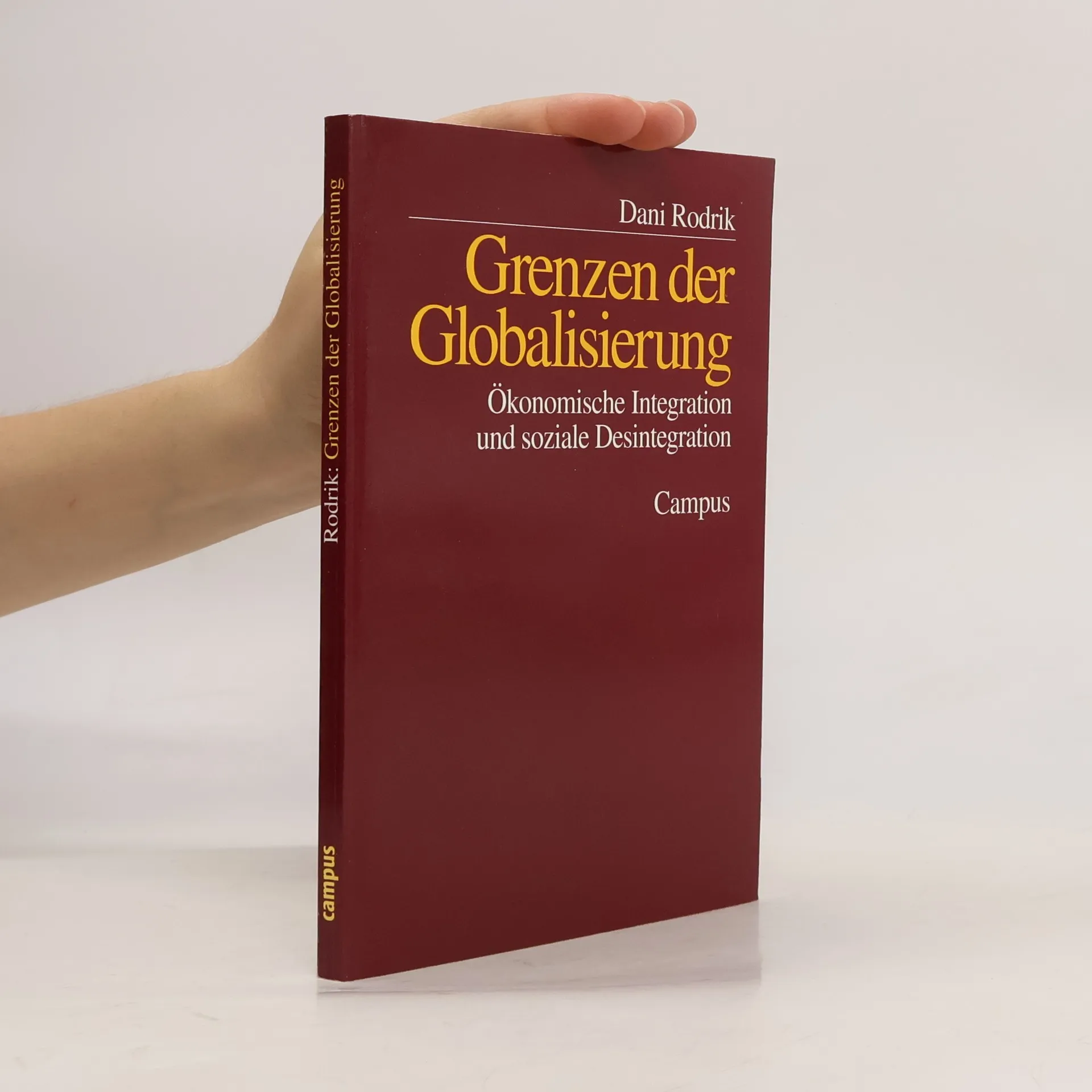
Dani Rodrik, Professor für Internationale Wirtschaft an der Harvard University, stellt zwei Kernfragen: Führt die Globalisierung zur Desintegration nationaler Gesellschaften? Wie können Regierungen die Folgen auffangen? Der Autor kritisiert sowohl die reflexartige Verdammung der Globalisierung, die meist auf ein mangelndes Verständnis der Vorteile und Risiken internationalen Handels zurückgeht, als auch die Ausblendung ihrer sozialen Folgen. Im Mittelpunkt der Studie steht die Untersuchung der Auswirkungen auf Arbeitsbeziehungen und Beschäftigung, soziale Institutionen und Wertesysteme sowie die Systeme der sozialen Sicherung.