Frank Dikötter Pořadí knih (chronologicky)
Frank Dikötter je přední historik, jehož práce zásadně přetvářejí naše chápání moderní Číny. Jeho výzkum se zaměřuje na komplexní společenské a politické proměny a nabízí pronikavé pohledy na klíčová období čínských dějin. Dikötterův styl je charakteristický pečlivým zkoumáním historických pramenů a schopností podat složité události srozumitelným a poutavým způsobem. Jeho díla jsou ceněna pro svou hloubku a přínos k debatám o čínské minulosti.

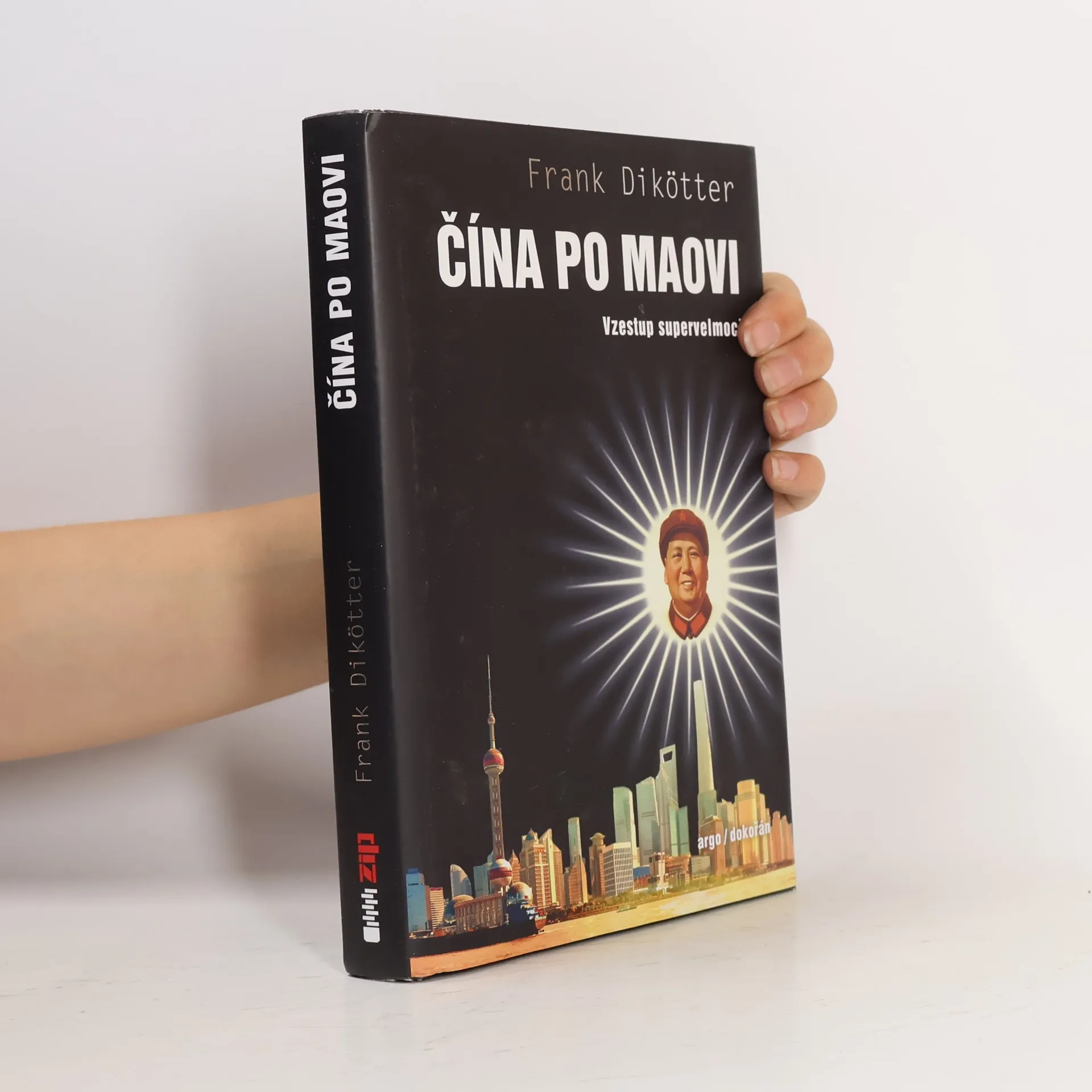
Čína po Maovi: Vzestup supervelmoci
- 320 stránek
- 12 hodin čtení
Uznávaný historik Frank Dikötter vypráví strhující příběh moderní historie Číny a jejího hospodářského vzestupu po katastrofě tzv. kulturní revoluce. Díky ojedinělému přístupu ke stovkám dosud nezveřejněných dokumentů z archivů komunistické strany nahlíží do zákulisí čínské politiky od smrti Velkého kormidelníka Maa až po Si Ťin-pchinga a mapuje bezprecedentní čtyřicetiletou transformaci země, která ji vynesla ze 126. příčky na pozici druhé největší ekonomiky světa. Autor přitom zpochybňuje naše představy a mýty o společnosti, která neochvějně kráčí vpřed a drží krok s rytmem stranického bubnu, a místo toho odhaluje bouřlivý vývoj plný svárů, palácových intrik, občanské neposlušnosti, protikorupčních čistek či stínového bankovnictví a systému dvojích cen. Zkoumá, jakým způsobem Čína proplula finanční krizí roku 2008, jak roste její nepřátelství vůči Západu a proč se země vyvíjí v tuhou diktaturu s rozsáhlým bezpečnostním aparátem a nejpropracovanějším systémem sledování občanů na světě. Z této velkolepé knihy je více než patrné, že cílem komunistické strany nikdy nebylo připojit se k demokratickému světu, ale vzdorovat mu a nakonec ho porazit.
Frank Dikötter, als „Historiker des modernen Chinas“ bekannt, präsentiert eine mutige und facettenreiche Analyse des Aufstiegs Chinas zur Supermacht des 21. Jahrhunderts. Er beleuchtet, wie das Land seine inneren Schwächen durch expansive Wirtschafts- und Außenpolitik sowie aggressive Maßnahmen kaschiert. Der Autor verfolgt den einzigartigen Aufstieg Chinas mit dem Ziel, die mächtigste Nation der Welt zu werden. Dabei wird China als Drache dargestellt, der größer erscheint, als er tatsächlich ist, und der mit den Ängsten vor seiner Größe spielt, um globalen Respekt zu erlangen. Im Zentrum der Analyse stehen die Jahre seit 1976, die als herausragende Phase des Aufstiegs gelten, jedoch unter Xi Jinping nicht mehr in dieser Form möglich sind, da China zu einem Überwachungsstaat mutiert ist. Das Land strebt danach, sich abzuschotten und seine Mängel zu verbergen, während es gleichzeitig autark werden und die Kontrolle über die zukünftige Welt- und Machtpolitik von den USA übernehmen möchte. Dikötter hebt sowohl die Stärken als auch die Schwächen Chinas hervor und warnt vor der Gefährlichkeit der chinesischen Machtpolitik. Dieses Buch ist unerlässlich, um die gegenwärtigen geopolitischen Spannungen zu verstehen und zukünftige Schrecken zu vermeiden.
China After Mao
- 417 stránek
- 15 hodin čtení
In China After Mao , award-winning author Frank Dikötter delves into the history of China under the communist party – from the death of Chairman Mao in 1976 up until the moment when Xi Jinping stepped to the fore in 2012.It is a fascinating tale of contradictions and illusions; of shadow banking, repeated anti-corruption drives and the existence of extreme state wealth alongside everyday poverty. Dikötter explores the decades of so-called 'Reform and Opening Up' – a forty-year period that has left China with the lowest proportion of resident foreigners in any country – and the country's emergence into a post-industrial era. He examines China's navigation of the 2008 financial crash, its increasing hostility towards perceived Western interference and its development into a thoroughly entrenched dictatorship with a sprawling security apparatus and the most sophisticated surveillance system in the world.Drawing on hundreds of previously unseen municipal and provincial archives, as well as unpublished memoirs, newspaper reports and the secret diaries of Mao's personal secretary, China After Mao is a brilliantly researched and mesmerizing account of a country in flux – and in crisis.
China After Mao
- 416 stránek
- 15 hodin čtení
In China After Mao, award-winning historian Frank Dikoetter explores how the People's Republic of China was transformed from a backwater economy in the 1970s into the world superpower of today. His account is the first to be based on hundreds of previously unseen archival documents, from the secret minutes of top party meetings to confidential bank reports.
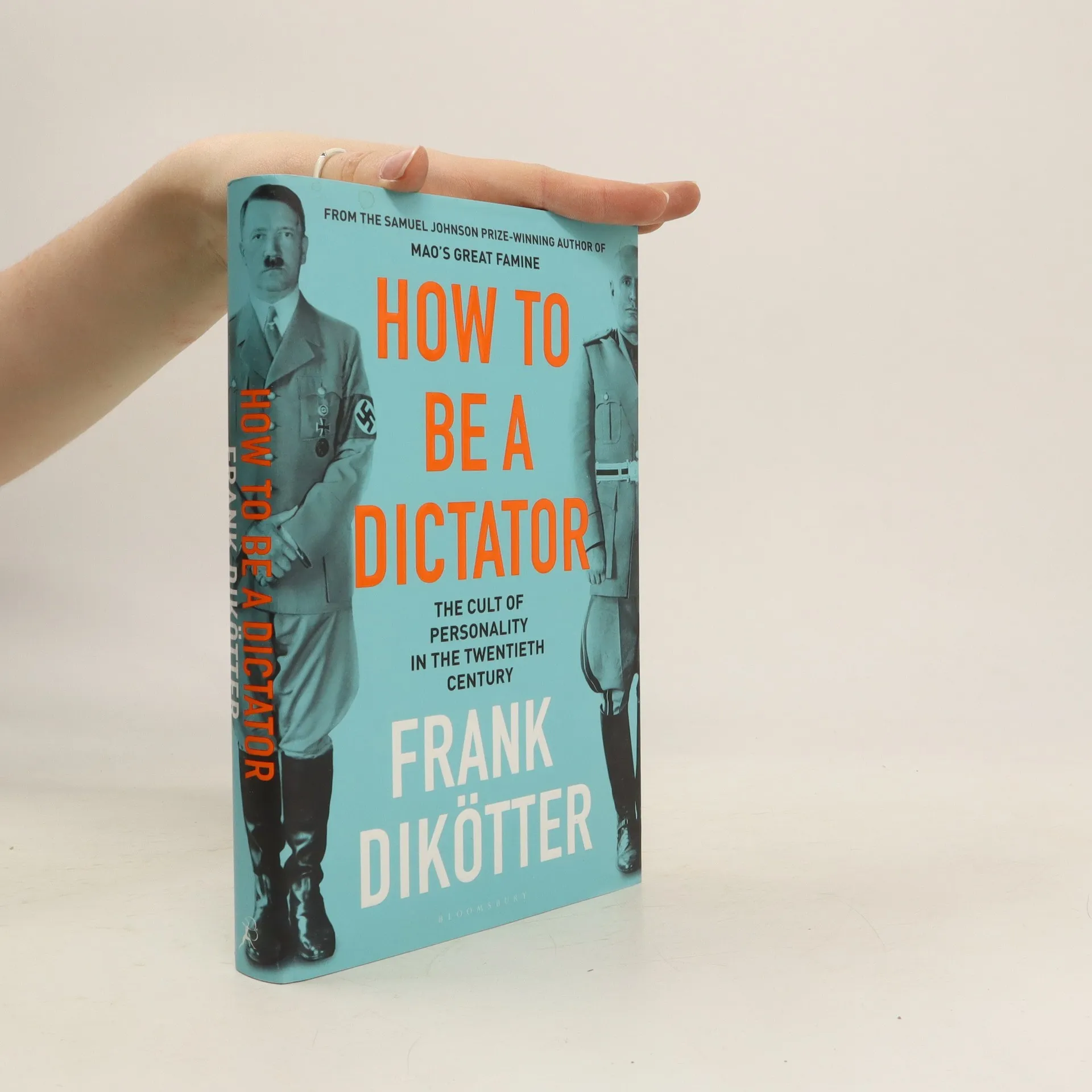
How to be a Dictator
- 304 stránek
- 11 hodin čtení
Naked power can be grabbed and held temporarily, but it never suffices in the long term. A tyrant who can compel his own people to acclaim him will last longer. The paradox of the modern dictator is that he must create the illusion of popular support
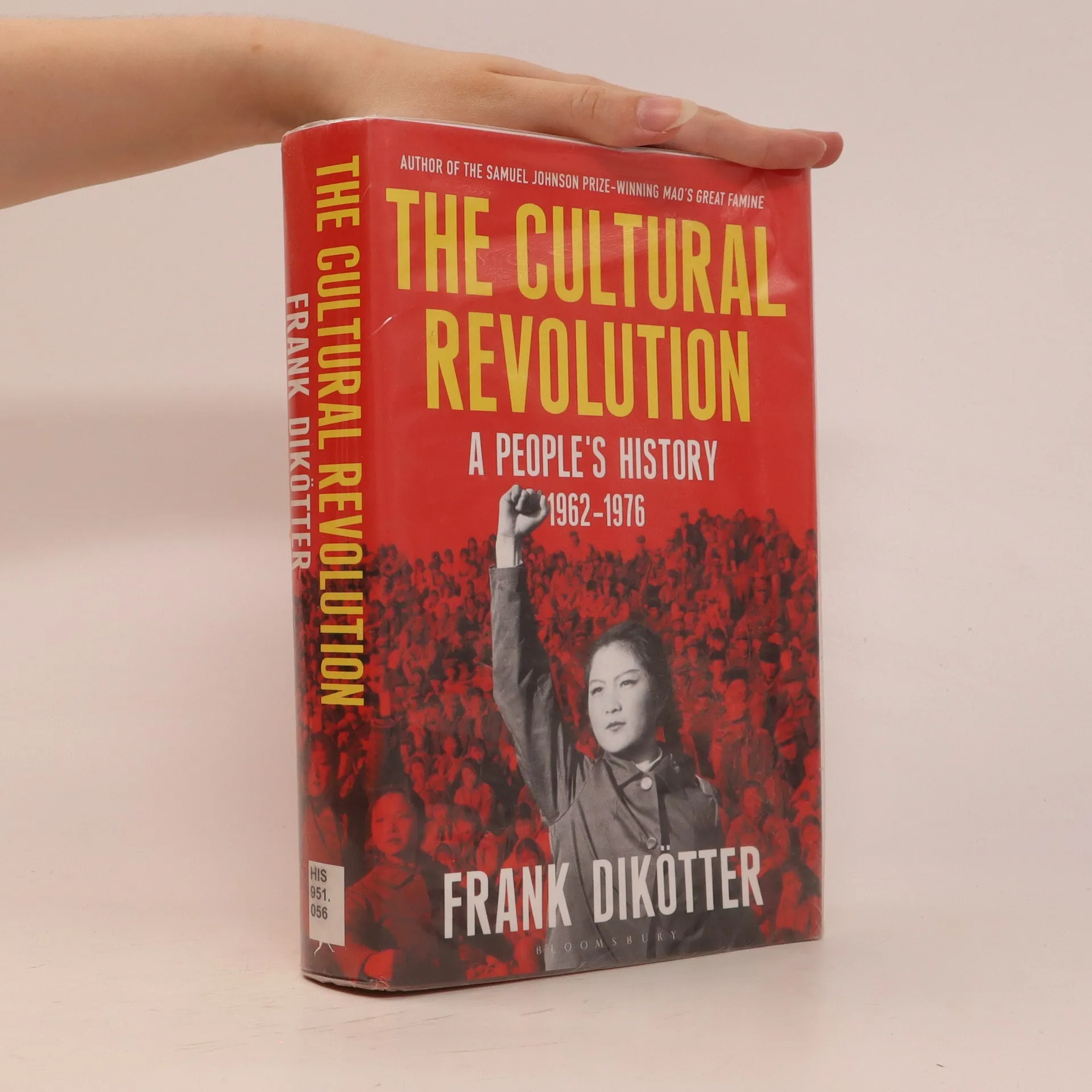
After the Great Leap Forward's devastating economic disaster from 1958 to 1962, an ageing Mao sought to restore his reputation and eliminate perceived threats to his legacy through the Cultural Revolution. Officially aimed at purging bourgeois, capitalist elements, the movement also targeted Mao's own colleagues, subjecting many to public humiliation, imprisonment, and torture. Young students, forming Red Guards, pledged unwavering loyalty to Mao, but soon rival factions clashed violently in the streets over revolutionary purity. As chaos engulfed the nation, the military intervened, establishing a garrison state marked by brutal purges affecting as many as one in fifty people. When the army itself became a target, ordinary citizens exploited the turmoil to challenge the party's ideology, effectively burying Maoism. Through in-depth interviews and archival research, the author reveals the complex choices faced by individuals, contradicting the notion of conformity that often characterizes this era. By illustrating how grassroots decollectivization emerged from a decade of violence and fear, this work offers a fresh perspective on China's most tumultuous period. Utilizing previously classified party documents, it serves as a powerful reassessment of the People's Republic of China’s history.
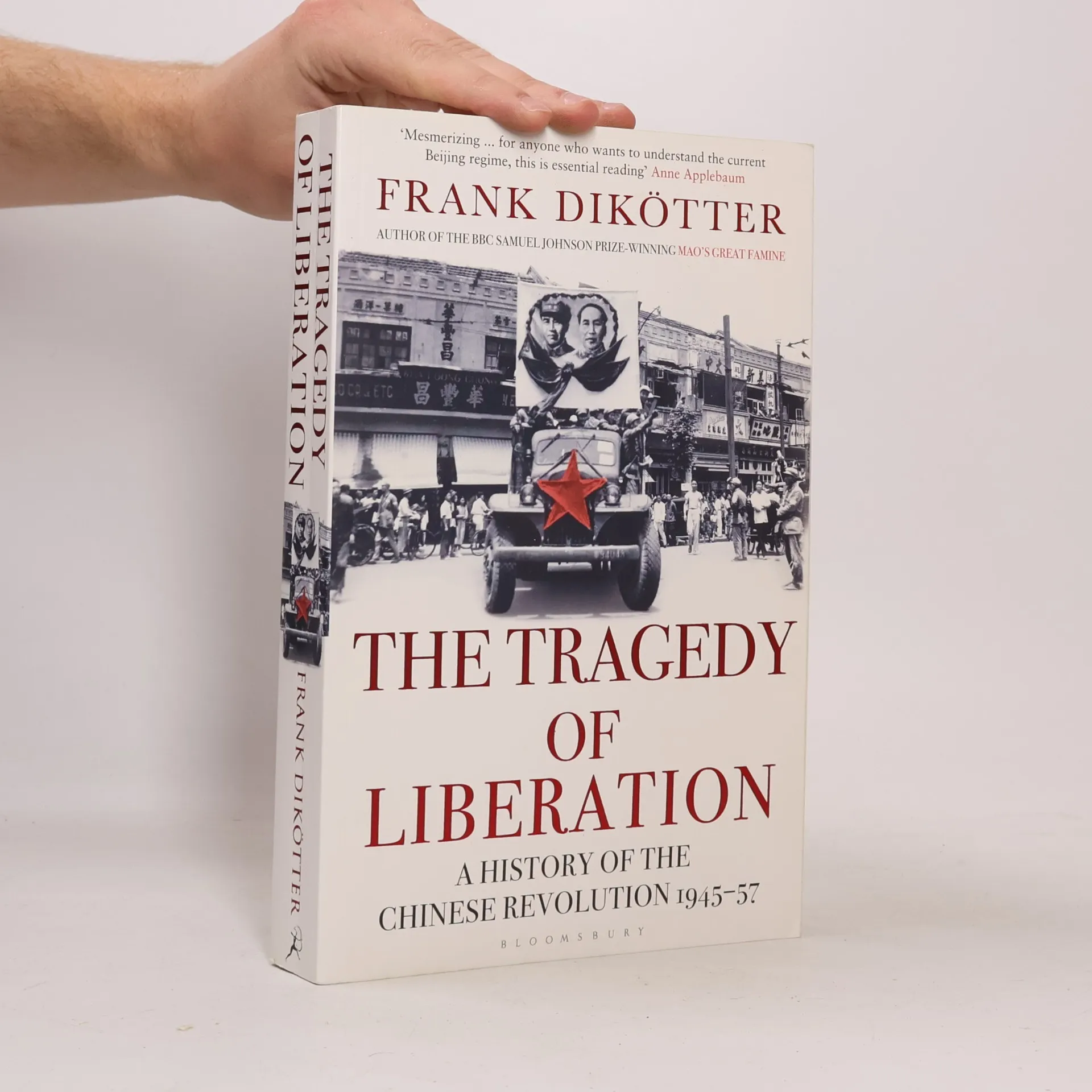
The Chinese Communist Party refers to its 1949 victory as a ‘liberation,’ yet the reality is steeped in terror and violence. Frank Dikötter's chronicle of Mao Zedong’s rise reveals the grim truth behind the transformation of the Chinese populace into what the party termed New People. Following the defeat of Chiang Kai-shek, Mao raised the red flag over Beijing, initiating a Communist revolution that dismantled the old order. The subsequent eight years, leading to the catastrophic famine and Great Leap Forward, remain largely obscured due to the secrecy surrounding state records. Utilizing hundreds of previously classified documents, secret police reports, and firsthand accounts, this work uncovers a shocking, often untold history. Dikötter intertwines the experiences of ordinary citizens with the brutal politics of Mao’s inner circle, exposing the horrific policies enacted in the name of progress. Regardless of their support for the revolution, individuals were coerced into confessions and denunciations, creating a culture of fear. One victim described it as a “carefully cultivated Auschwitz of the mind.” With compelling narrative depth, this account serves as a vital document, honoring the millions lost and illuminating the roots of one of the most formidable regimes of the twenty-first century.
Restless Empire
- 528 stránek
- 19 hodin čtení
Over the past 250 years, China has demonstrated itself as a Restless Empire, navigating significant change from the Qing Dynasty to the People's Republic. This work explores the evolution of China's worldview, shaped by its dual tendencies of receptiveness and resistance to external influences. As China is poised to become the world's largest economy within two decades, it anticipates eradicating poverty among its vast population and emerging as a technological leader. However, concerns linger, particularly among neighboring countries, about the potential for China to enhance its military power to assert dominance. A new wave of Chinese nationalism is emerging, fueled by grievances over historical injustices and fears of losing cultural identity to globalization. This raises critical questions: Will China's engagement with the global community diminish, or will it persist? Will it seek to establish a Sino-centric order in Eastern Asia or adopt a more cooperative diplomatic approach? Can it address its democratic deficits, or are these traits ingrained in its political fabric? Understanding China's international history is crucial, as it remains a pivotal player in global affairs today. This comprehensive history is essential for grasping the complexities of modern China.
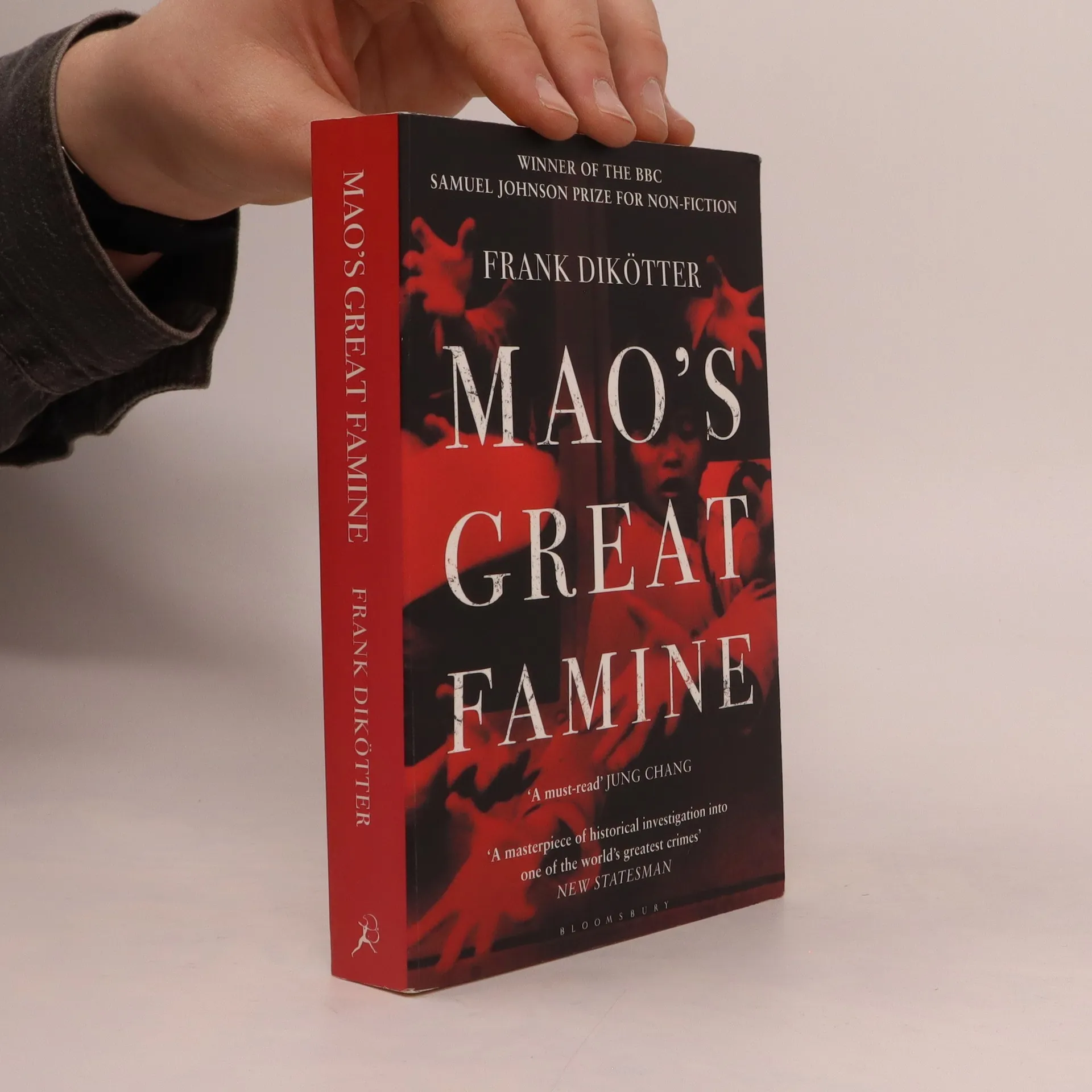
Mao's Great Famine
- 448 stránek
- 16 hodin čtení
Winner of the BBC Samuel Johnson Prize for Non-Fiction 2011 Between 1958 and 1962, 45 million Chinese people were worked, starved or beaten to death. Mao Zedong threw his country into a frenzy with the Great Leap Forward, an attempt to catch up with and overtake the Western world in less than fifteen years. It lead to one of the greatest catastrophes the world has ever known. Dikotter's extraordinary research within Chinese archives brings together for the first time what happened in the corridors of power with the everyday experiences of ordinary people, giving voice to the dead and disenfranchised. This groundbreaking account definitively recasts the history of the People's Republic of China.
Crime, Punishment, and the Prison in Modern China, 1895-1949
- 264 stránek
- 10 hodin čtení
Based on extensive research and newly discovered sources, this work examines the radical changes in Chinese society during the early twentieth century through the lens of the prison system. It delves into the profound effects of Western models of repentance and rehabilitation on traditional Chinese concepts of crime and punishment. Prisons reflect societal notions of law, individual rights, and human nature, revealing significant transformations in China from 1895 to 1949. The author identifies penal reform as a modern tool aimed at achieving a Chinese vision of social cohesion and virtue. Modernizing elites believed that reforming criminals was essential for national regeneration, linking good order, economic development, and state power to the creation of obedient subjects. This account of the evolution of Chinese penal theory is complemented by a vivid portrayal of daily life in prisons, featuring petty criminals, abusive guards, ambitious wardens, and idealist reformers. It captures China's complex transition from empire to republic to communist state, highlighting the intricate interplay between societal change and the penal system during a tumultuous period.