
Knihobot

Abhijit Banerjee

    21. únor 1961

    Abhijit Vinayak Banerjee je uznávaný indický ekonom, který se zaměřuje na experimentální přístupy k řešení globální chudoby. Jeho práce se vyznačuje snahou o hluboké pochopení kořenů chudoby prostřednictvím pečlivě navržených studií. Využívá empirická data a terénní výzkum k identifikaci účinných řešení. Jeho inovativní metody a závazek k sociální spravedlnosti formují moderní ekonomickou teorii i praxi.

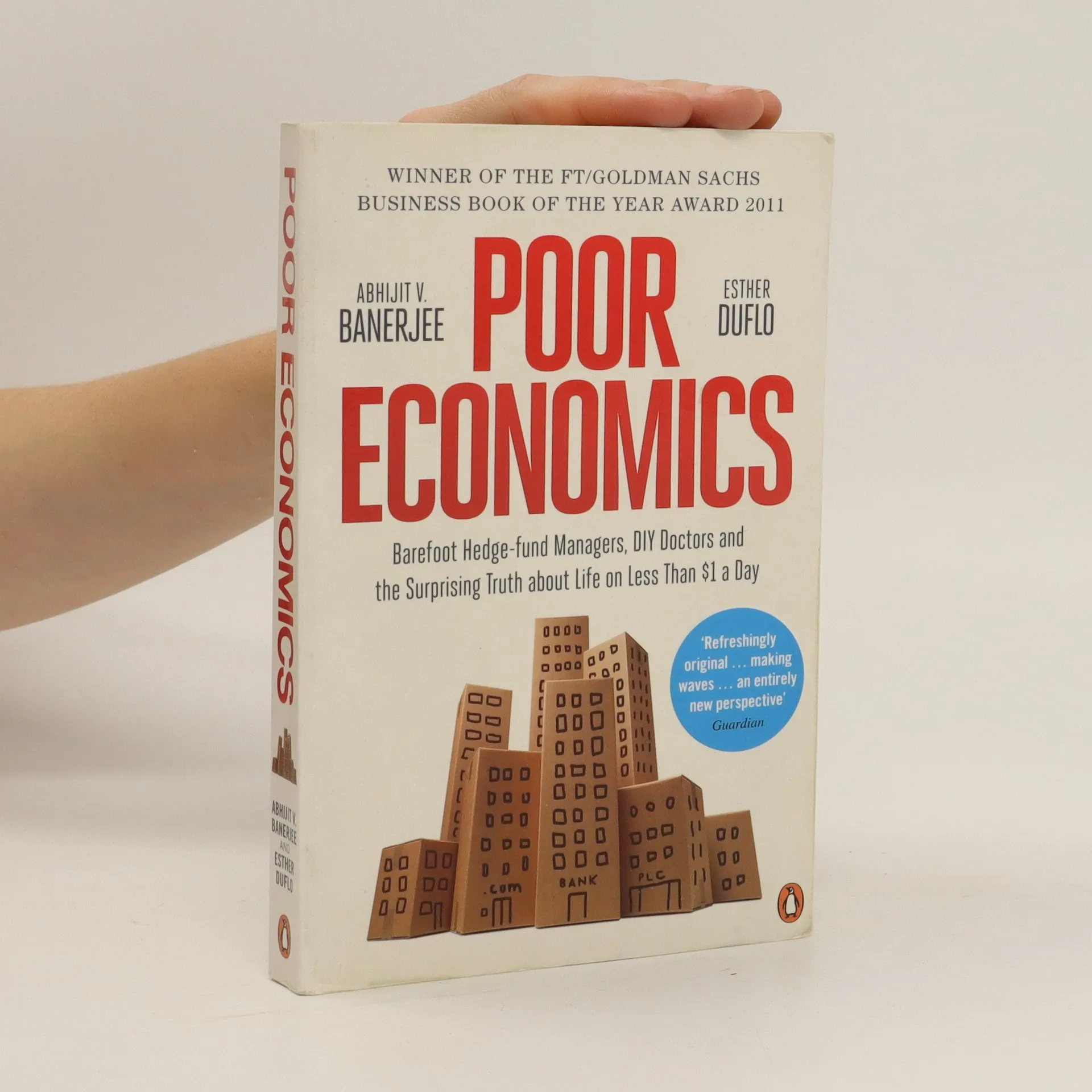
    Poor economics : barefoot hedge-fund managers, DIY doctors and the surprising truth about life on less than $1 a day
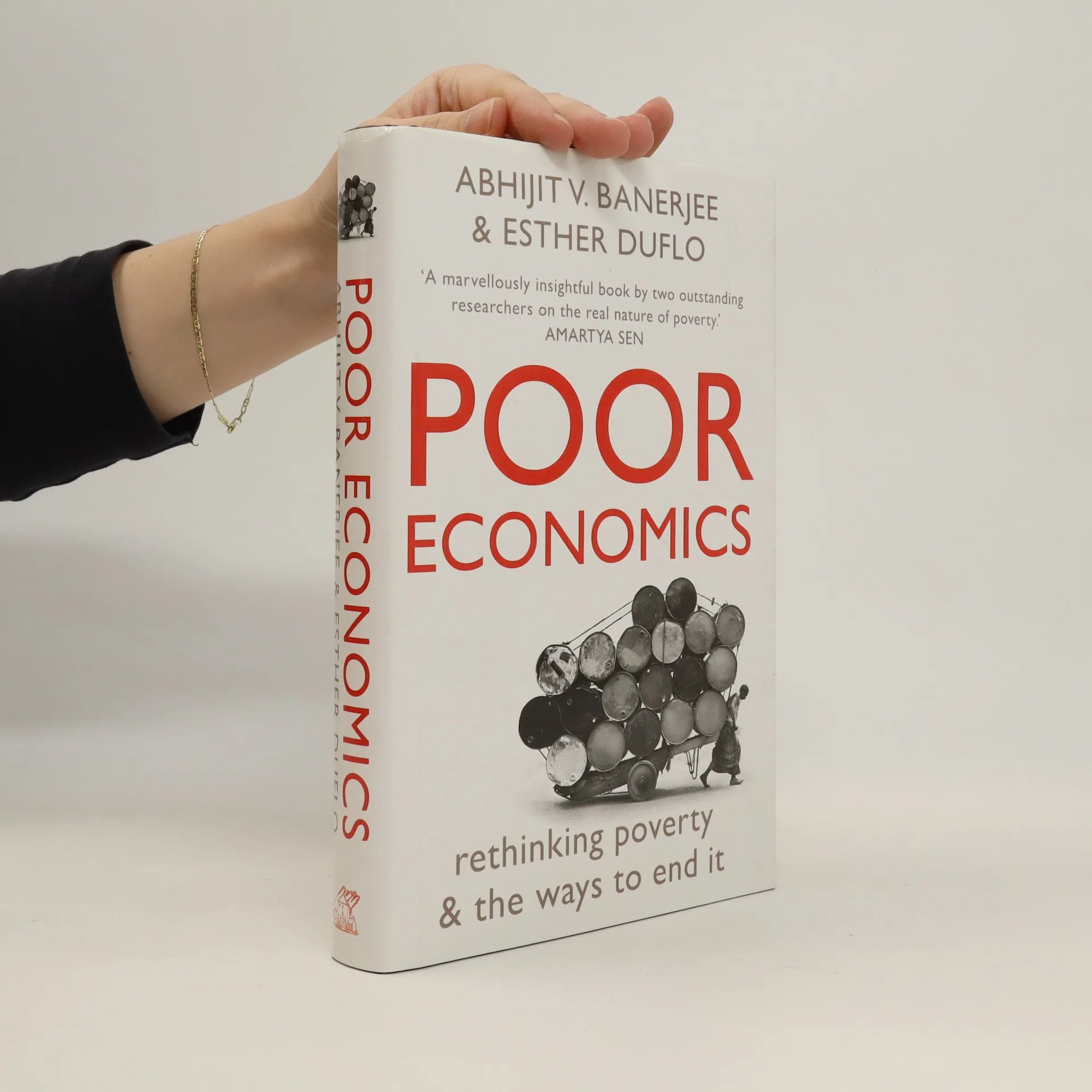
    Poor Economics
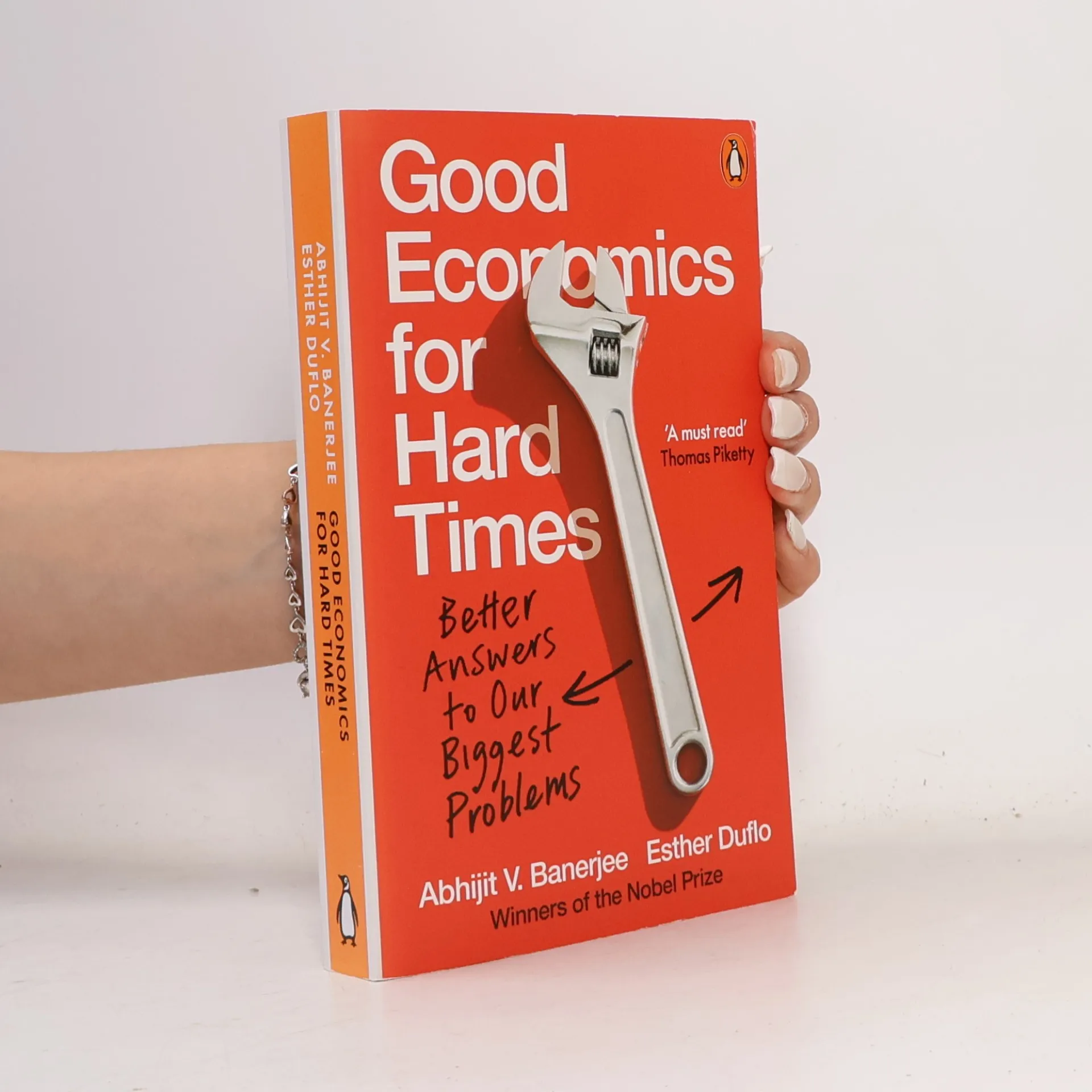
    Good Economics for Hard Times
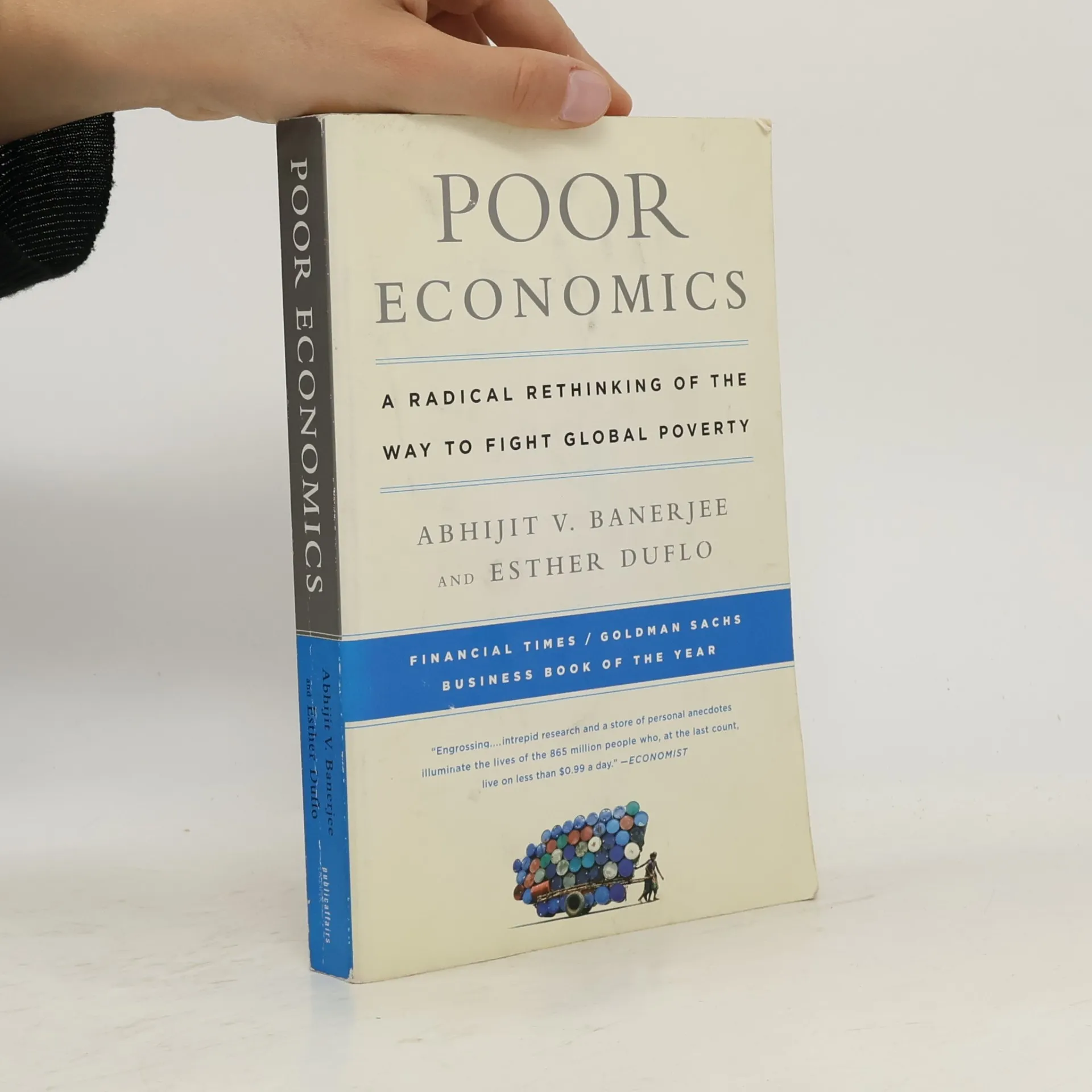
    Poor economics. A radical rethinking of the way to fight global poverty
    • Good Economics for Hard Times

      • 416 stránek
      • 15 hodin čtení

      FROM THE WINNERS OF THE 2019 NOBEL PRIZE IN ECONOMICS 'Wonderfully refreshing . . . A must read' Thomas Piketty In this revolutionary book, prize-winning economists Abhijit V. Banerjee and Esther Duflo show how economics, when done right, can help us solve the thorniest social and political problems of our day. From immigration to inequality, slowing growth to accelerating climate change, we have the resources to address the challenges we face but we are so often blinded by ideology. Original, provocative and urgent, Good Economics for Hard Times offers the new thinking that we need. It builds on cutting-edge research in economics - and years of exploring the most effective solutions to alleviate extreme poverty - to make a persuasive case for an intelligent interventionism and a society built on compassion and respect. A much-needed antidote to polarized discourse, this book shines a light to help us appreciate and understand our precariously balanced world.

      Good Economics for Hard Times2019
      4,2
    • Poor Economics

      • 308 stránek
      • 11 hodin čtení

      From the award-winning founders of the Abdul Latif Jameel Poverty Action Lab at MIT, a transformative reappraisal of the world of the extreme poor, their lives, desires, and frustrations.

      Poor Economics2011
      4,2