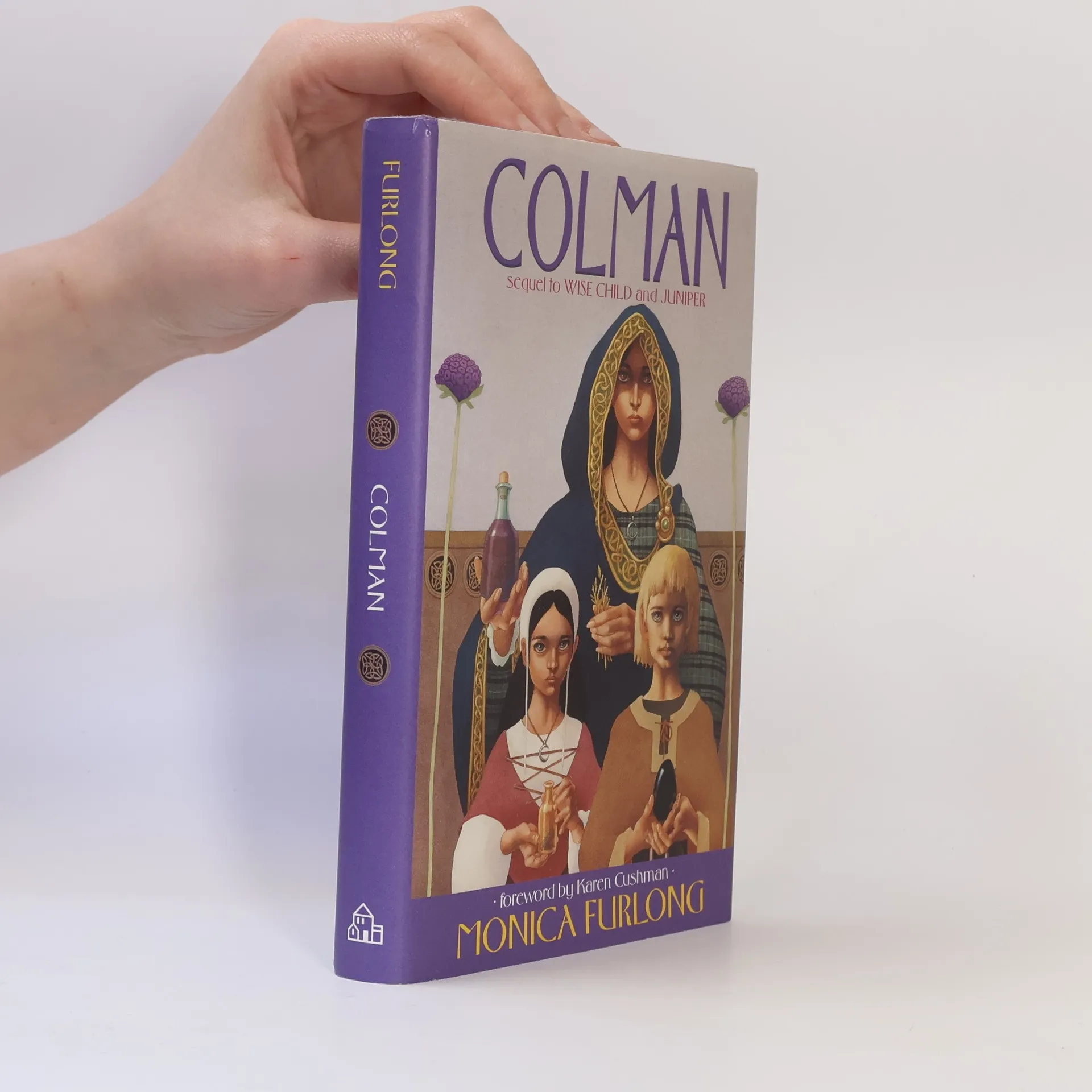
Karen Cushman se zaměřuje na historickou fikci, do které vnáší hluboký zájem o lidské chování a muzejní studia. Její styl se vyznačuje autenticitou a živým vykreslením minulosti. Čtenáři oceňují její schopnost oživit historii prostřednictvím poutavých příběhů a detailního zasazení.
A girl rejected by her alchemist fatherwho is working to change base metal
into goldmeets challenges made all the greater by the fact that she needs
crutches to walk, and undergoes her own transformation to a strong, and
confident young woman in the process. Introduction by best-selling author Gary
D. Schmidt.
Unwillingly catapulted from a reclusive life of prayer and study to
becomeassistant to Red Peg the Bonesetter, Matildadiscovers that
companionship, compassion, laughter, and love are the best medicine in this
witty novel. Introduction by Newbery Honor winner Adam Gidwitz.
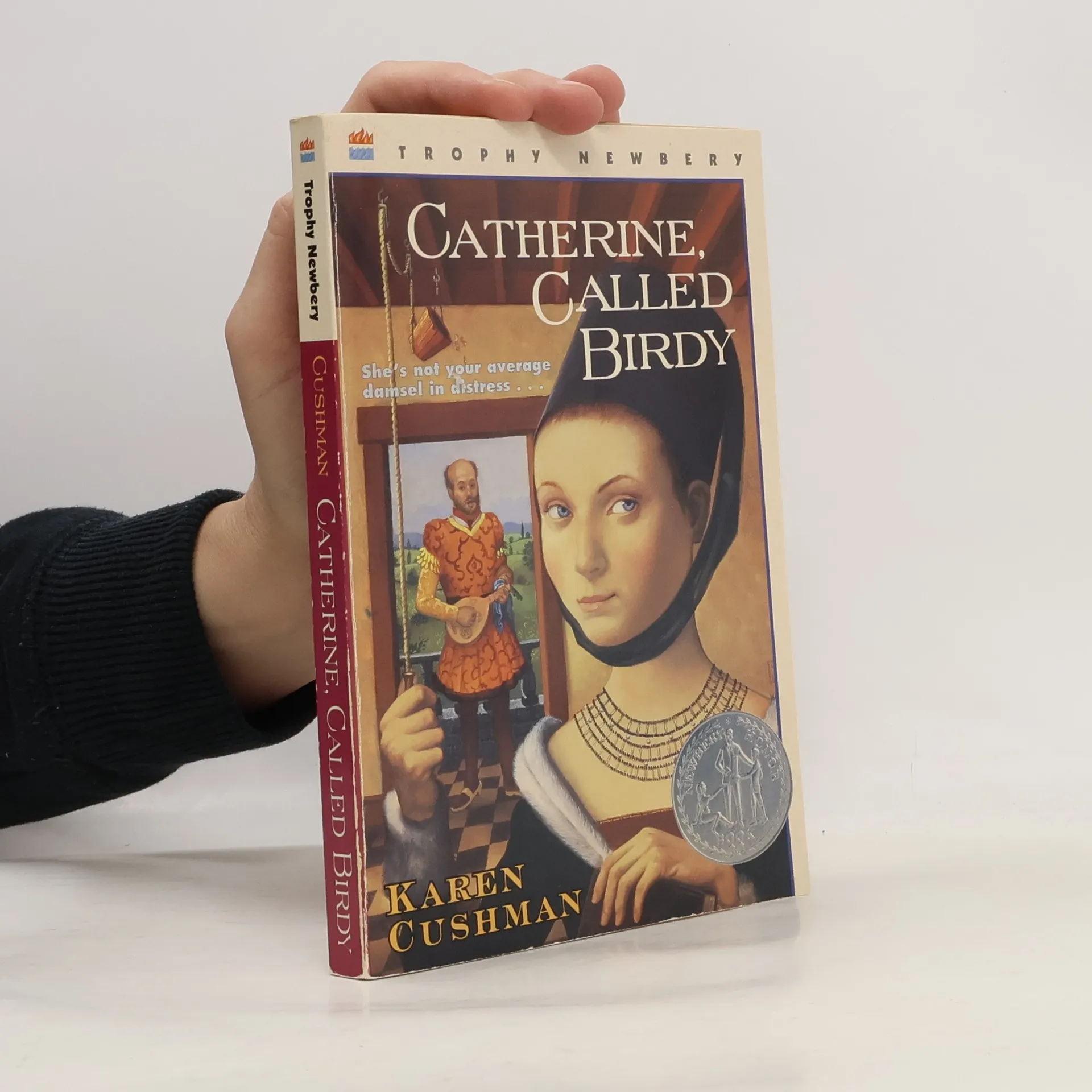
Publishers Weekly: "You can run, but you can't hide'' is the rather belated conclusion reached by Catherine, called "Birdy'' for her caged pets, in this fictive diary of a medieval young woman's coming-of-age and struggle for self-determination. Escaping regularly into a fantasy life of daring escapades and righteous battles, Birdy manages to postpone the inevitable sale of herself as a wife to a very unwelcome suitor. Just as she resigns herself to her fate with the comforting knowledge that "I am who I am wherever I am," word comes that she will not have to marry the oaf after all. Birdy's journal, begun as an assignment, first wells up in the reluctant and aggressive prose of hated homework, and then eases into the lighthearted flow of descriptive adventures and true confessions; the narrative device reveals Birdy's passage from rebellious child to responsible adult. Despite the too-convenient ending, this first novel introduces an admirable heroine and pungently evokes a largely unfamiliar setting
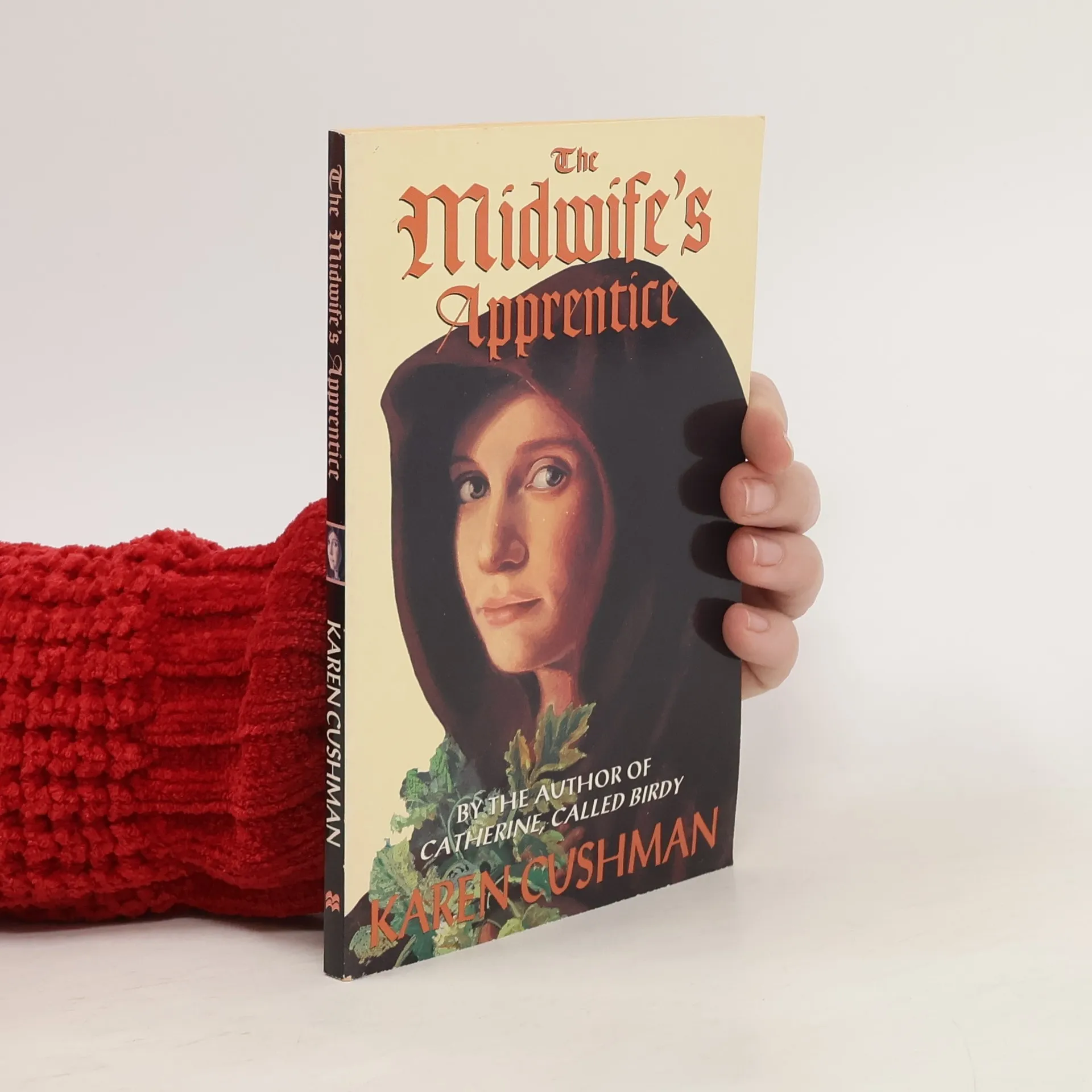
In medieval England, a nameless, homeless girl is taken in by a sharp-tempered midwife, and in spite of obstacles and hardship, eventually gains the three things she most wants: a full belly, a contented heart, and a place in this world.
The Newbery Award-winning author of Catherine, Called Birdy and The Midwife's Apprentice tells a heartfelt and humorous story of WWII on the homefront. Millie McGonigle lives in sunny California, where her days are filled with beach and surf. It should be perfect--but times are tough. Hitler is attacking Europe and it looks like the United States may be going to war. Food is rationed and money is tight. And Millie's sickly little sister gets all the attention and couldn't be more of a pain if she tried. It's all Millie can do to stay calm and feel in control. Still--there's sand beneath her feet. A new neighbor from the city, who has a lot to teach Millie. And surfer boy Rocky to admire--even if she doesn't have the guts to talk to him. It's a time of sunshine, siblings, and stress. Will Millie be able to find her way in her family, and keep her balance as the the world around her loses its own?
Set on the American frontier, this tale follows an orphan determined to forge her own path westward, driven by sheer determination. As she navigates the challenges of her journey, the story explores themes of resilience and independence, showcasing the spirit of adventure in a historical context. The narrative highlights the struggles and triumphs of a young girl seeking her place in a vast and often unforgiving landscape.
Californie Whipple, douze ans, est emmenée de force de son Massachusetts natal jusqu'à l'autre bout du continent. Changeant son prénom honni en " Lucy ", elle pose un regard sévère et consterné sur sa nouvelle maison : une tente plantée au milieu d'un tas de boue et de poussière, cernée par des chercheurs d'or alcooliques et incultes. Mais les tas de poussière et les grossiers personnages peuvent réserver de sacrées surprises...
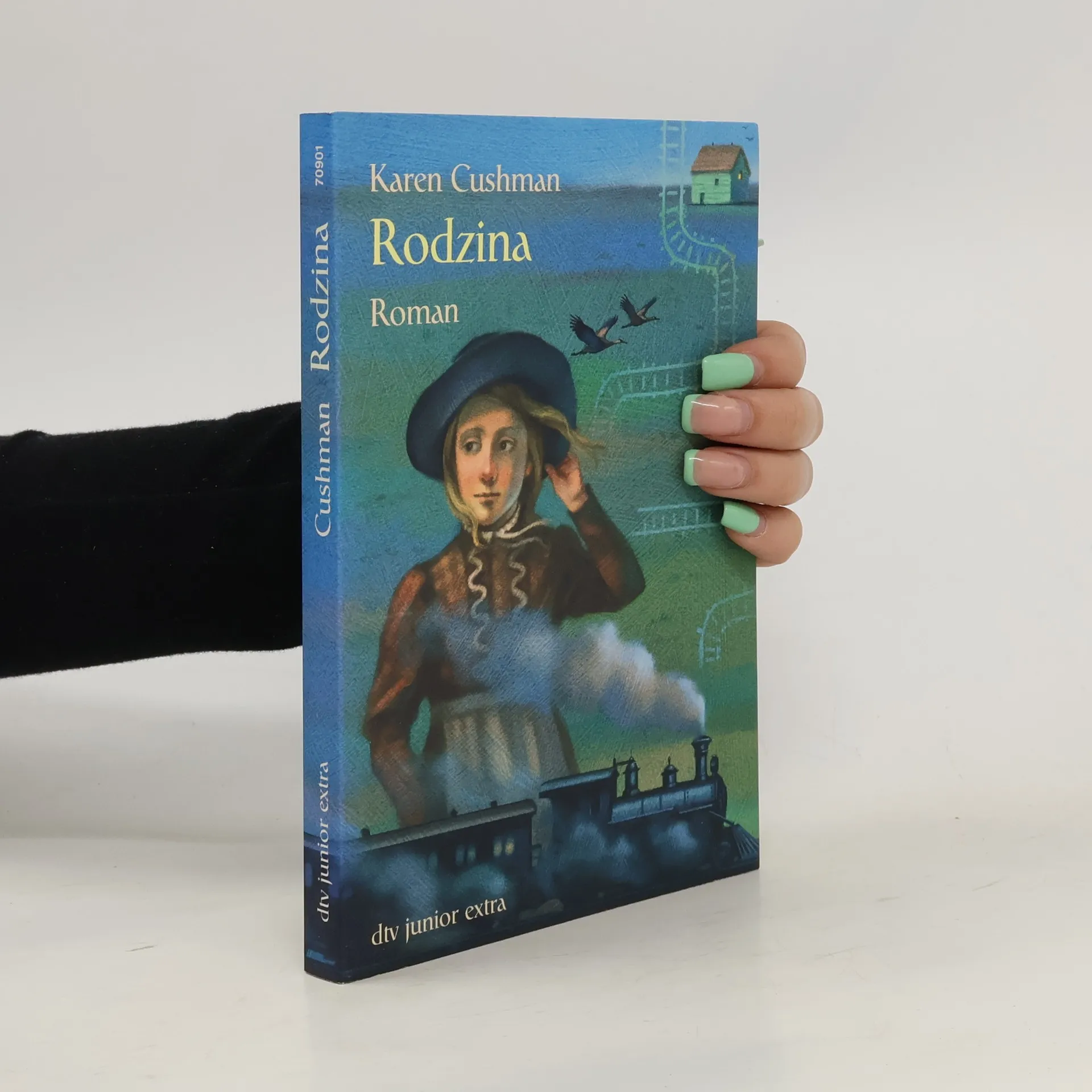
Mit einundzwanzig weiteren Waisen sitzt Rodzina im Zug gen Westen. Dort sollen sie alle neue Eltern finden - heißt es ...
Chicago, 1881: Zweiundzwanzig Waisenkinder in steifen neuen Kleidern steigen in den Zug gen Westen, in der Hoffnung dort eine neue Familie zu finden. Unter ihnen ist auch Rodzina Brodski, Tochter polnischer Einwanderer. Mit ihren zwölf Jahren ist sie älter als die meisten anderen und zudem besonders groß und kräftig. Gleich zu Beginn der Reise vertraut ihr daher die gestrenge Miss Doktor, die den Waisenzug begleitet, einen Teil der jüngeren Kinder an. Als ob Rodzina mit ihren eigenen Ängsten, Erinnerungen und Sehnsüchten nicht schon genug zu tun hätte! Nur allzu schnell erkennt sie, dass viele der adoptierten Kinder nichts weiter als unbezahlte Arbeitskräfte sein werden. Aber Rodzina hat ein Ziel: Sie will ein echtes Zuhause!
Ein bewegendes Mädchen-Schicksal vor historischem Hintergrund: in den Jahren zwischen 1850 und 1929 wurden fast 250 000 verarmte und meist elternlose Kinder aus den großen Städten im Osten in den Westen geschickt.
È abituata a sopravvivere racimolando qua e là pane secco e pezzi di cipolla e dormendo nei mucchi di rifiuti per stare un po' al caldo. Ma la vita di questa ragazza medievale cambia bruscamente quando la levatrice del villaggio la prende come assistente. Per "Scarafaggio", autobattezzatasi Alice in onore della dignità acquisita, si dischiude allora un mondo in ci ha tutto da imparare, ma anche tanto da patire.