
Knihobot

Monika Faber

    Die frau, wie du sie willst
    Photographie der Moderne in Prag
    Divas and lovers
    Herwig Kempinger, digital sky & flat space
    Divas and Lovers
    Heinrich Kühn
    • Heinrich Kühn

      • 280 stránek
      • 10 hodin čtení
      4,5(2)Ohodnotit

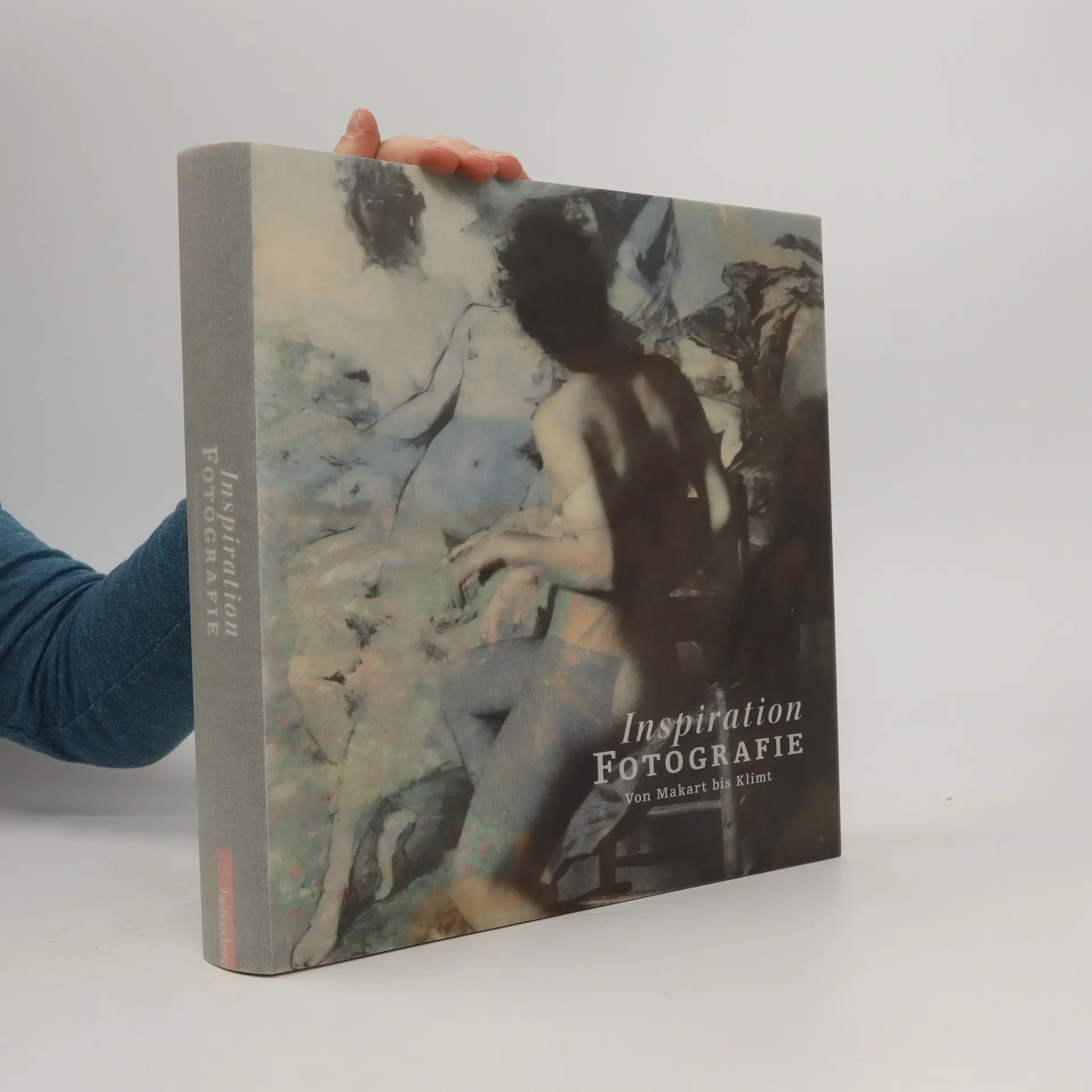
      German scientist and photographer Heinrich Kühn (1866-1944) was one of the central figures in the establishment of international art photography at the turn of the twentieth century. Having studied botany and medicine, Kühn made his first photograph in the late 1870s, dedicating himself solely to the medium within a decade. He achieved this dedication through the support of American photographers Alfred Stieglitz, Edward Steichen and others. After a meeting in 1904, Stieglitz and Kühn initiated an almost 30-year-long correspondence, ushering in an era of pioneering experimentation with autochrome and other photographic processes. Critical to Kühn's success was an offset process he perfected, which allowed him to deliberately dissolve the sharpness of the image and alter its brightness. The results are gorgeous, dreamy images full of rich, delicate color. Around 1910, Kühn reduced the romantic cosmos of Pictorialism to the point where his compositions became almost abstract, so that only the study of light and the rendering of tonal values mattered. He later returned to exploring the photograph as objective record, concentrating mainly on writing and to experiments in photographic technology. This landmark volume surveys the works of a revelatory photographer.
      Heinrich Kühn
    • Divas and Lovers

      The Erotic Art of Studio Manassé

      • 166 stránek
      • 6 hodin čtení

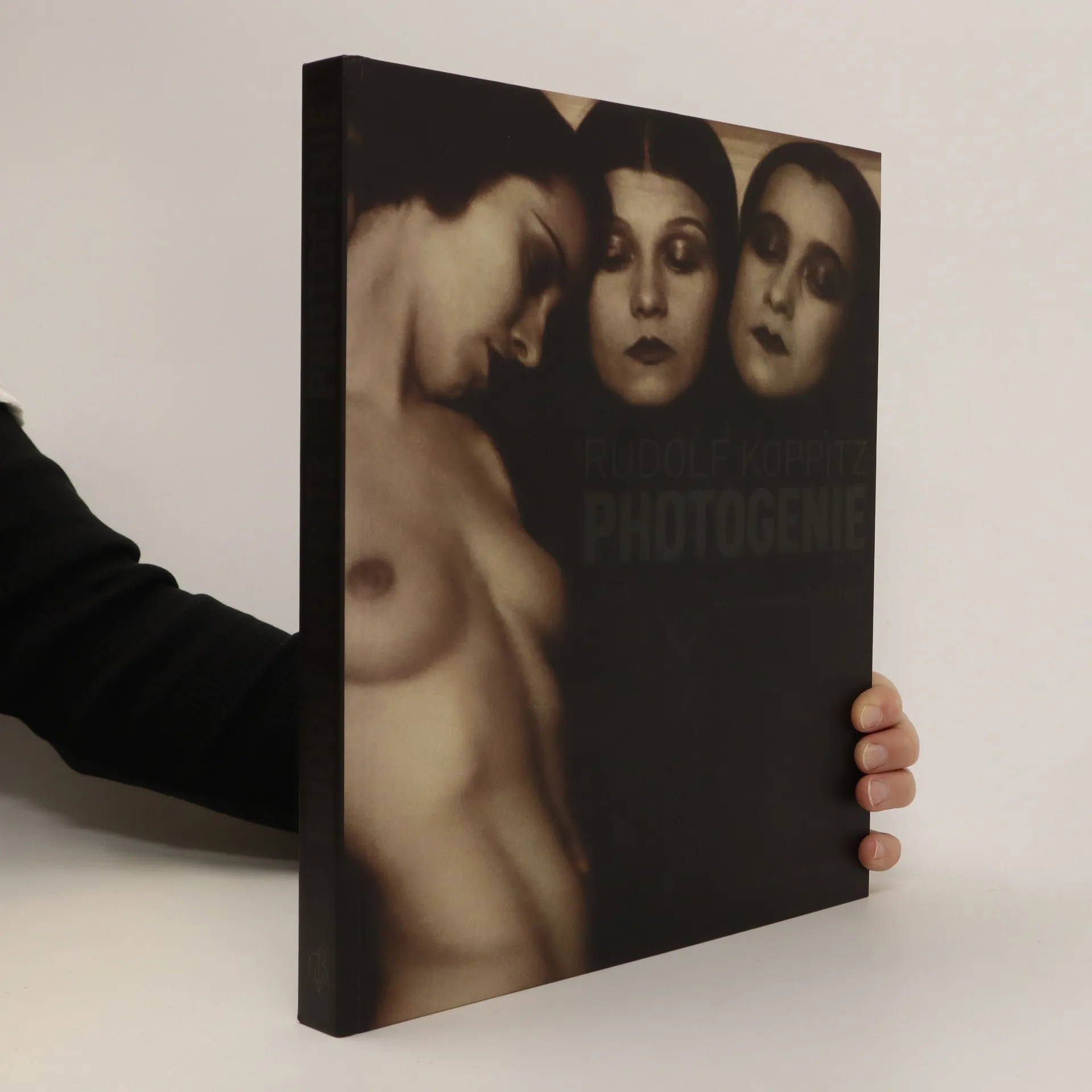
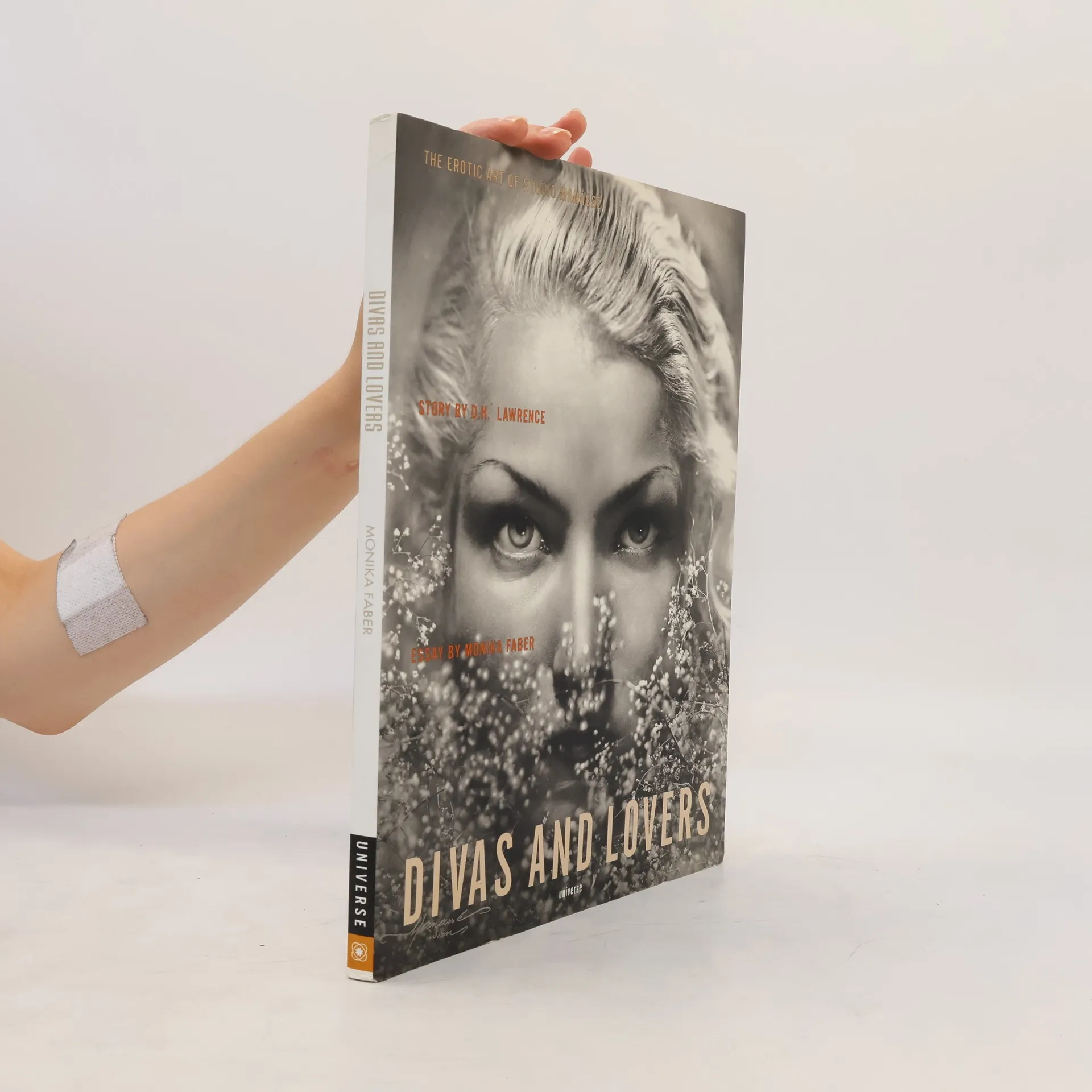
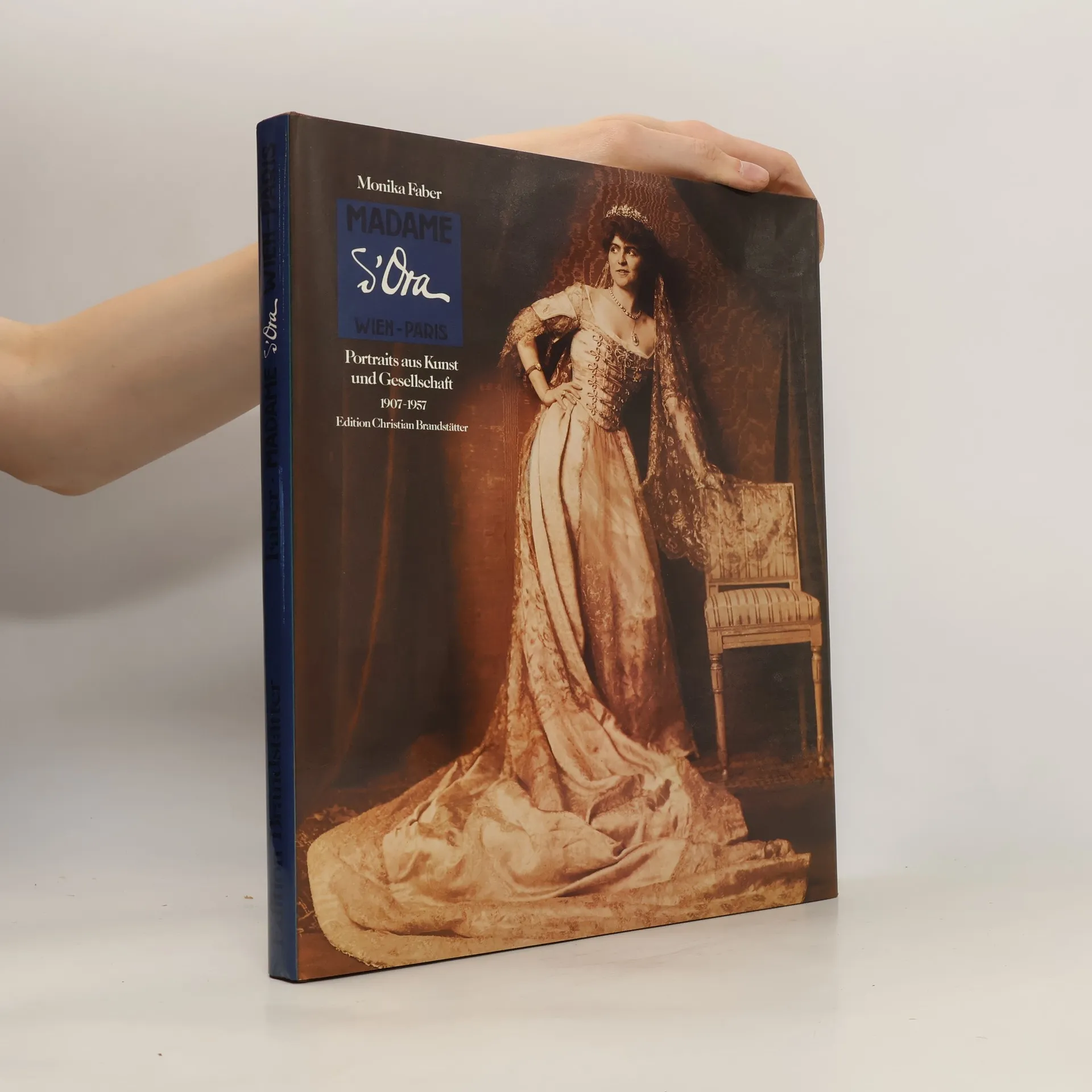
      "This volume features a recently rediscovered cache of captivating portraits from another time and place: a golden age of cinema and cabaret in Vienna of the 1920s and 1930s. The Manasses, a husband-and-wife team from the Viennese beau monde, used retouching techniques to create surreal and noir images that seethe with an erotic symbolism barely concealed beneath a mask of glamorous styling, elegant poses, and extravagant costumes. Photographic historian Monika Faber examines this work as part of the world of cinema-enthralled Vienna, while an accompanying D. H. Lawrence story adds literary resonance to the erotic charge of these extraordinary images."--BOOK JACKET.Title Summary field provided by Blackwell North America, Inc. All Rights Reserved

      Divas and Lovers
    • Herwig Kempingers Werk steht als Ausnahmeerscheinung, als singulärer, konzise durchgestalteter Block in der bildenden Kunst der Gegenwart, nicht nur der österreichischen, sondern auch vor dem internationalen Horizont. Seit mehr als zwanzig Jahren, beginnend mit einem Studium an der Wiener Hochschule für Angewandte Kunst, ist dieses vergleichsweise schmale Oeuvre entstanden, das sich einerseits auf apparative Bildexperimente der klassischen künstlerischen Avantgarde rückbeziehen lässt, andererseits den Medienanalysen und –reflexionen der bildtheoretischen Wissenschaft verwandt ist.

      Herwig Kempinger, digital sky & flat space
    • The images produced by the Manasse photographic studio, published in magazines all over Europe, seethe with an erotic symbolism which is barely concealed beneath a mask of glamorous styling, elegant poses and extravagant clothing.

      Divas and lovers
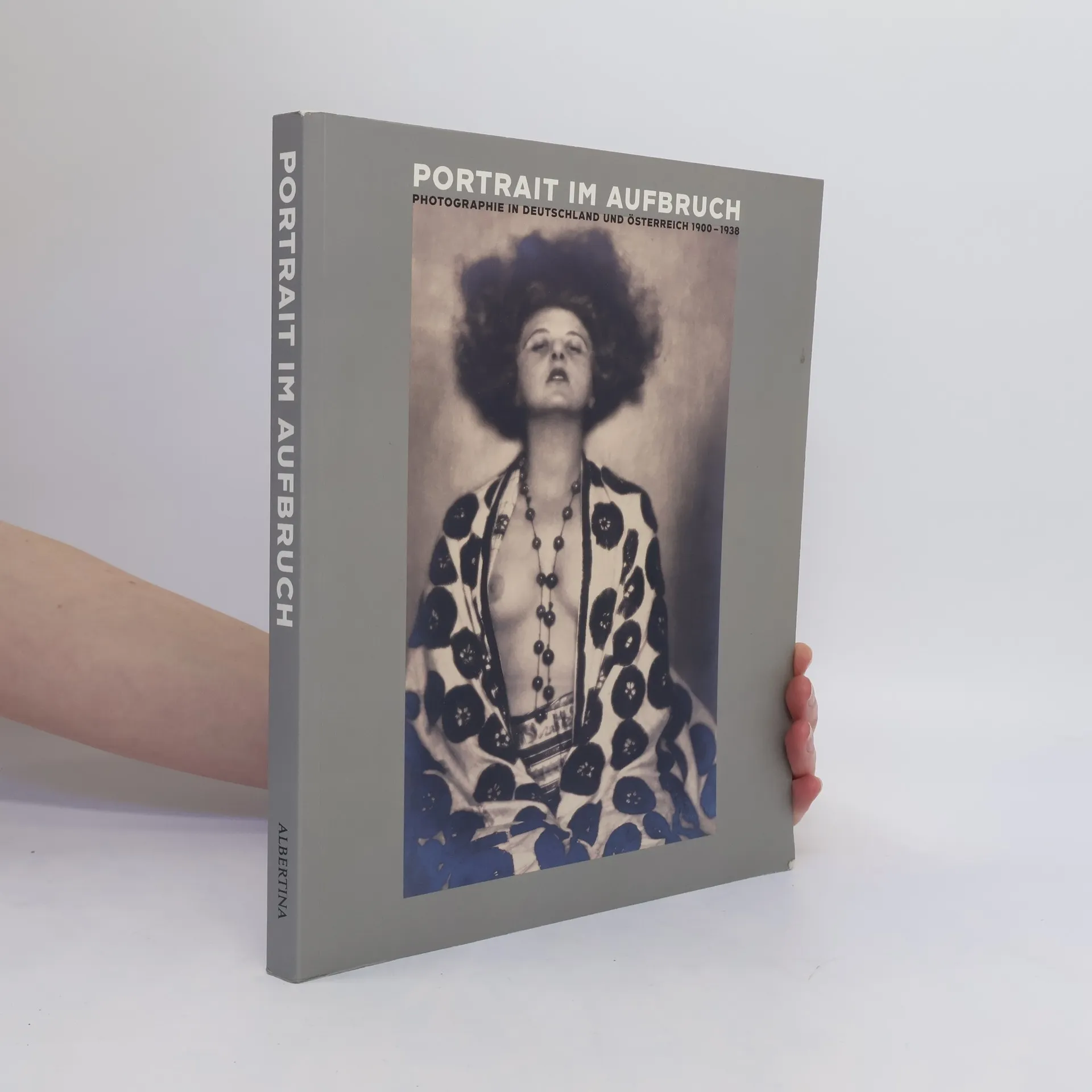
    • Nicht nur der Dialog des Fotografen mit seinen Modellen bestimmt die Gestaltung des Bildnisses: Ein reicher Schatz visueller Erfahrung, den Porträtierte, Autoren und Betrachter teilen, gießt Selbstdarstellung wie Inszenierung in vorgefundene Formen. Seit dem Fin de Siècle aber gewinnen Individualität und Spontaneität an Boden - um auf der Flucht vor der Diktatur in den Jahren um 1938 nur noch intensiver vom einzelnen Menschen zu sprechen. Das macht die Bildnisse in Deutschland und Österreich zu besonderen Zeugnissen des sich wandelnden bürgerlichen Selbstverständnisses, demonstriert aber auch eindringlich die Blüte der Fotografie als eigenständiger künstlerischer Kraft. Langsam wandeln sich die raffinierten Salonbildnisse Nikola Perscheids, Rudolf Dührkoops oder des Atelier d'Ora in die klar-eleganten Köpfe von Trude Fleischmann, Lotte Jacobi oder Hugo Erfurth. Umbos extreme Nahsichten, Helmar Lerskis Lichtmodellierung oder László Moholy Nagys Experimente radikalisieren das menschliche Bildnis dann in bis dahin ungeahnter Weise. (Englische Ausgabe erhältlich ISBN 3-7757-1564-9) Weitere vorgestellte Fotografen (Auswahl): Josef Albers, Antios (Anton Josef Trcka), Gertrude Arndt, Aenne Biermann, Steffi Brandl, Raoul Hausmann, Lotte Jacobi, Edmund Kesting, Heinrich Kühn, Lucia Moholy, August Sander, Cami Stone Ausstellungen: Neue Galerie New York März - Juni 2005 · Albertina, Wien Juli - September 2005

      Portrait im Aufbruch
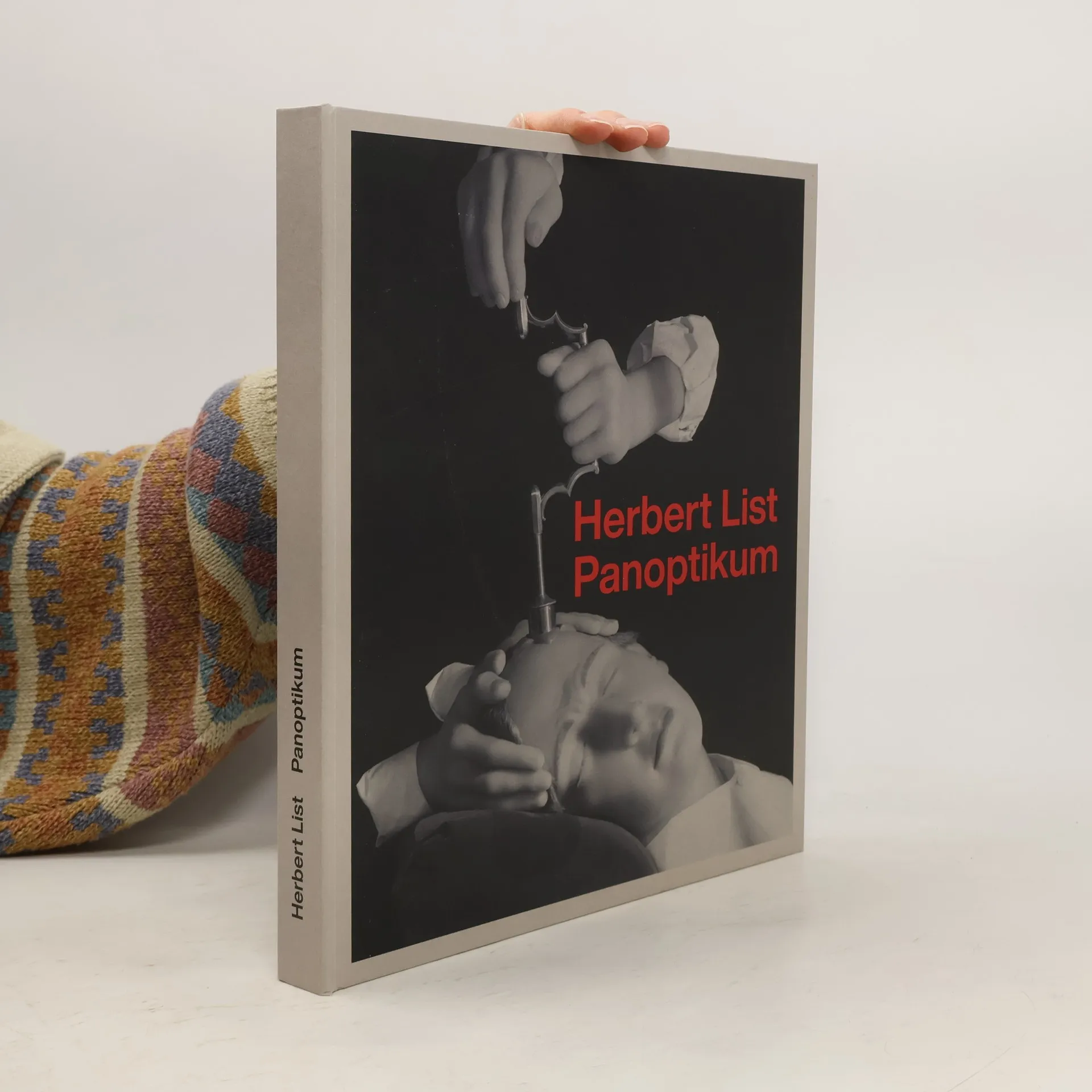
    • Herbert List. Panoptikum

      • 192 stránek
      • 7 hodin čtení

      Die in Lebensgröße in Wachs geformten "künstlichen Menschen" im Panoptikum im Wiener Prater faszinierten Herbert List. 1944 fotografierte er sie als "aufgestellte, geschminkte Leichen, inmitten der heftigsten Posen erstarrt als Einwohner eines Dornröschenschlosses." Mit einem pointierten Text reihte er Märchenszenen, historische Tableaux und medizinische Sujets zu einem Bildband, der erst jetzt über 75 Jahre später in einer bibliophilen Ausgabe nach seinem Originalentwurf erscheint. Ein Kommentarband stellt ihn in den Kontext seines künstlerischen Werkes und die Geschichte des "Präuscher'schen Panoptikums", wo sich im 19. Jahrhundert populärwissenschaftliches Interesse mit der Schaulust am Erotischen und Exotischen vermischte. Herbert List (1903 - 1975), emigrierte 1936 als vom Surrealismus und Neuer Sachlichkeit geprägter Künstler aus Deutschland. Er fotografierte danach in Südeuropa, und lebte bis zum Einmarsch der deutschen Truppen in Athen. Nach dem Krieg wandte er sich zunehmend dem Portrait, der Reportage und Straßenfotografie zu und arbeitete für die Agentur Magnum. -- Herbert List was fascinated by the "artificial humans"-life-size figures moulded in wax-on display at the Panoptikum in Vienna's Prater. In 1944, he photographed these waxworks, depicting them as "corpses set in position and daubed with make-up-frozen in poses of the utmost intensity, they are inhabitants of a Sleeping Beauty castle." List took a string of fairytale scenes, historical tableaux, and medical subjects and combined them with a trenchant text to create an illustrated book that is now being published for the first time, more than seventy-five years later, in a bibliophile edition based on List's original draft. An accompanying volume of commentary places the work in the context of his artistic oeuvre and the history of Präuscher's Panoptikum in Vienna, where popular scientific interest was mixed in the nineteenth century with a sensationalist fascination for erotica and exotica. Herbert List (1903 - 1975) emigrated from Germany in 1936 as an artist influenced by surrealism and the New Objectivity. He then took pictures in southern Europe and lived in Athens until the German invasion. After the war, he became increasingly interested in portraiture, reportage, and street photography and worked for the Magnum agency.

      Herbert List. Panoptikum