Ústředním tématem knihy profesora německých studií a srovnávací literatury na Brownově univerzitě Gerharda Richtera je specifická figura modernity, figura následování, přežívání, nastupování či přicházení po někom nebo něčem, figura, již by bylo možné nazvat potomností. Na analýzách textů autorů jako Kafka, Heidegger, Benjamin, Brecht, Adorno, Lyotard nebo Derrida ukazuje, jakým způsobem se potomnost propisuje do zkušenosti osobní a kolektivní paměti, překladu, fotografie, naděje nebo možnosti myšlení a filozofie „po Osvětimi“. Z rozvinutí zdánlivě triviálního zjištění, že se vždy nacházíme v situaci po něčem, se tak stává pozoruhodné osvětlení Lyotardova tvrzení, že „po filozofii následuje filozofie. Tímto po však je proměněna.“
Gerhard Richter Knihy
9. únor 1932
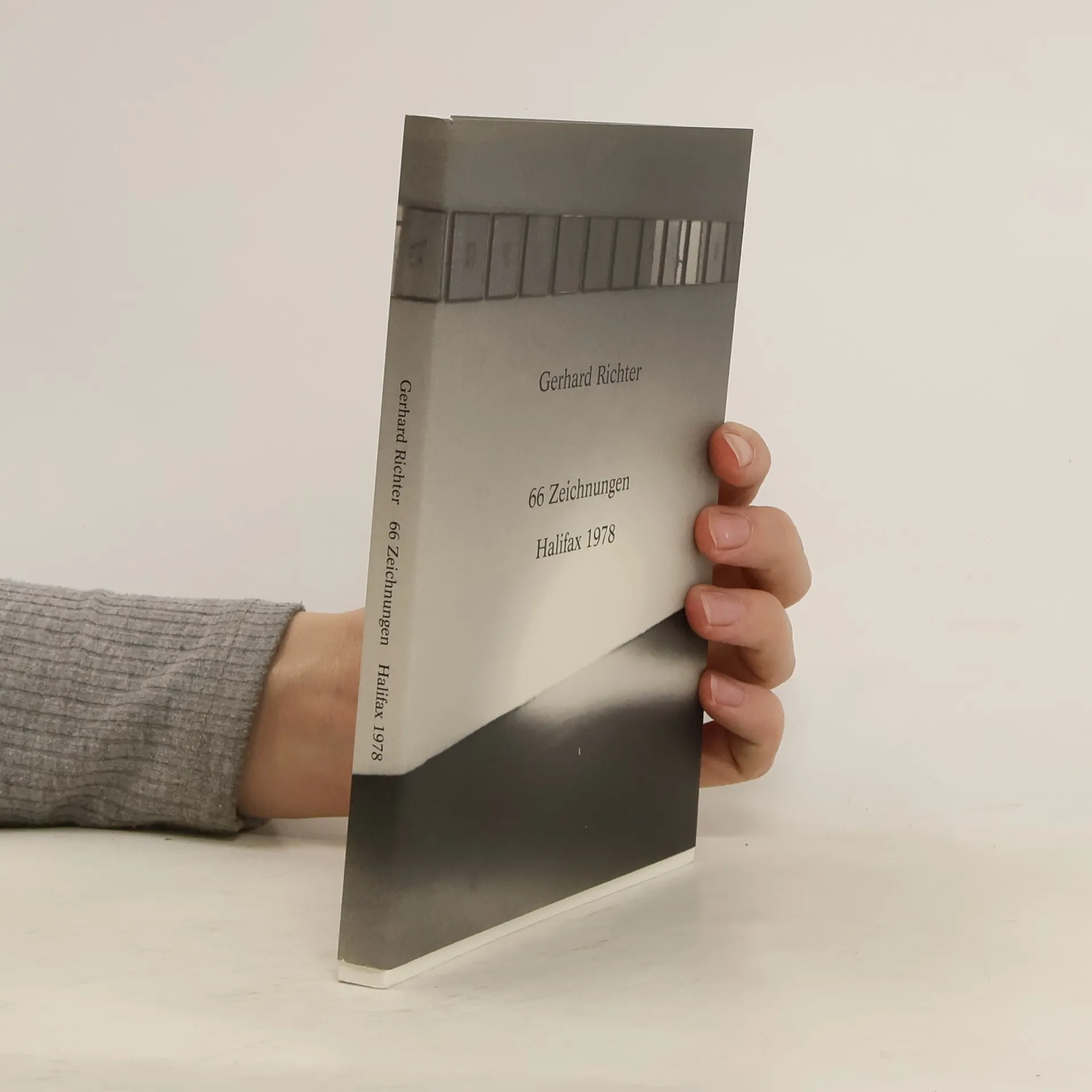
Německý vizuální umělec. Richter svými díly zkoumá hranice mezi uměním a realitou. Jeho rozsáhlá tvorba zahrnuje jak abstraktní kompozice, tak fotorealistická plátna, ale také fotografie a skleněné objekty. Je všeobecně považován za jednoho z nejvýznamnějších současných německých umělců.



Ranging from photo-based pictures to gestural abstraction, Gerhard Richter's diverse body of work calls into question many widely-held attitudes about the importance of stylistic consistency and the relationship of technological means and mass media imagery to traditional studio methods and formats. Unlike many of his peers, he has explored these issues through the medium of painting, challenging it to meet the demands posed by new forms of conceptual art. In every level of his varied output--from his austere photo-based realism of the early 60s, to his brightly colored gestural abstractions of the early 80s, to his notorious cycle of black-and-white paintings of the Baader-Meinhof group--Richter has assumed a critical distance from vanguardists and conservatives alike regarding what painting "should" be. The result has been one of the most convincing renewals of painting's vitality to be found in late twentieth- and early twenty-first-century art. With an extensive and insightful critical essay by curator Robert Storr, a recent interview with the artist, a chronology, an exhibition history and nearly 300 color and duotone reproductions, Gerhard Forty Years of Painting marks a significant contribution to the understanding of contemporary art in general, and Gerhard Richter in particular.
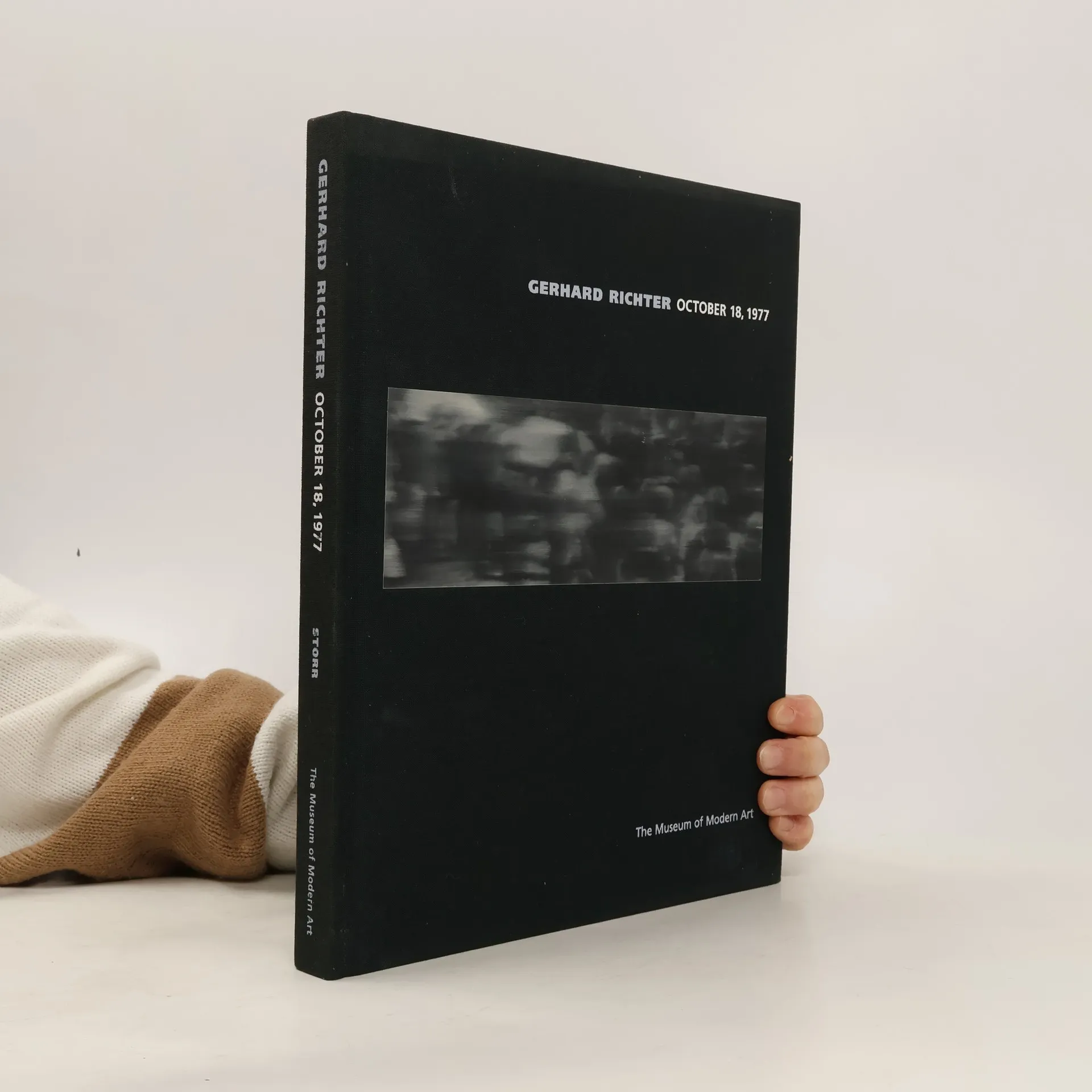
Gerhard Richter October 18, 1977
- 151 stránek
- 6 hodin čtení
Gerhard Richter (b. 1932) is one of the most highly regarded of contemporary artists, and his series of 15 paintings known as October 18, 1977, is one of the 20th century's most famous works on a political theme. It commemorates the day on which three young German radicals, members of the militant Baader-Meinhof group, were found dead in a Stuttgart prison; they were pronounced suicides, but many people suspected that they had been murdered. Richter's paintings, created 11 years after this traumatic event, are among the most challenging works of the artist's career.These hauntingly powerful images, derived from newspaper and police photography, are now in the collection of the Museum of Modern Art, New York, and will be on view beginning in September 2000 as part of the MoMA2000 series of exhibitions. In this book, Robert Storr provides necessary political background to the series, but his approach is art historical, offering insight into the complexities of "history painting" in the modern era.
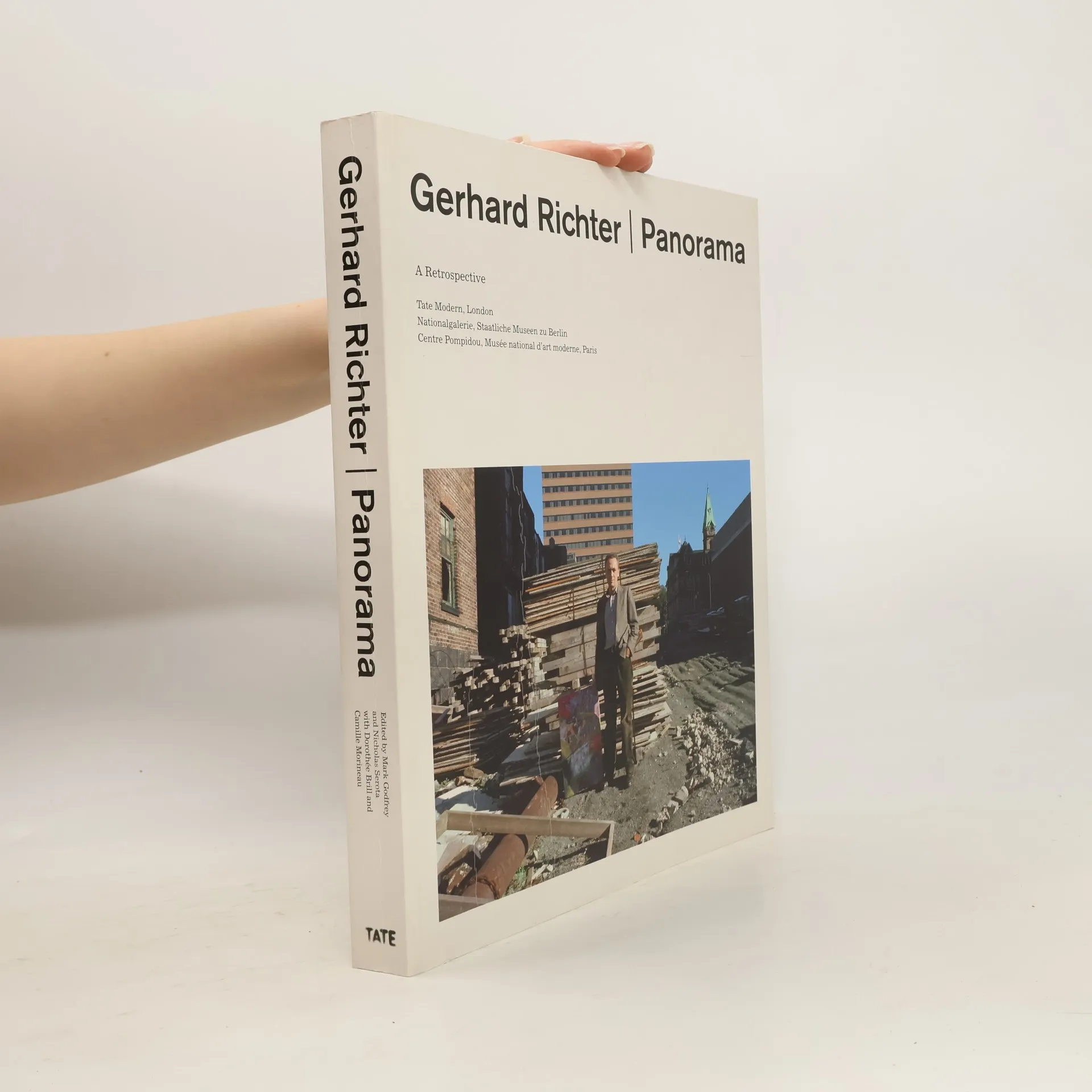
Panorama
- 288 stránek
- 11 hodin čtení
Gerhard Richter is widely seen as one of the most important painters at work in the world today. Born in Dresden, Germany, in 1932, he left for the West in 1961, settling in Dusseldorf, where he held his first exhibition in 1963. He has exhibited internationally for the last five decades, including retrospectives in New York, Paris and Dusseldorf. He lives and works in Cologne. As the artist draws near to his eightieth birthday in 2012, Tate Modern in collaboration with the Neue Nationalgalerie, Berlin, and the Centre Pompidou, Paris, is staging a major retrospective exhibition. Exhibition: Tate Modern, London 6 October 2011 - 8 January 2012 / Neue Nationalgalerie, Berlin February - April 2012 / Centre Pompidou, Paris 6 June - 24 September 2012
Book by Grube, Frank, Richter, Gerhard
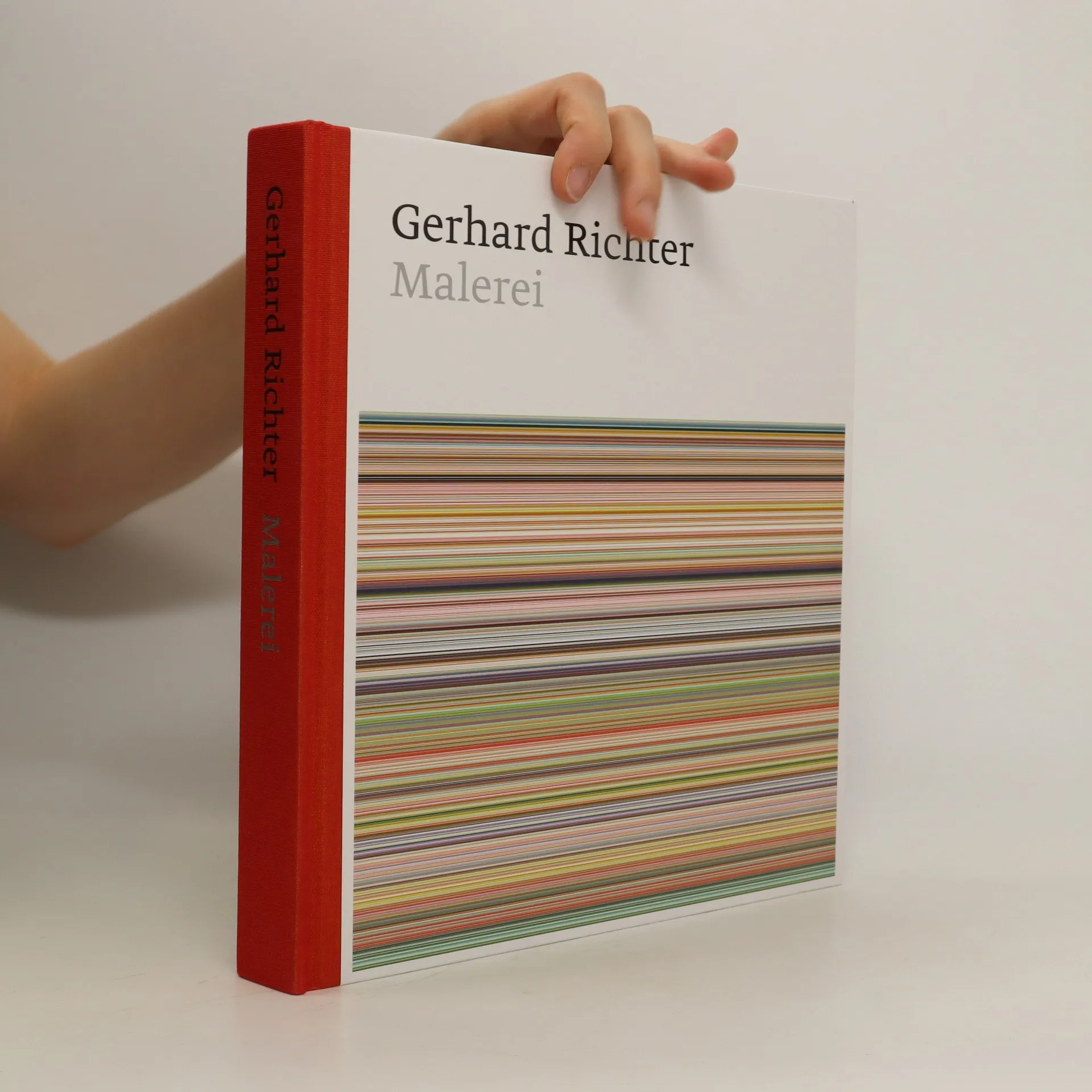
Gerhard Richter - Strip Paintings
- 39 stránek
- 2 hodiny čtení
Featured here are selected pictures from Gerhard Richter's new group of works entitled Strip Paintings.Published alongside an exhibition at Marian Goodman Gallery, New York (12 September - 13 October 2012), the works in this beautifully produced, representative, large-format catalogue are reprinted on full pages in 7 colour prints.In his essay, Glass Insurrection Benjamin H.D. Buchloh addresses Richter's glass pieces from 1967 to the present and in The Chance Ornament: Painting Progress Painting Loss he focuses on the new Strip Paintings group for the first time.Gerhard Richter was born in Dresden in 1932 and he lives and works in Cologne.
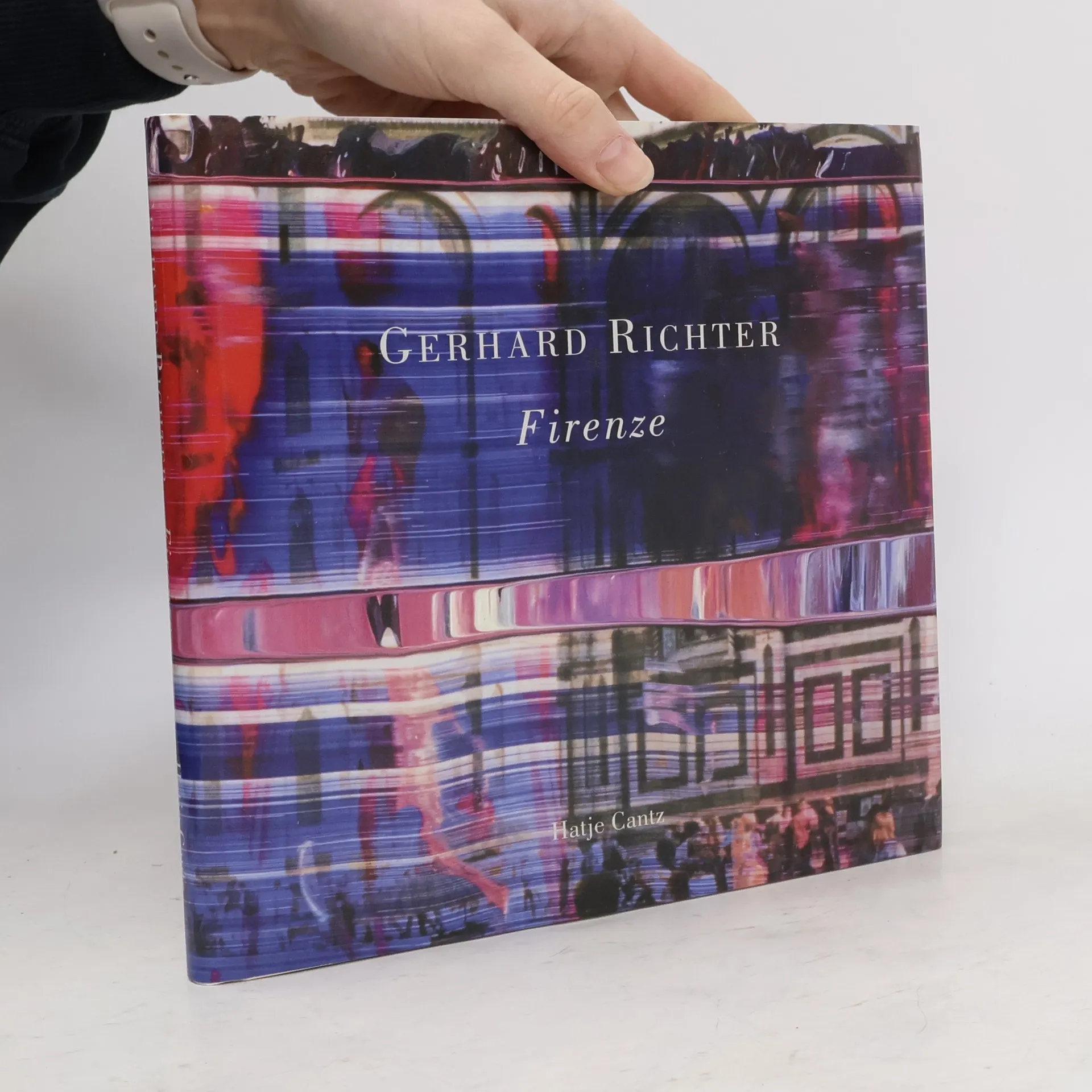
This text presents the work, done between November 1999 and March 2000, of Gerard Richter. He produced 100 overpainted photographs which predominantly use shots taken by Richter himself in Florence.
Gerhard Richter, Ausschnitt
- 88 stránek
- 4 hodiny čtení
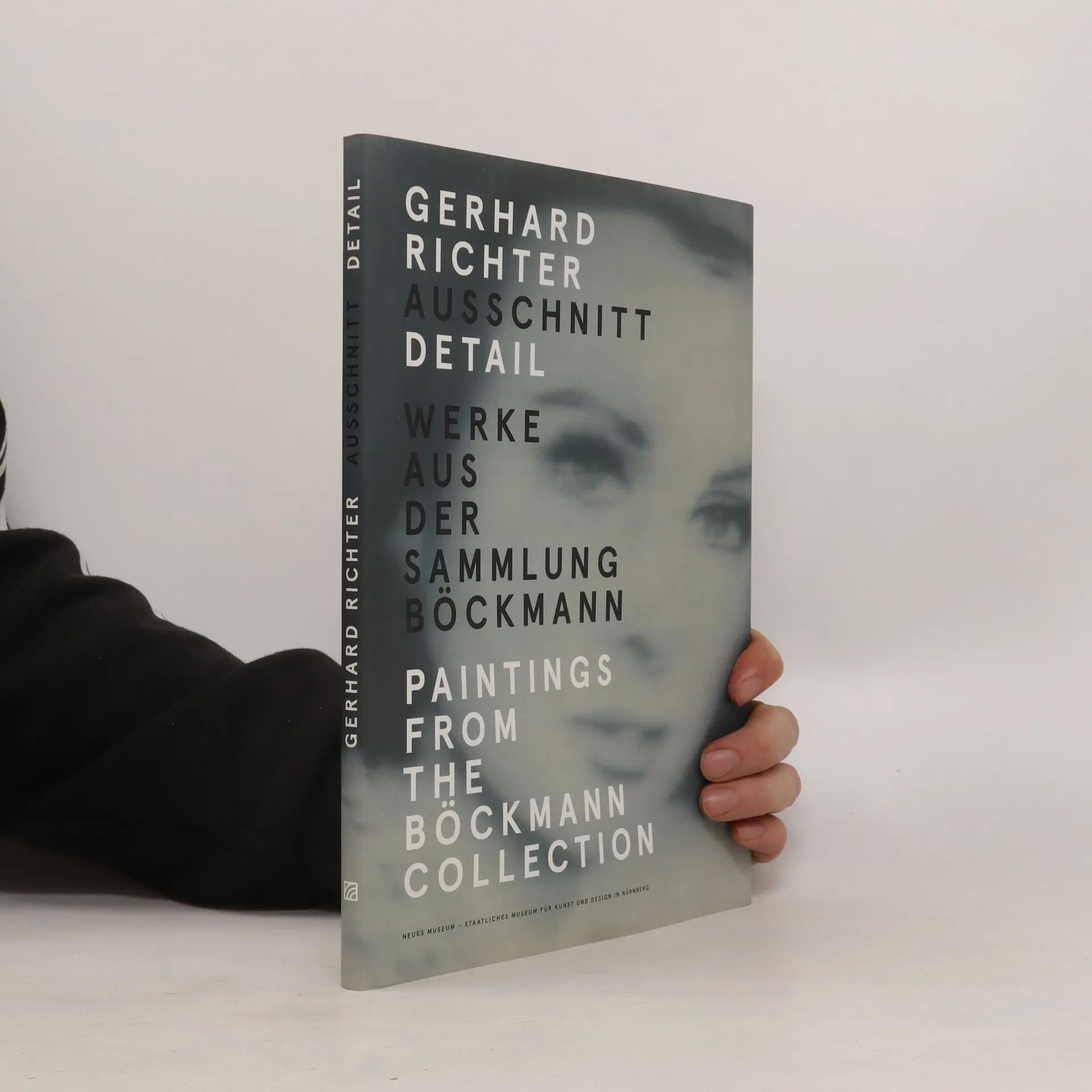
Mit den Werken aus der Sammlung Böckmann verfügt das Neue Museum Nürnberg nun über die drittgrößte Sammlung an Werken von Gerhard Richter weltweit und stellt die vom Künstler selbst eingerichtete Hängung in dieser Publikation erstmalig vor. Viele prominente Gemälde vereinen sich zu einem großen Panorama: Vom Waldstück, einem verwischten Fotobild aus dem Jahr 1965, und dem Farbtafelbild Sechs Farben (1966) über das Seestück (bewölkt) von 1969, das altmeisterlich anmutende Gemälde Schädel mit Kerze (1983) und eine ganze Reihe abstrakter Bilder bis hin zu Decke (1988), das als bermalung der zweiten Version des Gemäldes Erhängte zum Umfeld des großen RAF-Zyklus 18. Oktober 1977 gehört.
Gerhard Richter, Panorama - Expanded Edition
- 312 stránek
- 11 hodin čtení
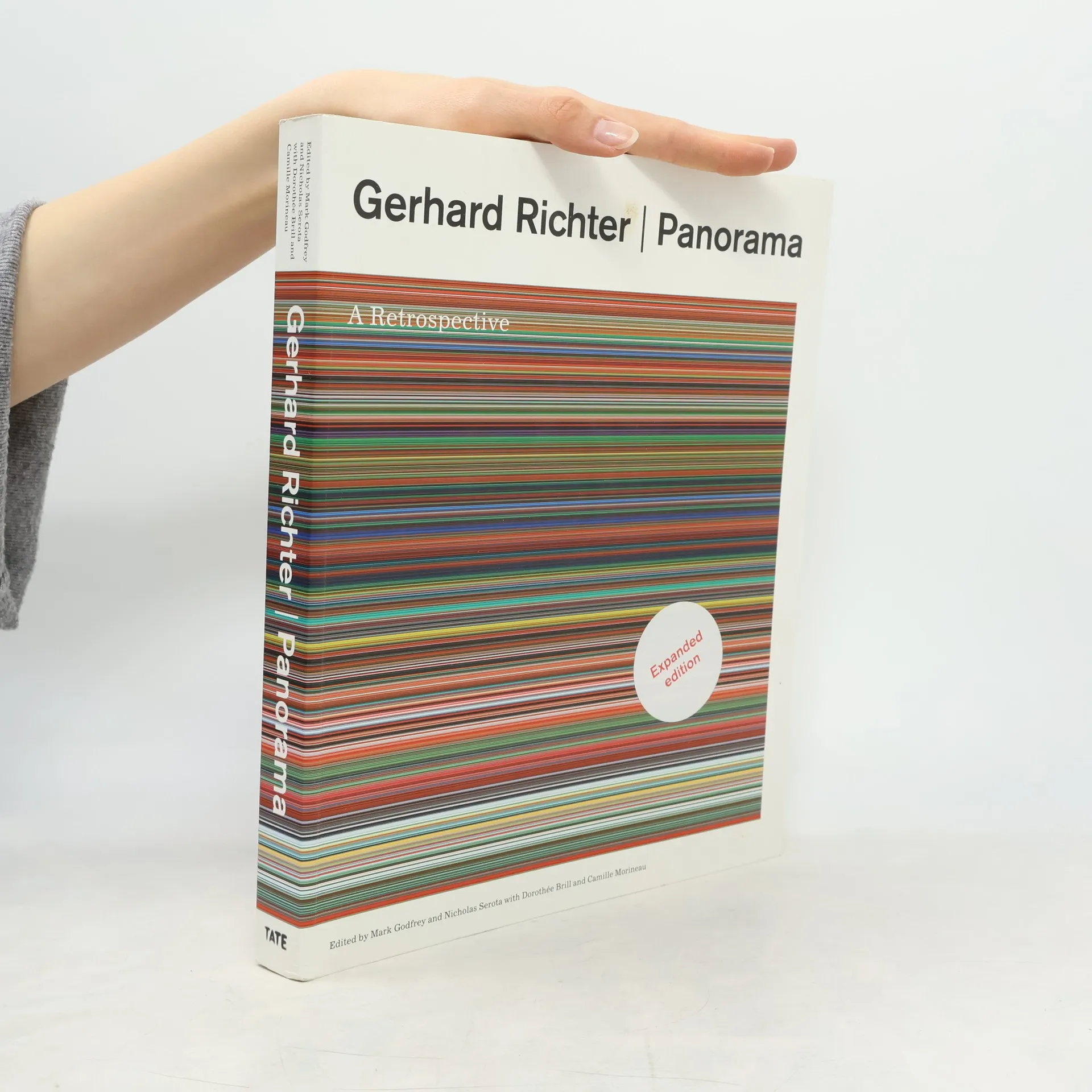
'Gerhard Richter: Panorama' is the first and most complete overview of Richter's whole career. Where previous monographs have focused on a single aspect of his work, this broad-ranging survey encompasses his entire life's work and provides the definitive account of Richter's colossal artistic achievements. This new and expanded edition of Panorama includes over forty paintings made between 2000 and 2015, studio photographs and archival images, alongside texts by international critics and curators. With more than 300 illustrations, and an interview with the artist by Nicholas Serota, Director of Tate, this landmark publication remains the most comprehensive survey of one of the world's most pre-eminent contemporary artists.
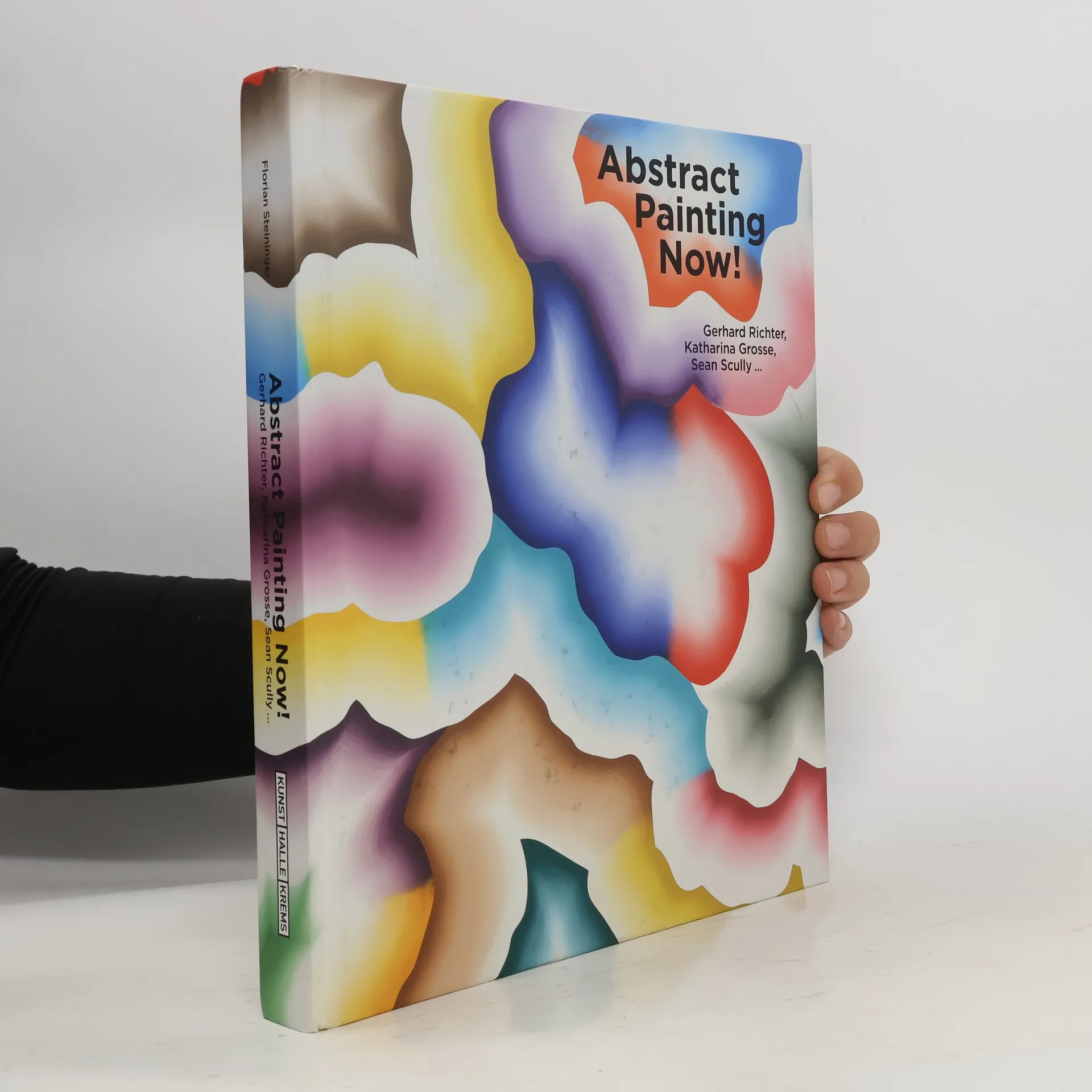
Looking at painters who came to prominence in the 1960s, '70s and '80s, this book shows how abstract painting has developed in the wake of postwar movements such as Art Informel.
100 Artists See God
- 128 stránek
- 5 hodin čtení
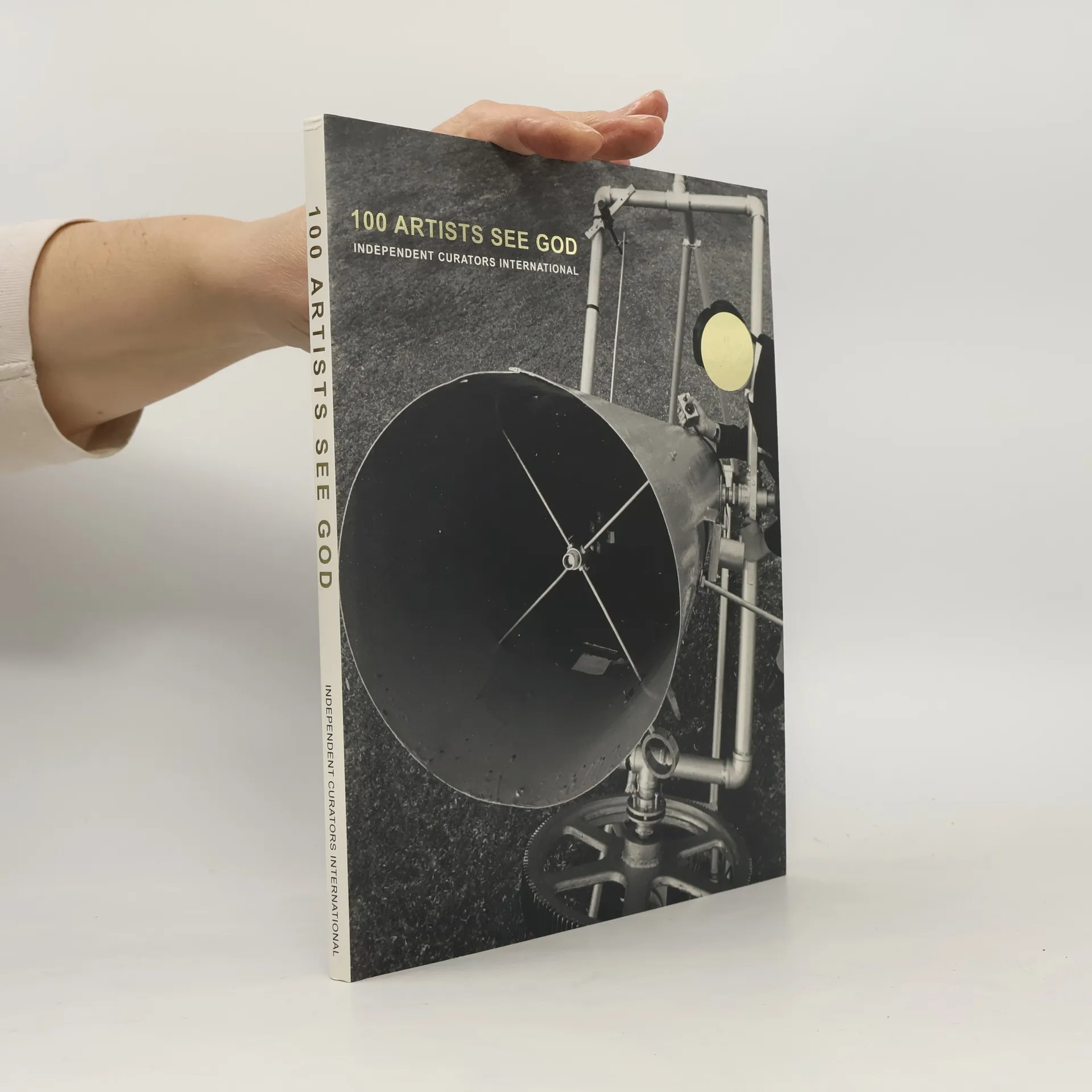
With a mix of irreverence and sincerity, artists John Baldessari and Meg Cranston here tackle nothing less than the question of God. Acting as curators, they have invited 100 artists to respond to one of art's most enduring picturing the divine. The artists selected are those whose work the curators know and admire, those who possess the sense of humor and audacity necessary for such a project, or artists who are "likely to surprise." The works in this exhibition explore many different themes, including miracles, divine intervention, baptism, heaven, martyrdom, and the search for enlightenment. Included is one work by each of the 100 artists--primarily drawings, photographs, and paintings, along with a few sculptures and single-channel videos--some of them made in response to the curators' call for participation. Represented artists include Reverend Ethan Acres, Eleanor Antin, Chris Burden, Sam Durant, Jimmie Durham, Nicole Eisenman, Katharina Fritsch, Liam Gillick, Jack Goldstein, Scott Grieger, Rebecca Horn, Christian Jankowski, Mike Kelley, Mary Kelly, Martin Kippenberger, Louise Lawler, Roy Lichtenstein, Rita McBride, Paul McCarthy, Catherine Opie, Tony Oursler, Jorge Pardo, Raymond Pettibon, Paul Pfeiffer, Richard Prince, Rob Pruitt & Jonathan Horowitz, Gerhard Richter, Susan Rothenberg, Ed Ruscha, Gary Simmons, Lawrence Weiner, James Welling and Franz West.
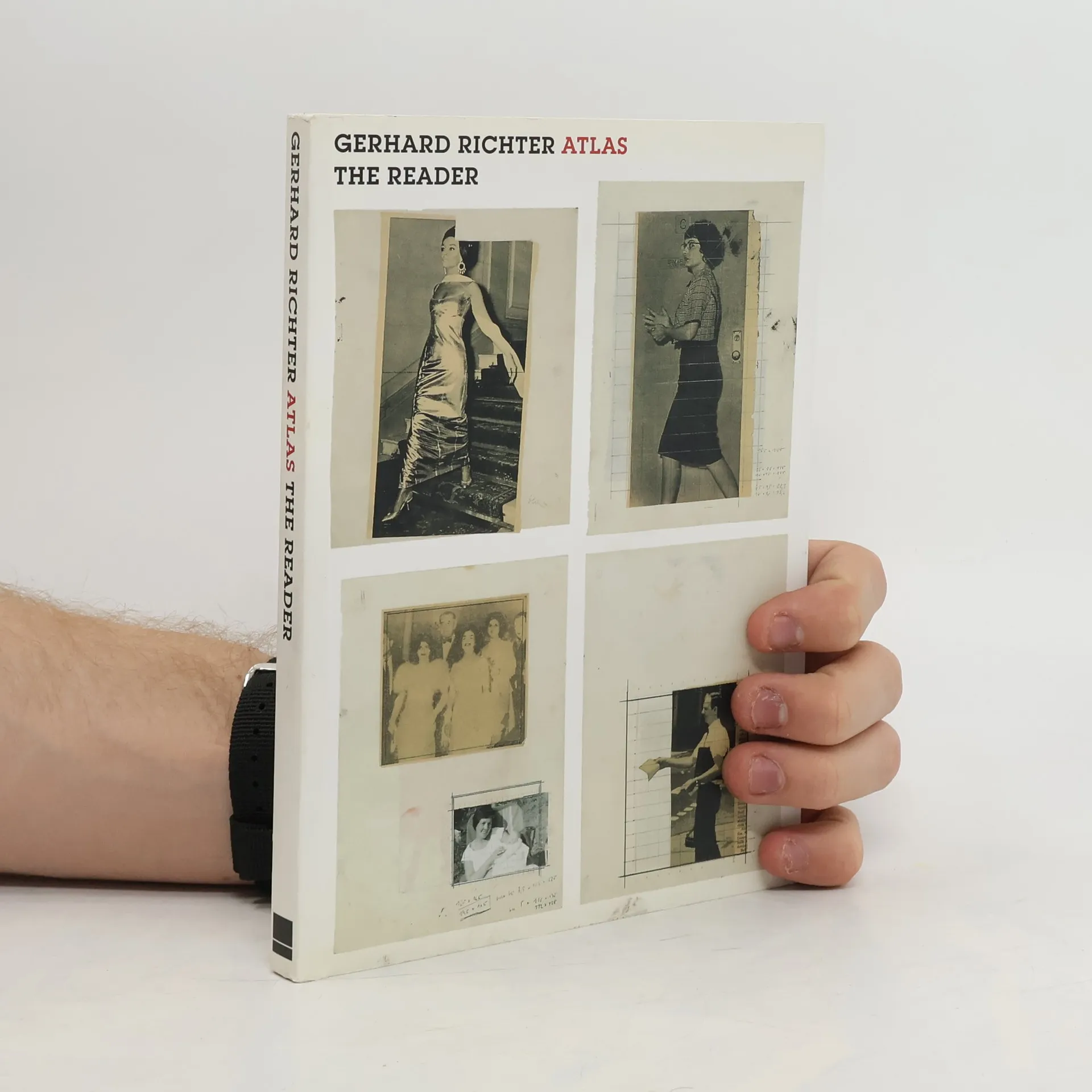
Born in Dresden in 1931, Gerhard Richter left the former GDR in 1961 to study in Düsseldorf, later living and working in Cologne. His practice has redefined the medium of painting, combining a rigorous conceptual approach with a sumptuous yet elusive beauty. His mastery of genres spans landscapes, portraiture, still life and abstraction. Lying at the heart of his practice is an ongoing project that commenced in 1964 and continues to this day. Atlas comprises over five thousand photographs, drawings, diagrams and proposals that are the foundation of Richter's oeuvre. Sometimes used as a source for his painting, Richter's album of pictures also demonstrates the complex dialogues he explores between painting and photography, history and memory, perception and representation. This book provides a critical tool for navigating Atlas, bringing together Richter's own writings alongside commentaries by an international range of curators, critics and art historians.
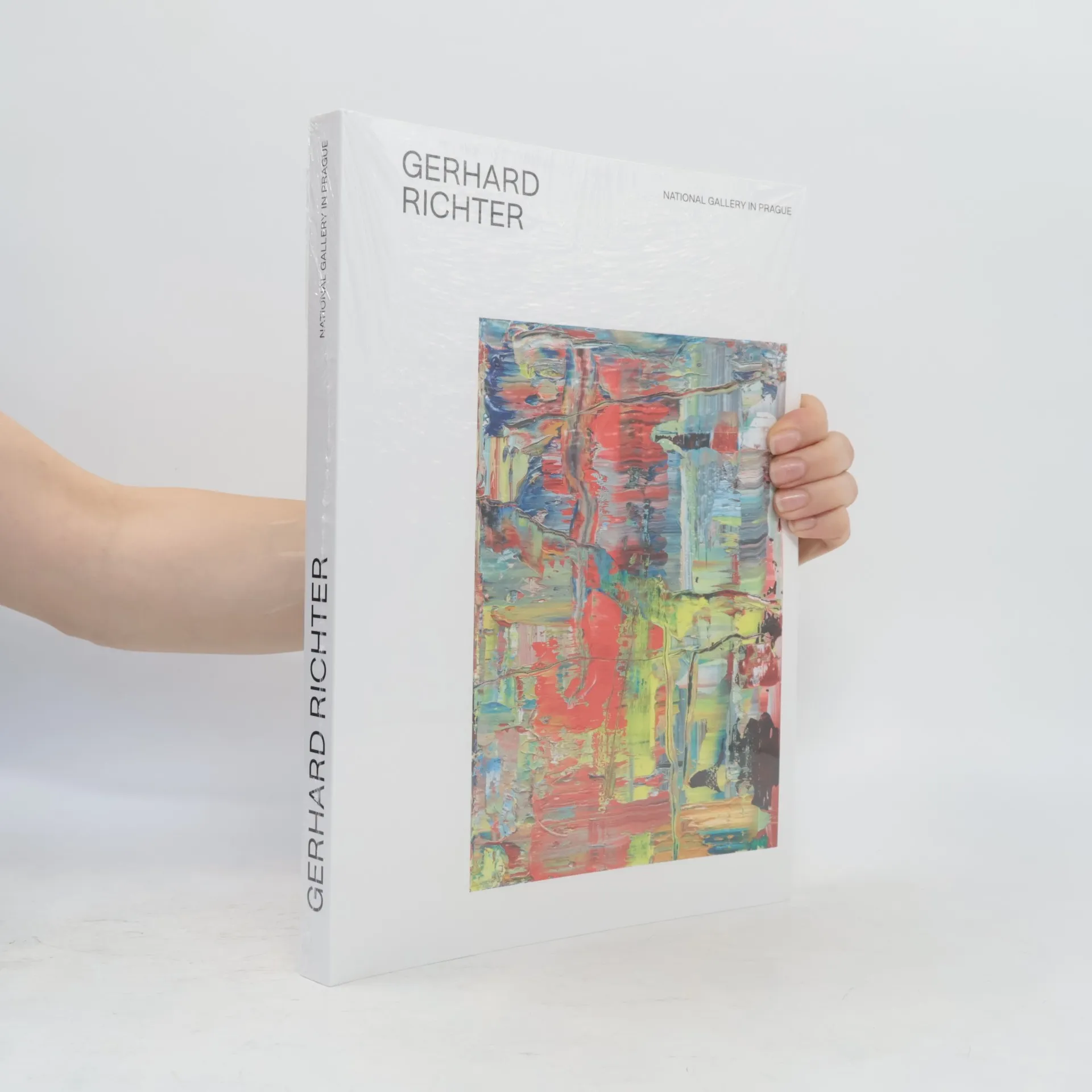
The exhibition showcases the diverse facets of Richter's oeuvre, featuring iconic portraits of his daughters Betty and Ella, paintings reflecting everyday life and historical issues, mountain and seascapes, monochrome grey works, expressive abstracts, computer-processed geometric Strips, and his renowned Colour Charts, which inspired the monumental stained-glass windows for Cologne's Gothic Cathedral. Notably, the Uncle Rudi painting, depicting Richter's uncle as a Nazi soldier, is on loan from the Lidice Collection, where it was donated half a century ago. Additionally, sheets from his legendary Atlas, a compilation of photographs, newspaper clippings, and drawings collected since the 1960s, are displayed. The exhibition emphasizes Richter's exploration of history—not just Germany's history but also that of his family and the art world. This theme connects his personal photo-realistic works with those addressing broader art history, aiming to convey meanings beyond words. Organized chronologically, the exhibition highlights the evolving themes Richter has embraced, reflecting his engagement with contemporary trends and his constant quest for new artistic expression.
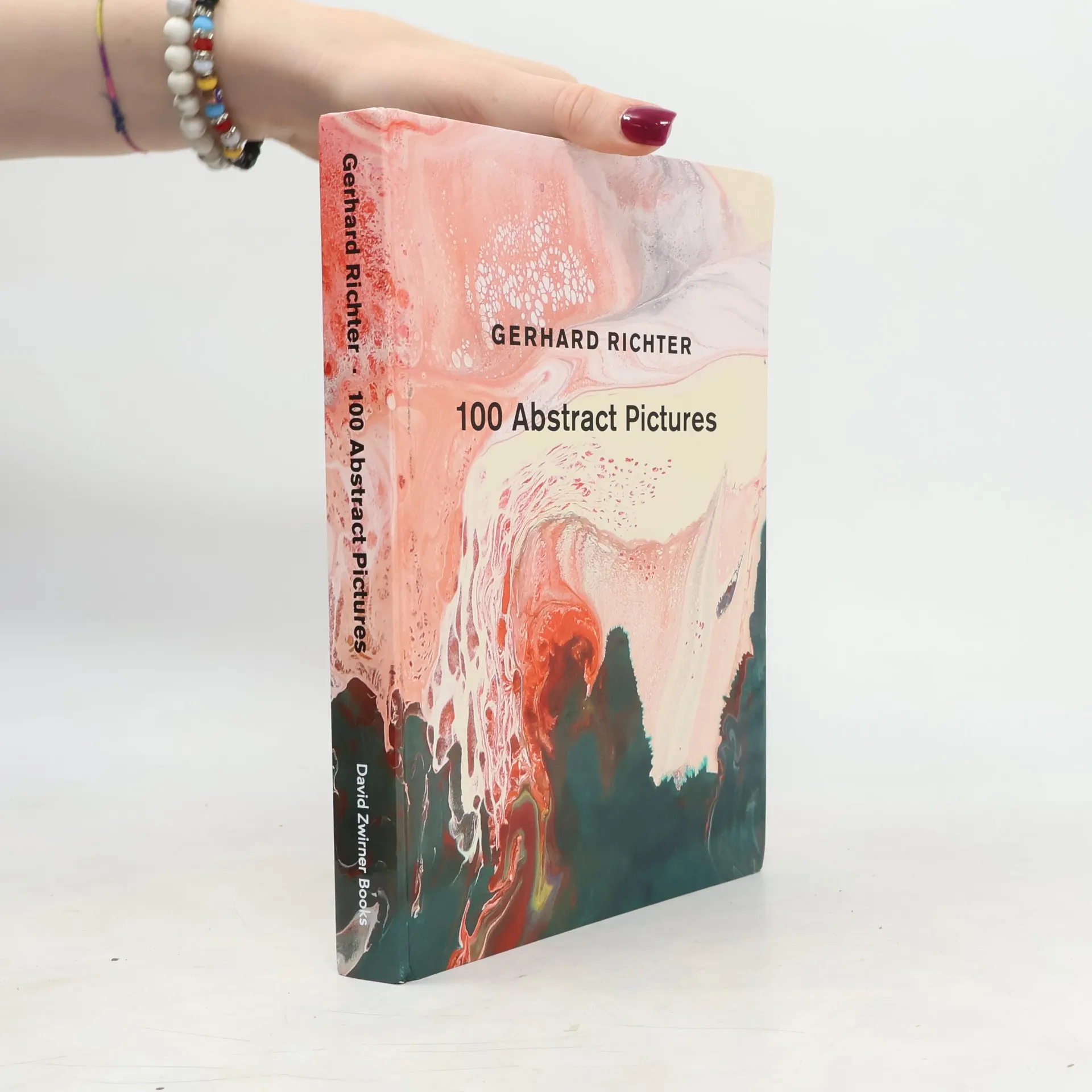
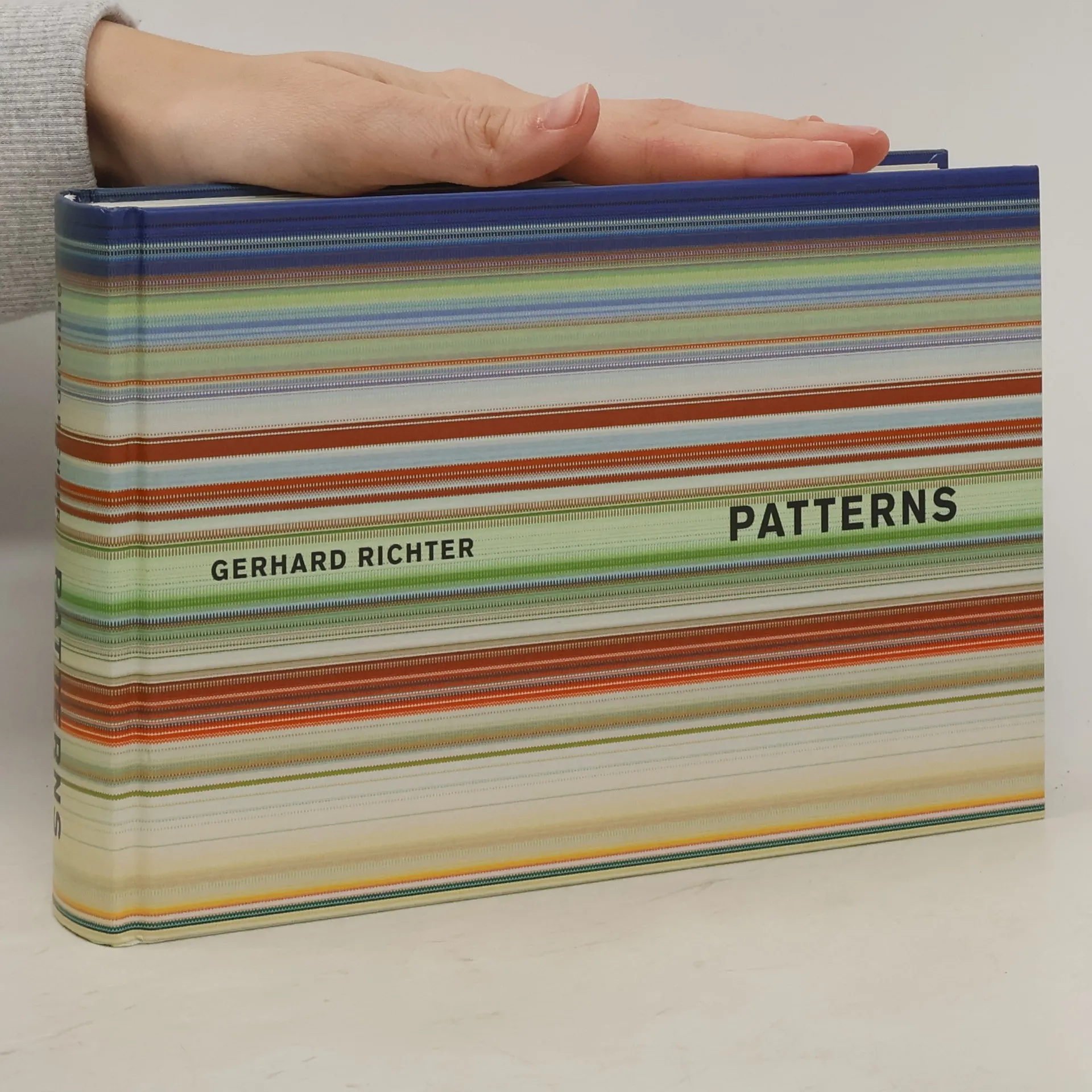
A new artist’s book, created by Gerhard Richter, that explores abstraction and chance in art and writing “The 100 Abstract Pictures shown here originated about five years ago, when I poured enamel paints on a fifty-by-fifty centimeter glass plate. The paints then flowed into one another without completely mixing. Thus they produced countless ephemeral abstract pictures, which I captured in photographs. These pictures are juxtaposed in the book with text formations that were generated at random.” —Gerhard Richter, 2023 With a career spanning more than sixty years, the renowned painter Gerhard Richter is one of the greatest artists of the twentieth and twenty-first centuries. Debuting alongside Richter's first exhibition at David Zwirner, featuring new abstract works created between 2016 and 2022, this book celebrates his continued dedication to experimentation and innovation. An artwork of its own, this intimate volume inspires both close looking and a beautiful interpretation of abstraction.
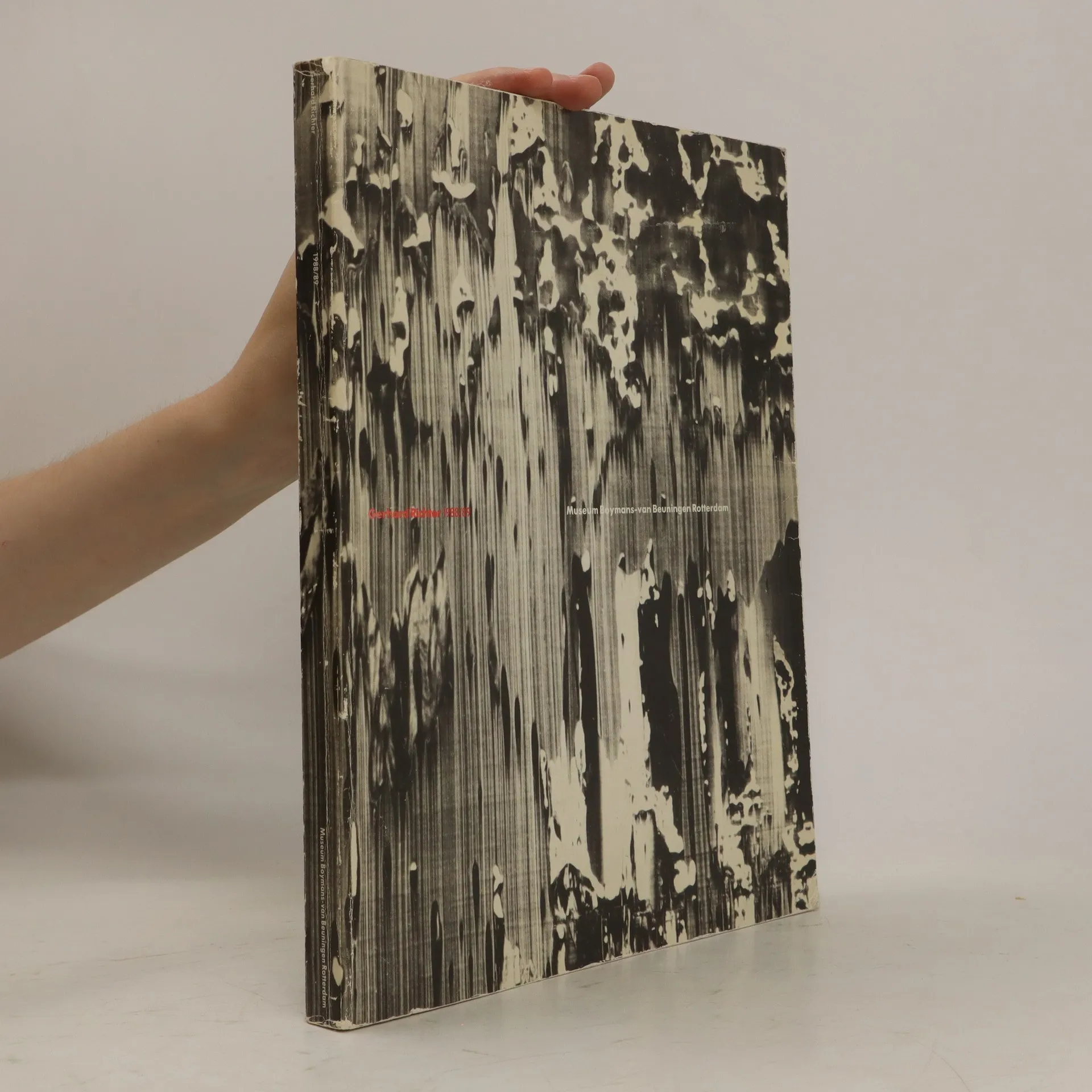
Gerhard Richter : 1988
- 166 stránek
- 6 hodin čtení
Gerhard Richter, paintings, Malerei
- 64 stránek
- 3 hodiny čtení
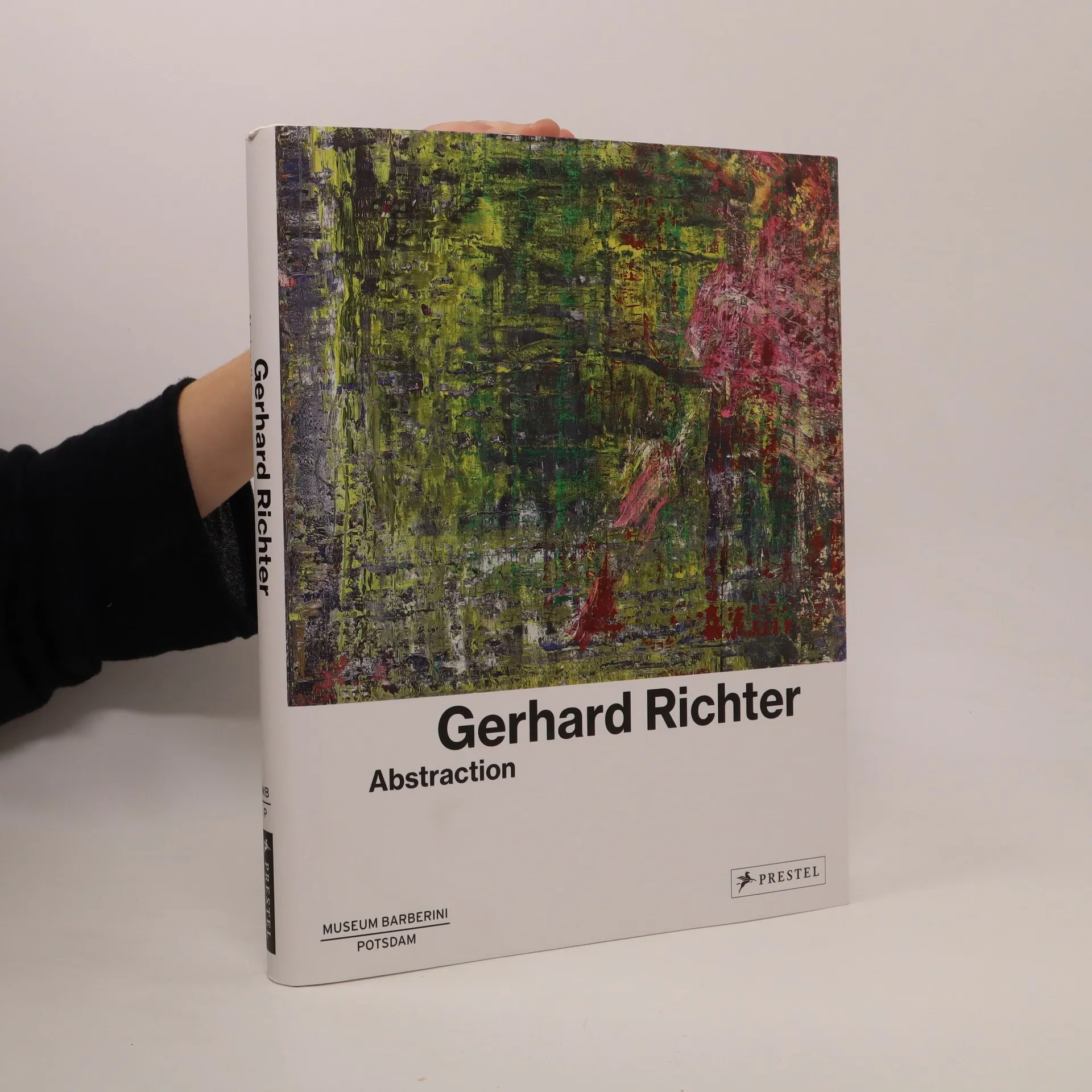
Abstraction
- 240 stránek
- 9 hodin čtení
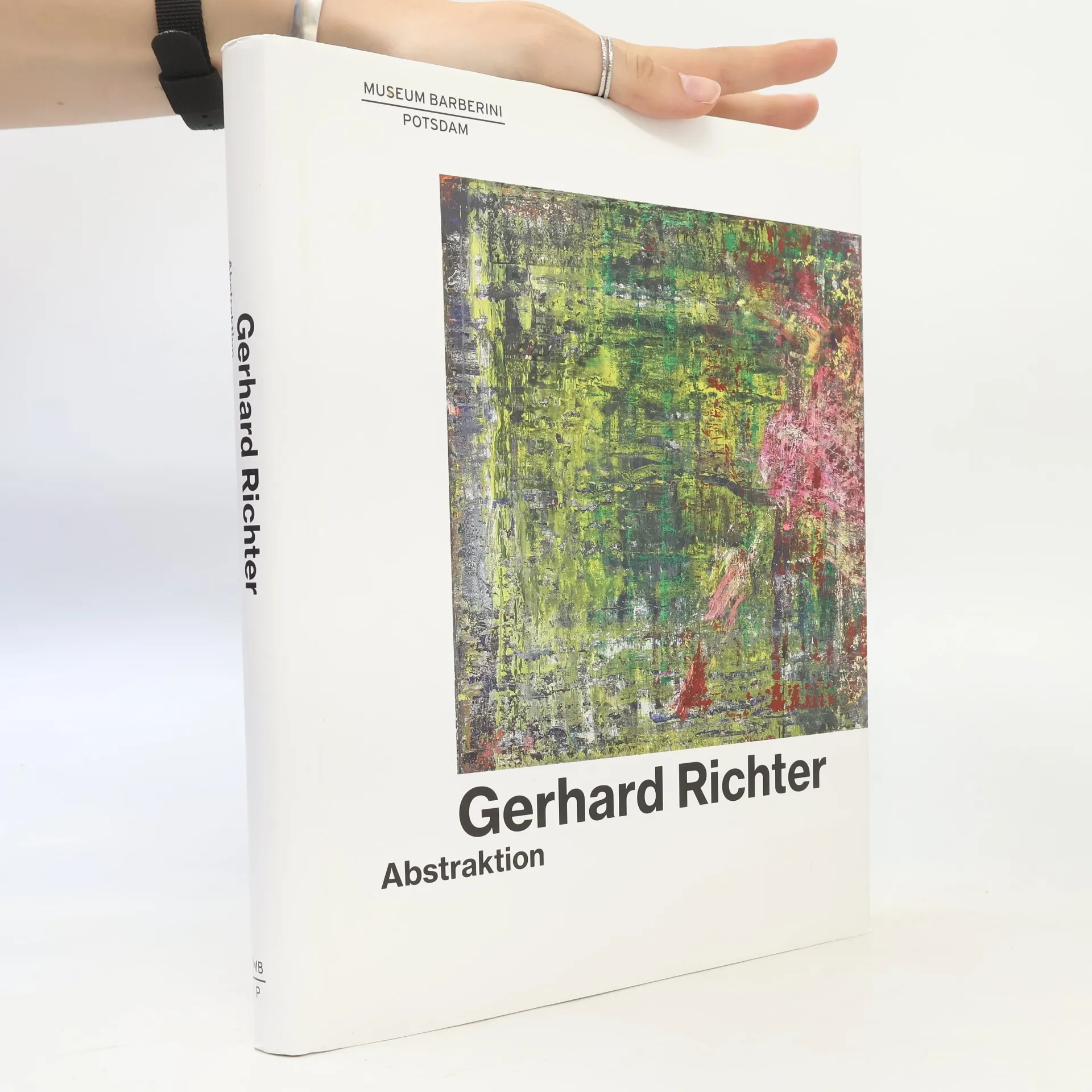
Now available in paperback, this book offers a unique survey of Gerhard Richter's abstract works bringing together 80 paintings from collections worldwide.This book focuses solely on the abstract strategies and processes contained in Gerhard Richter's body of work. In the early 1960s, the artist began to call painting into question, an exploration that continues to occupy him to this day. In the 1970s, he responded to the rejection of painting by creating a series of monochrome works in gray. Moreover, he viewed the color gray as a means of addressing political themes without depicting them in an idealized manner. In his Inpainting series of the 1970s, Richter made brushstrokes and the application of paint his subject. In other works, he photographed small details from his palette and transferred them onto large canvases in a photorealistic manner. In his color charts, he subjected painting to an objective process by leaving the arrangement of the colors to chance. Since 1976, Richter has created a series of abstract works by applying paint with a brush, scraper, and palette knife, alternating between conscious decision-making and random processes.
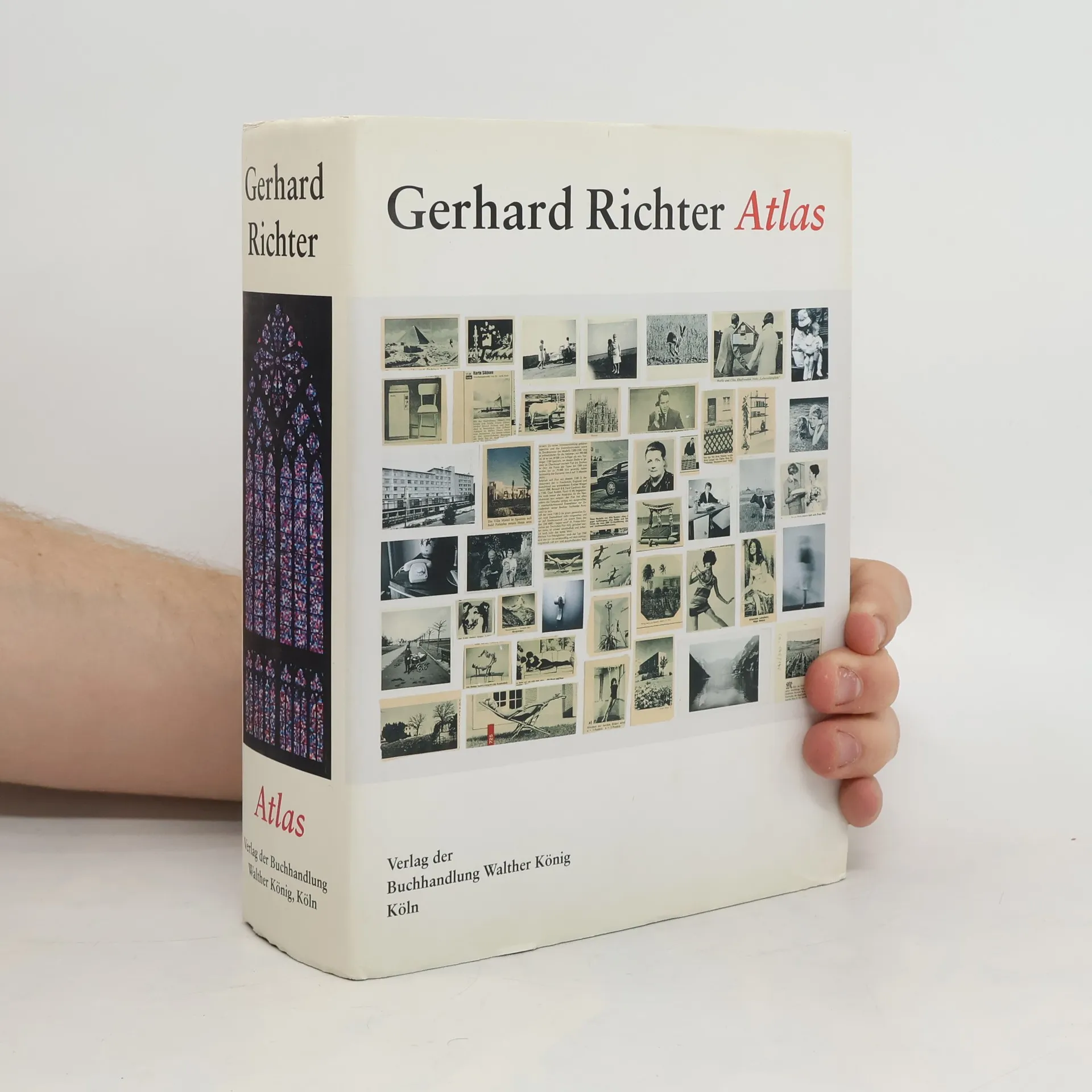
This monumental and comprehensive publication maps the ideas, processes, life and times of one of the most important painters of our time. Conceived and closely edited by Gerhard Richter himself, Atlas cuts straight to the heart of the artist’s thinking, collecting more than 5,000 photographs, drawings and sketches that he has compiled or created since the moment of his creative breakthrough in 1962. Year by year, the images closely parallel the subjects of Richter’s paintings, revealing the orderly but open-ended analysis that has been so central to his art. Offering invaluable insight into Richter’s working process, this encyclopedic new edition, which completely revises and updates the rare, out-of-print 1997 edition and includes 147 additional plates, features 780 multi-image panels, each reproduced full page and in full color. Richter redefined the terms of contemporary painting as he looked to photography for a way to release painting from the political and symbolic burdens of Socialist Realism and Abstract Expressionism. From pictures of family and friends to images from the mass media, Richter’s photographs--sometimes found, sometimes original--have provided the basis for many of his paintings, often re-emerging in a luminous, monochromatic palette, and falling ambiguously between documentary and historical painting.
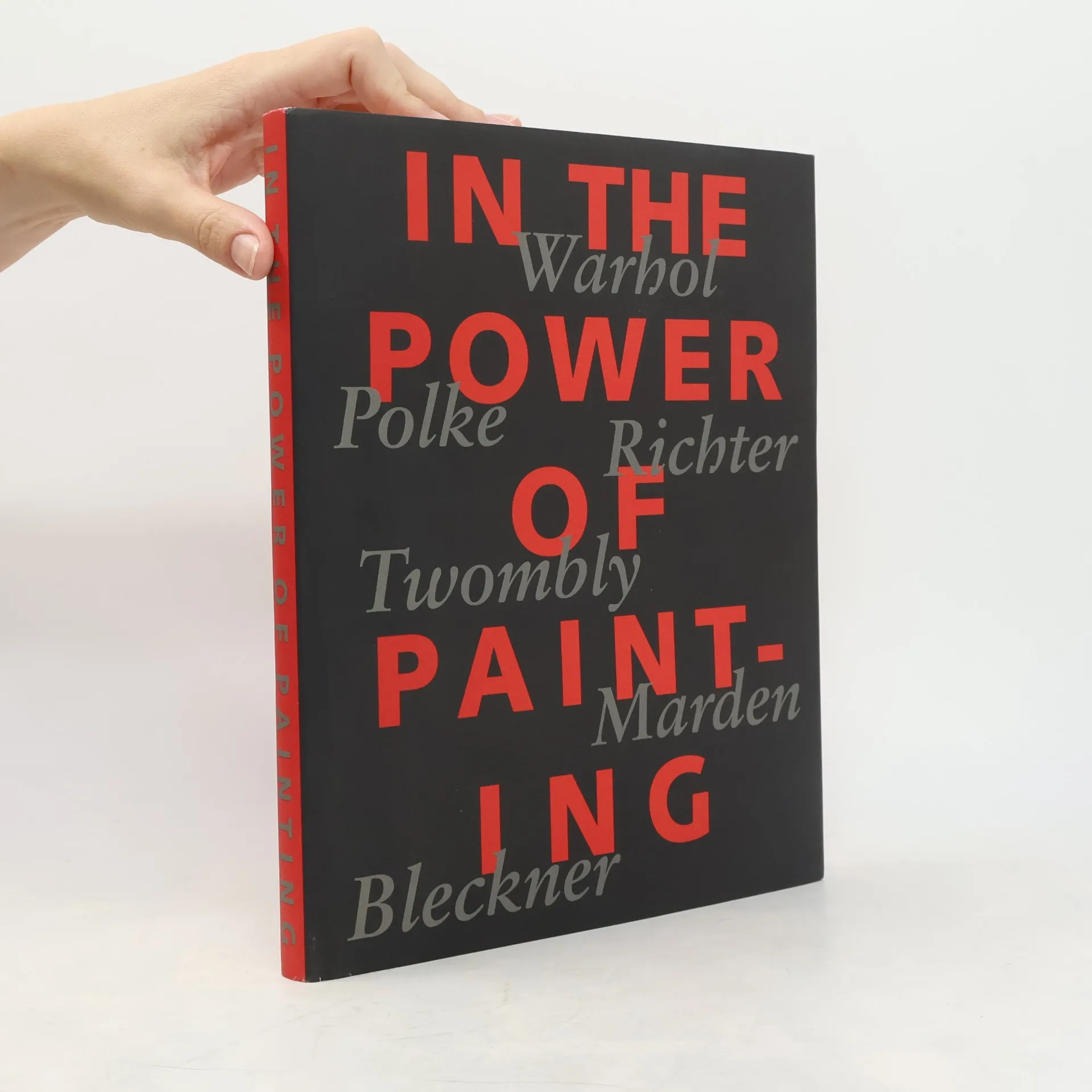
In the Power of Painting
Warhol, Polke, Richter, Twombly, A Selection from the Daros Collection, Deutsch/Englisch
- 144 stránek
- 6 hodin čtení
Time and again in recent decades, art world denizens have celebrated or mourned the demise and subsequent resurgence of painting. In the Power of Painting invites you to take a look at painting above and beyond the rather tiresome modernist myth of the end of painting. It proposes to consider the challenges and problems facing painters in the age of photography not as an omen of painting's eventual final exhaustion, but rather as a source of its lasting vitality. In the Power of Painting traces how six seminal postwar artists-Andy Warhol, Sigmar Polke, Gerhard Richter, Cy Twombly, Brice Marden, and Ross Bleckner-developed their signature approach to painting in response to the art form's perceived crisis. The six groups of works from the Daros collection impressively demonstrate how these painters re-wrote the rules of painting, from their initial experimenting to the canvases that heralded their maturity. A handsome and splendidly reproduced book, indispensable for all those looking for ways out of the restrictions and limitations of modernist and postmodernist approaches to art.
Im letzten Jahrzehnt erschien nicht allzuviel zum Werk dieses gestandenen Künstlers der Gegenwart. Die bereits entstandene Lücke in der aktuellen Richter-Literatur füllt auch dieser Band kaum aus. Der Begleitkatalog zur Ausstellung der "privaten Bilder" G. Richters (wie die Ausstellung selbst) enthält lediglich Werke der letzten Jahre 1995/96 und frühere Arbeiten aus seiner Privatsammlung. Neben 100 Bildern einige relativ kurze Beiträge von G. Tosatto und B. Pelzer. Im Anhang tabellarische Biographie. Zusatztitel. (3) (LK/DD: Springmann)
Restluft
- 288 stránek
- 11 hodin čtení
Wald
- 396 stránek
- 14 hodin čtení
Als Texte für das Buch verwendet er die Aufsätze der Fachzeitschrift Waldung – Magazin für Wald, Wandern, Wissen, Nr. 1/2006. Alle Wörter wurden mit Hilfe eines Zufallsgenerators gemischt. Anschließend entfernte Richter Eigennamen sowie immer noch zu eindeutige Textpassagen. Der so entstandene unsinnige Text ist vom Vokabular her noch immer als ein Text über Wald erkennbar. Richter teilte den Satzspiegel in sieben horizontale Streifen, die er nach einem strengen Konzept anordnete, das er aber durch individuelle Eingriffe unterlief. Die 106 unterschiedlich besetzten Seiten füllen sich kontinuierlich mit Text, um nach der einzig voll belegten Seite in der Mitte wieder abzunehmen. Es ist ein Ein- und Ausblenden von Satzbildern. Die Fotografien sortierte Richter grob in Gruppen – feines Geäst, horizontal liegende Stämme, diagonal oder vertikal wachsende Bäume –, die er mit den Textseiten zu einer Dramaturgie verteilte, die dem Buch Abwechslung und Spannung gibt. Wald ist als autonomes Künstlerbuch weit mehr als ein weiterer Tafelteil des Atlas. Es erschließt Analogien zu seinem Gesamtwerk.
Das Überleben überleben
- 196 stránek
- 7 hodin čtení
Gerhard Richters essayistische Erkundung des Überlebens betrachtet dieses nicht nur als eine Verlängerung des Lebens, sondern als eine intensivierte Form des Lebens selbst. Philosophisch gesehen dient das Überleben als Ausgangspunkt für die Untersuchung dieser grundlegenden Erfahrung. Trotz der reichen Reflexionen in der philosophischen und essayistischen Tradition wurde Richter durch die alltägliche Realität der Pandemie inspiriert, die die Fragilität des körperlichen Lebens und der sozialen Strukturen offenbart hat. Die Notwendigkeit, die Vergänglichkeit eines „Weltgefühls“ mit den theoretischen Aspekten des Überlebens und der Verletzlichkeit zu verbinden, wird durch globale Krisen verstärkt. Richters Ansatz ist umkreisend und essayistisch; es geht weniger um eine präzise Definition des Überlebens als um die Erfassung seiner vielfältigen Bedeutungen. Durch einen historischen Parcours, der von Nietzsche bis zu Jean-Luc Nancy und Werner Hamacher reicht, untersucht Richter die Implikationen des Überlebens – zwischen Fortleben, intensivem Leben und der Ausrichtung auf die Zukunft. Dieses Spektrum an Bedeutungen zeigt, dass Überleben immer neu interpretiert werden muss, da es irreduzibel „immer erst noch verstanden werden muss“.
Die Cage-Bilder
- 200 stránek
- 7 hodin čtení
Gerhard Richters rigorose Erforschung des Mediums Malerei macht ihn zu einem der bedeutendsten Künstler der Gegenwart. Die Cage-Bilder, ein Zyklus von sechs großformatigen Gemälden aus dem Jahr 2006, hat Richter nach dem Komponisten John Cage benannt. Sie markieren seine aktuelle künstlerische Position in seinem mehr als vierzigjährigen Schaffen. Robert Storr untersucht in drei ausführlich gehaltenen Kapiteln, welche Stellung die Cage-Bilder in Gerhard Richters Gesamtwerk sowie im breiteren Kontext der abstrakten Kunst einnehmen. Mit vielen Querverweisen beleuchtet er die Entwicklung des Œuvres und führt den Leser gekonnt durch Gerhard Richters Kunst. Der Leser kann erstmals den Arbeitsprozess des Künstlers mitverfolgen. Mit zahlreichen Abbildungen der Leinwände und des Ateliers des Künstlers wird die Entstehung der Cage-Bilder in einzelnen Schritten erlebbar. Vergleichsabbildungen, u. a. von den Bilderzyklen Wald (2005) und Bach (1992), sowie biografische Fotos aus dem Archiv des Künstlers vervollständigen die umfangreiche Monografie.
Über Malen
- 128 stránek
- 5 hodin čtení
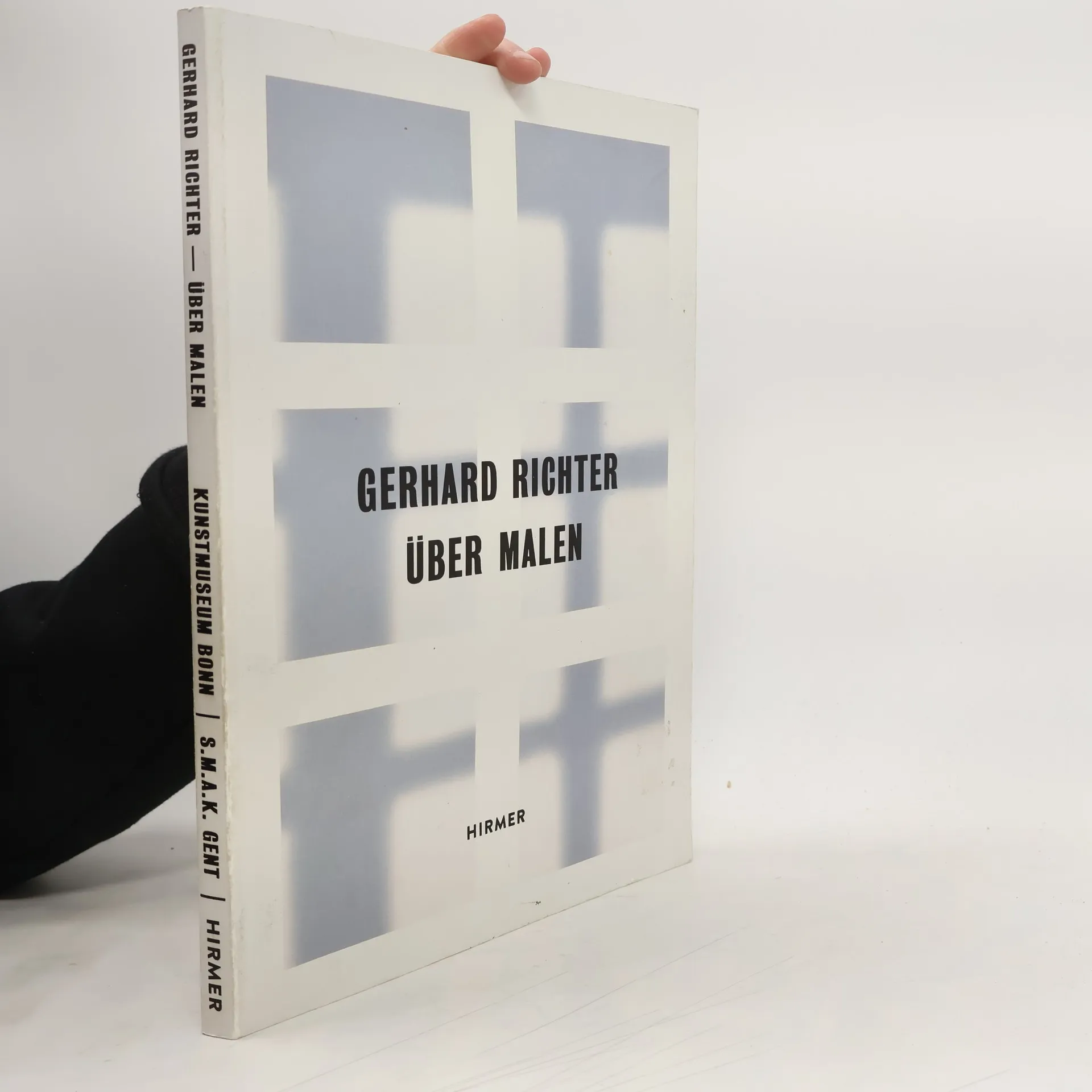
Gerhard Richters Werk überwindet die Trennung von abstrakter und gegenständlicher Kunst. Weder kultivieren seine Bilder ein selbstgenügsames Spiel von Farben und Formen noch liefern sie ein ungebrochenes Bild der Wirklichkeit. Als Malerskeptiker befragt Richter den Realitätscharakter seiner Kunst selbst dann, wenn vordergründig Greifbares Thema seiner Gemälde ist. Im Besonderen gilt das für seine Tür-, Vorhang- und Fensterbilder der 1960er-Jahre, die im Zentrum des Bandes stehen. Sie inszenieren ein Spiel mit der Scheinhaftigkeit von Kunst, das immer die Frage stellt, was Malerei zeigt oder verbirgt. In diesem hochwertig ausgestatteten Band treffen Sie auf zentrale Arbeiten der letzten 15 Jahre.
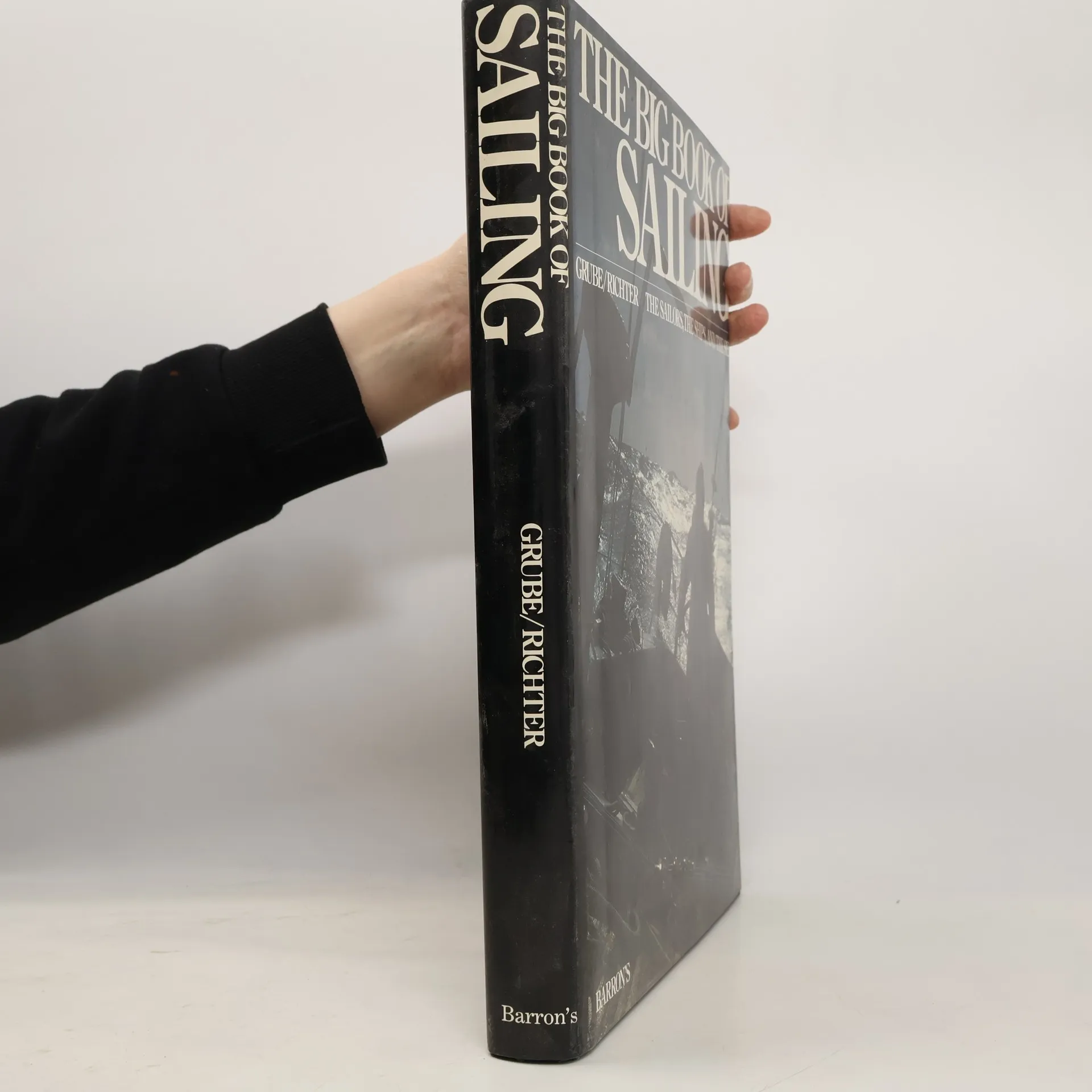
Das große Buch der Windjammer
- 272 stránek
- 10 hodin čtení
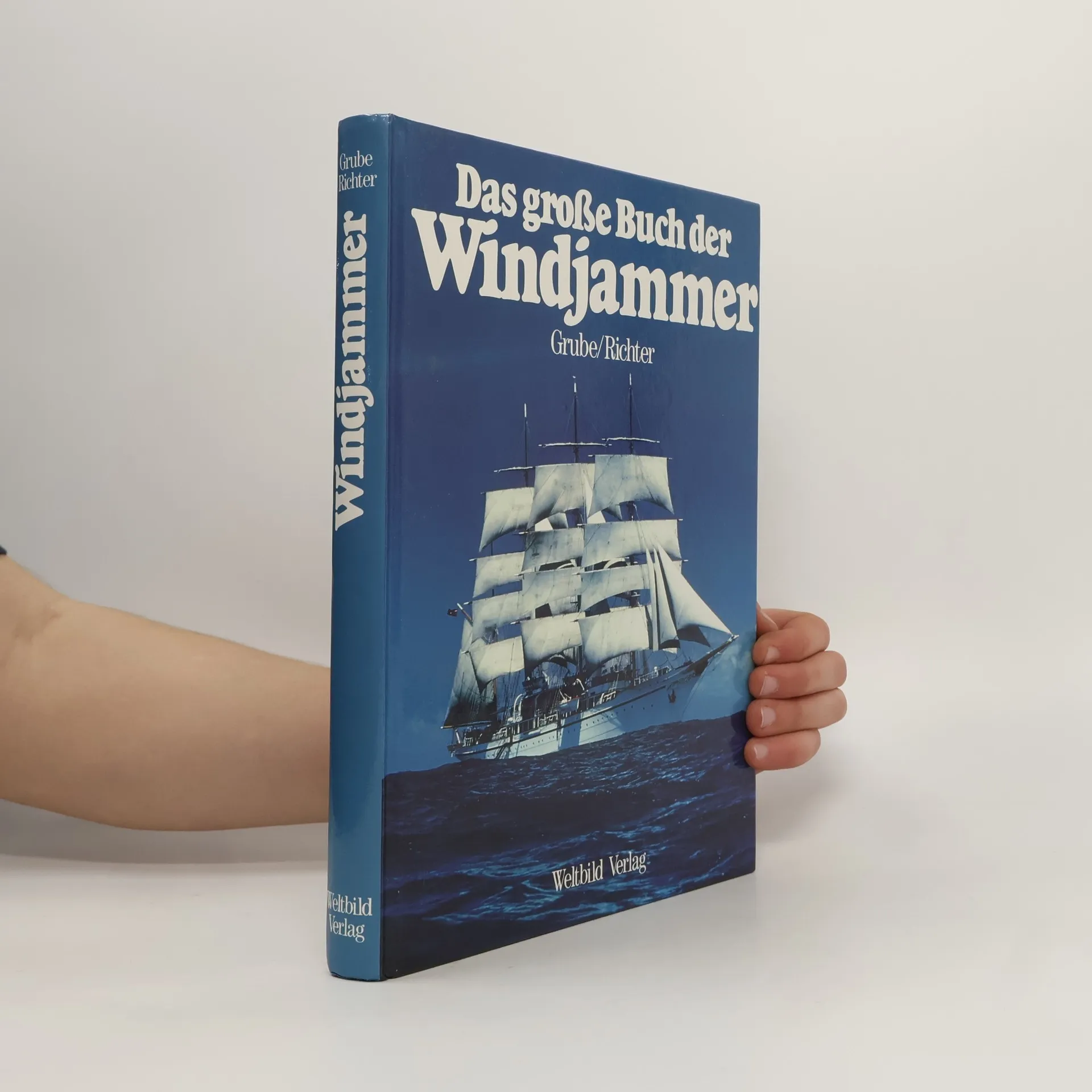
Hrsg. Grube, Frank ; Richter, Gerhard Zahlr. tls. farb. Abb., Ktn. 272 S.
Alltag im Dritten Reich
- 192 stránek
- 7 hodin čtení
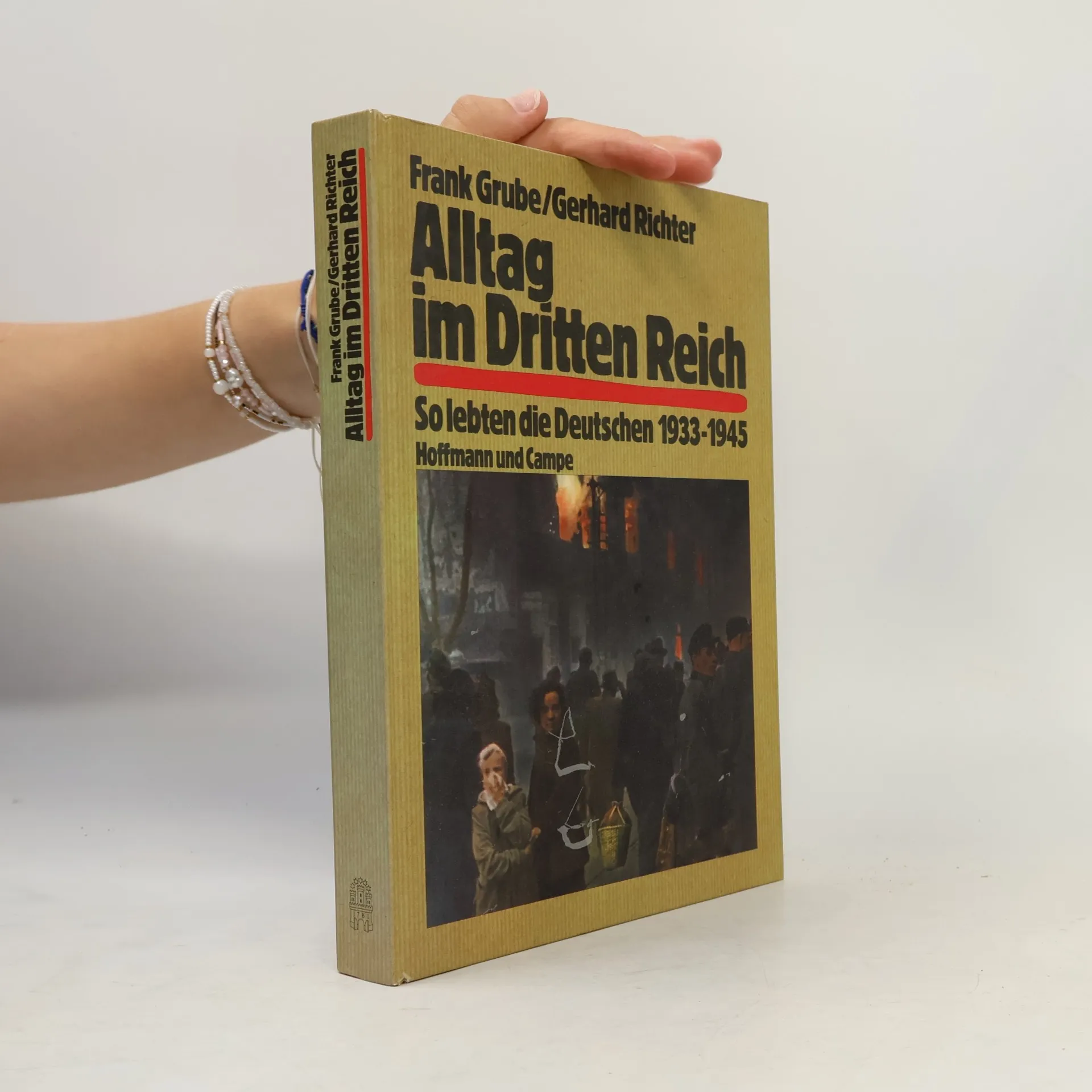
davon 112 S. Text, 104 S. schw.-w. u. 16 S. farb. Abb.
Gerhard Richter - Landschaften
- 126 stránek
- 5 hodin čtení
Gerhard Richter (*1932 in Dresden) hat sich immer schon mit der Landschaft auseinandergesetzt. Kein anderes Motiv hat ihn ähnlich fasziniert und über die Jahre beschäftigt: schwarz-weisse Landschaften nach Zeitschriftenreproduktionen und Amateurfotos, pastos gemalte Gebirgsansichten und Parkstücke, illusionistische Seestücke von subtiler Farbigkeit und Transparenz. Seit den weich vermalten Korsika-Ansichten von 1968/69 haben sich die Landschaften als eigene Werkgruppe in Richters Œuvre etabliert. Gerhard Richter erfasst in seinen Bildern auf malerische Weise Wirklichkeit, wobei Landschaft und Abstraktion nicht als Gegensätze, sondern als verwandte Konzepte erscheinen. Der vorliegende Band erschliesst Richters Landschaftsmalerei von den frühen 1960er-Jahren bis heute.
Verwaiste Hinterlassenschaften
- 237 stránek
- 9 hodin čtení
Wer erbt, interpretiert. Er steht vor einem Rätsel, das sich gegen die Sinnstiftung sträubt. Wer im emphatischen Sinne erbt, das heißt, sich dem Moment des radikalen Erbens zu öffnen vermag, wird zu interpretieren nicht aufhören können, und eine jede wirkliche Interpretation ist ihrerseits von dem Begriff und der Erfahrung des Erbens – dem auslegenden Fragen nach den sich unentwegt verändernden Bedeutungen des Überlieferten – unabtrennbar. Gerhard Richter unternimmt hier den Versuch, den Begriff und die Erfahrung eines intellektuellen Erbes unter den Vorzeichen seiner zugleich stets eingeforderten und außer Kraft gesetzten Lesbarkeit exemplarisch in Szene zu setzen.
Bibliothek Suhrkamp: Nachricht von ruhigen Momenten
89 Geschichten. 64 Bilder
- 135 stránek
- 5 hodin čtení
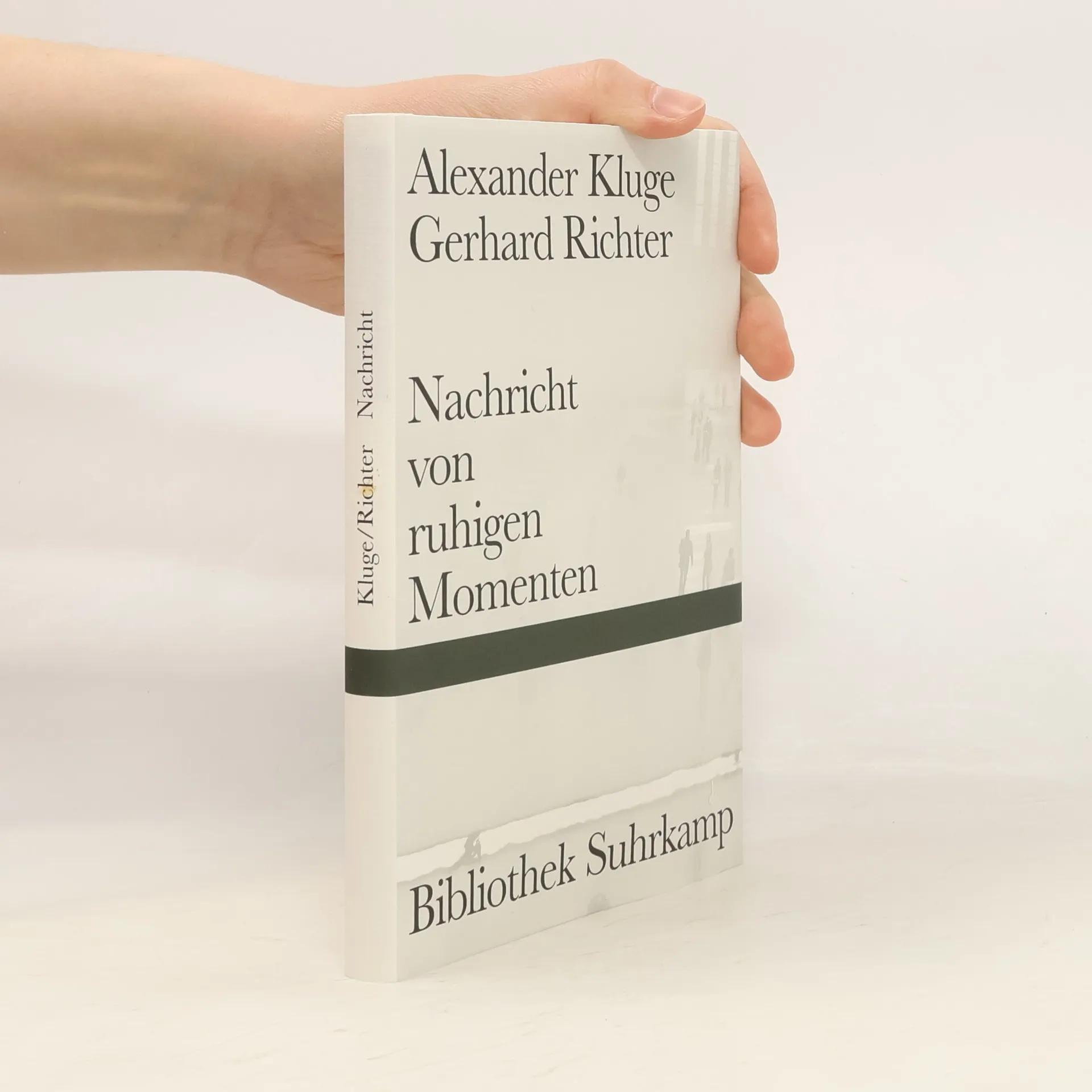
Im goldenen Herbst des Jahres 2012 stand »Die Welt« für einen Tag still, und als Sinnbild des Stillstands lag dort ein schläfriger Hund, wo sonst die Schlagzeilen drohen. Was war geschehen? Gerhard Richter, einer der global maßgeblichen Künstler, hatte die Herrschaft ergriffen und allen 30 Seiten der »Welt«-Ausgabe vom 5. Oktober 2012 seinen Handstempel aufgedrückt: Bilder von ruhigen Momenten in unruhigen Zeiten, Aufhebung des politischen Primats, Privates statt Welthistorisches, vor allem aber: kunstvolle Kontraste zwischen Schärfe und Unschärfe. Bei der öffentlichen Vorstellung dieser ungewöhnlichen Kunstaktion hielt Alexander Kluge die Laudatio. Spontan begleitete er die Fotos mit Geschichten. Gerhard Richter antwortete darauf ebenso spontan mit dem Vorschlag eines gemeinsamen Buches. Richter lieferte weitere Bilder und Kluge weitere Geschichten. So entstand nach dem Erfolgsbuch »Dezember« eine zweite gemeinsame Arbeit der beiden im Februar 1932 geborenen Künstler: ein Buch zur zeitgleich durchlebten Geschichte, so scharf wie unscharf gesehen.
1988, elf Jahre nach dem Tod mehrerer Mitglieder der Baader-Meinhof-Gruppe in Stammheim, schafft Gerhard Richter mit seinem 15-teiligen Bilderzyklus 18. Oktober 1977 die wohl wichtigsten Historienbilder, die in Deutschland nach dem Krieg entstanden sind. Richter beginnt damit seine Auseinandersetzung mit dem Thema Terror. Diese Neuauflage des inzwischen 'historischen Dokumentes' anlässlich der Ausstellung im Museum Haus Esters, Krefeld, und des Portikus, Frankfurt, aus dem Jahr 1989 erscheint aus Anlass der Präsentation der 15 Gemälde in den Staatlichen Kunstsammlungen Dresden als Leihgaben des Museum of Modern Art in New York.
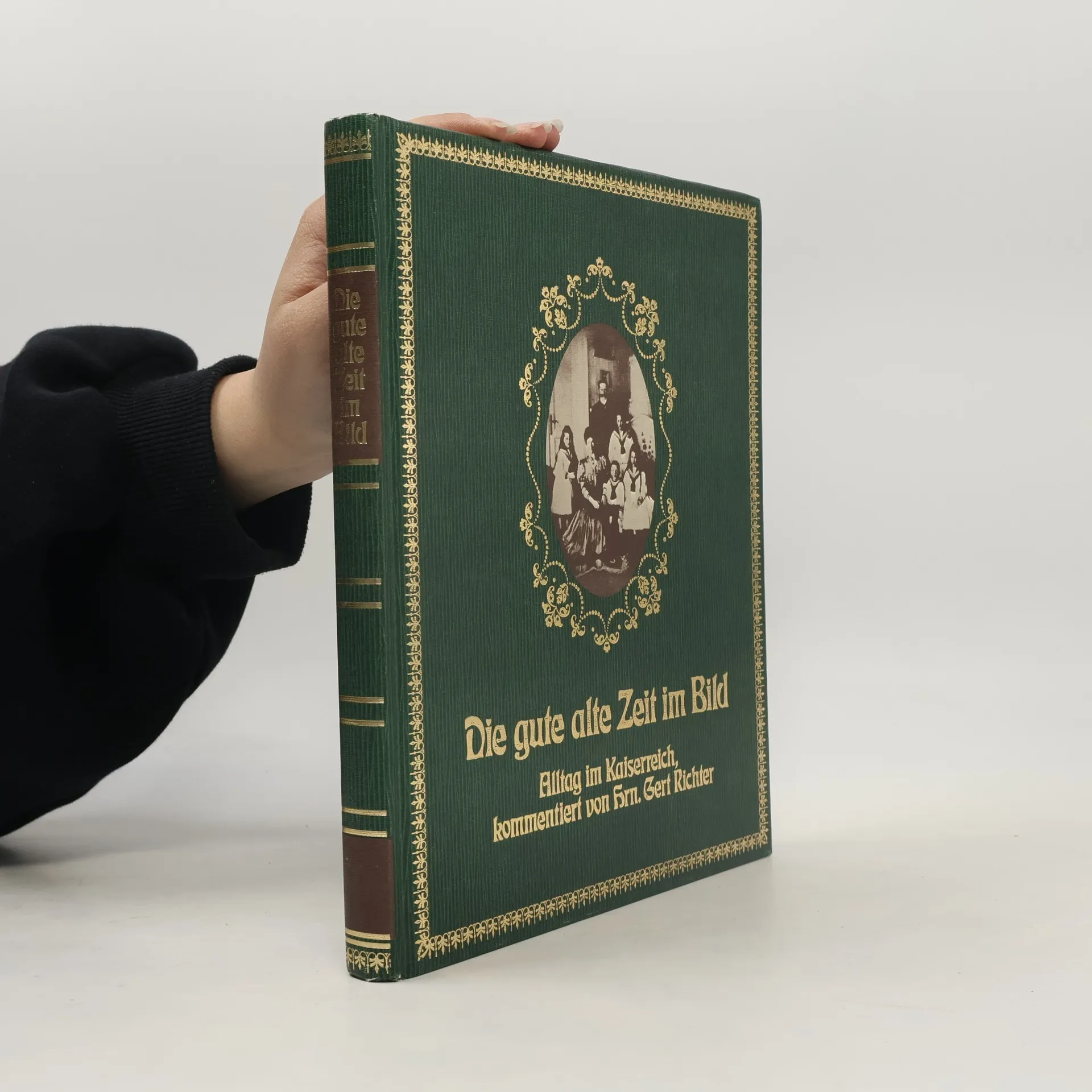
Die gute alte Zeit im Bild. Alltag im Kaiserreich.
- 223 stránek
- 8 hodin čtení
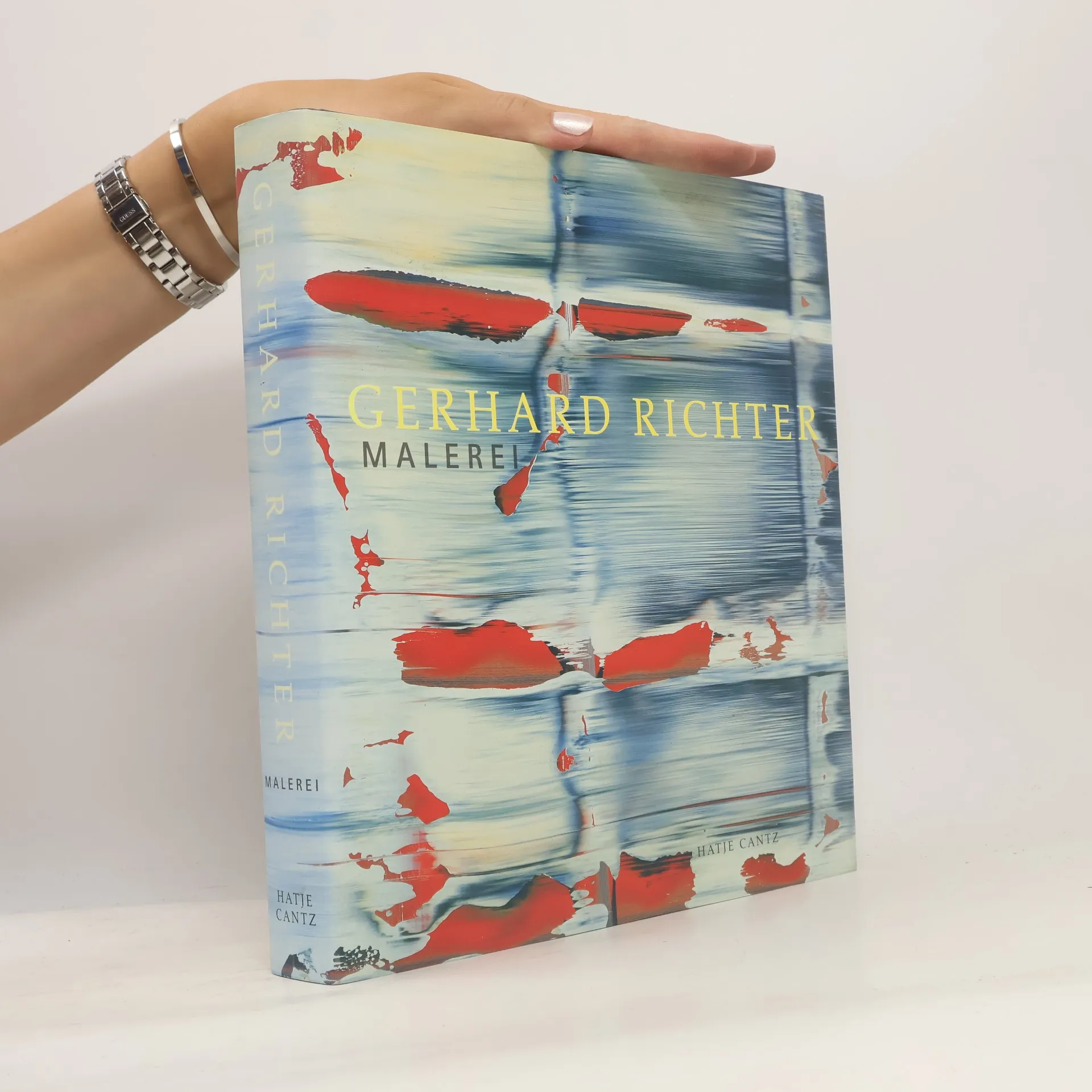
Gerhard Richter. Malerei
- 340 stránek
- 12 hodin čtení
Windungen
- 316 stránek
- 12 hodin čtení
Eine eigene Welt auf 64 Feldern
- 174 stránek
- 7 hodin čtení
»Wer meinen Vater kennt, der weiß, welche Bedeutung das Schachspiel in seinem Leben hatte und hat. Es ist eine Passion, die er mit vielen Erdenbewohnern teilt. Ich kenne jedoch niemanden, der die mannigfaltigen Aspekte dieser Leidenschaft so verbunden erlebt: die sportlichen Freuden und Leiden, die spielerische Faszination, die in der Tiefe des Denkens verborgene ästhetische Schönheit, den oft zwiespältigen Humor sowie die Wertschätzung für die Ideen der anderen. Für meinen Vater gehört alles zusammen. Fast jede Partie, die er gespielt hat, ist Teil einer Geschichte. Mein Vater erinnert sich an Umstände, Gesichtsausdrücke, Kommentare, er weiß, wie ihm und anderen zumute war. Es geht nicht nur um Eins oder Null, um Figuren und Felder, um richtig oder falsch. Es geht um die Lust am Wettkampf und am Rätseln, um die Bitterkeit des Irrtums und das Leuchten des klaren Verstandes, um die ganze Palette menschlicher Empfindungen, die das Schachspiel so wunderbar zum Ausdruck bringt.«
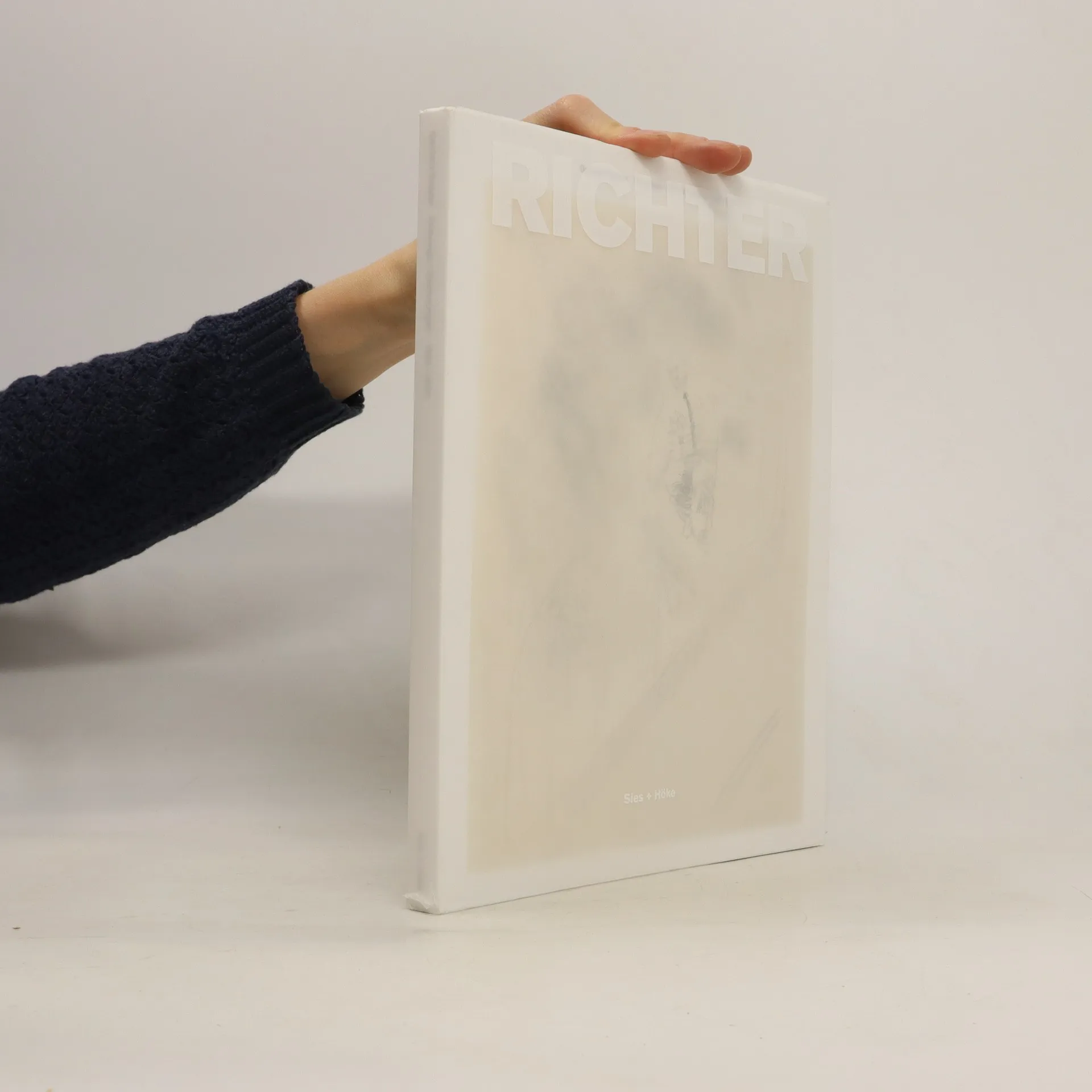
Ausstellungskatalog zur Ausstellung „Gerhard Richter - Drawings | Zeichnungen 1963 - 2020“ (Sies + Höke, Düsseldorf, 28.01.2022 - 26.02.2022) Mit einem Text von Dieter Schwarz, in dem der Herausgeber des Werkverzeichnisses der Zeichnungen Gerhard Richters die aufgeführten Zeichnungen kunsthistorisch einordnet.
Abstraktes Bild 825-II
- 138 stránek
- 5 hodin čtení
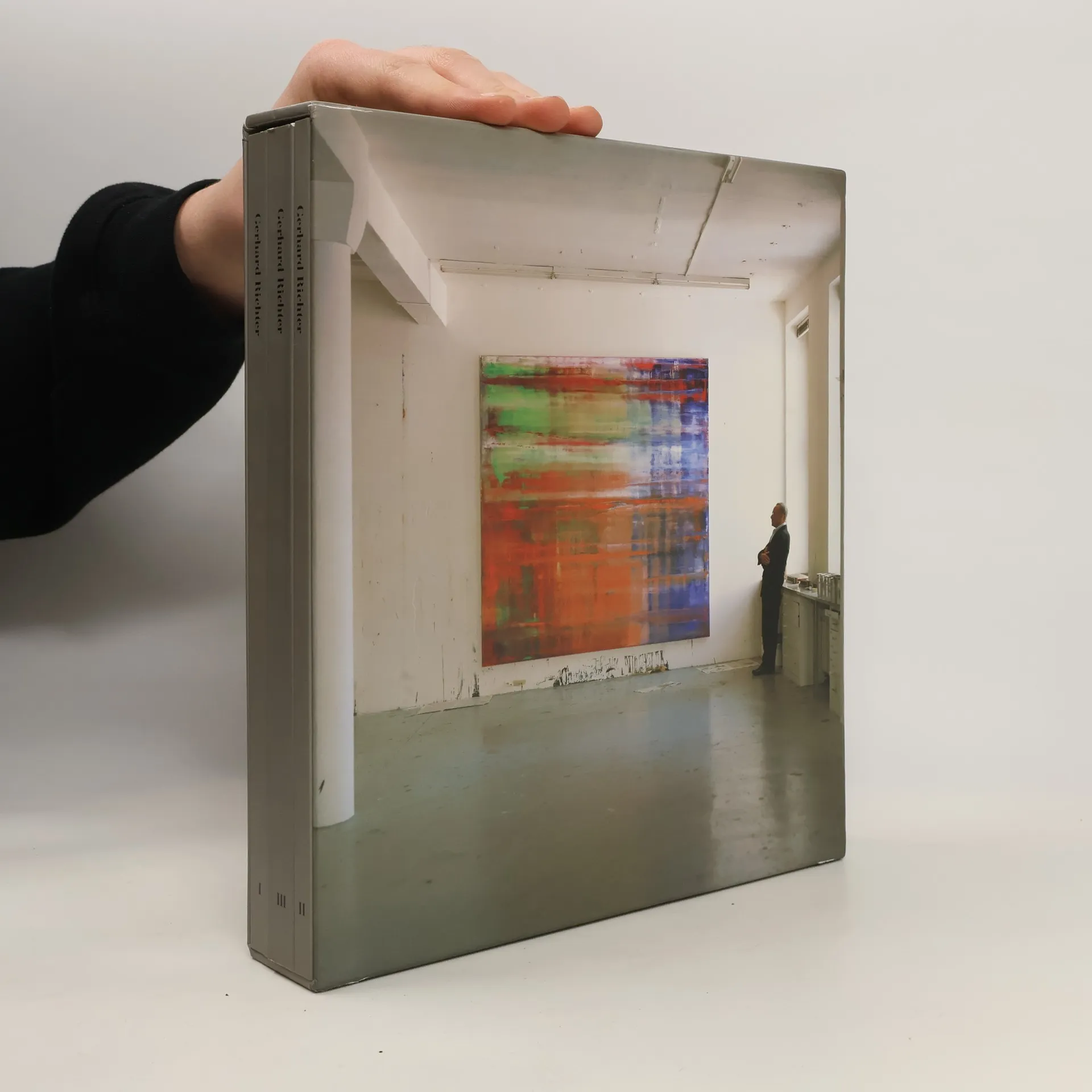
Nach Jahren aufwendiger, detaillierter Recherche erschien jetzt als Band V der Schlüssel zu GERHARD RICHTER ATLAS, den 817 Tafeln in vier großformatigen Folianten mit tausenden von eigenen und gefundenen Fotos, Skizzen, Dokumenten, Plänen und Notizen, Richters künstlerischer Kosmos, Quelle und Dokument seines Denkens und Schaffens, sein Gesamtkunstwerk von exzpetionellem Rang und zentraler Bedeutung.
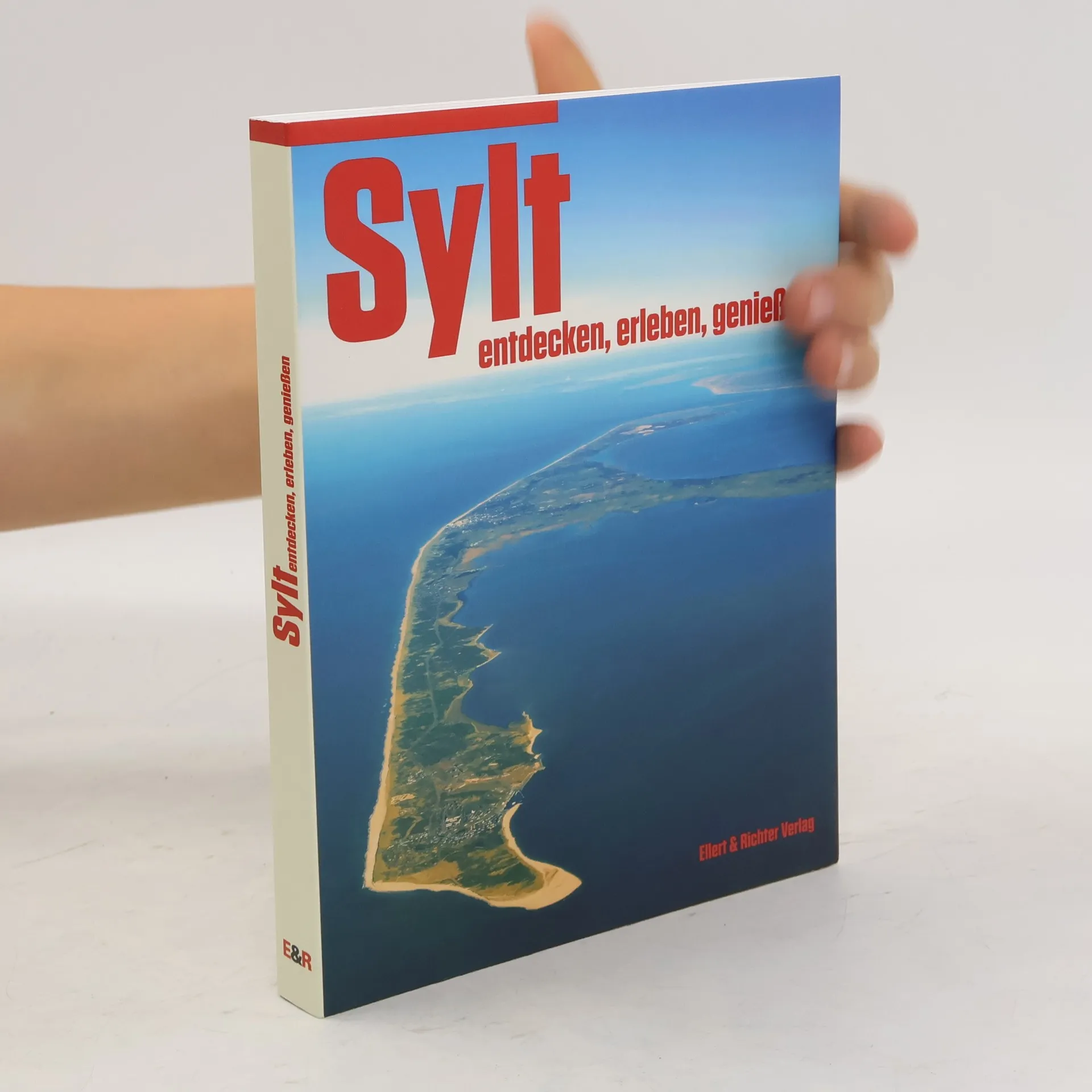
Sylt entdecken, erleben, genießen
- 256 stránek
- 9 hodin čtení
Im Mai 2015 erscheint der neue Band Sylt – entdecken, erleben, genießen, der von einer Vielzahl von Autoren, Schriftstellern und Fotografen begleitet wird. Syltkenner spüren die stillen Winkel der Insel auf. Berühmte Schriftsteller und Künstler kommen zu Wort. Sie können das Neueste über Deichbau und Sandvorspülung nachlesen. Aber auch die Traditionen und Bräuche der alten Friesen kommen nicht zu kurz. Sie werden in diesem Buch erfahren, „Wo Sylt am schönsten ist“, „Wo die Avantgarde baden ging“, „Was Sie über das berühmte Morsum-Kliff wissen sollten“. Sportlich unterwegs sind Sie mit dem Fahrrad in den stillen Süden und zu Fuß erkunden Sie Kampen und Umgebung. Und last but not least werden wir Ihnen unsere 111 ganz persönlichen Inseltipps verraten.
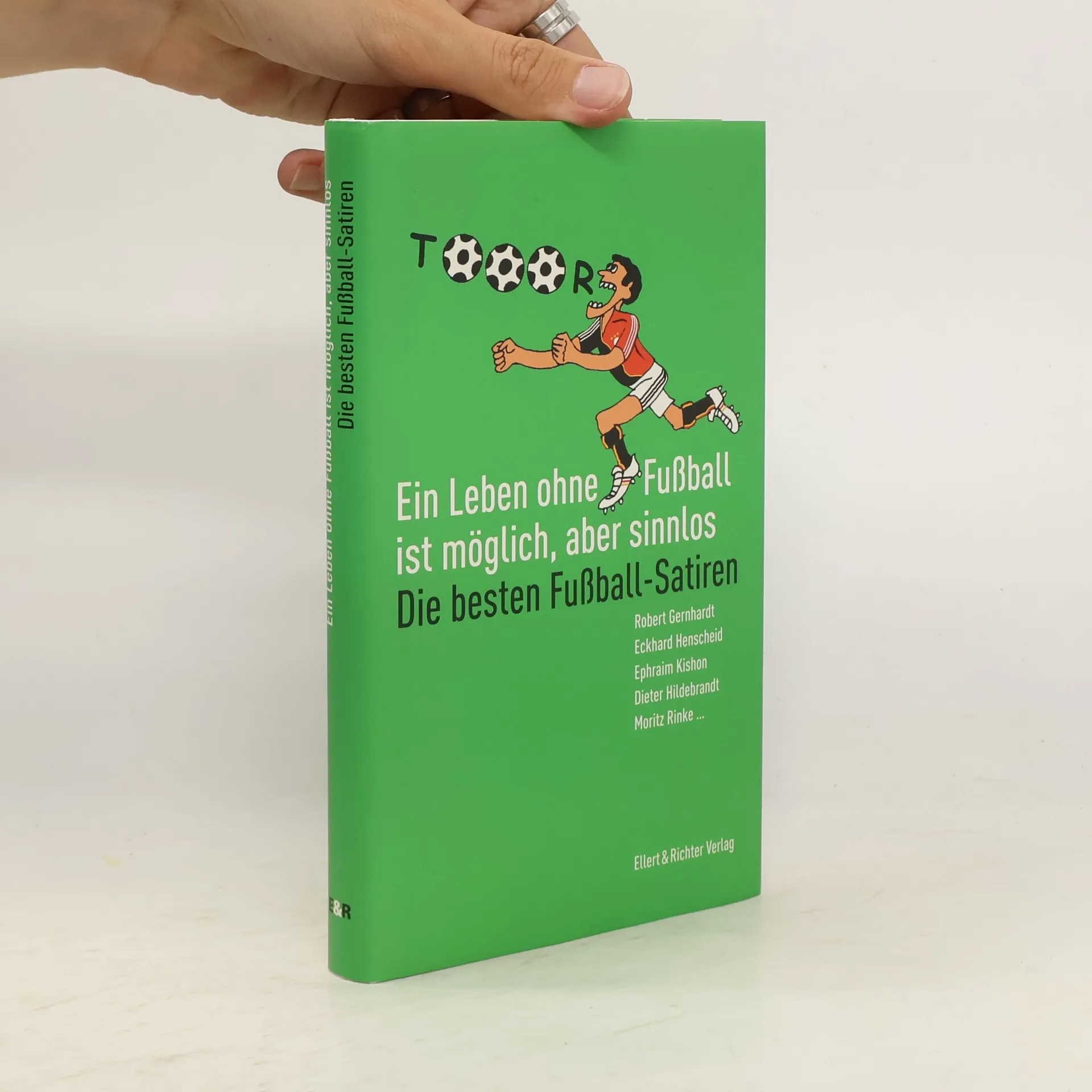
Die Crème de la Crème der deutschen Kabarettisten- und Satiriker-Szene ist nicht nur – wie Millionen andere – diesem Spiel verfallen, sondern hat auch darüber geschrieben, gelästert, geulkt. In diesem Band haben wir die besten Satiren und literarischen Texte zum Thema Fußball und drum herum gesammelt. Denn: Was Loriot über seine geliebten Hunde gesagt hat, „Ein Leben ohne Mops ist möglich, aber sinnlos“, kann man auch auf den Fußball im Allgemeinen oder auf den heimischen Verein im Besonderen beziehen. Es kommen zu Wort: Christoph Biermann, Manni Breuckmann, HG. Butzko, Albert Camus, Friedrich Christian Delius, Robert Gernhardt, Frank Goosen, Giovannino Guareschi, Eckhard Henscheid, Dieter Hildebrandt, Michael Horeni, Ödön von Horváth, Hanns Dieter Hüsch, Ephraim Kishon, Frank Lüdecke, Christoph Nagel, Alfred Polgar, Joachim Ringelnatz, Moritz Rinke, Lutz von Rosenberg Lipinsky, Hans Scheibner, Giovanni Trapattoni, Karl Valentin, Ror Wolf und Arnd Zeigler.
Text 1961 bis 2007
- 599 stránek
- 21 hodin čtení
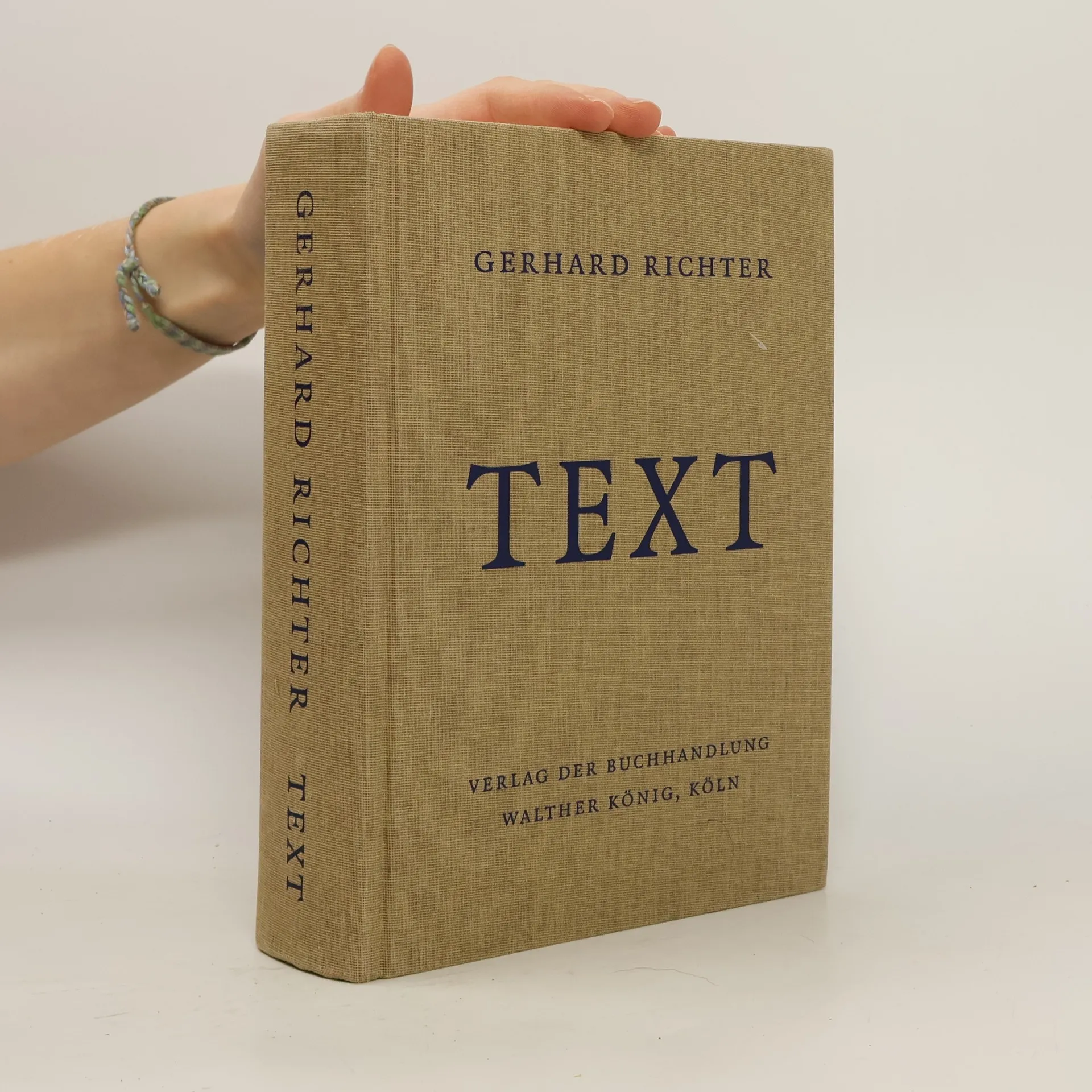
Die jetzt vorliegende „Gesamtausgabe“ der Texte von Gerhard Richter ergänzt den ersten Teil, die 1993 erschienene seit langem vergriffene Edition der Jahre 1962–93 um 15 wesentliche Beiträge. Sie beginnt mit einem Abschiedsbrief Richters an Heinz Lohmar. Es folgen sämtliche Texte der letzten überaus produktiven und ereignisreichen 14 Jahre und schließt mit Richters Interview vom Sommer 2007 zu seinem Biennalebeitrag in Venedig. Gerhard Richter stellte erstmals sein gesamtes persönliches Archiv zur Verfügung, aus dem auch zahlreiche der meist unveröffentlichten Fotos stammen. Ein wissenschaftlicher Anhang enthält erläuternde Kommentare, Quellen und einen Index. Die Themen der Richterschen „Texte“ sind vielfältig und reichen weit über kunstimmanente Fragen hinaus. Es sind Notizen, Tagebucheintragungen, zu bestimmten Anlässen entstandene kurze Essays, Briefe, Stellungnahmen, Statements, Manifeste und immer wieder Interviews, Gespräche und Dialoge – Richters bevorzugte Form der Mitteilung. Wie kein anderer zeitgenössischer Künstler refl ektiert Gerhard Richter in seinen Texten die Frage nach Möglichkeiten, Funktionen und Autonomie von Kunst heute.
Rot, gelb, blau
- 127 stránek
- 5 hodin čtení
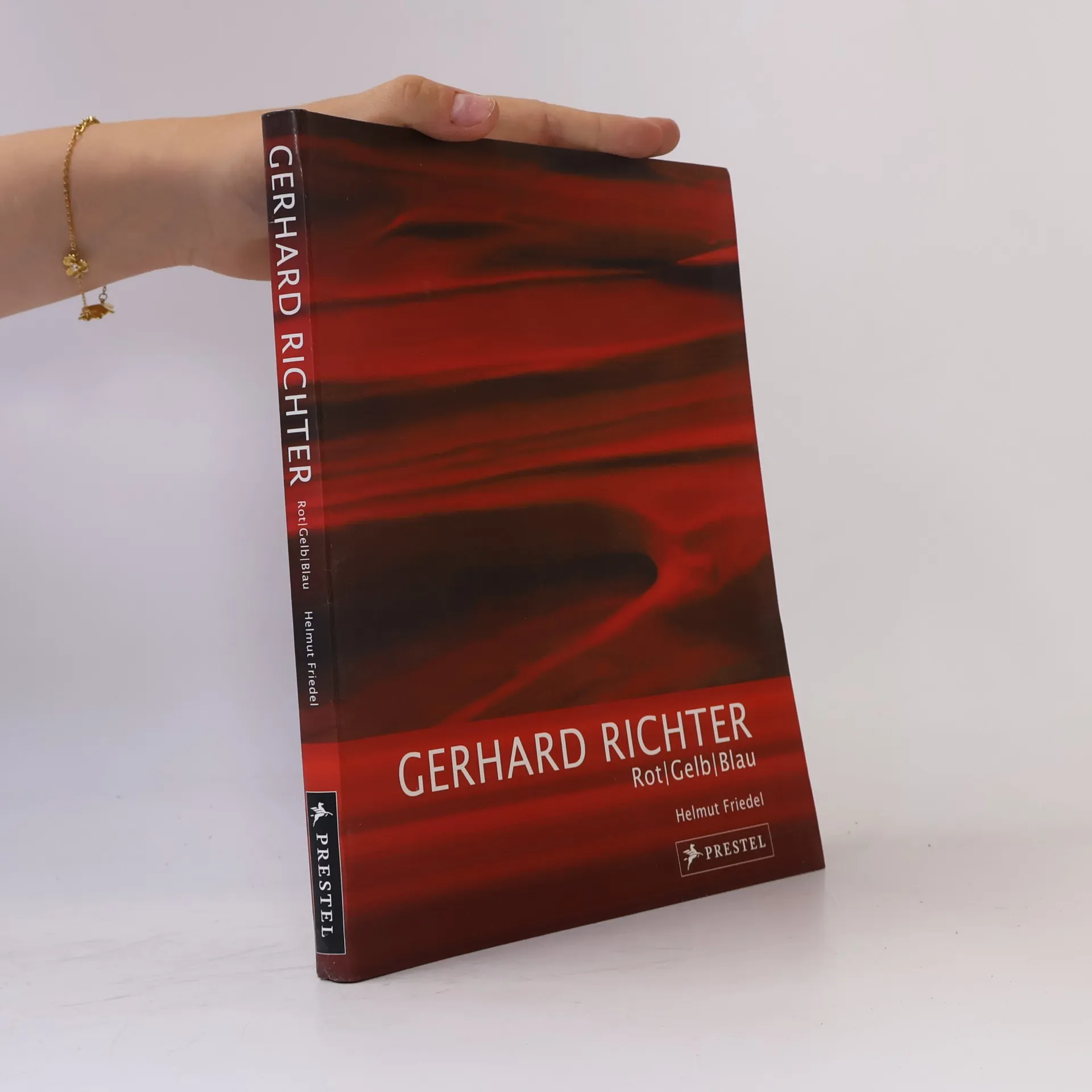
Kräftige Farben, weiche Grautöne, wellenförmige Pinselführung und großformatige Leinwände sind die Kennzeichen der abstrakten Phase, in der sich Gerhard Richter intensiv mit den Grundfarben Rot – Gelb – Blau auseinandersetzte. Die gleichnamigen, wegweisenden Gemälde des Künstlers stehen im Zentrum dieser hochwertigen Bildmonografie und werden mit aufwendigen Ausklapptafeln in brillianter Farbqualität, begleitenden Essays und vielen Abbildungen im Werk Gerhard Richters verortet (Paperback-Ausgabe des 2007 bereits erschienenen Titels)
Herausgegeben und mit einem Text von Helmut FriedelGerhard Richter verknüpft sein künstlerisches Schaffen – seine Malerei ebenso wieandere Formen bildnerischen Arbeitens – von Anfang an auf das Engste mit demSammeln seiner Vorlagen und Quellen. Dabei handelt es sich meist um fotografischeBilder vielfältiger Art, die neben den Bildnotizen wie Skizzen und Collagen Eingang inseinen Atlas finden. Für den neu aufgelegten Atlas hat Gerhard Richter ein neues Cover gestaltet. Das Buch enthält 733 Tafeln, darunter den War-Cut-Zyklus, sowie einen Text vonHelmut Friedel. Right from the beginning, Gerhard Richter closely linked his artistic work, his paintingas well as other visual works, with the collection of their original models. These arelargely photographic‘images’ of various kinds which, along with other visual notessuch as sketches and collages, have found their way into this Atlas. For his edtion Gerhard Richter has designed an new cover. The publication presents733 panels, including the War Cut series, with a text by HelmutFriedel.
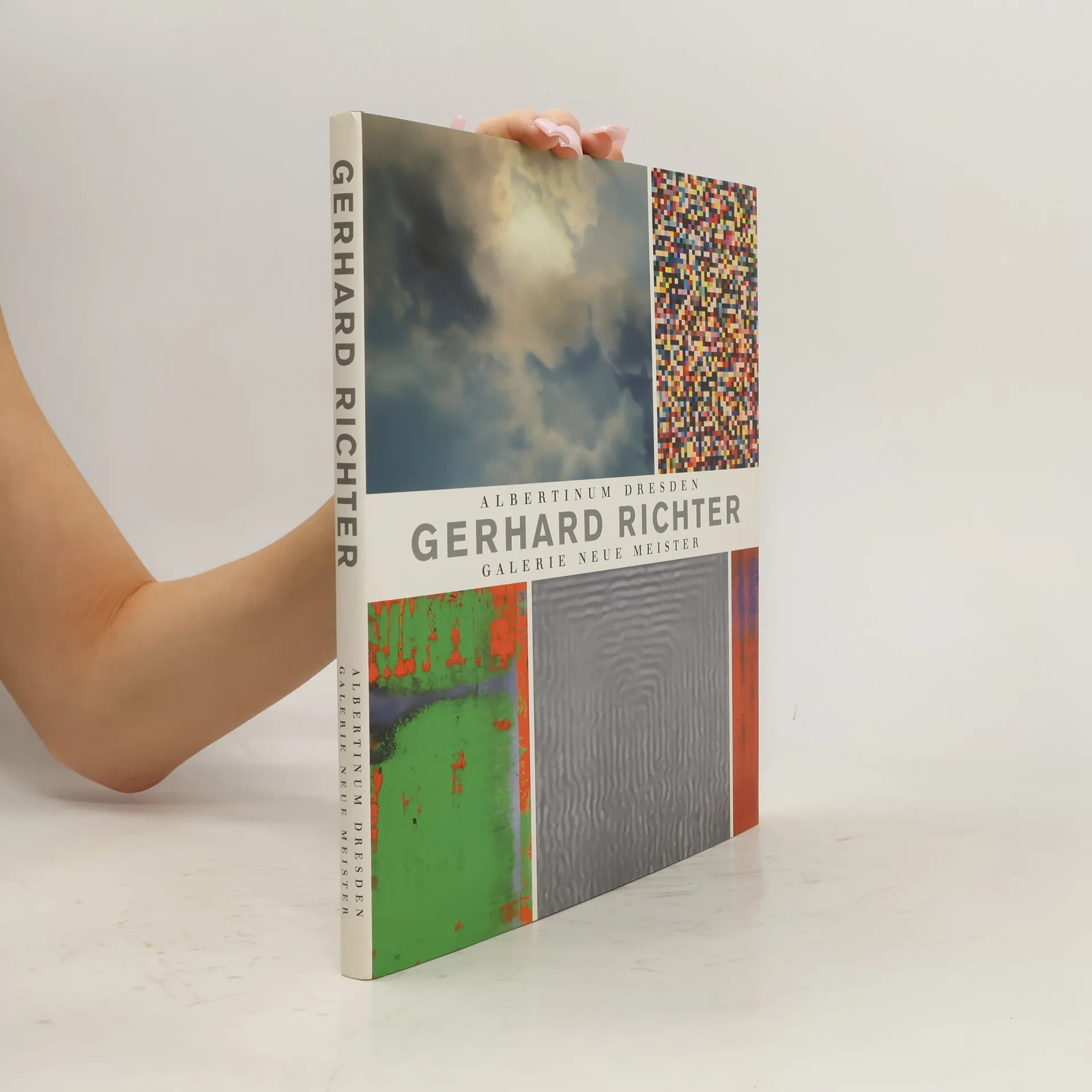
Gerhard Richter im Albertinum Dresden
- 104 stránek
- 4 hodiny čtení
41 Gemälde hat Gerhard Richter seiner Heimatstadt Dresden geschenkt. Darunter so bedeutende wie '11 Glasscheiben' (2004) 'Spiegel' (1986) und 'Acht Lernschwestern' (1971). Alle diese Werke sind im Buch grossformatig und in Farbe abgebildet. Im Gespräch mit Jan Thorn-Prikker erläutert der Künstler in oft überraschender Weise seine Verbindungen zu Dresden. Jürgen Becker, der selbst aus Thüringen stammt, beschreibt in seinem Essay treffend die Beweggründe Richters für das Verlassen der ehemaligen DDR.
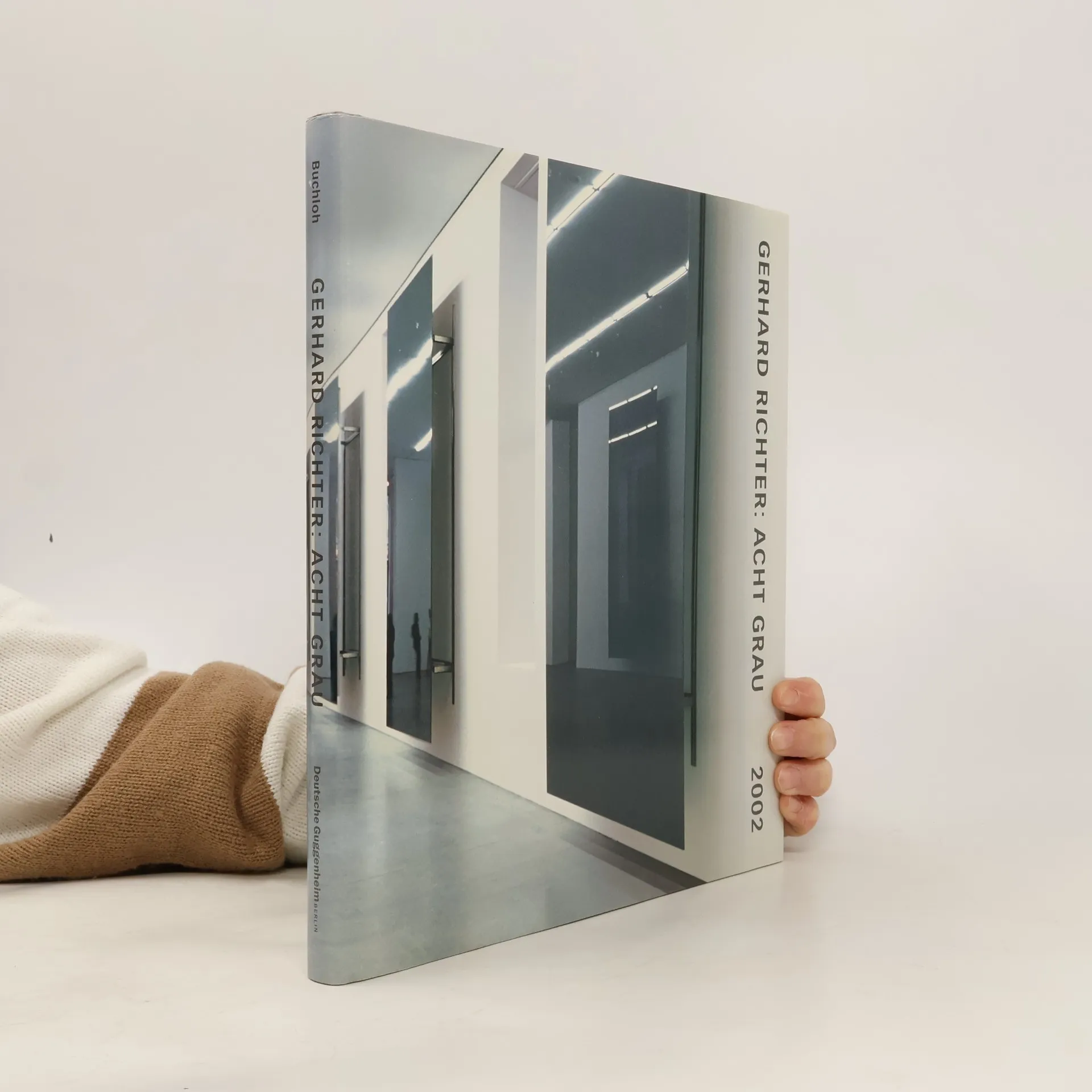
Gerhard Richter: Acht Grau
- 127 stránek
- 5 hodin čtení
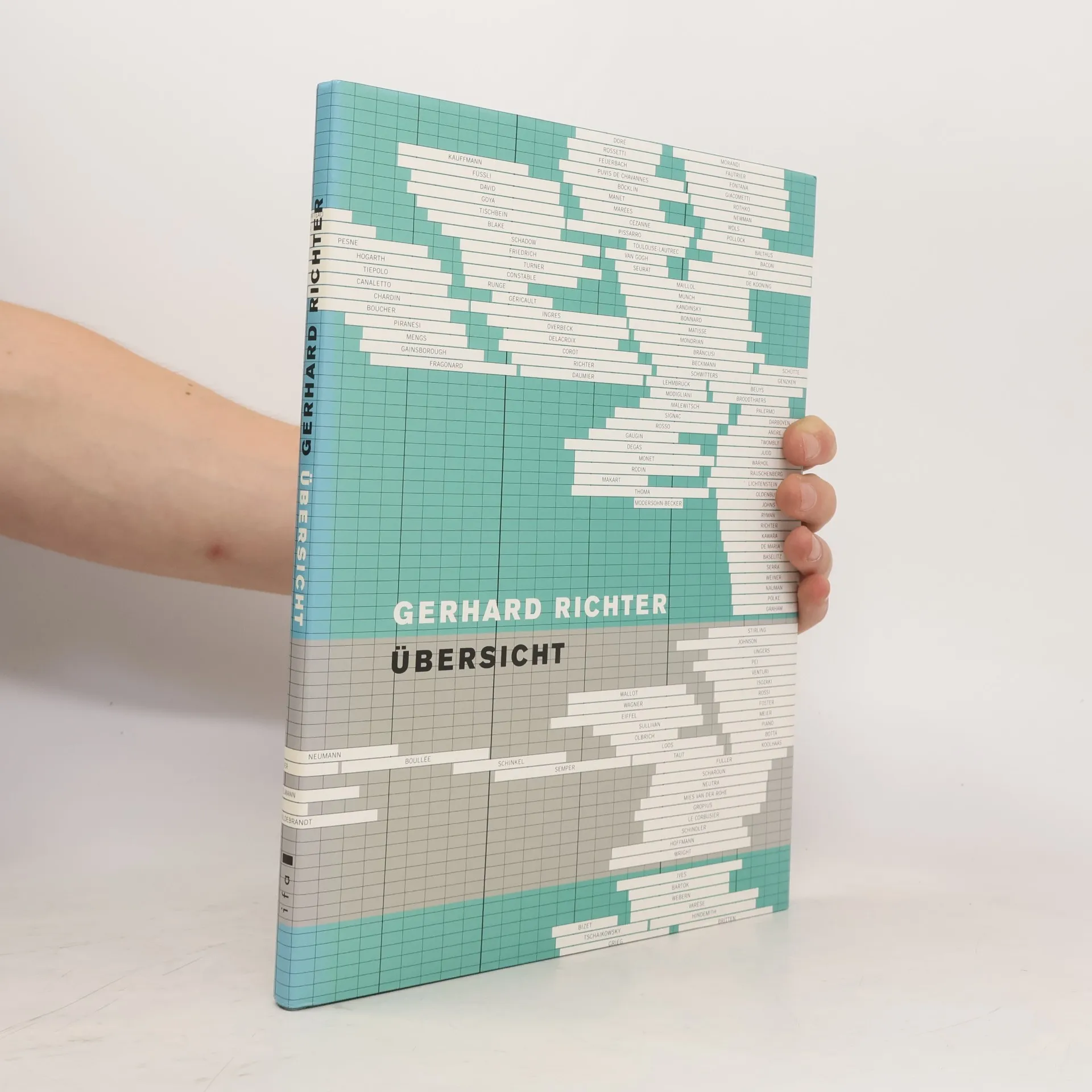
Gerhard Richter, Übersicht
- 79 stránek
- 3 hodiny čtení
Text
- 277 stránek
- 10 hodin čtení
Grabgestaltung
- 127 stránek
- 5 hodin čtení
Ratschläge für Grabanlage, Bepflanzung und Pflege; Beispiele für die Gestaltung. Konzipiert für die private Grabpflege.
Handbuch Stadtgrün
- 319 stránek
- 12 hodin čtení
Veröffentlicht anlässlich der großen Retrospektive im Metropolitan Museum New York im Frühjahr 2020, „Gerhard Richter: Bilder trotz allem“ ist der um- fassendste Überblick über das bisherige Schaffen des Künstlers. Im Laufe sei- ner 60-jährigen Karriere hat Gerhard Richter sowohl die Figuration als auch die Abstraktion als Mittel eingesetzt, um sich mit dem geschichtlichen Erbe, dem kollektiven Gedächtnis und der nationalen Sensibilität Deutschlands in objektiver und sehr persönlicher Hin- sicht auseinanderzusetzen. Das ele- gant gestaltete Buch umfasst seine wichtigsten Gemälde, von Fotogemäl- den aus den frühen 1960er Jahren über Porträts und spätere großformati- ge abstrakte Serien bis hin zu ausge- wählten Werken aus Glas. Der leinen- gebundene Katalog beinhaltet großzügige Abbildungen aller Arbeiten sowie Erläuterungen von Experten aus verschiedenen Blickwinkeln.
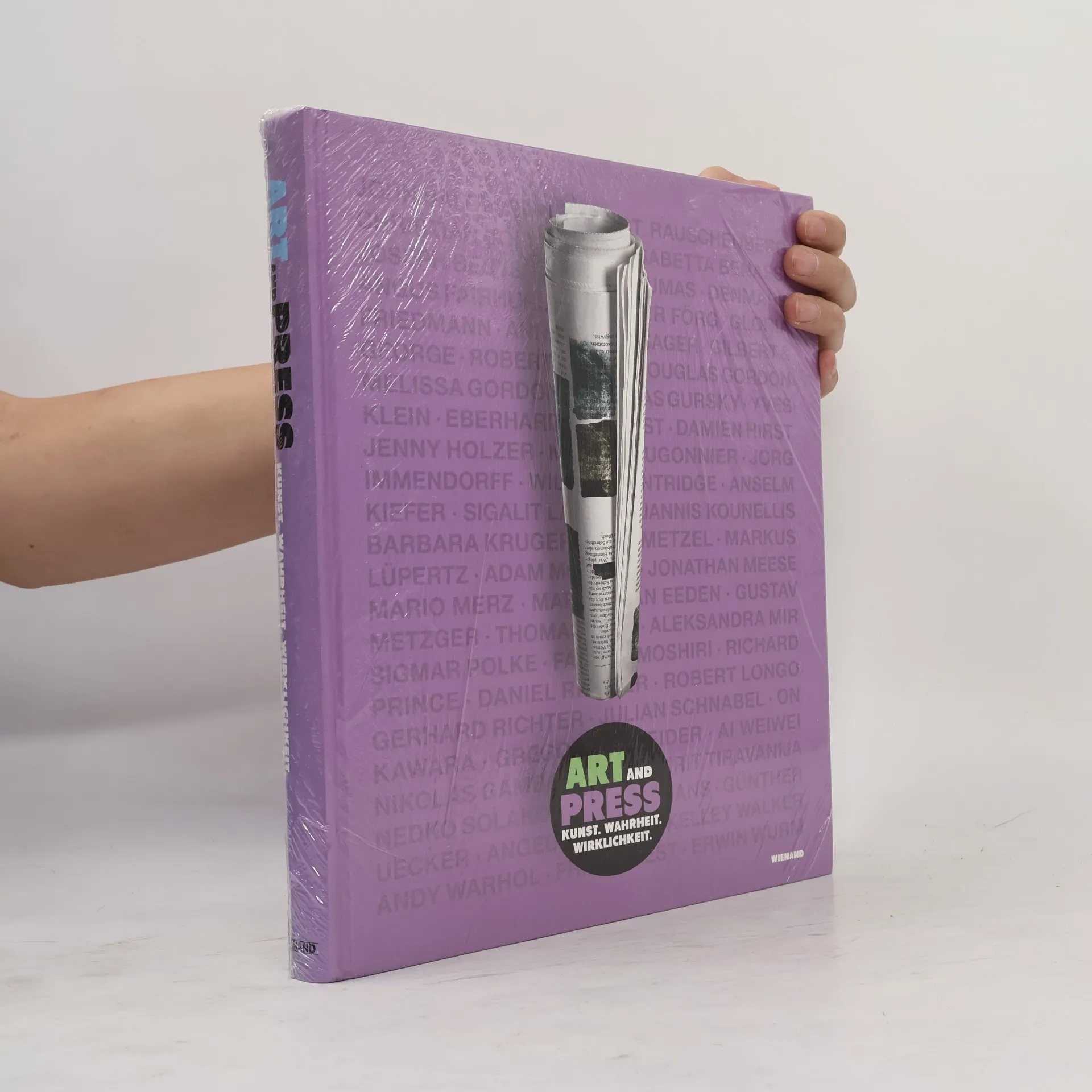
Was verbindet Presse und Bildende Kunst? Wie beeinflusst die Zeitung unsere Gesellschaft? Wie gehen Künstler mit diesem Medium um? Und welche gegenseitige Einflussname existiert zwischen Kunst und Zeitung? Auf diese spannenden Fragen gibt der opulente Band „Art and Press“ ausführliche Antworten. Bildreich und detailgenau beleuchtet der Katalog die faszinierenden Positionen von namhaften Gegenwartskünstlern wie Christian Boltanski, Andreas Gursky, Eberhard Havekost, Anselm Kiefer, Barbara Kruger, Rirkrit Tiranvanija, Daniel Richter, Gerhard Richter, Franz West und vielen anderen. Ein historischer Überblick bis ins frühe 19. Jahrhundert – zu sehen sind Werke von Honoré Daumier, Paul Cézanne, Pablo Picasso, Max Beckmann und anderen – rundet das bis heute aktuelle Thema gelungen ab.
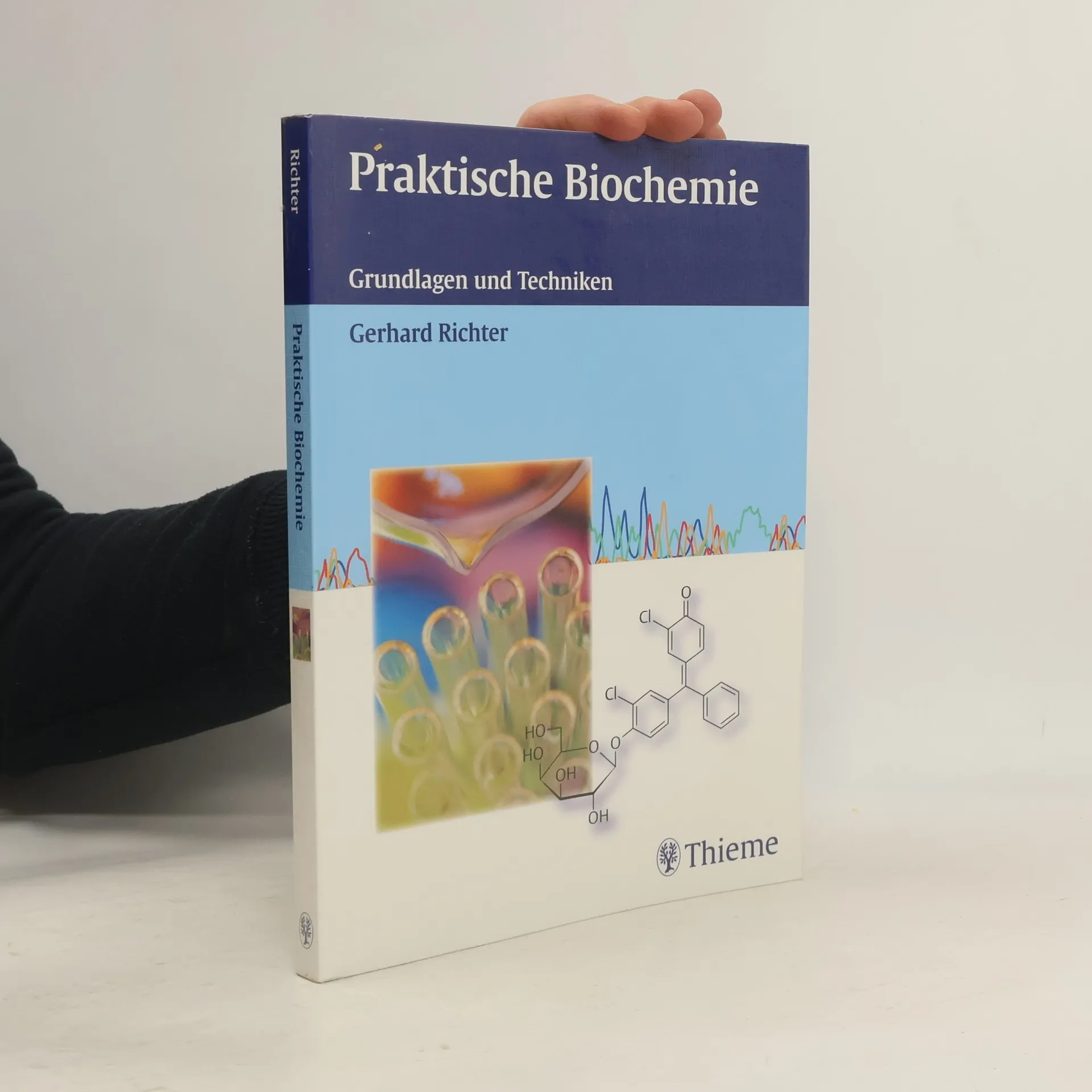
Stoffwechselphysiologie der Pflanzen
Physiologie und Biochemie des Primär- und Sekundärstoffwechsels
- 583 stránek
- 21 hodin čtení
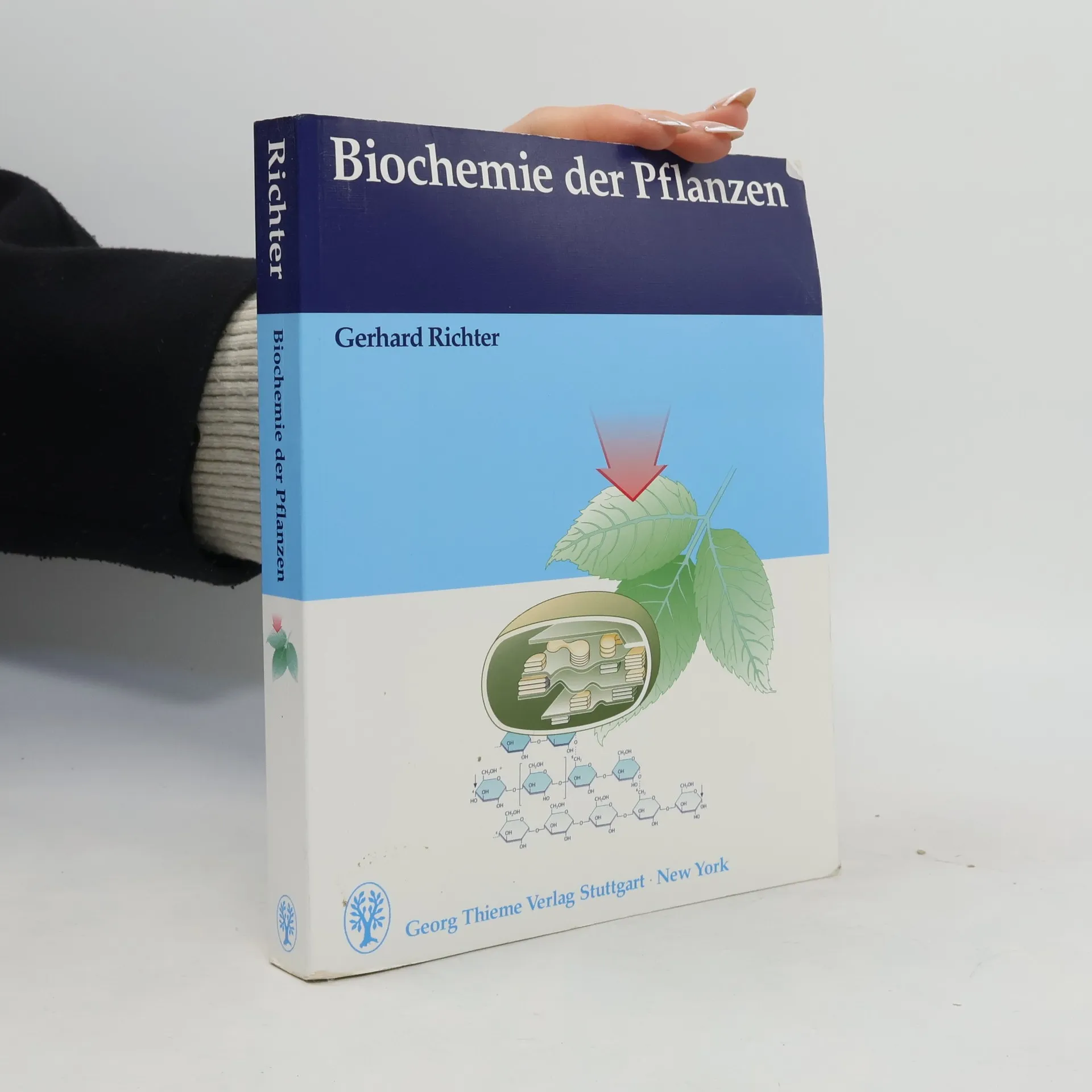
Standardlehrbuch eines wichtigen Prüfungsfaches. Setzt erhebliche chemische Kenntnisse voraus, deshalb vor allem für Hauptfach-Biologen. Für diese aber notwendig. Auflage gegenüber der 5. (ID 48/88) erheblich verändert, so wurde auf eine allzu detaillierte Beschreibung mancher komplexer Sachverhalte und spezieller Biosynthesen verzichtet, die der Autor in seiner vor kurzem erschienen "Biochemie der Pflanzen" (ID 16/97) behandelt hat. Positiv hervorzuheben - und allgemein für Hochschullehrbücher längst überfällig - ist die unter didaktischen Gesichtspunkten veränderte Gestaltung: Einführung von Merksätzen und Boxen mit ergänzenden Informationen zum Basistext und zweifarbig ausgeführte Abbildungen und Schemata. Vorauflagen löschen. (3) (LK/SH: Enderle).
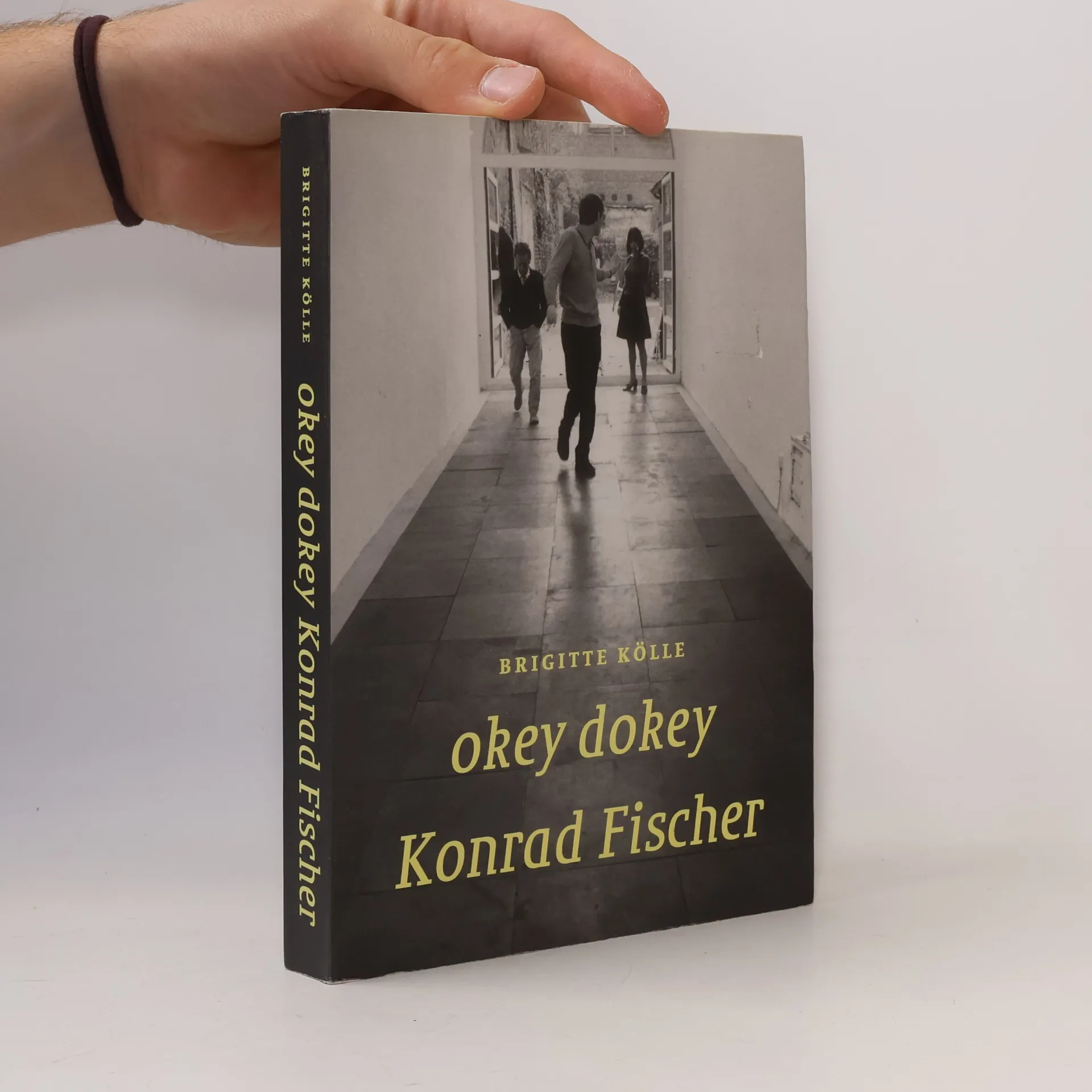
Konrad Fischer is internationally regarded as one of the most important gallerists of the post-war period. He founded his Düsseldorf gallery in 1967, immediately showing American artists such as Bruce Nauman and Carl Andre, for the first time in Europe. This volume explores the gallery’s history through unpublished photographs and interviews.
Gerhard Richter: Katalog Fondation Louis Vuitton, Paris
- 416 stránek
- 15 hodin čtení
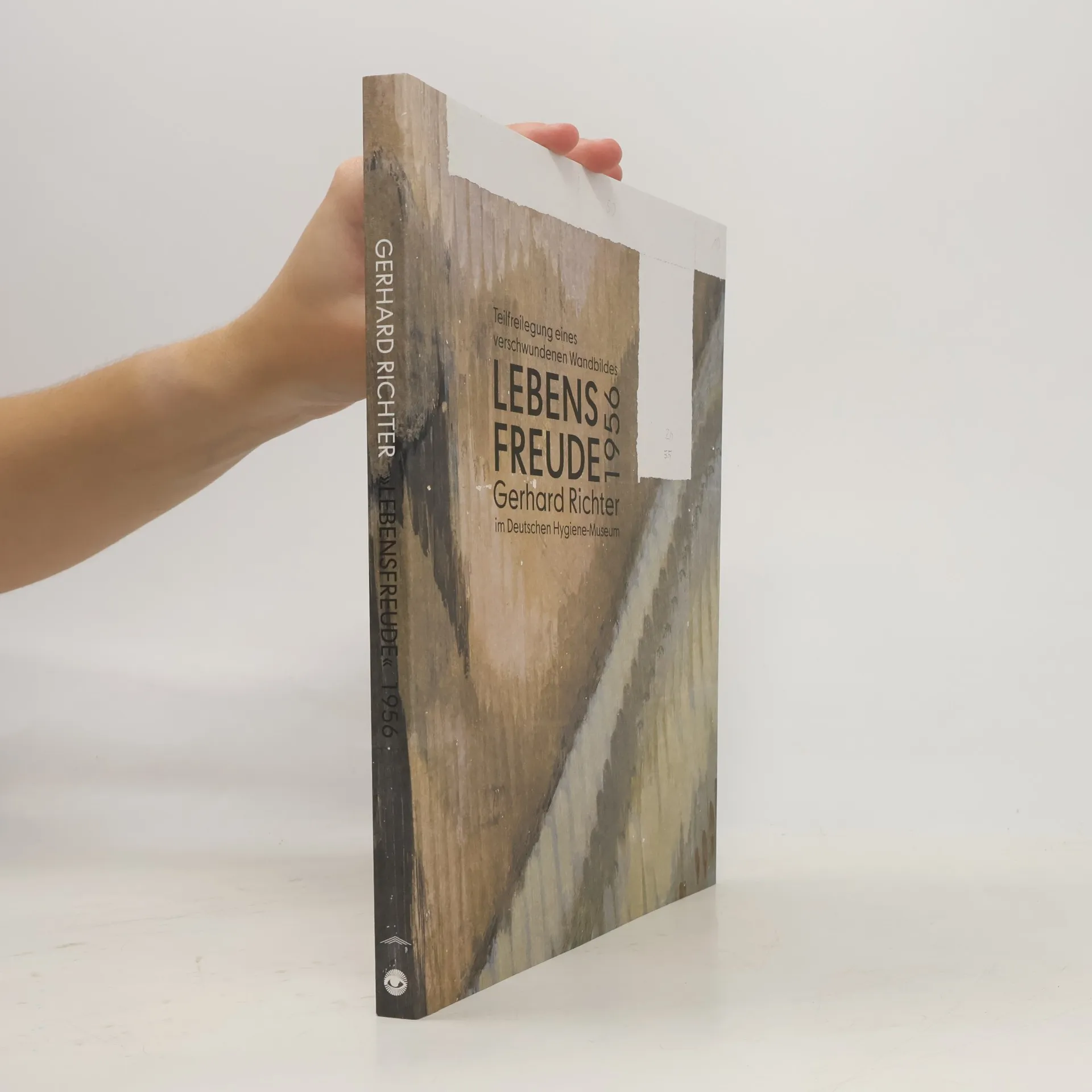
Lebensfreude 1956
Teilfreilegung eines verschwundenen Wandbildes
Biochemie der Pflanzen
- 522 stránek
- 19 hodin čtení
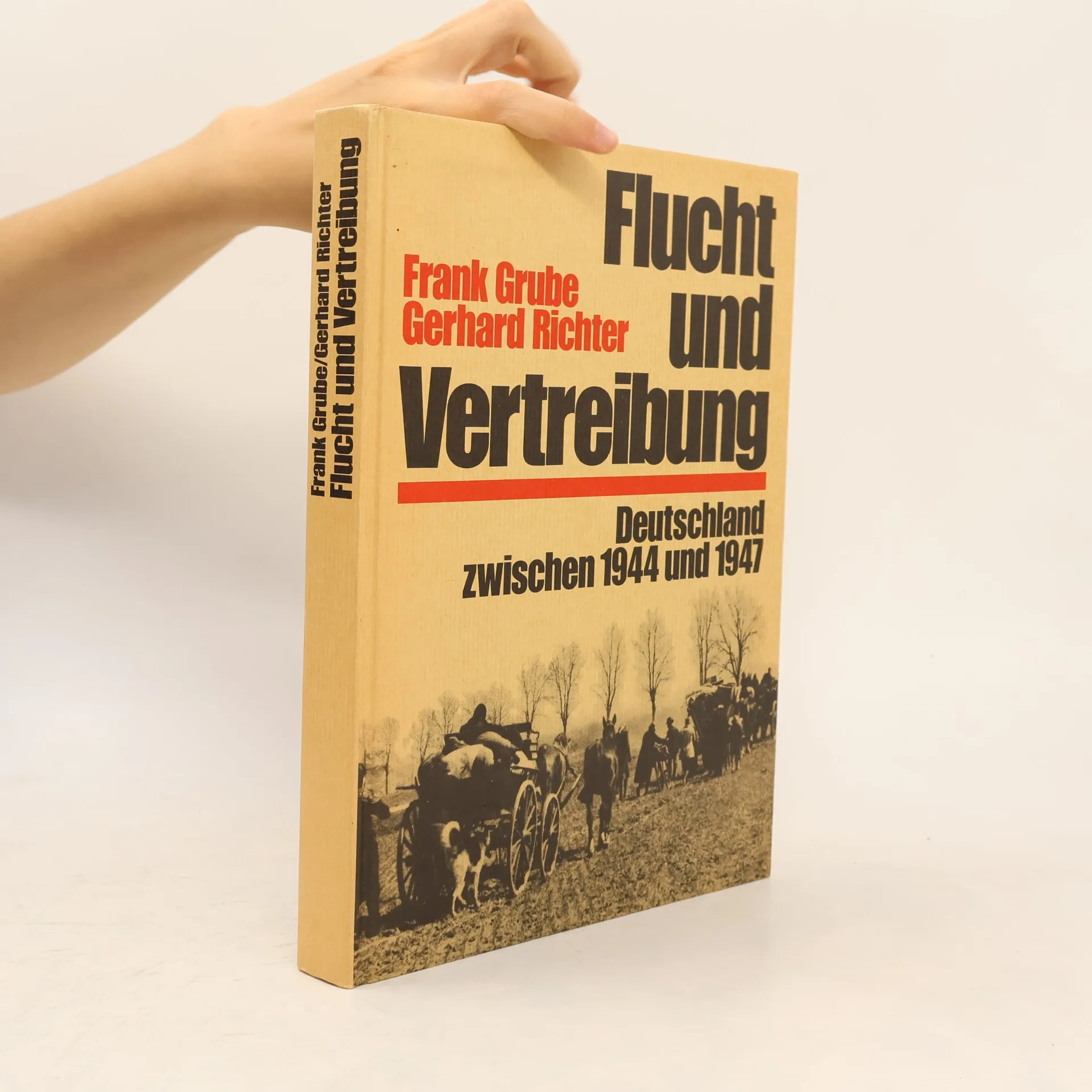
Flucht und Vertreibung
Deutschland zwischen 1944 und 1947
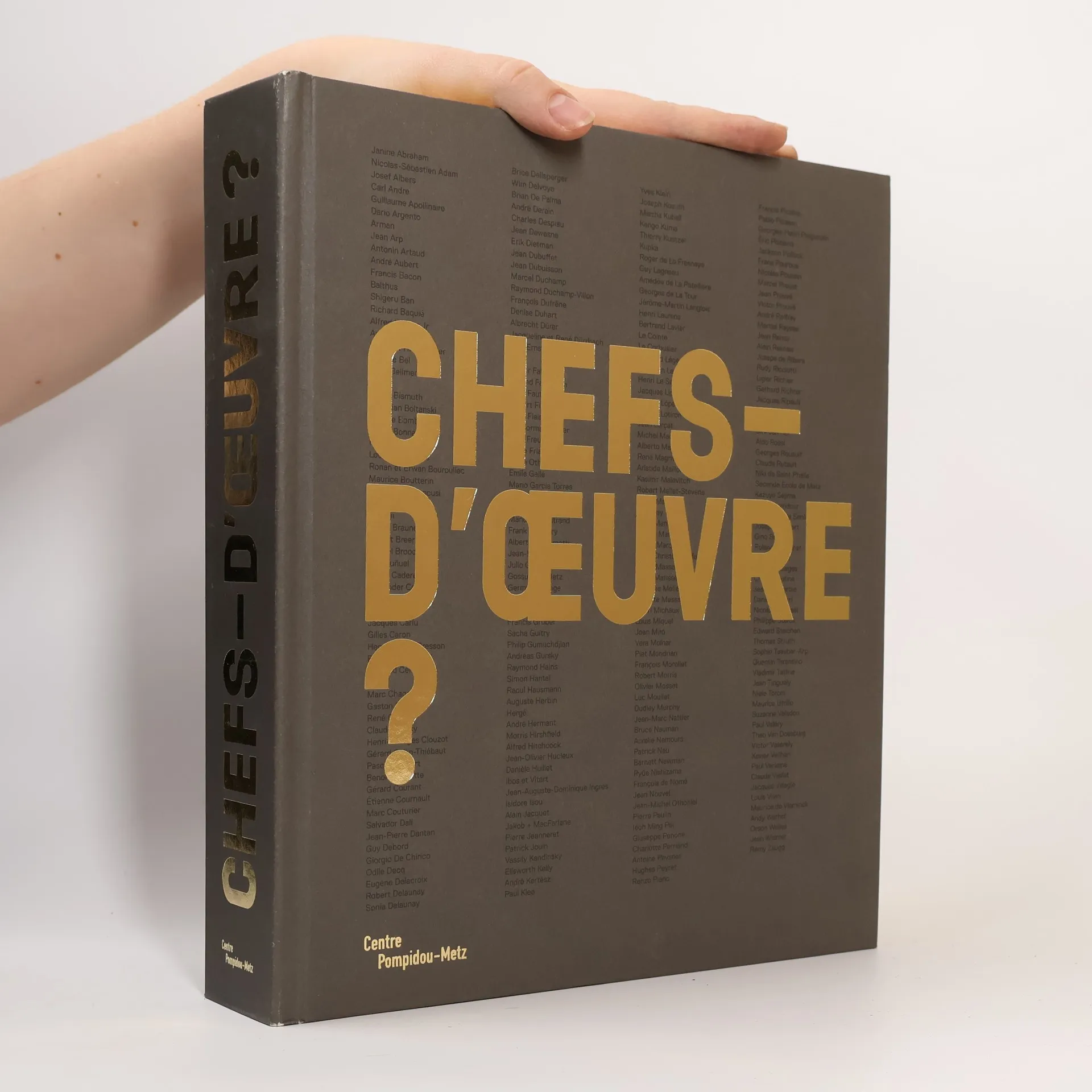
Chefs-d'œuvre ?
- 570 stránek
- 20 hodin čtení
Chefs d'uvre L'exposition d'ouverture du centre Pompidou-Metz.