

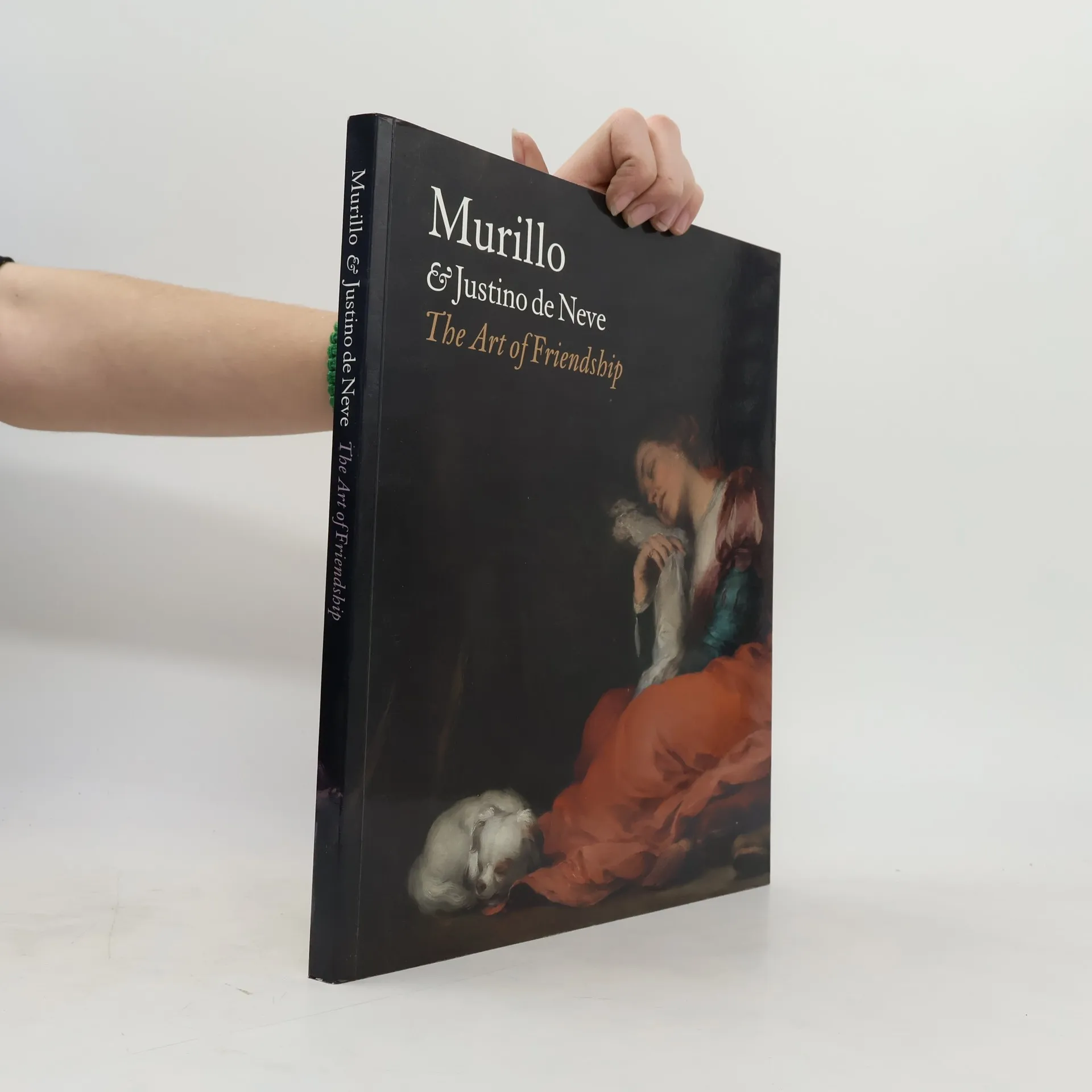
The exhibition is accompanied by a catalogue that includes six essays, by Gabriele Finaldi, Javier Portús, Peter Cherry, Teodoro Falcón, Benito Navarrete and Ignacio Cano. It also has entries on all the works on display (by Gabriele Finaldi, Elena Cenalmor and Xavier Bray) and a documentary appendix on the life, family and activities of Justino de Neve. 'Murillo and Justino de Neve. The Art of Friendship' brings together a group of late works by Murillo that were commissioned by Justino de Neve, a canon of Seville cathedral, an important patron of art and a personal friend of Murillo's. As such, the exhibition represents a significant contribution to research on the artist's life and work. The exhibition is organised into various different sections. 0Parallel ISBN: 9788484802341.0Exhibition: Prado Museum, Madrid, Spain (2012) / Hospital de los Venerables Sacerdotes, Sevilla, Spain (11.10.2012-20.1.2013) / Dulwich Picture Gallery, London, UK (6.2.-12.5.2013).
Gabriele Finaldi Pořadí knih (chronologicky)
Gabriele Finaldi je přední kurátor a historik umění se specializací na italské a španělské malířství. Jeho výzkum se hluboce zabývá barokním obdobím, ikonografií a umělci jako Caravaggio, Velázquez a Zurbarán. Finaldiho práce se vyznačuje bystrým analytickým pohledem na umělecká díla a jejich historický kontext. Kurátoroval významné výstavy a publikoval odborné články, které obohacují naše chápání evropského umění.
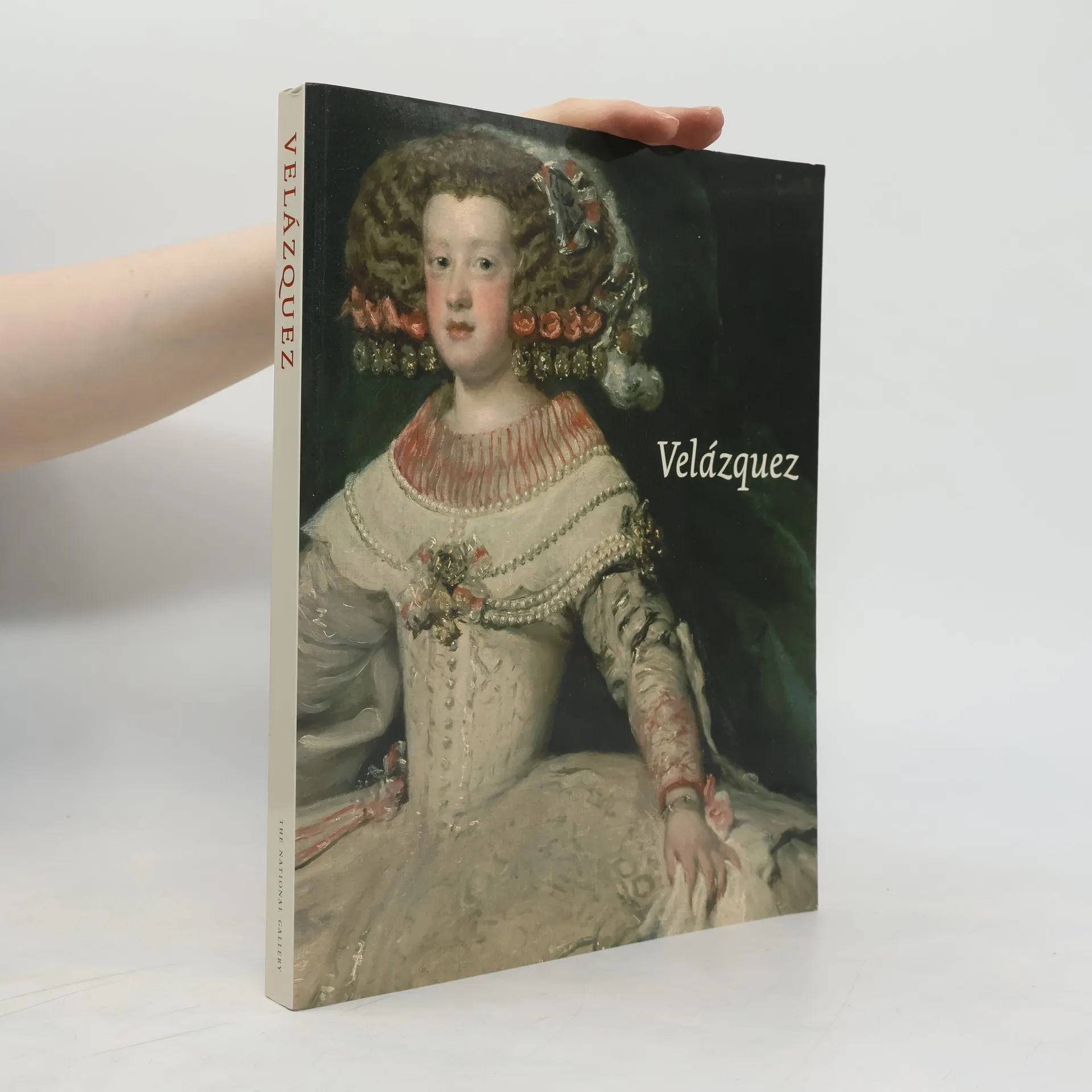

Velázquez
- 255 stránek
- 9 hodin čtení
Diego Rodriguez de Silva y Velazquez (1599-1660) was born in Seville, Spain, the oldest of six children. This book explores Velazquez's universal popularity. Accompanying a major exhibition at the National Gallery, London, it contextualises the artist's work and discusses his influence. It includes a catalogue and chronology.
The Image of Christ
- 224 stránek
- 8 hodin čtení
Rather than presenting a life of Christ in art, this book explores the challenges facing artists when representing Jesus - God who became a man. It traces how the image of Christ that we recognize today evolved over two millennia, from the earliest metaphorical symbols of the Shepherd, the Lamb, and the Vine to the emergence of a 'true likeness'.