Hope and Glory
- 496 stránek
- 18 hodin čtení
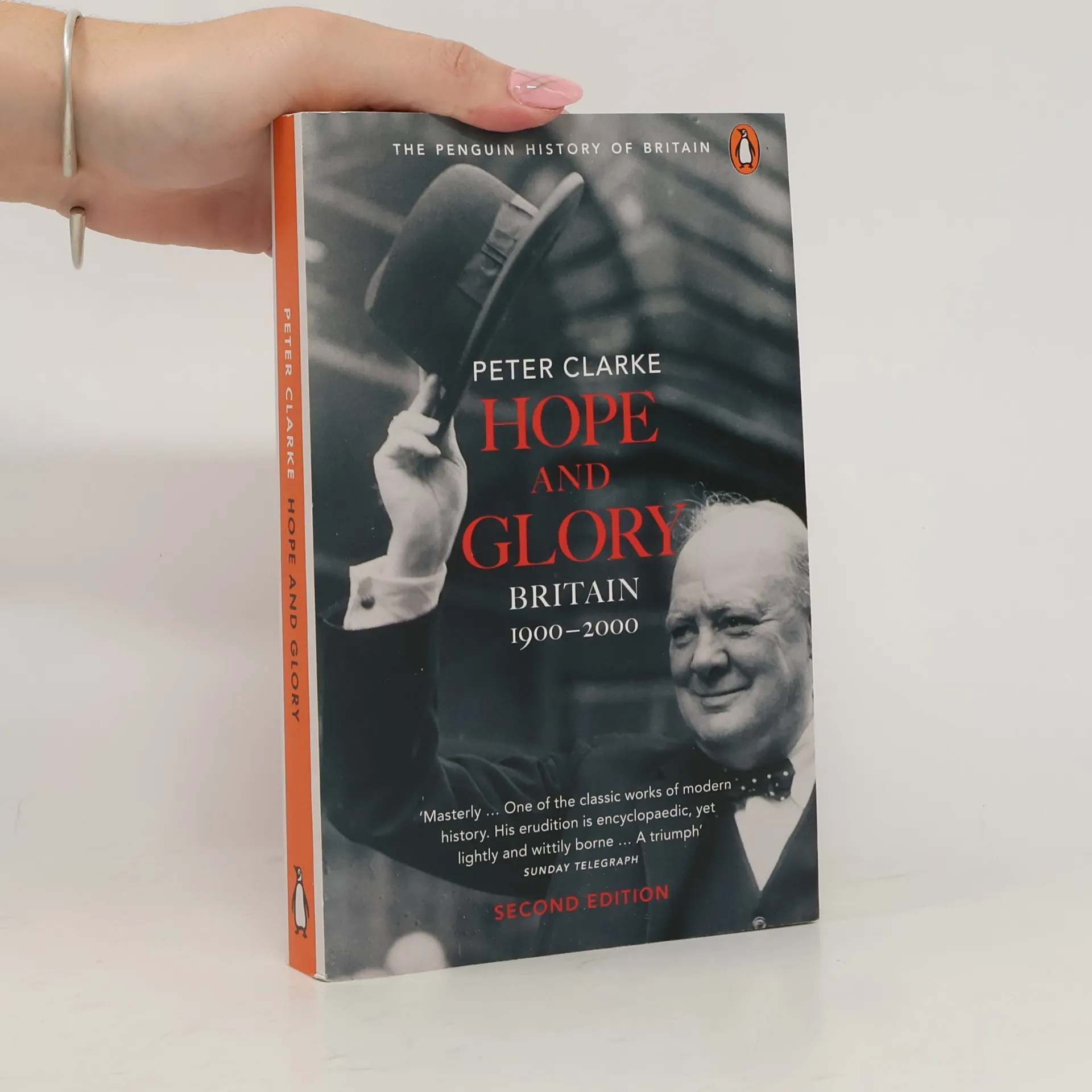
Zkoumá politické, sociální a ekonomické změny, které se v tomto století odehrály ve Velké Británii.


Zkoumá politické, sociální a ekonomické změny, které se v tomto století odehrály ve Velké Británii.
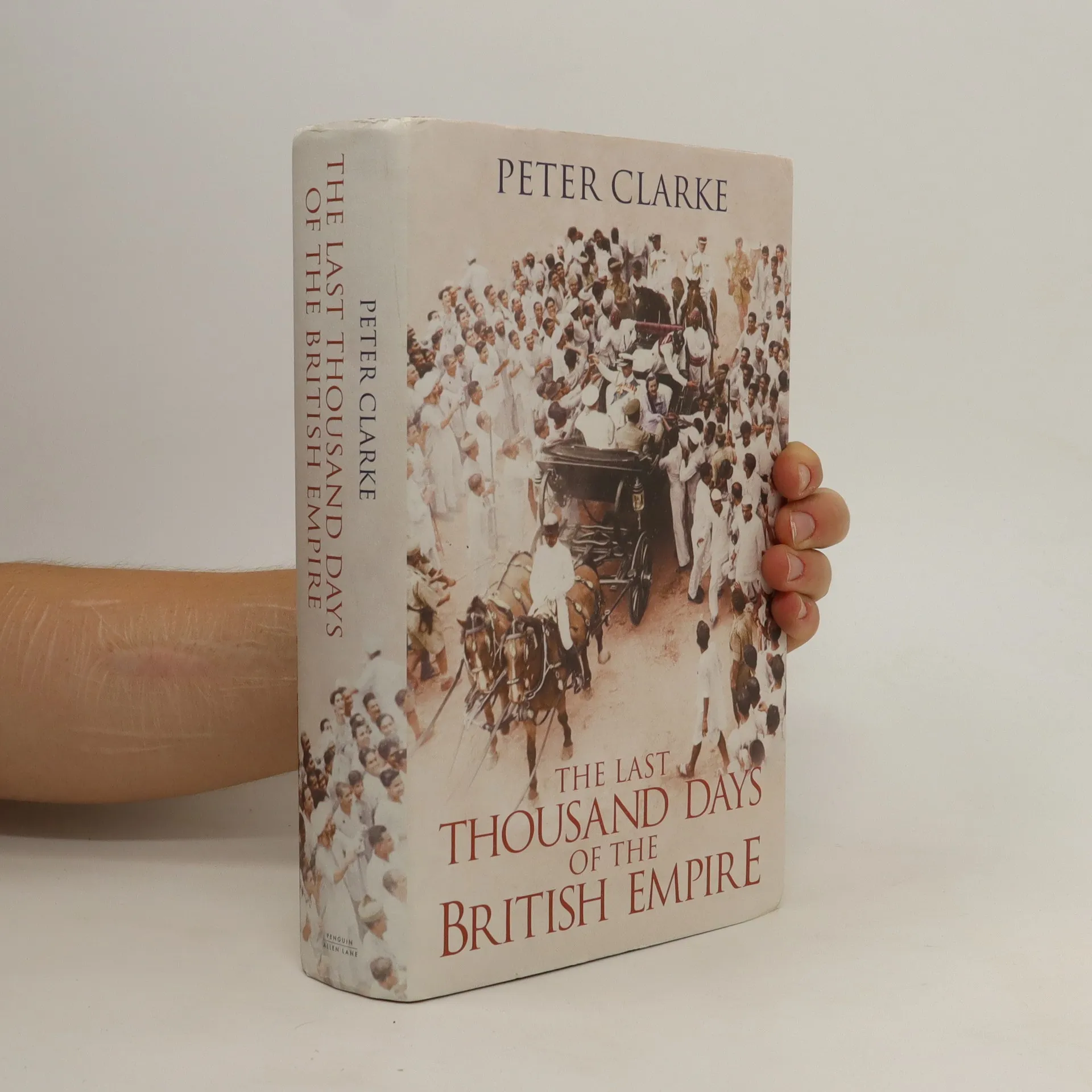
Peter Clarke's book is the first to analyse in detail the losing hand that Britain was dealt in the last year of World War Two, and then to see how that hand was played over the next two years by Churchill's successors. It makes superb use of the copious letters and diaries now available of the major participants and many involved observers, to show how decisions were taken and received. Not least, it analyses dispassionately the role of the how Roosevelt and his successors were determined that Britain must be sustained both during the war and after, but that the British Empire must not. The book thus also describes the short pivotal period when American influence finally took over from the British in world politics.
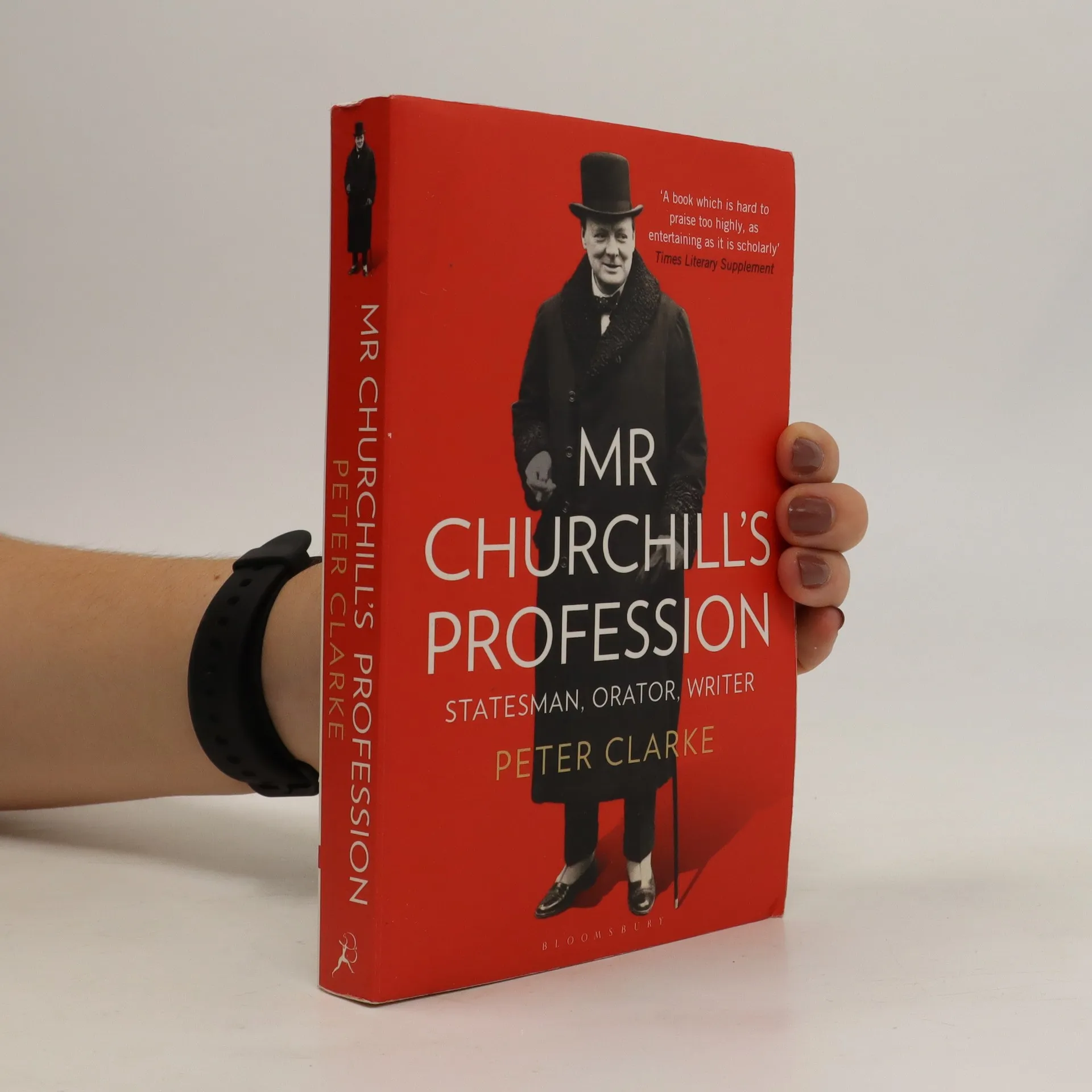
A fascinating new look at a neglected side of Winston Churchill - his life as a professional author - revealing how his most important literary work shaped his role as a world leader, and the history of the Second World War
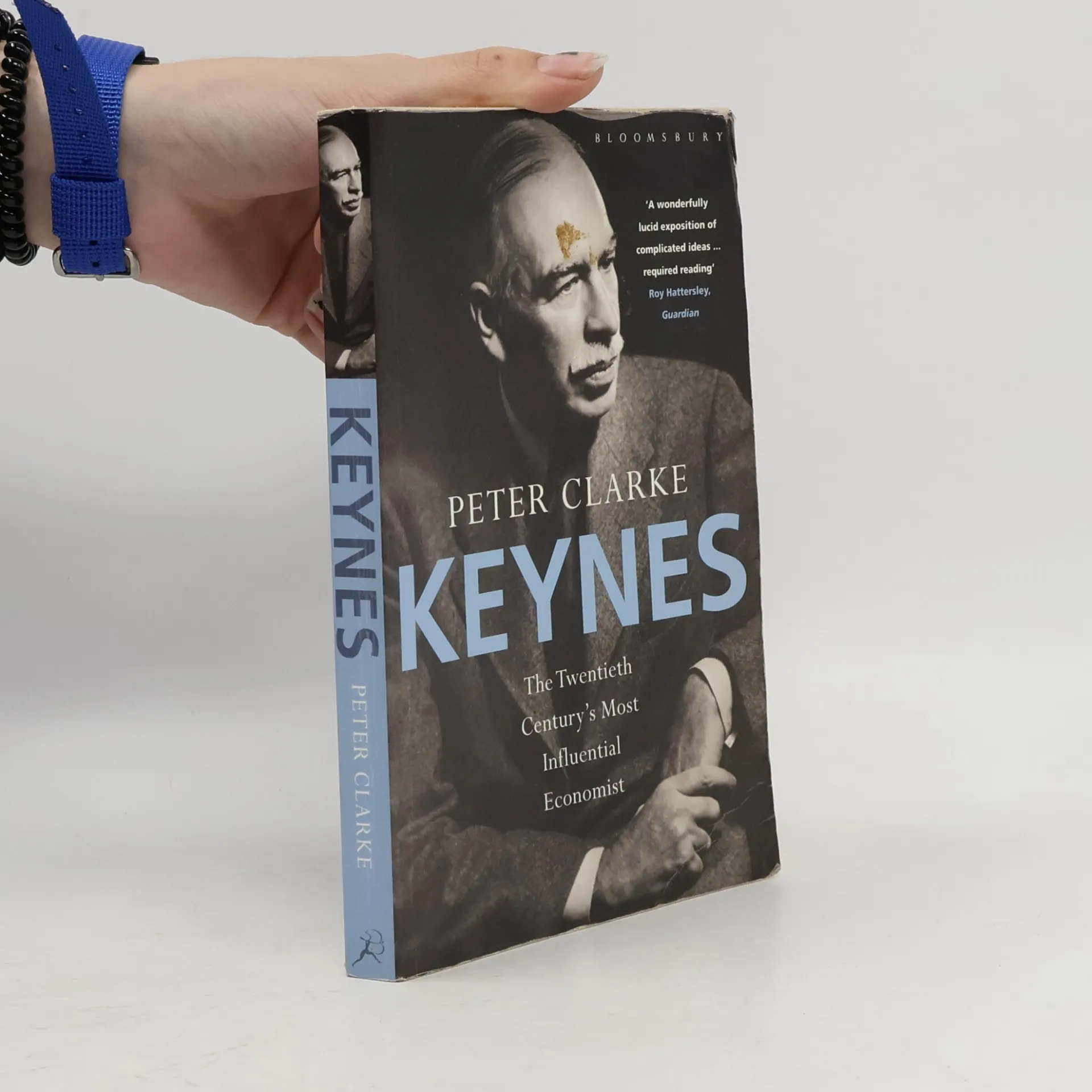
Amid today's economic crisis, we reflect on the past to find perspective, often encountering the figure of John Maynard Keynes. Known for his radical views during the early 1920s, Keynes challenged the free-market orthodoxy of his time, arguing that unemployment required urgent action. He famously asserted, "In the long run we are all dead," emphasizing the need for immediate solutions rather than reliance on self-correcting market mechanisms. His influence peaked when President Nixon declared, "we are all Keynesians now," but over time, Keynes's ideas were dismissed as outdated, especially during economic booms. However, the 2008 financial meltdown reignited interest in his work, as market forces failed to stabilize the economy. In just thirty days, Keynes's once-forgotten theories were revived. This exploration delves into Keynes's life, including his homosexuality and marriage to ballerina Lydia Lopokova, while examining the relevance of his groundbreaking ideas in today's economic landscape. Engaging and authoritative, it sheds light on a misunderstood figure whose insights remain significant in navigating contemporary challenges.