

Knihobot

Sally Grainger

    Cooking Apicius
    The Story of Garum
    The Classical Cookbook
    • The Classical Cookbook

      • 144 stránek
      • 6 hodin čtení

      The daily life of classical Greece and Rome, although separated from us by 2000 years, can be recreated in almost photographic detail. The Classical Cookbook is the first book of its kind, exploring the daily culture of the Mediterranean through the center of its social life--food and drink.Combining narrative texts and recipes, authors Dalby and Grainger draw on a mass of fascinating resources to describe household life for different social groups and occasions. Each chapter provides a historical outline, with translations of the original recipes followed by versions for the moderncook. The book is illustrated throughout with delightful scenes of food, hunters, and revelers from wall paintings, mosaics, and Greek vases. And the array of delicacies, from Sweet Wine Scones to Chicken Stuffed with Olives to Honey Nut Cake, is sure to tempt any connoisseur.

      The Classical Cookbook
      4,2
    • The Story of Garum

      Fermented Fish Sauce and Salted Fish in the Ancient World

      • 314 stránek
      • 11 hodin čtení

      The narrative explores the transformation of garum, a pungent fish sauce, tracing its evolution from a humble Greek condiment to a prized delicacy in Roman gastronomy. It delves into the cultural and economic significance of garum within the Roman Empire, highlighting its role in culinary practices and trade. As the empire wanes, the story reflects on garum's decline and eventual fade into obscurity, offering insights into historical culinary trends and the complexities of food commerce in ancient times.

      The Story of Garum
      3,0
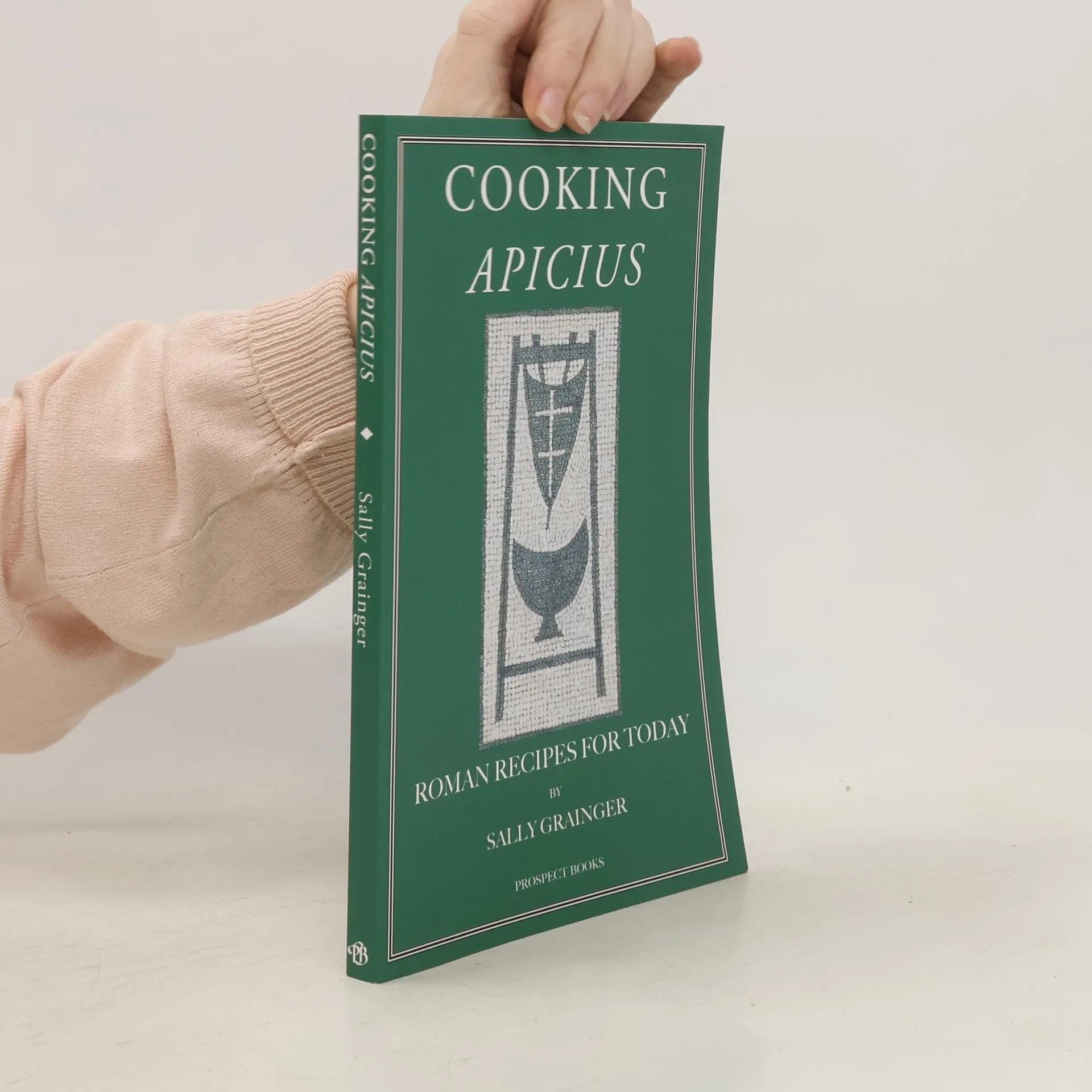
    • Cooking Apicius

      • 128 stránek
      • 5 hodin čtení

      Sally Grainger has gathered, in one convenient volume, her modern interpretations of 64 of the recipes in the original text. This is not ‘recipes inspired by the old Romans’ but rather a serious effort to convert the extremely gnomic instructions in the Latin into something that can be reproduced in the modern kitchen which actually gives some idea of what the Romans might have eaten. Sally Grainger, therefore, has taken great pains to suggest means of replicating the particular Roman taste for fermented fish sauce. It may sound unpleasant, but actually is not too far removed from the fish sauces of the Far East and any reproduction of Roman cookery must depend on getting this particular aspect right.

      Cooking Apicius
      4,2